Modular TV Panels: LED Display Explained
In recent years, the television industry has witnessed a remarkable transformation driven by advances in display technology. Among the most significant innovations is the rise of modular TV panels, particularly those utilizing LED displays. These modular designs are reshaping how consumers and manufacturers think about television screens, offering unprecedented flexibility, scalability, and image quality. This article delves into the world of modular TV panels, explaining the core technology behind LED displays, their benefits, and the future potential of this exciting trend.
Understanding LED Display Technology
At the heart of modular TV panels lies LED (Light Emitting Diode) technology, which has become the industry standard for high-quality displays. Unlike traditional LCD screens that rely on fluorescent backlighting, LED displays use an array of tiny light-emitting diodes to illuminate the screen. This fundamental difference results in improved brightness, contrast, and energy efficiency.
LED displays can be broadly categorized into two types: edge-lit and direct-lit. Edge-lit LED TVs position LEDs along the edges of the screen, using light guides to distribute illumination evenly. Direct-lit LED TVs, on the other hand, place LEDs directly behind the screen, allowing for better control of brightness and contrast. The most advanced form of LED technology is OLED (Organic LED), which uses organic compounds to emit light individually at the pixel level, enabling perfect blacks and exceptional color accuracy.
Modular TV panels typically employ microLED technology, a cutting-edge variation of LED displays. MicroLEDs are microscopic LEDs that can be assembled into panels of various sizes and resolutions. This modular approach allows manufacturers to build large, seamless displays by combining smaller LED modules, overcoming size limitations of traditional panels. The flexibility of microLED technology not only enhances the viewing experience but also opens up new possibilities for creative installations in both residential and commercial settings.
The Advantages of MicroLED in Modular Panels
MicroLED technology offers several advantages that make it ideal for modular TV panels. First, microLEDs provide superior brightness and color performance compared to conventional LEDs and OLEDs. They can achieve peak brightness levels exceeding 1,000 nits, which is essential for viewing in bright environments and for HDR (High Dynamic Range) content.
Second, microLEDs have an exceptionally long lifespan and are less prone to burn-in issues that sometimes affect OLED displays. This durability makes them suitable for commercial applications and long-term home use. Additionally, microLED panels consume less power, contributing to overall energy efficiency. The modular nature of microLED technology also allows for easy repairs and upgrades, as individual modules can be replaced without needing to discard the entire panel. This not only reduces waste but also provides a cost-effective solution for consumers looking to keep their displays up to date with the latest advancements in technology.
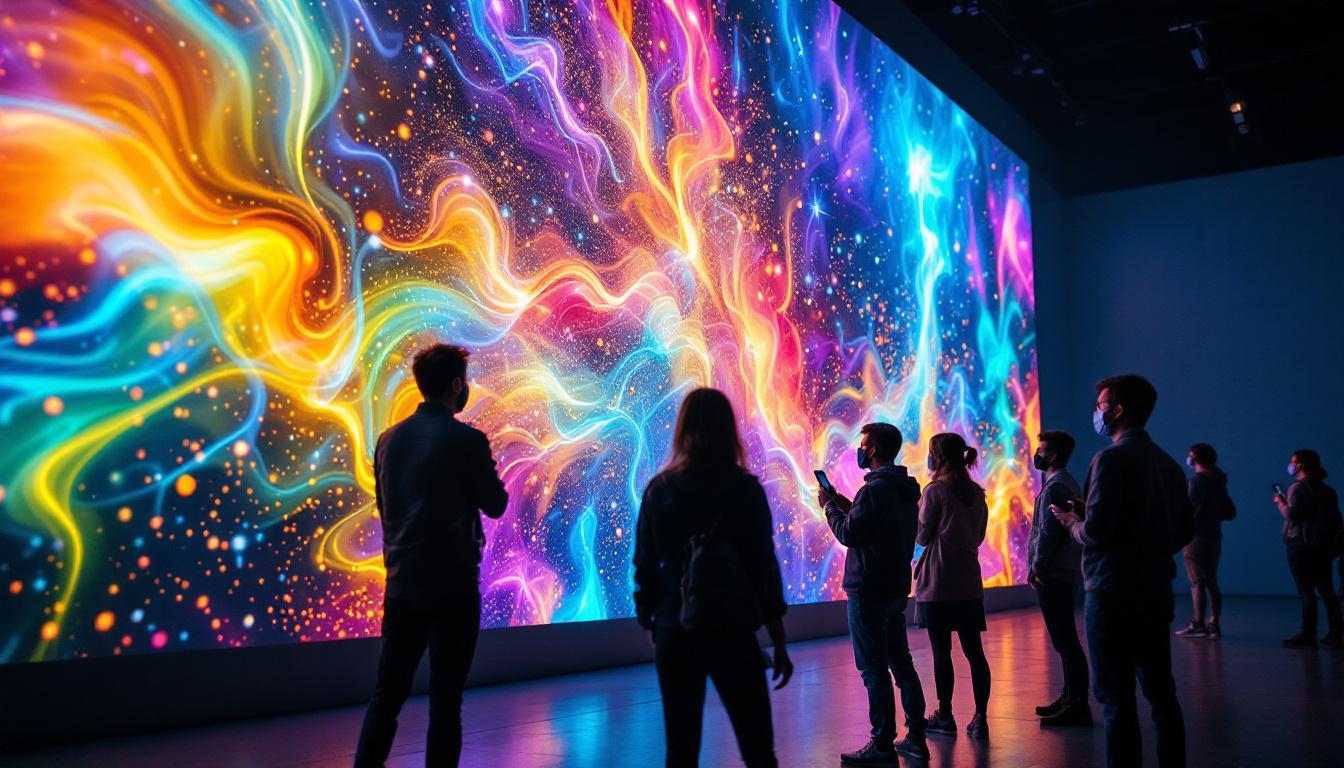
Moreover, microLED technology supports a wider color gamut, enabling displays to reproduce more vibrant and accurate colors. This is particularly beneficial for content creators and professionals in fields such as graphic design and video production, where color precision is paramount. The ability to create custom-sized displays tailored to specific environments further enhances the appeal of microLED panels, making them an excellent choice for immersive experiences in venues like museums, galleries, and theaters. As the technology continues to evolve, we can expect to see even more innovative applications and enhancements that will redefine how we interact with visual media.
The Concept of Modular TV Panels
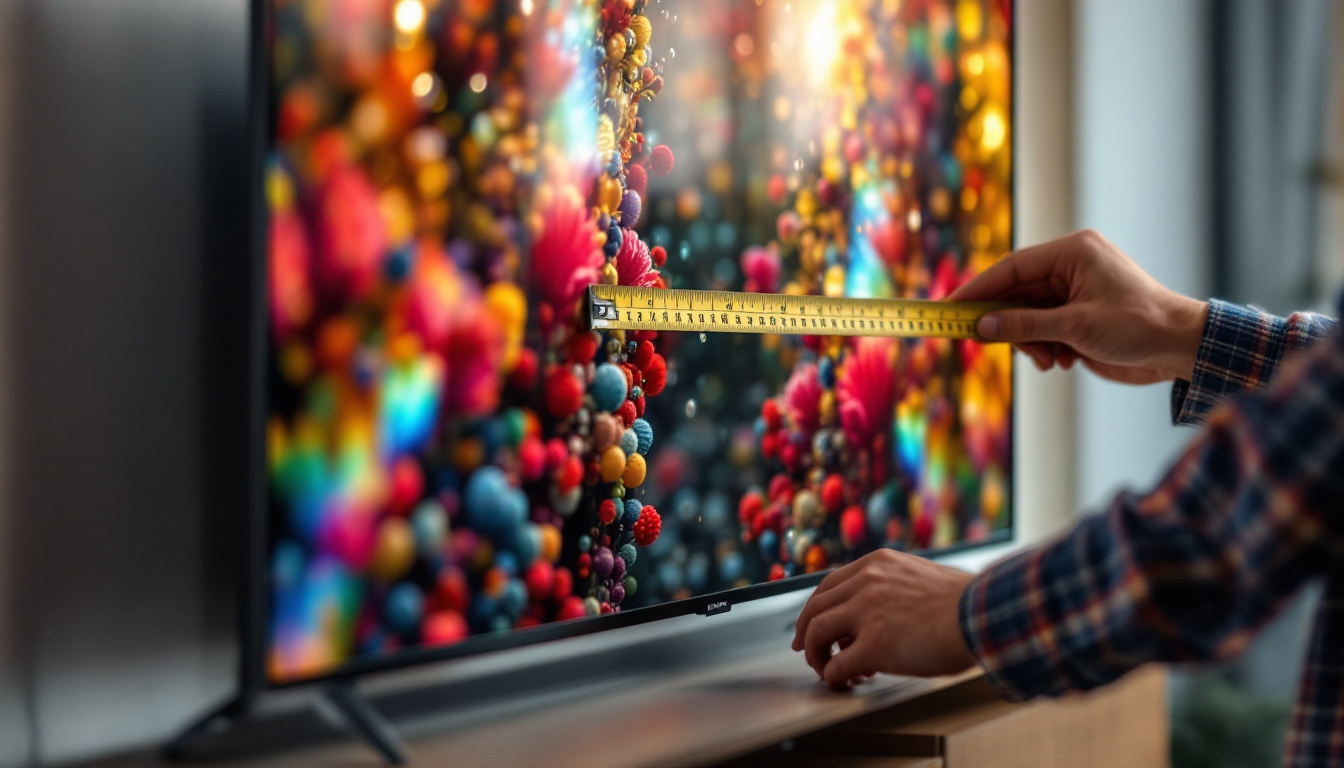
Modular TV panels represent a paradigm shift in display manufacturing and design. Instead of producing a single, large screen, manufacturers create smaller, standardized modules that can be combined to form a larger display. This approach offers several practical benefits.
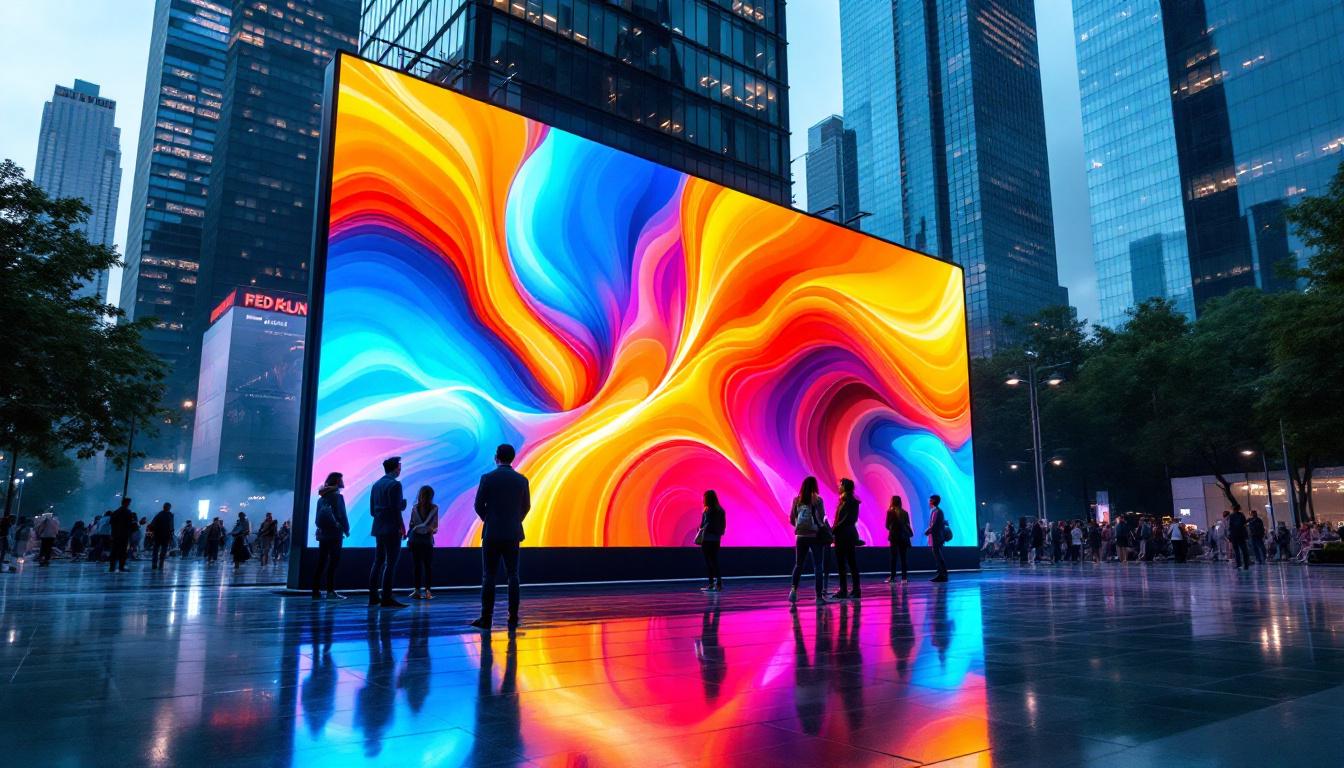
Firstly, modularity enables scalability. Consumers or businesses can customize the size of their TV or video wall by adding or removing modules. For example, a retailer might start with a 75-inch display and later expand it to over 150 inches without replacing the entire screen. This flexibility is particularly valuable in commercial settings such as airports, stadiums, and conference centers.
Secondly, modular panels simplify maintenance and repair. If one module malfunctions, it can be replaced individually without needing to service the entire display. This reduces downtime and maintenance costs, which is crucial for large-scale installations.
How Modular Panels Are Assembled
Each modular panel is essentially a self-contained LED display unit, complete with its own power supply, control circuitry, and mounting hardware. These modules are designed with precise mechanical and electrical connectors that allow them to be seamlessly joined together. The assembly process involves aligning the modules to create a uniform, gapless screen surface.
Advanced manufacturing techniques ensure that the seams between modules are nearly invisible to the naked eye, preserving image continuity. The control system synchronizes the modules to display a cohesive image, managing color calibration and brightness uniformity across the entire display.
Moreover, the design of these modular panels often incorporates innovative cooling solutions to manage heat dissipation effectively. Each module is engineered to maintain optimal operating temperatures, which not only enhances performance but also extends the lifespan of the display. This is particularly important in environments where displays are used continuously, such as in digital signage or live event broadcasting. The integration of smart technology also allows for remote monitoring and diagnostics, enabling operators to track performance metrics and address potential issues proactively.
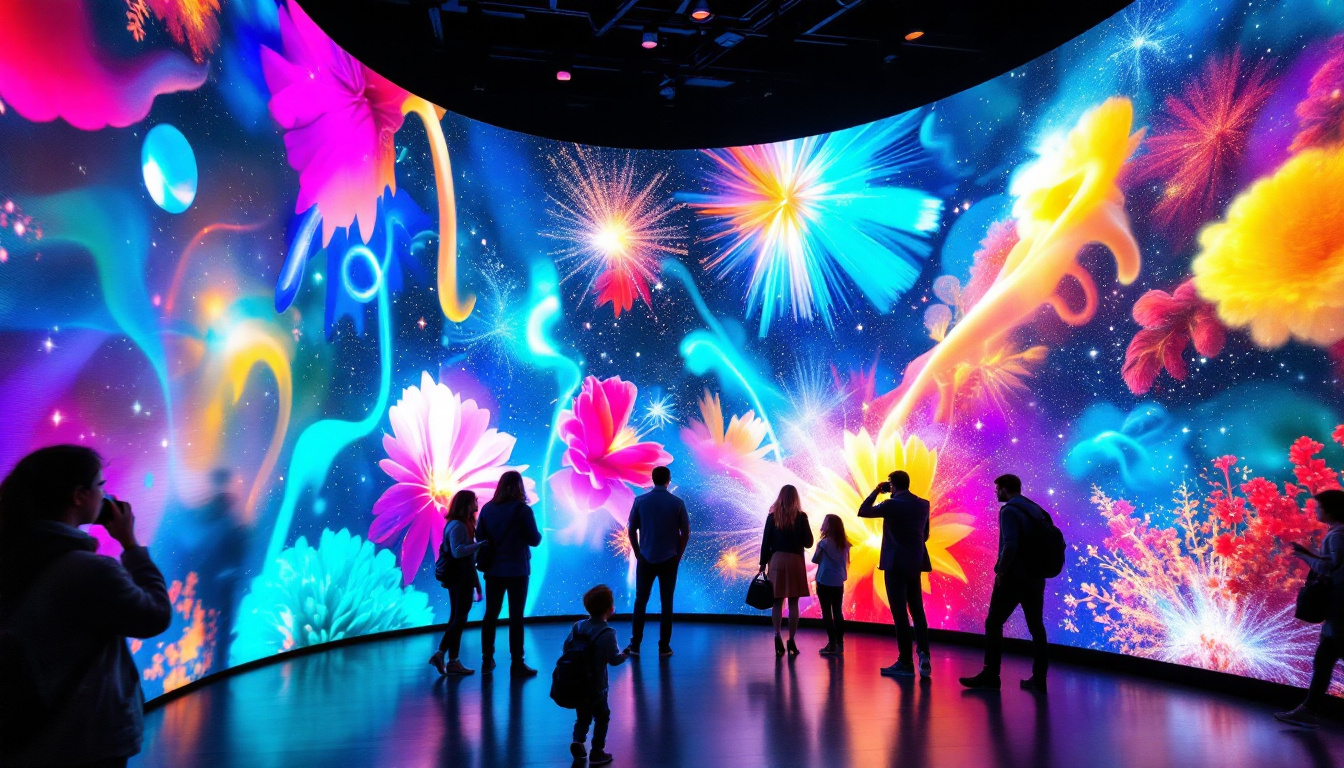
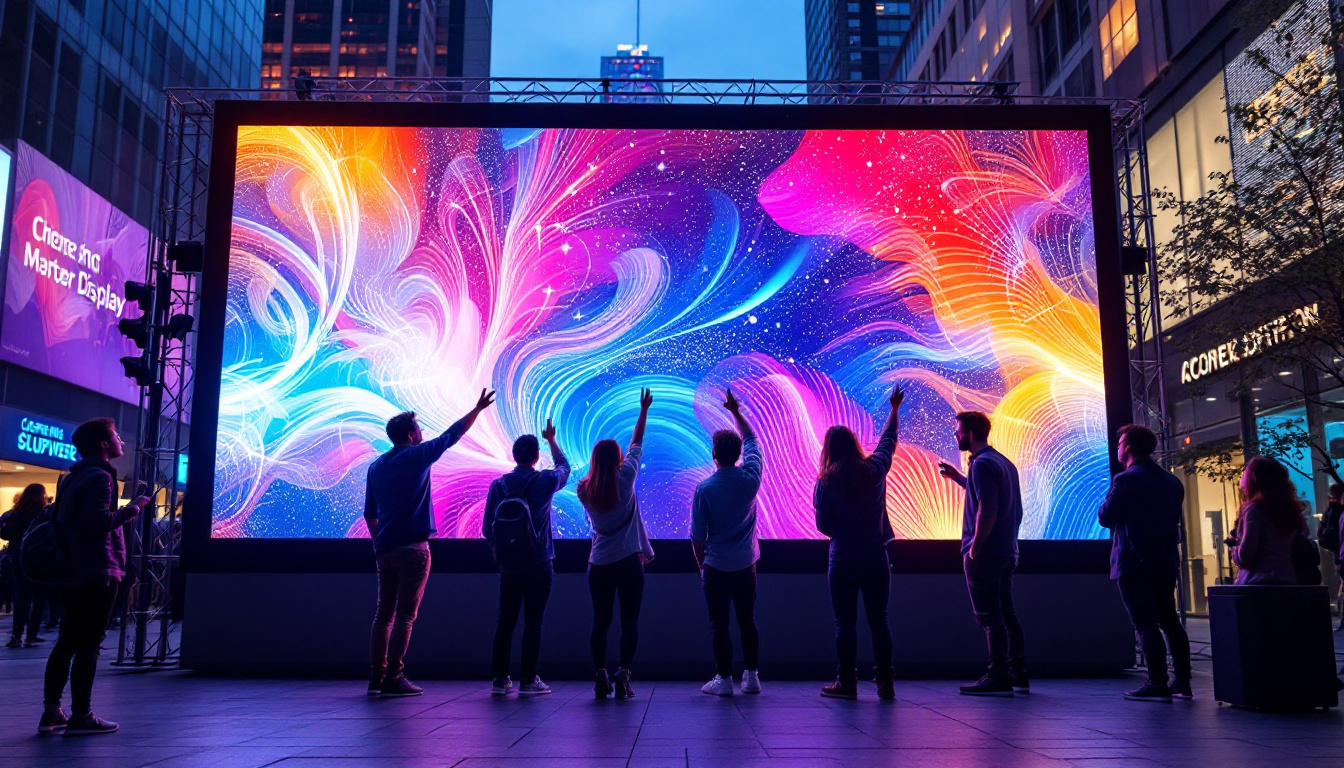
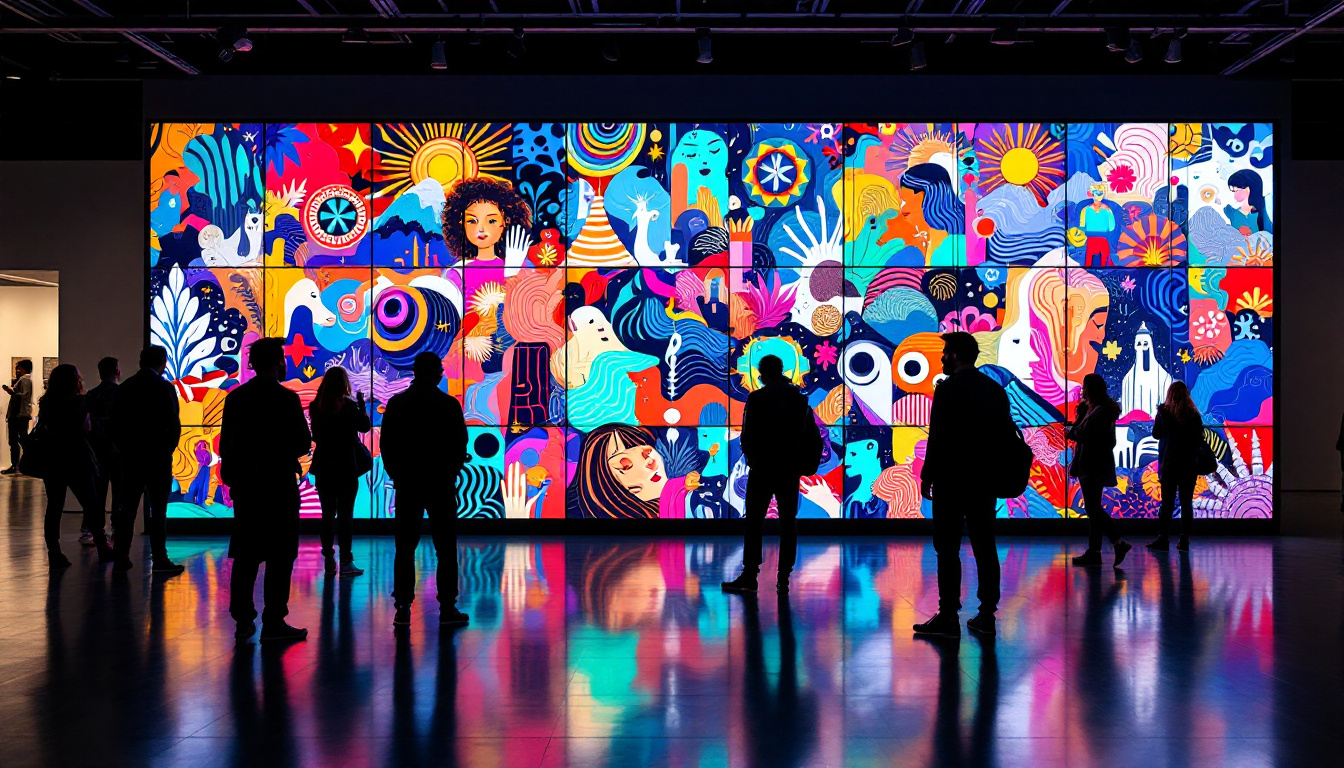
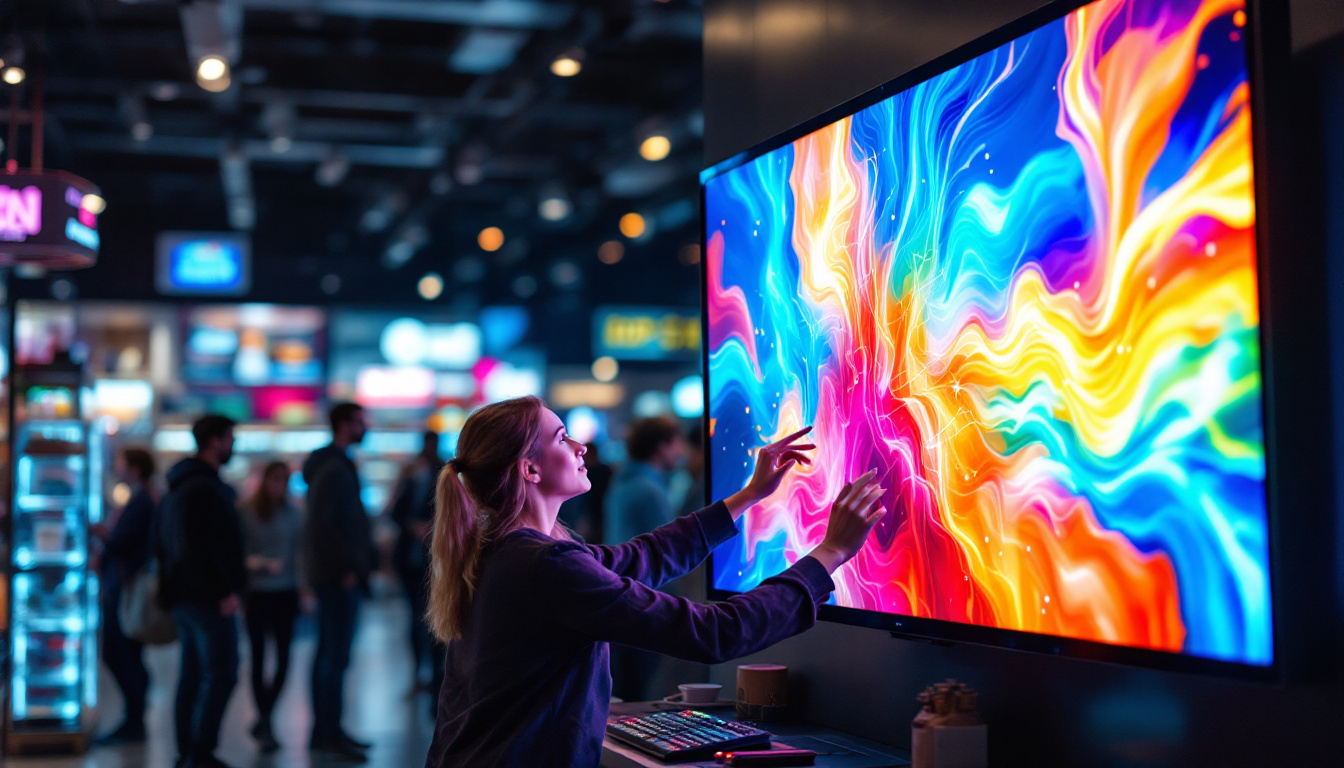
In addition to their practical applications, modular TV panels are also paving the way for creative installations. Artists and designers are beginning to explore the potential of these versatile displays to create immersive environments that engage viewers in new ways. By combining different shapes and orientations of modules, unique visual experiences can be crafted, transforming spaces into dynamic canvases that respond to the audience’s interactions. This artistic potential is further enhanced by the ability to program content that shifts and evolves, making each viewing experience distinct and memorable.
Applications of Modular LED TV Panels
The versatility of modular LED panels has led to their adoption in a wide range of applications beyond traditional home entertainment. Their ability to create large, high-resolution displays makes them ideal for environments requiring impactful visual communication.
Commercial and Public Spaces
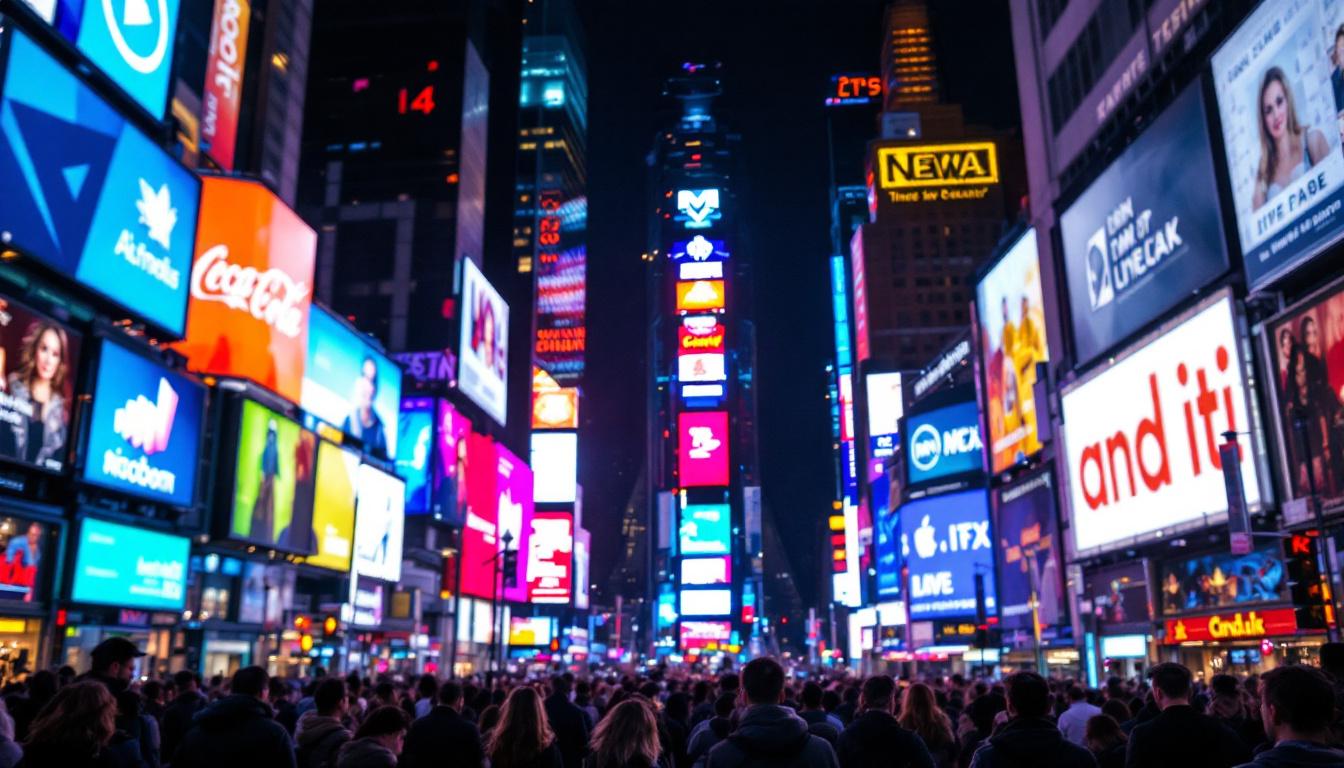
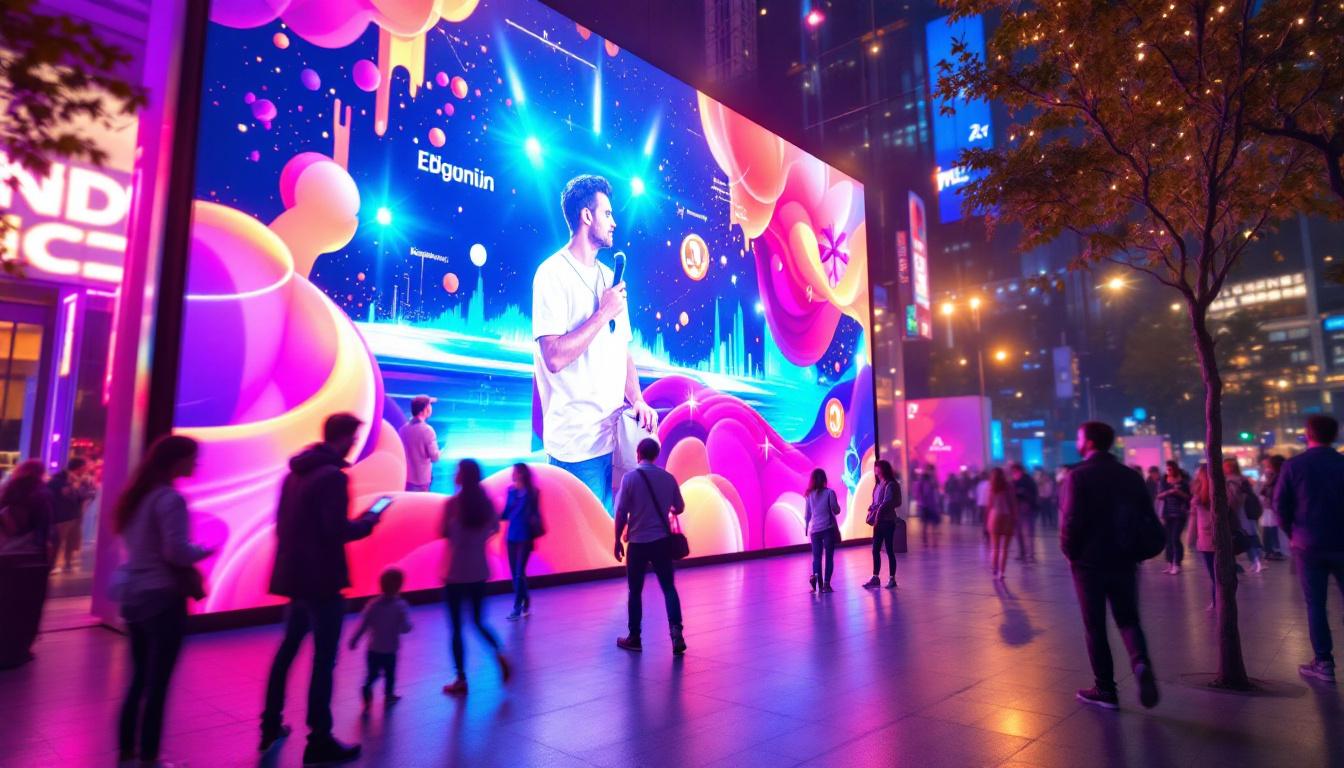
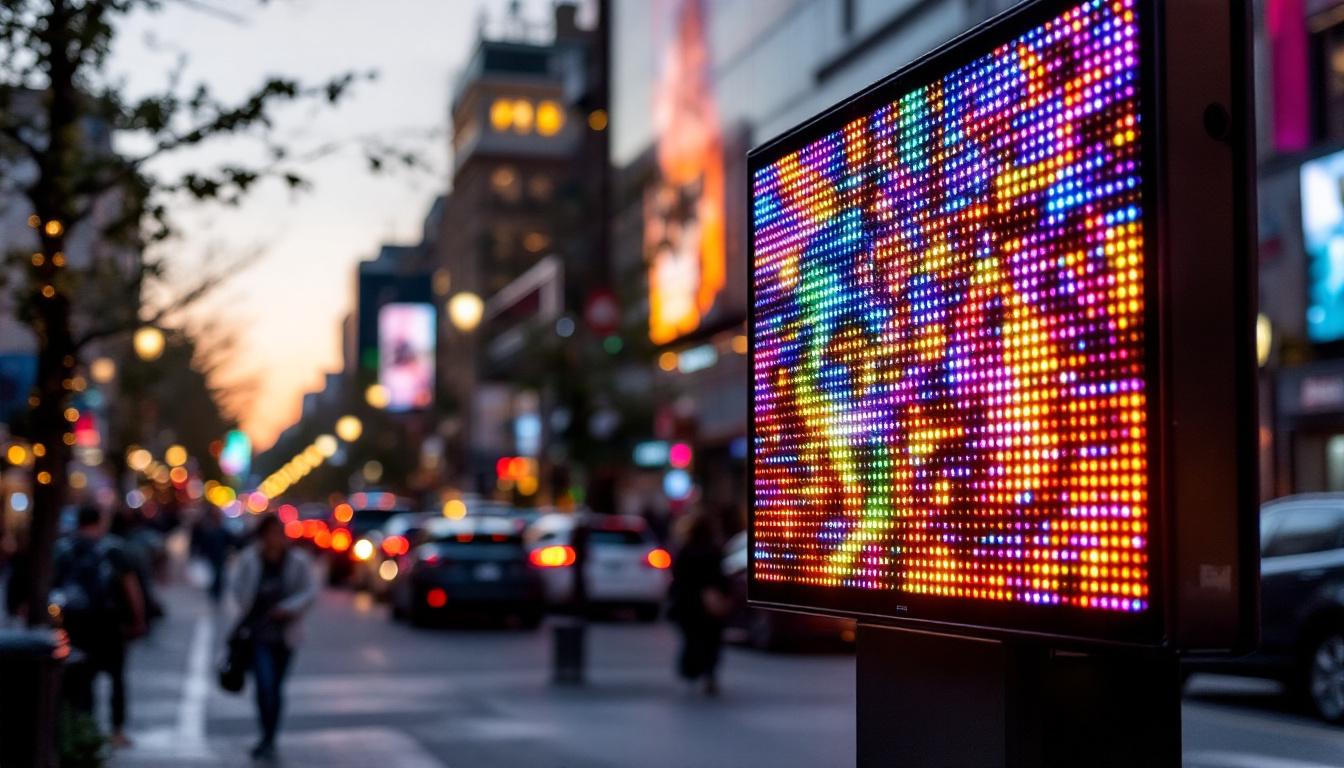
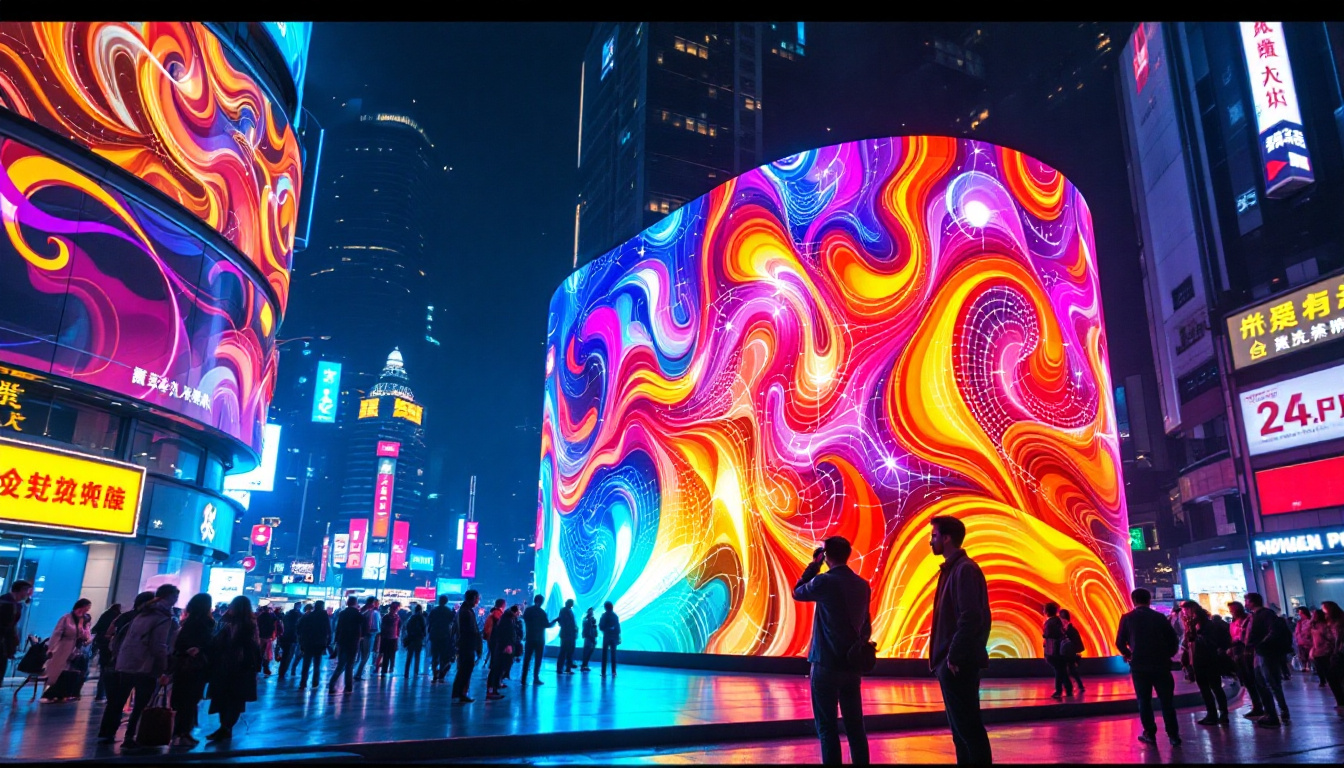
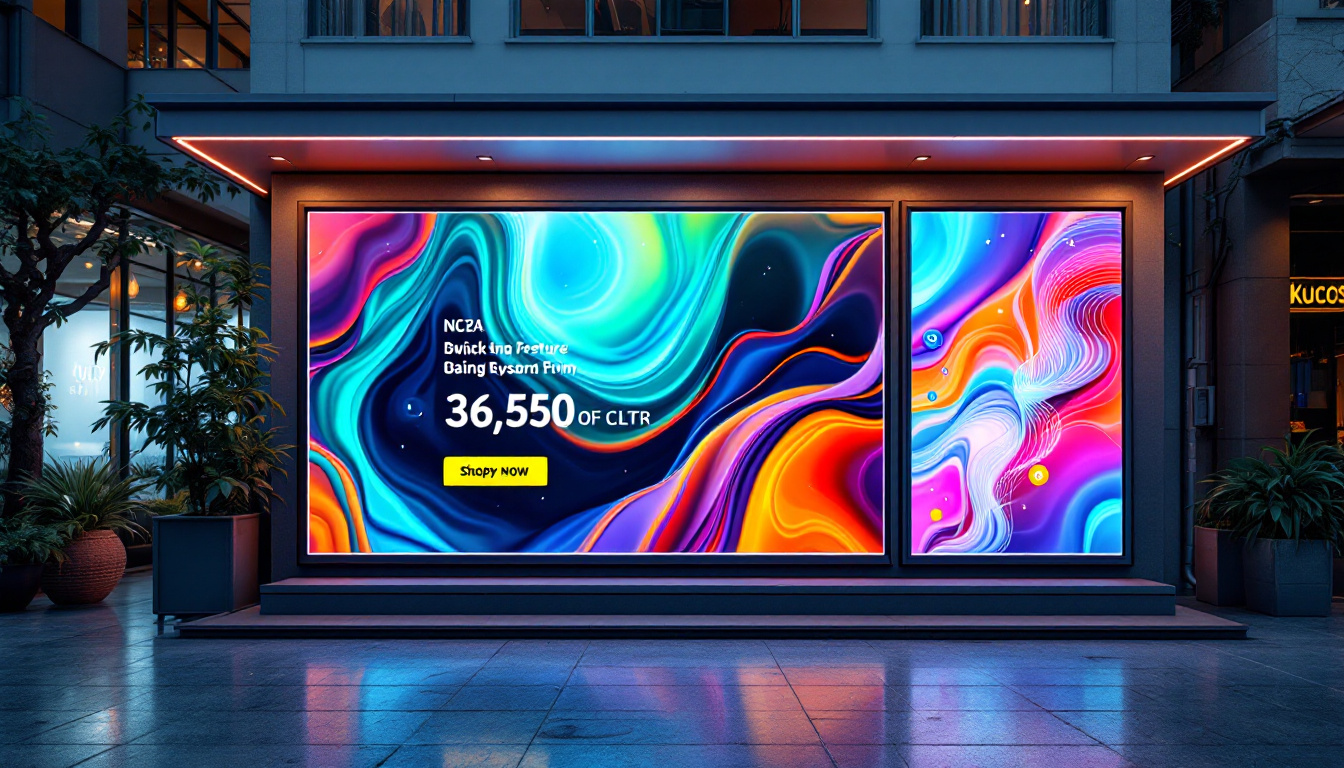
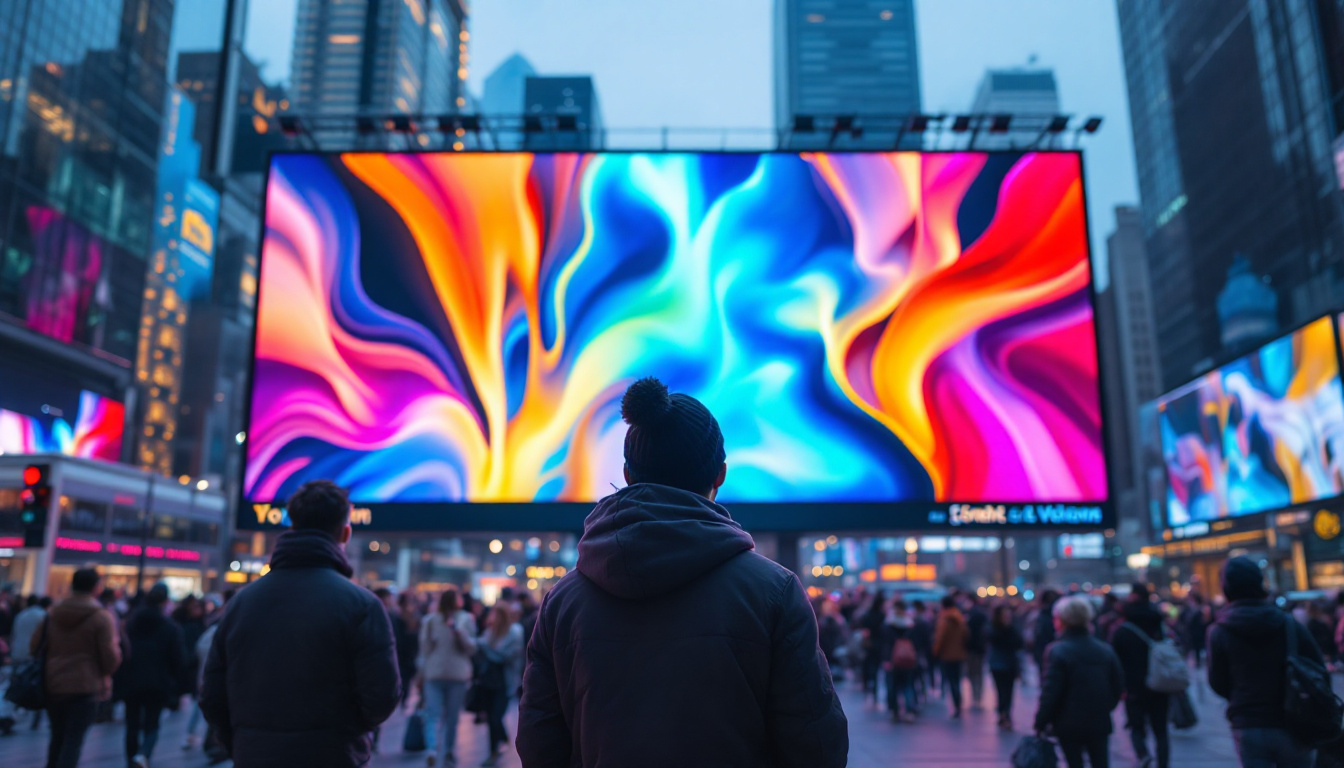
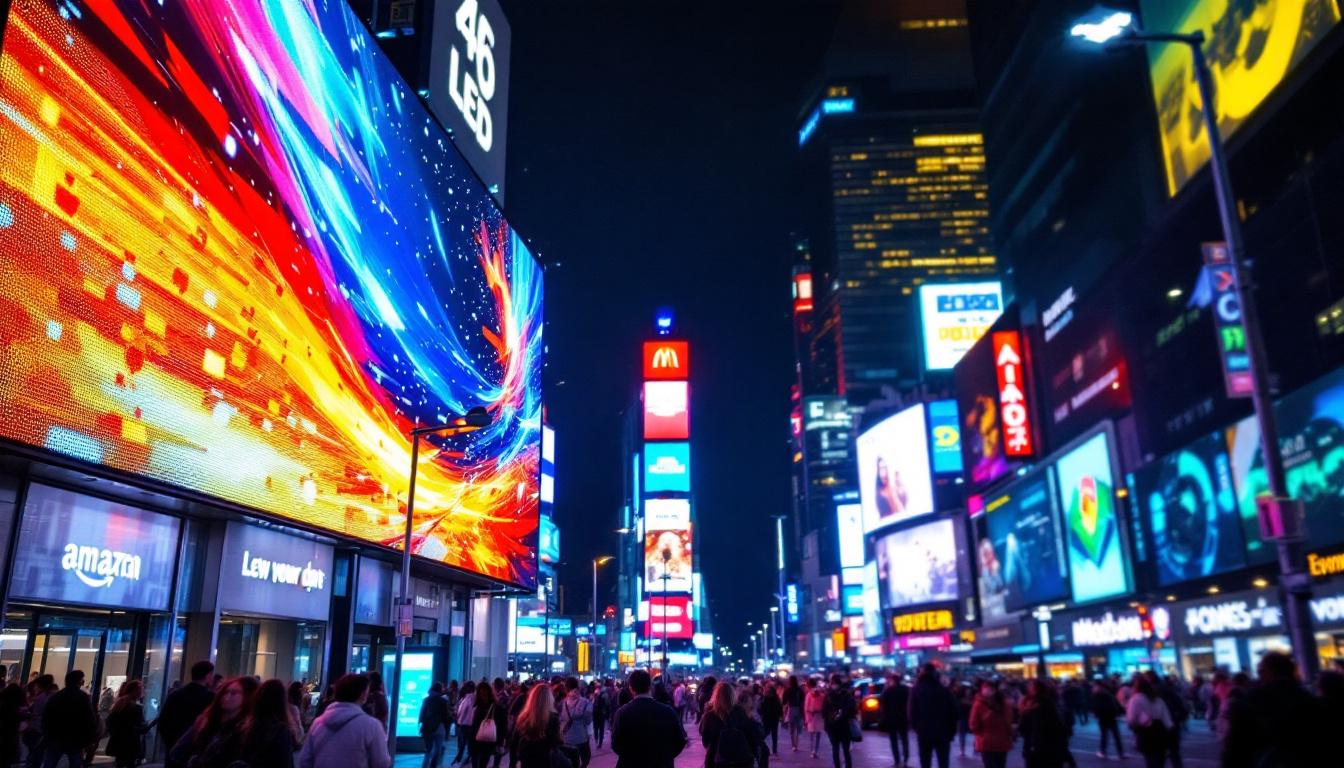
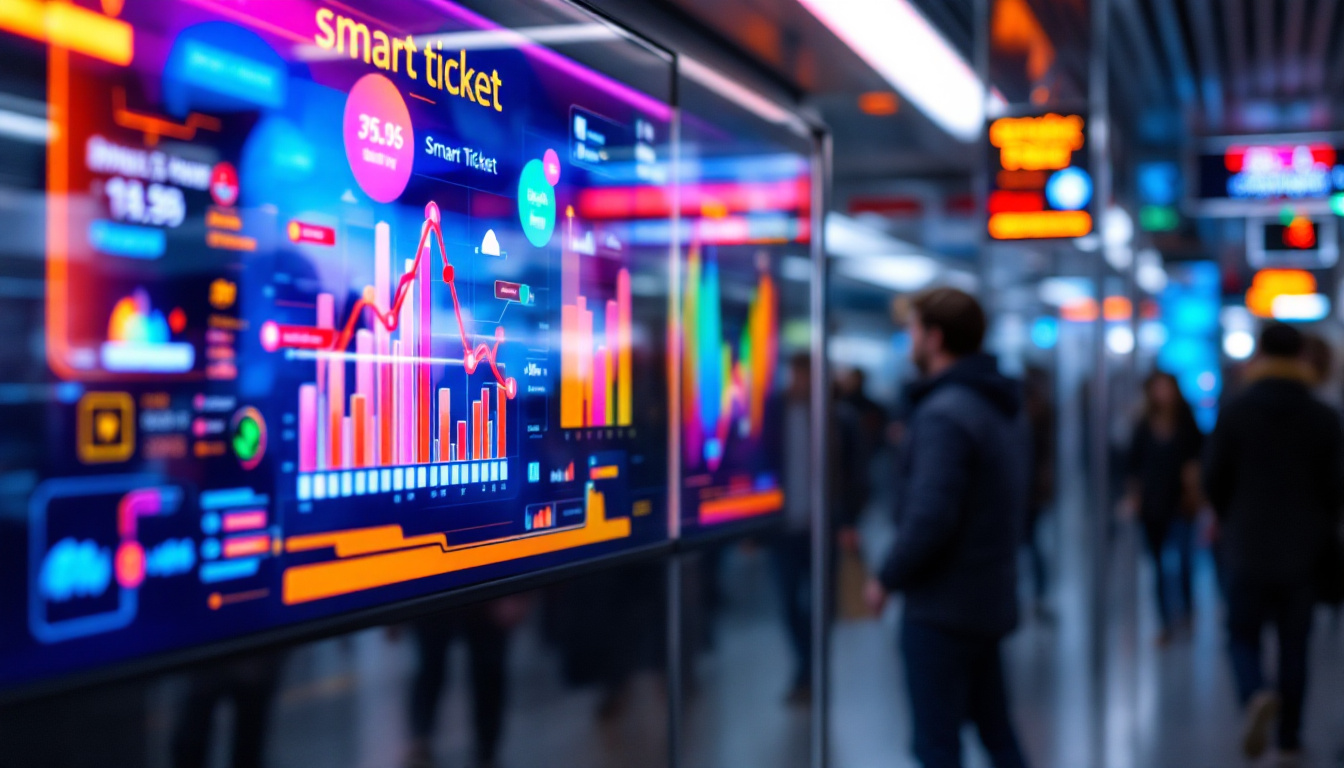
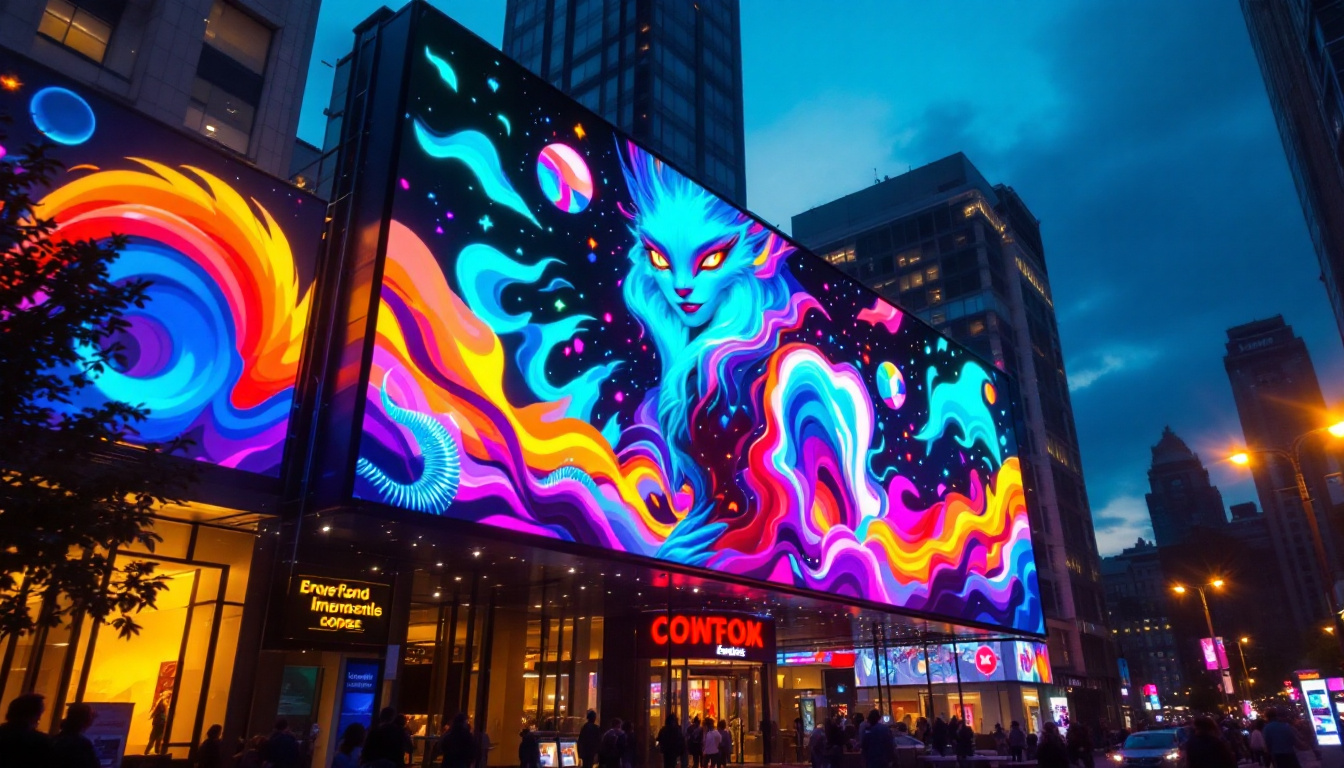
Retailers, airports, and transportation hubs use modular LED walls to display dynamic advertisements, flight information, and wayfinding content. The scalability of modular panels allows these venues to tailor screen sizes to their specific spatial constraints and audience needs. For example, the Dubai International Airport features massive LED video walls that deliver real-time information and advertising in vibrant detail.
Sports Arenas and Entertainment Venues
Sports stadiums and concert venues benefit from modular LED panels by creating giant video boards that enhance the spectator experience. These displays provide instant replays, live feeds, and immersive graphics that engage audiences. The modular design facilitates quick installation and reconfiguration for different events.
Corporate and Residential Use
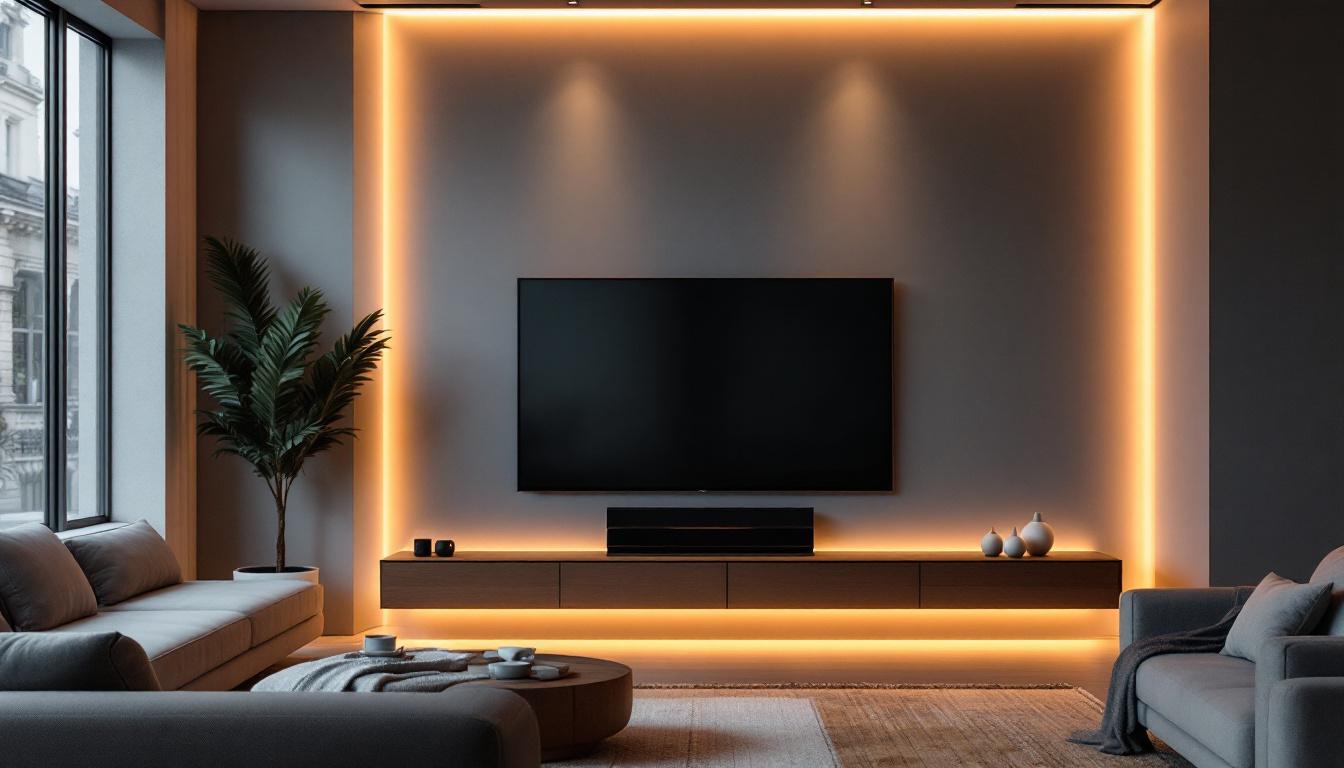
In corporate environments, modular LED displays are used for video conferencing, presentations, and digital signage. Their ability to scale and deliver high-definition images makes them a valuable tool for communication and collaboration. In the residential market, modular TVs offer enthusiasts the possibility of customizing their home theater setups with ultra-large screens tailored to their space and preferences.
Key Benefits of Modular TV Panels
Understanding the advantages of modular LED TV panels helps clarify why this technology is gaining traction across industries.
Customization and Flexibility
Modular panels allow users to customize screen size and aspect ratio, accommodating unique spaces and viewing preferences. This flexibility is unmatched by traditional fixed-size TVs.
Enhanced Image Quality
MicroLED technology delivers exceptional brightness, contrast, and color accuracy. Combined with the seamless integration of modules, the resulting image quality rivals or exceeds that of conventional displays.
Improved Durability and Maintenance
Individual modules can be serviced or replaced without disrupting the entire system, reducing maintenance costs and downtime. The robust nature of microLEDs also extends the lifespan of the display.
Energy Efficiency
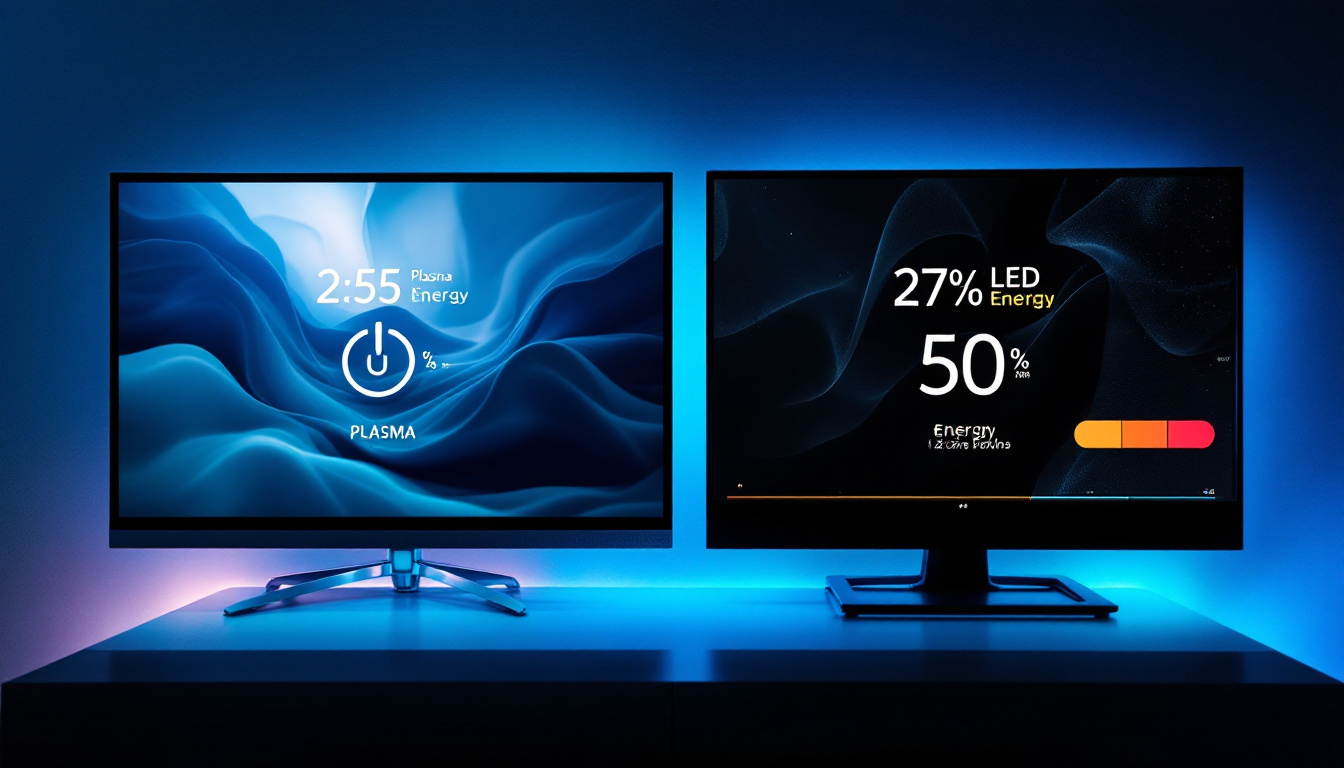
Compared to older display technologies, modular LED panels consume less power, contributing to lower operational costs and environmental impact.
Challenges and Considerations
Despite their many benefits, modular LED TV panels come with certain challenges that consumers and businesses should consider.
Cost Factors
Currently, microLED technology remains expensive compared to traditional LCD and OLED TVs. The complexity of manufacturing and assembling modular panels contributes to higher upfront costs. However, prices are expected to decrease as production scales and technology matures.
Installation Complexity
While modularity simplifies maintenance, the initial installation requires precise alignment and calibration to ensure seamless image quality. Professional installation is often necessary, especially for large-scale setups.
Content and Signal Management
Managing content across multiple modules requires advanced control systems capable of synchronizing video signals and maintaining color consistency. This adds a layer of technical complexity that must be addressed during setup.
The Future of Modular LED Displays
The trajectory of modular LED technology points toward increasingly large, customizable, and high-performance displays becoming commonplace. As manufacturing techniques improve and costs decline, microLED modular panels are poised to enter mainstream consumer markets more broadly.
Emerging trends include flexible and curved modular panels, enabling new form factors and immersive viewing experiences. Integration with smart home and IoT systems will further enhance the functionality and interactivity of modular TVs.
Moreover, advances in AI-driven calibration and content management promise to simplify the user experience, making modular LED displays accessible to a wider audience.
Conclusion
Modular TV panels powered by LED and microLED technology represent a significant leap forward in display innovation. Their combination of scalability, superior image quality, and maintainability offers compelling advantages for a variety of applications, from home entertainment to large-scale commercial installations.
While challenges such as cost and installation complexity remain, ongoing technological advancements are steadily addressing these issues. As a result, modular LED displays are set to become a dominant force in the future of television and digital signage, providing users with unparalleled flexibility and viewing experiences.
Discover the Future of Visual Experience with LumenMatrix
Ready to elevate your visual communication and transform any space into a dynamic visual spectacle? LumenMatrix, a pioneer in LED display technology, invites you to explore our comprehensive range of LED display solutions. From captivating Indoor LED Wall Displays to vibrant Outdoor LED Wall Displays, and from versatile Vehicle LED Displays to innovative Custom LED Displays, we have everything you need to create engaging and memorable experiences. Whether it’s for advertising, entertainment, or information sharing, our mission is to empower your message with clarity and impact. Check out LumenMatrix LED Display Solutions today and join the revolution in display innovation.