In the world of digital displays, LED screens have become the standard for everything from smartphones and televisions to large-scale advertising billboards. Despite their widespread adoption and impressive visual capabilities, LED displays sometimes suffer from a visual artifact known as the moiré effect. This phenomenon can degrade image quality and disrupt the viewing experience. Understanding what causes moiré patterns and how to fix them is essential for display manufacturers, content creators, and end-users alike.
What is the Moiré Effect?
The moiré effect is a visual interference pattern that appears when two grids or repetitive patterns overlap at certain angles or frequencies. This results in a new pattern that can look like waves, ripples, or strange geometric shapes. In the context of LED displays, moiré patterns often emerge when the pixel grid of the display interacts with the pixel grid of the content source, such as a camera sensor or digital image.
For example, when filming an LED screen with a camera, the camera sensor’s pixel array can interfere with the LED pixel array, creating a moiré pattern that is not visible to the naked eye but becomes apparent on the recorded footage. Similarly, when displaying finely detailed images or patterns that closely match the LED pixel pitch, moiré can appear as unwanted visual noise.
Why Moiré Patterns Matter in LED Displays
Moiré patterns are more than just an aesthetic nuisance—they can significantly impact the perceived image quality. For advertisers using large LED billboards, moiré can distort logos, text, or product images, reducing brand impact. In professional video production, moiré can complicate post-production workflows and reduce the fidelity of recorded content. Even for everyday consumers, moiré can cause eye strain or reduce enjoyment when watching high-definition content.
With the global LED display market projected to reach over $40 billion by 2027, according to industry analysts, addressing moiré issues is critical for maintaining the technology’s reputation and user satisfaction. The phenomenon can also affect various industries beyond advertising and entertainment, such as fashion and architecture, where precise visual representation is crucial. For instance, designers might encounter moiré when showcasing intricate textile patterns or architectural renderings, leading to misinterpretations of their work. As a result, understanding and mitigating moiré effects is essential for professionals across multiple fields who rely on high-quality visual outputs.
To combat the moiré effect, several strategies can be employed. One common approach is to adjust the resolution of the display or the content being shown, ensuring that the pixel densities are not in conflict. Additionally, using anti-aliasing techniques or applying filters during the production process can help minimize the appearance of these patterns. Innovations in display technology, such as higher pixel density and improved pixel arrangement, are also making strides in reducing moiré occurrences, allowing for clearer and more vibrant visuals. As technology continues to evolve, the industry is likely to see more sophisticated solutions that enhance the viewing experience while mitigating the challenges posed by moiré patterns.
Causes of Moiré in LED Displays
To effectively fix moiré, it is important to understand its root causes. Several factors contribute to the formation of moiré patterns in LED displays:
Pixel Pitch and Resolution Mismatch
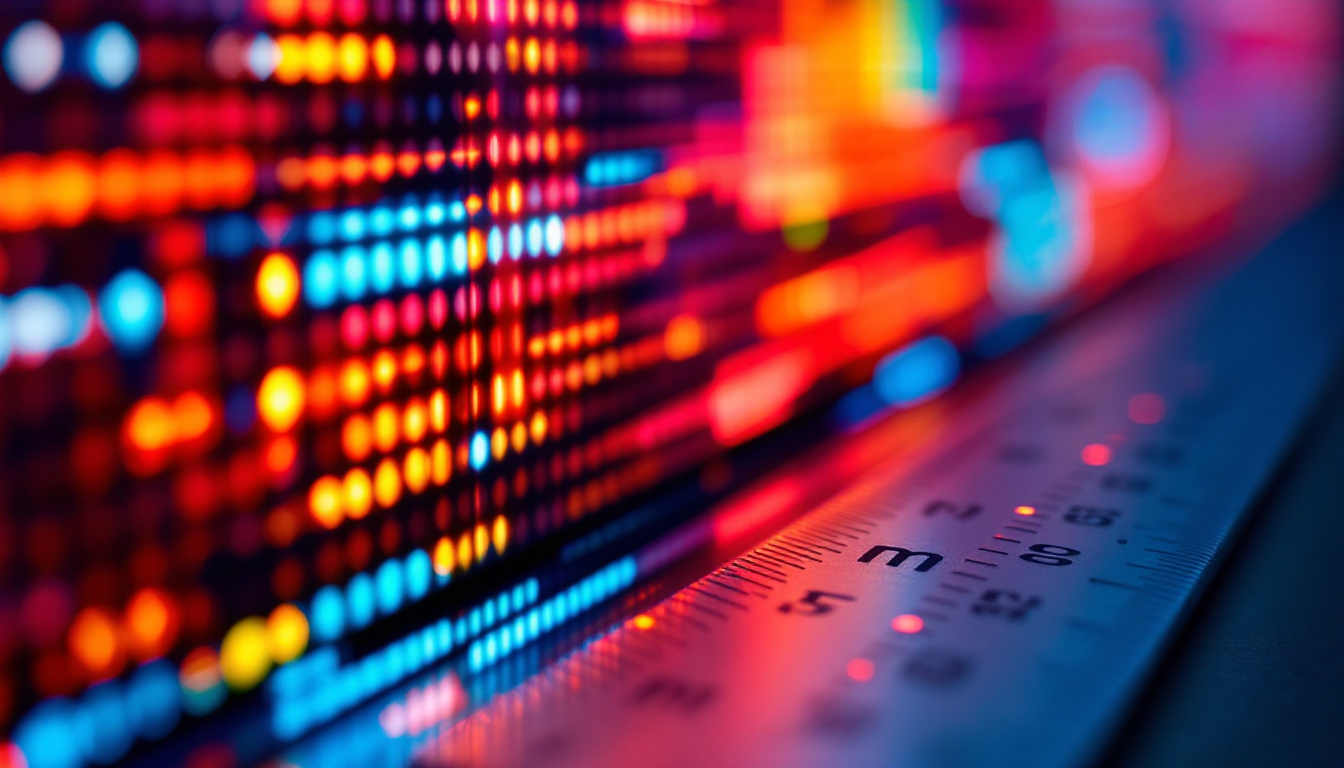
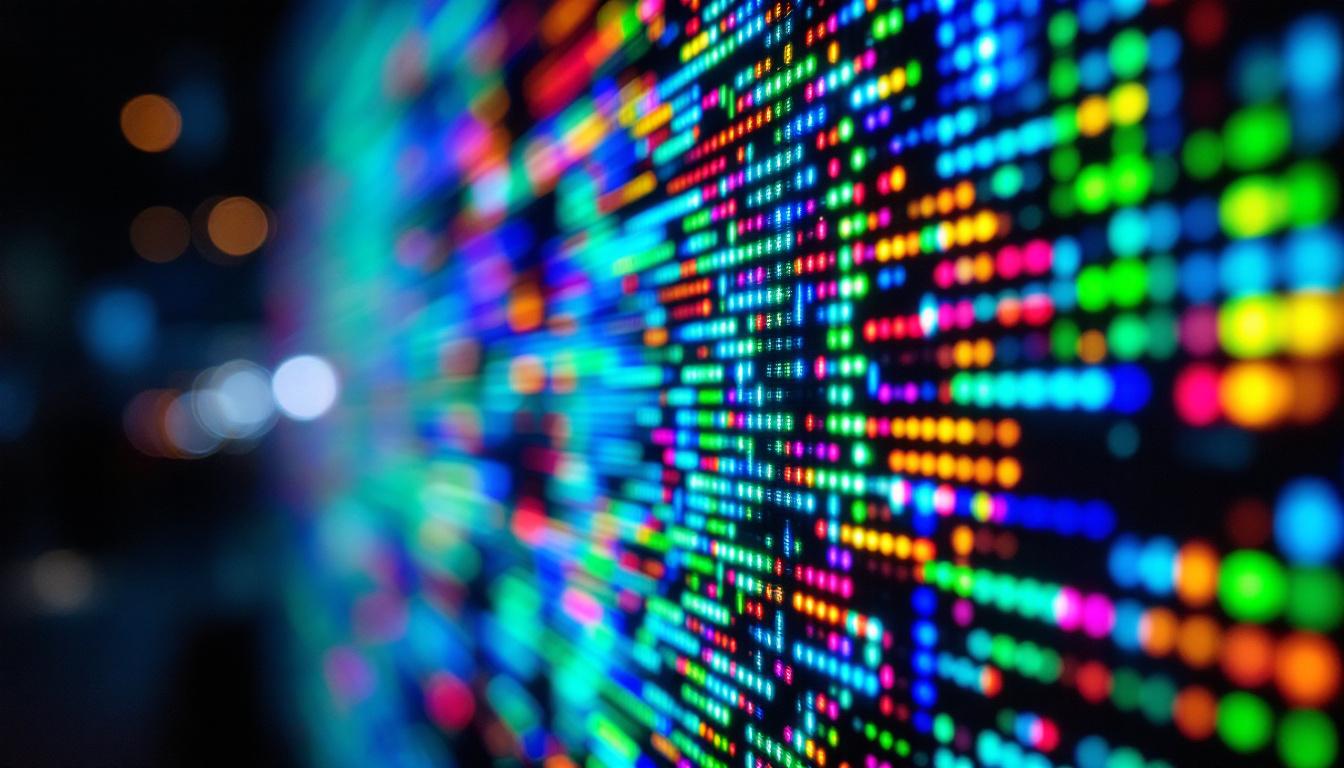
Pixel pitch refers to the distance between the centers of two adjacent LEDs on a display. When the pixel pitch of the LED display closely matches or conflicts with the pixel density of the content source (such as a camera or computer screen), moiré patterns are likely to occur. This is because the two grids interfere with each other, creating a new pattern that neither grid possesses individually.
For instance, a display with a pixel pitch of 2.5 mm might show moiré when displaying content designed for a 1080p resolution, especially if the content contains fine repetitive patterns like stripes or grids.
Viewing Angle and Distance
The angle and distance from which the LED display is viewed can also influence moiré visibility. At certain angles, the alignment between the viewer’s line of sight and the LED grid can accentuate interference patterns. Similarly, viewing the display from a very close distance can reveal pixel-level details that contribute to moiré, while viewing from farther away may reduce or eliminate the effect.
Camera Sensor Interference
When LED displays are filmed or photographed, the camera’s sensor grid interacts with the LED pixel grid. This is a common source of moiré in broadcast environments, live events, and video production. The sensor’s Bayer filter array and pixel arrangement can create complex interference patterns with the LED pixels, leading to visible moiré in recorded footage.
Techniques to Fix Moiré in LED Displays
Over the years, engineers and designers have developed several methods to reduce or eliminate moiré effects in LED displays. These solutions range from hardware design improvements to software-based image processing techniques.
Optimizing Pixel Pitch and Resolution
One of the most straightforward ways to reduce moiré is to carefully select the pixel pitch of the LED display to avoid frequency conflicts with common content resolutions. For example, ultra-fine pixel pitch displays (such as 1.2 mm or less) are less prone to moiré because their pixel density surpasses that of most content sources, reducing interference.
Conversely, when designing content, creators can avoid using patterns that closely match the LED pixel grid frequency. This requires collaboration between display manufacturers and content producers to ensure compatibility.
Subpixel Rendering and Pixel Arrangement
Innovative pixel arrangements can also mitigate moiré. Instead of arranging LEDs in a traditional square grid, some manufacturers use hexagonal or triangular layouts. These non-rectangular arrangements disrupt the regularity that causes moiré patterns.
Subpixel rendering techniques, which manipulate individual red, green, and blue LEDs separately, can further reduce visible interference by smoothing transitions and reducing repetitive patterns.
Anti-Moiré Filters and Optical Solutions
Physical filters placed over the LED display surface can help diffuse light and reduce the sharpness of pixel edges, thereby minimizing moiré visibility. These optical diffusion layers scatter light slightly, breaking up interference patterns without significantly degrading image sharpness.
Some advanced LED displays incorporate micro-lens arrays or anti-reflective coatings designed to reduce moiré and improve viewing comfort.
Software-Based Image Processing
Modern LED display controllers often include software algorithms that detect and suppress moiré patterns in real-time. These algorithms analyze incoming video signals and apply spatial filtering or frequency domain adjustments to reduce interference patterns.
For example, adaptive blur filters can selectively soften areas prone to moiré without affecting overall image sharpness. Additionally, temporal filtering techniques use frame-to-frame analysis to identify and reduce flickering moiré patterns in video content.
Case Studies: Moiré Fixes in Action
Examining real-world applications reveals how moiré fixes have been successfully implemented across various industries.
Broadcast and Live Events
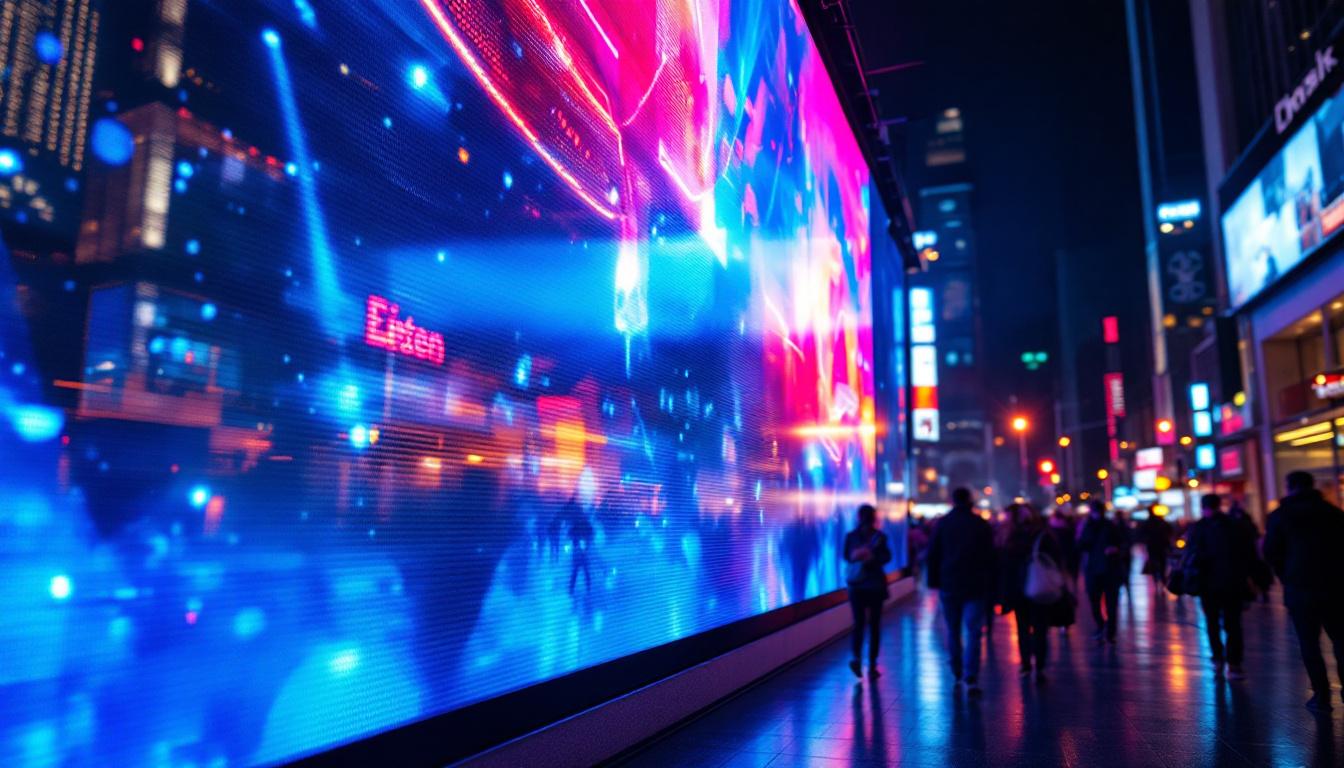
Major sports arenas and concert venues frequently use massive LED walls for live video feeds. To prevent moiré during broadcast, these venues employ LED displays with ultra-fine pixel pitches and specialized pixel arrangements. Camera operators are also trained to adjust zoom and focus settings to minimize moiré interference.
Furthermore, broadcasters use software filters in their video processing pipelines to clean up any residual moiré patterns before transmission.
Retail and Advertising
Retailers rely on LED displays for dynamic signage and promotions. To maintain brand integrity, they use LED panels designed with anti-moiré features such as diffusion coatings and optimized pixel layouts. Content designers avoid repetitive patterns that could trigger moiré, ensuring clear and attractive visuals.
Consumer Electronics
Smartphone and tablet manufacturers have tackled moiré by increasing screen resolution and pixel density beyond the threshold where moiré becomes noticeable. Additionally, software algorithms within the device’s camera app reduce moiré when capturing images or video of screens.
Future Trends in Moiré Reduction for LED Displays
As LED technology continues to evolve, new approaches to moiré mitigation are emerging. These innovations promise even clearer and more immersive visual experiences.
MicroLED and Nanotechnology
MicroLED displays, which use microscopic LEDs, offer pixel pitches as low as a few microns. This extreme pixel density virtually eliminates moiré by surpassing the resolution of most content sources and camera sensors.
Nanotechnology advancements in LED fabrication also enable more precise control over pixel arrangement and light emission, further reducing interference patterns.
Artificial Intelligence and Machine Learning
AI-driven image processing is becoming a powerful tool for moiré reduction. Machine learning algorithms can analyze vast datasets of moiré patterns and learn to predict and suppress them more effectively than traditional filters.
Real-time AI-based correction systems integrated into LED display controllers could dynamically adapt to changing content and viewing conditions, offering personalized moiré fixes.
Augmented Reality and Mixed Media Displays
As AR and mixed reality devices incorporate LED microdisplays, controlling moiré becomes even more critical. Researchers are exploring novel pixel geometries and adaptive optics to ensure seamless integration of virtual and real-world visuals without interference artifacts.
Conclusion
The moiré effect remains a challenging but manageable issue in LED display technology. Understanding its causes—from pixel pitch conflicts to camera sensor interference—allows manufacturers and content creators to implement effective fixes. Through a combination of hardware innovations, optical treatments, and advanced software algorithms, moiré patterns can be significantly reduced or eliminated, enhancing the quality and clarity of LED displays.
As display technology advances, particularly with the rise of microLED and AI-driven solutions, the future promises even more refined visual experiences free from moiré distractions. For anyone involved in the design, production, or use of LED displays, staying informed about moiré fixes is essential to delivering the best possible image quality.
Explore Cutting-Edge Moiré Solutions with LumenMatrix
Don’t let moiré patterns compromise your visual displays. LumenMatrix is at the forefront of combating this phenomenon with our advanced LED display technologies. From vibrant Indoor LED Walls to dynamic Outdoor LED Displays and beyond, our solutions are designed to deliver crystal-clear images that captivate and engage. Whether you’re looking to enhance your brand’s visibility or create immersive experiences, LumenMatrix has the innovative solution for you. Check out LumenMatrix LED Display Solutions today and take the first step towards impeccable visual quality without the distraction of moiré.