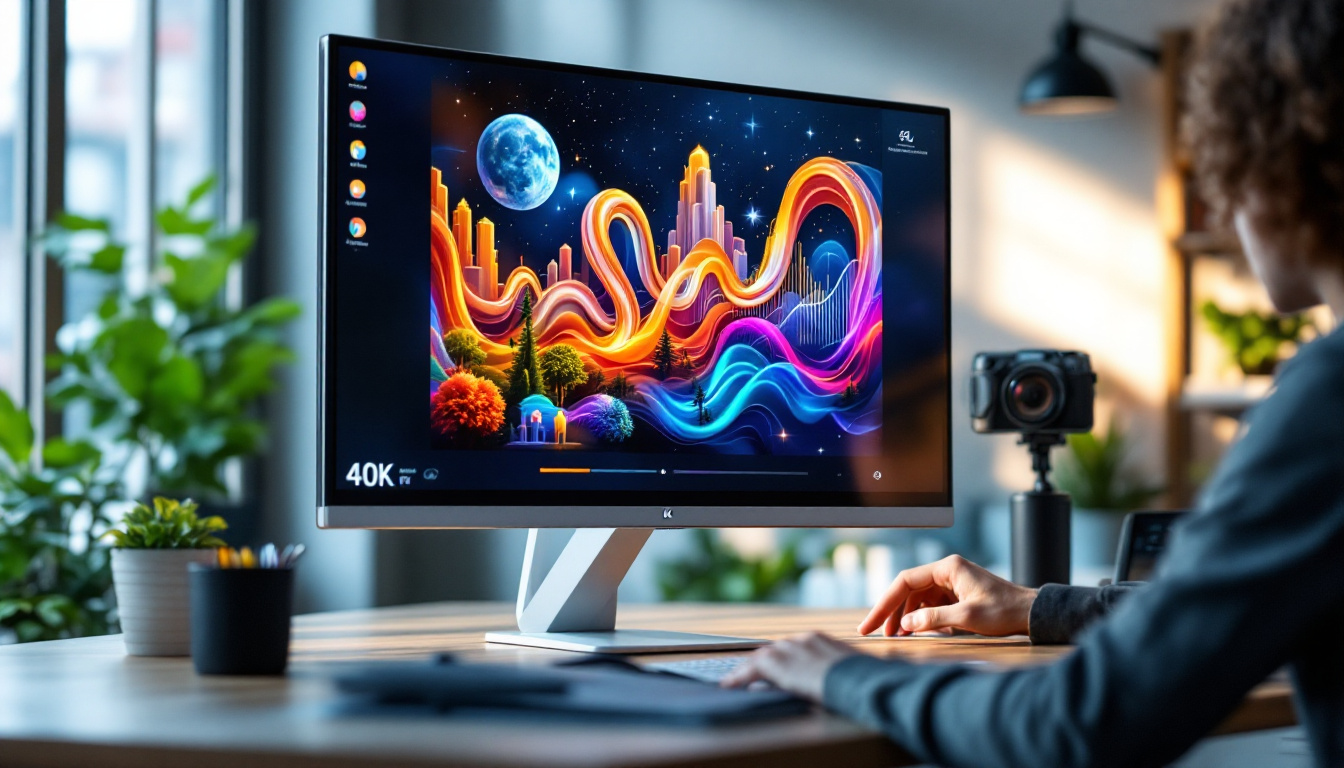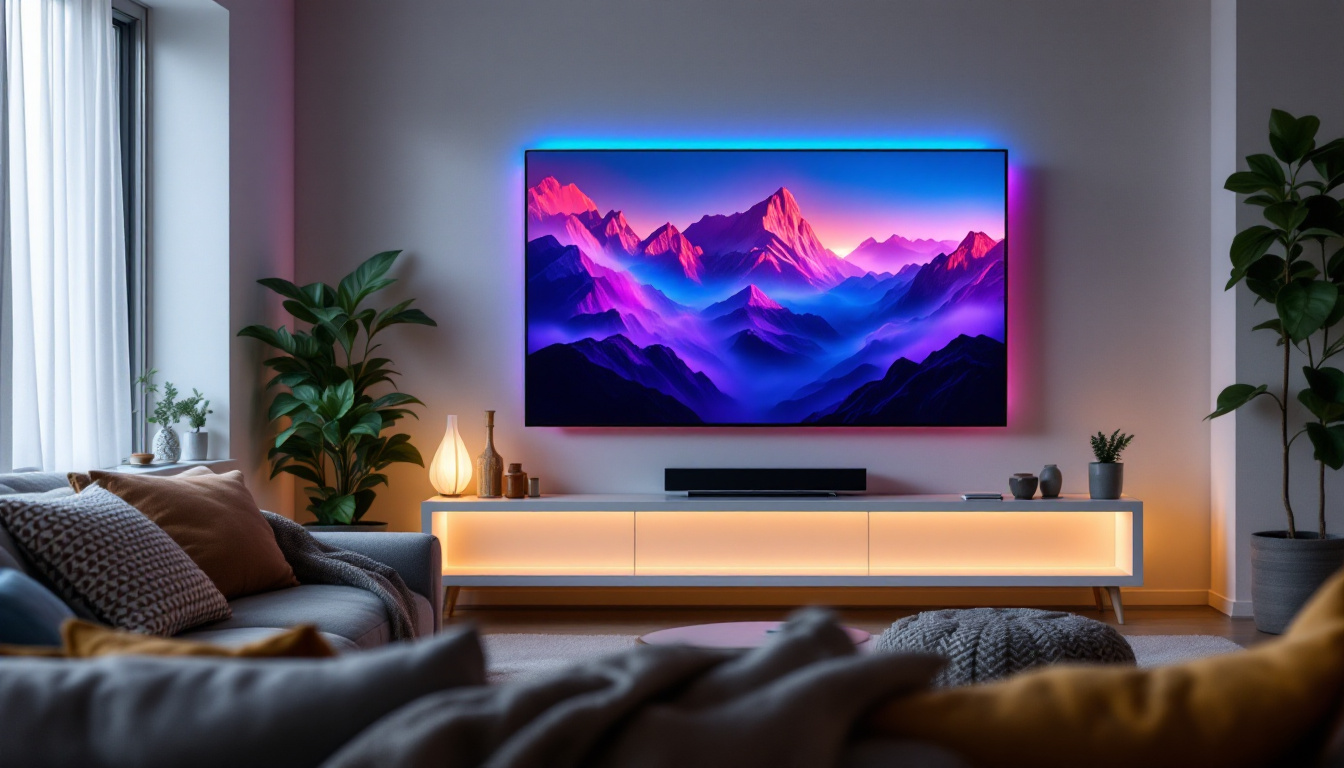
In recent years, the demand for larger computer monitors and digital displays has surged, driven by advances in technology and evolving user needs. Among the most popular sizes for professional and entertainment use is the 55-inch LED monitor. Combining expansive screen real estate with vibrant LED technology, these monitors offer an immersive visual experience that’s suitable for a variety of applications — from creative workstations and gaming setups to digital signage and conference rooms.
This article delves into the world of 55-inch LED monitors, explaining the technology behind LED displays, their advantages, and what to consider when choosing one. Whether you’re a professional looking to upgrade your workspace or a business seeking impactful digital signage solutions, understanding the nuances of these large-format displays is essential.
Understanding LED Display Technology
What Does LED Mean?
LED stands for Light Emitting Diode, a semiconductor device that emits light when an electric current passes through it. In the context of monitors and TVs, LED refers to the backlighting technology used to illuminate the screen’s liquid crystal display (LCD) panel. Unlike older CCFL (Cold Cathode Fluorescent Lamp) backlights, LEDs are more energy-efficient, provide better brightness, and allow for thinner screen designs.
It’s important to note that most “LED monitors” are actually LCD panels illuminated by LED backlights, rather than screens made entirely of LEDs. This distinction is crucial because it affects picture quality, power consumption, and overall display performance. The shift from CCFL to LED technology has not only improved the visual experience for consumers but has also contributed to a significant reduction in energy consumption, making LED displays a more environmentally friendly option. As technology continues to evolve, the advantages of LED displays are becoming increasingly apparent, particularly in terms of longevity and durability, as they tend to have a longer lifespan compared to their predecessors.
Types of LED Backlighting
There are two primary types of LED backlighting used in 55-inch monitors:
- Edge-Lit LED: LEDs are placed along the edges of the screen, and light is diffused across the panel. This design allows for slimmer monitors and lower production costs but can sometimes lead to uneven brightness and less precise contrast control. Edge-lit displays are often favored in consumer electronics due to their sleek design, making them a popular choice for home entertainment systems where aesthetics are a priority.
- Full-Array LED: LEDs are distributed evenly across the entire back of the screen. This setup enables local dimming, where specific zones of LEDs can be dimmed or brightened independently, enhancing contrast and black levels. Full-array LED monitors generally offer superior picture quality but tend to be thicker and more expensive. Their ability to deliver deeper blacks and vibrant colors makes them ideal for professional applications such as graphic design, video editing, and high-end gaming, where visual fidelity is paramount.
For a 55-inch monitor, full-array LED backlighting is often preferred in professional environments where color accuracy and contrast are critical. Additionally, advancements in LED technology have led to features such as HDR (High Dynamic Range), which further enhances the viewing experience by providing a wider range of colors and brightness levels. This allows viewers to appreciate finer details in both dark and bright scenes, making it a sought-after feature for cinephiles and gamers alike. As the demand for high-quality displays continues to grow, understanding the nuances of LED backlighting becomes essential for consumers looking to make informed purchasing decisions.
Why Choose a 55-Inch LED Monitor?
Immersive Viewing Experience
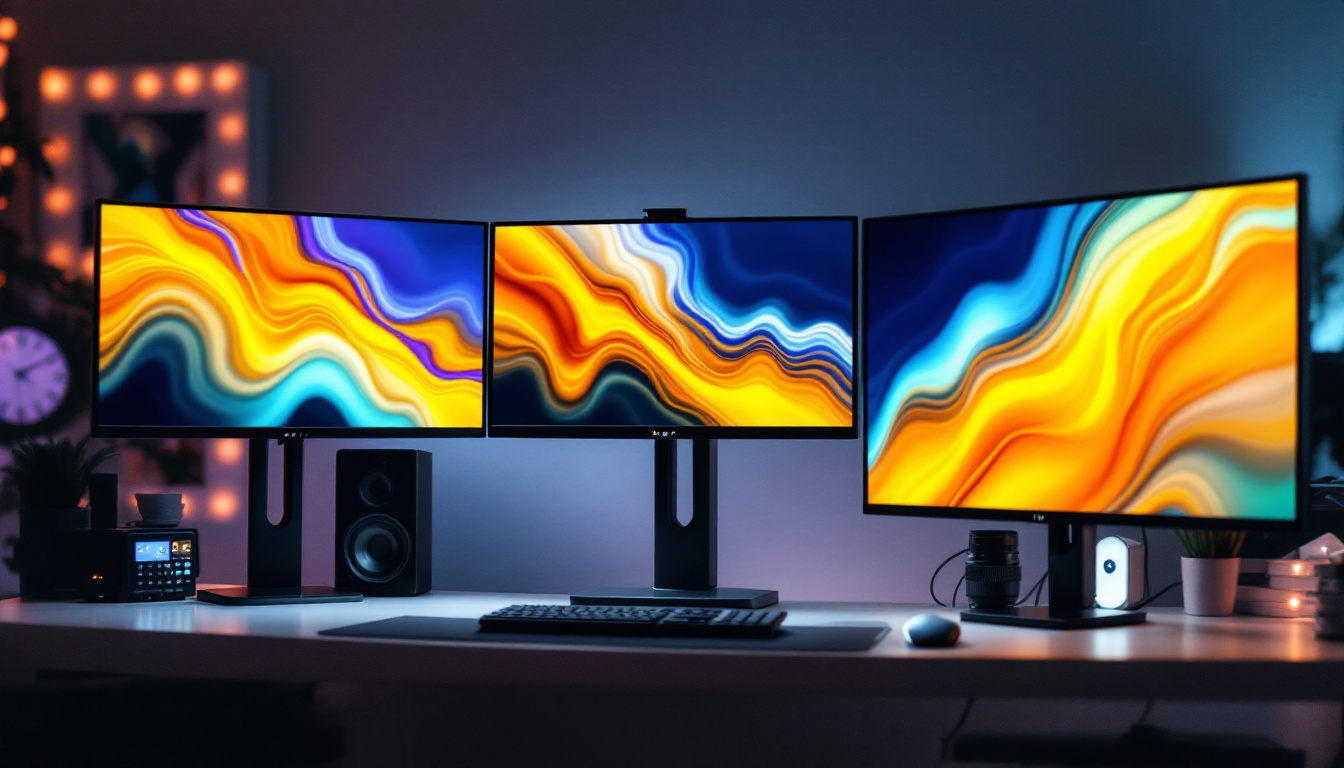
A 55-inch screen size provides a significantly larger viewing area compared to standard desktop monitors, which typically range from 24 to 32 inches. This size is ideal for users who require expansive workspace for multitasking or detailed visual content. For example, video editors, graphic designers, and CAD professionals benefit from the ability to view multiple windows or large timelines without constantly zooming or scrolling.
For entertainment purposes, such as gaming or watching movies, a 55-inch monitor delivers a cinematic experience with vivid colors and sharp details, especially when paired with high resolution and fast refresh rates.
Versatility Across Applications
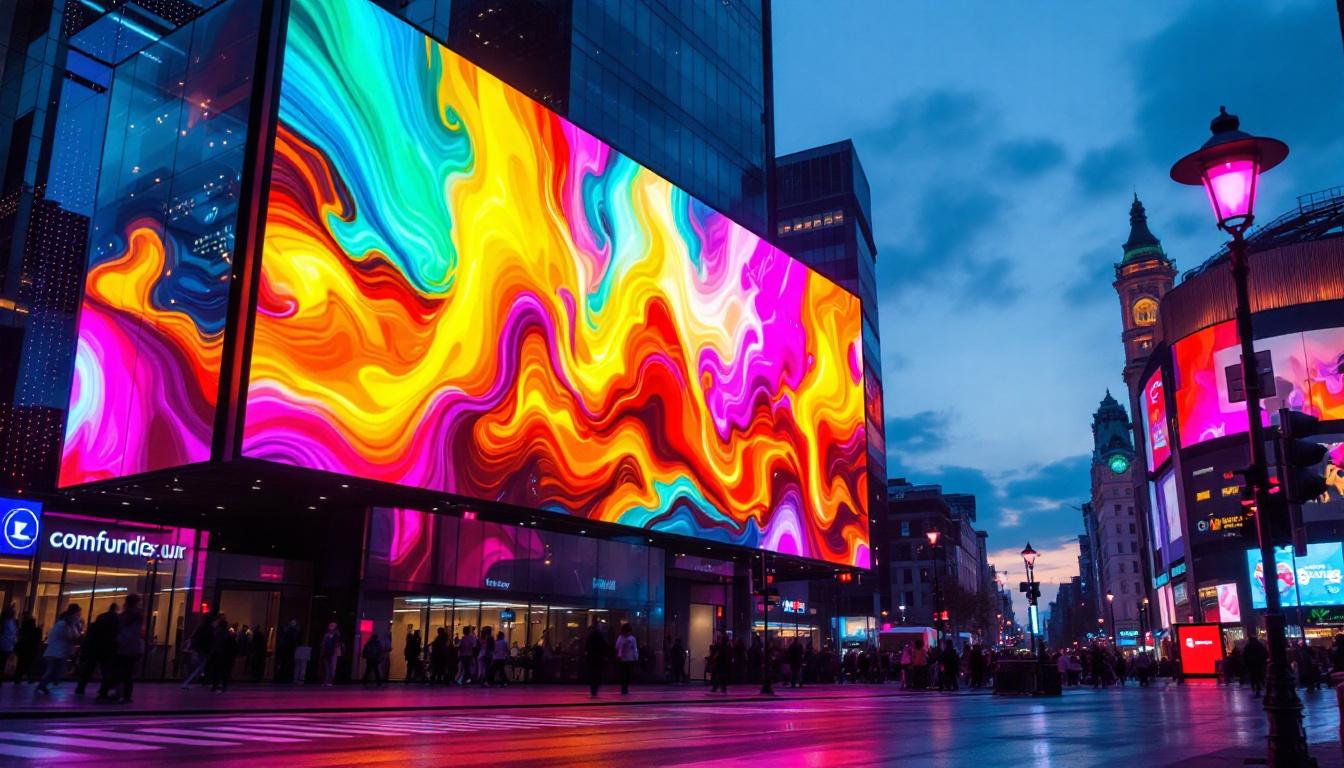
Beyond personal computing, 55-inch LED monitors are widely used in commercial and public settings. Digital signage in retail stores, airports, and corporate lobbies leverages the size and brightness of these displays to capture attention and communicate messages effectively. Conference rooms and collaborative workspaces also benefit from large monitors that facilitate presentations and video conferencing.
Additionally, 55-inch monitors can serve as an alternative to traditional TVs in environments where computer connectivity and interactive features are required.
Key Features to Consider When Buying a 55-Inch LED Monitor
Resolution and Image Quality
Resolution is a critical factor that determines the clarity and sharpness of the display. For a 55-inch monitor, Full HD (1920×1080 pixels) is generally considered the minimum acceptable resolution, but many models now offer 4K UHD (3840×2160 pixels) or even higher. Higher resolution ensures that images and text remain crisp and detailed, even on a large screen.
Color accuracy is equally important, especially for professionals working with digital content. Look for monitors that support wide color gamuts such as Adobe RGB or DCI-P3, and offer factory calibration or hardware calibration options.
Refresh Rate and Response Time
The refresh rate, measured in hertz (Hz), indicates how many times per second the screen updates its image. A higher refresh rate (e.g., 120Hz or 144Hz) results in smoother motion, which is particularly beneficial for gaming and video playback. Response time, measured in milliseconds (ms), refers to how quickly a pixel can change color. Lower response times reduce motion blur and ghosting effects.
While many 55-inch monitors prioritize image quality over ultra-fast refresh rates, gaming-oriented models combine large size with high refresh rates to satisfy demanding users.
Connectivity Options
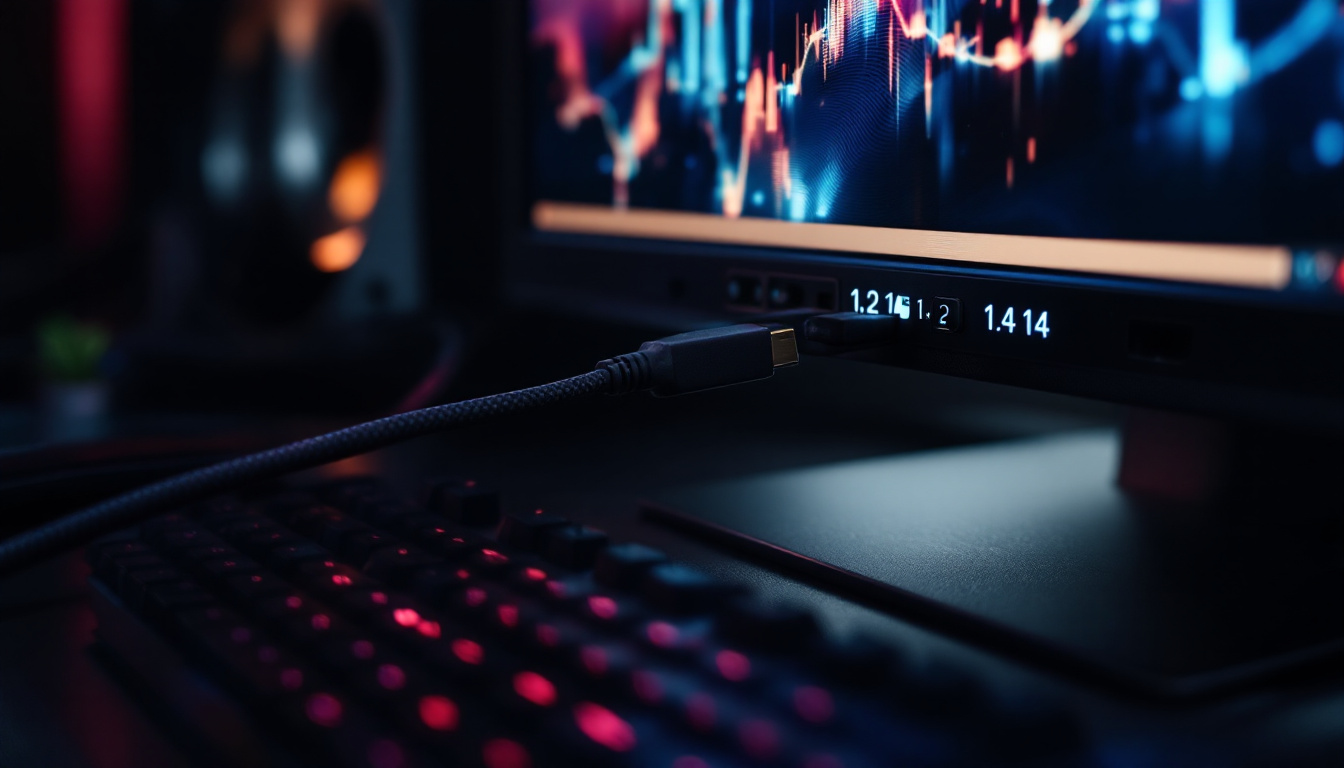
Given the size and typical use cases of 55-inch monitors, versatile connectivity is essential. Most models include multiple HDMI ports, DisplayPort inputs, and USB hubs. Some also feature USB-C ports with power delivery, allowing connection to modern laptops and mobile devices with a single cable.
For professional environments, support for daisy-chaining multiple monitors via DisplayPort or compatibility with KVM switches can enhance productivity.
Ergonomics and Mounting
Due to their size, 55-inch monitors require careful consideration of placement and ergonomics. Adjustable stands that allow tilt, swivel, and height adjustments help users find comfortable viewing angles. VESA compatibility is also important for mounting the monitor on walls or specialized arms, which can save desk space and improve viewing posture.
Price and Warranty
Large-format LED monitors can vary widely in price depending on features, brand, and panel quality. Entry-level 55-inch monitors might start around $600 to $800, while premium professional models with 4K resolution and advanced color calibration can exceed $2,000.
Warranty terms and customer support are important considerations, especially for business purchases. Many manufacturers offer extended warranties or on-site support for commercial clients.
Popular Use Cases for 55-Inch LED Monitors
Creative Professionals and Content Creation
Graphic designers, video editors, and photographers benefit from the large screen size and high resolution of 55-inch LED monitors. The ability to view detailed images and timelines without constant zooming increases efficiency and reduces eye strain.
Monitors with wide color gamut support and factory calibration ensure accurate color reproduction, which is critical for print and digital media projects.
Gaming and Entertainment
For gamers, a 55-inch LED monitor can deliver an immersive experience that rivals large-screen TVs. When combined with high refresh rates and low response times, these monitors provide smooth gameplay with vibrant visuals and reduced input lag.
Streaming movies and TV shows on a 55-inch screen enhances the cinematic feel, especially when paired with HDR (High Dynamic Range) support, which improves contrast and color depth.
Business and Corporate Environments
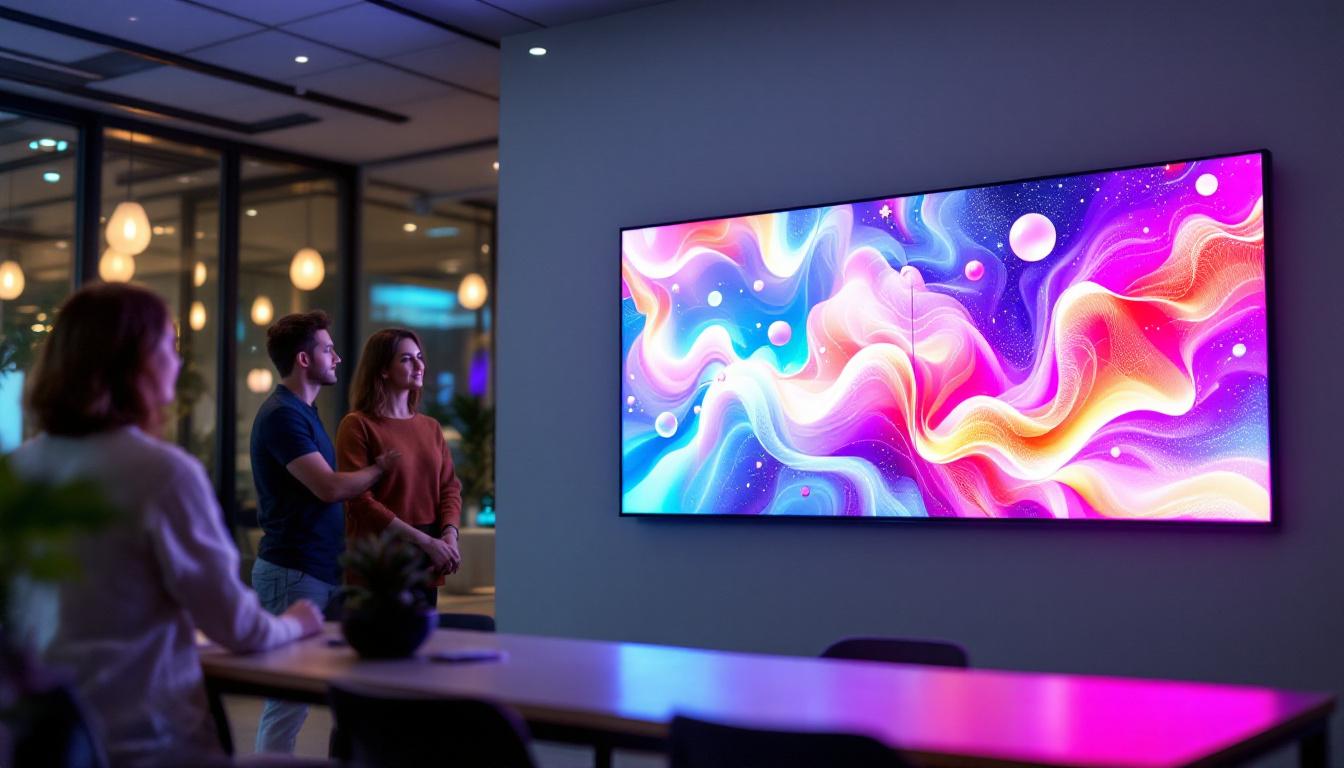
In conference rooms and collaborative workspaces, 55-inch monitors serve as large digital whiteboards or presentation displays. Their size allows multiple participants to view content clearly from different angles, facilitating discussion and decision-making.
Digital signage applications leverage the brightness and clarity of LED displays to attract attention and communicate information effectively in public spaces.
Maintenance and Longevity of 55-Inch LED Monitors
Energy Efficiency and Lifespan
LED backlighting contributes to energy efficiency, consuming less power than older display technologies. This not only reduces operating costs but also extends the lifespan of the monitor. Typical LED monitors have a lifespan ranging from 30,000 to 60,000 hours of use, depending on brightness settings and usage patterns.
Cleaning and Care Tips
Maintaining a 55-inch LED monitor involves regular cleaning to prevent dust buildup and smudges, which can affect image quality. Use a microfiber cloth and appropriate screen-cleaning solutions to gently wipe the surface. Avoid harsh chemicals or abrasive materials that could damage the screen coating.
Proper ventilation around the monitor is important to prevent overheating, which can degrade components over time. Ensure that vents are not blocked and that the monitor is used in a well-ventilated environment.
Conclusion
55-inch LED monitors represent a compelling option for users who need large, high-quality displays for professional, entertainment, or commercial use. Understanding the underlying LED technology, key features like resolution and refresh rate, and practical considerations such as connectivity and ergonomics can help buyers make informed decisions.
Whether enhancing productivity in a creative studio, delivering immersive gaming experiences, or communicating effectively in business settings, these large-format LED displays offer versatility and performance that meet modern demands.
As technology continues to evolve, 55-inch LED monitors are expected to become even more affordable and feature-rich, solidifying their place as a valuable tool in both personal and professional environments.
Discover LumenMatrix’s Advanced LED Displays
Ready to elevate your visual experience with a 55-inch LED monitor that embodies innovation and performance? Look no further than LumenMatrix, a pioneer in LED display technology. Our extensive range of solutions, from Indoor and Outdoor LED Wall Displays to specialized options like Vehicle and Sports LED Displays, is designed to meet your unique needs. Whether for captivating advertising, dynamic entertainment, or effective communication in professional settings, LumenMatrix’s LED displays are engineered to make a lasting impression. Check out LumenMatrix LED Display Solutions today and transform your space with unparalleled visual clarity and impact.