In today’s visually driven world, the quality of display technology plays a pivotal role in how we consume media, work, and interact with digital content. Among the various display technologies available, LED displays have become a dominant choice for cinema monitors, offering superior brightness, contrast, and color accuracy. This article delves into the intricacies of monitor cinema displays with a focus on LED technology, explaining how it works, its advantages, and why it has become the preferred option for cinematic experiences.
Understanding LED Display Technology
LED, or Light Emitting Diode, technology has revolutionized the way screens are built and viewed. Unlike traditional LCD monitors that rely on fluorescent backlighting, LED displays use light-emitting diodes to illuminate the screen. This fundamental difference results in improved image quality, energy efficiency, and design flexibility. The compact nature of LEDs allows for thinner screens, which can be seamlessly integrated into various environments, from homes to commercial spaces, enhancing aesthetic appeal without sacrificing functionality.
How LED Displays Work
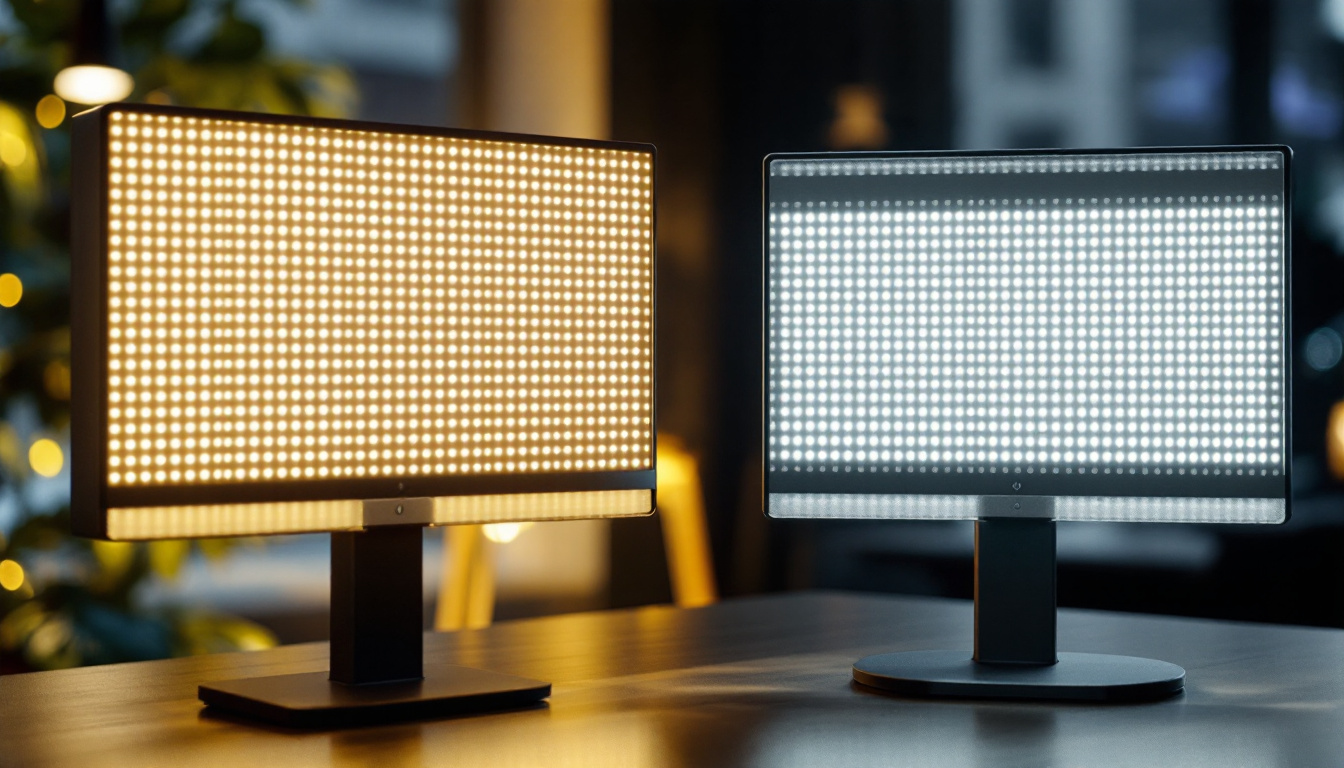
At the core of an LED display are tiny diodes that emit light when an electrical current passes through them. These diodes can be arranged in various configurations, but in cinema monitors, two primary types are prevalent: edge-lit and direct-lit LED displays. Edge-lit LED displays position the LEDs along the edges of the screen, using light guides to distribute illumination evenly. Direct-lit LED displays, on the other hand, place LEDs directly behind the screen, allowing for more precise control of brightness and contrast through local dimming zones. This capability is particularly beneficial in dark scenes, where maintaining detail without losing depth is crucial for an immersive viewing experience.
Furthermore, advancements in LED technology have led to the development of Quantum Dot displays, which utilize a layer of quantum dots to enhance color reproduction. By emitting pure colors when illuminated by the LED backlight, these displays achieve a wider color gamut and improved color accuracy, making them ideal for high-definition content. This combination of technologies continues to push the boundaries of visual fidelity, offering viewers a richer and more vibrant cinematic experience.
Types of LED Displays in Cinema Monitors
When it comes to cinema-grade monitors, the most advanced LED technology often involves Mini-LED or Micro-LED panels. Mini-LEDs use thousands of tiny LEDs to create a more uniform and brighter backlight with better contrast ratios. Micro-LED technology takes this a step further by using microscopic LEDs as individual pixels, offering unparalleled brightness, color accuracy, and longevity. The self-emissive nature of Micro-LEDs eliminates the need for a backlight altogether, resulting in deeper blacks and more vivid colors, which are essential for high-quality film production and viewing.
Moreover, the flexibility of Micro-LED technology allows for modular designs, enabling screens to be customized in size and shape to fit various installations. This adaptability is particularly advantageous in large-scale cinema environments, where screens can be configured to create immersive experiences that envelop the audience. As these technologies continue to evolve, we can expect even more innovative applications in both commercial and residential settings, further blurring the lines between reality and digital artistry.
Advantages of LED Displays in Cinema Monitors
The shift towards LED displays in cinema environments is driven by several key advantages that enhance the viewing experience and operational efficiency.
Superior Brightness and Contrast
One of the most significant benefits of LED displays is their ability to achieve higher brightness levels compared to traditional LCDs. This is crucial in cinema settings where ambient lighting conditions and large screen sizes demand vivid and clear images. LED displays also excel in contrast ratios, especially with local dimming capabilities that allow parts of the screen to dim independently, producing deeper blacks and more dynamic visuals. This enhanced contrast not only elevates the overall quality of the image but also allows for a more immersive experience, drawing viewers into the film’s narrative and emotional depth.
Enhanced Color Accuracy and Gamut
Color fidelity is paramount in cinematic displays. LED technology supports wider color gamuts, such as DCI-P3 and Rec. 2020, which are industry standards for digital cinema. This means LED cinema monitors can reproduce colors more accurately and vividly, preserving the director’s intended visual storytelling. Furthermore, the ability of LED displays to maintain color consistency across different viewing angles ensures that audiences seated anywhere in the theater enjoy the same rich hues and details, enhancing the communal experience of film watching.
Energy Efficiency and Longevity
Compared to older backlighting methods, LED displays consume less power, making them more environmentally friendly and cost-effective over time. Additionally, LEDs have longer lifespans and maintain brightness and color stability for extended periods, reducing maintenance and replacement costs in cinema environments. This energy efficiency not only translates to lower operational costs for cinema operators but also aligns with growing sustainability efforts within the film industry, as theaters seek to minimize their carbon footprint while providing top-notch viewing experiences.
Flexible Installation and Design Options
Another advantage of LED displays is their versatility in installation and design. Unlike traditional projection systems, which require specific distances and angles, LED screens can be configured in various shapes and sizes to fit different cinema layouts. This flexibility allows for creative designs that can enhance the aesthetic appeal of the theater itself. Additionally, with advancements in modular LED technology, cinemas can create curved or even ultra-wide screens that provide a more engaging visual experience, making viewers feel as though they are part of the action on screen.
Improved Viewing Experience with HDR
High Dynamic Range (HDR) is another feature that pairs exceptionally well with LED technology. HDR enhances the range of colors and contrasts in a film, allowing for brighter highlights and darker shadows. This results in a more lifelike image that captures the nuances of the cinematography. As HDR content becomes increasingly prevalent in the film industry, LED displays are well-positioned to showcase these advancements, providing audiences with a richer and more detailed viewing experience that elevates the art of storytelling in cinema.
Applications of LED Cinema Displays
LED displays are not just limited to traditional movie theaters. Their versatility and performance have expanded their use across various cinema-related applications.
Digital Cinema Projection
High-end LED cinema displays are increasingly used as alternatives to traditional digital projectors. Unlike projectors, LED cinema screens provide consistent brightness and color without the need for a darkened room, offering a more flexible viewing environment. This technology is especially beneficial for premium cinema venues and immersive experiences such as IMAX and Dolby Cinema.
Post-Production and Color Grading
In film post-production, accurate color representation is critical. LED monitors with high resolution and wide color gamut are standard tools for colorists and editors. These monitors enable precise adjustments to color grading, ensuring that the final product looks its best on all viewing platforms.
Home Theater and Professional Use
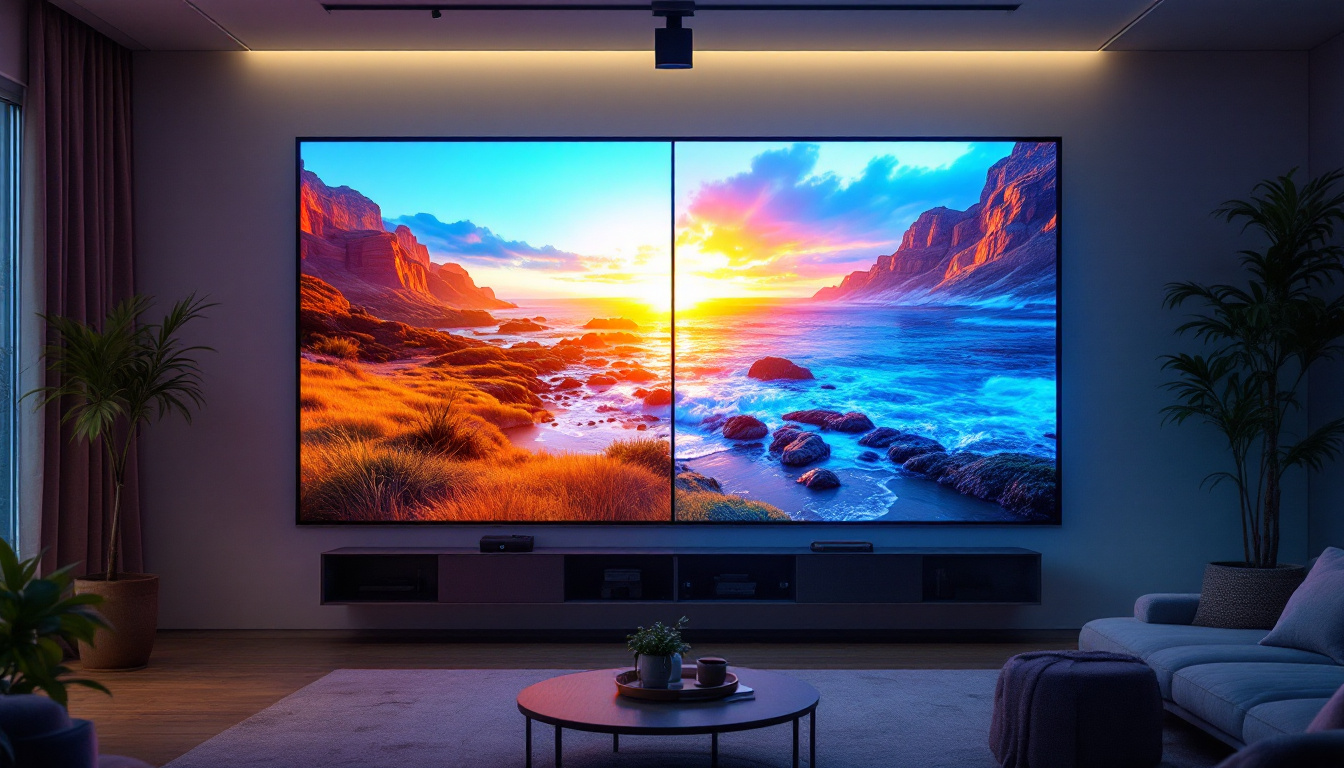
With the rise of high-quality home theaters, LED cinema monitors have found a niche in the consumer market. Enthusiasts and professionals alike appreciate the superior image quality and reliability of LED displays for immersive home entertainment and professional screening rooms.
Key Considerations When Choosing an LED Cinema Monitor
Selecting the right LED display for cinema applications involves evaluating several critical factors to ensure optimal performance and value.
Resolution and Screen Size
Resolution is a fundamental consideration. Cinema monitors typically require at least 4K resolution to meet industry standards and provide sharp, detailed images on large screens. Screen size should also be matched to the viewing environment to maintain image clarity and immersion.
Color Calibration and Certification
Professional cinema monitors often come pre-calibrated and certified to meet standards such as Rec. 709 or DCI-P3. This ensures consistent and accurate color reproduction, which is essential for film production and exhibition.
Refresh Rate and Response Time
While not as critical as in gaming monitors, refresh rate and response time still impact the smoothness of motion and overall viewing experience. Cinema monitors typically support refresh rates of 60Hz or higher to handle fast-moving scenes without motion blur.
Connectivity and Compatibility
Compatibility with various input sources, including HDMI, DisplayPort, and SDI, is important for seamless integration into cinema workflows. Some monitors also support advanced features like HDR (High Dynamic Range) to enhance visual depth and realism.
The Future of LED Displays in Cinema
As technology advances, LED displays continue to evolve, promising even more immersive and realistic cinematic experiences.
Micro-LED and Beyond
Micro-LED technology is poised to become the new standard for cinema displays, offering pixel-level light control, exceptional brightness, and color precision without the burn-in issues associated with OLED displays. Research and development in this area are rapidly progressing, with prototypes already demonstrating the potential for large-scale cinema screens.
Integration with Augmented and Virtual Reality
The future of cinema may also involve hybrid experiences combining LED displays with augmented reality (AR) and virtual reality (VR) technologies. High-resolution LED panels could serve as immersive backdrops or interactive environments, enhancing storytelling and audience engagement.
Sustainability and Energy Innovations
Environmental considerations are increasingly influencing display technology development. Future LED cinema monitors will likely incorporate more energy-efficient components and sustainable manufacturing processes, aligning with global efforts to reduce carbon footprints in the entertainment industry.
Conclusion
LED display technology has transformed monitor cinema displays by delivering superior brightness, contrast, color accuracy, and energy efficiency. Its applications span from traditional movie theaters to post-production studios and home theaters, making it an indispensable component of modern cinematic experiences. As innovations like Micro-LED and AR integration emerge, the future of cinema displays looks brighter and more immersive than ever.
For cinema professionals and enthusiasts alike, understanding the capabilities and benefits of LED displays is essential to appreciating the full potential of today’s visual storytelling.
Explore Cutting-Edge Cinema Display Solutions with LumenMatrix
As you’ve seen, LED technology is at the forefront of cinematic innovation, offering unparalleled brightness, contrast, and color accuracy. If you’re looking to elevate your visual storytelling or enhance your audience’s viewing experience, look no further than LumenMatrix. Our extensive range of LED display solutions, from Indoor and Outdoor LED Walls to Custom and All-in-One LED Displays, is designed to meet the diverse needs of the cinema industry. Discover how LumenMatrix is redefining visual communication and creating immersive environments that captivate and engage. Check out LumenMatrix LED Display Solutions and join the revolution in cinema display technology.