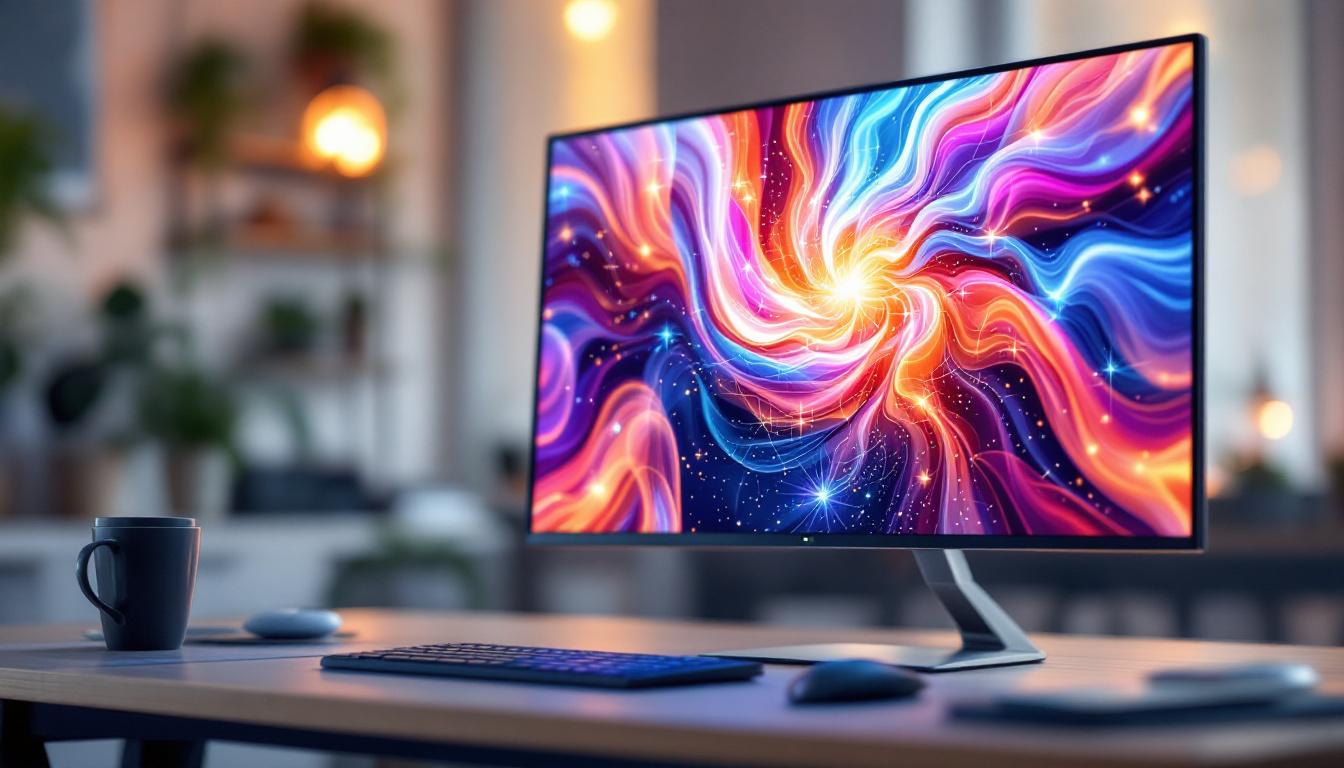
In today’s digital age, the demand for high-quality monitors is higher than ever. Whether for professional work, gaming, or everyday use, consumers are increasingly turning to LED display monitors for their superior image quality and energy efficiency. However, navigating the market and understanding the pricing of LED monitors can be a complex task. This article aims to demystify LED display technology, explain the factors influencing monitor prices online, and provide insightful guidance for making informed purchasing decisions.
Understanding LED Display Technology
What is an LED Display?
LED stands for Light Emitting Diode, a semiconductor light source that has revolutionized display technology. Unlike traditional LCD monitors that use cold cathode fluorescent lamps (CCFL) for backlighting, LED monitors use light-emitting diodes to illuminate the screen. This fundamental difference results in several advantages including better brightness, contrast, and energy efficiency.
LED displays are essentially LCD screens with LED backlighting. The LEDs can be arranged in various ways, such as edge-lit or full-array, which impacts the display’s performance and price. Edge-lit LED monitors place LEDs around the edges of the screen, while full-array LED monitors have LEDs distributed evenly behind the entire screen, allowing for more precise local dimming and superior picture quality.
Types of LED Monitors
There are several types of LED monitors available on the market, each catering to different user needs:
- Edge-Lit LED Monitors: These are typically thinner and more affordable, suitable for general use and office work.
- Full-Array LED Monitors: Known for better contrast and deeper blacks, these are preferred for professional photo and video editing as well as high-end gaming.
- Mini-LED Monitors: A newer technology that uses thousands of tiny LEDs for even better local dimming and brightness control, often found in premium displays.
- OLED Monitors: While not LED in the traditional sense, OLED uses organic LEDs for each pixel, offering exceptional color and contrast but at a higher price point.
Factors Influencing LED Monitor Prices Online
Screen Size and Resolution
One of the most straightforward factors affecting the price of an LED monitor is its screen size. Larger screens require more materials and advanced backlighting systems, which naturally increases the cost. For example, a 24-inch LED monitor might cost between $150 and $300, while a 32-inch or larger can range from $300 to over $1,000 depending on other features.
Resolution also plays a critical role. Common resolutions include Full HD (1920×1080), Quad HD (2560×1440), and 4K Ultra HD (3840×2160). Higher resolutions provide sharper images and more workspace but require more advanced display technology and processing power, driving prices upward. A 4K LED monitor, for instance, typically costs 30-50% more than a Full HD counterpart of the same size.
Refresh Rate and Response Time
For gamers and professionals working with fast-moving visuals, refresh rate and response time are essential specifications. The refresh rate, measured in Hertz (Hz), indicates how many times the screen updates per second. Standard monitors usually have a 60Hz refresh rate, while gaming monitors can offer 120Hz, 144Hz, or even 240Hz.
Higher refresh rates provide smoother motion and reduce eye strain, but they also require more sophisticated hardware and higher-quality panels, increasing the price. Similarly, response time—the speed at which a pixel changes color—affects motion clarity. Lower response times (1ms to 5ms) are preferred for gaming and fast-paced video editing, typically found in mid to high-end monitors.
Panel Type and Color Accuracy
The type of LCD panel used in an LED monitor significantly impacts both image quality and cost. The three main panel types are:
- TN (Twisted Nematic): The most affordable and fastest panel type, but with limited viewing angles and color reproduction.
- IPS (In-Plane Switching): Offers superior color accuracy and wider viewing angles, ideal for creative professionals and general users who value image quality.
- VA (Vertical Alignment): Balances contrast and color accuracy, often used in monitors aimed at both entertainment and productivity.
Monitors with IPS or VA panels generally command higher prices due to their enhanced visual performance. For example, a 27-inch IPS LED monitor with color calibration can cost upwards of $400, while a TN panel of the same size might be available for less than $200.
Additional Features and Technologies
Modern LED monitors often include a variety of features that influence their price:
- HDR Support: High Dynamic Range enhances contrast and color depth, providing a more vivid viewing experience. HDR-capable monitors are often priced higher due to the advanced backlighting and processing required.
- Connectivity Options: Monitors with multiple ports such as HDMI 2.1, DisplayPort, USB-C, and Thunderbolt offer greater versatility but come at a premium.
- Ergonomics and Design: Adjustable stands, ultra-thin bezels, and curved screens add to production costs and retail prices.
- Built-in Speakers and USB Hubs: These convenience features can increase the overall cost but add value for users looking for an all-in-one solution.
How to Monitor LED Display Prices Online Effectively
Utilize Price Comparison Websites and Tools
With the vast number of online retailers and constantly fluctuating prices, price comparison websites are invaluable tools for consumers. Websites like PriceGrabber, PCPartPicker, and Google Shopping aggregate prices from multiple sellers, allowing buyers to find the best deals on LED monitors quickly.
Many of these platforms also offer price tracking features that alert users when a product’s price drops, which is especially useful for high-ticket items like monitors. Setting up alerts for specific models or desired specifications can help buyers purchase at the optimal time.
Understand Seasonal Trends and Sales Events
Monitor prices online are often influenced by seasonal sales and promotional events. Major shopping holidays such as Black Friday, Cyber Monday, and back-to-school sales frequently feature significant discounts on electronics, including LED monitors.
Additionally, new product launches by manufacturers can lead to price reductions on older models. Keeping an eye on industry news and release cycles can help buyers anticipate when to shop for the best deals.
Read Reviews and Professional Tests
Price should never be the sole factor in purchasing an LED monitor. Reading expert reviews and user feedback can provide insights into the actual performance, durability, and value of a monitor. Websites like RTINGS, Tom’s Hardware, and TechRadar offer comprehensive reviews that cover color accuracy, input lag, build quality, and more.
By combining price monitoring with quality assessments, consumers can avoid low-priced monitors that may compromise on essential features or longevity.
Current Market Trends in LED Monitor Pricing
Impact of Supply Chain and Component Costs
Recent years have seen significant fluctuations in electronic component prices due to global supply chain disruptions. For instance, the semiconductor shortage that began in 2020 affected the production of LED panels and related components, temporarily driving prices higher.
While the situation has improved in 2024, some residual effects remain. Monitor prices, especially for premium models with advanced LED technology, can still reflect these supply constraints. Consumers should be aware that sudden price spikes or limited availability might occur during periods of high demand.
Growing Popularity of Mini-LED and OLED Displays
Mini-LED technology is gaining traction as a middle ground between traditional LED and OLED displays. It offers improved contrast and brightness without some of the burn-in risks associated with OLED. As production scales up, prices for mini-LED monitors are gradually becoming more competitive, though they remain on the higher end.
OLED monitors, while still niche, are becoming more accessible. Their superior color accuracy and contrast make them attractive for creative professionals, but their premium pricing means they are less common among general consumers.
Shift Towards Higher Refresh Rates and Ultra-Wide Screens
The gaming and professional markets are driving demand for monitors with higher refresh rates and ultra-wide aspect ratios. These features enhance immersion and productivity but typically increase costs. As technology advances and competition intensifies, prices for these specialized monitors are expected to stabilize, offering better value over time.
Tips for Buying LED Monitors Online
Define Your Primary Use Case
Before browsing prices, it’s crucial to identify the main purpose of the monitor. For office work and casual use, a mid-sized Full HD LED monitor with standard refresh rates may suffice. Gamers and creative professionals, however, should prioritize higher refresh rates, better color accuracy, and larger or ultra-wide screens.
Set a Realistic Budget
Understanding the relationship between features and price helps in setting a budget that aligns with expectations. Spending a little more on a quality monitor can result in better long-term satisfaction and reduce the need for early replacement.
Check Warranty and Return Policies
Purchasing online can be risky if the product does not meet expectations or arrives defective. Opt for retailers that offer solid warranty coverage and hassle-free return policies. Some manufacturers also provide extended warranties or on-site support for premium monitors.
Consider Future-Proofing
Technology evolves rapidly, and investing in a monitor with slightly higher specifications than currently needed can extend its useful life. Features like USB-C connectivity, HDR support, and higher refresh rates can ensure compatibility with future devices and software.
Conclusion
LED display monitors have become the standard for consumers seeking vibrant visuals, energy efficiency, and versatile performance. Understanding the underlying technology and the factors that influence pricing is essential for making an informed purchase online. By considering screen size, resolution, panel type, refresh rate, and additional features, buyers can find the best value for their needs.
Leveraging price comparison tools, monitoring seasonal sales, and reading expert reviews further empower consumers to navigate the competitive LED monitor market effectively. Staying informed about current trends and supply chain dynamics can also help anticipate price changes and secure the best deals.
Ultimately, a well-chosen LED monitor enhances productivity, entertainment, and overall user experience, making the investment worthwhile. Whether shopping for a budget-friendly office display or a high-end gaming setup, understanding the nuances of LED technology and pricing ensures a satisfying purchase.
Explore Cutting-Edge LED Displays with LumenMatrix
Ready to elevate your visual experience with the latest in LED display technology? Look no further than LumenMatrix, a pioneer in crafting innovative LED solutions that bring your content to life. From vibrant Indoor LED Walls to dynamic Outdoor Displays, and from sleek LED Posters to immersive Custom Displays, LumenMatrix offers a wide range of products designed to captivate and engage. Discover how our LED displays can transform your space and effectively convey your message. Check out LumenMatrix LED Display Solutions today and join the revolution in visual communication.