In the rapidly evolving world of display technology, LED monitors have become a cornerstone for both consumers and professionals seeking superior image quality, energy efficiency, and sleek design. Understanding what LED displays are, how they work, and why they have become so popular is essential for anyone looking to invest in a new monitor or simply stay informed about the latest tech trends.
What is an LED Monitor?
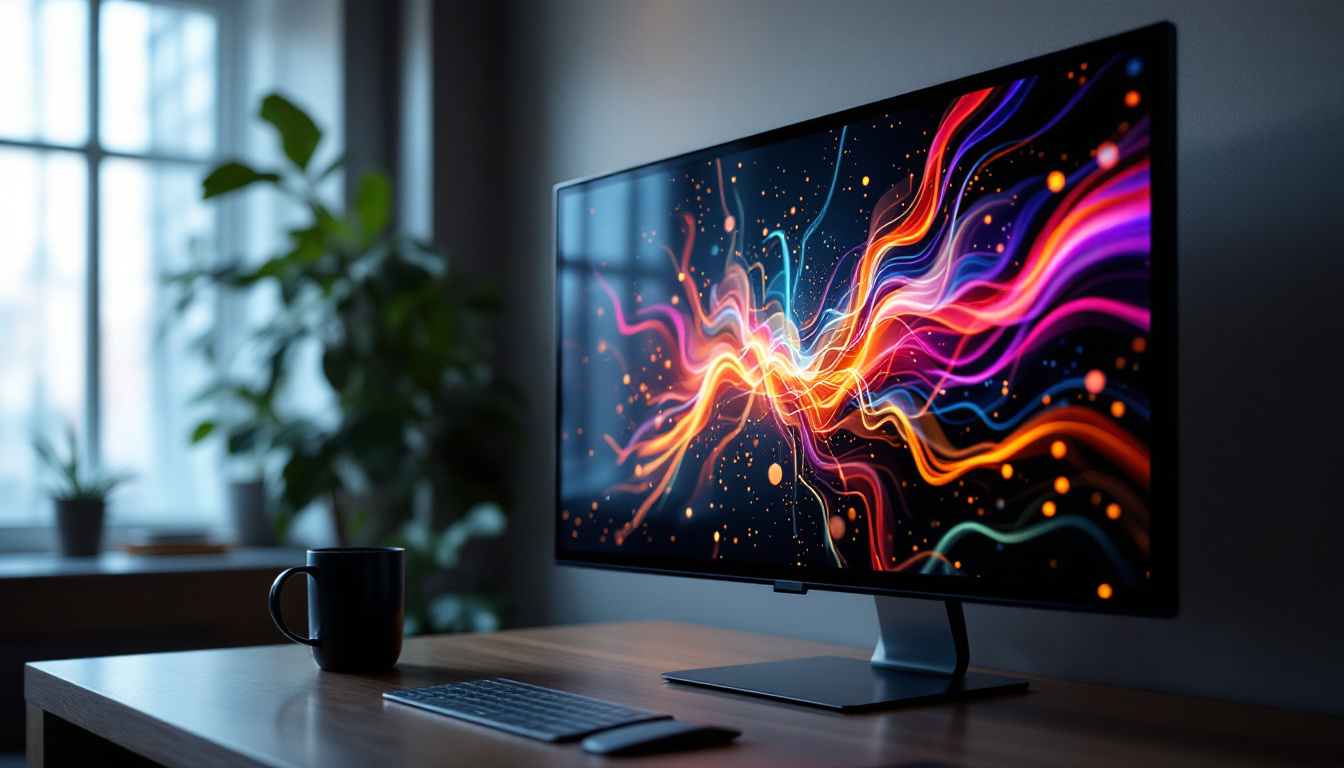
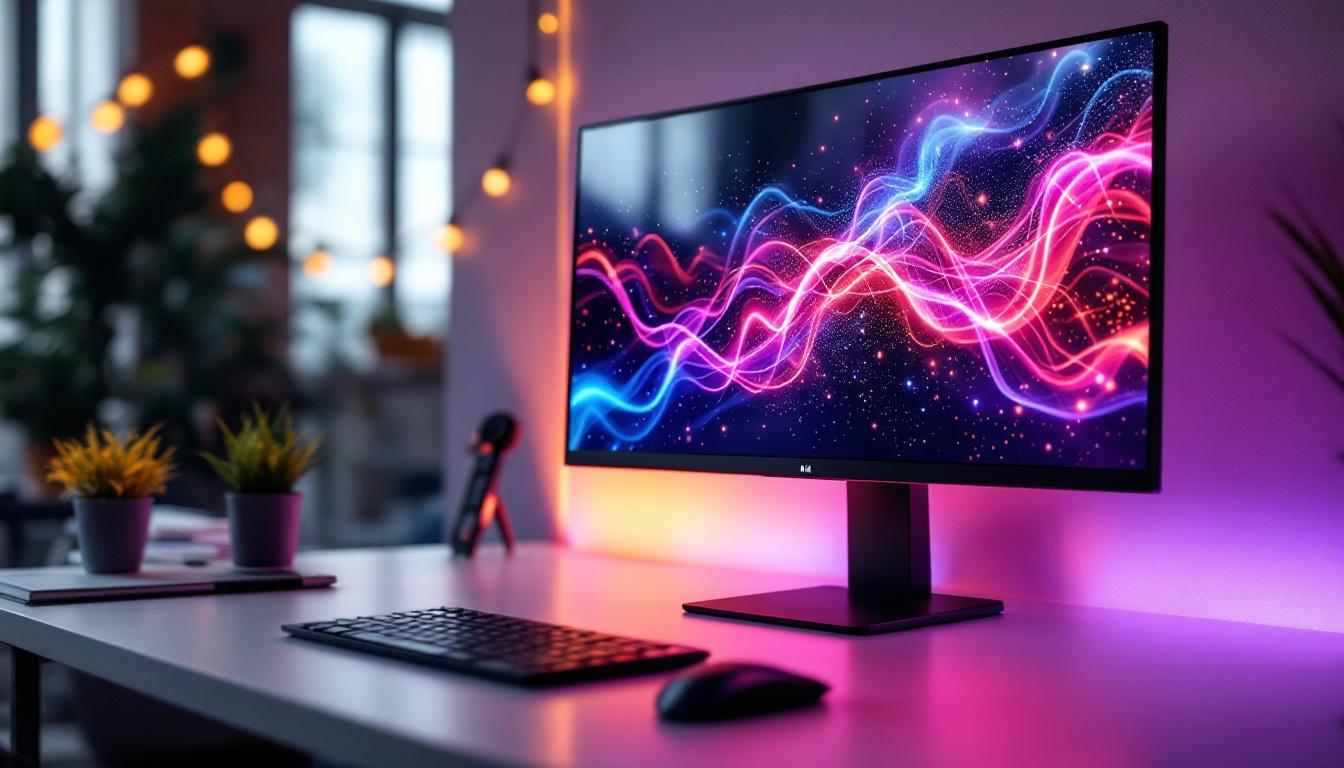
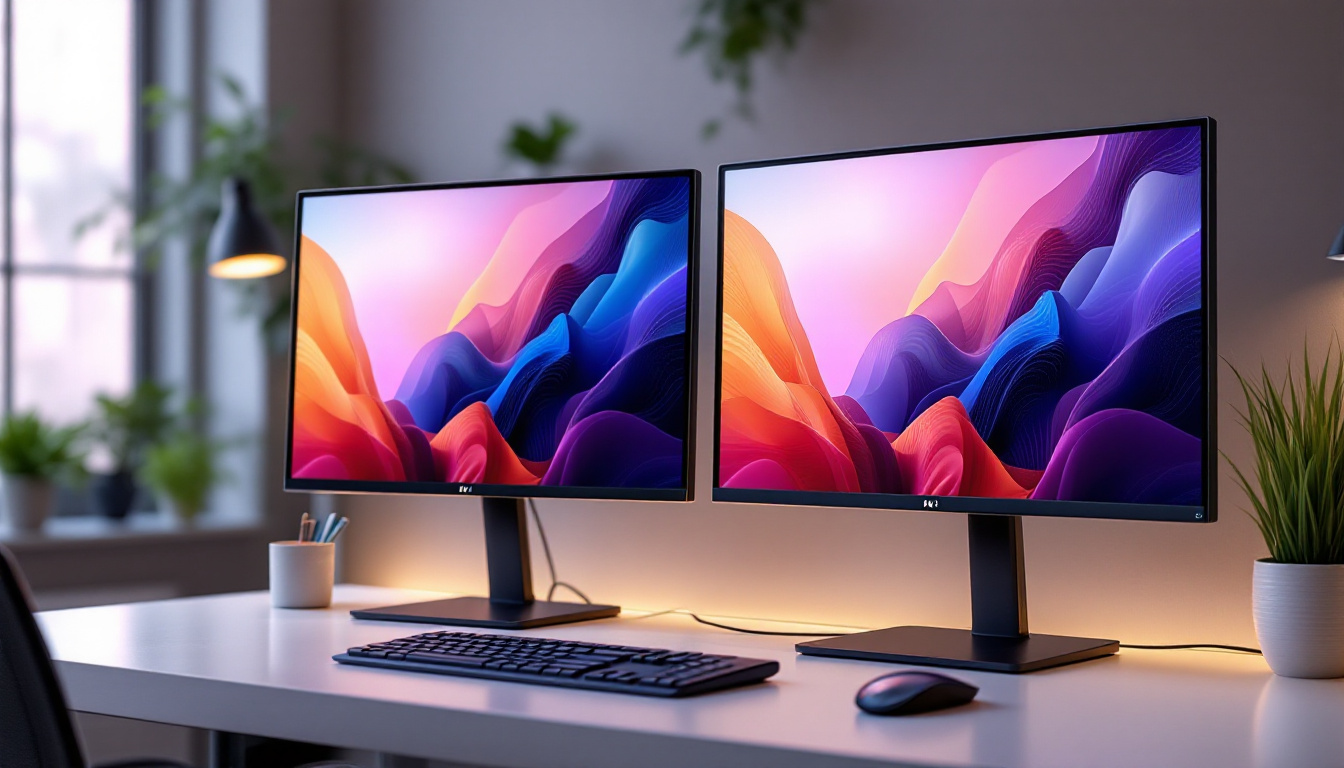
At its core, an LED monitor is a type of LCD (Liquid Crystal Display) screen that uses Light Emitting Diodes (LEDs) as its backlighting source. This contrasts with older LCD monitors that relied on cold cathode fluorescent lamps (CCFLs) for illumination. The LED backlighting provides several advantages, including better brightness, improved color accuracy, and thinner panel designs. As technology has advanced, LED monitors have become increasingly popular in both consumer and professional settings, offering users a superior viewing experience that enhances everything from gaming to graphic design.
LED monitors come in various forms, including edge-lit and full-array backlighting. Edge-lit LED monitors place LEDs along the edges of the screen, allowing for thinner designs but sometimes compromising uniformity in brightness. Full-array LED monitors, on the other hand, have LEDs spread evenly behind the entire screen, enabling better local dimming and contrast control. This means that full-array monitors can achieve deeper blacks and more vibrant colors, making them particularly suitable for watching movies or playing video games where visual detail is paramount.
How LED Displays Differ from Other Technologies
It’s important to distinguish LED monitors from OLED (Organic Light Emitting Diode) displays. While both use LED technology, OLEDs emit light from organic compounds themselves, allowing each pixel to light independently. This results in true blacks and exceptional contrast ratios but often at a higher cost and with different durability considerations. The self-emissive nature of OLED technology also means that it can suffer from burn-in, where static images can leave a permanent mark on the screen if displayed for too long. This is a significant factor for users who may leave their screens on for extended periods or use them for static content like computer desktops.
In contrast, traditional LED monitors rely on a backlight shining through an LCD panel, which modulates the light to create images. This difference affects everything from color reproduction to power consumption and lifespan. LED monitors generally have a longer lifespan than their OLED counterparts, making them a more practical choice for users concerned about longevity. Additionally, many LED monitors now come equipped with features like adaptive sync technologies, which reduce screen tearing and improve the overall gaming experience. With the continuous evolution of display technology, LED monitors remain a versatile and reliable choice for a wide range of applications, from casual browsing to professional content creation.
Advantages of LED Monitors
LED monitors have surged in popularity due to a variety of benefits that appeal to a broad range of users, from gamers and graphic designers to everyday office workers.
Energy Efficiency and Environmental Impact
One of the most significant advantages of LED monitors is their energy efficiency. Compared to CCFL-backlit LCDs, LEDs consume less power, sometimes up to 30-40% less. This reduction not only lowers electricity bills but also contributes to a smaller carbon footprint, aligning with growing environmental consciousness worldwide.
Manufacturers have also made strides in using recyclable materials and reducing hazardous substances in LED monitors, further enhancing their eco-friendly profile. By adopting sustainable practices, companies are not only appealing to environmentally conscious consumers but also paving the way for a greener future in technology. Furthermore, the longevity of LED monitors means that fewer devices end up in landfills, as they do not need to be replaced as frequently as their older counterparts.
Superior Image Quality
LED backlighting provides better brightness levels and improved color accuracy. Many LED monitors support wider color gamuts such as Adobe RGB or DCI-P3, which are essential for professionals in photography, video editing, and design. The ability to produce vivid colors and deeper blacks enhances the viewing experience across all applications.
Additionally, full-array LED monitors with local dimming technology can achieve higher contrast ratios by selectively dimming parts of the screen, resulting in richer images and more detail in dark scenes. This feature is particularly beneficial for watching movies or playing video games, where visual depth and detail can significantly impact immersion. Moreover, advancements in HDR (High Dynamic Range) technology have further elevated the capabilities of LED monitors, allowing for a more dynamic range of brightness and color, thus providing a more lifelike viewing experience.
Design and Durability
Because LEDs are smaller and more efficient than fluorescent tubes, LED monitors tend to be thinner and lighter. This sleek design is not only aesthetically pleasing but also practical for modern workspaces and home setups.
LED monitors also typically have longer lifespans, with many rated for 30,000 to 50,000 hours of use. This durability makes them a cost-effective choice over time. Additionally, many LED monitors come equipped with features such as anti-glare coatings and ergonomic stands that allow for better adjustability and comfort during prolonged use. The combination of their robust build and modern design ensures that these monitors not only perform well but also complement the overall decor of any environment, making them a versatile choice for both personal and professional settings.
Key Features to Consider When Choosing an LED Monitor
With the variety of LED monitors available on the market, understanding key features can help buyers select the best option for their needs.
Resolution and Screen Size
Resolution determines the clarity and detail of the image. Common resolutions include Full HD (1920×1080), Quad HD (2560×1440), and 4K Ultra HD (3840×2160). Higher resolutions are particularly beneficial for professionals who require precise detail and gamers seeking immersive experiences.
Screen size also plays a critical role. While larger monitors provide more workspace, they require higher resolutions to maintain image sharpness. For example, a 27-inch monitor with 4K resolution offers a crisp display ideal for detailed tasks.
Refresh Rate and Response Time
For gamers and video editors, refresh rate and response time are crucial. Refresh rate, measured in hertz (Hz), indicates how many times the screen updates per second. Higher refresh rates (120Hz, 144Hz, or even 240Hz) provide smoother motion and reduce eye strain during fast-paced action.
Response time refers to how quickly a pixel can change from one color to another, typically measured in milliseconds (ms). Lower response times (1ms to 5ms) reduce motion blur and ghosting effects, enhancing overall visual clarity.
Color Accuracy and Calibration
Color accuracy is vital for creative professionals. Many LED monitors come factory-calibrated or support hardware calibration tools to ensure colors are displayed correctly. Look for monitors with high color gamut coverage and low Delta E values (a measure of color accuracy).
Connectivity Options
Modern LED monitors offer a variety of connectivity ports, including HDMI, DisplayPort, USB-C, and sometimes legacy VGA or DVI. USB-C ports are increasingly popular for their ability to carry video, data, and power through a single cable, simplifying desk setups.
Applications of LED Monitors Across Different Industries
LED monitors have found widespread use in numerous fields due to their versatility and performance.
Gaming and Entertainment
Gamers benefit from LED monitors with high refresh rates, low response times, and vibrant color reproduction. Features like G-Sync or FreeSync technology help eliminate screen tearing and stuttering, providing a smoother gaming experience.
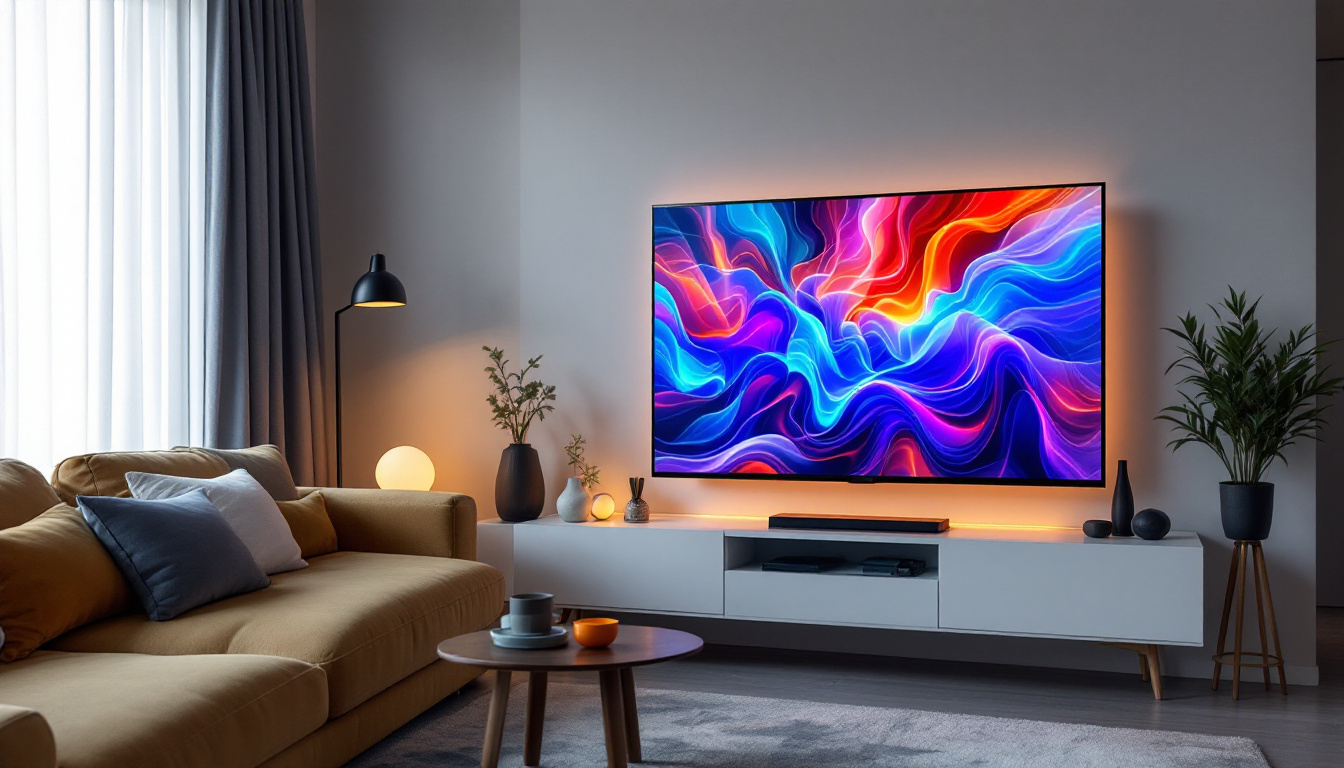
For home entertainment, LED monitors with HDR (High Dynamic Range) support offer enhanced contrast and color depth, making movies and streaming content more immersive.
Professional Design and Content Creation
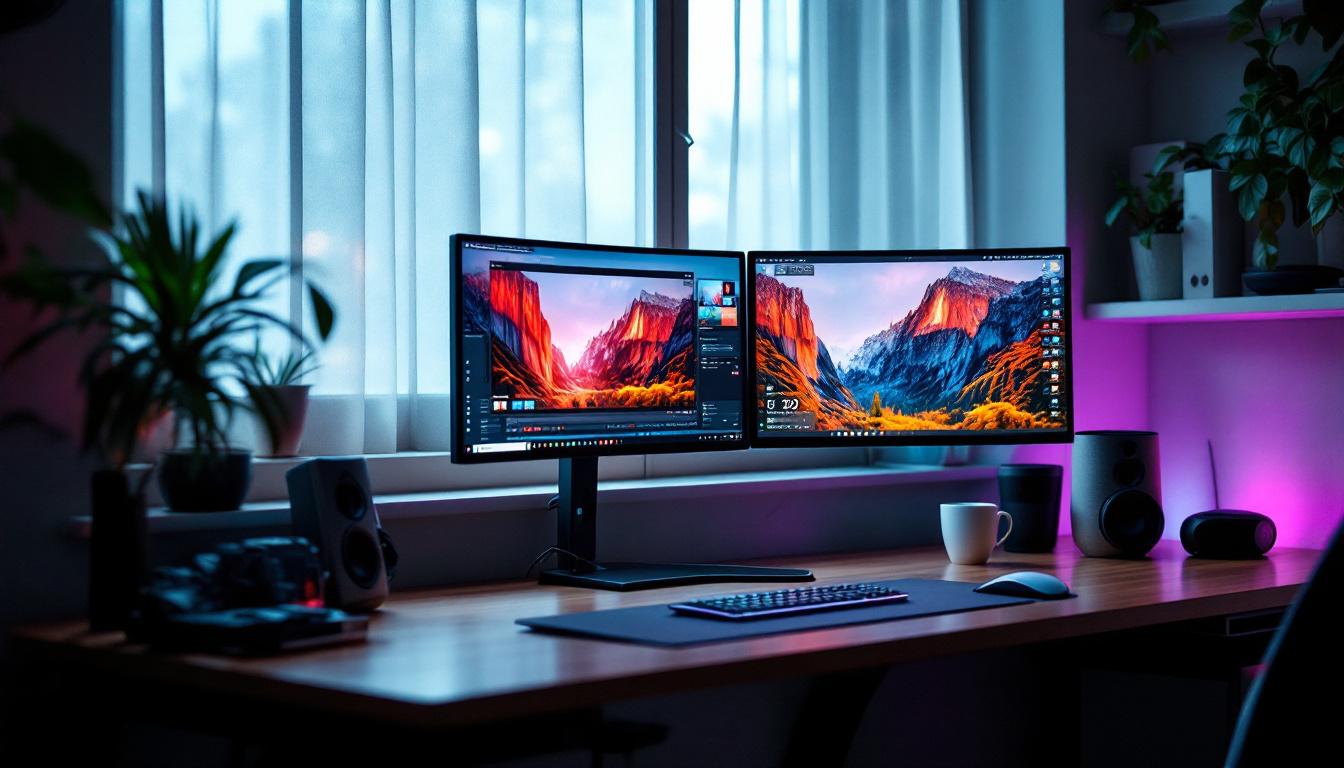
Graphic designers, photographers, and video editors rely on LED monitors for accurate color representation and high resolution. Monitors with wide color gamuts, 10-bit color depth, and factory calibration are preferred to ensure output matches real-world colors.
Office and Productivity
In office environments, LED monitors improve productivity by reducing eye strain with flicker-free technology and blue light filters. Larger screens and higher resolutions allow for better multitasking and clearer document viewing.
Future Trends in LED Monitor Technology
The LED monitor market continues to innovate, driven by consumer demand and technological advancements.
Mini-LED and Micro-LED Backlighting
Mini-LED technology uses thousands of tiny LEDs as a backlight, allowing for more precise local dimming and improved contrast ratios. This technology bridges the gap between traditional LED and OLED displays, offering near-OLED quality with better brightness and lifespan.
Micro-LED, still emerging, promises even greater improvements by using microscopic LEDs as individual pixels, potentially revolutionizing display quality with perfect blacks, high brightness, and energy efficiency.
Higher Refresh Rates and Adaptive Sync Technologies
As gaming and professional applications demand smoother visuals, LED monitors are pushing refresh rates beyond 240Hz. Adaptive sync technologies continue to evolve, reducing latency and improving frame synchronization for an optimal experience.
Integration with Smart Technologies
Future LED monitors may integrate more smart features, including voice control, AI-driven calibration, and enhanced connectivity with other smart devices, creating more intuitive and efficient user experiences.
Conclusion
LED monitors represent a mature yet continually evolving technology that balances performance, efficiency, and design. Whether for gaming, professional work, or everyday use, understanding the nuances of LED displays helps consumers make informed choices that best suit their needs.
With ongoing innovations such as Mini-LED and Micro-LED, the future of LED monitors promises even greater image quality and functionality, solidifying their position as a leading display technology for years to come.
Discover LumenMatrix’s Advanced LED Display Solutions
As you consider the future of LED monitors and the impact they can have on your gaming, professional, or everyday visual experiences, LumenMatrix stands at the forefront of this technology. Our commitment to innovation ensures that you have access to the most advanced LED display modules available. From captivating Indoor LED Wall Displays to dynamic Outdoor LED Wall Displays, and from versatile Vehicle LED Displays to sleek LED Poster Displays, our solutions are designed to revolutionize visual communication. Experience the difference with LumenMatrix and elevate your visual engagement. Check out LumenMatrix LED Display Solutions today and see how we can help you share your message with impact and clarity.