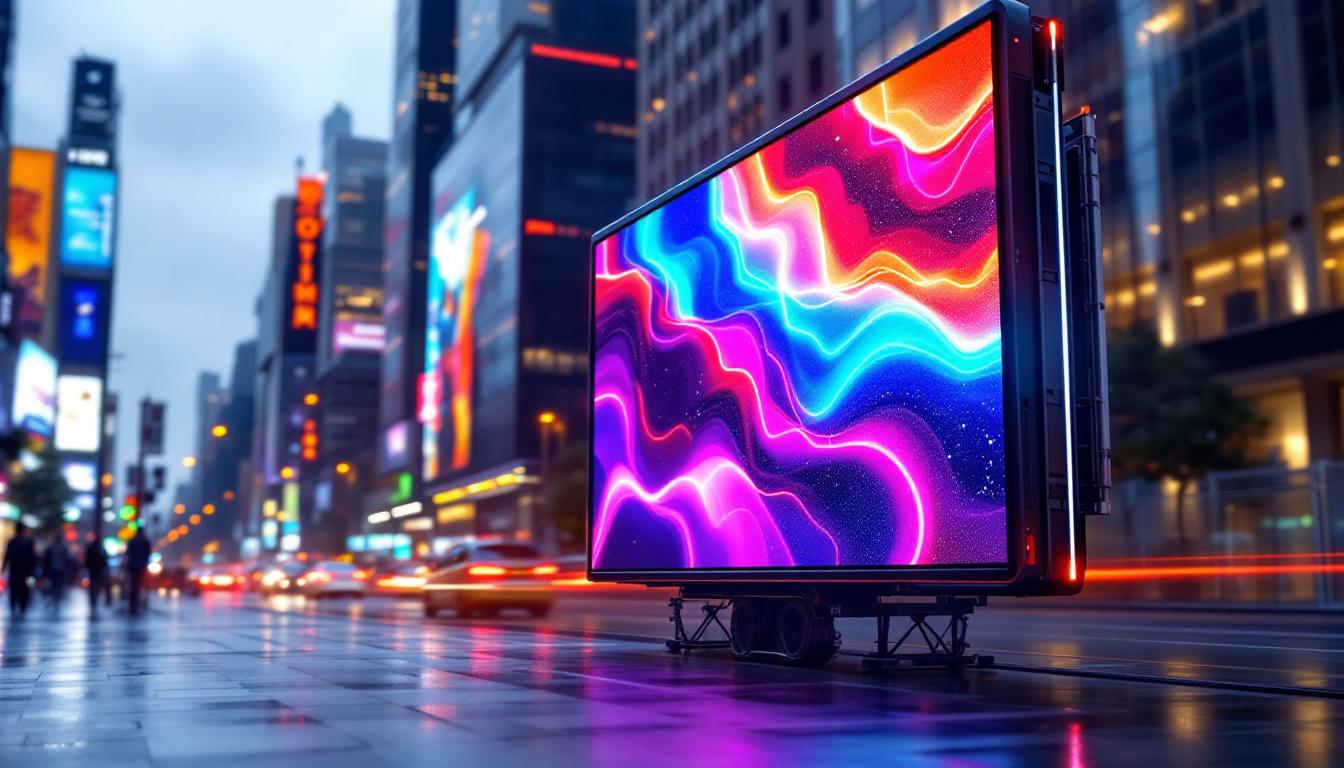
In the rapidly evolving world of advertising, businesses constantly seek innovative ways to capture consumer attention. One of the most dynamic and impactful tools gaining traction is the movable billboard equipped with LED display technology. Combining mobility with vibrant, high-resolution digital visuals, these billboards are transforming outdoor advertising and event promotion. This article explores the technology behind movable LED billboards, their advantages, practical applications, and considerations for businesses looking to leverage this powerful medium.
Understanding Movable LED Billboards
What Is a Movable Billboard?
A movable billboard is essentially a digital advertising platform mounted on a mobile vehicle or trailer, allowing it to be transported to various locations with ease. Unlike traditional static billboards fixed in one place, movable billboards offer flexibility and adaptability, enabling advertisers to target different demographics and high-traffic areas at different times.
These billboards are often installed on trucks, vans, or trailers, which can be driven or towed to strategic locations such as busy streets, event venues, or shopping centers. This mobility enhances the reach and frequency of advertising campaigns, making them more effective in capturing audience attention. Moreover, the ability to reposition these billboards means that advertisers can capitalize on real-time events, such as concerts or sports games, ensuring their messages are seen by the largest possible audience at the most opportune moments.
In addition to their mobility, movable billboards can be equipped with advanced tracking and analytics tools that provide insights into viewer engagement and demographic data. This data can help advertisers refine their strategies and target specific audiences more effectively, ultimately leading to higher conversion rates. As a result, businesses of all sizes are increasingly recognizing the value of incorporating movable billboards into their marketing mix.
LED Display Technology Explained
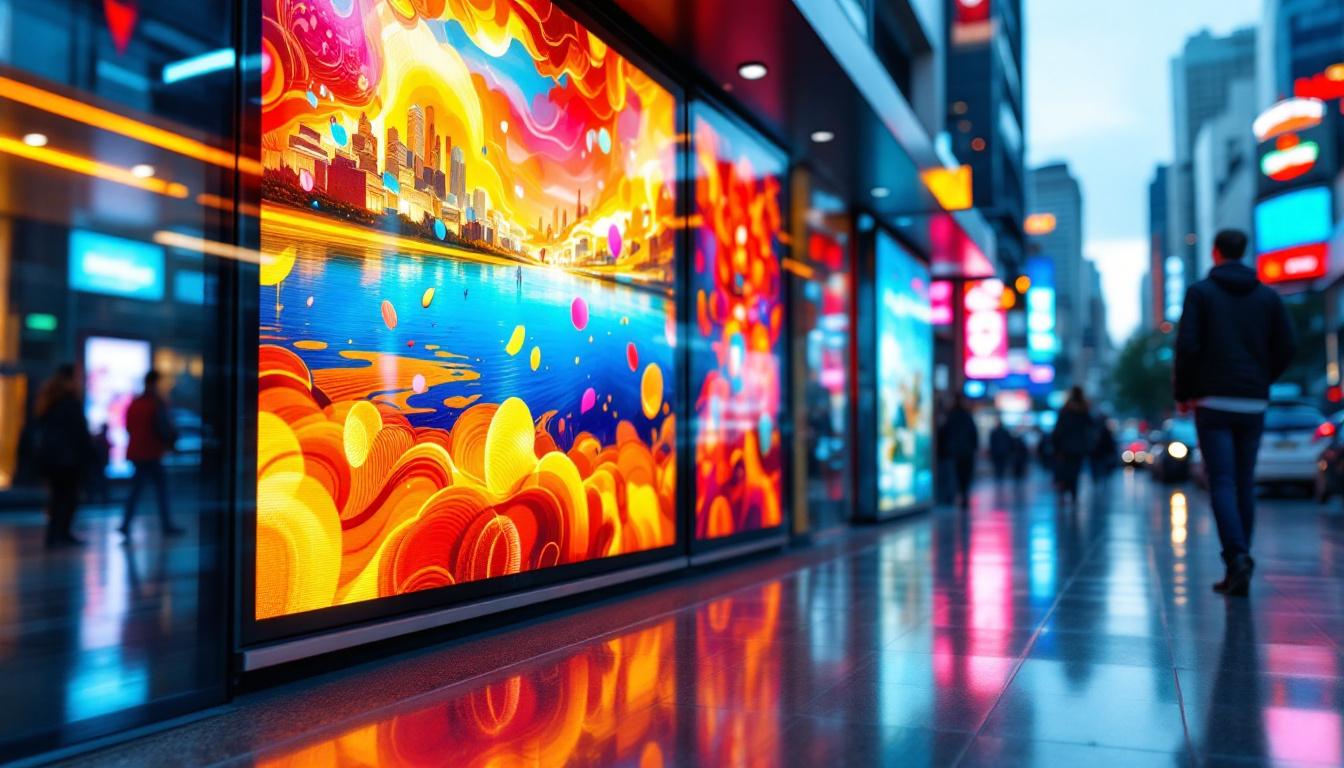
At the core of these movable billboards is LED (Light Emitting Diode) display technology. LED displays consist of thousands of tiny diodes that emit light when an electric current passes through them. These diodes are arranged in pixels to create vivid images, videos, and animations.
Compared to traditional billboard materials like vinyl or paper, LED displays offer superior brightness, color accuracy, and dynamic content capabilities. They can operate effectively in various lighting conditions, including direct sunlight, making them ideal for outdoor advertising. Furthermore, LED displays allow advertisers to update content remotely and instantly, providing unmatched flexibility. This capability means that businesses can run time-sensitive promotions or adjust their messaging based on current events without the need for physical changes to the billboard itself.
Additionally, the environmental impact of LED technology is worth noting. LED displays consume significantly less energy than their traditional counterparts, which not only reduces operational costs but also aligns with the growing demand for sustainable advertising solutions. Many companies are now prioritizing eco-friendly practices, and utilizing LED technology in movable billboards is a step in the right direction. As technology continues to evolve, we can expect to see even more innovative features integrated into these displays, such as augmented reality elements that engage viewers in new and exciting ways.
Advantages of Movable LED Billboards
Enhanced Visibility and Engagement
One of the primary benefits of LED movable billboards is their ability to attract attention through bright, colorful, and dynamic content. Studies show that digital billboards can increase brand recall by up to 47% compared to static billboards. The movement of the vehicle combined with the vibrant LED display creates a compelling visual stimulus that is hard to ignore.
Moreover, LED billboards can display multiple advertisements in rotation, allowing businesses to maximize exposure within a single campaign. This versatility helps maintain viewer interest and can be tailored to different audiences throughout the day.
Cost-Effectiveness Over Time
While the initial investment in a movable LED billboard may be higher than traditional static billboards, the long-term cost benefits are significant. Digital content can be updated instantly without the need for printing or physical installation, reducing recurring costs. Additionally, the ability to relocate the billboard means advertisers can optimize placement based on real-time data and campaign performance.
By targeting high-traffic areas during peak times, businesses can achieve better return on investment (ROI). The flexibility to test different locations and messages also allows for data-driven marketing strategies, improving overall campaign effectiveness.
Environmental and Operational Benefits
Movable LED billboards contribute to sustainability by reducing the waste associated with printed advertising materials. Since content is digital, there is no need for paper, vinyl, or other disposable materials that often end up in landfills.
Operationally, these billboards can be powered by energy-efficient LED technology, which consumes less electricity than other digital displays. Some units are equipped with solar panels or battery systems, enabling eco-friendly operation even in remote locations.
Applications of Movable LED Billboards
Event Promotion and Live Marketing
Movable LED billboards are particularly effective for promoting events such as concerts, sports games, festivals, and product launches. Their mobility allows them to be positioned near event venues or along routes with high foot traffic, maximizing visibility among potential attendees.
During live events, the LED displays can showcase real-time information, schedules, sponsor advertisements, or interactive content, enhancing the overall experience. This adaptability makes them invaluable tools for experiential marketing campaigns.
Retail and Product Advertising
Retailers use movable LED billboards to advertise sales, new product launches, and store openings. By positioning these billboards near shopping districts or busy intersections, businesses can drive foot traffic and increase brand awareness.
For example, a car dealership might use a movable LED billboard to showcase new models and special offers, moving the billboard to different neighborhoods to reach diverse customer segments. This targeted approach helps maximize marketing impact without the constraints of fixed signage.
Political Campaigns and Public Announcements
Political candidates and government agencies have also embraced movable LED billboards for campaign messaging and public service announcements. The ability to quickly change content allows for timely dissemination of information, such as voting reminders, health advisories, or emergency alerts.
During election seasons, movable LED billboards can be strategically deployed to reach voters in key districts, providing a dynamic platform for campaign slogans, event dates, and calls to action.
Key Considerations When Using Movable LED Billboards
Legal and Regulatory Compliance
Before deploying a movable LED billboard, it is essential to understand local laws and regulations governing mobile advertising. Many municipalities have specific rules regarding where and when such billboards can operate, as well as restrictions on brightness and content.
Non-compliance can result in fines or forced removal of the billboard, so working closely with local authorities and obtaining necessary permits is critical. Additionally, advertisers should be mindful of safety concerns, ensuring that the billboard does not distract drivers or obstruct pedestrian pathways.
Technical Specifications and Maintenance
Choosing the right LED display involves evaluating factors such as pixel pitch (the distance between individual LEDs), resolution, brightness, and weather resistance. A finer pixel pitch provides sharper images but may increase cost, so balancing quality with budget is important.
Regular maintenance is also necessary to ensure optimal performance. This includes cleaning the display surface, checking electrical components, and updating software. Partnering with experienced providers who offer technical support can help minimize downtime and extend the lifespan of the billboard.
Content Strategy and Audience Targeting
Effective use of movable LED billboards requires a well-planned content strategy. Advertisers should craft messages that are clear, concise, and visually engaging to capture attention quickly. Incorporating animation, video, and timely calls to action can enhance viewer response.
Data analytics and location insights can inform decisions about where and when to deploy the billboard for maximum impact. For instance, targeting morning commuters in business districts or weekend shoppers near malls can significantly improve campaign outcomes.
Future Trends in Movable LED Billboard Technology
Integration with Smart Technologies
The future of movable LED billboards is closely linked with advancements in smart technology and the Internet of Things (IoT). Integration with GPS, sensors, and data analytics platforms enables real-time content adjustment based on audience demographics, weather conditions, or traffic patterns.
For example, a billboard could automatically switch to advertising umbrellas on a rainy day or promote nearby restaurants during lunchtime. This level of personalization enhances relevance and engagement, driving better results for advertisers.
Augmented Reality and Interactive Features
Emerging technologies such as augmented reality (AR) and interactive touchscreens are beginning to complement LED billboard displays. These features invite audience participation, creating memorable brand experiences that go beyond passive viewing.
Interactive billboards can collect user data, provide instant promotions, or link to social media platforms, bridging the gap between physical advertising and digital marketing channels.
Sustainability and Energy Efficiency Innovations
As environmental concerns grow, manufacturers are focusing on developing more energy-efficient LED panels and sustainable power solutions. Advances in low-power LEDs, solar charging, and recyclable materials are making movable billboards greener and more cost-effective.
These innovations not only reduce operational costs but also align with corporate social responsibility goals, appealing to eco-conscious consumers and stakeholders.
Conclusion
Movable LED billboards represent a powerful evolution in outdoor advertising, combining the flexibility of mobility with the dynamic capabilities of digital displays. Their ability to deliver vibrant, targeted messages in high-traffic locations offers unparalleled opportunities for brand visibility and consumer engagement.
By understanding the technology, benefits, and strategic considerations involved, businesses can harness movable LED billboards to create impactful marketing campaigns that resonate with diverse audiences. As technology continues to advance, these billboards will become even more intelligent, interactive, and sustainable, securing their place as a cornerstone of modern advertising.
Discover LumenMatrix’s Innovative LED Solutions
Ready to elevate your advertising strategy with the latest in LED display technology? Look no further than LumenMatrix, where innovation meets visual excellence. Our comprehensive range of LED solutions, including Indoor and Outdoor LED Wall Displays, Vehicle LED Displays, and more, are designed to captivate your audience and amplify your message. Experience the future of dynamic advertising with LumenMatrix and check out our LED display solutions today!