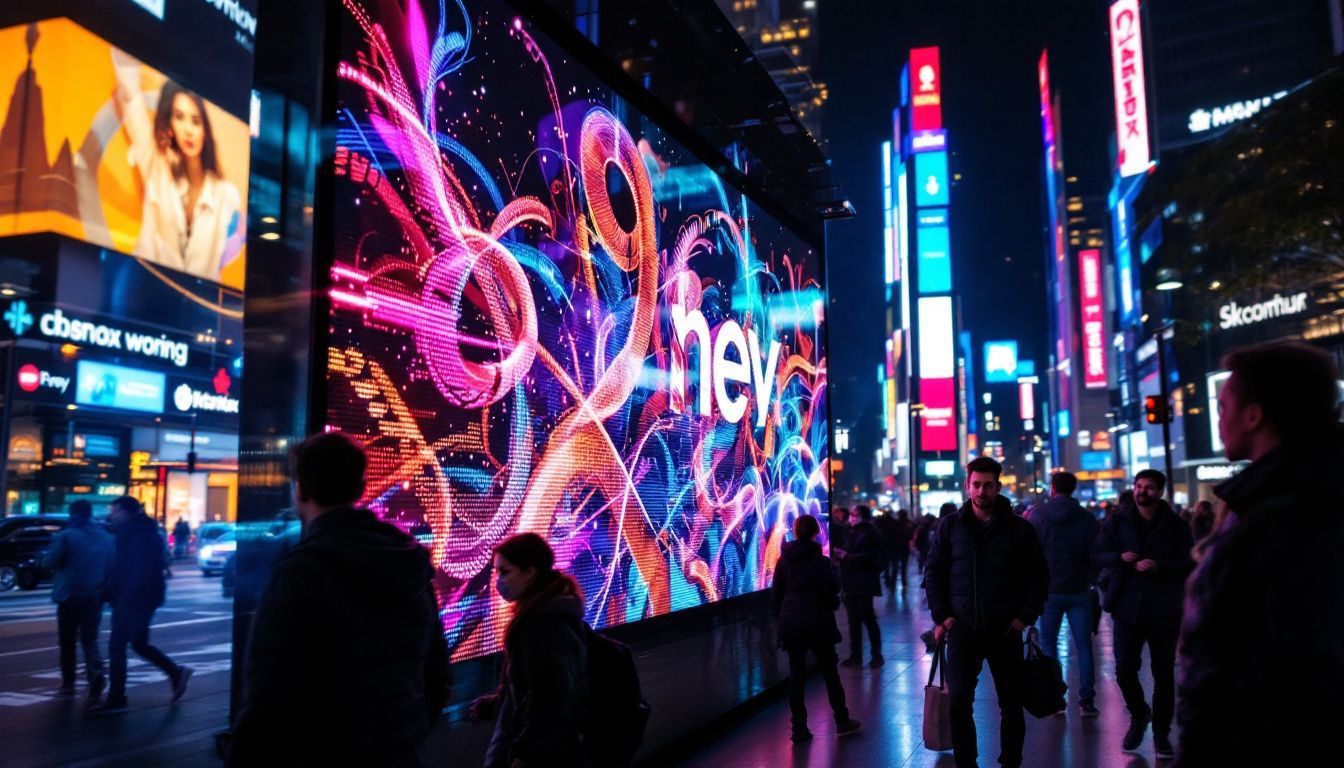
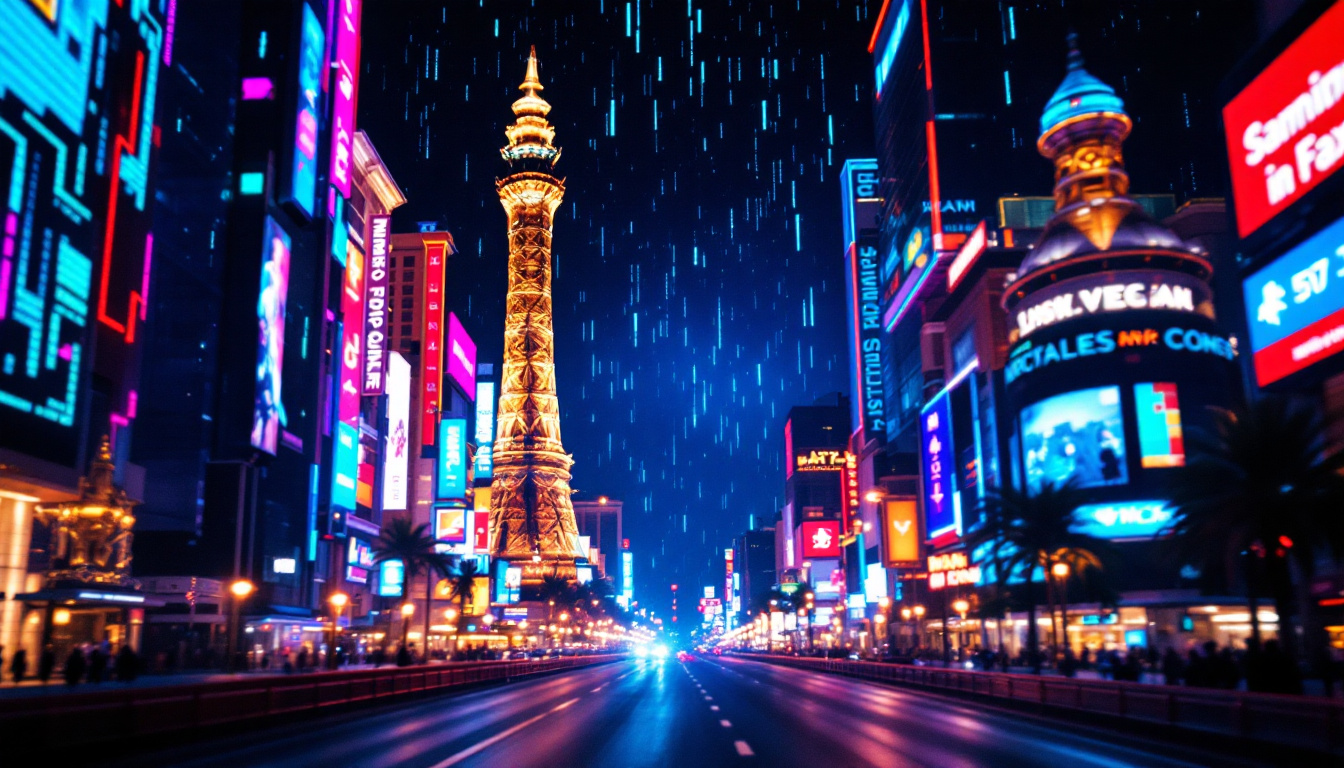
In the rapidly evolving world of digital signage and visual communication, LED displays have become a cornerstone technology. From vibrant billboards in bustling city centers to sleek indoor screens in corporate lobbies, LED displays offer unmatched brightness, versatility, and durability. This article delves into the fundamentals of LED displays, exploring their technology, applications, and the innovations shaping their future. Whether you are a business owner considering digital signage or a technology enthusiast, understanding LED displays is essential in today’s visual-centric environment.
Understanding LED Display Technology
LED, or Light Emitting Diode, technology has transformed the way images and videos are presented in public and private spaces. Unlike traditional display technologies such as LCD or plasma, LED displays utilize tiny semiconductor diodes that emit light when an electrical current passes through them. This fundamental difference contributes to their superior brightness and energy efficiency. The ability of LED displays to maintain high performance in various lighting conditions makes them particularly popular for outdoor advertising and events, where ambient light can often wash out other display types.
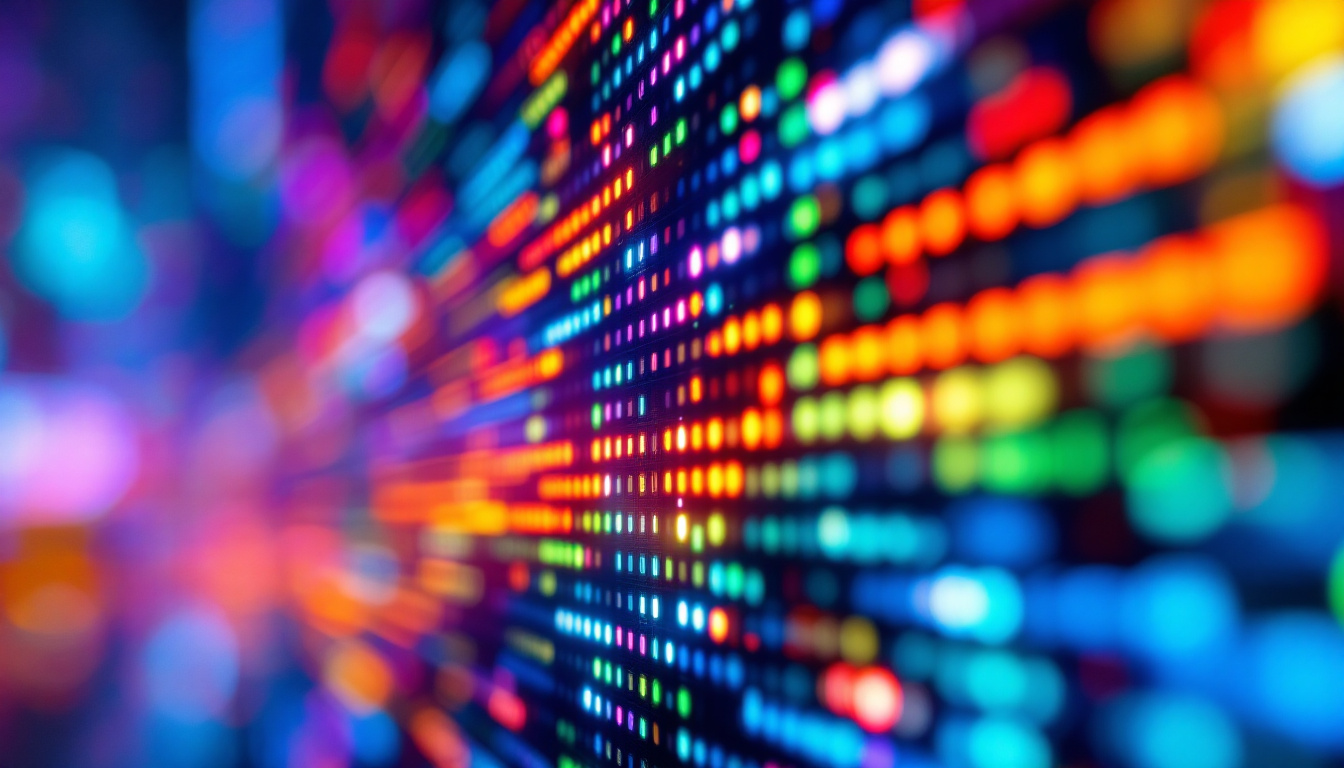
At the core of an LED display is the pixel, which is made up of red, green, and blue LEDs. By varying the intensity of each color, the display can render a full spectrum of colors, producing vivid and sharp images. Modern LED displays often use surface-mounted device (SMD) LEDs, which are compact and allow for higher pixel density, resulting in clearer images even at close viewing distances. This advancement has led to the proliferation of LED displays in venues such as stadiums, concert halls, and shopping malls, where engaging visuals are crucial for capturing audience attention and enhancing the overall experience.
Types of LED Displays
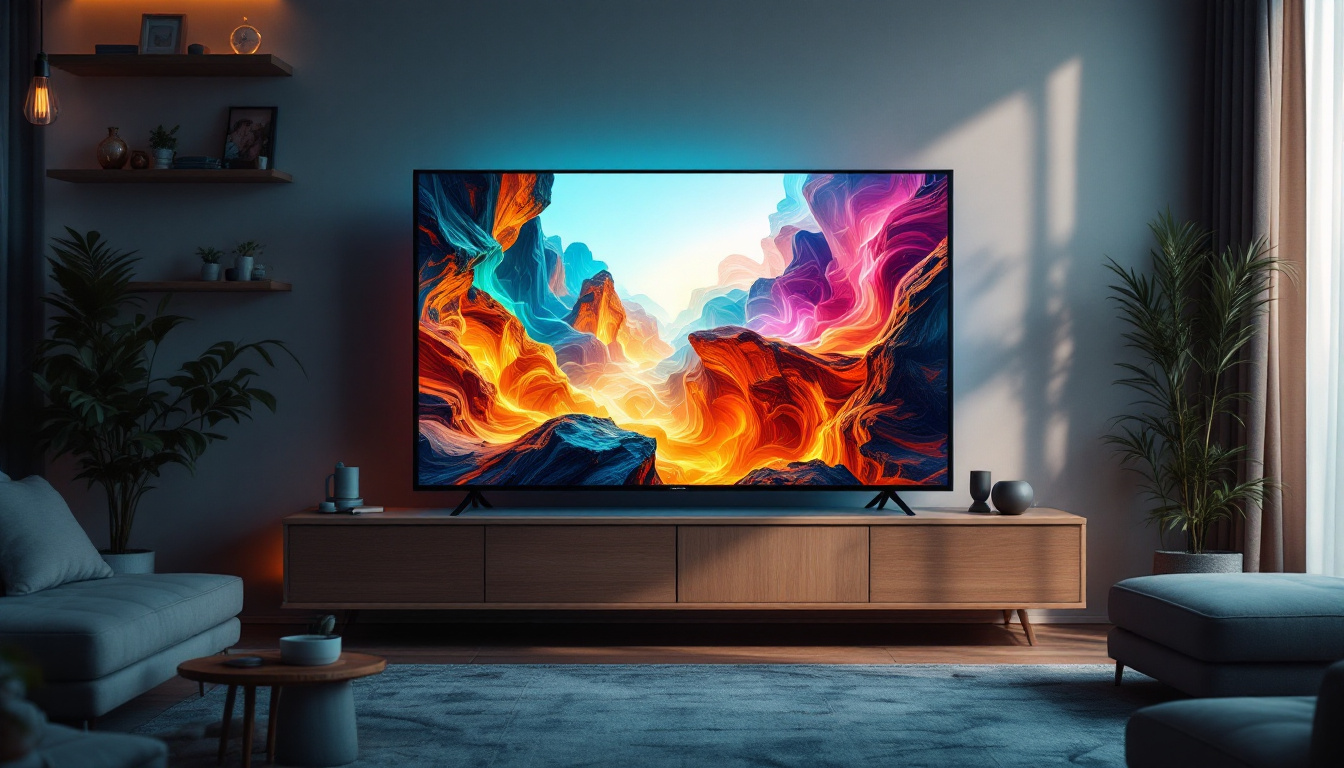
There are primarily two types of LED displays: direct view LED and LED-backlit LCD. Direct view LED displays consist entirely of LEDs that emit light directly, making them ideal for large-scale outdoor and indoor screens. LED-backlit LCDs, on the other hand, use LEDs as a backlight source behind an LCD panel, common in televisions and computer monitors. The choice between these two types often depends on the intended application; for instance, direct view LEDs are favored for their ability to create large, seamless images without bezels, while LED-backlit LCDs are often more cost-effective for smaller screens.
Direct view LED displays are further categorized by pixel pitch—the distance between the centers of two adjacent pixels. Smaller pixel pitches (e.g., 1mm to 2mm) are suited for indoor use where viewers are closer, while larger pitches (e.g., 10mm or more) are typical for outdoor billboards viewed from a distance. Additionally, advancements in technology have led to the development of flexible LED displays, which can be curved or shaped to fit unique architectural designs. This flexibility opens up new possibilities for creative installations, allowing for immersive experiences that can adapt to various environments and themes, further pushing the boundaries of visual communication.
Applications of LED Displays Across Industries
The versatility of LED displays has led to widespread adoption across various sectors. Their brightness, scalability, and durability make them suitable for environments ranging from sports arenas to retail stores.
Advertising and Outdoor Signage
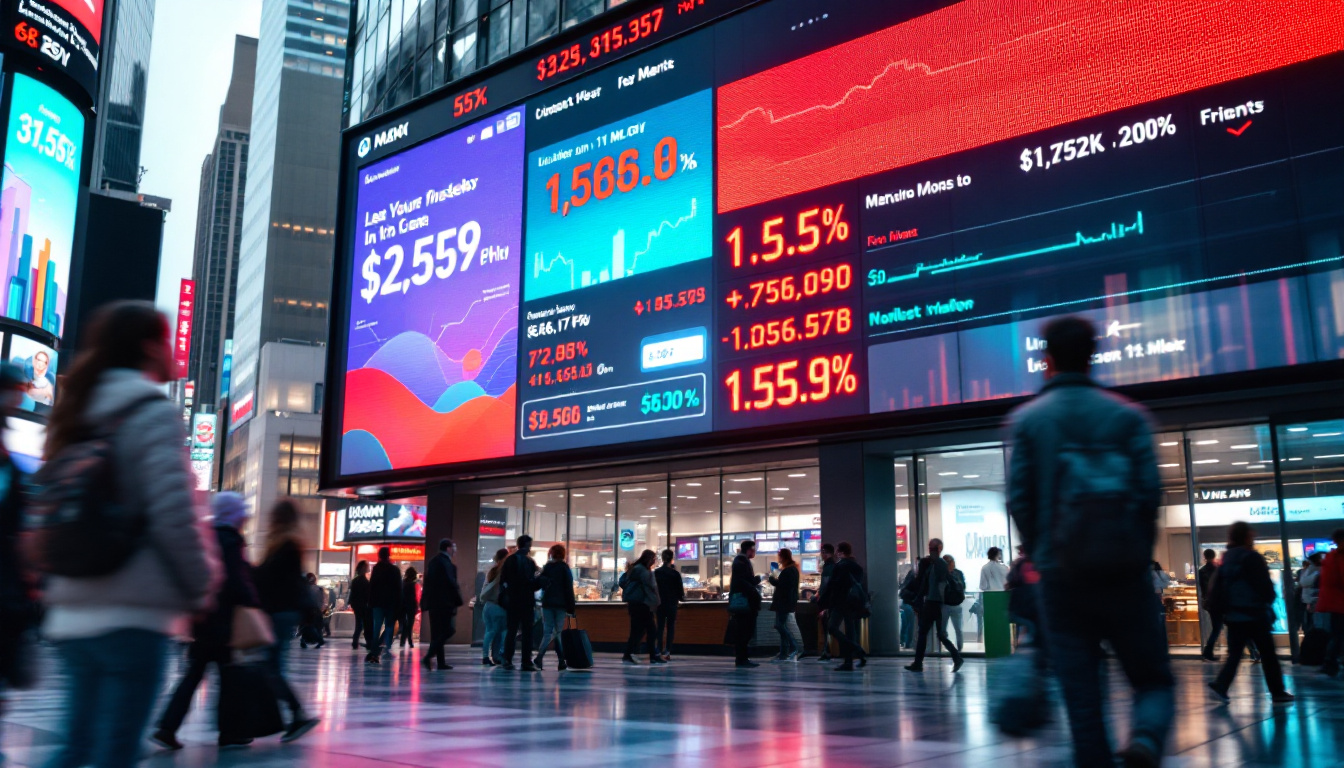
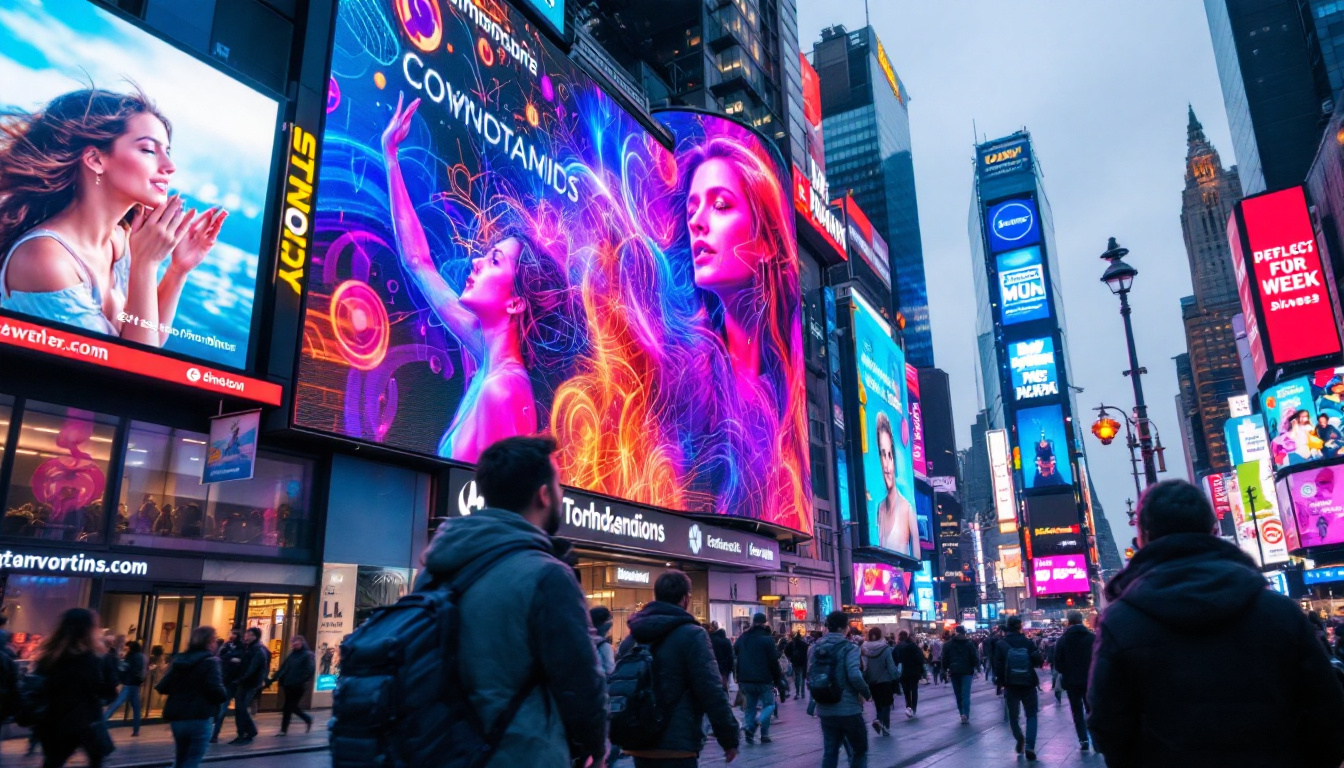
One of the most visible uses of LED displays is in outdoor advertising. According to a report by Grand View Research, the global digital signage market size was valued at over $21 billion in 2023 and is expected to grow at a compound annual growth rate (CAGR) of 7.5% through 2030. LED billboards dominate this market due to their ability to deliver dynamic, eye-catching content that can be updated remotely and in real-time.
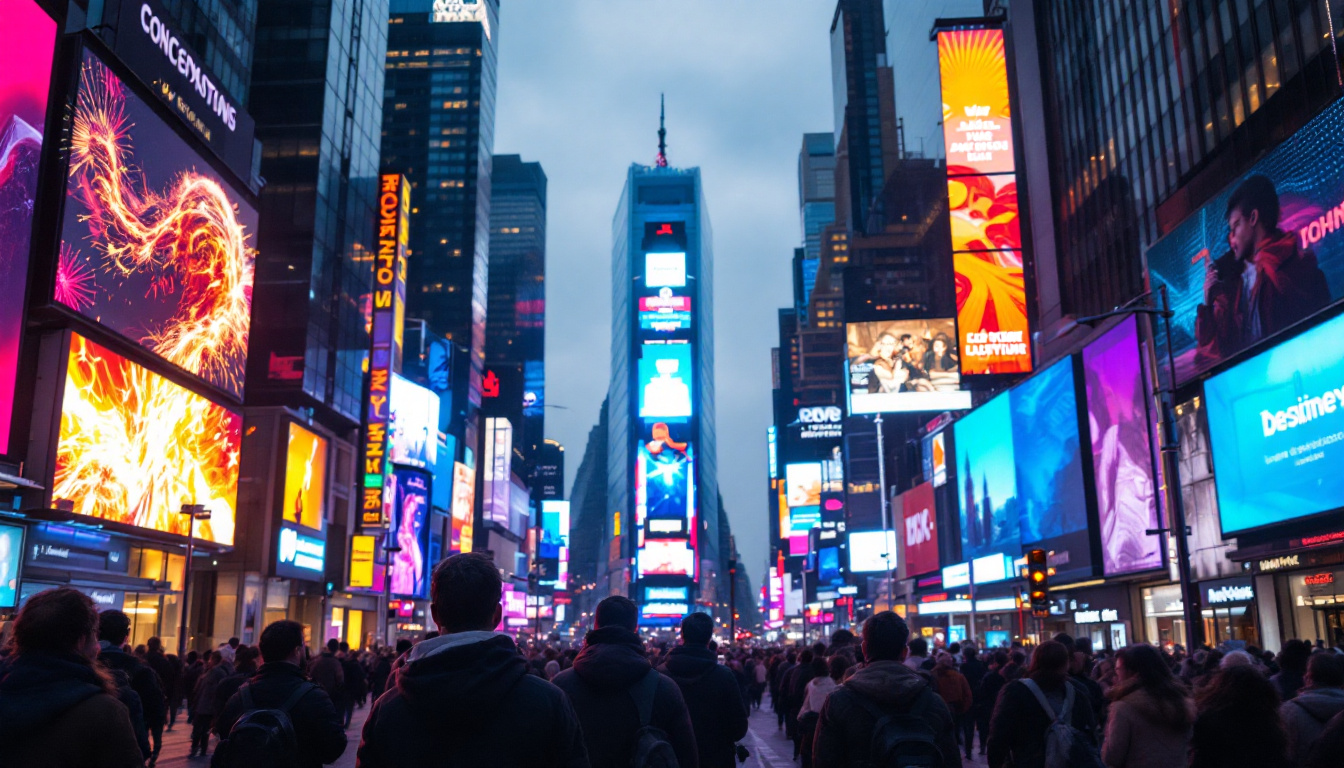
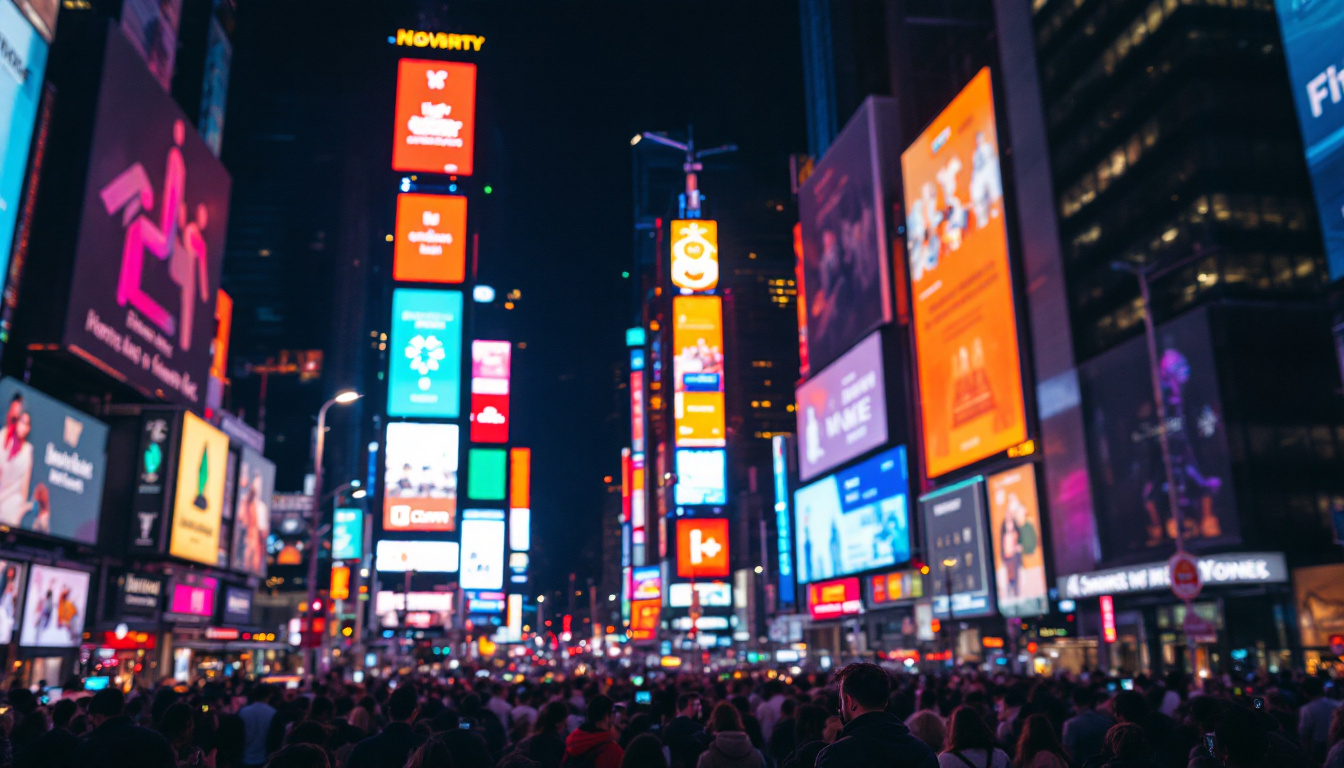
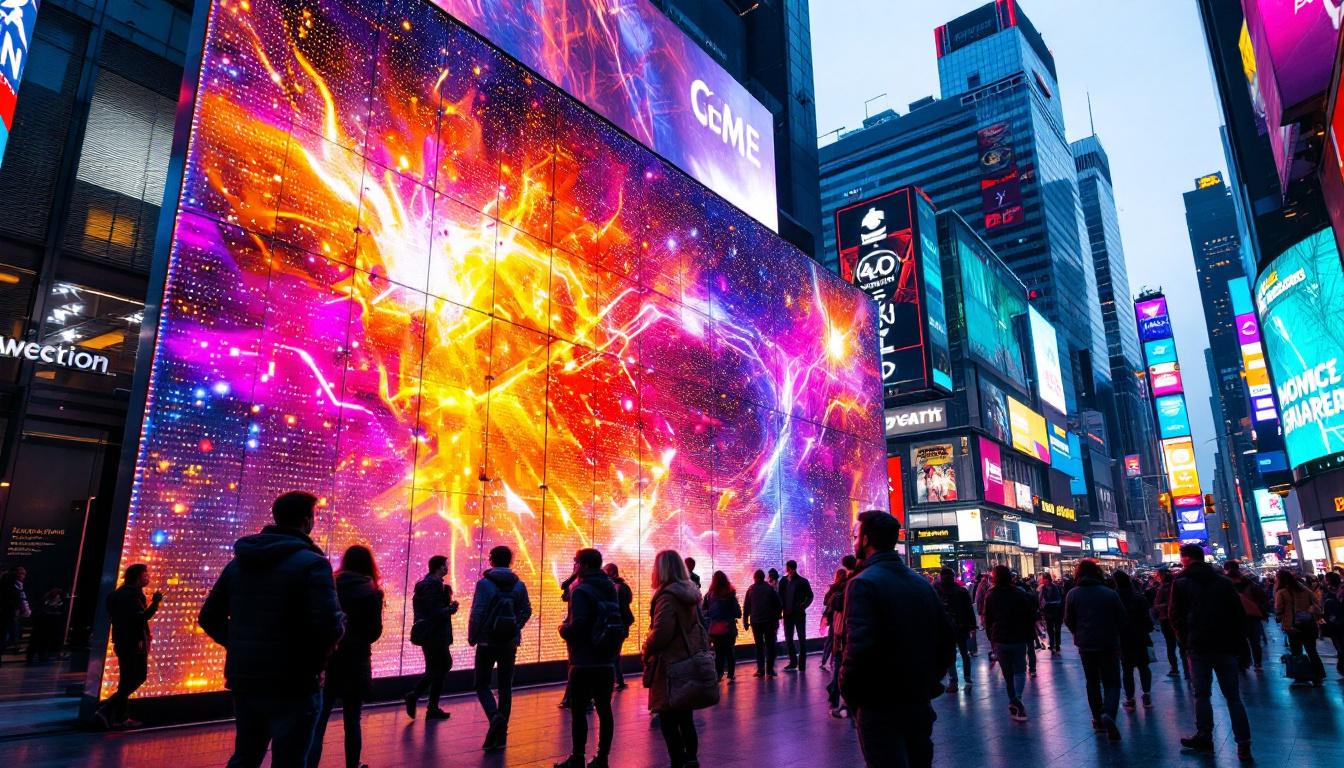
For example, Times Square in New York City is famous for its massive LED billboards that light up the area 24/7. These displays not only attract attention but also provide advertisers with the flexibility to tailor messages based on time of day or special events, enhancing engagement and return on investment. The ability to rotate advertisements frequently allows for multiple brands to share the same space, maximizing visibility and exposure while minimizing costs.
Moreover, LED displays are increasingly being utilized in transit systems, such as airports and train stations, where they provide real-time information to travelers. These screens can display flight schedules, delays, and even advertisements tailored to the audience waiting in the terminal, making them an indispensable tool for both communication and marketing.
Sports and Entertainment Venues
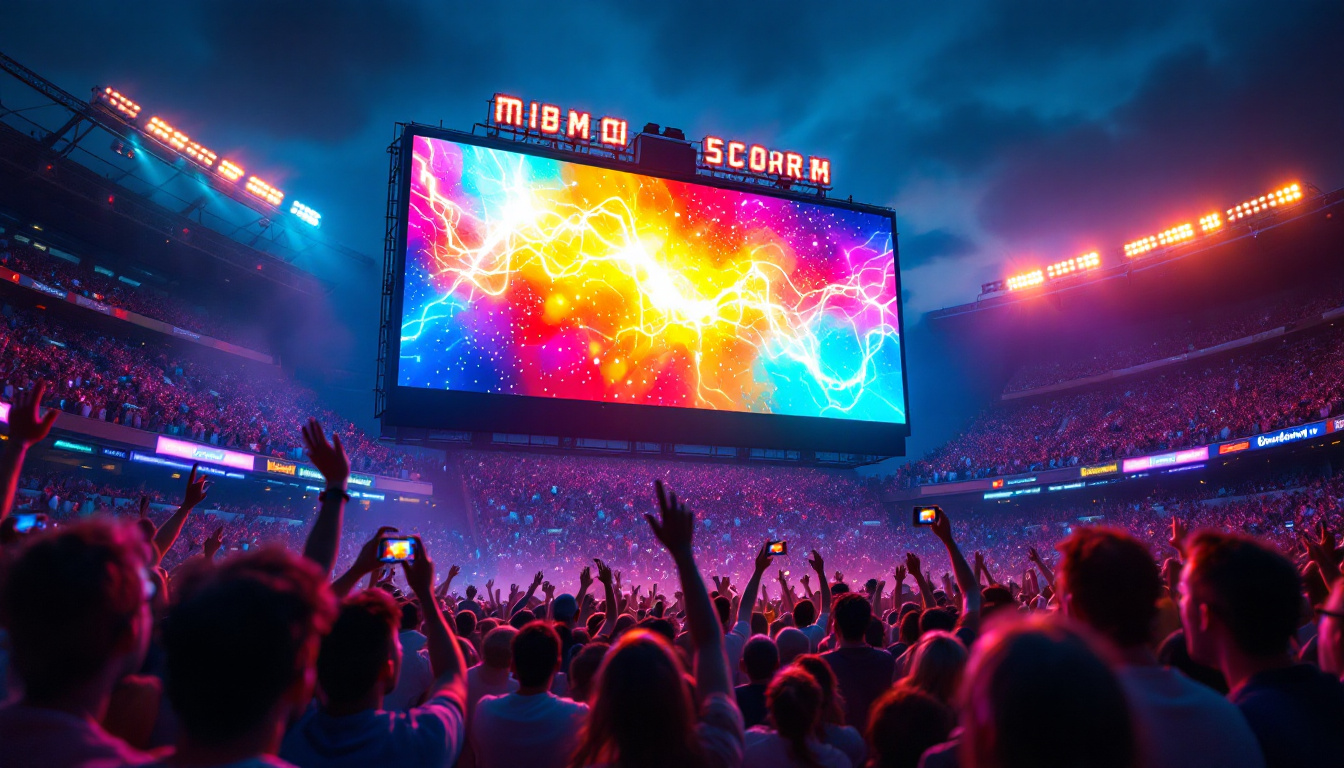
LED displays have revolutionized the spectator experience in stadiums and arenas worldwide. High-resolution LED screens display live game footage, replays, and interactive content, improving visibility for spectators regardless of their seat location. The 2022 FIFA World Cup stadiums featured some of the most advanced LED display installations, combining ultra-high resolution with weather-resistant designs.
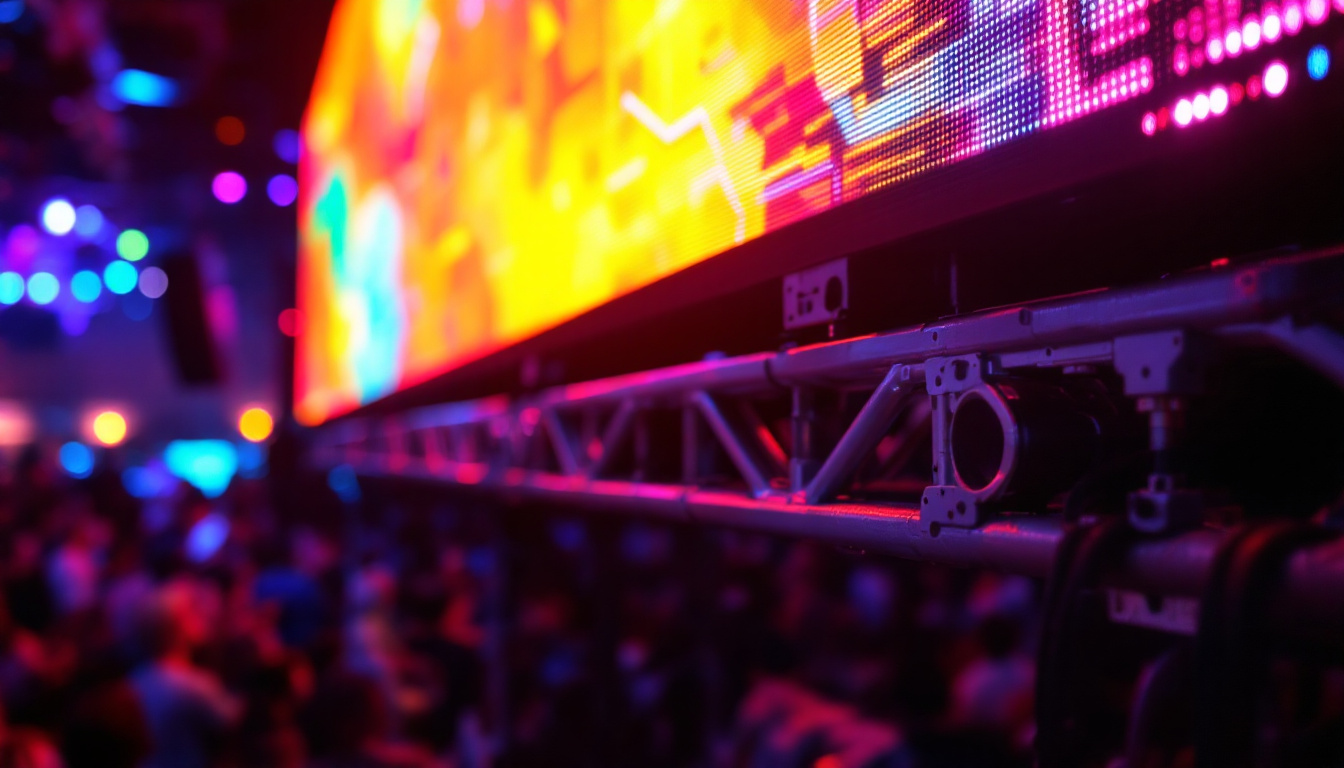
Beyond sports, concerts and festivals utilize LED walls to create immersive visual effects that synchronize with performances. The modular nature of LED panels allows for custom shapes and sizes, enabling creative stage designs that captivate audiences. For instance, at music festivals, LED screens can be arranged in innovative configurations to enhance the overall aesthetic, creating a multi-dimensional experience that engages attendees on multiple sensory levels.
Additionally, the integration of augmented reality (AR) with LED displays is becoming more prevalent. This technology allows for interactive fan experiences, such as virtual meet-and-greets with athletes or performers, further enhancing the connection between the audience and the event.
Corporate and Retail Environments
In corporate settings, LED displays serve multiple purposes—from digital directories and meeting room schedules to immersive video walls that enhance branding and communication. Retailers use LED screens to showcase promotions, product information, and interactive content that drives customer engagement and sales.
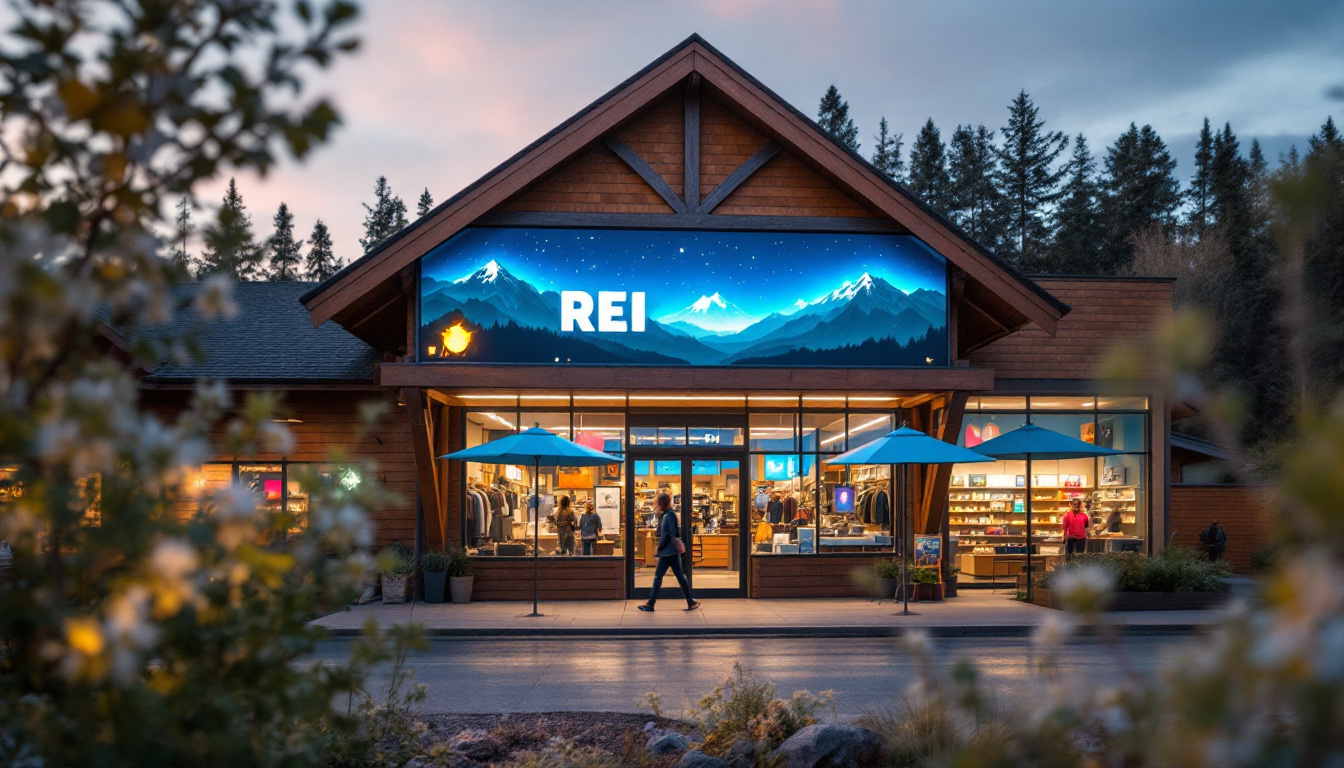
For instance, major retail chains have integrated LED displays into storefront windows, attracting foot traffic with dynamic visuals that can be updated daily to reflect new offers or seasonal themes. This adaptability is crucial in a competitive retail landscape where consumer attention spans are limited. The strategic placement of these displays can significantly influence purchasing decisions, as they create a visually stimulating environment that draws customers in.
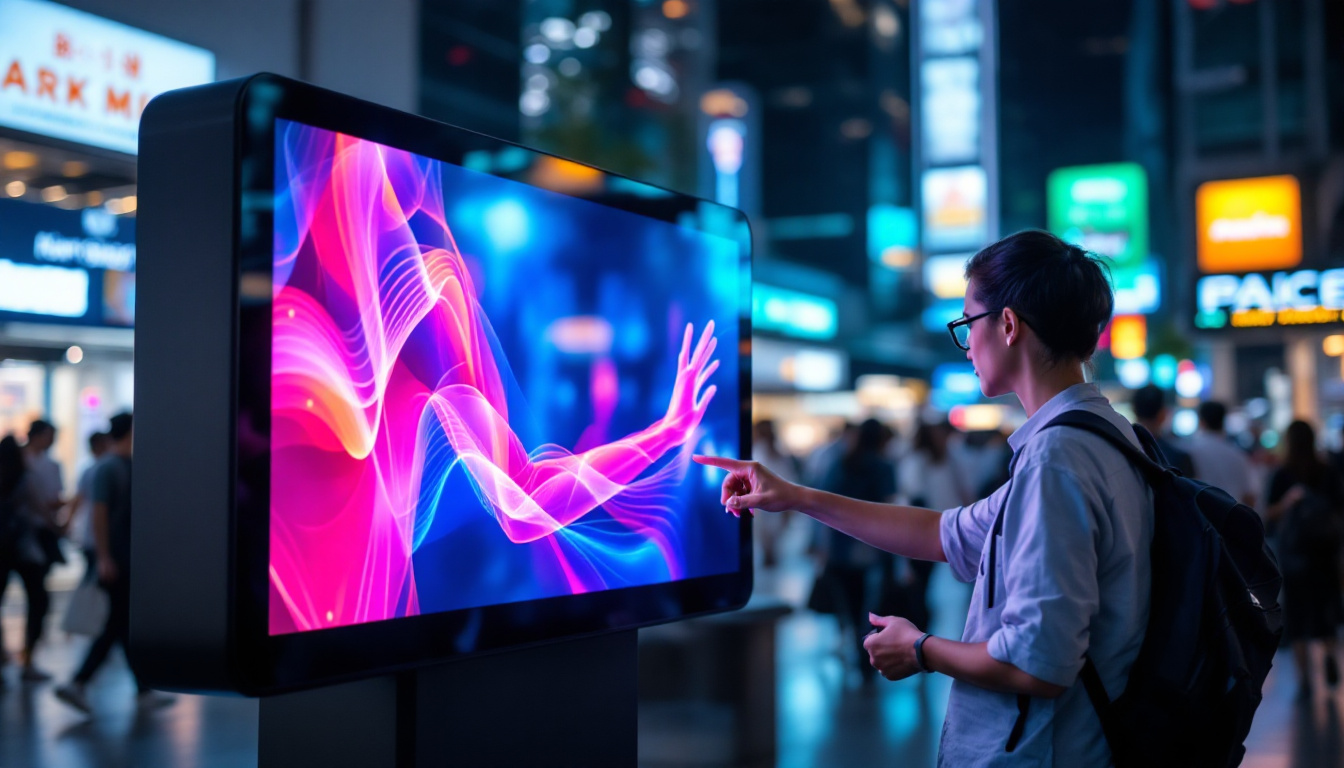
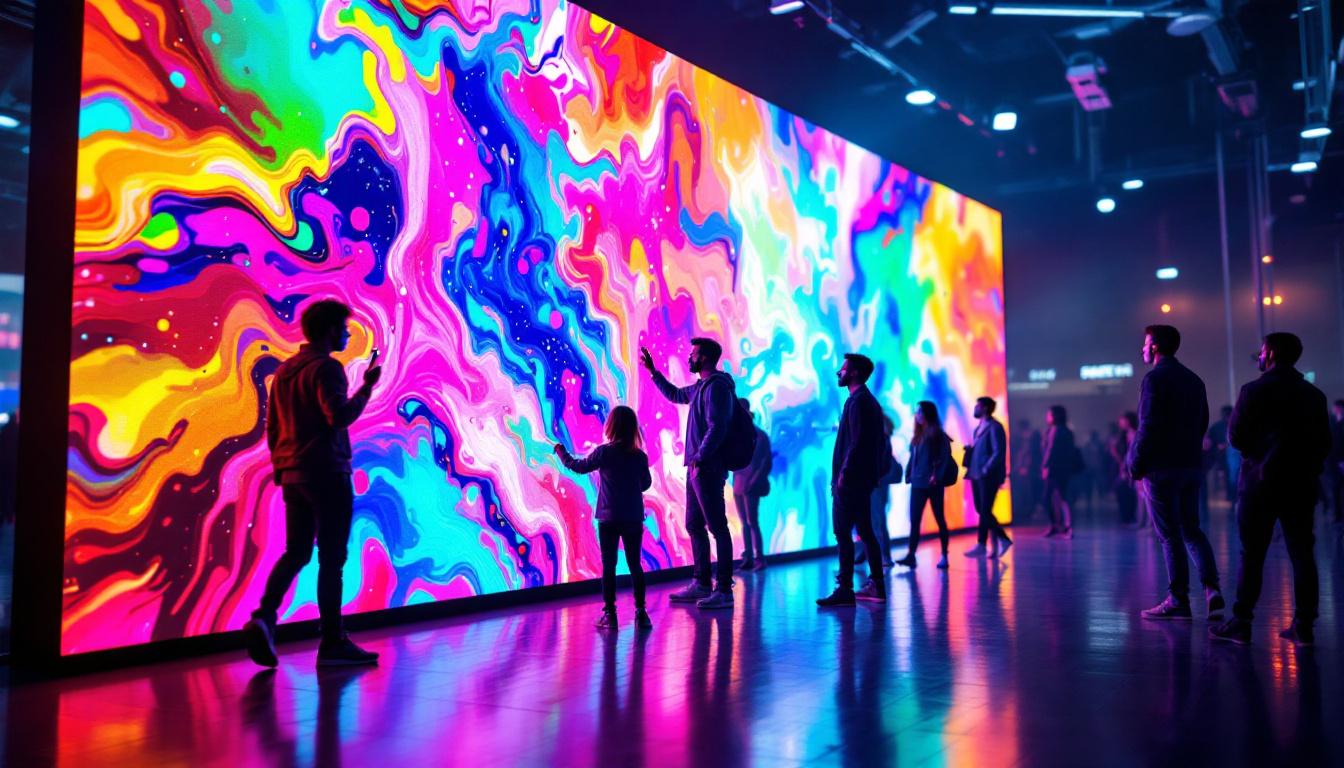
Furthermore, LED technology is being embraced in experiential marketing campaigns, where brands create interactive installations that invite customer participation. These installations often combine LED displays with touch technology, allowing customers to engage with the brand in a memorable way, thereby fostering loyalty and encouraging social media sharing. The potential for creativity in these applications is virtually limitless, opening new avenues for brands to connect with their audience in meaningful ways.
Key Advantages of LED Displays
Understanding the benefits of LED displays helps explain their growing popularity and why many industries are transitioning to this technology.
Brightness and Visibility
LED displays are renowned for their brightness, often reaching up to 5,000 nits or more for outdoor models. This level of luminance ensures content remains visible even under direct sunlight, a critical factor for outdoor advertising and public information displays. In comparison, traditional LCD screens typically max out around 300-500 nits, making them less effective in bright environments.
Energy Efficiency and Longevity
LED technology is inherently energy-efficient, consuming less power than many other display types while delivering superior brightness. This efficiency translates into lower operating costs, especially for large-scale installations that run continuously. Additionally, LEDs have a long operational lifespan, often exceeding 100,000 hours, which reduces maintenance and replacement expenses.
Flexibility and Scalability
LED displays are highly modular, allowing for easy scalability and customization. Panels can be combined to create screens of virtually any size or shape, accommodating unique architectural requirements or creative design concepts. This flexibility is invaluable for both permanent installations and temporary events.
Innovations and Future Trends in LED Display Technology
The LED display industry continues to innovate, driven by advancements in materials, manufacturing, and digital integration. Several emerging trends are set to redefine the capabilities and applications of LED displays.
MicroLED and MiniLED Technologies
MicroLED and MiniLED represent the next generation of LED technology, offering even higher resolution and improved color accuracy. MicroLEDs are microscopic LEDs that can be individually controlled, enabling displays with exceptional contrast ratios and energy efficiency. While still in the early stages of commercial adoption, MicroLED displays promise to rival OLED screens in quality without the drawbacks of burn-in or limited lifespan.
MiniLED technology, which uses smaller LEDs for backlighting in LCD panels, is already gaining traction in premium TVs and monitors, enhancing brightness and local dimming capabilities.
Integration with IoT and Smart Technologies
As the Internet of Things (IoT) expands, LED displays are becoming smarter and more connected. Modern LED signage systems can integrate with sensors, cameras, and data analytics platforms to deliver personalized and context-aware content. For example, digital billboards can adjust advertisements based on weather conditions, traffic patterns, or audience demographics in real-time.
Environmental Sustainability
With increasing emphasis on sustainability, manufacturers are developing LED displays with eco-friendly materials and energy-saving features. Innovations include recyclable components, reduced hazardous substances, and enhanced power management systems. These efforts align with global initiatives to reduce the environmental impact of electronic devices.
Choosing the Right LED Display for Your Needs
Selecting an LED display requires careful consideration of several factors to ensure it meets your specific requirements and budget.
Assessing Viewing Distance and Resolution
The pixel pitch should correspond to the typical viewing distance. For close-up indoor applications, a fine pixel pitch (1mm-2mm) ensures crisp images, while larger pitches suffice for outdoor displays viewed from afar. Understanding this relationship helps avoid overspending on unnecessarily high resolutions or compromising image quality.
Environmental Conditions
Outdoor LED displays must withstand weather extremes, including rain, dust, and temperature fluctuations. Look for displays with appropriate IP ratings (Ingress Protection) that certify their resistance to environmental factors. Indoor displays have different requirements, focusing more on aesthetics and integration with interior design.
Content Management and Software
Effective content management is crucial for maximizing the impact of LED displays. Many manufacturers offer proprietary software platforms that simplify scheduling, updating, and monitoring content remotely. Compatibility with existing digital infrastructure and ease of use are important considerations.
Conclusion
LED displays represent a dynamic and versatile technology that continues to shape the landscape of visual communication. Their unparalleled brightness, energy efficiency, and adaptability make them an ideal choice for a wide range of applications—from advertising and entertainment to corporate communication. As innovations like MicroLED and IoT integration emerge, the potential of LED displays will only expand, offering richer experiences and smarter solutions.
For businesses and organizations looking to invest in digital signage, understanding the technical aspects and practical considerations of LED displays is essential. By selecting the right technology tailored to specific needs, users can harness the full power of LED displays to engage audiences, enhance branding, and drive growth in an increasingly digital world.
Discover the Future of Visual Engagement with LumenMatrix
Ready to elevate your visual communication strategy with cutting-edge LED display technology? LumenMatrix is at the forefront of innovation, offering a diverse range of LED display solutions tailored to your unique needs. From captivating Indoor and Outdoor LED Wall Displays to versatile Vehicle and Floor LED options, and even Custom and All-in-One LED solutions, we have everything you need to create immersive visual experiences that resonate with your audience. Embrace the future of digital signage and check out LumenMatrix LED Display Solutions today to transform your brand’s visibility and audience engagement.