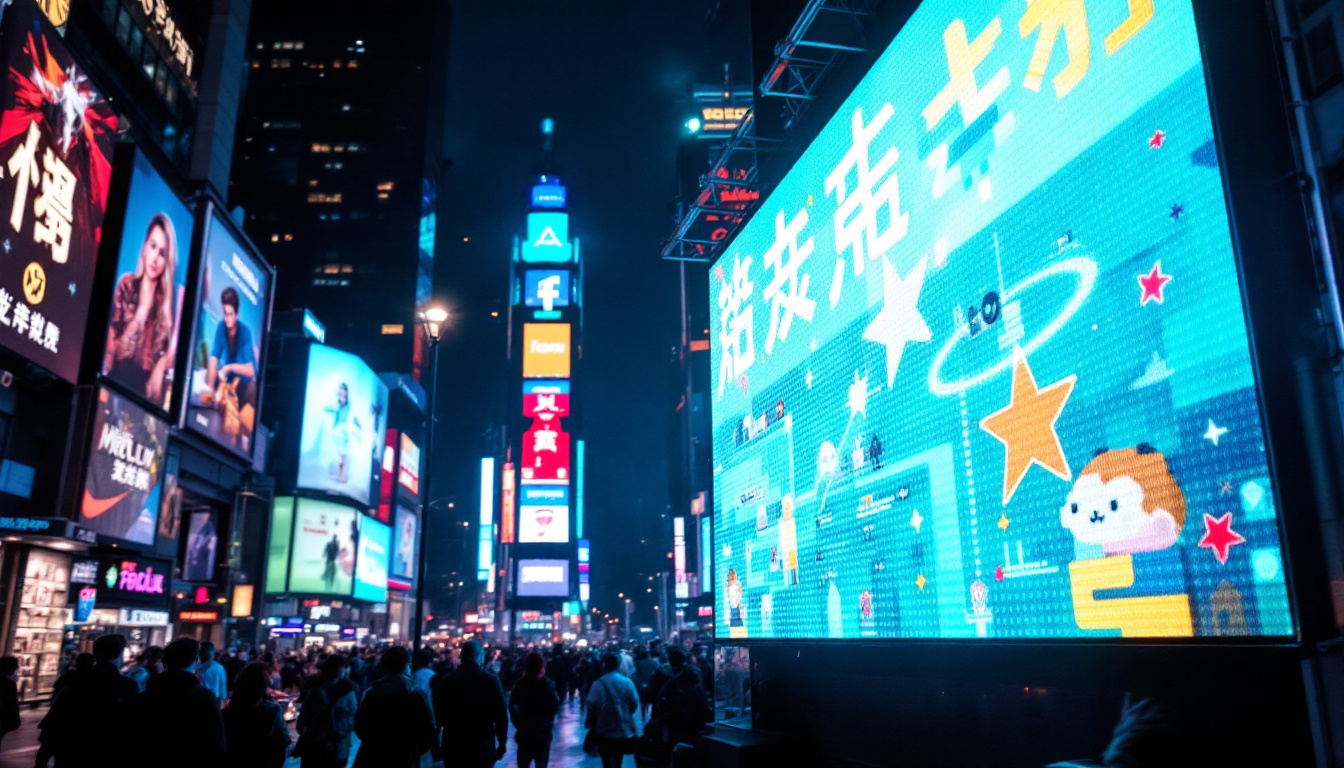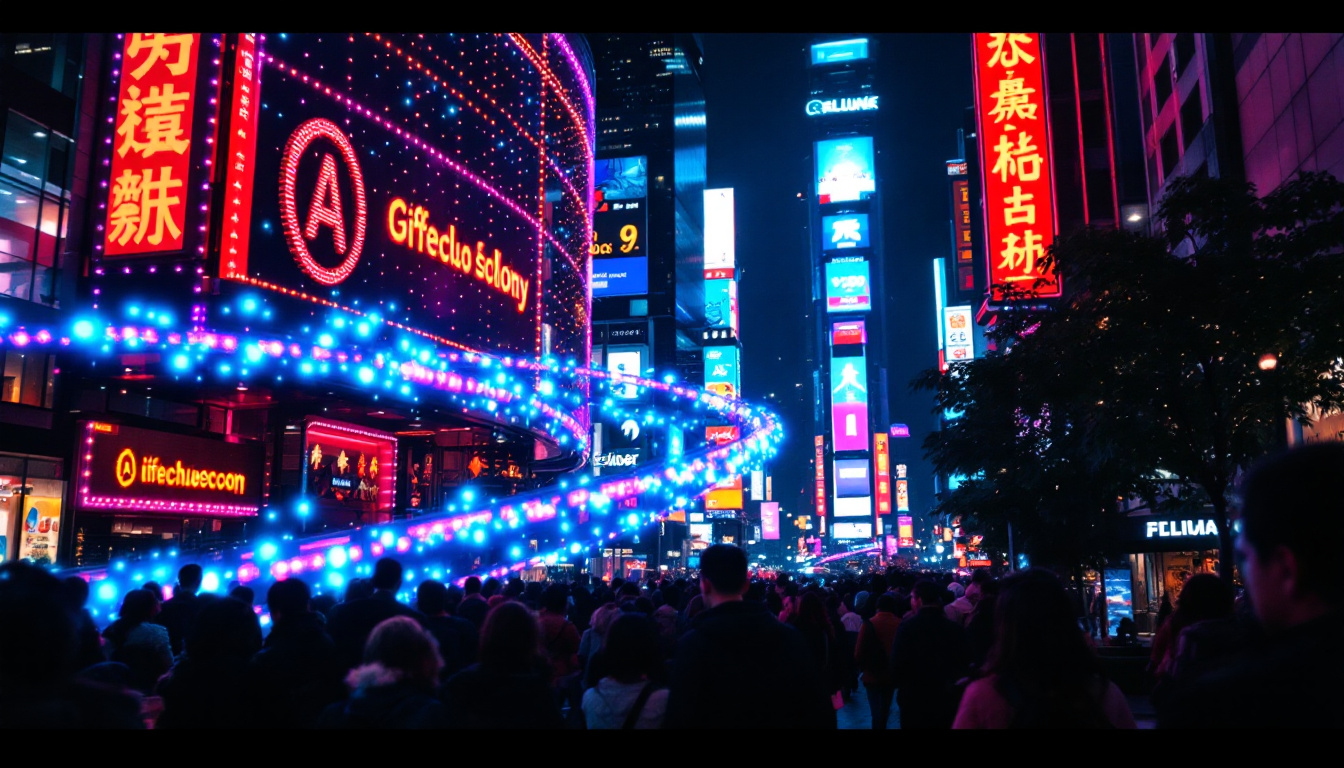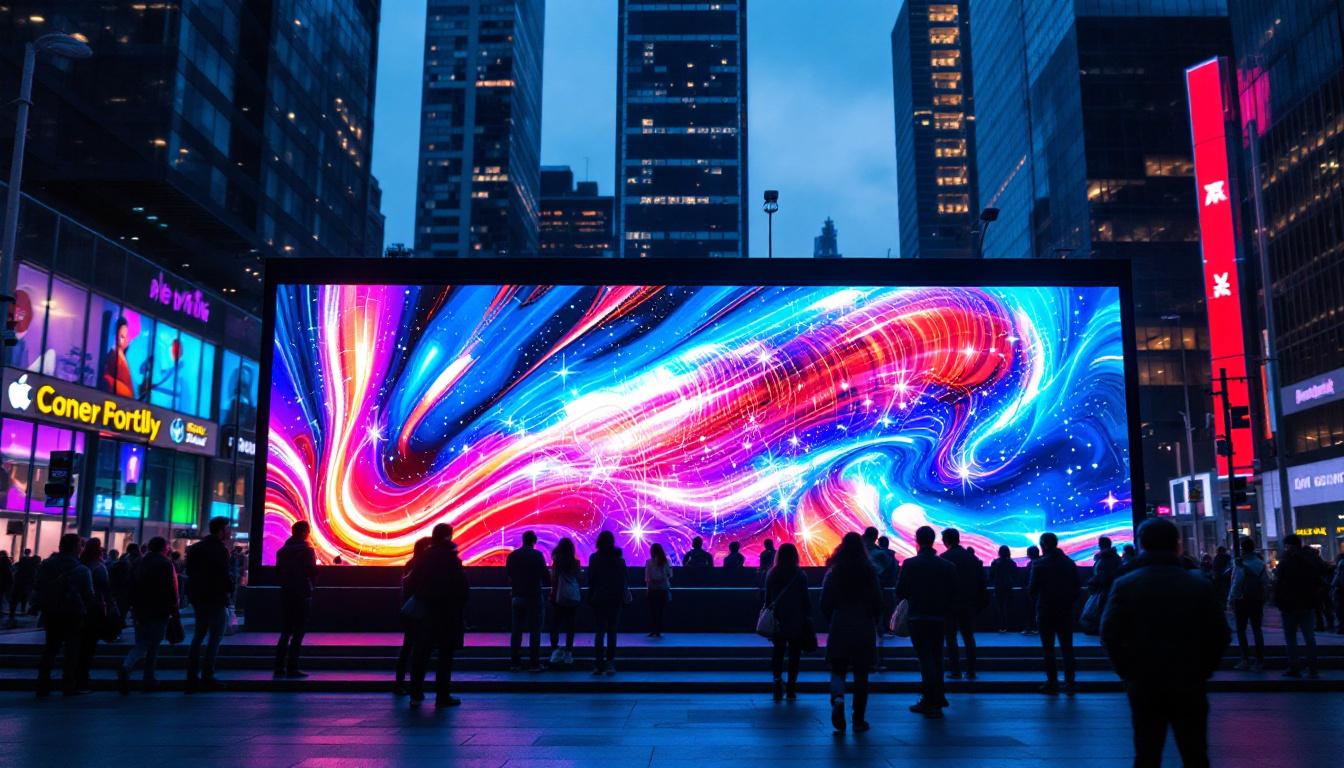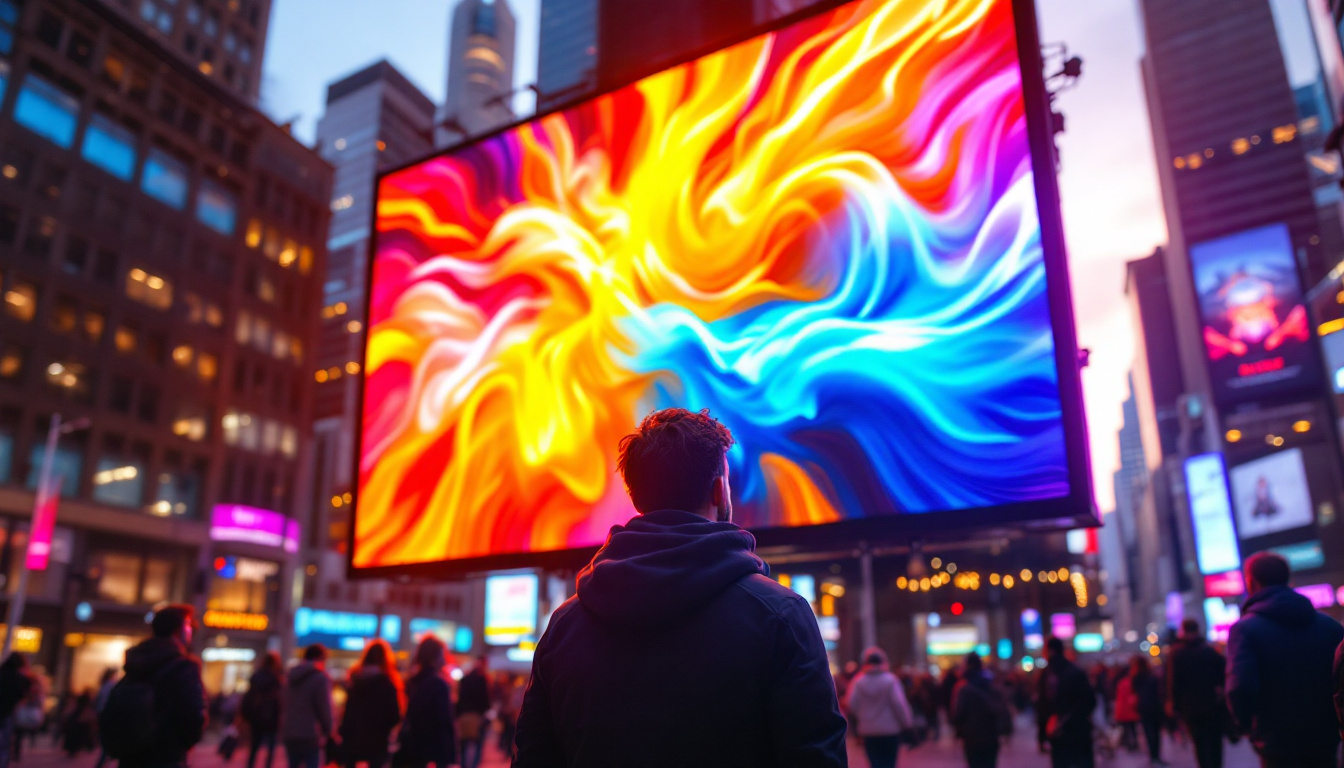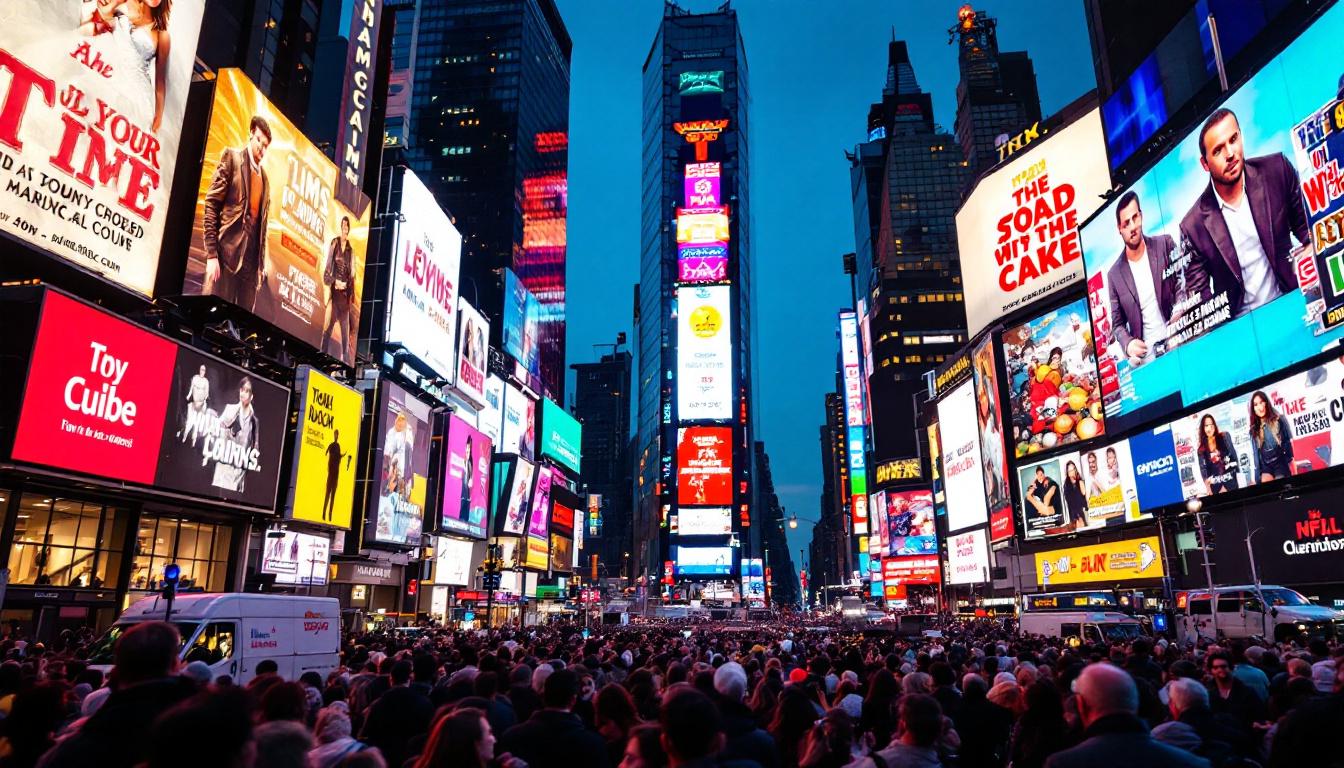
Times Square in New York City is often described as “The Crossroads of the World,” a place where millions of people converge daily, and where advertising reaches a scale unlike any other. Central to this vibrant advertising ecosystem are the dazzling LED displays that light up the skyline, captivating audiences with their brightness, color, and dynamic content. But what exactly goes into these LED displays? How do they work, and why are they so effective in a place like Times Square? This article delves into the technology, design, and impact of LED advertising displays in Times Square, offering a comprehensive understanding of what makes these digital billboards so iconic.
The Evolution of Times Square Advertising
From Static Billboards to Digital Marvels
Times Square has long been a hub for advertising, with its roots tracing back to the early 20th century when painted signs and neon lights dominated the landscape. The transition from static billboards to digital displays began in the late 20th century, driven by advancements in technology and the desire for more engaging, flexible advertising solutions.
LED (Light Emitting Diode) technology revolutionized outdoor advertising by enabling vibrant, high-resolution displays that could change content dynamically. By the early 2000s, LED screens started replacing traditional neon signs in Times Square, offering advertisers the ability to showcase videos, animations, and interactive content. This shift not only enhanced the visual appeal but also allowed for real-time updates and targeted messaging, making advertising more impactful. The ability to tailor ads to specific times of day or events has transformed the way brands connect with their audiences, creating a more personalized experience that resonates with viewers.
Why Times Square is the Perfect Canvas for LED Displays
Times Square’s unique characteristics make it an ideal location for LED advertising. With an estimated 330,000 pedestrians passing through daily, the area offers unparalleled exposure. The dense urban environment, combined with the high foot and vehicle traffic, creates a captive audience that advertisers can reach effectively.
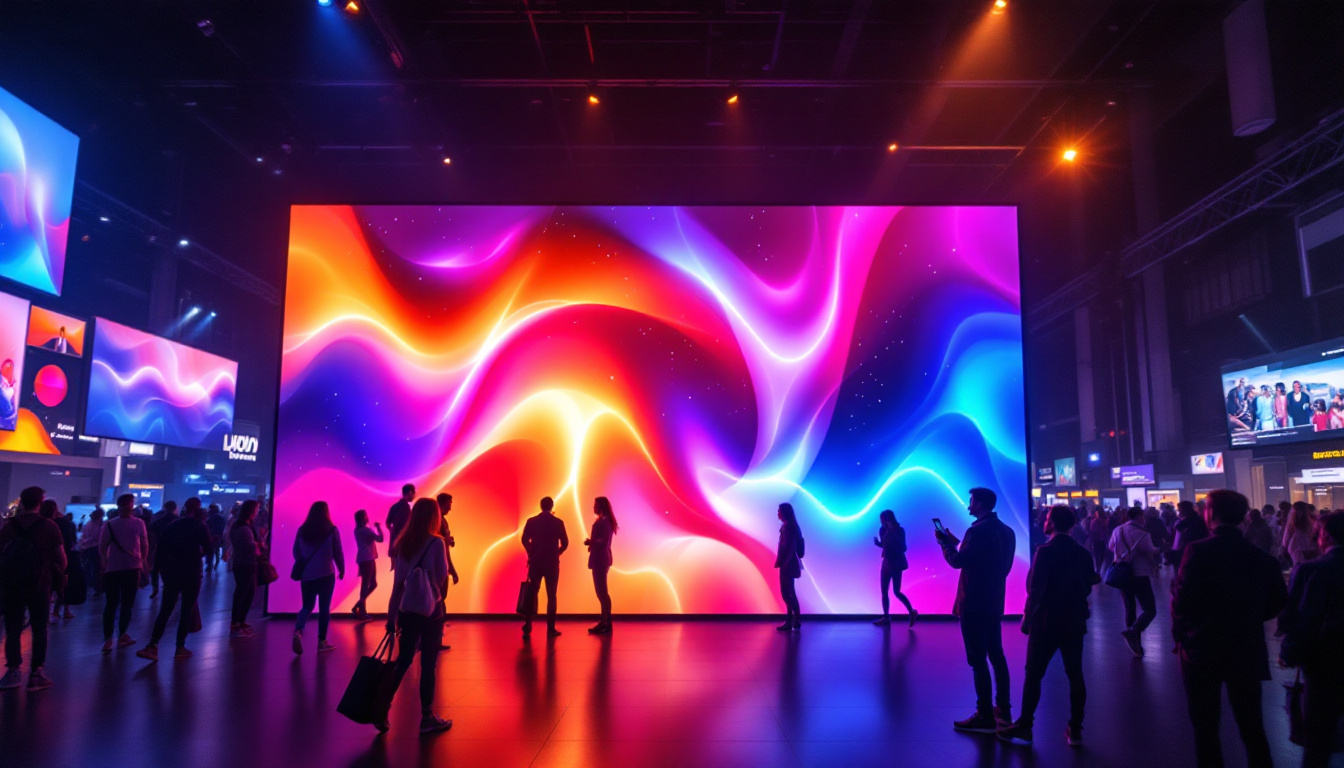
Moreover, the iconic nature of Times Square means that ads placed here gain a cultural significance beyond mere commercial messaging. Brands often use this platform to launch major campaigns, leveraging the global attention that Times Square commands, especially during events like New Year’s Eve. The sheer scale and brightness of the LED displays create a spectacle that draws in tourists and locals alike, making it a prime spot for experiential marketing. Advertisers are increasingly experimenting with augmented reality and interactive elements, inviting passersby to engage with their brands in innovative ways. This not only enhances the advertising experience but also fosters a sense of community and excitement around the brand, as people share their experiences on social media, further amplifying the reach of these campaigns.
Understanding LED Display Technology
How LED Displays Work
At the core of Times Square’s dazzling billboards is LED technology. LEDs are semiconductor devices that emit light when an electric current passes through them. Unlike traditional incandescent bulbs, LEDs are highly energy-efficient, durable, and capable of producing bright, vibrant colors. This technology has revolutionized the advertising landscape, allowing for stunning visual displays that capture the attention of millions of visitors each year.
LED displays are composed of thousands to millions of tiny LEDs arranged in a grid. Each LED acts as a pixel, and by varying the intensity of red, green, and blue LEDs, the display can produce a full spectrum of colors. This RGB (Red, Green, Blue) system is fundamental to creating the vivid images and videos seen on Times Square billboards. The precision with which these colors can be mixed allows for intricate designs and animations that engage viewers and enhance the overall experience of the bustling environment.
Types of LED Displays Used in Times Square
There are several types of LED displays, but the most common in Times Square are:
- Surface-Mounted Device (SMD) LEDs: These are compact LEDs mounted directly onto a circuit board. They provide high resolution and are ideal for close-up viewing, making them perfect for the densely packed crowds in Times Square.
- Through-Hole LEDs: These LEDs are larger and often used for displays viewed from a distance. They are more durable but offer lower resolution compared to SMD, making them suitable for larger, more expansive advertisements that need to be seen from afar.
- Flexible LED Panels: Used for curved or irregular surfaces, these panels allow for creative display shapes and designs, enabling advertisers to push the boundaries of traditional advertising formats and create immersive experiences.
Most Times Square billboards use high-density SMD LED panels to ensure crisp images that can be seen clearly even from close distances, accommodating the diverse viewing angles in the area. The ability to create dynamic content that can change in real-time is a game-changer for advertisers, allowing them to tailor messages to specific audiences and times of day.
Brightness and Visibility Considerations
One of the critical factors for LED displays in Times Square is brightness. The displays must be visible in broad daylight, under direct sunlight, while also being comfortable to view at night. Modern LED billboards can reach brightness levels of up to 5,000 to 10,000 nits (a unit measuring luminance), far exceeding typical indoor screens. This high brightness ensures that even the most intricate details of an advertisement are visible, regardless of the time of day.
Adaptive brightness technology is often employed, where sensors adjust the display’s brightness based on ambient light conditions. This not only enhances visibility but also conserves energy and extends the lifespan of the LEDs. Additionally, many displays incorporate advanced thermal management systems to prevent overheating, ensuring consistent performance and reliability in the demanding environment of Times Square. The combination of these technologies allows for a vibrant, eye-catching display that captivates audiences and enhances the overall atmosphere of this iconic location.
Design and Content Strategy for Times Square LED Ads
Creating Impactful Visuals
Designing content for Times Square LED displays requires a unique approach. Given the scale and the environment, ads need to be bold, simple, and instantly understandable. Complex messages or small text tend to be ineffective because viewers are often moving quickly through the space.
Advertisers focus on high-contrast colors, large fonts, and dynamic animations to capture attention. Motion and video content are particularly effective in drawing eyes, as the human brain is naturally attracted to movement. Additionally, the use of iconic imagery or celebrity endorsements can enhance memorability.
Leveraging Interactivity and Real-Time Content
Advancements in LED technology and connectivity have enabled interactive and real-time content in Times Square advertising. Some displays incorporate social media feeds, live event coverage, or even audience participation elements.
For example, during major events like the Super Bowl or the Oscars, brands may stream live content or display user-generated posts. This not only increases engagement but also creates a sense of community and immediacy, making the advertising experience more immersive.
Case Study: The Coca-Cola Billboard
The Coca-Cola billboard in Times Square is one of the most recognizable LED displays. It features a curved, high-resolution LED screen that wraps around the building, showcasing vibrant animations and seasonal campaigns. The billboard’s design maximizes visibility from multiple angles, and its content often includes interactive elements, such as QR codes and social media integration.
This billboard exemplifies how combining cutting-edge LED technology with strategic content can create a landmark advertising presence that resonates with millions.
Technical and Environmental Challenges
Installation and Maintenance
Installing LED displays in Times Square is a complex engineering feat. The displays must be securely mounted on building facades, withstand harsh weather conditions, and comply with strict city regulations. Maintenance is equally challenging, requiring regular inspections, repairs, and cleaning to ensure optimal performance.
Technicians often work during off-hours to minimize disruption, and many LED panels are designed for easy replacement to reduce downtime. Advances in modular design have made maintenance more efficient, allowing individual sections to be serviced without taking the entire display offline.
Energy Consumption and Sustainability
While LED technology is more energy-efficient than traditional lighting, the sheer scale of Times Square displays means energy consumption is still significant. To address this, many advertisers and building owners invest in energy-saving measures such as:
- Adaptive brightness controls
- Solar power integration where feasible
- Using LED components with longer lifespans
New York City has also implemented guidelines to reduce light pollution and energy use, balancing the commercial benefits of LED advertising with environmental responsibility.
The Future of LED Advertising in Times Square
Emerging Technologies and Trends
The future of LED advertising in Times Square is poised for exciting innovations. Technologies such as augmented reality (AR), artificial intelligence (AI), and 3D LED displays are beginning to transform how brands engage audiences.
For instance, 3D LED displays create the illusion of depth without glasses, making advertisements more immersive. AI-driven content can tailor messaging based on time of day, weather, or audience demographics detected via sensors, enhancing relevance and impact.
Balancing Innovation with Regulation
As technology advances, city authorities continue to update regulations to ensure safety, reduce distractions for drivers and pedestrians, and preserve the character of Times Square. Advertisers must navigate these rules while pushing creative boundaries, fostering a collaborative environment between technology providers, brands, and regulators.
Conclusion: Why LED Displays Define Times Square Advertising
LED displays have become synonymous with Times Square’s identity, transforming it into a vibrant, dynamic advertising hub that captures global attention. Their ability to deliver bright, colorful, and flexible content in a high-traffic urban environment makes them indispensable for brands seeking maximum visibility and engagement.
Understanding the technology behind these displays, the design principles that make them effective, and the challenges involved provides valuable insight into one of the world’s most iconic advertising landscapes. As LED technology continues to evolve, Times Square will remain at the forefront of digital advertising innovation, lighting up the city and the imaginations of millions.
Illuminate Your Brand with LumenMatrix
As you’ve seen, LED displays are the heartbeat of Times Square’s advertising prowess. If you’re inspired to elevate your brand’s presence and captivate audiences with the same level of vibrancy and innovation, LumenMatrix is your partner in this journey. Specializing in a wide array of LED display solutions—from Indoor and Outdoor LED Wall Displays to niche offerings like Vehicle LED Displays and LED Sports Displays—LumenMatrix is committed to transforming your visual communication. With our Custom LED Displays and All-in-One solutions, including the cutting-edge LED Transparent Display, your message will not just be seen, it will make a lasting impression. Check out LumenMatrix LED Display Solutions and join the revolution in digital signage, where clarity meets impact.