As automotive technology advances at a rapid pace, digital panels featuring LED displays have become a defining element of modern vehicle interiors. These innovative displays replace traditional analog gauges and offer a wealth of information with enhanced clarity, customization, and style. This article explores the evolution, technology, benefits, and future of LED digital panels in new cars, providing a comprehensive understanding for enthusiasts, buyers, and industry professionals alike.
The Evolution of Automotive Displays: From Analog to Digital
For decades, car dashboards were dominated by analog dials and mechanical gauges. Speedometers, tachometers, fuel indicators, and temperature gauges relied on physical needles and printed scales. While functional, these displays had limitations in terms of flexibility, readability, and the amount of information they could convey.
The shift towards digital displays began in the late 20th century, initially with simple monochrome LCD screens showing basic data. However, the real breakthrough came with the introduction of LED (Light Emitting Diode) technology, which allowed for brighter, more vivid, and energy-efficient displays.
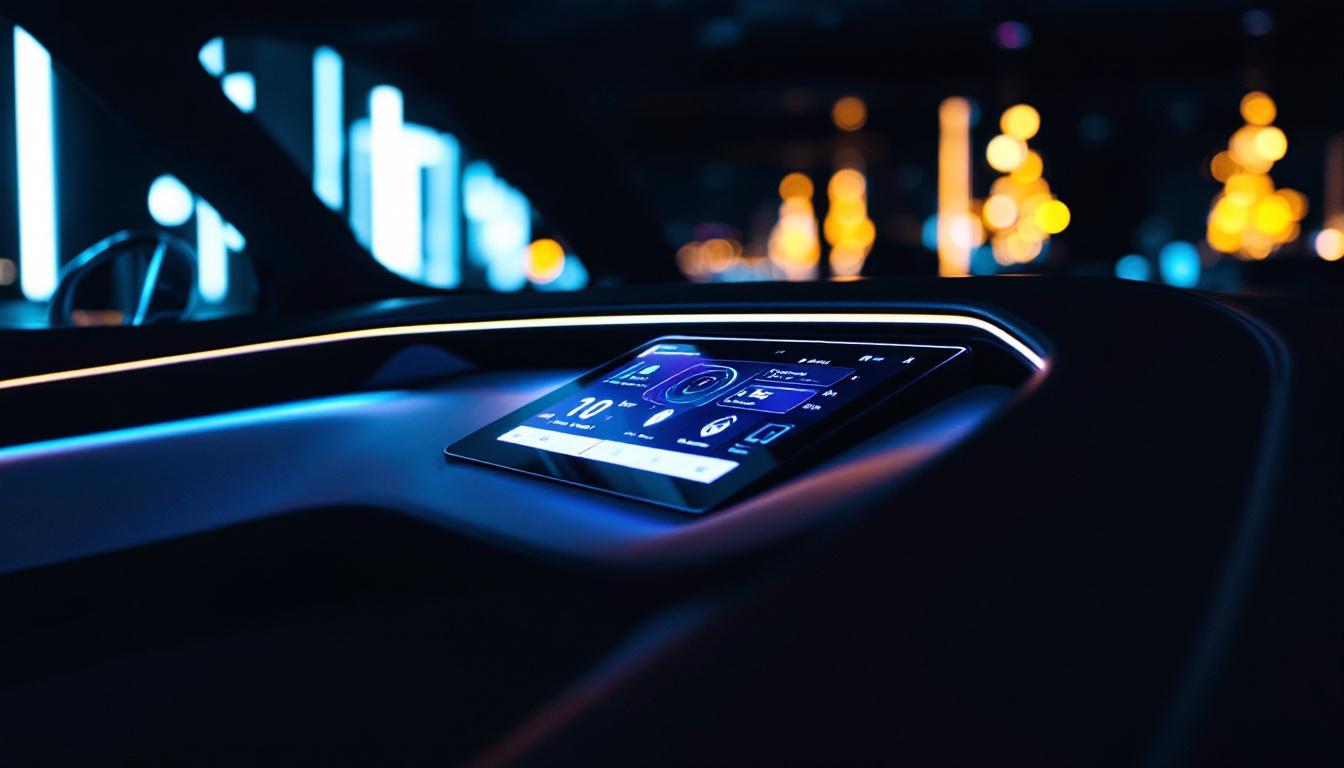
Today’s digital panels are often fully customizable LED screens that can dynamically change their layout, colors, and content based on driving conditions, user preferences, or vehicle status. This evolution reflects broader trends in automotive design, where user experience and connectivity are paramount.
As technology continues to advance, we now see the integration of augmented reality (AR) into automotive displays, providing drivers with critical information directly on the windshield. This heads-up display (HUD) technology enhances safety by allowing drivers to keep their eyes on the road while still accessing navigation prompts, speed limits, and other vital data. Furthermore, the rise of smartphone integration has transformed how drivers interact with their vehicles, enabling seamless connectivity and access to apps that can control various vehicle functions, from climate control to entertainment systems, all through the dashboard interface.
The future of automotive displays is also leaning towards more immersive experiences, with some manufacturers experimenting with curved screens that wrap around the driver, creating a more engaging environment. These displays can adapt not only to the driver’s preferences but also to the ambient lighting conditions, ensuring optimal visibility at all times. Additionally, the potential for integrating biometric sensors into these displays could lead to personalized settings that adjust based on the driver’s mood or physical state, further enhancing the driving experience and making vehicles smarter than ever before.
Understanding LED Display Technology in Cars
What is an LED Display?
LED displays use a matrix of tiny light-emitting diodes to create images and text. Each diode emits light when an electric current passes through it, allowing for precise control over brightness and color. Unlike traditional LCDs, which require backlighting, LEDs produce their own light, resulting in higher contrast ratios and better visibility under various lighting conditions. This self-illuminating property makes LED displays particularly advantageous for automotive use, where visibility can be compromised by glare from sunlight or reflections from other surfaces.
In automotive applications, LED displays are typically integrated into digital instrument clusters, infotainment systems, and heads-up displays (HUDs). The technology supports high resolution and fast refresh rates, which are essential for displaying real-time vehicle data and animations smoothly. Moreover, the durability of LED technology means that these displays can withstand the vibrations and temperature fluctuations commonly found in automotive environments, ensuring longevity and reliability.
Types of LED Displays Used in Cars
There are several types of LED displays utilized in automotive digital panels:
- Segmented LED Displays: These are simple LED arrays used to show numbers or basic symbols, often found in early digital dashboards. Their straightforward design allows for easy readability, making them a practical choice for essential information like speed and fuel levels.
- Full-Color LED Displays: Using red, green, and blue LEDs, these displays can produce a wide range of colors, enabling rich graphics and detailed information. This versatility allows manufacturers to create visually appealing interfaces that enhance user experience and provide critical data at a glance.
- OLED (Organic LED) Displays: A subset of LED technology, OLEDs offer even higher contrast and flexibility, as each pixel emits its own light and can be turned off completely for true blacks. Many premium vehicles are adopting OLED technology for their digital panels. This advancement not only improves aesthetics but also contributes to energy efficiency, as OLEDs consume less power when displaying darker images.
In addition to these types, manufacturers are continually exploring new innovations in LED technology to enhance functionality and user interaction. For instance, some modern vehicles now feature adaptive displays that can change their brightness based on ambient light conditions, ensuring optimal visibility at all times. Furthermore, the integration of touch-sensitive LED displays is becoming more common, allowing drivers to interact with their vehicle’s systems seamlessly, thereby enhancing safety and convenience on the road.
Benefits of LED Digital Panels in New Cars
Enhanced Visibility and Safety
One of the primary advantages of LED digital panels is their superior visibility. LEDs provide bright, sharp images that remain clear in direct sunlight and low-light conditions alike. This ensures that drivers can quickly and easily read critical information without distraction, contributing to safer driving experiences.
Moreover, digital panels can adapt their brightness automatically based on ambient light, reducing glare during night driving and improving comfort. Some systems also incorporate anti-reflective coatings and high refresh rates to minimize eye strain. This is particularly beneficial for long-distance drivers who may experience fatigue; the clarity and responsiveness of LED displays can significantly enhance their overall driving experience. Additionally, the use of color coding for alerts and notifications can help drivers quickly differentiate between various types of information, further promoting safety on the road.
Customization and Personalization
LED digital panels allow drivers to customize the dashboard layout according to their preferences. For example, some vehicles enable users to choose between classic analog-style dials or modern digital readouts. Others offer configurable widgets displaying navigation, media information, or advanced driver-assistance system (ADAS) alerts.
This flexibility enhances user engagement and allows manufacturers to differentiate their models with unique interface designs. Personalization extends to color schemes, themes, and even language settings, catering to diverse markets worldwide. Furthermore, some advanced systems allow drivers to save multiple profiles, enabling different users to have their preferred settings instantly accessible. This feature is especially useful for families who share a vehicle, ensuring that everyone can enjoy a tailored driving experience without the need for constant adjustments.
Integration with Advanced Vehicle Systems
Modern cars are equipped with numerous sensors and connectivity features. LED digital panels serve as the central hub for displaying data from these systems, including:
- Real-time fuel efficiency and battery status in electric vehicles
- Navigation prompts with turn-by-turn guidance
- Collision warnings and lane departure alerts
- Media controls and smartphone integration
By consolidating information in an intuitive digital format, LED panels help drivers maintain focus on the road while accessing essential data. Additionally, these panels can provide predictive analytics, such as suggesting optimal routes based on traffic conditions, which can save time and reduce stress during commutes. The integration of voice-activated controls further enhances the user experience, allowing drivers to interact with their vehicle’s systems without taking their hands off the wheel or eyes off the road. This seamless connectivity not only improves convenience but also promotes a higher level of safety by minimizing distractions.
Challenges and Considerations in LED Panel Implementation
Cost and Complexity
While LED technology offers many benefits, it also introduces higher costs compared to traditional analog instruments. The design, manufacturing, and integration of digital panels require advanced electronics and software development, which can increase vehicle prices, especially in entry-level models.
Additionally, the complexity of digital systems demands rigorous testing to ensure reliability and durability under automotive conditions such as temperature extremes, vibrations, and prolonged use.
Driver Adaptation and Usability
Transitioning from analog to digital displays requires careful attention to usability. Some drivers may find fully digital dashboards overwhelming or distracting if too much information is presented simultaneously. Manufacturers must strike a balance between providing comprehensive data and maintaining simplicity.
Human-machine interface (HMI) design principles play a crucial role in developing LED digital panels that enhance rather than hinder driver experience. Intuitive layouts, clear icons, and minimal cognitive load are essential for effective communication.
The Future of LED Digital Panels in Automobiles
Advancements in Display Technology
Emerging technologies promise to further revolutionize automotive digital panels. MicroLED displays, which use microscopic LEDs, offer even higher brightness, energy efficiency, and longevity compared to current LED and OLED panels. These could enable ultra-thin, flexible dashboards with unprecedented image quality.
Additionally, augmented reality (AR) integration is gaining traction. AR-enabled LED displays can project navigation cues and hazard warnings directly onto the windshield or digital cluster, creating a seamless blend of real-world and digital information.
Greater Connectivity and AI Integration
Future LED digital panels will likely become more connected and intelligent. Integration with cloud services and vehicle-to-everything (V2X) communication will allow real-time updates on traffic, weather, and road conditions.
Artificial intelligence (AI) will personalize the display content based on driver behavior, preferences, and context. For example, the system might highlight eco-driving tips for fuel efficiency or emphasize safety alerts in challenging conditions.
Environmental and Energy Considerations
As automakers focus on sustainability, LED digital panels contribute by consuming less power than traditional lighting and display technologies. This is particularly important for electric vehicles, where energy efficiency directly impacts driving range.
Moreover, advances in recyclable materials and manufacturing processes aim to reduce the environmental footprint of digital panel production and disposal.
Conclusion
LED digital panels represent a transformative shift in automotive interior design, combining advanced technology with enhanced functionality and aesthetics. Their ability to deliver clear, customizable, and integrated information improves both driver experience and safety. While challenges remain in cost and user adaptation, ongoing innovations in display technology and AI promise to make digital panels an even more vital component of future vehicles.
For car buyers and enthusiasts, understanding the capabilities and benefits of LED digital displays is essential when evaluating new models. As these panels continue to evolve, they will not only redefine how drivers interact with their cars but also set new standards for automotive innovation and connectivity.
Explore the Future of Automotive Displays with LumenMatrix
As you consider the next generation of automotive innovation, imagine the possibilities with LumenMatrix’s cutting-edge LED display technology. LumenMatrix is at the forefront of creating immersive visual experiences for vehicles, offering a range of solutions from Vehicle LED Displays to Custom LED Displays that promise to elevate your driving experience. Embrace the future of clear, customizable, and integrated dashboard technology. Check out LumenMatrix LED Display Solutions today and transform how you connect with your vehicle.