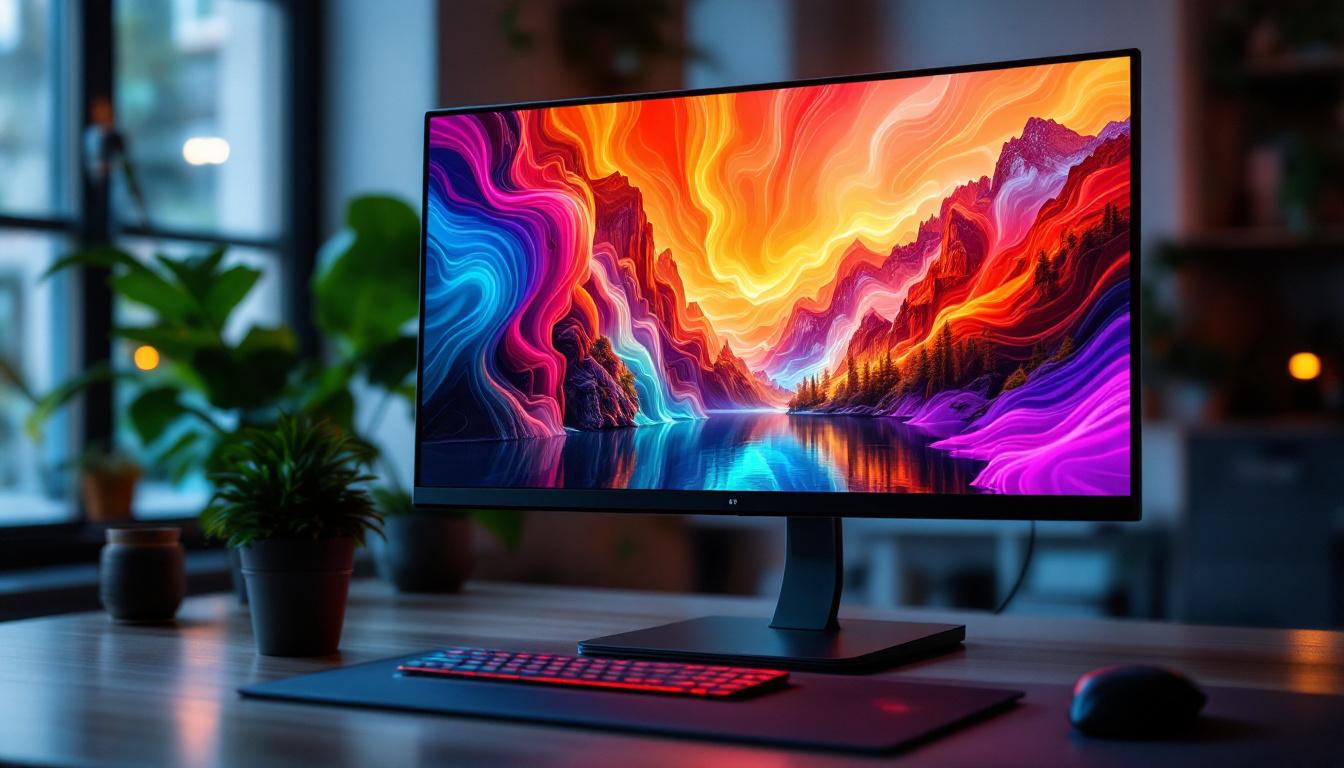
In today’s fast-paced digital world, the demand for sleek, efficient, and high-performance monitors has never been greater. Whether for professional use, gaming, or everyday computing, the thin monitor with LED display technology has become a staple in modern setups. This article delves deep into what makes LED displays a preferred choice, the technology behind thin monitors, and how they are shaping the future of visual display devices.
Understanding LED Display Technology
What is an LED Display?
LED stands for Light Emitting Diode, a semiconductor device that emits light when an electric current passes through it. In the context of monitors, LED displays use these tiny diodes as a backlighting source for LCD (Liquid Crystal Display) panels. Unlike traditional LCDs that rely on cold cathode fluorescent lamps (CCFLs) for backlighting, LED displays utilize LEDs to illuminate the screen.
This shift to LED backlighting has revolutionized monitor technology by enabling thinner, lighter, and more energy-efficient screens without compromising on brightness or color quality. The LED backlight can be positioned either along the edges of the screen (edge-lit) or directly behind the LCD panel (direct-lit or full-array), influencing the display’s thickness and image quality. Furthermore, the energy efficiency of LED technology not only reduces electricity costs but also contributes to a smaller carbon footprint, making it a more sustainable choice for consumers and businesses alike.
Moreover, the advancements in LED technology have led to significant improvements in color accuracy and brightness levels. With the ability to produce a wider color gamut, LED displays can render images and videos with astonishing realism, making them ideal for applications ranging from graphic design to gaming. The rapid response time of LEDs also enhances the viewing experience, reducing motion blur and ensuring smooth transitions during fast-paced scenes.
Types of LED Displays
LED displays come in several forms, primarily differentiated by their backlighting method:
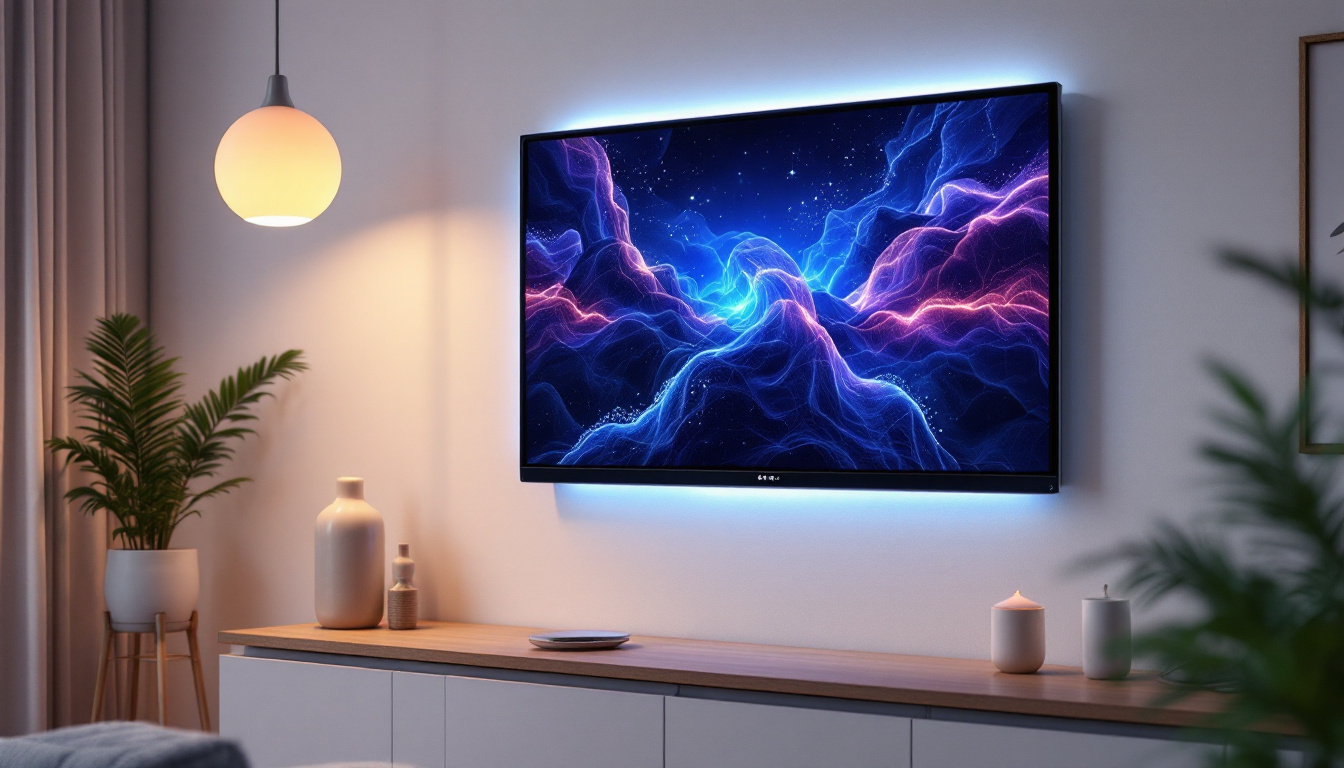
- Edge-Lit LED: LEDs are placed along the edges of the screen. This design allows for ultra-thin monitors but can sometimes lead to uneven brightness or contrast issues. Despite these drawbacks, edge-lit displays are popular for their sleek design and lightweight nature, making them a favorite for modern home and office environments.
- Direct-Lit LED: LEDs are distributed behind the entire screen, providing better uniformity in brightness but resulting in a slightly thicker panel. This type of display is often preferred for larger screens, such as televisions, where consistent lighting is crucial for an immersive viewing experience.
- Full-Array LED: A subtype of direct-lit displays where LEDs are arranged in a grid behind the screen, often with local dimming zones to enhance contrast and black levels. This technology allows for deeper blacks and brighter whites, making it a popular choice for high-end televisions and professional monitors.
- OLED (Organic LED): Although technically different from traditional LED-backlit LCDs, OLED displays use organic compounds that emit light individually, allowing for even thinner panels with superior contrast and color accuracy. The self-emissive nature of OLED technology means that each pixel can turn on and off independently, resulting in true blacks and vibrant colors that are a game-changer for both cinematic experiences and creative work.
In addition to these types, the market has seen the emergence of MicroLED technology, which combines the benefits of OLED and traditional LED displays. MicroLEDs are made up of tiny, microscopic LEDs that can create their own light, eliminating the need for backlighting altogether. This results in displays that can achieve incredibly high brightness levels, exceptional color accuracy, and a longer lifespan compared to OLEDs, making them an exciting development in the world of display technology.
Why Thin Monitors Matter
Space Efficiency and Aesthetics
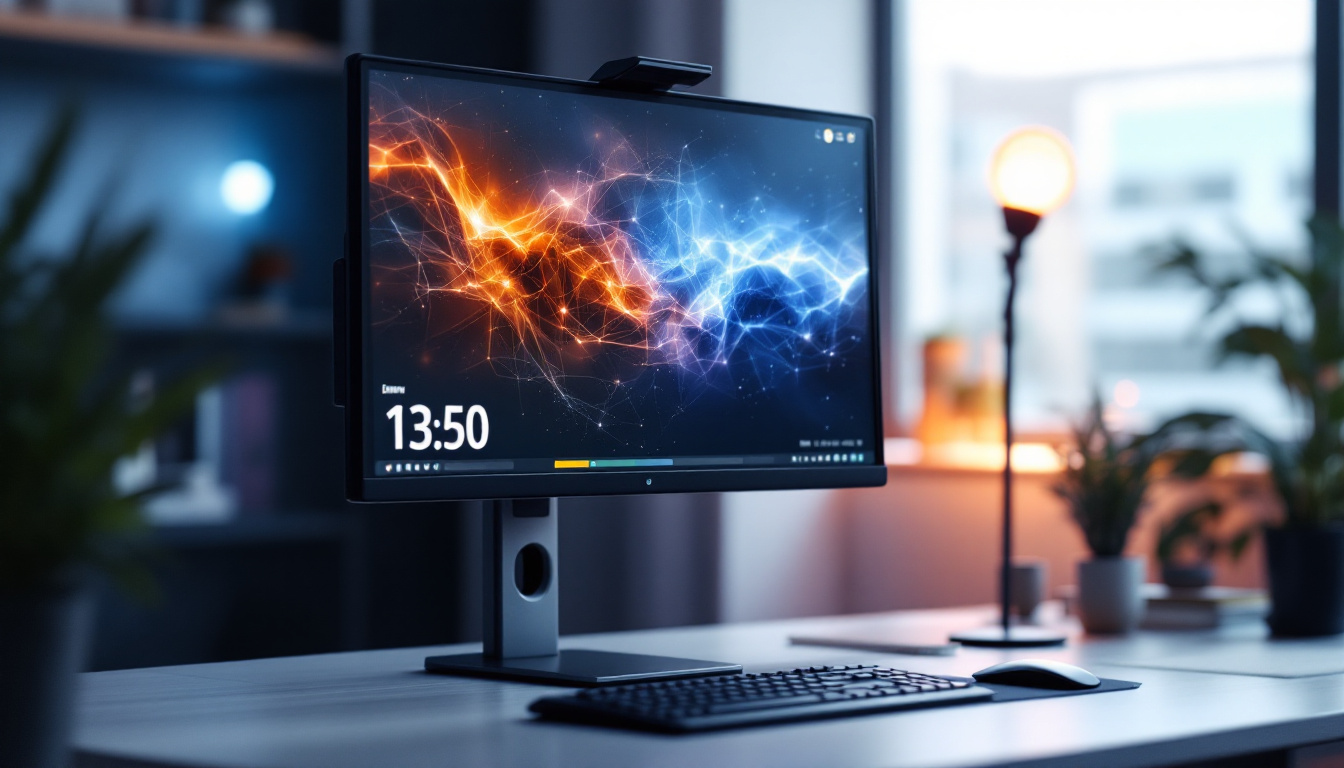
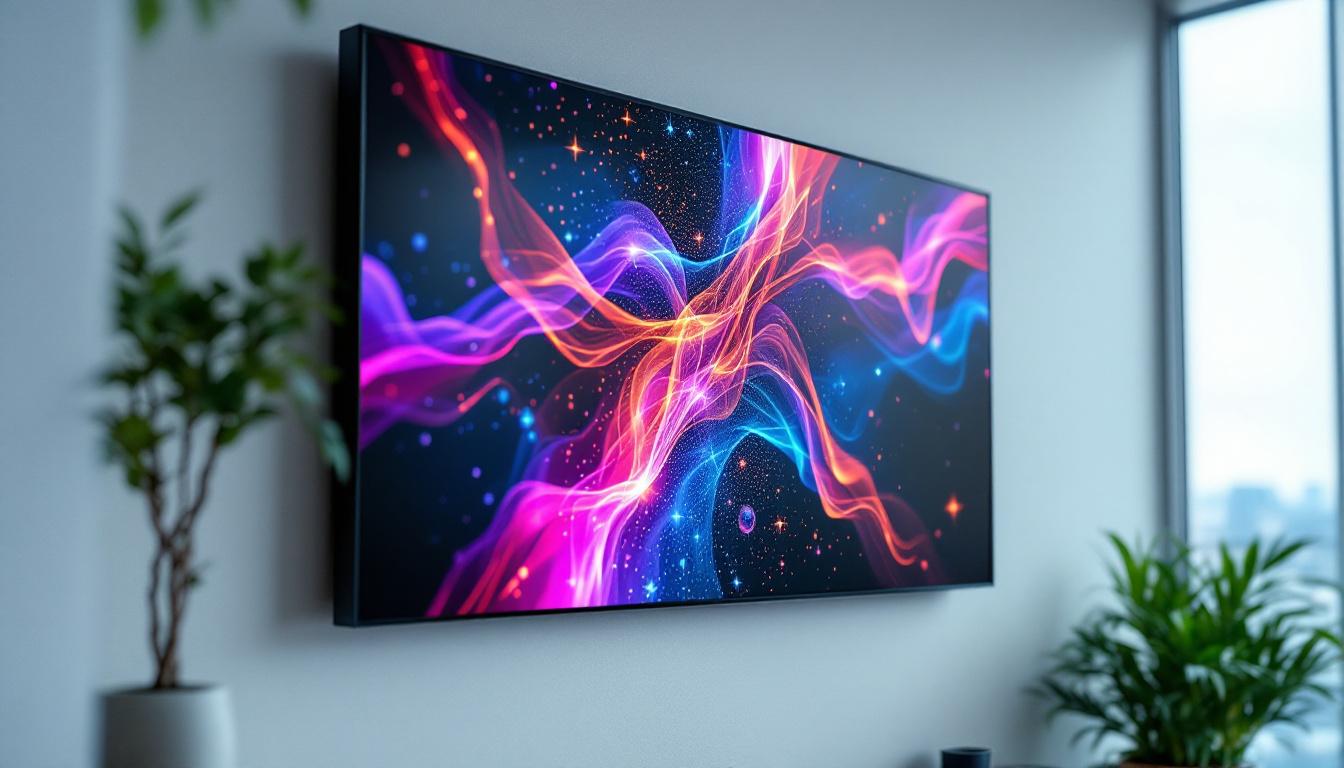
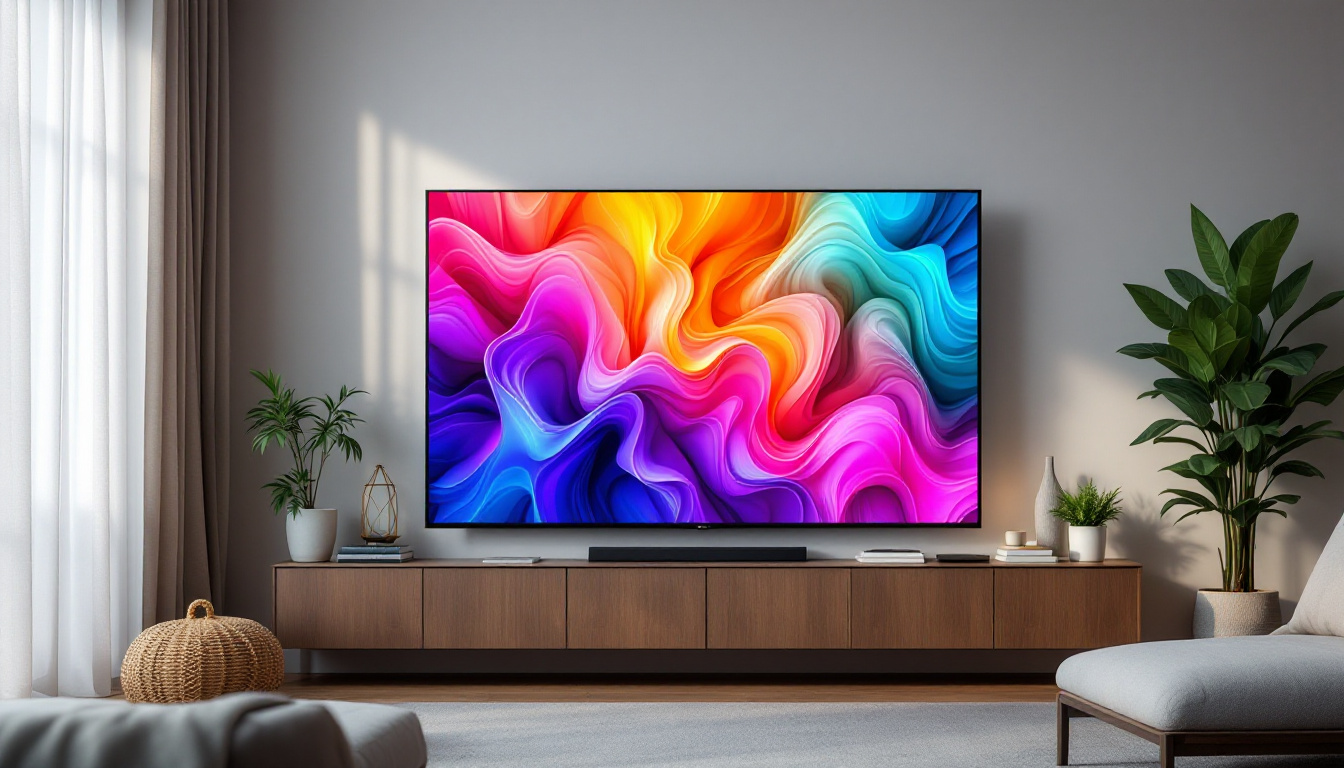
One of the most obvious advantages of thin monitors is their sleek design, which complements modern workspaces and home offices. Thin monitors take up less desk space and can be mounted more easily on walls or adjustable arms, improving ergonomics and reducing clutter.
For businesses, the minimalist look of thin monitors enhances the professional environment, while for consumers, it matches the trends in contemporary interior design. The slim profile also makes these monitors highly portable, a key factor for professionals who move between offices or frequently attend presentations.
Energy Efficiency and Environmental Impact
LED backlighting is significantly more energy-efficient compared to older CCFL technology. According to the U.S. Department of Energy, LED monitors can consume up to 30-50% less power than their CCFL counterparts. This efficiency not only reduces electricity bills but also contributes to a lower carbon footprint, aligning with growing environmental sustainability goals.
Furthermore, LED monitors generate less heat, which can prolong the lifespan of internal components and reduce the need for active cooling solutions, making them quieter and more reliable over time.
Technical Advantages of LED Thin Monitors
Improved Brightness and Color Accuracy
LED displays offer superior brightness levels compared to traditional LCDs. Typical LED monitors can reach brightness levels of 250 to 400 nits, with some high-end models exceeding 600 nits. This makes them ideal for use in brightly lit environments, ensuring clear visibility without straining the eyes.
Color accuracy is another critical advantage. LED backlighting, especially with full-array local dimming, enables better contrast ratios and deeper blacks. This is essential for professionals in graphic design, video editing, and photography, where color precision is paramount.
Faster Response Times and Refresh Rates
Modern thin LED monitors often feature faster response times, typically around 1 to 5 milliseconds, which reduces motion blur and ghosting in fast-moving images. This is particularly beneficial for gamers and video editors who require smooth, fluid visuals.
Additionally, many thin LED monitors support higher refresh rates, ranging from 75Hz up to 240Hz or more. Higher refresh rates contribute to a more responsive and immersive user experience, especially during gaming or when working with dynamic content.
Enhanced Durability and Longevity
LEDs are solid-state devices, meaning they are less prone to damage from shocks and vibrations compared to CCFLs. This contributes to the durability of LED monitors, which can often last 30,000 to 50,000 hours of use before brightness begins to degrade noticeably.
Manufacturers also incorporate advanced coatings and screen treatments to reduce glare and fingerprints, further enhancing the user experience and extending the monitor’s effective lifespan.
Applications of Thin LED Monitors
Professional and Creative Workspaces
Thin LED monitors have become the standard in professional settings where space, performance, and image quality are critical. Architects, engineers, and designers benefit from high-resolution LED monitors that offer precise color reproduction and wide viewing angles.
In video production and photography, color grading and editing demand monitors that can display a wide color gamut and maintain consistency across different lighting conditions. Many professional-grade LED monitors support standards such as Adobe RGB and DCI-P3, ensuring accurate color fidelity.
Gaming and Entertainment
The gaming industry has embraced thin LED monitors for their fast response times and high refresh rates. Competitive gamers require monitors that minimize input lag and provide smooth visuals to gain an edge in gameplay.
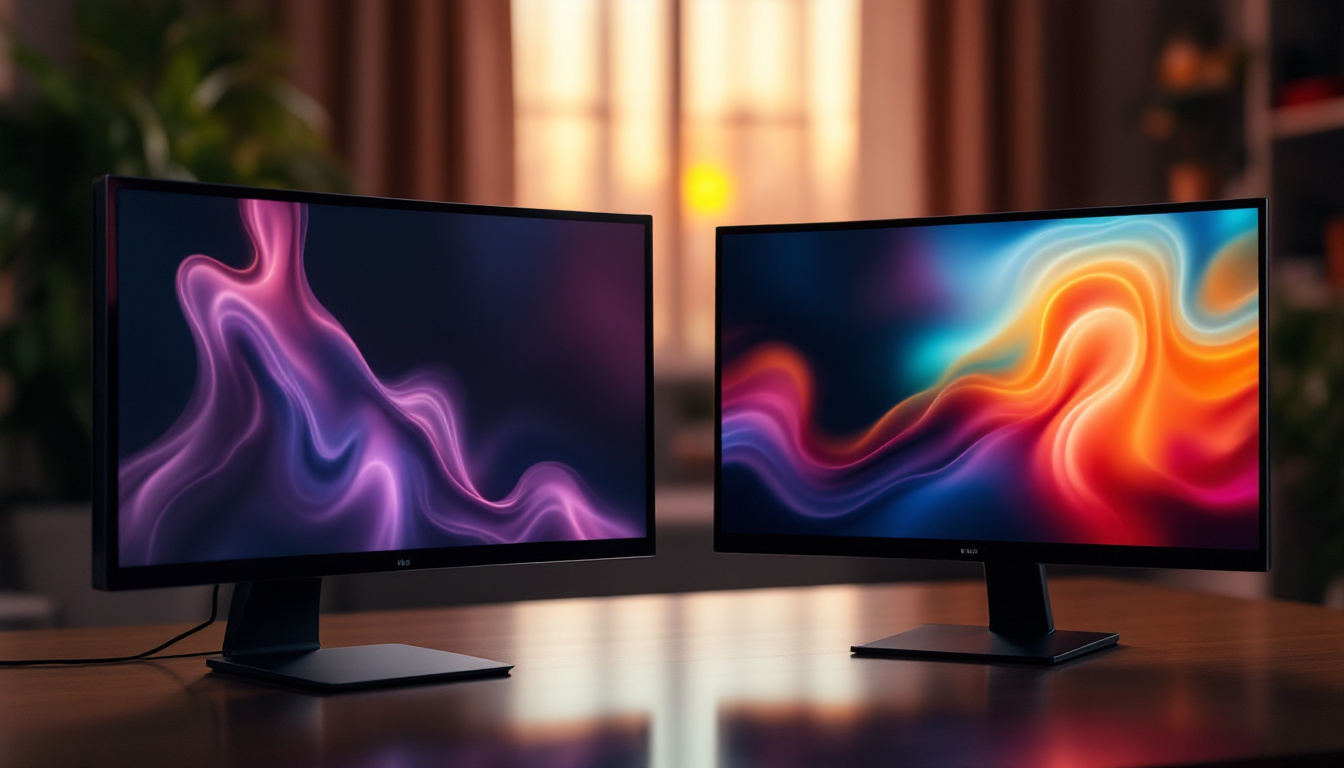
Moreover, the thin form factor allows gamers to create immersive multi-monitor setups without bulky bezels getting in the way. Curved thin LED monitors also enhance the viewing experience by providing a more natural field of view.
Everyday Use and Home Offices
For general consumers and remote workers, thin LED monitors offer a perfect balance between performance and aesthetics. They provide crisp images for video calls, streaming, and productivity tasks while fitting neatly into compact home office spaces.
With the rise of hybrid work models, the portability and ease of setup of thin LED monitors have become increasingly valuable. Many models also come with adjustable stands and USB-C connectivity, simplifying cable management and device integration.
Choosing the Right Thin LED Monitor
Key Specifications to Consider
When selecting a thin LED monitor, several specifications should guide the decision-making process:
- Resolution: Higher resolutions such as 1440p (QHD) or 4K (UHD) provide sharper images and more screen real estate, beneficial for multitasking and detailed work.
- Panel Type: IPS panels offer better color accuracy and viewing angles compared to TN panels, which are faster but less vibrant.
- Refresh Rate and Response Time: Gamers should prioritize monitors with refresh rates of 120Hz or higher and response times under 5ms.
- Connectivity: USB-C, HDMI, and DisplayPort options ensure compatibility with a wide range of devices and future-proofing.
- Ergonomics: Adjustable height, tilt, swivel, and VESA mount compatibility enhance comfort and usability.
Budget and Brand Considerations
Thin LED monitors come in a wide price range, from affordable models under $150 to professional-grade displays costing over $1,000. While budget models may suffice for casual use, investing in a reputable brand with strong customer support and warranty coverage is advisable for professional or intensive applications.
Brands that specialize in display technology often provide color calibration tools and factory calibration reports, which can be invaluable for users requiring precise color accuracy.
The Future of Thin Monitor and LED Technology
Emerging Trends
As technology advances, thin monitors are expected to become even slimmer and more versatile. Mini-LED and micro-LED technologies are emerging as successors to traditional LED backlighting, offering better brightness control, higher contrast ratios, and improved energy efficiency.
Flexible and foldable displays are also on the horizon, potentially revolutionizing how monitors are used and transported. These innovations could lead to ultra-thin, rollable screens that combine portability with large display sizes.
Integration with Smart Technologies
Future thin LED monitors are likely to integrate more smart features, such as built-in AI for adaptive brightness and color adjustments based on ambient lighting and content type. Voice control, enhanced connectivity with IoT devices, and seamless multi-device workflows will further enhance productivity and user experience.
Conclusion
Thin monitors with LED display technology represent a significant leap forward in visual display design, combining aesthetics, performance, and energy efficiency. From professional environments demanding color accuracy to gamers seeking fast response times, LED monitors offer versatile solutions tailored to diverse needs.
Understanding the technology behind LED displays and the advantages of thin monitor designs empowers consumers and professionals to make informed choices. As innovations continue to emerge, the future promises even more exciting developments in display technology, making thin LED monitors an indispensable component of modern digital life.
Discover the Future of LED Displays with LumenMatrix
Ready to experience the pinnacle of LED display technology? LumenMatrix is at the forefront of innovation, offering a wide array of LED display solutions that cater to every need. Whether you’re looking to elevate your professional workspace, enhance your gaming setup, or captivate your audience with dynamic signage, LumenMatrix has the cutting-edge technology to bring your vision to life. From Indoor and Outdoor LED Wall Displays to specialized options like Vehicle, Sports, and Floor LED Displays, our products are designed to deliver unparalleled visual impact. Don’t just take our word for it; check out LumenMatrix LED Display Solutions and see how we’re revolutionizing visual communication and transforming environments with clarity and brilliance.