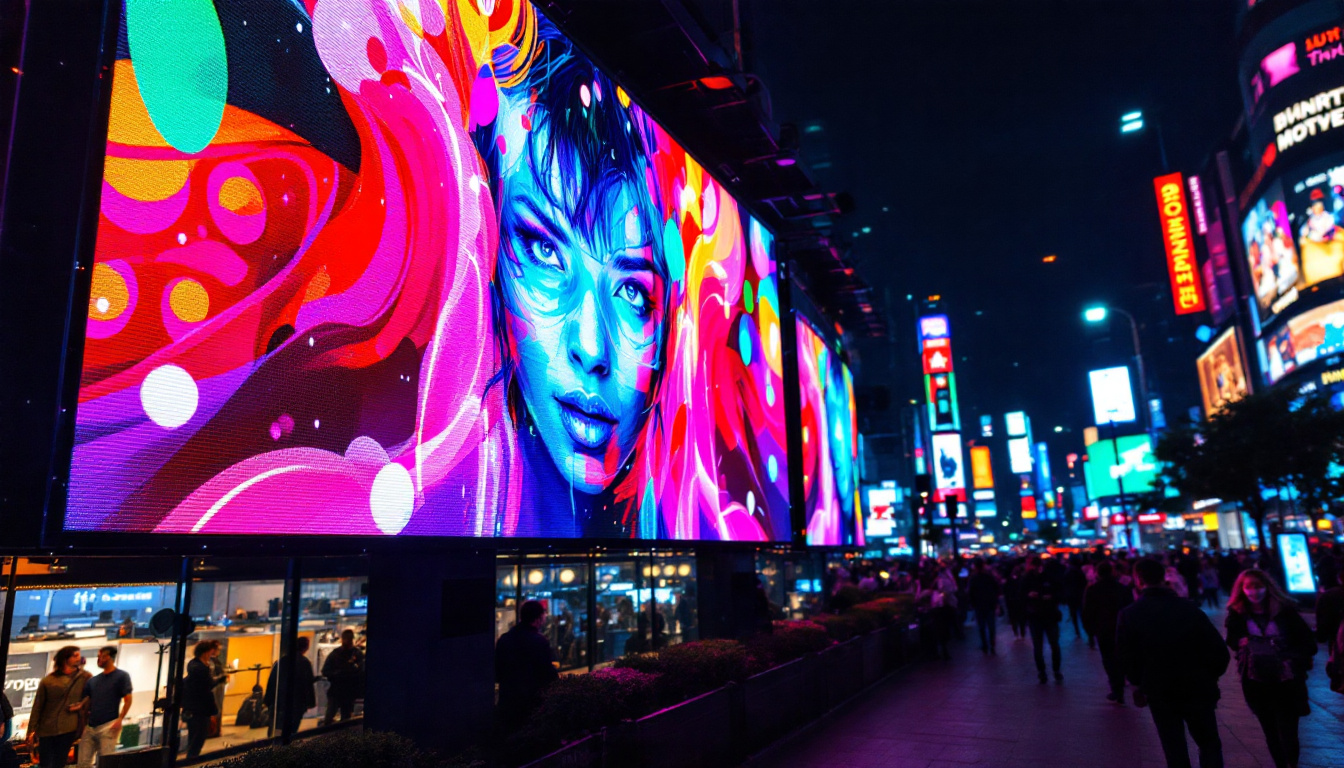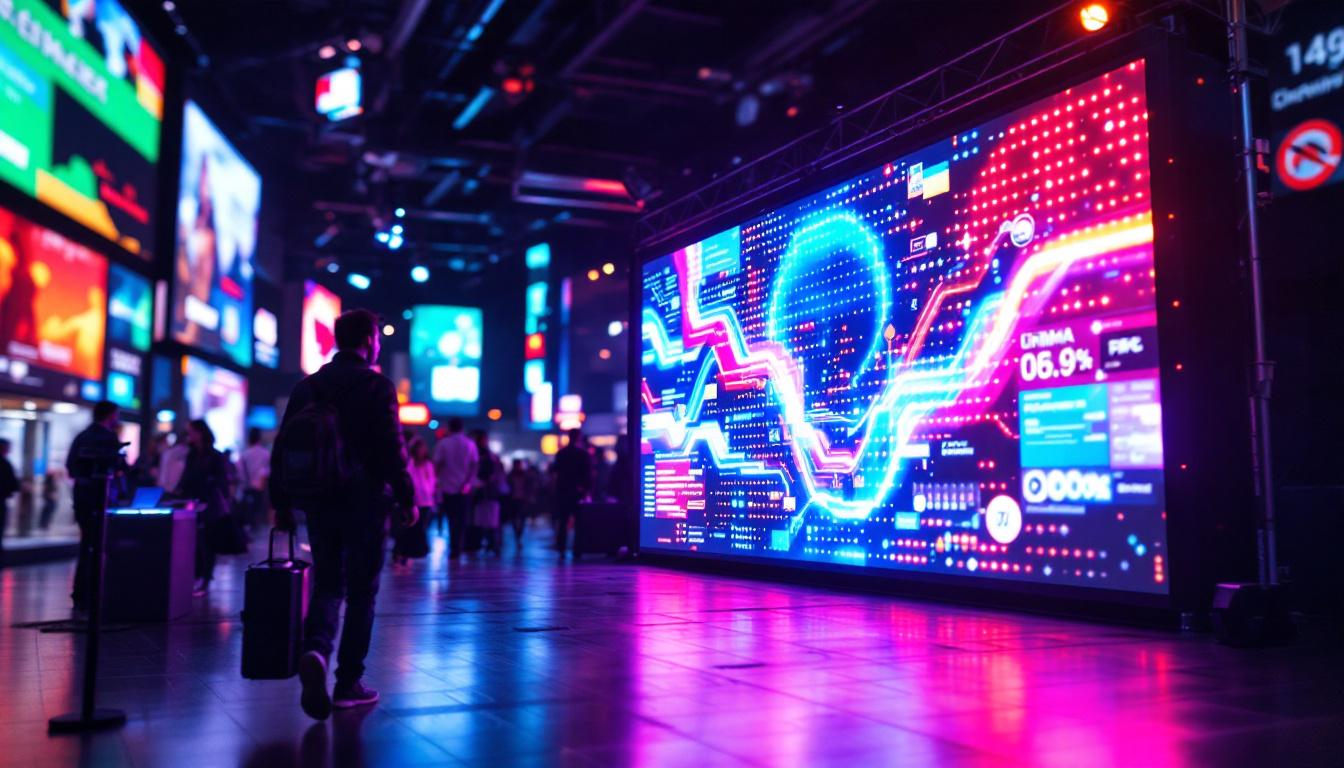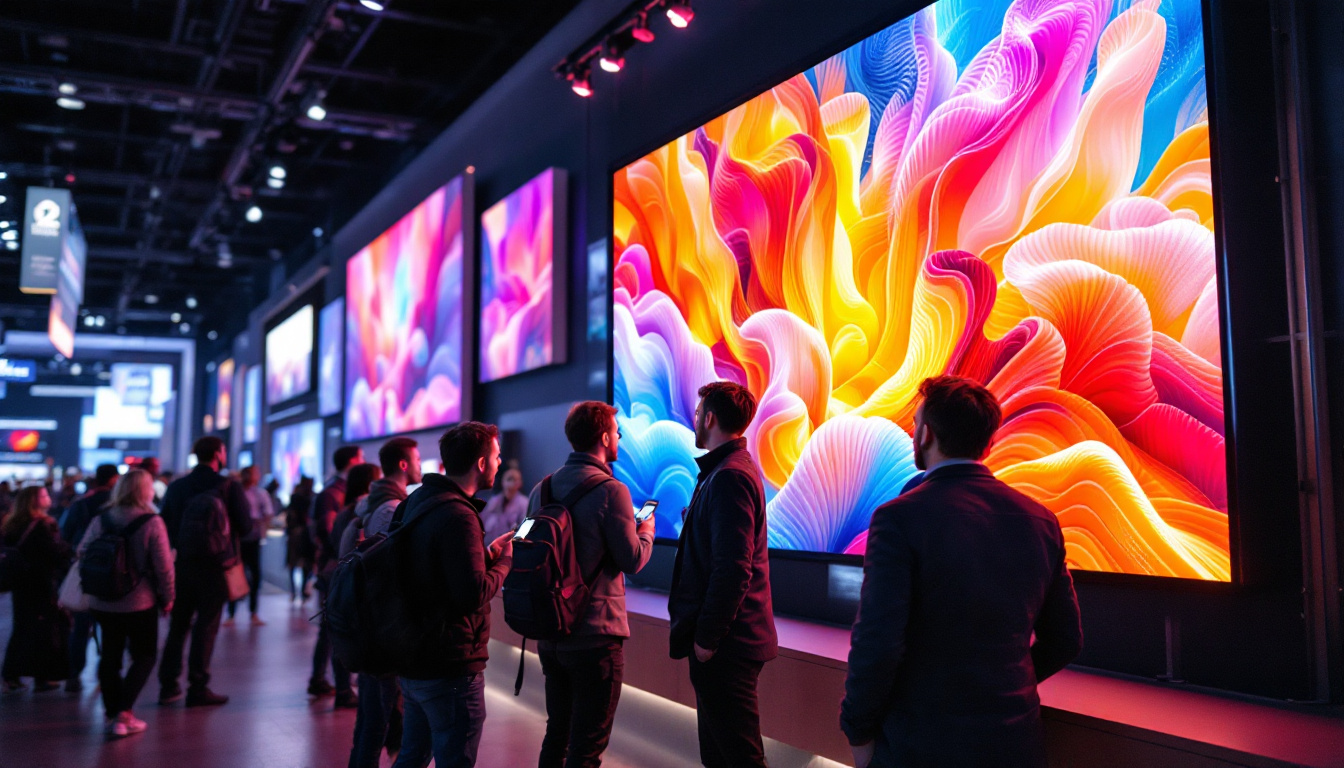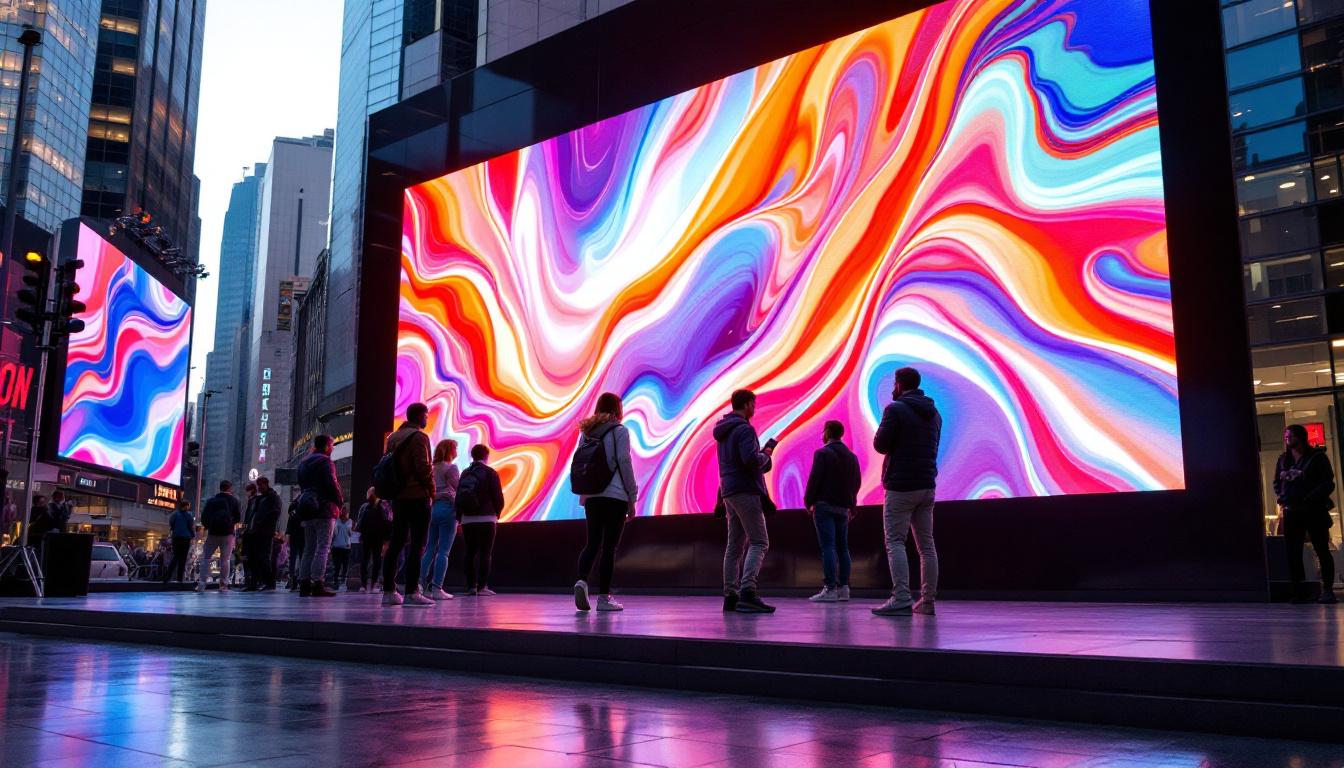
In the heart of New York City, where innovation meets art and technology, the Nueva York 3D LED display has emerged as a groundbreaking attraction. This state-of-the-art visual installation transforms the cityscape with vibrant, three-dimensional imagery that captivates both locals and tourists alike. But what exactly is behind this dazzling display? How does it work, and why is it significant in the realm of urban digital advertising and public art? This article delves deep into the technology, design, and impact of the Nueva York 3D LED display, offering a comprehensive explanation for enthusiasts, professionals, and curious minds.
The Evolution of LED Displays in Urban Environments
From Static Billboards to Dynamic Digital Canvases
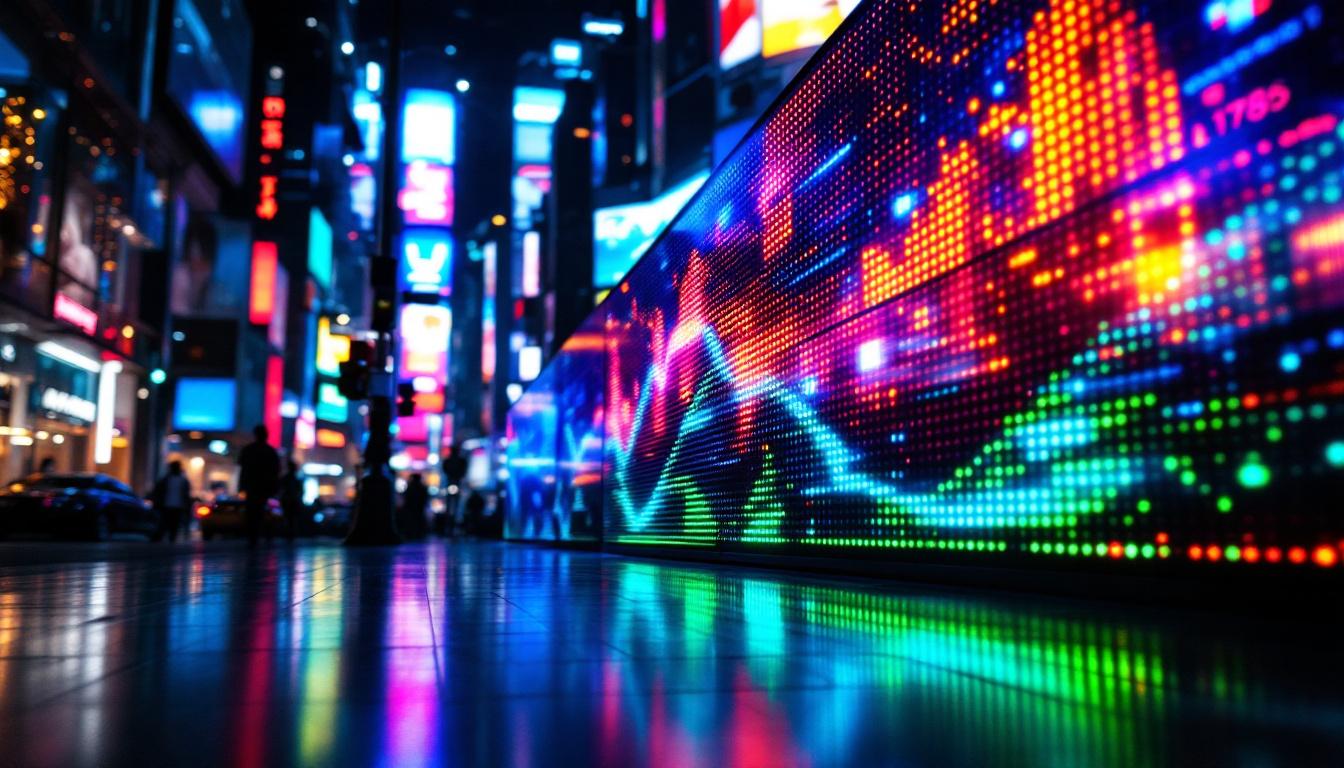
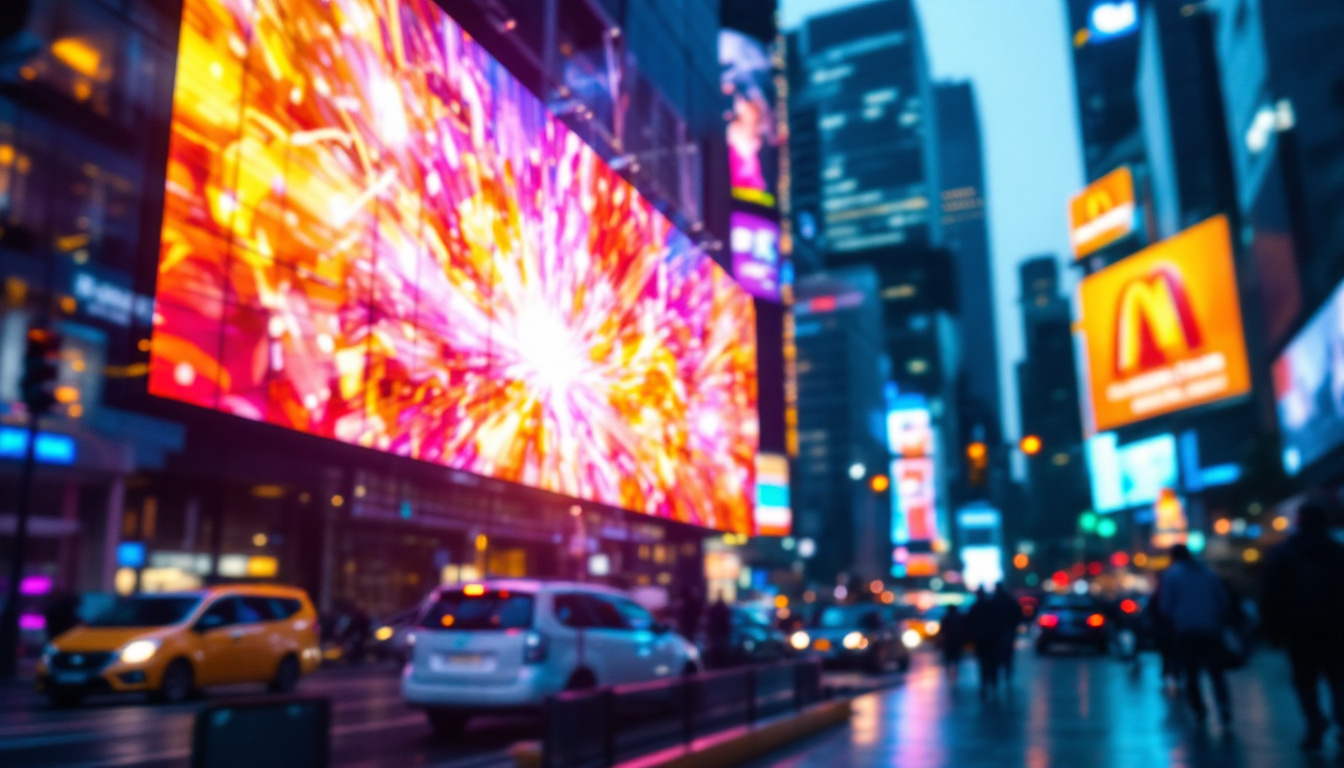
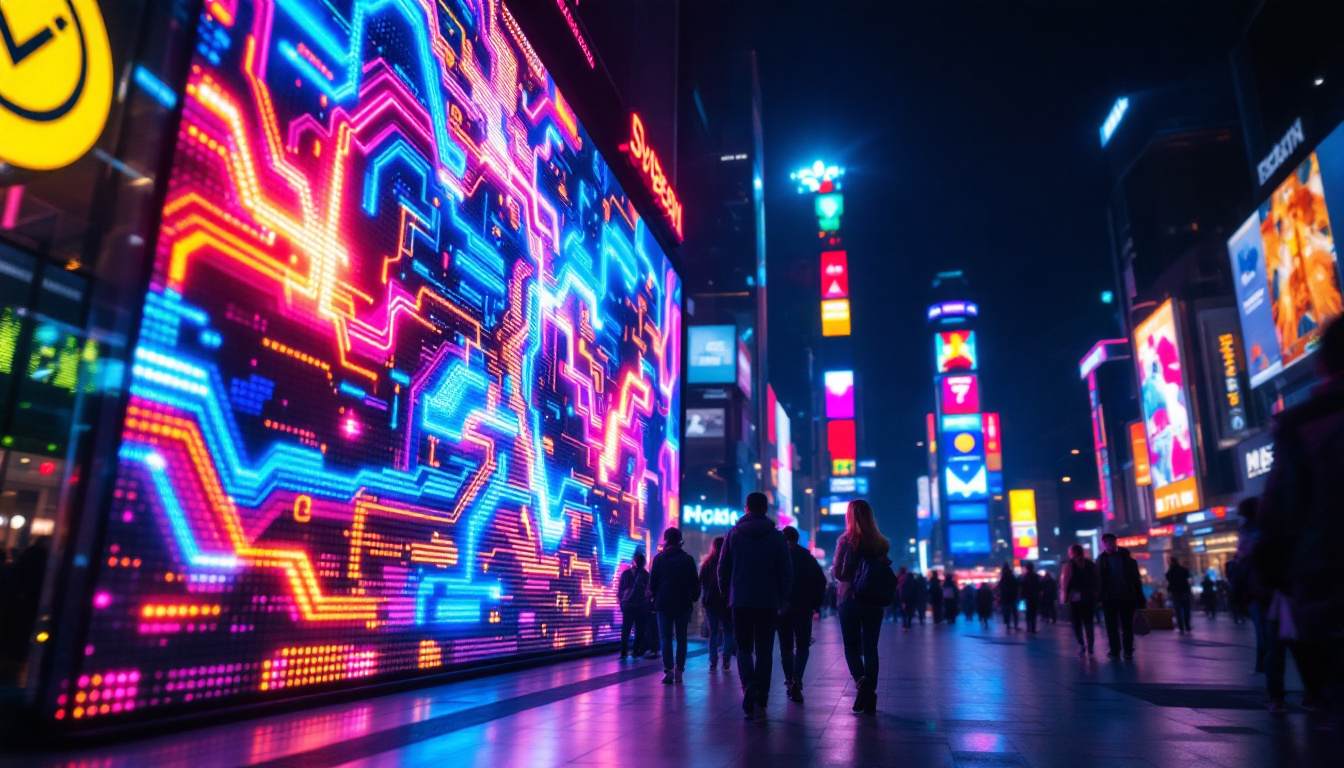
LED (Light Emitting Diode) technology has revolutionized the way cities communicate visually. Traditional billboards, once limited to static images or basic lighting, have evolved into dynamic digital canvases capable of displaying high-resolution videos, animations, and interactive content. New York City, often regarded as the epicenter of advertising innovation, has been at the forefront of adopting these technologies. The vibrant streets of Times Square, for instance, are now adorned with colossal LED screens that not only advertise products but also serve as platforms for artistic expression and social commentary, reflecting the pulse of the city.
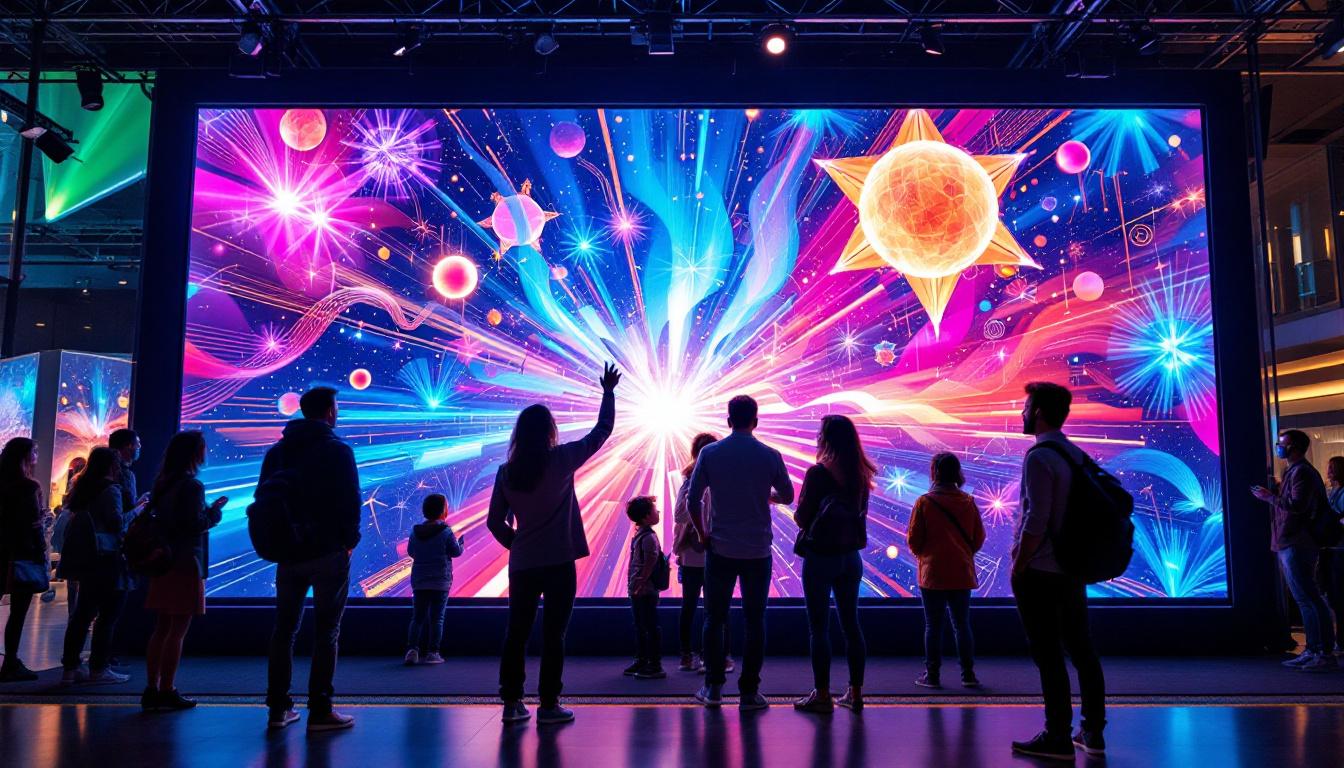
In recent years, the transition from 2D to 3D LED displays marks a significant leap. These displays utilize advanced visual effects to create the illusion of depth, making images appear to float or extend beyond the physical screen. This immersive experience captures attention more effectively than traditional flat screens, enhancing brand engagement and public interaction. Additionally, the integration of augmented reality (AR) elements into these displays allows passersby to interact with the content in real-time, further blurring the lines between the digital and physical worlds. As a result, urban landscapes are becoming more than just backdrops; they are evolving into interactive environments that invite participation and exploration.
Why 3D? The Science Behind the Illusion
The Nueva York 3D LED display leverages a combination of high pixel density, precise lighting control, and perspective-based content design to achieve its three-dimensional effect. Unlike stereoscopic 3D, which requires special glasses, this technology uses “naked-eye” 3D techniques, allowing viewers to experience the effect without any additional equipment. This accessibility has made 3D displays a popular choice for businesses looking to captivate audiences in bustling urban centers, where competition for attention is fierce.
By manipulating brightness, contrast, and shadowing, the display tricks the human brain into perceiving depth. This is further enhanced by the strategic placement of the display in busy urban settings, where multiple viewing angles contribute to the immersive experience. The result is a vibrant, eye-catching spectacle that transforms flat surfaces into seemingly tangible objects. Moreover, the adaptability of content on these displays means that they can be updated in real-time to reflect current events, promotions, or even public service announcements, ensuring that the information remains relevant and engaging. As cities continue to embrace this technology, the potential for creative storytelling and community engagement through LED displays seems limitless, paving the way for a new era of urban communication.
Technical Components of the Nueva York 3D LED Display
High-Resolution LED Panels
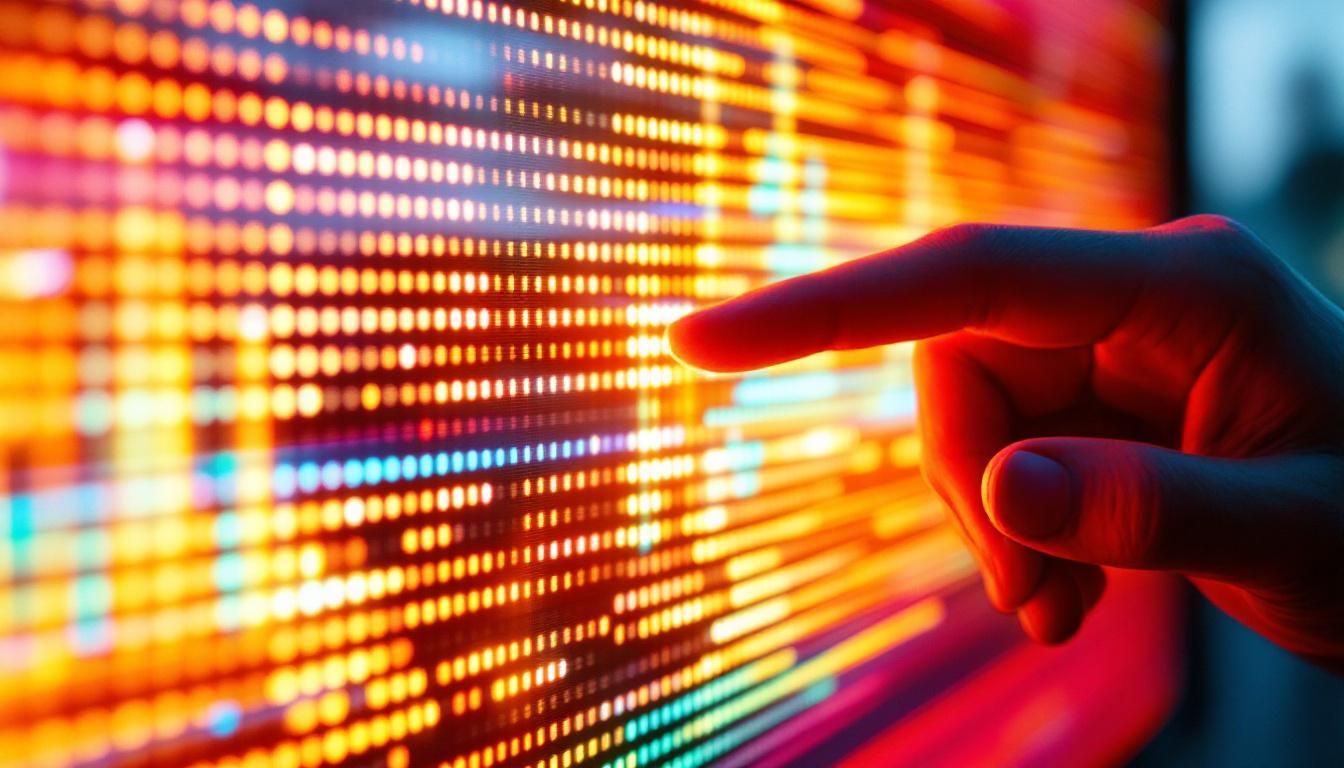
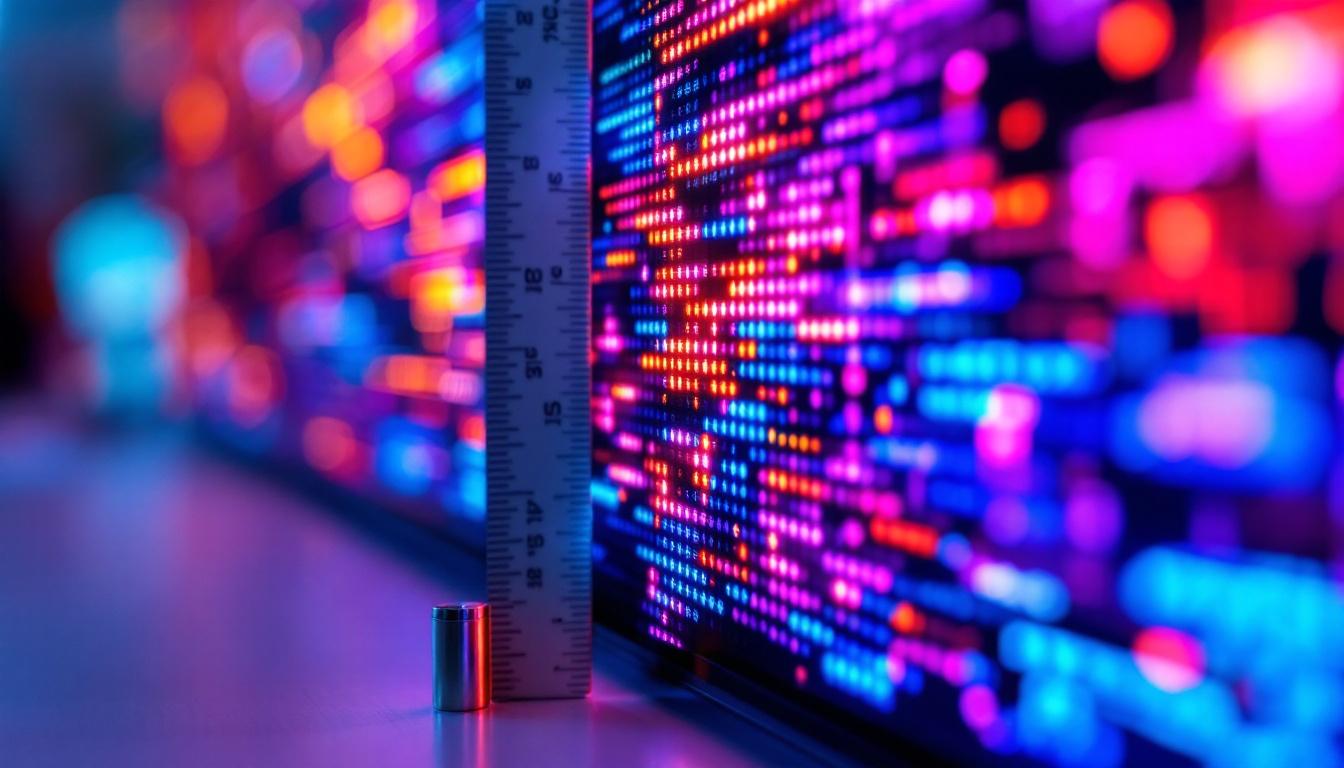
The foundation of the Nueva York 3D display lies in its high-resolution LED panels. These panels consist of thousands of tiny diodes capable of emitting light in various colors and intensities. The pixel pitch—the distance between individual LEDs—is exceptionally small, often less than 2 millimeters, allowing for crisp, detailed images even at close viewing distances.
Such high pixel density is crucial for rendering the subtle gradients and shadows necessary for the 3D illusion. Additionally, the panels are designed to withstand New York’s diverse weather conditions, ensuring consistent performance year-round. The materials used in the construction of these panels are not only durable but also lightweight, facilitating easier installation and maintenance. Furthermore, the technology employed in these LED panels minimizes energy consumption while maximizing brightness and color accuracy, making them an environmentally friendly choice for urban displays.
Advanced Content Management Systems (CMS)
Behind the scenes, a sophisticated content management system orchestrates the display’s visuals. This CMS allows operators to schedule, modify, and optimize content in real time, ensuring that the imagery aligns with time of day, audience demographics, and special events.
Moreover, the system supports 3D content creation tools that enable designers to craft visuals specifically tailored for the display’s unique dimensions and viewing angles. This integration of hardware and software is essential for maintaining the seamless illusion of depth and movement. The CMS also features analytics capabilities, allowing operators to track viewer engagement and adjust content strategies accordingly. By analyzing data on viewer interactions and preferences, the display can evolve to meet the dynamic tastes of its audience, ensuring that it remains a captivating focal point in the city.
Lighting and Environmental Sensors
To maintain optimal visibility and energy efficiency, the Nueva York 3D LED display is equipped with ambient light sensors. These sensors adjust the brightness of the LEDs according to surrounding light conditions—brightening during daylight hours and dimming at night to reduce glare and energy consumption.
Environmental sensors also monitor temperature and humidity, triggering protective measures to safeguard the hardware. This ensures longevity and reduces maintenance costs, which is particularly important in a bustling urban environment. In addition to these sensors, the display is integrated with a weather forecasting system that anticipates severe weather events, allowing for preemptive adjustments to the display’s settings. This proactive approach not only protects the technology but also enhances the safety of pedestrians by preventing potential hazards associated with extreme weather conditions, such as water accumulation or wind interference.
Designing Content for 3D LED Displays
Creative Challenges and Opportunities
Designing for a 3D LED display differs significantly from traditional digital screens. Artists and advertisers must consider how the content will be perceived from multiple angles and distances. The challenge lies in creating visuals that maintain their 3D effect without causing visual discomfort or confusion.
Successful 3D content often employs exaggerated perspectives, bold contrasts, and dynamic motion to enhance depth perception. For example, a digital sculpture might appear to extend outward from the display, or an animated character could seem to leap off the screen. These effects require meticulous planning and testing to achieve the desired impact.
Case Study: Iconic Campaigns on Nueva York 3D
Several high-profile campaigns have utilized the Nueva York 3D LED display to remarkable effect. One notable example is a luxury watch brand that showcased a rotating 3D model of its latest timepiece, allowing viewers to appreciate intricate details as if holding the watch in their hands. This campaign increased brand engagement by over 30% during its run, according to industry reports.
Another example involved a nonprofit organization using the display to create a 3D visual of a melting iceberg, raising awareness about climate change. The immersive nature of the display helped convey urgency and emotional resonance, leading to a significant uptick in donations and social media shares.
Impact on Urban Experience and Advertising
Transforming Public Spaces
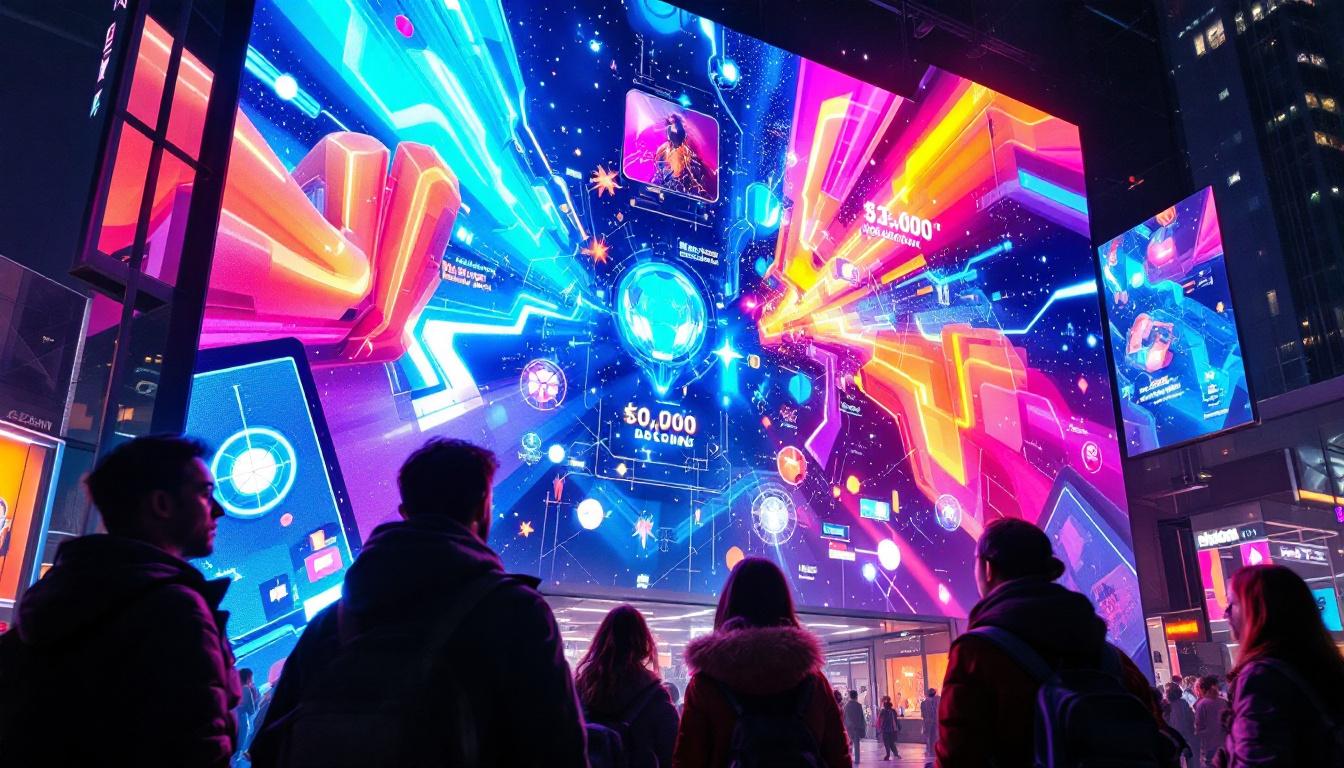
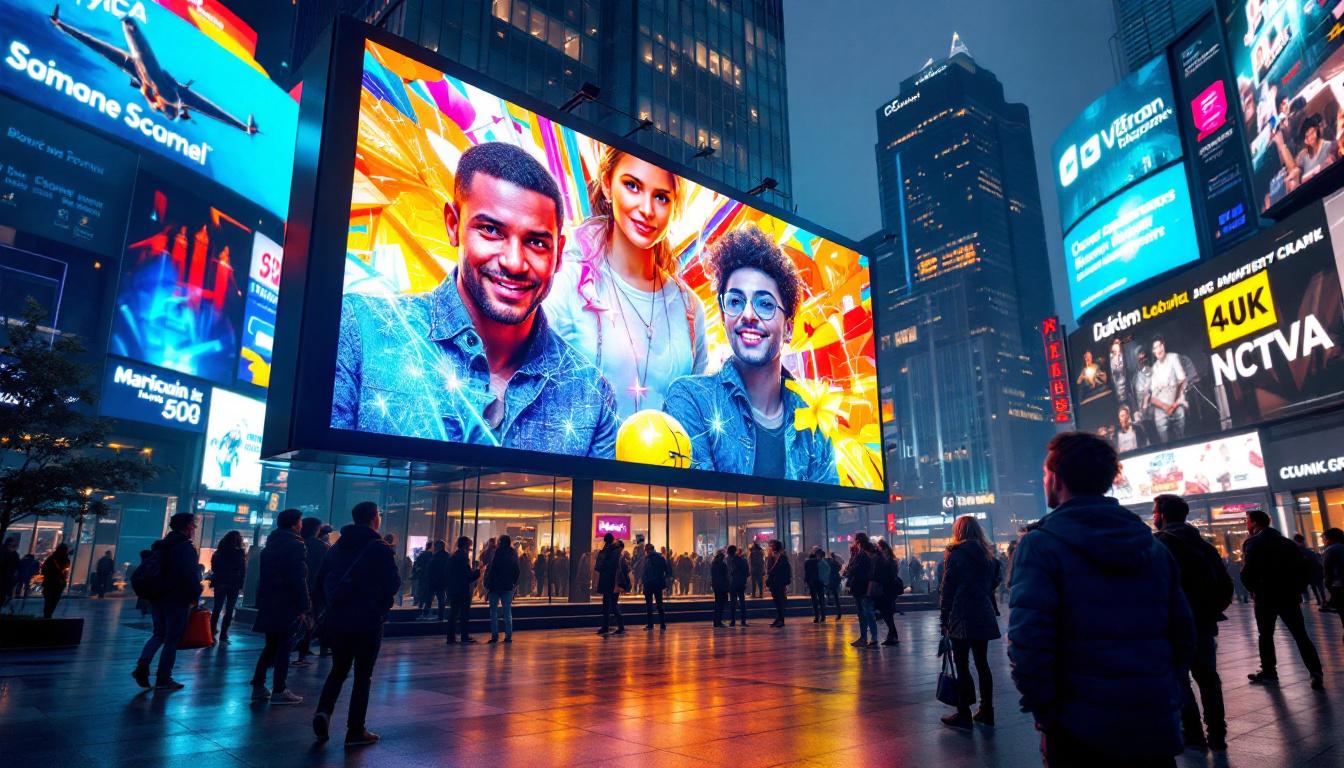
The Nueva York 3D LED display is more than just an advertising tool; it transforms public spaces into interactive art installations. By integrating cutting-edge technology with urban design, the display enhances the aesthetic appeal of the city, contributing to a vibrant, modern atmosphere.
This transformation encourages pedestrian engagement, making areas around the display popular gathering spots. Studies have shown that such installations can increase foot traffic by up to 25%, benefiting local businesses and fostering community interaction.
Advertising Effectiveness and ROI
From a marketing perspective, 3D LED displays represent a high-impact medium. Their ability to captivate attention in a crowded visual environment translates into higher recall rates and stronger brand impressions. According to recent surveys, advertisements displayed on 3D LED screens can achieve up to 40% greater viewer retention compared to traditional 2D digital billboards.
While the initial investment in 3D LED technology is substantial, the enhanced engagement and flexibility often lead to a favorable return on investment. Brands can leverage the display’s dynamic capabilities to run multiple campaigns, tailor content for different audiences, and respond quickly to market trends.
Future Trends and Innovations in 3D LED Displays
Integration with Augmented Reality (AR)
The future of 3D LED displays is poised for exciting developments, particularly through integration with augmented reality (AR). Combining physical 3D visuals with AR applications allows viewers to interact with content using smartphones or wearable devices, deepening engagement and personalization.
For example, visitors could scan a QR code near the Nueva York 3D display to unlock additional AR experiences, such as virtual tours, product information, or gamified content. This convergence of technologies offers new creative possibilities and revenue streams for advertisers and city planners alike.
Energy Efficiency and Sustainability
As cities prioritize sustainability, advancements in LED technology focus on reducing energy consumption without compromising visual quality. Innovations such as micro-LEDs and improved power management systems are making 3D LED displays more environmentally friendly.
In New York City, where energy regulations are increasingly stringent, adopting these green technologies is essential. The Nueva York 3D LED display exemplifies this trend by incorporating energy-saving features and recyclable materials, aligning with the city’s broader sustainability goals.
Conclusion: The Significance of Nueva York 3D LED Display
The Nueva York 3D LED display represents a fusion of art, technology, and urban culture. By harnessing cutting-edge LED technology and creative content design, it offers an immersive visual experience that redefines public advertising and city aesthetics. Its impact extends beyond marketing, contributing to urban vibrancy, community engagement, and technological innovation.
As 3D LED displays continue to evolve, they will play an increasingly important role in shaping the future of urban environments worldwide. Nueva York’s pioneering installation serves as a model for other cities seeking to combine functionality with artistic expression, creating spaces that inspire, inform, and captivate.
Explore Cutting-Edge LED Solutions with LumenMatrix
Ready to elevate your brand’s presence and immerse your audience in unparalleled visual experiences? Discover LumenMatrix’s innovative LED display technology, crafted for those who demand excellence in visual communication. From vibrant Indoor and Outdoor LED Wall Displays to dynamic Vehicle and Sports LED Displays, our solutions are designed to captivate and engage. Experience the future of digital signage with our All-in-One LED Displays, LED Transparent Displays, and more. Check out LumenMatrix LED Display Solutions today and transform your space into a beacon of creativity and engagement.