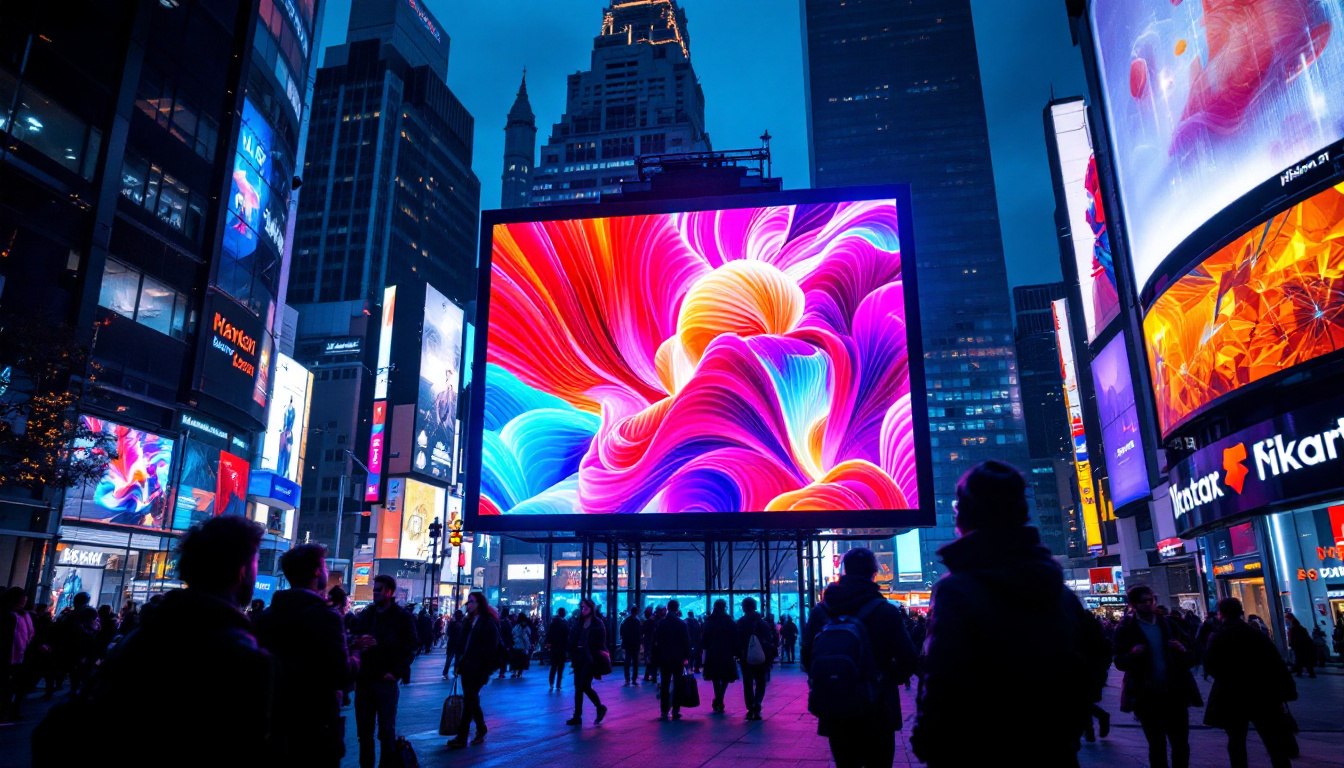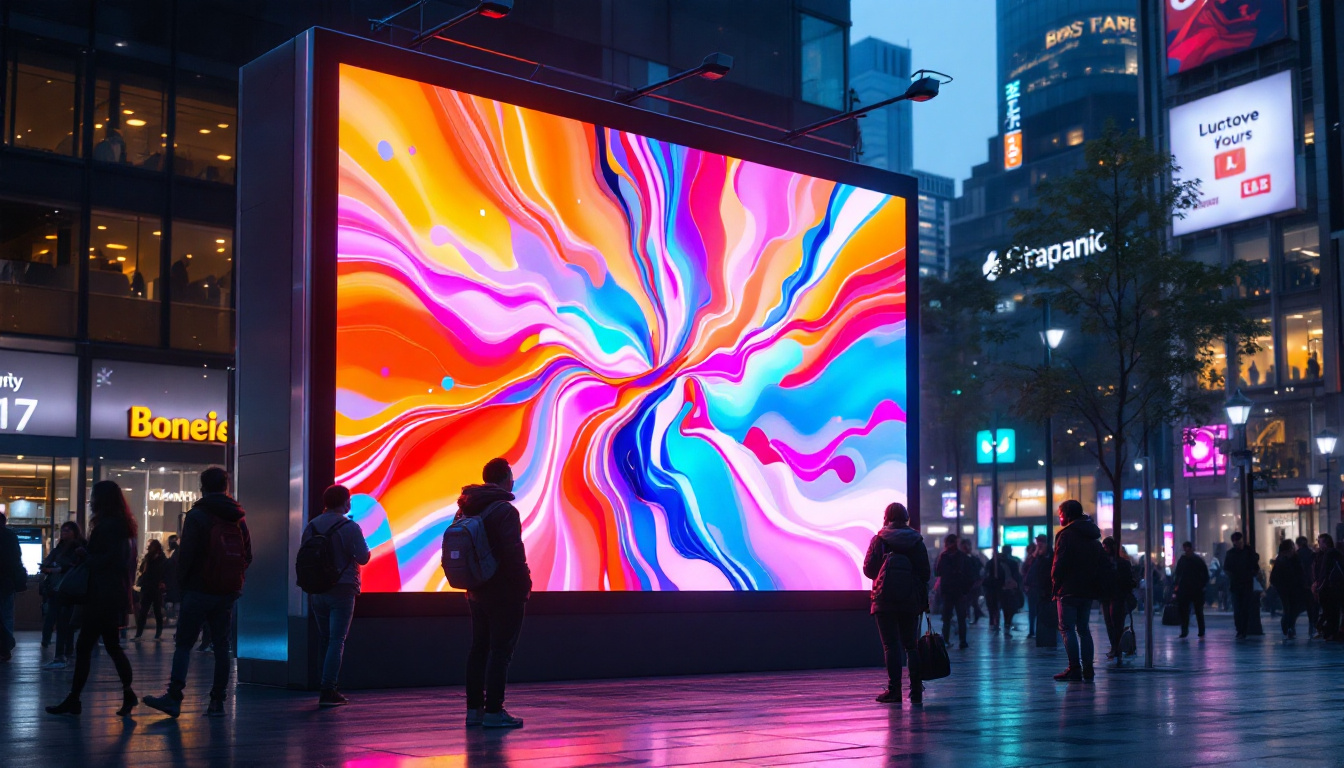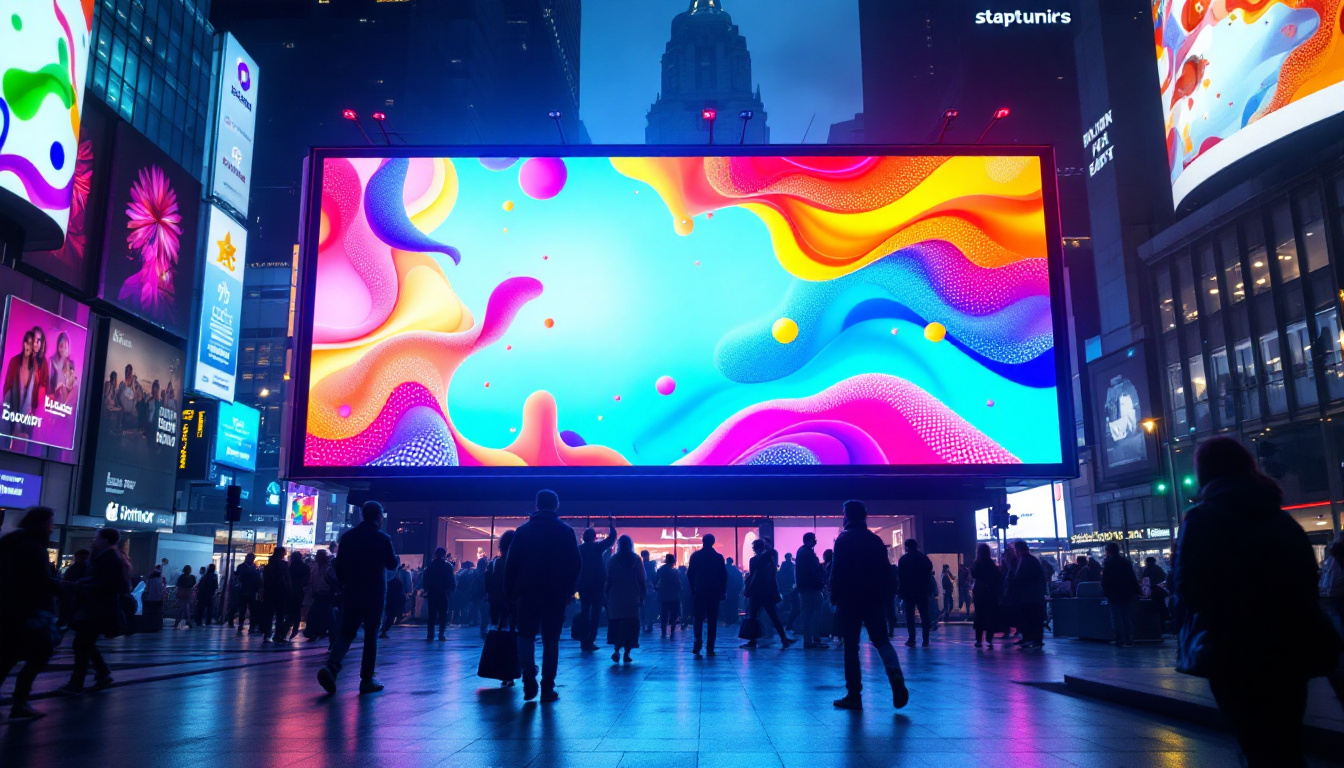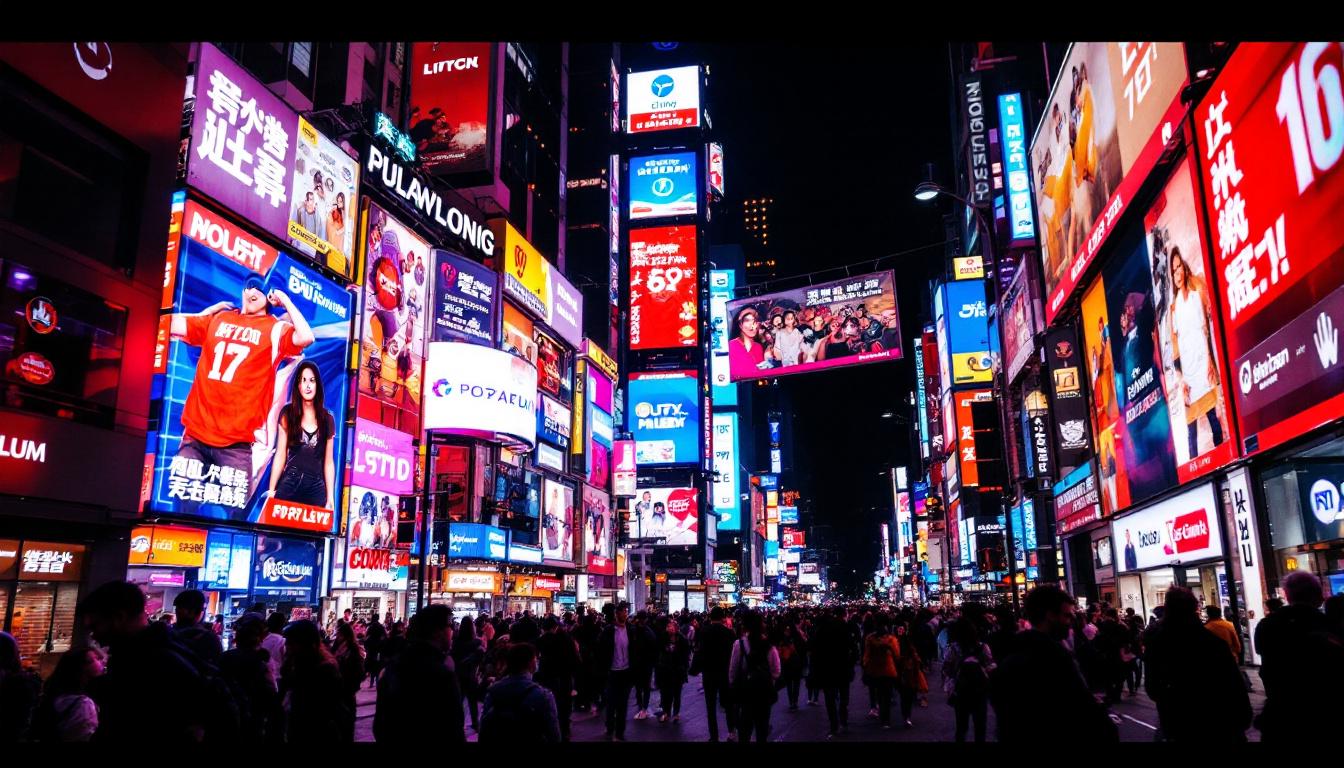
In today’s fast-paced world, capturing attention quickly and effectively is crucial for businesses, municipalities, and event organizers alike. Outdoor electronic signs, particularly those utilizing LED display technology, have become a dominant force in the signage industry. Their vibrant colors, dynamic content capabilities, and durability make them an ideal choice for a wide variety of applications. This article delves into the technology behind outdoor LED signs, exploring how they work, their benefits, types, and key considerations for selecting the right display.
Understanding LED Technology in Outdoor Signs
What Is an LED Display?
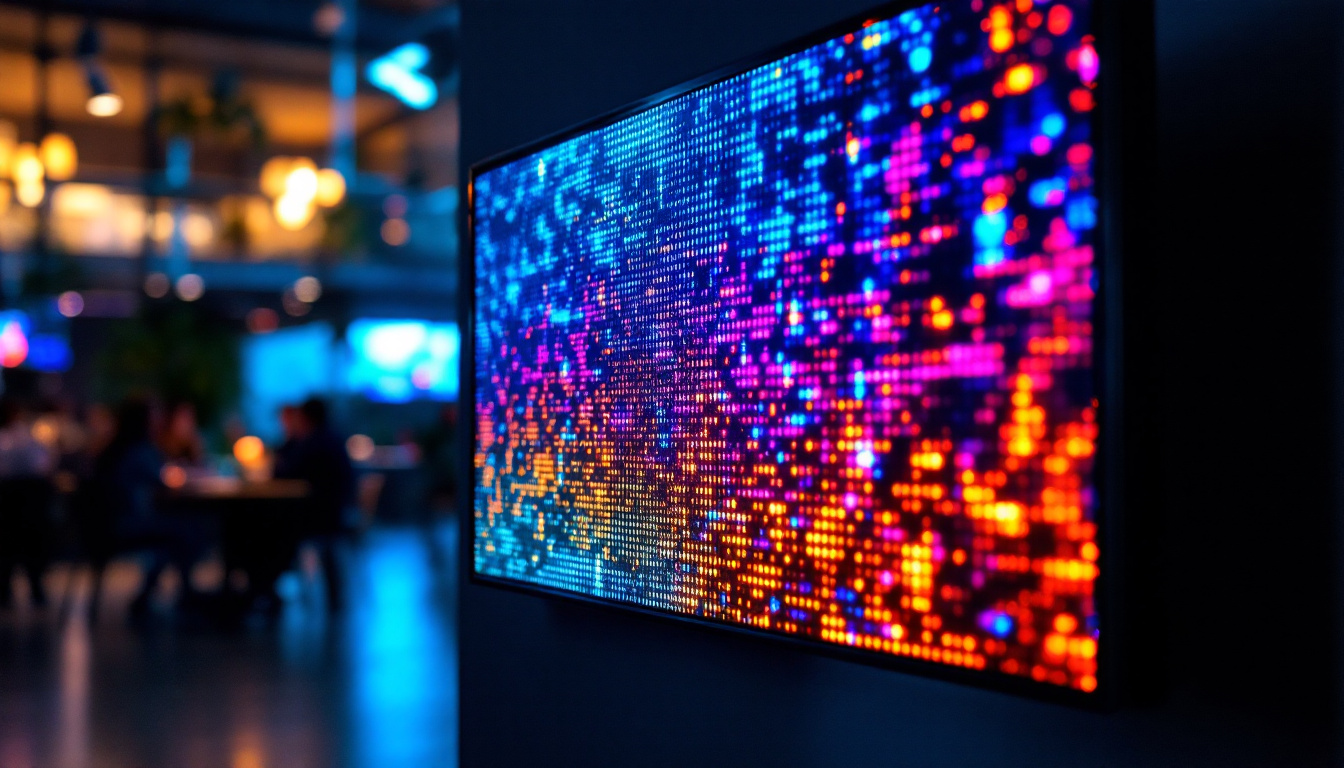
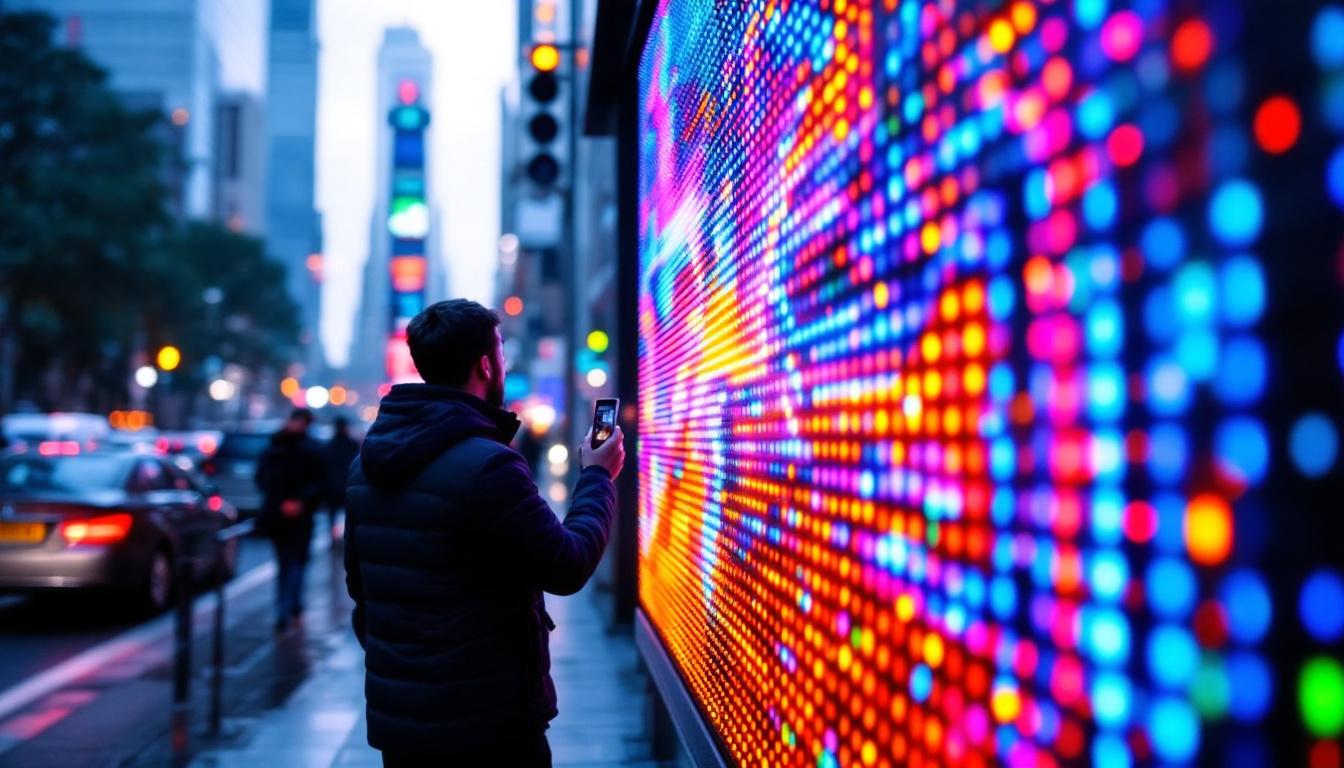
LED stands for Light Emitting Diode, a semiconductor device that emits light when an electric current passes through it. LED displays are composed of thousands to millions of these tiny diodes arranged in a grid, which together form images, text, and video. Unlike traditional neon or incandescent bulbs, LEDs are highly energy-efficient and have a much longer lifespan, making them well-suited for continuous outdoor use.
Outdoor LED signs utilize weatherproof enclosures and specialized coatings to withstand harsh environmental conditions such as rain, snow, extreme temperatures, and UV exposure. This durability ensures that the signs remain bright and functional year-round, even in challenging climates. Additionally, many modern outdoor LED displays are equipped with advanced thermal management systems that prevent overheating, further extending their operational life and maintaining optimal performance in varying weather conditions.
Moreover, the energy efficiency of LED technology not only reduces operational costs but also contributes to environmental sustainability. By consuming significantly less power than traditional lighting methods, businesses can lower their carbon footprint while still achieving high visibility and impact. This aspect has made LED displays increasingly popular among companies looking to enhance their brand presence while being mindful of their environmental responsibilities.
How Do Outdoor LED Signs Work?
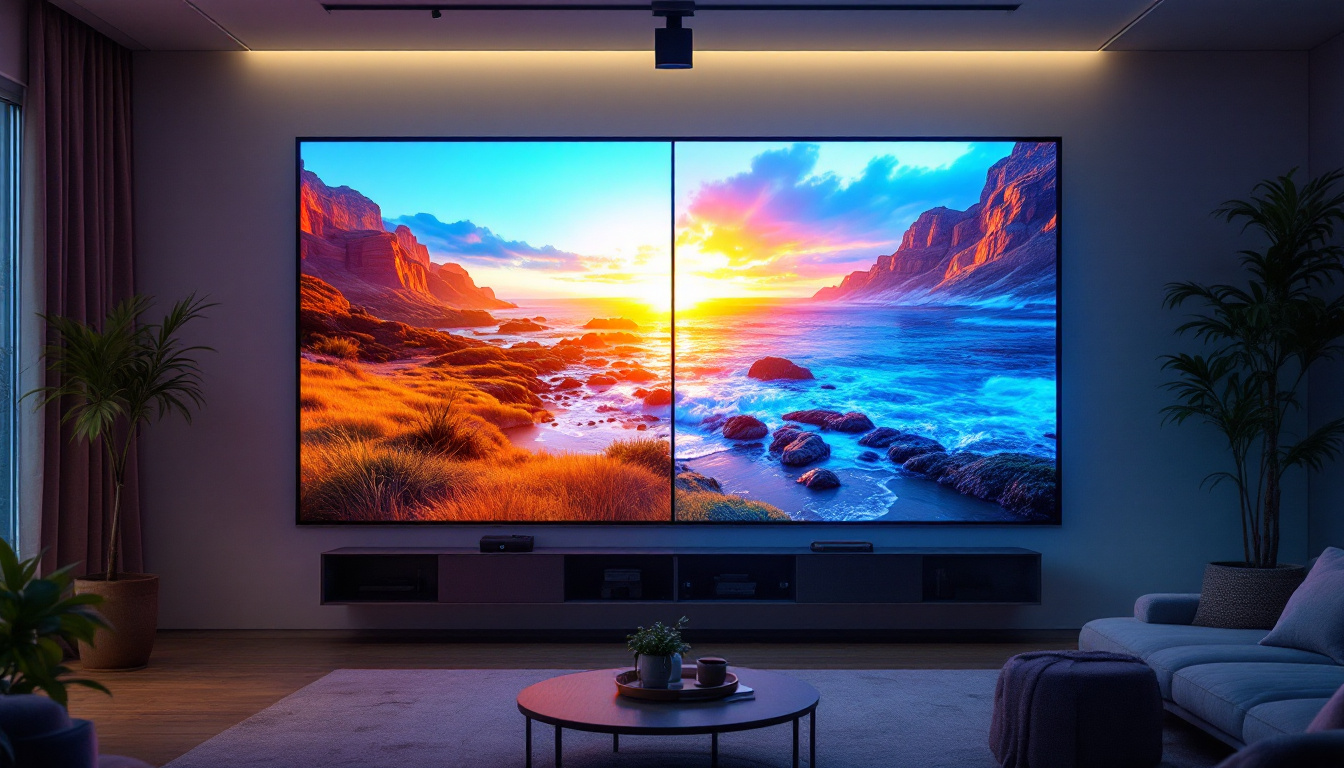
Each LED on a display can be individually controlled to emit specific colors and brightness levels. Typically, outdoor LED signs use a combination of red, green, and blue LEDs (known as RGB) to produce a full spectrum of colors through a process called color mixing. By adjusting the intensity of each color, the display can render millions of colors, enabling vibrant and eye-catching visuals.
The control system behind these signs often includes software that allows users to schedule content, update messages remotely, and even incorporate animations or live feeds. This flexibility makes LED signs much more versatile than static signage options. Furthermore, many outdoor LED signs are now integrated with smart technology, enabling features such as real-time data display, weather updates, and social media feeds, which can engage audiences in dynamic and interactive ways.
In addition to their visual appeal, outdoor LED signs can also be equipped with sensors that adjust brightness based on ambient light conditions. This ensures that the display remains easily readable during both day and night, enhancing visibility and effectiveness. As a result, businesses can capture the attention of passersby at any time, maximizing their advertising potential and driving customer engagement in an increasingly competitive marketplace.
Benefits of Outdoor LED Signs
Visibility and Brightness
One of the primary advantages of LED displays is their exceptional brightness. Outdoor LED signs can reach brightness levels of 5,000 to 10,000 nits or more, which allows them to remain clearly visible even in direct sunlight. This high brightness ensures that messages are readable at all times of day, making them highly effective for advertising and communication.
Moreover, many LED signs feature ambient light sensors that automatically adjust brightness based on surrounding light conditions. This not only improves visibility but also reduces energy consumption during nighttime or low-light conditions.
Energy Efficiency and Longevity
Compared to traditional lighting technologies like incandescent or fluorescent bulbs, LEDs consume significantly less power. This energy efficiency translates to lower operating costs over the lifespan of the sign. In addition, LEDs typically last between 50,000 and 100,000 hours, which can equate to over a decade of continuous use without the need for replacement.
For businesses and municipalities, these factors contribute to a reduced total cost of ownership and a smaller environmental footprint, aligning with growing sustainability goals.
Dynamic Content and Flexibility
Unlike static billboards or printed signs, LED displays allow for dynamic content that can be updated instantly. This capability is invaluable for businesses that want to promote time-sensitive offers, events, or announcements. For example, a retail store can change its promotions daily, or a city can broadcast emergency alerts and public service announcements in real time.
Additionally, LED signs can display a wide range of content types including text, images, animations, and even live video streams. This versatility enables more engaging and interactive communication with target audiences.
Types of Outdoor LED Signs
Single-Color vs. Full-Color Displays
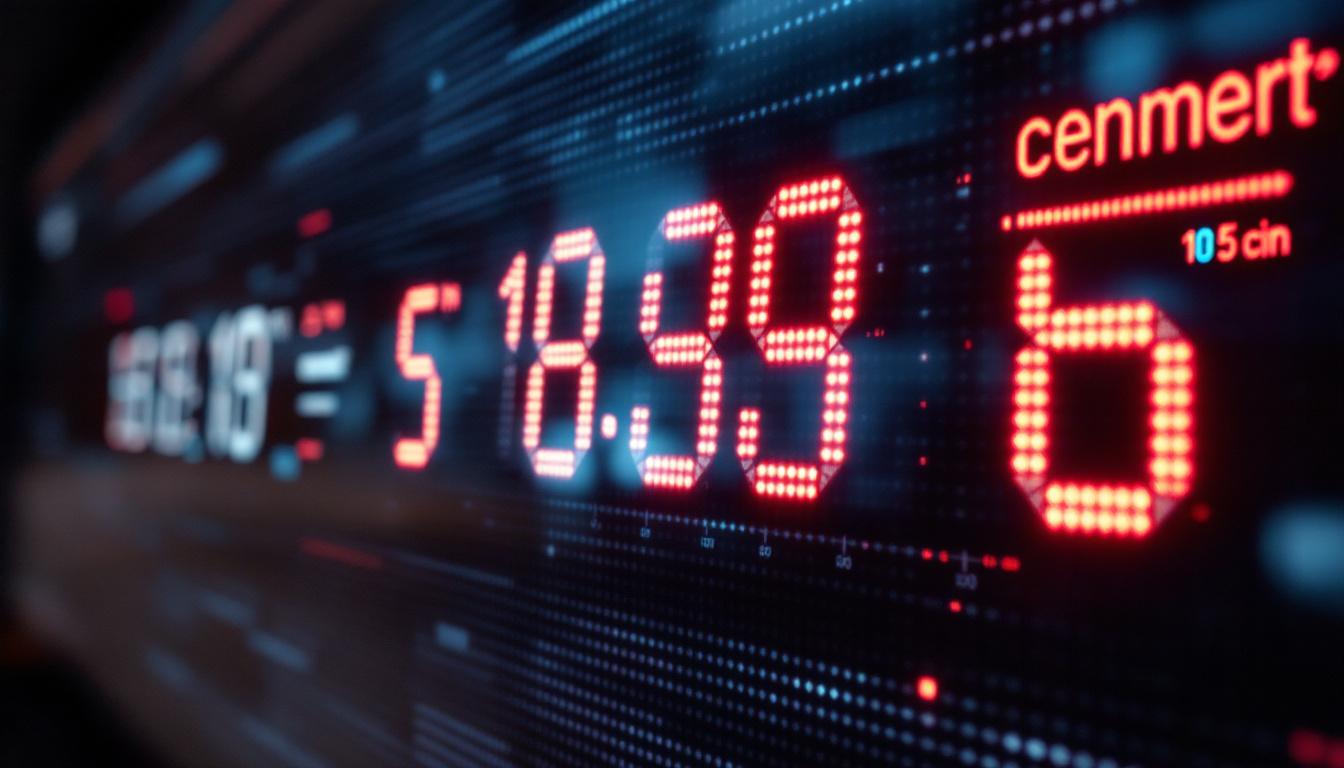
Outdoor LED signs come in various configurations depending on the intended use and budget. Single-color displays, often red or amber, are commonly used for simple text-based messages such as time, temperature, or basic announcements. These signs tend to be more affordable and consume less power.
Full-color LED displays, on the other hand, use RGB LEDs to produce a wide range of colors and are capable of showing complex graphics and videos. These are ideal for advertising, entertainment venues, sports arenas, and any setting where visual impact is paramount.
Fixed vs. Modular LED Signs
Fixed LED signs are pre-assembled units designed for specific sizes and resolutions. They are typically easier to install and are suitable for small to medium-sized displays. Modular LED signs consist of individual panels or modules that can be combined to create larger or custom-shaped displays. This modularity allows for scalability and easier maintenance, as faulty modules can be replaced without dismantling the entire sign.
Pixel Pitch and Resolution
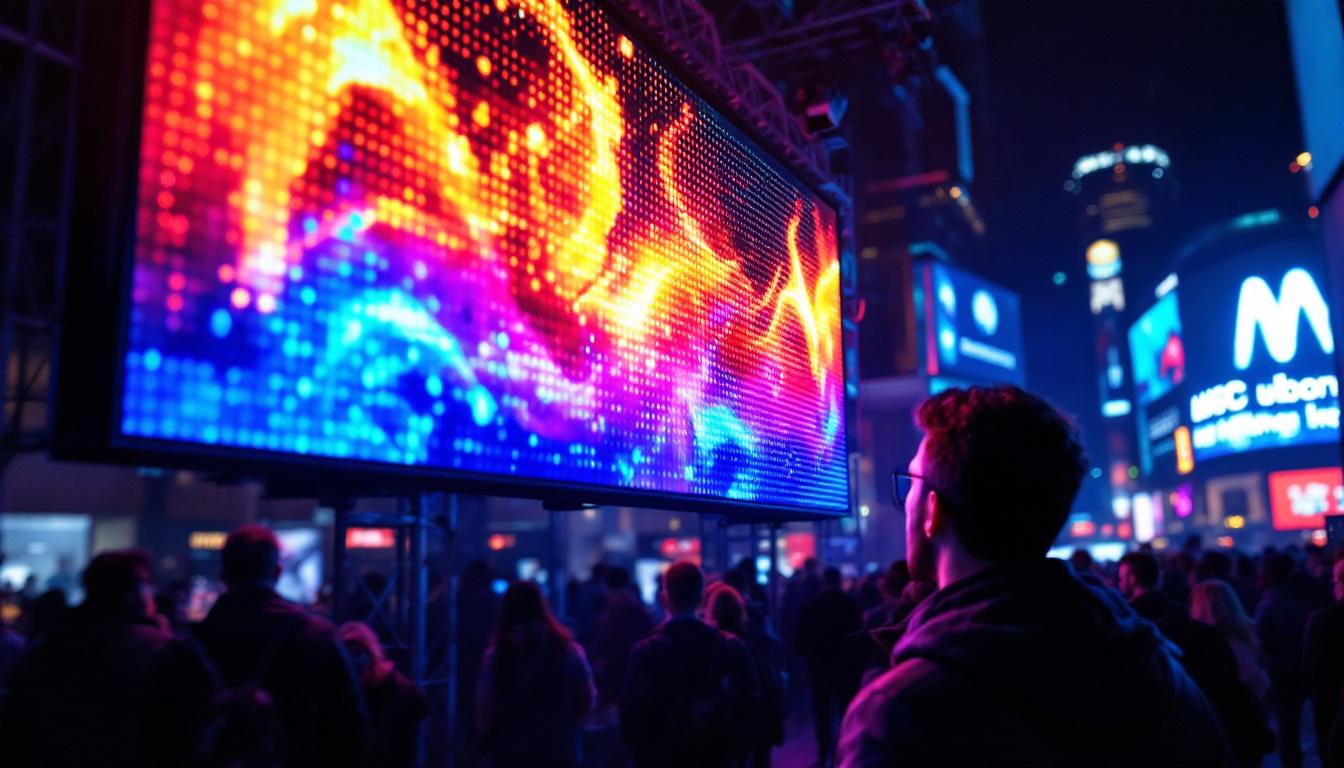
Pixel pitch refers to the distance between the centers of adjacent LEDs on a display, measured in millimeters. A smaller pixel pitch means higher resolution and sharper images, especially important for signs viewed at close range. Outdoor signs usually have pixel pitches ranging from 4mm to 20mm, with larger pitches being more cost-effective for long-distance viewing.
Choosing the right pixel pitch depends on the typical viewing distance and the type of content to be displayed. For example, a sign visible from a highway might use a 20mm pitch, while one located on a storefront might require a 6mm pitch for clarity.
Key Considerations When Choosing an Outdoor LED Sign
Environmental and Location Factors
Before selecting an LED sign, it is essential to consider the installation environment. Factors such as exposure to sunlight, weather conditions, and ambient lighting will influence the type of display needed. For instance, signs in areas prone to heavy rain or snow require higher ingress protection (IP) ratings to ensure water resistance.
Additionally, urban areas with strict lighting ordinances may impose limits on brightness or operating hours. Understanding local regulations helps avoid compliance issues and potential fines.
Content Management and Software
The ease of updating and managing content is a critical factor. Modern LED signs typically come with user-friendly software platforms that enable remote control via computers or mobile devices. Some systems support scheduling, allowing content to change automatically based on time of day or special events.
Integration with external data sources, such as weather feeds or social media, can further enhance the sign’s functionality and relevance. When evaluating options, consider the software’s compatibility, security features, and customer support.
Budget and Total Cost of Ownership
While the initial cost of outdoor LED signs can be significant, it is important to evaluate the total cost of ownership. This includes installation, maintenance, energy consumption, and potential repairs over the sign’s lifespan. Investing in higher-quality components and reputable manufacturers often results in lower long-term costs and better performance.
Additionally, consider potential revenue generation or cost savings from increased visibility, improved communication, and reduced printed signage expenses.
Applications of Outdoor LED Signs
Retail and Advertising
Retailers use outdoor LED signs to attract customers with bright, dynamic advertisements and promotional messages. These signs can highlight sales, new products, or store hours, helping businesses stand out in competitive markets. According to recent industry reports, digital signage can increase customer engagement by up to 30%, making LED displays a powerful marketing tool.
Transportation and Public Safety
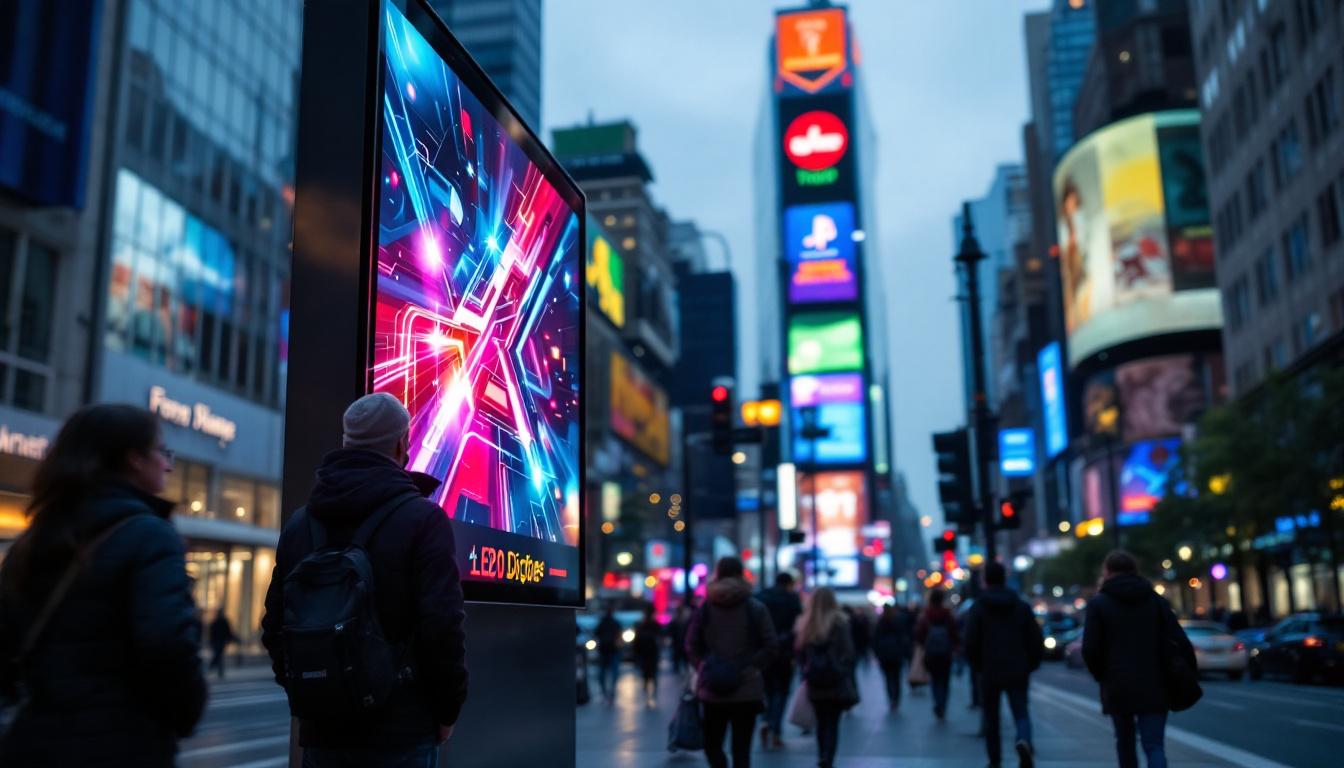
LED signs are widely used in transportation hubs, highways, and public spaces to provide real-time information such as traffic updates, weather alerts, and emergency notifications. Their ability to display changing messages quickly helps improve safety and inform the public effectively.
Sports and Entertainment Venues
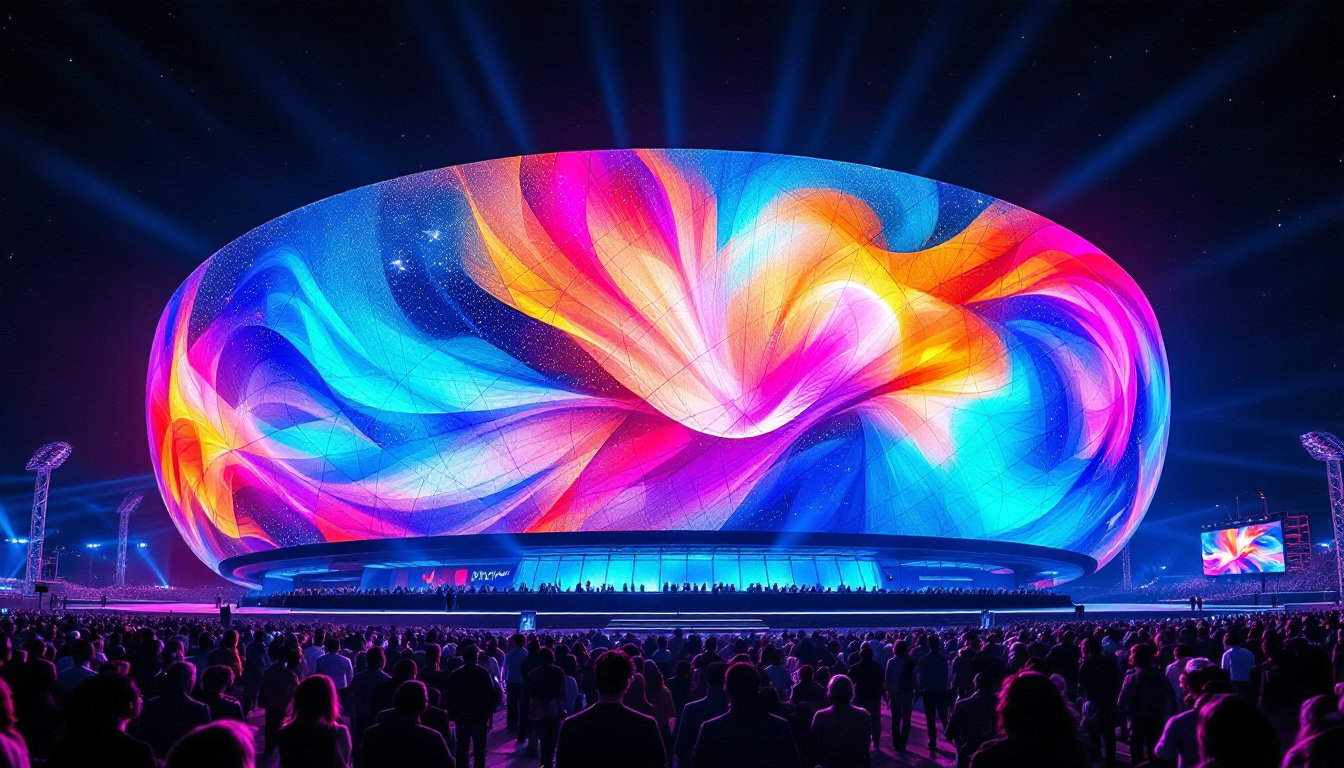
Stadiums and arenas leverage large-scale LED displays to enhance the spectator experience with live scores, replays, and interactive content. The vibrant colors and high resolution of LED technology make it ideal for engaging large crowds and creating memorable events.
Future Trends in Outdoor LED Signage
Advancements in LED Technology
Ongoing innovations are driving improvements in LED efficiency, brightness, and color accuracy. MicroLED technology, for example, promises even higher resolution and energy savings, potentially revolutionizing outdoor displays in the coming years.
Integration with Smart City Infrastructure
As cities become smarter, outdoor LED signs are increasingly integrated with IoT (Internet of Things) networks. This enables dynamic data sharing, adaptive messaging based on real-time conditions, and enhanced interactivity with pedestrians and vehicles.
Environmental Sustainability
Manufacturers are focusing on eco-friendly materials and recycling programs to reduce the environmental impact of LED signs. Energy-efficient designs and solar-powered options are also gaining traction, aligning with global sustainability goals.
Conclusion
Outdoor electronic signs featuring LED displays offer unmatched versatility, visibility, and durability for a wide range of applications. Understanding the technology, benefits, and key considerations ensures that businesses and organizations can select the right signage solution to meet their needs. With continuous advancements and growing adoption, LED signage is set to remain a cornerstone of outdoor communication and advertising for years to come.
Discover LumenMatrix LED Display Solutions
Ready to elevate your outdoor communication and advertising with cutting-edge LED technology? Look no further than LumenMatrix, a leader in innovative LED display solutions. From vibrant outdoor LED walls to dynamic vehicle displays and beyond, LumenMatrix offers a wide array of products designed to captivate your audience and amplify your message. Embrace the future of visual engagement and check out LumenMatrix LED Display Solutions today to see how we can transform your brand’s visibility.