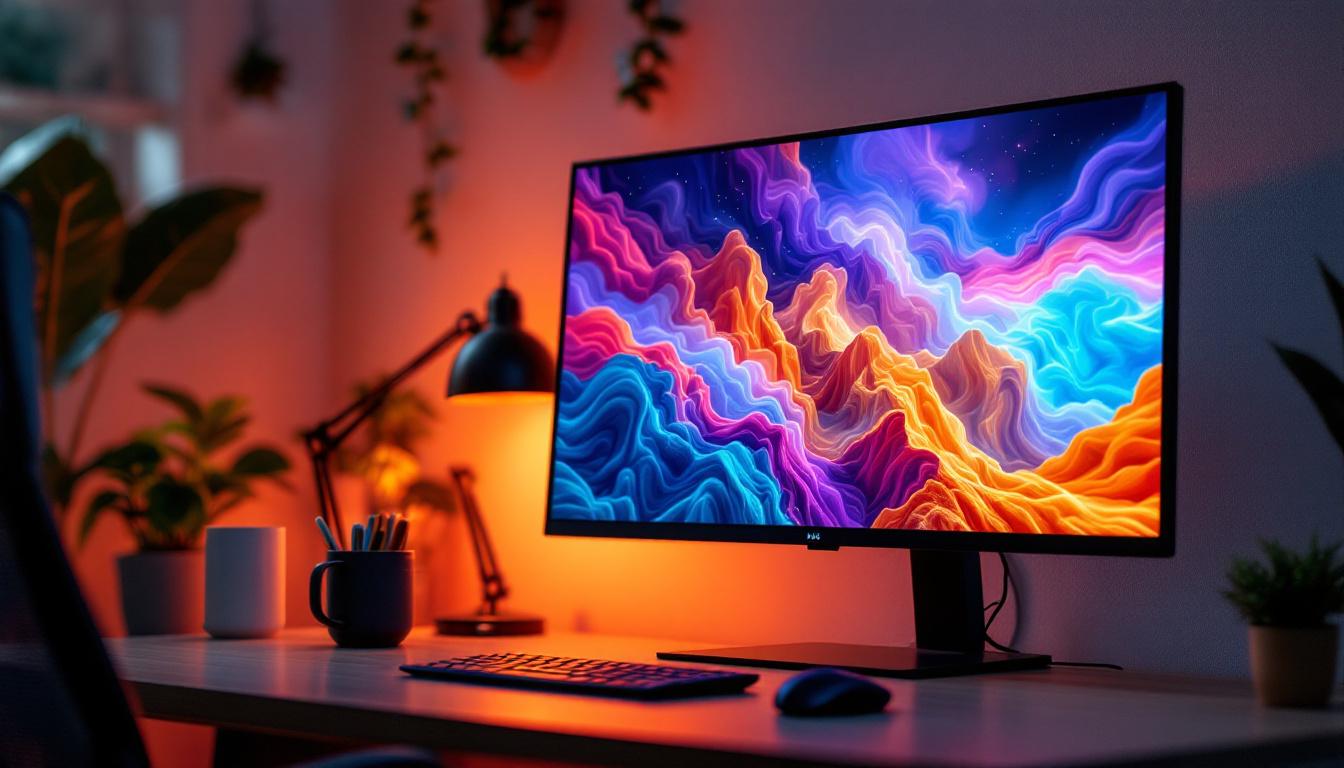
In today’s digital age, the choice of a computer monitor significantly impacts productivity, entertainment, and overall user experience. Among the various types of monitors available, a 22-inch screen size remains a popular choice for many users due to its balance between screen real estate and desk space. When paired with LED technology, these monitors offer a compelling combination of clarity, efficiency, and affordability.
This article delves into the intricacies of 22-inch LED monitors, explaining the technology behind LED displays, their advantages, and what makes them a preferred option for both casual users and professionals alike.
Understanding the 22-Inch Monitor Size
Why 22 Inches?
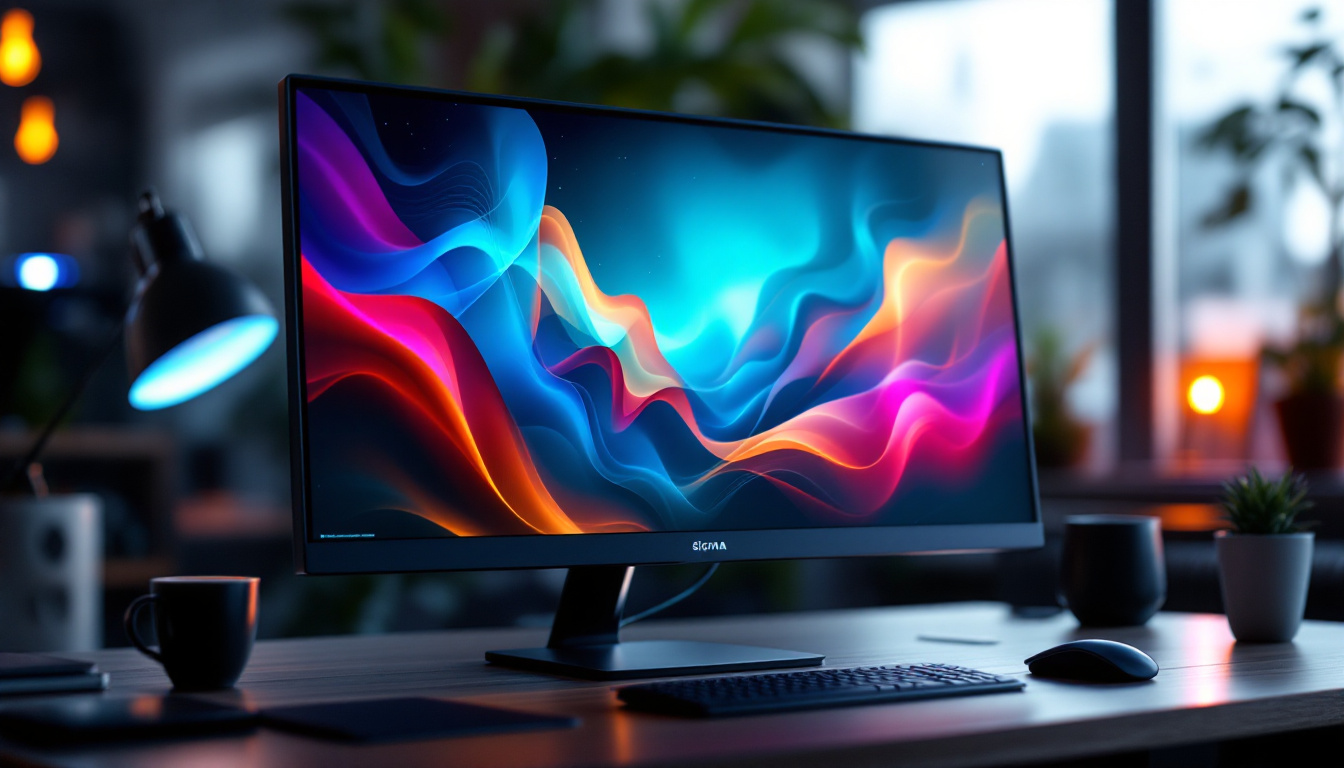
The 22-inch monitor size strikes a sweet spot for many users. It offers enough screen space to comfortably handle multitasking, document editing, and media consumption without overwhelming a typical desk setup. For users who don’t require ultra-wide or larger displays, 22 inches provides a practical and ergonomic viewing experience.
Statistically, monitors between 21 and 24 inches account for a significant portion of the market, especially among office workers and students. According to a 2023 market analysis by DisplaySearch, approximately 38% of desktop monitors sold worldwide fall within this size range, highlighting its widespread acceptance. This popularity can be attributed to the balance it strikes between usability and affordability, making it an ideal choice for home offices, educational environments, and casual gaming setups. Additionally, the compact size allows for easy integration into smaller workspaces, ensuring that users can maintain a tidy and organized desk without sacrificing functionality.
Screen Resolution and Aspect Ratio
Most 22-inch monitors come with a Full HD resolution of 1920×1080 pixels, offering sharp and clear images suitable for everyday tasks. The standard aspect ratio is 16:9, which aligns well with most video content and software interfaces, making it versatile for both work and entertainment.
Some models may offer higher resolutions, such as 1920×1200 (16:10 aspect ratio), which provides slightly more vertical space, beneficial for reading documents and coding. However, Full HD remains the most common and cost-effective choice for 22-inch screens. Beyond resolution, many users also appreciate features like anti-glare coatings and adjustable stands, which enhance the viewing experience by reducing reflections and allowing for personalized comfort. Furthermore, advancements in panel technology, such as IPS (In-Plane Switching) and VA (Vertical Alignment), have improved color accuracy and viewing angles, making these monitors not just functional but also visually appealing for graphic design and media consumption. The combination of these features ensures that a 22-inch monitor can meet a diverse range of user needs, from casual browsing to professional applications.
What is an LED Display?
LED Technology Explained
LED stands for Light Emitting Diode, a technology used to illuminate the monitor’s screen. Unlike traditional LCD monitors that use cold cathode fluorescent lamps (CCFL) for backlighting, LED monitors use tiny light-emitting diodes. This shift in backlighting technology has revolutionized display quality and efficiency. The compact size of LEDs allows for more versatile designs, making it possible to create ultra-thin and lightweight monitors that are not only aesthetically pleasing but also easier to transport and install in various settings.
In an LED monitor, the image is created by liquid crystals that modulate light passing through them. The LEDs provide the light source behind or around the edges of the screen, depending on the design—either direct LED backlighting or edge-lit LED backlighting. The result is a vibrant display with improved color accuracy and brightness levels that can enhance the viewing experience, whether you are watching movies, playing video games, or working on graphic design projects. Additionally, LED technology is more energy-efficient than its predecessors, leading to lower power consumption and a reduced carbon footprint over time.
Types of LED Backlighting
There are primarily two types of LED backlighting used in 22-inch monitors:
- Edge-Lit LED: LEDs are positioned along the edges of the screen, and light is spread across the display using light guides. This design allows for thinner and lighter monitors but may sometimes result in uneven brightness. Edge-lit displays are particularly popular in budget-friendly models, as they provide a good balance between performance and cost, making them accessible to a wider audience.
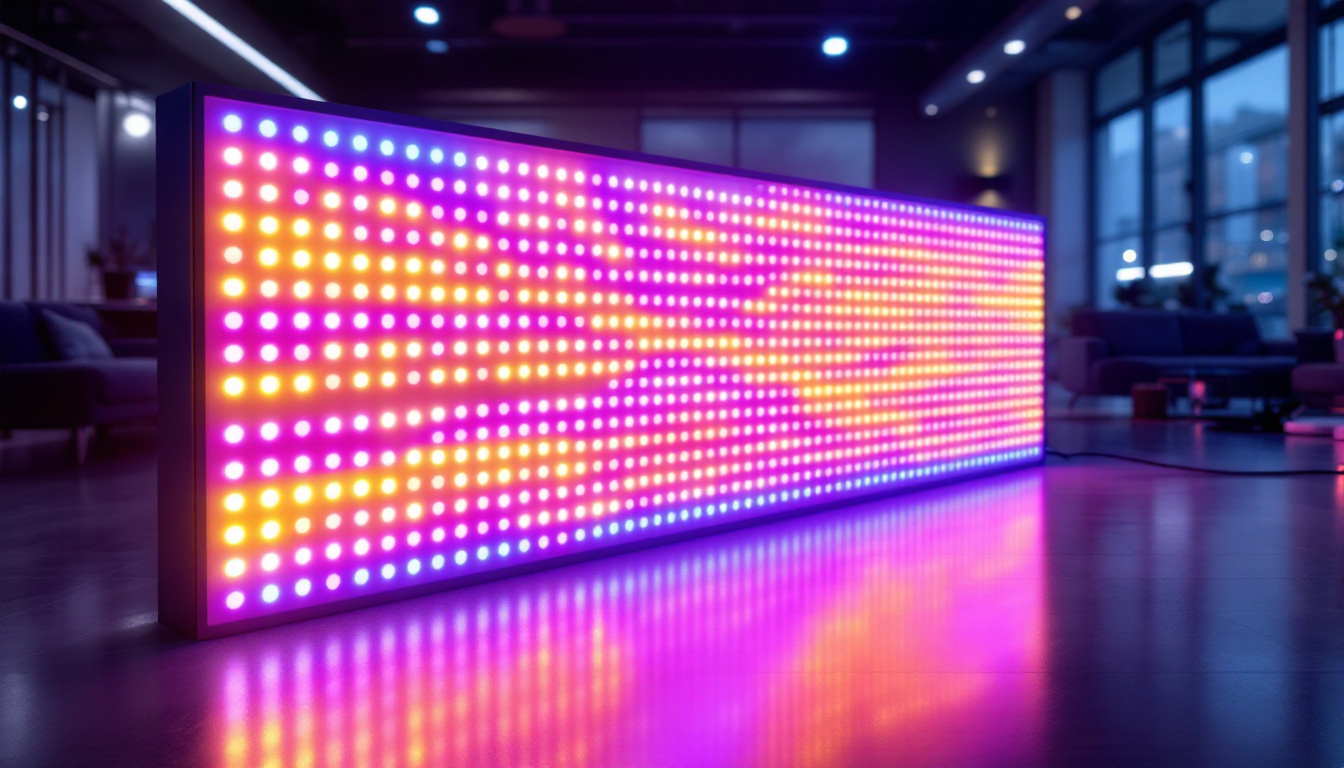
- Direct LED (Full-Array): LEDs are placed directly behind the screen in a grid. This allows for better control of brightness and contrast, often enabling local dimming features that improve picture quality. Full-array backlighting can significantly enhance the viewing experience, particularly in darker environments, as it allows for deeper blacks and more vibrant colors by adjusting the brightness of specific areas of the screen independently.
While full-array LED backlighting is more common in higher-end models, most 22-inch monitors tend to use edge-lit LED technology to maintain affordability and slim profiles. However, as technology advances, we are seeing more mid-range monitors incorporating full-array backlighting, providing consumers with a wider range of options that offer both quality and value. Furthermore, the integration of advanced features such as HDR (High Dynamic Range) support is becoming increasingly prevalent, allowing for an even more immersive visual experience by expanding the range of colors and contrast ratios displayed on-screen.
Advantages of 22-Inch LED Monitors
Energy Efficiency and Environmental Impact
One of the most significant benefits of LED monitors over older CCFL-backlit LCDs is energy efficiency. LED backlighting consumes less power, which not only reduces electricity bills but also contributes to a smaller carbon footprint. For example, a typical 22-inch LED monitor uses around 15 to 25 watts of power, compared to 30 to 40 watts for CCFL models.
This efficiency is particularly important in office environments where multiple monitors operate simultaneously, as well as for environmentally conscious consumers aiming to reduce energy consumption.
Improved Display Quality
LED technology enhances brightness, contrast, and color accuracy. LED monitors can achieve higher brightness levels, often exceeding 250 nits, which improves visibility in well-lit environments. Additionally, LED backlighting supports a wider color gamut, making images more vibrant and lifelike.
For users involved in photo editing, graphic design, or video production, these improvements can be critical. While professional-grade monitors may offer even more advanced color accuracy, many 22-inch LED monitors provide sufficient quality for semi-professional and casual use.
Longer Lifespan and Durability
LEDs have a longer operational lifespan compared to CCFLs. Typical LED monitors can last upwards of 30,000 to 50,000 hours before brightness diminishes significantly. This durability means fewer replacements and less electronic waste over time.
Moreover, LED monitors tend to be more resistant to shock and vibration, making them a reliable choice for both home and office environments.
Choosing the Right 22-Inch LED Monitor
Key Features to Consider
When selecting a 22-inch LED monitor, several factors should guide the decision:
- Resolution: Full HD (1920×1080) is standard, but higher resolutions may be available for specific needs.
- Panel Type: IPS panels offer better color accuracy and wider viewing angles, while TN panels provide faster response times, beneficial for gaming.
- Refresh Rate: Standard monitors have 60Hz, but higher refresh rates (75Hz or more) can improve smoothness, especially in gaming or video playback.
- Connectivity: Look for HDMI, DisplayPort, and USB ports to ensure compatibility with various devices.
- Ergonomics: Adjustable stands, VESA mount compatibility, and blue light filters contribute to user comfort.
Use Case Scenarios
Understanding the primary use of the monitor helps narrow down the best options:
- Office Work: A 22-inch LED monitor with an IPS panel and ergonomic features supports long hours of productivity and reduces eye strain.
- Gaming: While 22 inches is smaller than typical gaming monitors, models with higher refresh rates and low response times can still provide a satisfying experience.
- Media Consumption: Brightness and color accuracy enhance movie watching and streaming, making LED technology ideal.
- Education and Remote Learning: The compact size and affordability make 22-inch LED monitors a practical choice for students and educators.
Common Misconceptions About LED Monitors
LED vs. OLED: Clearing the Confusion
Many consumers confuse LED monitors with OLED displays. While both use light-emitting diodes, their technologies differ fundamentally. OLED (Organic Light Emitting Diode) displays emit light from organic compounds and do not require backlighting, offering superior contrast and color depth.
However, OLED monitors are typically more expensive and less common in the 22-inch size range. LED monitors remain the mainstream choice for affordability and energy efficiency.
LED Monitors Are Not Just “LCD with LEDs”
It is important to understand that LED monitors are technically a type of LCD monitor that uses LED backlighting instead of CCFL. The term “LED monitor” is often used as shorthand but can be misleading if taken to imply a completely different display technology.
This distinction matters when comparing specifications and understanding what improvements LED backlighting brings to the table.
Future Trends in 22-Inch Monitor Technology
Mini-LED and Micro-LED Innovations
Emerging backlighting technologies such as Mini-LED and Micro-LED promise to enhance the performance of LED monitors further. Mini-LED uses thousands of tiny LEDs for more precise local dimming, resulting in better contrast and reduced halo effects around bright objects.
While currently more common in larger and premium monitors, these technologies are expected to trickle down to smaller sizes like 22 inches as manufacturing costs decrease.
Integration with Smart Technologies
Smart monitors with built-in operating systems and app support are gaining popularity. Future 22-inch LED monitors may feature integrated voice assistants, wireless connectivity, and enhanced multitasking capabilities, blurring the line between traditional monitors and smart TVs.
Conclusion
The 22-inch LED monitor remains a versatile and practical choice for a wide range of users. Its balanced size, combined with the advantages of LED backlighting, offers energy efficiency, improved display quality, and durability. Whether for office productivity, casual gaming, or media consumption, understanding the technology behind these monitors helps consumers make informed decisions.
As display technology continues to evolve, 22-inch LED monitors are poised to incorporate new innovations that enhance user experience while maintaining their core strengths. For anyone seeking a reliable, affordable, and efficient display, the 22-inch LED monitor represents a smart investment.
Discover LumenMatrix’s Advanced LED Display Solutions
Ready to elevate your visual experience with the latest in LED technology? LumenMatrix is at the forefront of LED display innovation, offering a comprehensive range of solutions tailored to meet your needs. From captivating Indoor and Outdoor LED Wall Displays to dynamic Vehicle and Sports LED Displays, our products are designed to make a lasting impression. Explore our versatile LED Poster Displays, interactive Floor LED Displays, and the sleek All-in-One LED Display options. Experience the future of visual communication with our LED Transparent Displays and custom solutions that promise to transform your space. Don’t miss out on the opportunity to enhance your brand’s visibility and engage your audience like never before. Check out LumenMatrix LED Display Solutions today and see the difference cutting-edge technology can make.