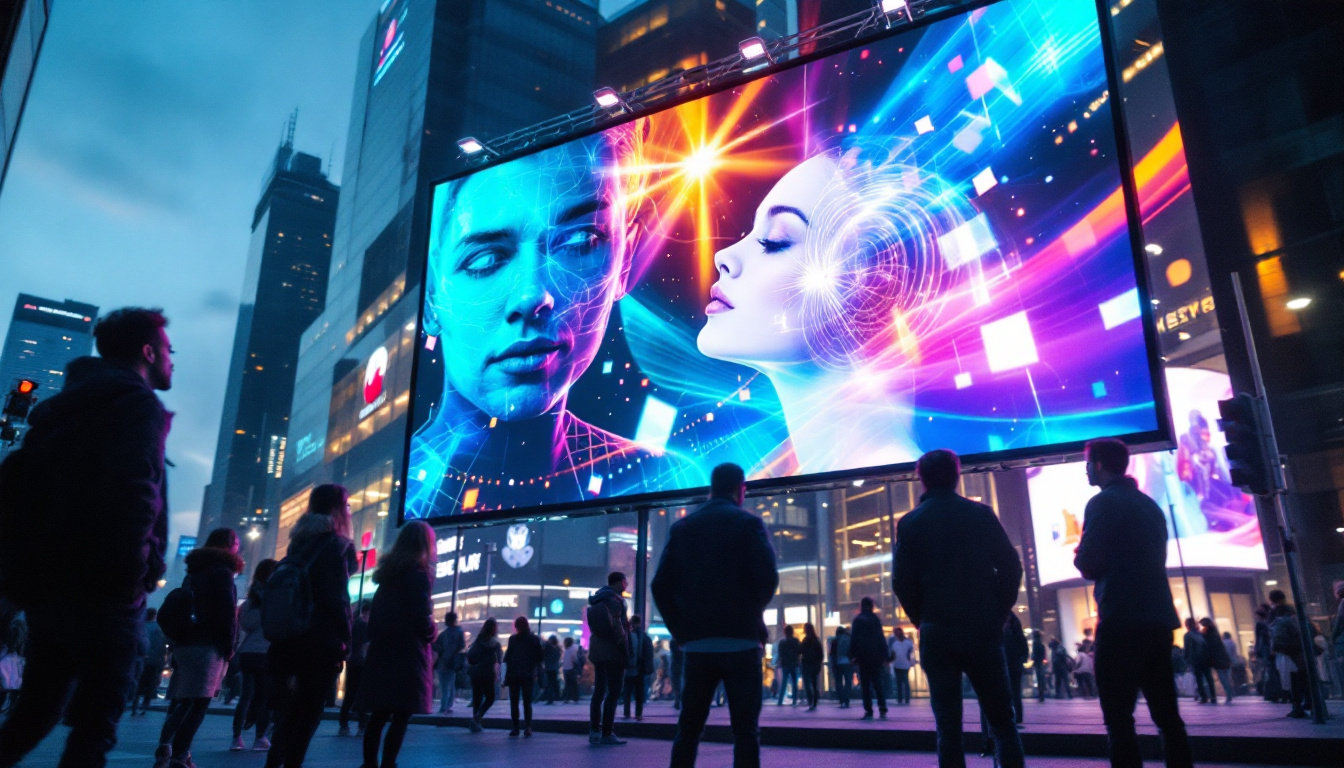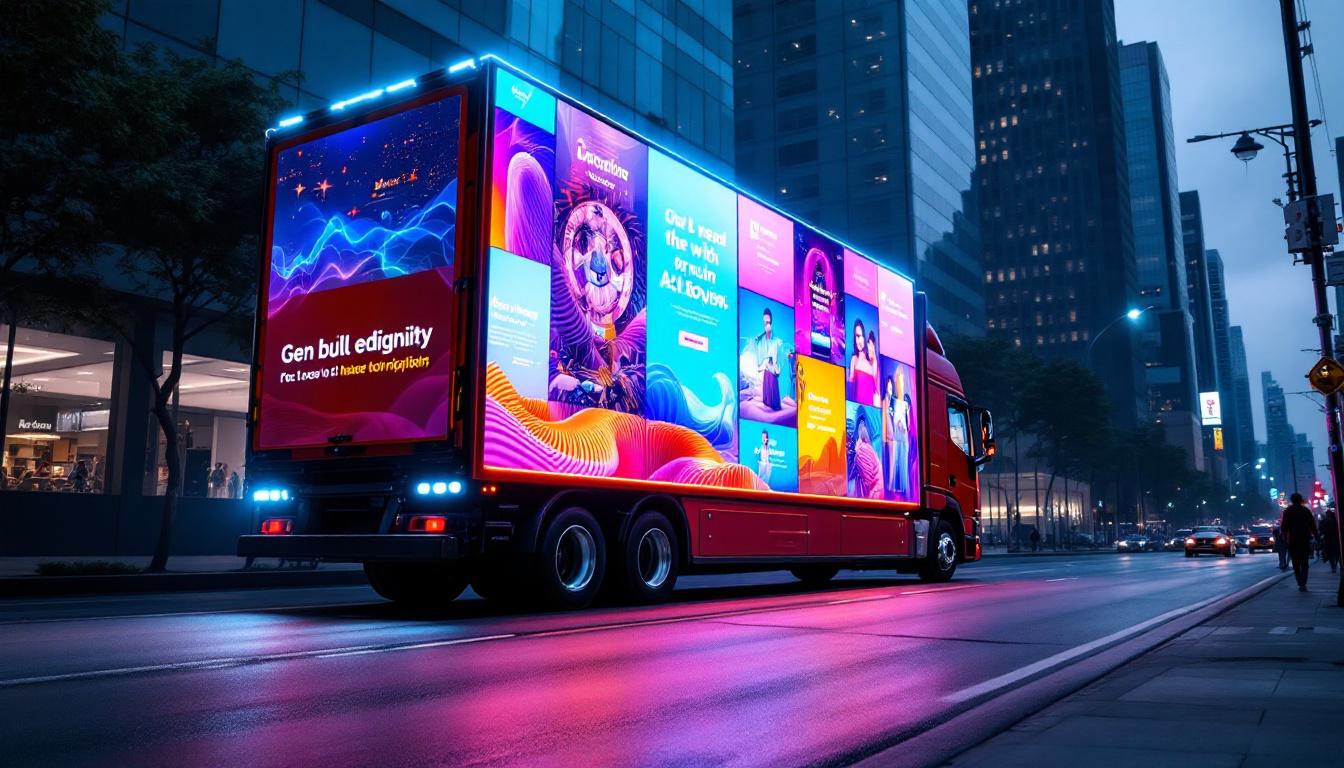
In today’s fast-paced world, outdoor advertising and information display have evolved dramatically, with LED technology leading the charge. Among the various types of LED displays, the term “Outdoor P” often surfaces, especially in professional circles dealing with large-scale digital signage. This article unpacks what Outdoor P LED displays are, how they function, their advantages, and why they have become indispensable in modern outdoor communication and advertising.
Understanding Outdoor P LED Displays
What Does “Outdoor P” Mean?
The term “Outdoor P” refers to the pixel pitch of an LED display designed specifically for outdoor use. Pixel pitch, denoted by the letter “P,” is the distance in millimeters between the centers of two adjacent LED pixels. For example, a P10 LED display has a pixel pitch of 10 millimeters. Outdoor LED displays typically have larger pixel pitches compared to indoor displays, ranging from P4 to P20 or even higher.
Pixel pitch is a critical specification because it directly influences the display’s resolution and viewing distance. Larger pixel pitches mean fewer pixels per square meter, resulting in lower resolution but greater visibility from long distances. This makes Outdoor P LED displays ideal for billboards, stadium screens, and other large outdoor installations where viewers are far away. Additionally, the choice of pixel pitch can significantly affect the overall cost of the display, with smaller pitches generally being more expensive due to the increased number of LEDs required. Advertisers and businesses must carefully consider their target audience and viewing distances when selecting the appropriate pixel pitch for their specific needs.
How Outdoor P LED Displays Work
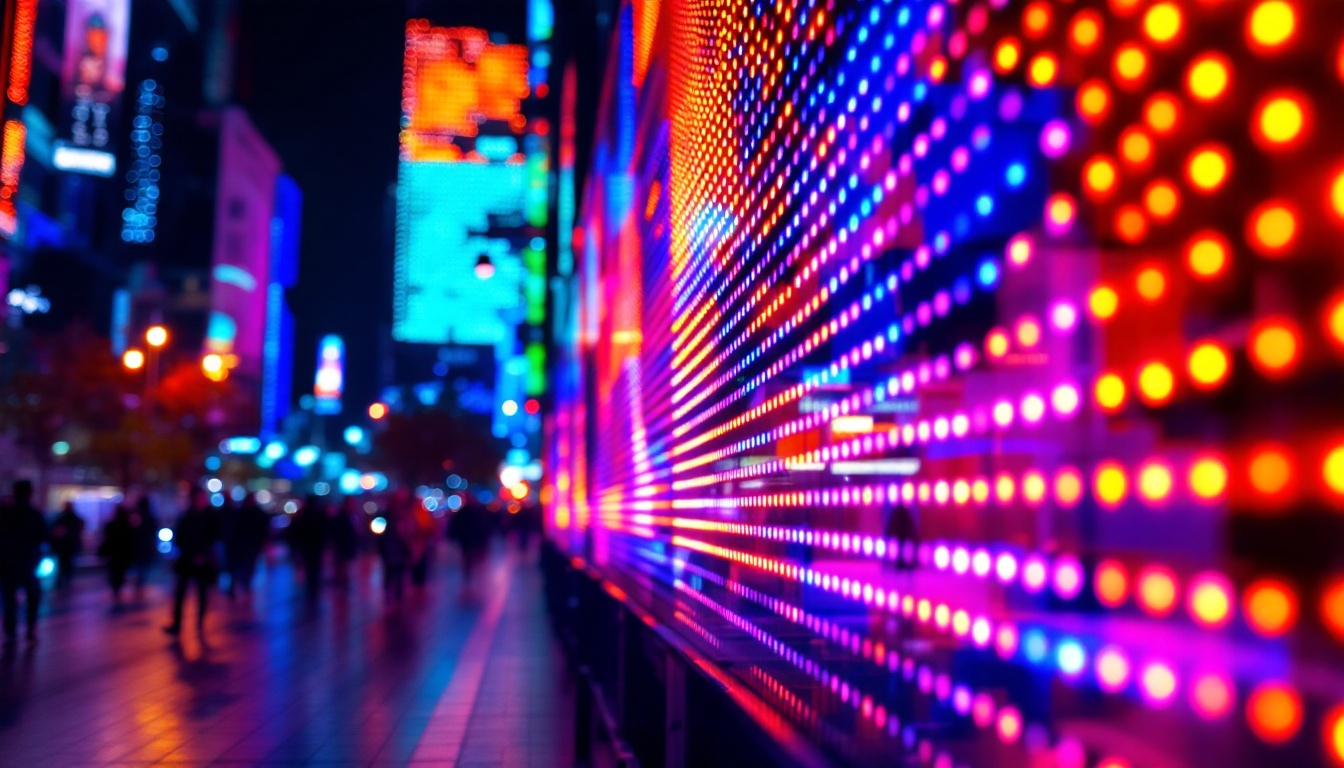
Outdoor LED displays consist of thousands to millions of tiny light-emitting diodes arranged in a grid. Each diode acts as a pixel capable of emitting red, green, and blue light, which combine to create full-color images and videos. The control system adjusts the brightness and color of each pixel based on the input signal, producing vibrant and dynamic content visible even under direct sunlight.
These displays are engineered to withstand harsh outdoor conditions, including rain, wind, dust, and extreme temperatures. Their robust design includes weatherproof enclosures, anti-glare surfaces, and high brightness LEDs that can reach up to 7,000 nits or more, ensuring clear visibility in daylight. Furthermore, many Outdoor P LED displays incorporate advanced thermal management systems to dissipate heat effectively, which is crucial for maintaining performance and longevity in high-temperature environments. The integration of smart technology also allows for real-time monitoring and adjustments, enabling operators to optimize display settings based on changing weather conditions and ambient light levels, ensuring that the content remains eye-catching and effective at all times.
Key Features and Benefits of Outdoor P LED Displays
High Brightness and Visibility
One of the primary advantages of Outdoor P LED displays is their exceptional brightness. Unlike traditional billboards or printed signage, LED displays can achieve brightness levels that make content readable even in direct sunlight. For context, a typical indoor LED display has a brightness of around 800 to 1,200 nits, while outdoor models can exceed 5,000 nits.
This high brightness capability ensures that advertisements, public announcements, or event information remain visible and impactful throughout the day, regardless of weather conditions or ambient light. This is particularly beneficial in urban environments where competing visual stimuli can easily overshadow less vibrant signage. The ability to stand out in a crowded marketplace is crucial for businesses looking to capture consumer attention, making these displays an essential tool for effective outdoor advertising.
Durability and Weather Resistance
Outdoor LED displays are built to endure challenging environmental conditions. Their IP65 or higher-rated enclosures protect against water ingress and dust, while corrosion-resistant materials prevent damage from humidity and pollution. Additionally, these displays incorporate temperature control systems such as fans or heaters to maintain optimal operating conditions.
This durability translates into lower maintenance costs and longer service life, making Outdoor P LED displays a cost-effective solution for long-term outdoor installations. Furthermore, the robust construction of these displays ensures that they can withstand high winds, heavy rain, and extreme temperatures, making them suitable for a wide range of locations—from bustling city centers to remote outdoor venues. This resilience not only enhances the return on investment for businesses but also contributes to a more sustainable approach by reducing the frequency of replacements and repairs.
Flexible Content and Dynamic Messaging
Unlike static signs, LED displays offer the flexibility to change content instantly. Advertisers and city planners can update messages remotely, schedule content based on time or events, and display multimedia content including videos, animations, and live feeds.
This flexibility enhances engagement and allows for targeted communication strategies, such as promoting different products throughout the day or broadcasting emergency alerts in real-time. Moreover, the ability to display interactive content, such as social media feeds or audience polls, can significantly increase viewer interaction and participation. This dynamic nature of Outdoor P LED displays not only captivates audiences but also allows brands to adapt their messaging to current trends or community needs, ensuring that their communications remain relevant and timely.
Choosing the Right Pixel Pitch for Outdoor LED Displays
Factors Influencing Pixel Pitch Selection
Choosing the appropriate pixel pitch for an outdoor LED display depends on several factors, primarily the intended viewing distance and the desired image resolution. A smaller pixel pitch provides higher resolution and sharper images but is more expensive and less visible from very long distances. Conversely, a larger pixel pitch reduces cost and increases visibility at distance but sacrifices image detail.
For example, a P4 or P5 display might be used for digital signage in outdoor shopping centers where viewers are relatively close, while P10 or P16 displays are more suitable for highway billboards viewed from hundreds of meters away. Additionally, the environment plays a crucial role in pixel pitch selection. Urban areas with high foot traffic may benefit from smaller pixel pitches to cater to pedestrians who are closer to the display, while rural settings might prioritize larger pitches for visibility from moving vehicles.
Moreover, the type of content being displayed can also influence the choice of pixel pitch. High-definition video and intricate graphics require finer pixel pitches to maintain clarity and detail, while simple text or static images can be effectively displayed on larger pitches without compromising readability. This consideration is essential for businesses aiming to convey their messages effectively, ensuring that their advertisements are not only eye-catching but also legible from the intended viewing distances.
Industry Standards and Recommendations
Industry experts often recommend a viewing distance of approximately 10 times the pixel pitch for optimal image clarity. This means a P10 display is best viewed from at least 100 meters away. This rule of thumb helps in planning installations to ensure the display meets the audience’s needs effectively. Additionally, it is important to consider the ambient lighting conditions, as brightness and contrast levels can significantly affect visibility. For instance, displays in brightly lit areas may require higher brightness levels and potentially a smaller pixel pitch to ensure that the content remains vibrant and engaging, even in direct sunlight.
Furthermore, advancements in LED technology have led to the development of displays that can adapt to various environmental conditions, allowing for greater flexibility in pixel pitch selection. Features such as automatic brightness adjustment and enhanced color accuracy can help mitigate some of the challenges posed by outdoor settings. As a result, businesses can now make more informed decisions about their display options, tailoring their choices not only to the viewing distance but also to the specific context in which their displays will operate. This holistic approach ensures that outdoor LED displays deliver maximum impact and effectiveness, regardless of their location or intended use.
Applications of Outdoor P LED Displays
Advertising and Marketing
Outdoor LED displays have revolutionized advertising by offering dynamic, eye-catching visuals that can be updated instantly. Brands use these displays in high-traffic areas such as city centers, sports arenas, and transportation hubs to maximize reach and engagement. According to recent market research, the global digital out-of-home (DOOH) advertising market is expected to grow at a compound annual growth rate (CAGR) of over 10% through 2028, driven largely by LED display adoption.
Public Information and Safety
Cities and municipalities deploy Outdoor P LED displays to disseminate critical information such as traffic updates, weather alerts, and emergency notifications. Their high visibility and real-time update capabilities make them invaluable tools for public safety and community communication.
Events and Entertainment
Outdoor LED displays are a staple at concerts, festivals, sports events, and exhibitions. They provide live video feeds, event schedules, and interactive content, enhancing the audience experience. The ability to withstand outdoor conditions while delivering vivid visuals makes them the preferred choice for event organizers worldwide.
Technological Innovations in Outdoor P LED Displays
Advancements in LED Chip Technology
Recent improvements in LED chip manufacturing have led to higher brightness, better color accuracy, and increased energy efficiency. Innovations such as mini-LED and micro-LED technologies are pushing the boundaries of pixel pitch, enabling even smaller pitches for outdoor use without compromising durability.
Smart Control Systems and IoT Integration
Modern Outdoor P LED displays often incorporate smart control systems connected via the Internet of Things (IoT). This integration allows for remote monitoring, predictive maintenance, and automated content management. Such capabilities reduce downtime and optimize operational efficiency, providing significant advantages to operators.
Energy Efficiency and Sustainability
Energy consumption is a critical consideration for large outdoor displays. Manufacturers are increasingly focusing on low-power LEDs and intelligent brightness adjustment technologies that adapt to ambient light conditions. These measures not only reduce operating costs but also contribute to environmental sustainability, aligning with global efforts to reduce carbon footprints.
Installation and Maintenance Considerations
Site Preparation and Structural Requirements
Installing an Outdoor P LED display requires careful site assessment, including structural support, power supply, and environmental factors. The weight and size of the display must be supported by a stable framework, often involving custom engineering solutions for large installations.
Routine Maintenance and Troubleshooting
While outdoor LED displays are designed for durability, regular maintenance is essential to ensure optimal performance. This includes cleaning to remove dust and debris, checking electrical connections, and replacing faulty modules. Many displays feature modular designs that simplify repairs and minimize downtime.
Conclusion: The Future of Outdoor P LED Displays
Outdoor P LED displays represent a powerful convergence of technology, design, and communication. Their ability to deliver bright, durable, and flexible visual content makes them indispensable in advertising, public safety, and entertainment sectors. As LED technology continues to advance, expect to see even higher resolution, smarter controls, and more sustainable solutions shaping the future of outdoor digital displays.
For businesses and organizations looking to enhance their outdoor presence, understanding the nuances of pixel pitch and the capabilities of Outdoor P LED displays is crucial. With the right choice and proper implementation, these displays can transform outdoor spaces into vibrant, engaging communication platforms that captivate audiences and deliver measurable results.
Illuminate Your Space with LumenMatrix
Ready to elevate your outdoor advertising and communication to new heights? Discover LumenMatrix’s innovative LED display solutions, where cutting-edge technology meets captivating design. From vibrant Outdoor LED Wall Displays to dynamic Vehicle LED Displays and beyond, LumenMatrix offers a comprehensive range of products tailored to your unique needs. Embrace the future of visual storytelling and check out LumenMatrix LED Display Solutions today to create unforgettable visual experiences that resonate with your audience.