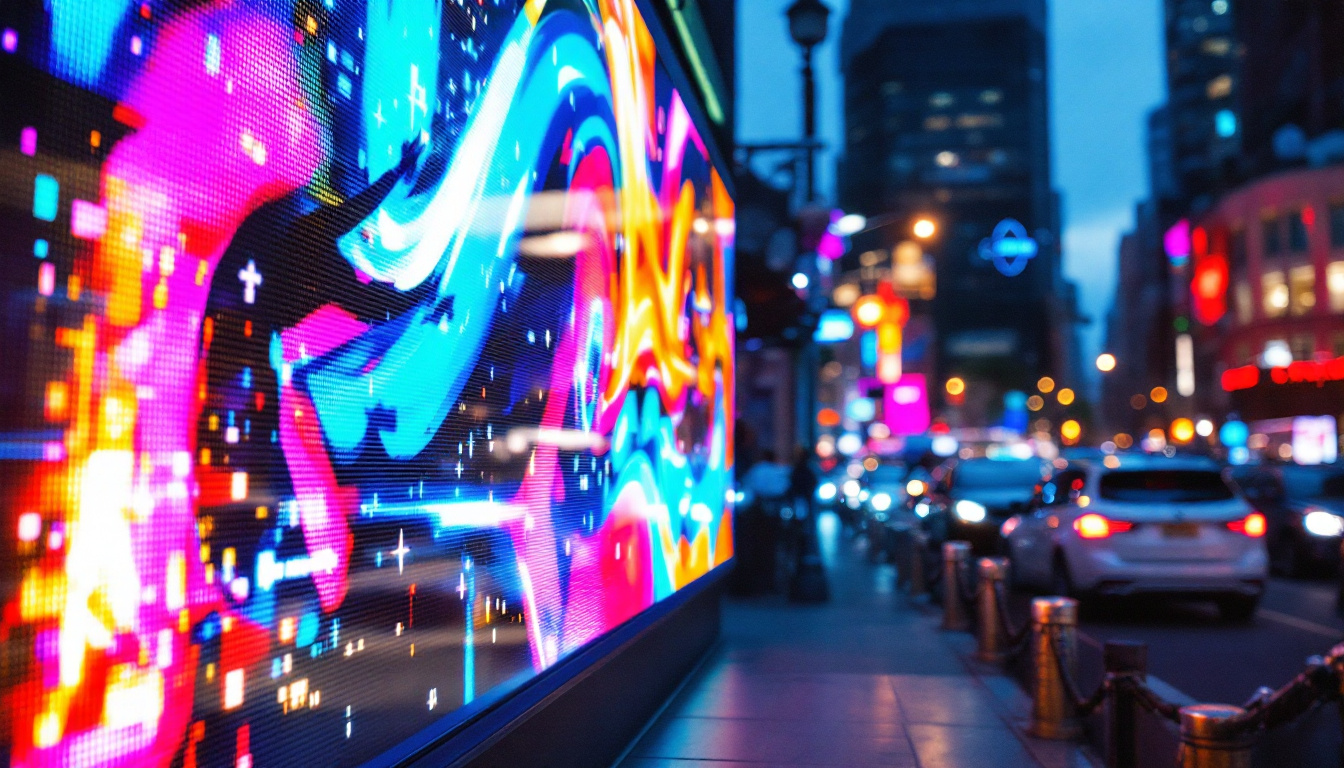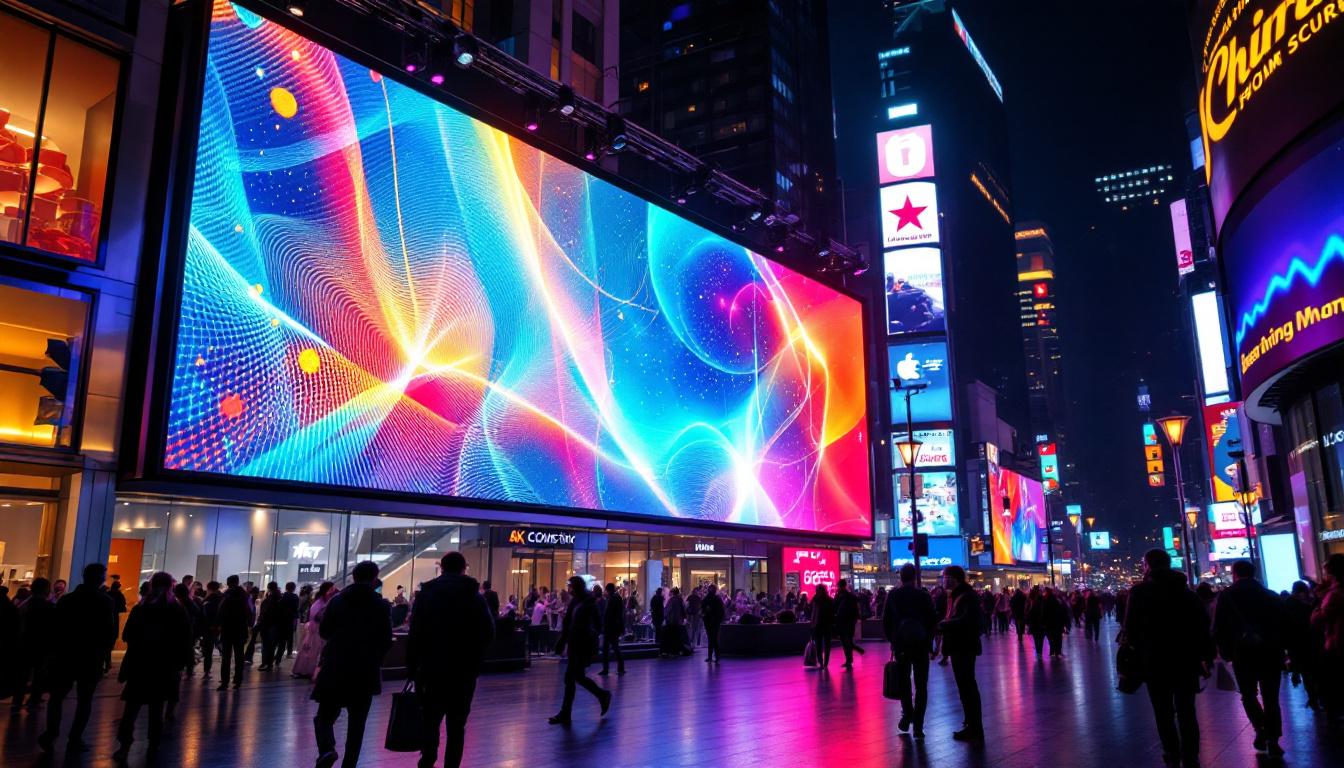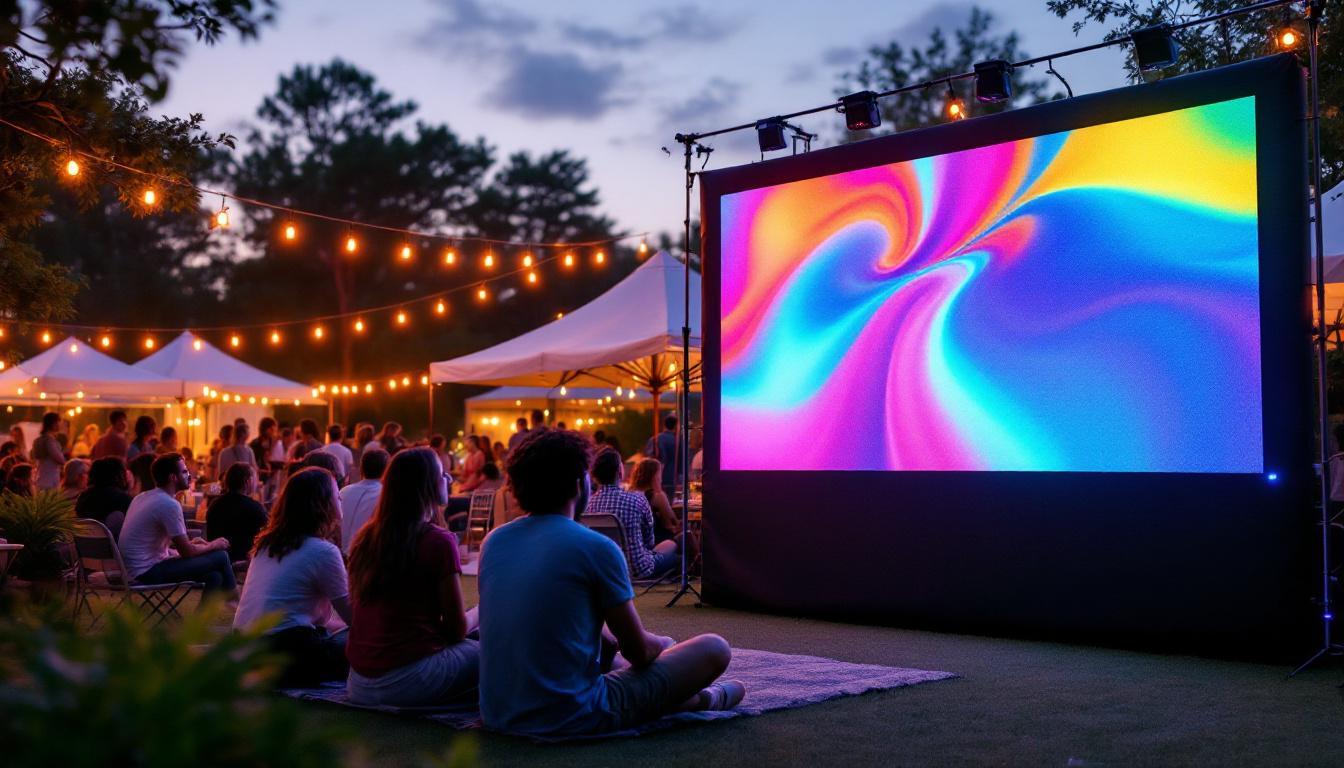
In the modern era of advertising and public information dissemination, outdoor LED screens have become a ubiquitous presence. From bustling city centers to sports arenas and transportation hubs, these vibrant displays captivate audiences with their brightness, clarity, and dynamic content. But what exactly are outdoor LED screens, how do they work, and why have they become the preferred choice for outdoor digital signage? This article delves into the technology behind outdoor LED displays, their key features, applications, and considerations for selecting the right solution.
Understanding Outdoor LED Screens: The Basics
What is an Outdoor LED Screen?
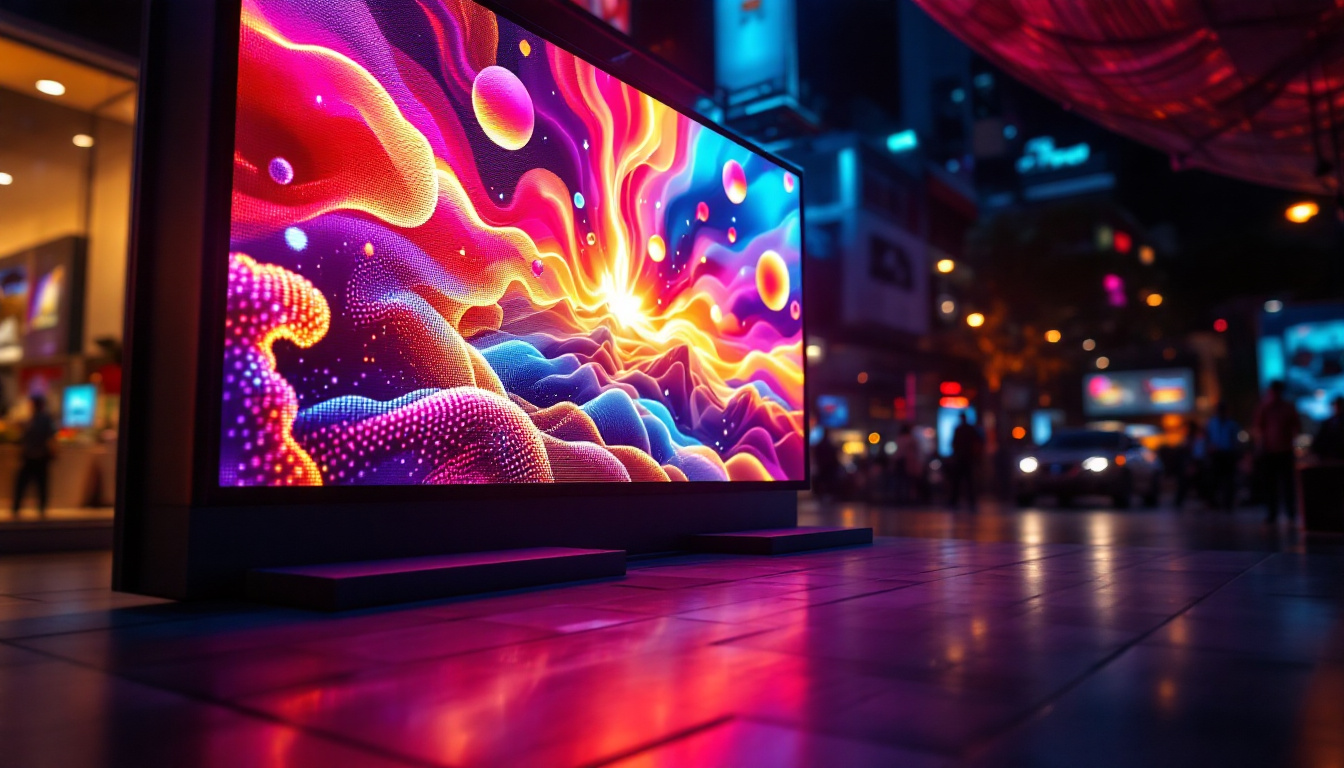
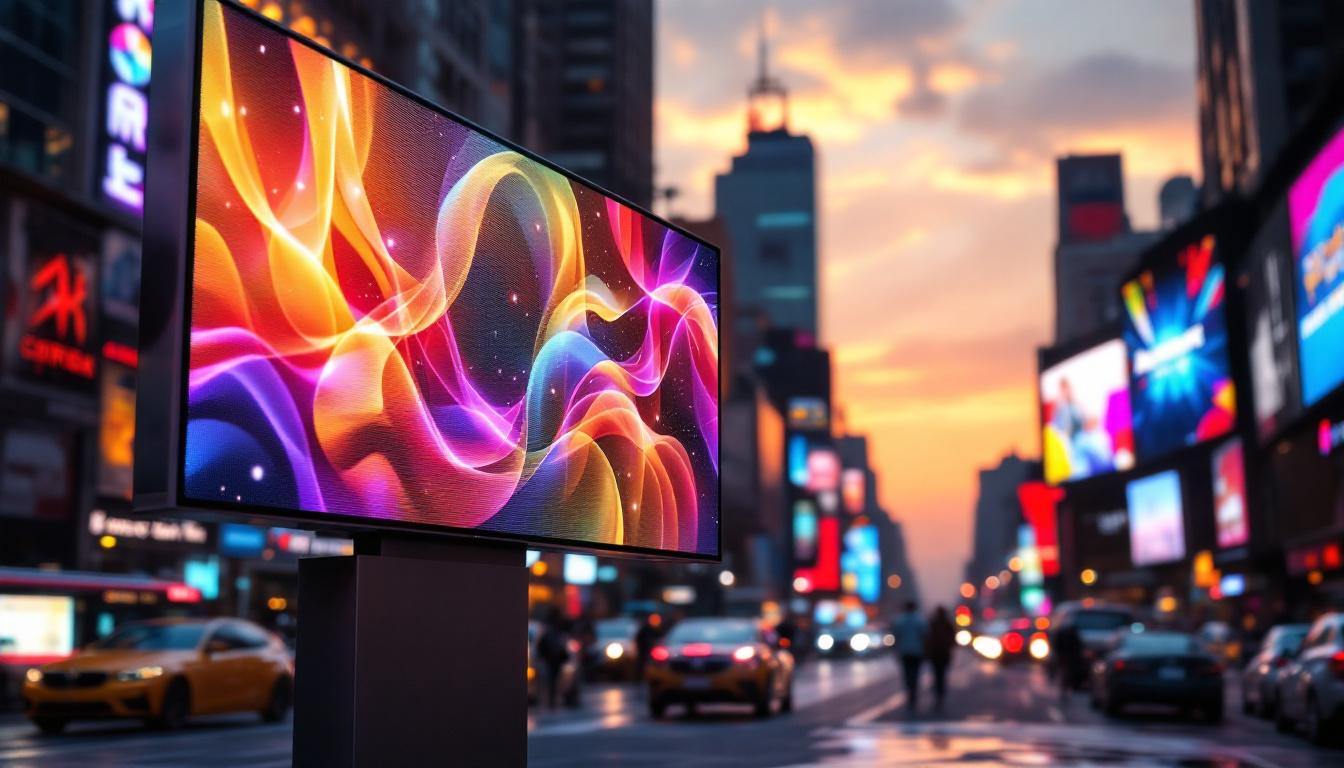
An outdoor LED screen is a large-format digital display composed of numerous light-emitting diodes (LEDs) arranged in a grid. These LEDs emit light in red, green, and blue (RGB) colors, which combine to create full-color images and videos visible even in direct sunlight. Unlike traditional billboards or printed signage, LED screens allow for dynamic content that can be updated in real-time, making them highly versatile for advertising, information sharing, and entertainment.
Outdoor LED screens are specifically engineered to withstand environmental factors such as rain, dust, extreme temperatures, and UV exposure. Their robust design ensures reliable performance in diverse weather conditions, which is essential for installations exposed to the elements. Additionally, many outdoor LED screens come equipped with advanced cooling systems to prevent overheating, ensuring longevity and consistent performance throughout their operational life. This durability not only protects the investment but also enhances the return on investment by reducing maintenance costs and downtime.
How Does an Outdoor LED Display Work?
At the core of an outdoor LED screen is a matrix of tiny LEDs, each capable of producing different colors by adjusting the intensity of red, green, and blue light. These LEDs are grouped into pixels, and the number of pixels per unit area determines the screen’s resolution and image clarity. Higher pixel density results in sharper images, making it crucial for applications where fine detail is important, such as in sports arenas or concert venues.
The display is controlled by a processor that receives input signals—such as video, images, or text—and translates them into commands that activate specific LEDs at precise brightness levels. This process happens rapidly and continuously, creating seamless motion and vibrant visuals. Furthermore, many outdoor LED displays utilize sophisticated software that allows for content scheduling and remote management, enabling operators to change messages or graphics on-the-fly, thus maximizing engagement with the audience. This capability is particularly beneficial for businesses that need to adapt their advertising strategies in real-time based on consumer behavior or seasonal trends.
To ensure visibility under bright outdoor conditions, outdoor LED screens use high-brightness LEDs, often exceeding 5,000 nits (a measure of luminance). This brightness level allows content to remain clear and legible even under direct sunlight, a critical feature distinguishing outdoor LED displays from their indoor counterparts. Moreover, advancements in LED technology have led to improved energy efficiency, allowing these displays to operate effectively while consuming less power, which is not only cost-effective but also environmentally friendly. As a result, outdoor LED screens are becoming increasingly popular in urban settings, where they serve as vibrant canvases for advertising, public announcements, and artistic displays, transforming the visual landscape of cities around the world.
Key Features and Technologies of Outdoor LED Displays
Pixel Pitch and Resolution
Pixel pitch refers to the distance between the centers of two adjacent pixels, typically measured in millimeters. It is a crucial factor influencing the display’s resolution and viewing distance. Outdoor LED screens generally have a larger pixel pitch than indoor screens because they are viewed from greater distances.
For example, a screen with a 10mm pixel pitch means each pixel is 10 millimeters apart. The smaller the pixel pitch, the higher the resolution and image detail, but this also increases the cost. For outdoor advertising, pixel pitches commonly range from 6mm to 20mm, balancing cost, resolution, and intended viewing distance.
Brightness and Contrast
Brightness is one of the most critical specifications for outdoor LED displays. Typical outdoor LED screens offer brightness levels between 5,000 and 10,000 nits, ensuring visibility even in direct sunlight. Contrast ratio—the difference between the brightest white and the darkest black—also plays a significant role in image quality, affecting how vivid and sharp the content appears.
Modern LED modules often incorporate technologies such as local dimming and high dynamic range (HDR) to enhance contrast and color accuracy, delivering more engaging visuals that attract viewers’ attention.
Weatherproofing and Durability
Outdoor LED screens must be designed to endure harsh environmental conditions. They typically feature an IP65 or higher rating, indicating protection against dust ingress and water jets from any direction. This weatherproofing ensures the internal electronics remain safe from damage caused by rain, dust, or humidity.
Additionally, outdoor LED displays are constructed with corrosion-resistant materials and often include temperature control systems such as fans or heaters to maintain optimal operating conditions. These features extend the lifespan of the display and minimize maintenance costs.
Viewing Angle and Color Uniformity
Wide viewing angles are essential for outdoor LED screens to ensure visibility from various positions and distances. Most outdoor LED displays offer horizontal and vertical viewing angles of 120 degrees or more, allowing audiences to see consistent, bright images regardless of their location relative to the screen.
Color uniformity is another important factor, ensuring that colors appear consistent across the entire display surface. Advanced calibration techniques and high-quality LED modules help maintain uniform brightness and color accuracy, enhancing the overall viewing experience.
Applications of Outdoor LED Screens
Advertising and Marketing
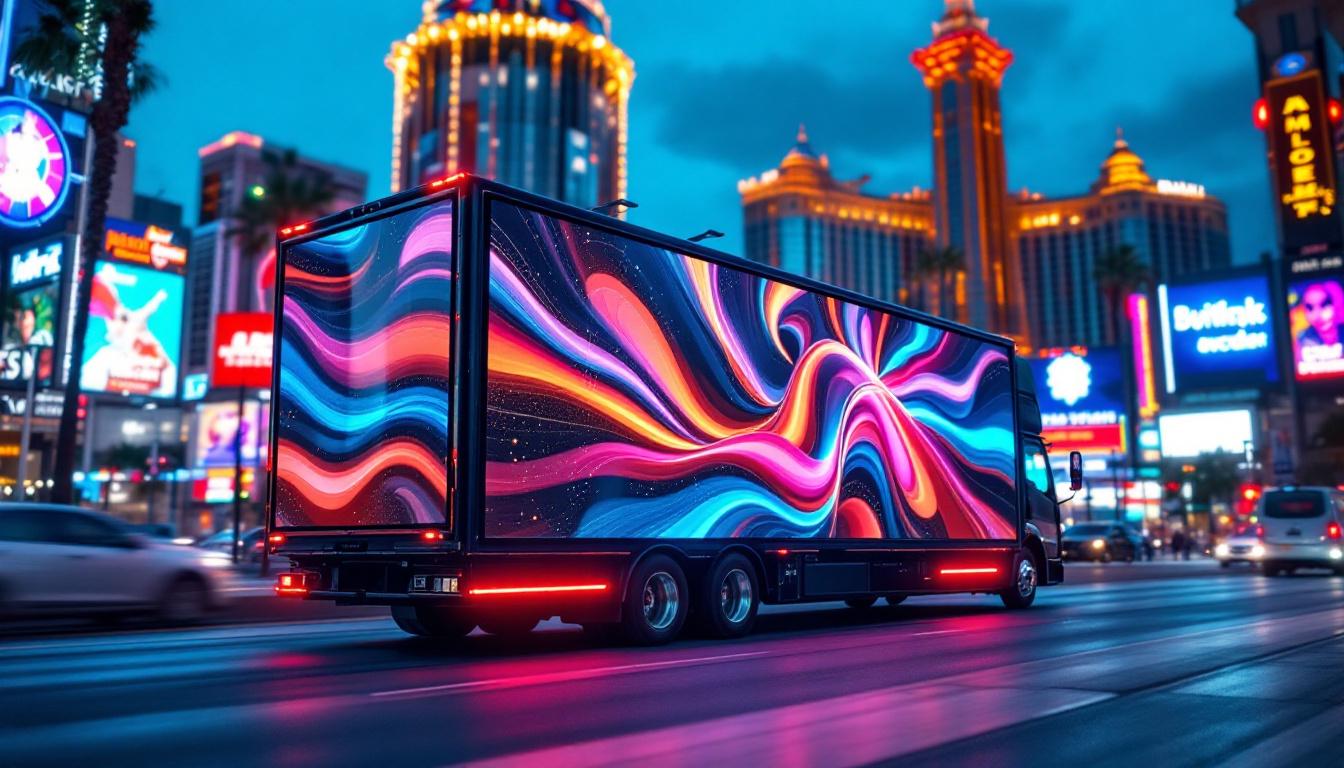
Outdoor LED screens have revolutionized advertising by enabling dynamic, eye-catching campaigns that can be updated instantly. Brands use these displays in high-traffic areas such as shopping malls, city squares, and highways to promote products, events, and services. The ability to schedule content based on time of day or audience demographics adds a layer of targeting that traditional billboards cannot match.
According to industry reports, digital out-of-home (DOOH) advertising, which includes outdoor LED displays, is projected to grow at a compound annual growth rate (CAGR) of over 10% globally through 2027. This growth is driven by the increasing effectiveness and flexibility of LED screens in capturing consumer attention.
Public Information and Transportation
Transportation hubs such as airports, train stations, and bus terminals utilize outdoor LED screens to provide real-time information including arrivals, departures, delays, and safety announcements. These displays improve passenger experience by delivering timely updates in a clear and visible manner.
Municipalities also deploy outdoor LED screens for public service announcements, emergency alerts, and community event promotions. The ability to broadcast critical information quickly during emergencies makes LED screens an invaluable tool for public safety.
Sports and Entertainment Venues
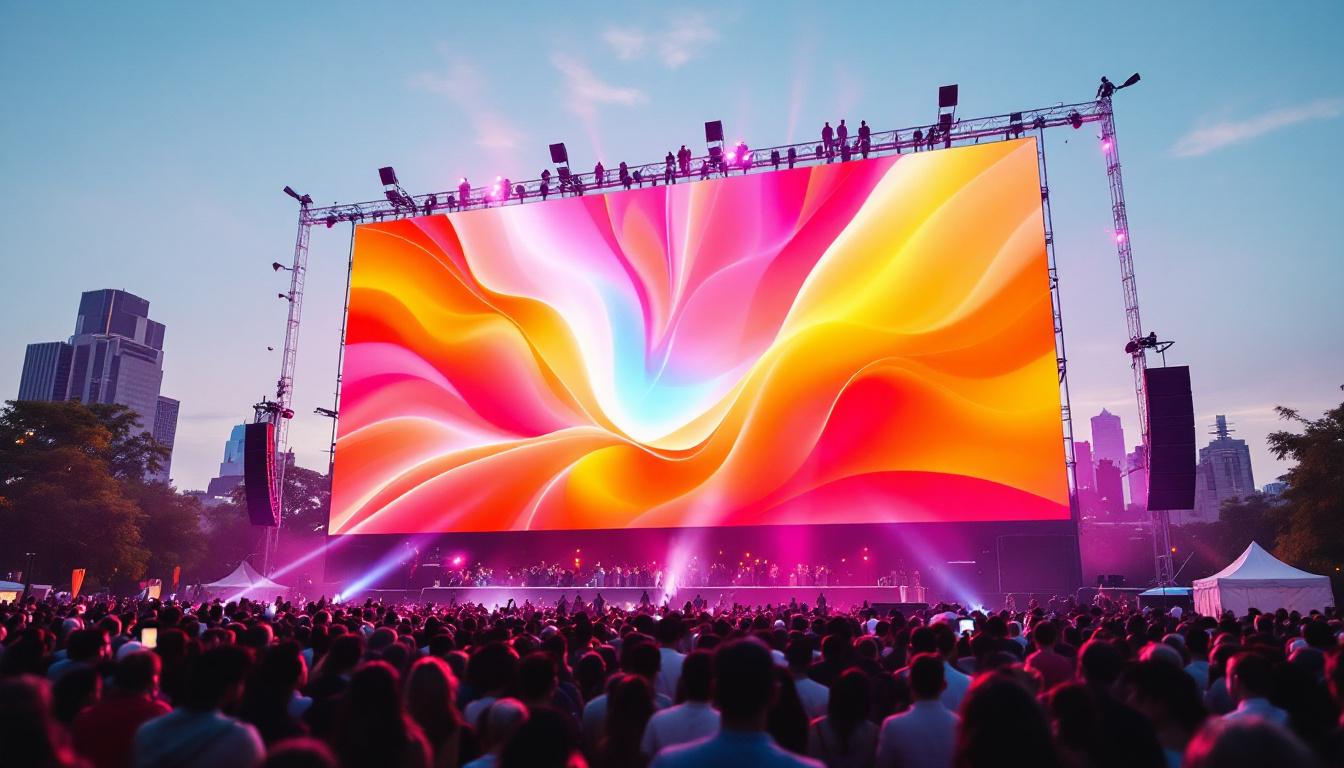
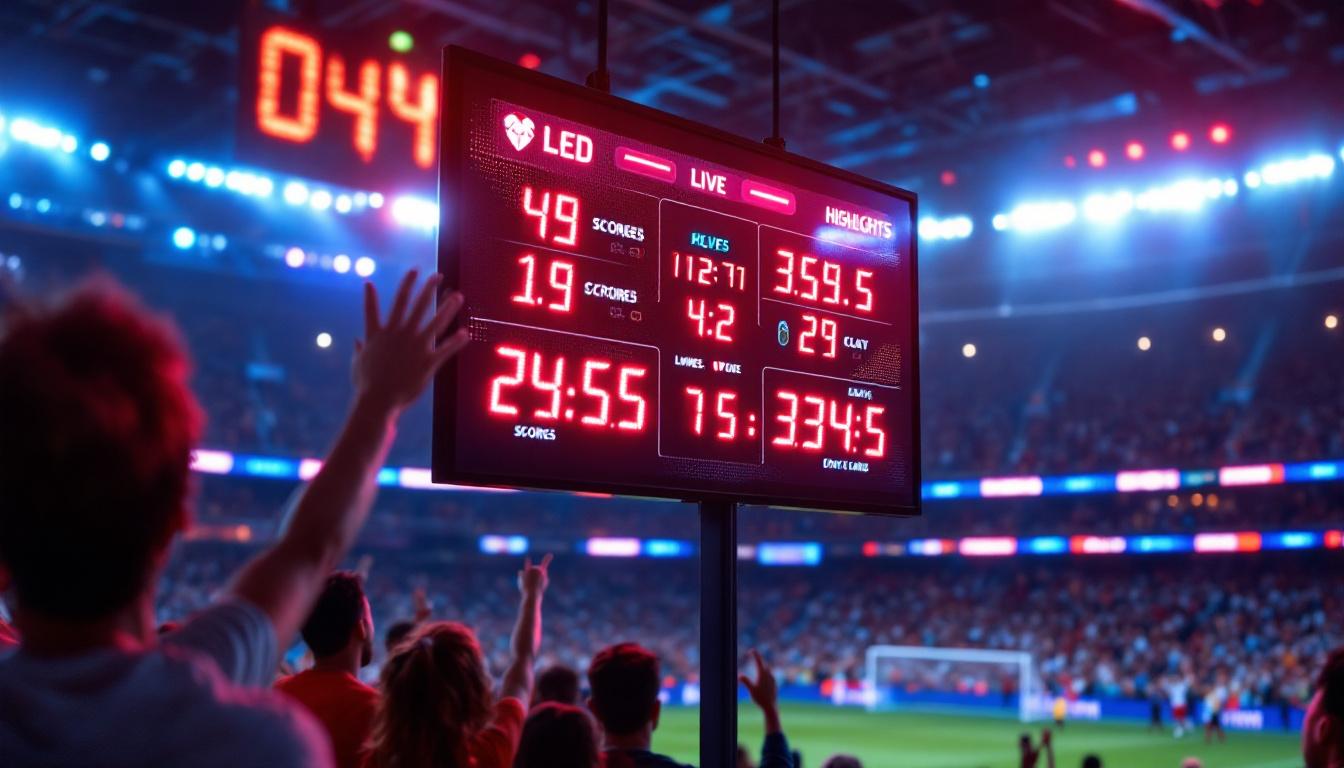
Stadiums and concert venues incorporate large outdoor LED screens to enhance spectator engagement. These displays show live game footage, replays, advertisements, and interactive content, enriching the overall event atmosphere.
In recent years, the trend toward ultra-high-definition LED screens in sports arenas has gained momentum, offering audiences unparalleled visual experiences. For example, the Dallas Cowboys’ AT&T Stadium features one of the largest LED displays in the world, measuring over 160 feet wide and 72 feet tall, demonstrating the scale and impact of modern outdoor LED technology.
Choosing the Right Outdoor LED Screen
Assessing Viewing Distance and Location
One of the first considerations when selecting an outdoor LED screen is the typical viewing distance. Larger pixel pitches are suitable for screens viewed from hundreds of feet away, such as highway billboards, while smaller pixel pitches are better for closer viewing environments like retail storefronts.
Location also influences factors such as brightness requirements and weatherproofing. Screens installed in direct sunlight need higher brightness levels, while those in shaded or covered areas may not require as intense illumination.
Content Management and Connectivity
Effective content management systems (CMS) are vital for maximizing the potential of outdoor LED screens. A robust CMS allows operators to schedule, update, and monitor content remotely, often via cloud-based platforms. Integration with sensors, cameras, or data feeds can enable dynamic, context-aware content that responds to environmental conditions or audience behavior.
Connectivity options such as 4G/5G, Wi-Fi, and Ethernet ensure reliable data transmission, which is essential for real-time content updates and remote troubleshooting.
Energy Efficiency and Maintenance
Energy consumption is an important consideration, especially for large-scale outdoor LED installations. Advances in LED technology have led to more energy-efficient modules that reduce operational costs without compromising brightness or image quality.
Maintenance requirements should also be evaluated. Modular designs that allow for quick replacement of individual LED panels minimize downtime and service costs. Additionally, screens with built-in diagnostics can alert operators to issues before they impact performance.
Future Trends in Outdoor LED Display Technology
MicroLED and MiniLED Innovations
Emerging technologies such as MicroLED and MiniLED promise to push the boundaries of outdoor LED displays further. These technologies feature smaller LED chips, enabling higher resolution and improved color accuracy at larger sizes. As production costs decrease, MicroLED screens are expected to become more prevalent in outdoor applications, offering stunning visual quality with enhanced durability.
Interactive and Smart Displays
The integration of sensors, cameras, and artificial intelligence is transforming outdoor LED screens into interactive platforms. Smart displays can adapt content based on audience demographics, weather conditions, or even social media trends, creating personalized and engaging experiences.
For example, some outdoor LED installations now feature facial recognition or motion detection to trigger specific advertisements or messages, increasing relevance and impact.
Sustainability and Green Technologies
As environmental concerns grow, manufacturers are focusing on sustainable production methods and energy-efficient designs. Solar-powered LED screens and recyclable materials are gaining traction, aligning outdoor digital signage with broader sustainability goals.
Moreover, smarter energy management systems that adjust brightness based on ambient light and usage patterns help reduce the carbon footprint of outdoor LED installations.
Conclusion
Outdoor LED screens represent a powerful communication medium that combines technological sophistication with practical benefits. Their ability to deliver bright, dynamic, and adaptable content in challenging environments makes them indispensable for advertising, public information, and entertainment.
Understanding the technical aspects—such as pixel pitch, brightness, weatherproofing, and content management—helps businesses and organizations make informed decisions when investing in outdoor LED displays. With ongoing innovations in LED technology and smart integration, the future of outdoor digital signage promises even more engaging and sustainable solutions.
As cities and brands continue to embrace digital transformation, outdoor LED screens will remain at the forefront of visual communication, illuminating public spaces with vibrant stories and messages that resonate with diverse audiences worldwide.
Illuminate Your Space with LumenMatrix
Ready to elevate your outdoor space with unparalleled LED display technology? LumenMatrix is at the forefront of crafting immersive visual experiences that captivate and engage. From vibrant Outdoor LED Wall Displays to dynamic Sports and Floor LED Displays, our solutions are designed to bring your vision to life. Discover the transformative power of LumenMatrix LED Display Solutions and let your message shine with brilliance and precision. Check out LumenMatrix LED Display Solutions today and join the revolution in visual communication.