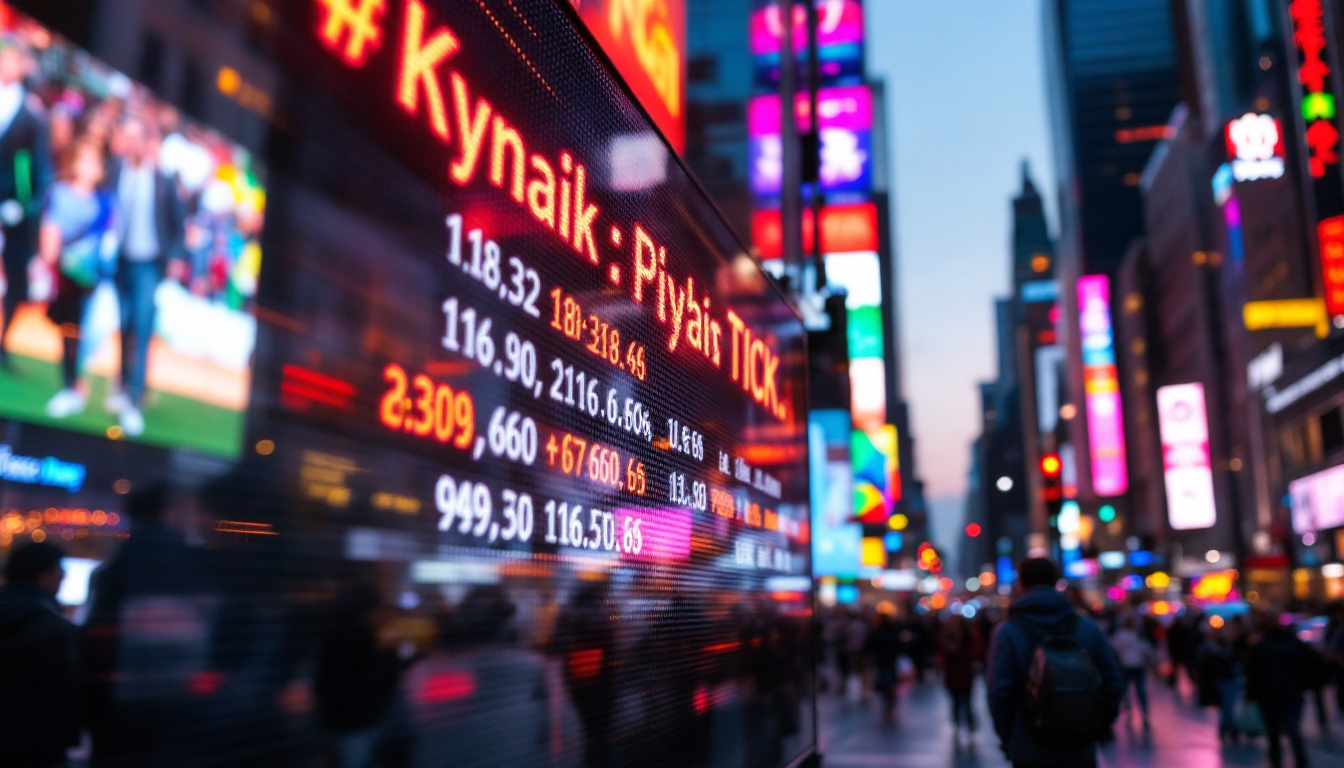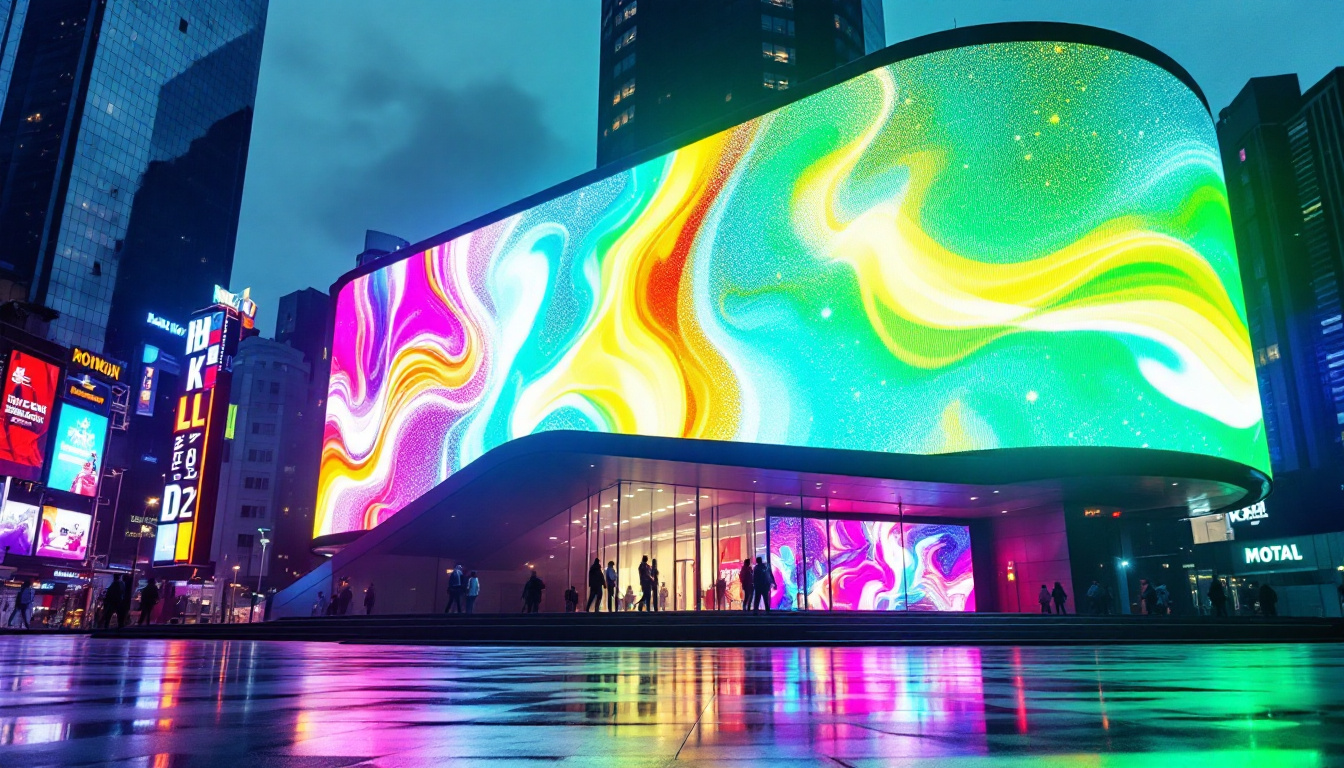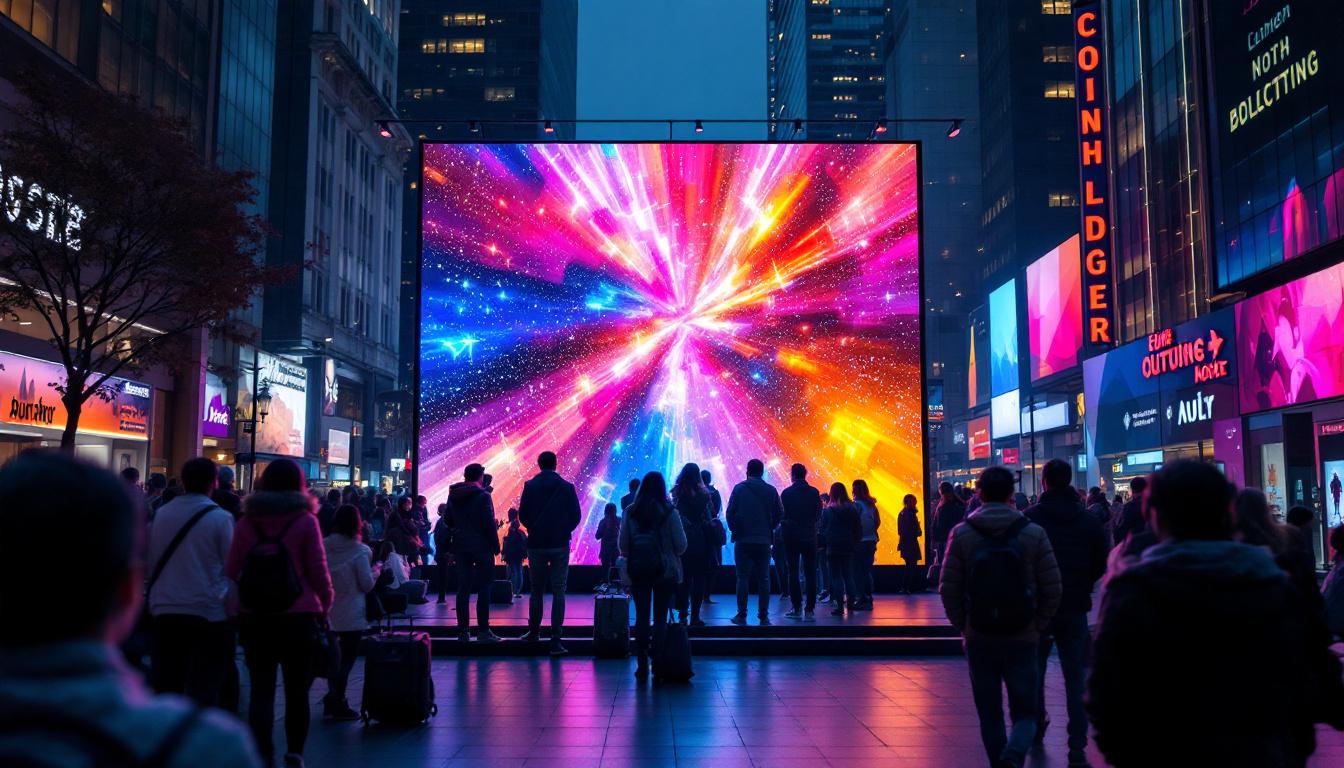
In today’s fast-paced world, capturing public attention is more challenging than ever. Outdoor advertising and information dissemination require solutions that are not only visually striking but also durable and adaptable to varying environmental conditions. LED displays have emerged as a leading technology in outdoor solutions, transforming how businesses, governments, and event organizers communicate with their audiences. This article explores the fundamentals of outdoor LED displays, their advantages, technical considerations, and practical applications.
Understanding Outdoor LED Displays
What Is an Outdoor LED Display?
At its core, an outdoor LED display is a large-scale digital screen composed of numerous light-emitting diodes (LEDs) designed to be viewed from a distance. Unlike traditional billboards or printed signage, LED displays can dynamically change content, offering videos, animations, and real-time updates. Their brightness and color vibrancy make them highly visible even under direct sunlight, which is essential for outdoor environments.
These displays are engineered to withstand harsh weather conditions such as rain, wind, dust, and extreme temperatures. This durability ensures consistent performance and longevity, making them a cost-effective investment over time. Furthermore, the ability to update content remotely means that businesses can quickly adapt their messaging to suit changing circumstances, whether it’s promoting a special event, announcing a sale, or sharing important community information.
Key Components of Outdoor LED Displays
Understanding the components helps appreciate why LED displays are so effective outdoors. The main elements include:
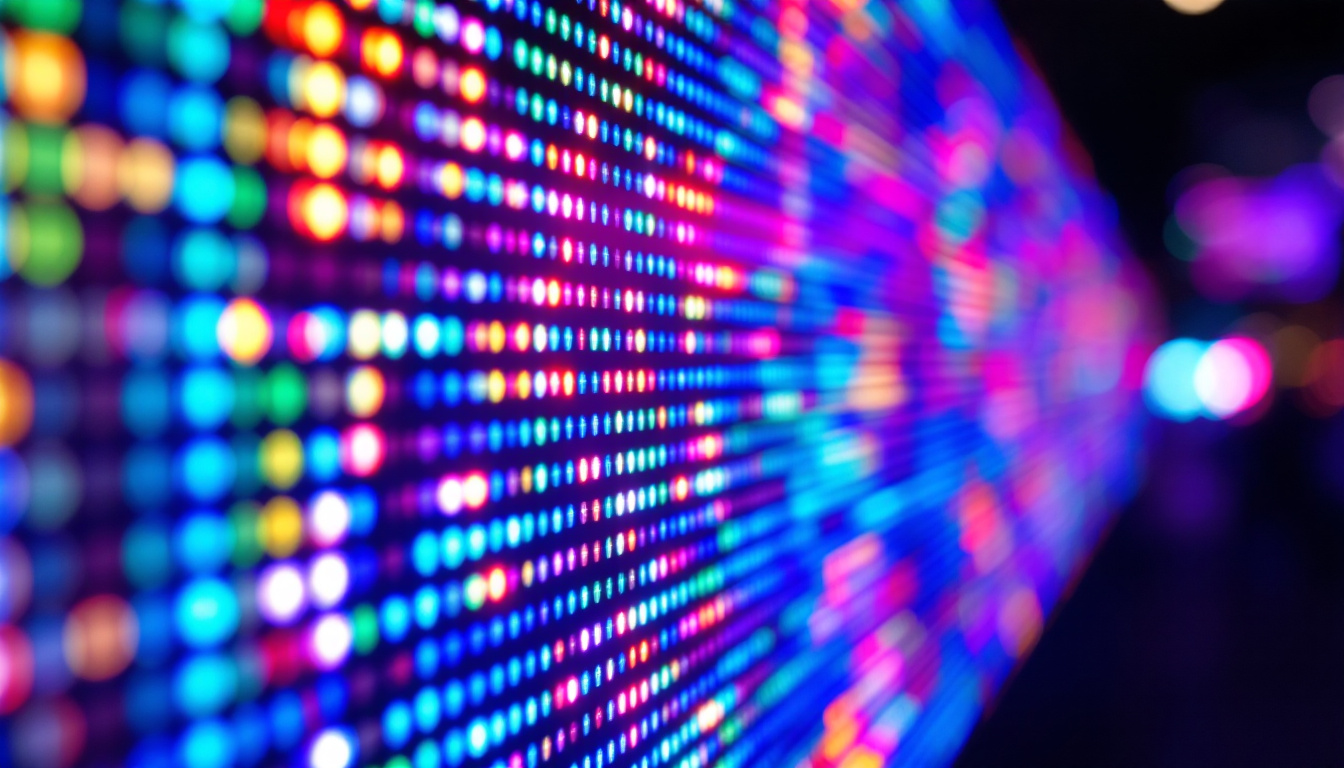
- LED Modules: These are the basic building blocks, consisting of multiple LEDs arranged in a grid. The density of LEDs (known as pixel pitch) determines the resolution and clarity.
- Cabinet: The protective casing that houses the LED modules and electronic components. It is designed for weather resistance and heat dissipation.
- Power Supply: Provides consistent power to the display, often with backup systems to prevent outages.
- Control System: Software and hardware that manage content display, scheduling, brightness adjustment, and diagnostics.
In addition to these core components, outdoor LED displays often incorporate advanced technologies such as sensors for ambient light detection, which automatically adjust brightness levels based on surrounding light conditions. This feature not only enhances visibility but also conserves energy, making the displays more environmentally friendly. Moreover, many modern outdoor LED displays are equipped with connectivity options such as Wi-Fi or cellular data, allowing for seamless updates and remote management from virtually anywhere. This capability is particularly advantageous for businesses that operate multiple locations, as it simplifies the process of maintaining consistent branding and messaging across all displays.
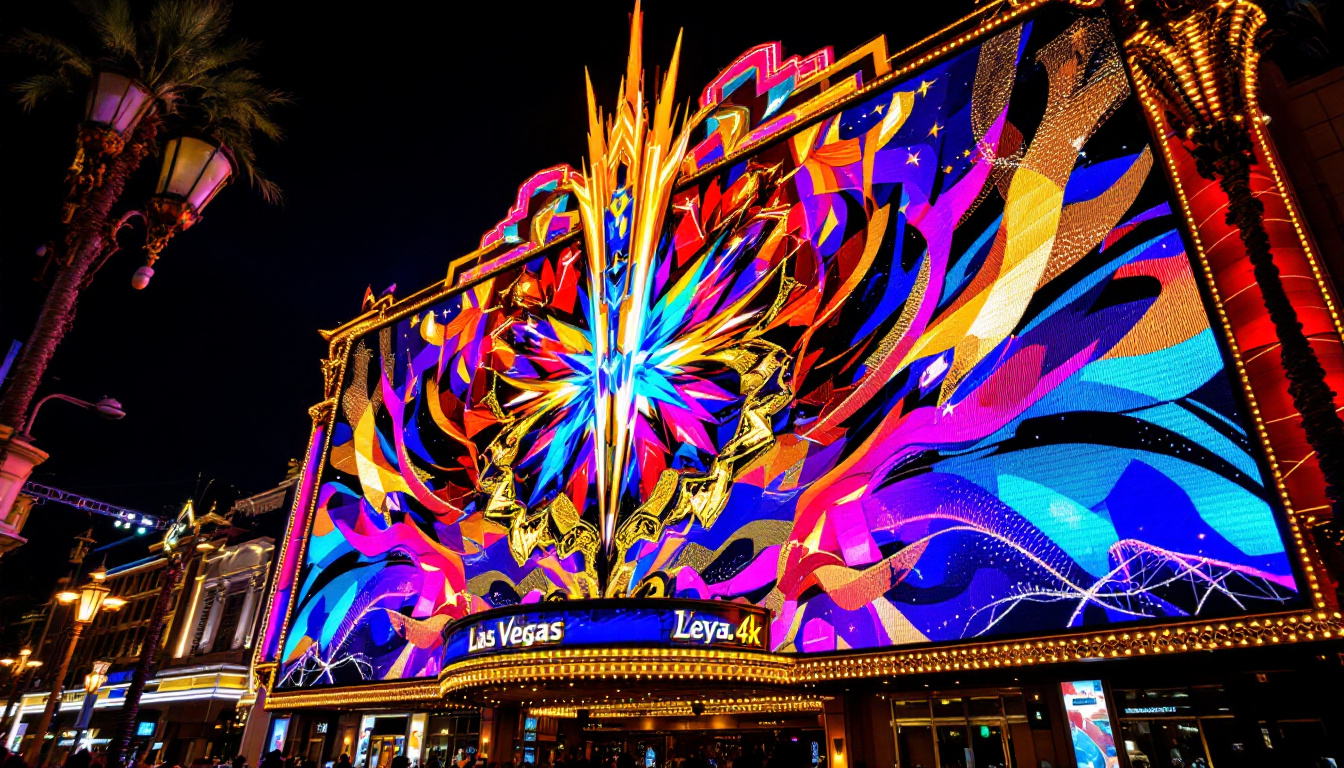
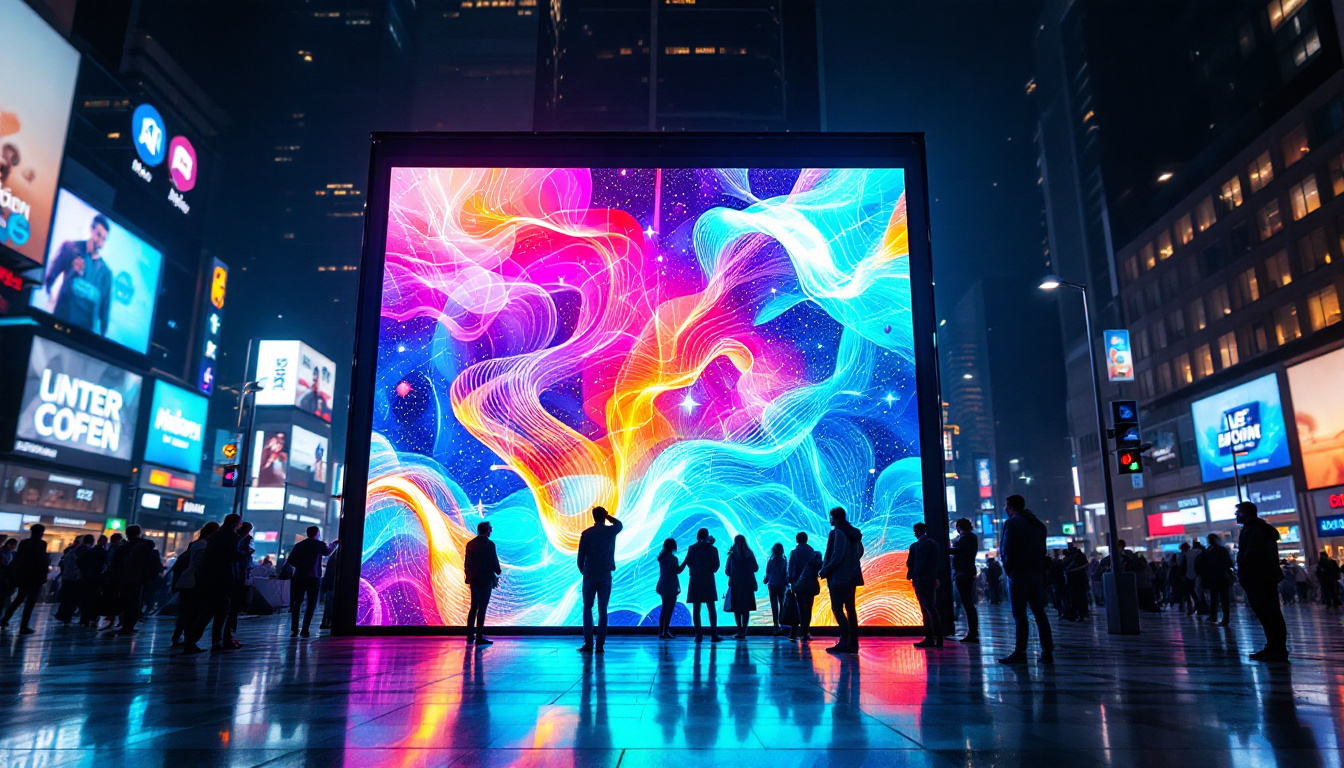
Another noteworthy aspect of outdoor LED displays is their versatility in application. They are not limited to advertising; they can also serve as information boards in public spaces, entertainment screens at sports venues, or even as artistic installations in urban environments. This adaptability makes them a popular choice for municipalities looking to engage citizens and enhance public spaces with dynamic visual content. As technology continues to evolve, we can expect to see even more innovative uses for outdoor LED displays, further solidifying their role in modern communication and advertising strategies.
Advantages of Outdoor LED Displays
High Visibility and Brightness
One of the most significant benefits of outdoor LED displays is their exceptional brightness. Modern LED technology can reach brightness levels exceeding 5,000 nits, which is roughly 10 times brighter than indoor screens. This ensures content remains visible even in direct sunlight, a crucial factor for outdoor advertising and public information systems. The ability to maintain clarity and vibrancy in various lighting conditions allows brands to effectively capture the attention of passersby, driving higher foot traffic and engagement. Furthermore, the advanced technology behind these displays minimizes glare and enhances color contrast, ensuring that messages are not only seen but also understood at a glance.
Dynamic and Flexible Content
Unlike static billboards, LED displays enable dynamic content updates. Businesses can schedule different advertisements throughout the day, display live news feeds, weather updates, or social media streams. This flexibility enhances engagement and allows for real-time communication, which is invaluable for events, emergency notifications, or promotional campaigns. For instance, a restaurant can showcase its daily specials or happy hour deals, while a sports venue can provide live scores and updates during games. The ability to tailor content to specific audiences at different times of the day maximizes the effectiveness of advertising strategies, making outdoor LED displays a powerful tool for marketers.
Energy Efficiency and Longevity
LED technology is inherently energy-efficient compared to other lighting and display technologies. Outdoor LED displays consume less power while providing superior brightness. Additionally, LEDs have a long operational life, often exceeding 100,000 hours, reducing maintenance and replacement costs. This longevity not only translates to cost savings for businesses but also contributes to environmental sustainability. By consuming less energy and requiring fewer replacements, outdoor LED displays help reduce the overall carbon footprint associated with advertising and public information dissemination. As more companies prioritize eco-friendly practices, the adoption of LED technology becomes an increasingly attractive option.
Weather Resistance and Durability
Outdoor LED displays are built to endure environmental challenges. They typically have an Ingress Protection (IP) rating of IP65 or higher, meaning they are dust-tight and protected against water jets. This robustness ensures reliable operation in rain, snow, or dusty conditions, making them suitable for diverse geographic locations. Manufacturers often incorporate additional protective features, such as UV-resistant coatings and reinforced casings, to further enhance durability. This means that even in extreme weather conditions, such as intense heat or freezing temperatures, these displays continue to operate effectively, ensuring that critical information is always accessible. The resilience of outdoor LED displays makes them a long-term investment for businesses looking to maintain visibility and communication, regardless of external factors.
Technical Considerations for Outdoor LED Displays
Pixel Pitch and Resolution
Pixel pitch refers to the distance between the centers of two adjacent LEDs, usually measured in millimeters. A smaller pixel pitch means higher resolution and sharper images, which is desirable for displays viewed from closer distances. For outdoor displays, pixel pitches typically range from 4mm to 20mm, depending on viewing distance and application.
For example, a billboard visible from a highway may use a 16mm or 20mm pixel pitch, while a display in a public square where viewers are closer might use a 6mm or 8mm pitch. Selecting the appropriate pixel pitch ensures optimal image quality without unnecessary cost.
Brightness and Contrast Ratio
Brightness is measured in nits, and outdoor LED displays generally require a minimum of 5,000 nits to remain visible under direct sunlight. Some advanced models can reach up to 10,000 nits, enhancing visibility during bright days.
The contrast ratio, or the difference between the brightest and darkest parts of the image, also affects image clarity. High contrast ratios improve readability and color vibrancy, especially in varying lighting conditions.
Viewing Angle and Distance
Outdoor LED displays are designed with wide viewing angles, often exceeding 120 degrees horizontally and vertically. This ensures that content is visible from multiple directions, which is essential for public spaces like streets, stadiums, or transportation hubs.
Viewing distance is another critical factor. The display size and pixel pitch should be chosen to match the expected distance of the audience. For instance, a large roadside display intended for drivers moving at high speeds needs to be readable from hundreds of meters away.
Power Consumption and Heat Management
Although LEDs are energy-efficient, large outdoor displays still require significant power. Efficient power supply units and energy-saving features like automatic brightness adjustment based on ambient light help reduce operational costs.
Heat dissipation is equally important. Excess heat can reduce LED lifespan and performance. Outdoor LED cabinets are designed with ventilation systems or heat sinks to maintain optimal operating temperatures.
Installation and Maintenance
Proper installation is crucial for safety and performance. Outdoor LED displays are typically mounted on building facades, billboards, poles, or custom structures. Structural integrity must be assessed to support the weight and withstand wind loads.
Maintenance involves regular cleaning to remove dust and debris, firmware updates for control systems, and periodic checks of electrical components. Many modern displays include remote monitoring systems that alert operators to potential issues, minimizing downtime.
Applications of Outdoor LED Displays
Advertising and Marketing
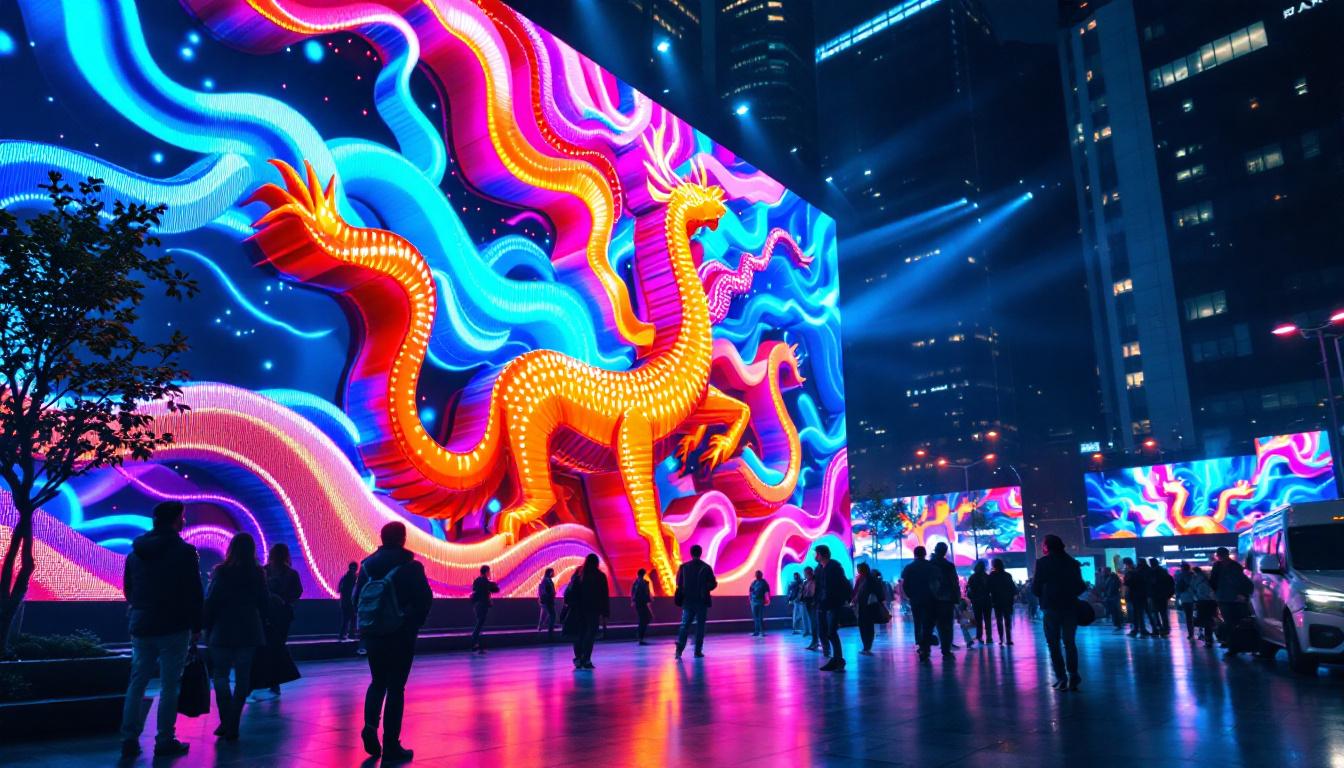
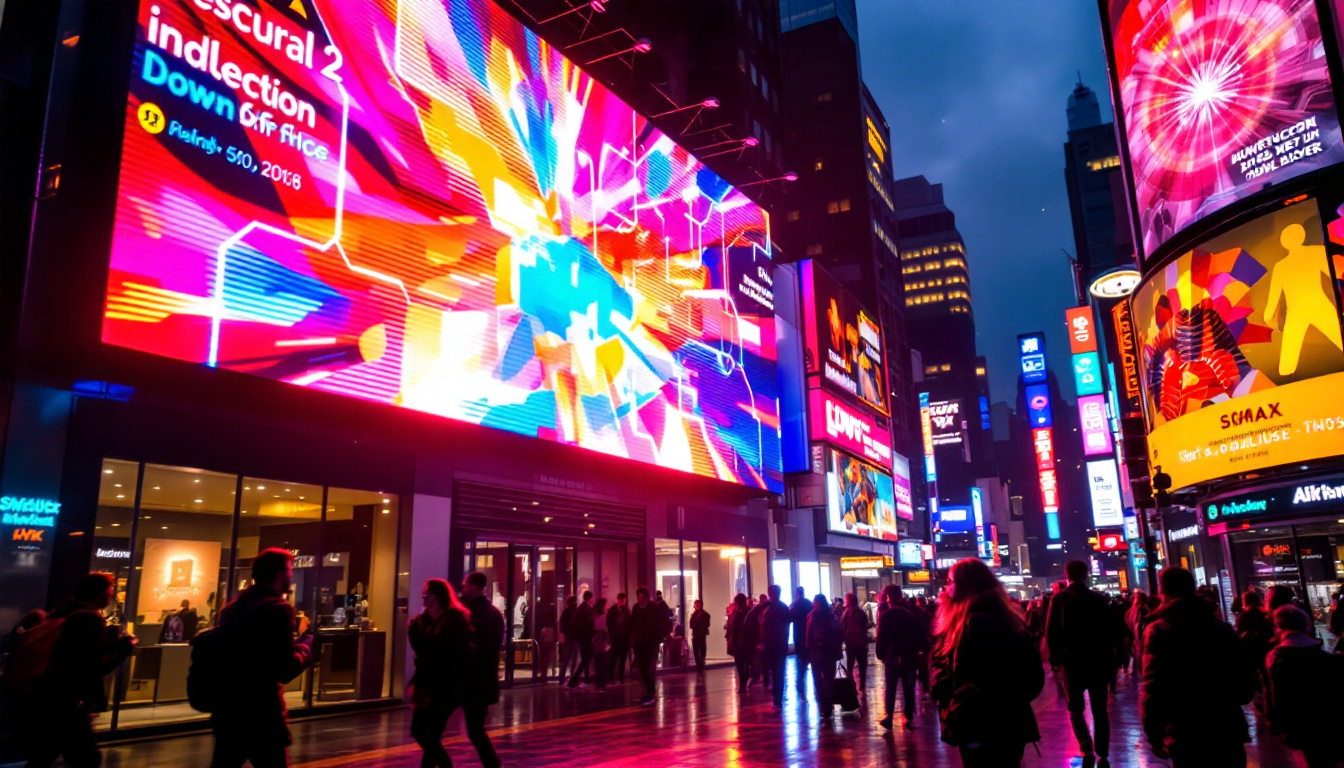
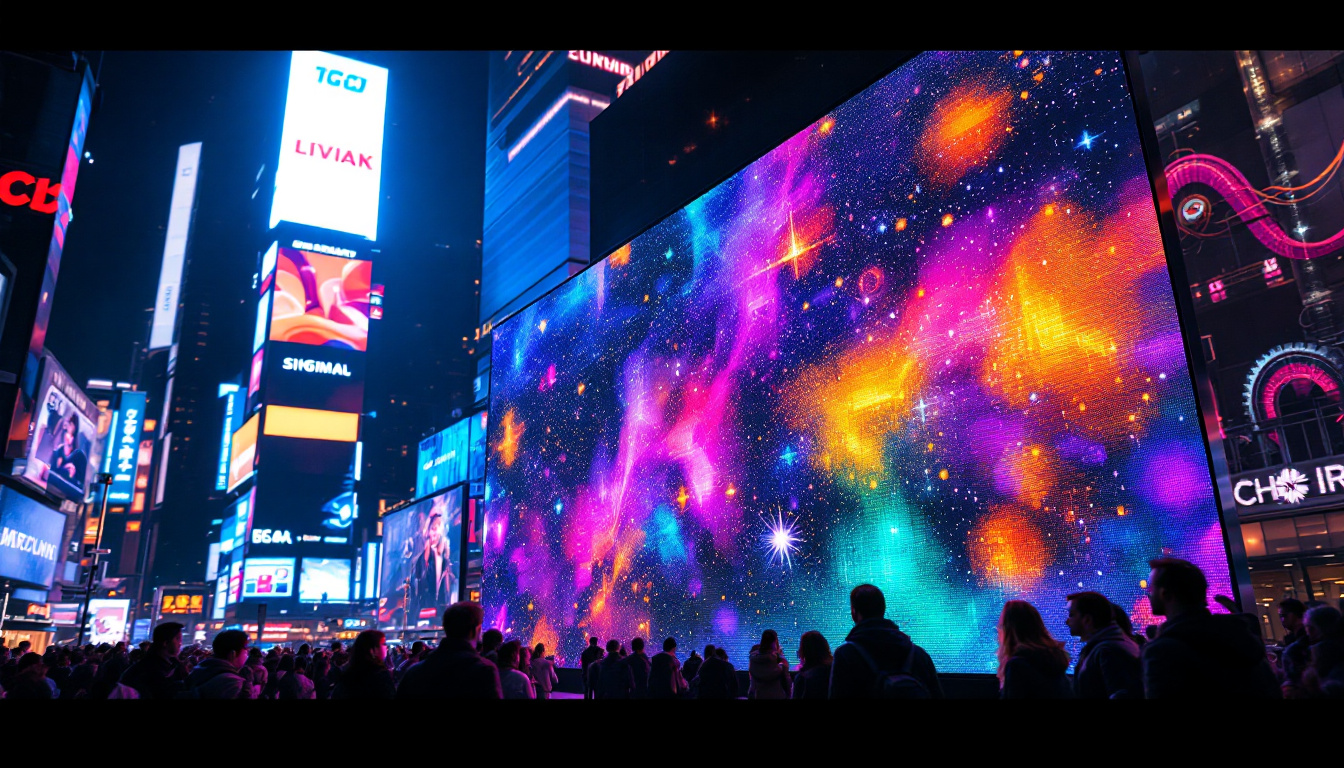
Outdoor LED displays have revolutionized advertising by enabling dynamic, eye-catching campaigns. Major cities worldwide feature LED billboards in high-traffic areas, such as Times Square in New York or Piccadilly Circus in London. These displays allow brands to showcase multiple ads, tailor messages by time of day, and even interact with audiences through social media integration.
Studies show that digital billboards can increase brand recall by up to 47% compared to static signs, making them a powerful tool for marketers seeking high-impact visibility.
Public Information and Safety
Governments and municipalities deploy outdoor LED displays to communicate vital information. This includes traffic updates, weather warnings, emergency alerts, and event announcements. The ability to instantly update content is critical during emergencies, such as natural disasters or public safety incidents.
For example, during severe weather events, LED displays can broadcast evacuation routes or shelter locations, helping to save lives and reduce confusion.
Sports and Entertainment Venues
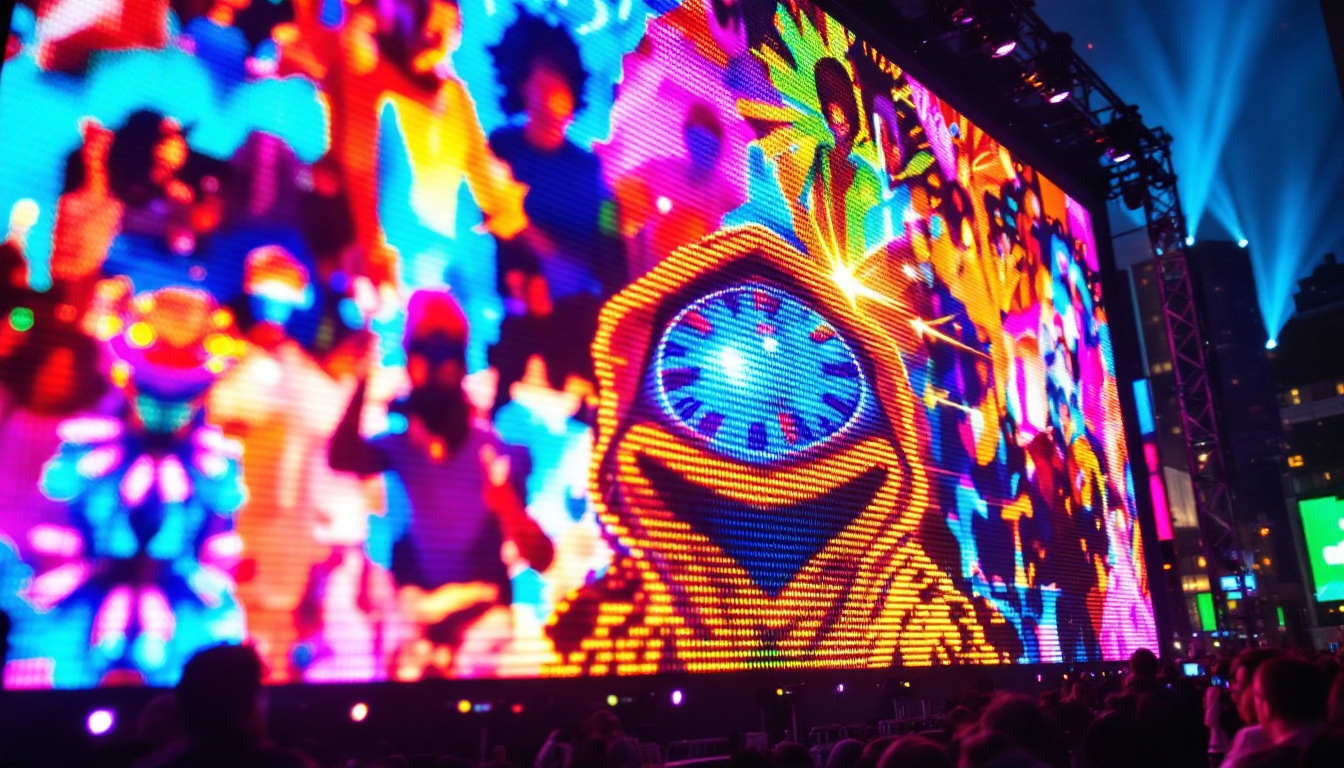
Stadiums and arenas use large outdoor LED displays to enhance the spectator experience. These screens show live game footage, instant replays, advertisements, and interactive content. Their brightness and resolution ensure visibility even in daylight, contributing to an immersive environment.
Transportation Hubs
Airports, train stations, and bus terminals utilize outdoor LED displays for scheduling, gate information, and passenger announcements. The clarity and flexibility of LED technology improve traveler convenience and operational efficiency.
Future Trends in Outdoor LED Display Technology
MicroLED and MiniLED Innovations
Emerging technologies such as MicroLED and MiniLED promise even higher resolution and better energy efficiency. These advancements will enable thinner, lighter displays with improved color accuracy and contrast, expanding the possibilities for outdoor applications.
Integration with Smart City Infrastructure
Outdoor LED displays are increasingly integrated into smart city ecosystems. Connected to IoT networks, these displays can provide real-time data, interact with mobile devices, and adapt content based on environmental sensors. This integration enhances urban communication and public engagement.
Enhanced Interactivity and AI
Artificial intelligence and interactive technologies are transforming LED displays into engaging platforms. Gesture recognition, facial detection, and personalized advertising are becoming more common, allowing for tailored user experiences and higher engagement rates.
Conclusion
Outdoor LED displays represent a versatile and powerful solution for modern communication challenges. Their brightness, durability, and dynamic capabilities make them ideal for advertising, public information, entertainment, and transportation sectors. As technology continues to evolve, outdoor LED displays will become even more integrated, interactive, and efficient, shaping the future of urban environments and public engagement.
For businesses and organizations seeking to make a lasting impression in outdoor spaces, investing in LED display technology offers a compelling combination of visibility, flexibility, and sustainability.
Illuminate Your Message with LumenMatrix
Ready to elevate your outdoor communication strategy? Discover the transformative power of LumenMatrix’s advanced LED display technology. From vibrant outdoor displays that withstand the elements to interactive and customizable solutions, LumenMatrix is at the forefront of creating visual experiences that captivate and engage. Whether for advertising, public information, or entertainment, our LED solutions are designed to meet the diverse needs of any sector. Check out LumenMatrix LED Display Solutions and start making a lasting impression in outdoor spaces today.