In today’s fast-paced world, outdoor advertising and public information systems are increasingly relying on advanced display technologies to capture attention and convey messages effectively. Among these technologies, LED displays have become the gold standard for outdoor TVs and digital signage. But what exactly makes LED displays so well-suited for outdoor environments? This article delves into the fundamentals of outdoor LED displays, exploring their technology, advantages, applications, and considerations for choosing the right setup.
Understanding LED Display Technology
What is an LED Display?
LED stands for Light Emitting Diode, a semiconductor device that emits light when an electric current passes through it. An LED display is essentially a matrix of these tiny diodes arranged to form images, videos, or text. Unlike traditional LCD or plasma screens, LED displays generate their own light, which makes them exceptionally bright and visible even under direct sunlight.
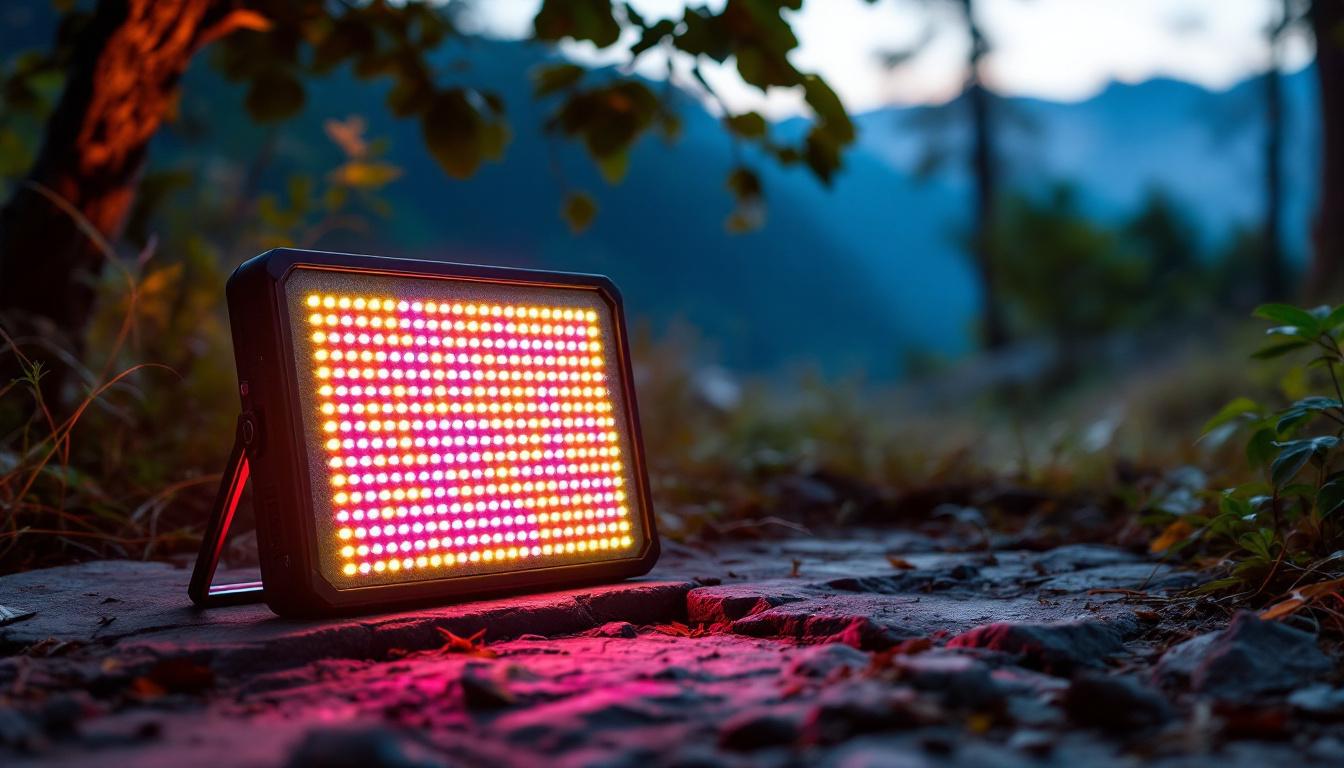
Outdoor LED displays are designed with weather-resistant materials and enhanced brightness levels to withstand environmental challenges. They come in various pixel pitches, which determine the resolution and viewing distance. Pixel pitch refers to the distance between the centers of two adjacent LEDs, measured in millimeters. A smaller pixel pitch means higher resolution and sharper images but usually at a higher cost.
Moreover, the energy efficiency of LED displays is a significant advantage, as they consume less power compared to traditional display technologies. This not only reduces operational costs but also contributes to a lower carbon footprint, making them a more sustainable choice for businesses and organizations. With advancements in technology, modern LED displays are also equipped with smart features, allowing for remote management and real-time content updates, which can be particularly beneficial for advertising and informational purposes.
Types of LED Displays Used Outdoors
There are primarily two types of LED displays used in outdoor settings: Surface-Mounted Device (SMD) and Through-Hole LEDs. SMD LEDs are compact and allow for higher pixel density, resulting in better image quality and smoother color gradients. They are commonly used for high-resolution outdoor TVs and digital billboards.
Through-hole LEDs, on the other hand, are larger and more robust, making them ideal for large-scale displays where viewing distance is greater. These are often used in stadium screens, highway billboards, and other massive installations. The choice between SMD and Through-Hole technology often depends on the specific application and the environment in which the display will be used. For instance, SMD displays are favored in urban settings where viewers are closer, while Through-Hole displays are typically chosen for expansive areas where the audience is further away.
Additionally, the versatility of LED displays extends beyond just advertising; they are also utilized in various sectors such as transportation for information signage, in sports arenas for live event coverage, and even in art installations for creative expression. The ability to customize content dynamically allows businesses and organizations to engage audiences in innovative ways, making LED displays a powerful tool in modern communication strategies.
Key Advantages of Outdoor LED Displays
Superior Brightness and Visibility
One of the most significant advantages of LED displays is their exceptional brightness. Outdoor LED TVs typically offer brightness levels ranging from 2,500 to over 5,000 nits (a measure of luminance), which is far beyond what standard indoor TVs provide. This high brightness ensures that content remains visible even in direct sunlight, a critical factor for outdoor advertising and public information displays.
Moreover, LED displays have excellent contrast ratios and color accuracy, which contribute to vivid and eye-catching visuals. This makes them highly effective for grabbing the attention of passersby and conveying messages clearly.
Durability and Weather Resistance
Outdoor environments expose displays to rain, dust, extreme temperatures, and UV radiation. LED displays designed for outdoor use incorporate protective features such as waterproof casings, anti-corrosion coatings, and temperature regulation systems. Many outdoor LED TVs come with an IP65 or higher rating, indicating strong protection against dust and water ingress.
This durability ensures that outdoor LED displays maintain their performance and longevity even under harsh weather conditions, reducing maintenance costs and downtime.
Energy Efficiency and Longevity
Compared to other outdoor display technologies like fluorescent or incandescent lighting, LEDs are far more energy-efficient. They consume less power while delivering higher brightness, which translates to lower operational costs over time. Additionally, LED displays typically have a lifespan of 50,000 to 100,000 hours, depending on usage and environmental factors.
This longevity makes LED displays a cost-effective investment for businesses and municipalities looking to deploy outdoor TVs or digital signage for extended periods.
Applications of Outdoor LED Displays
Advertising and Marketing
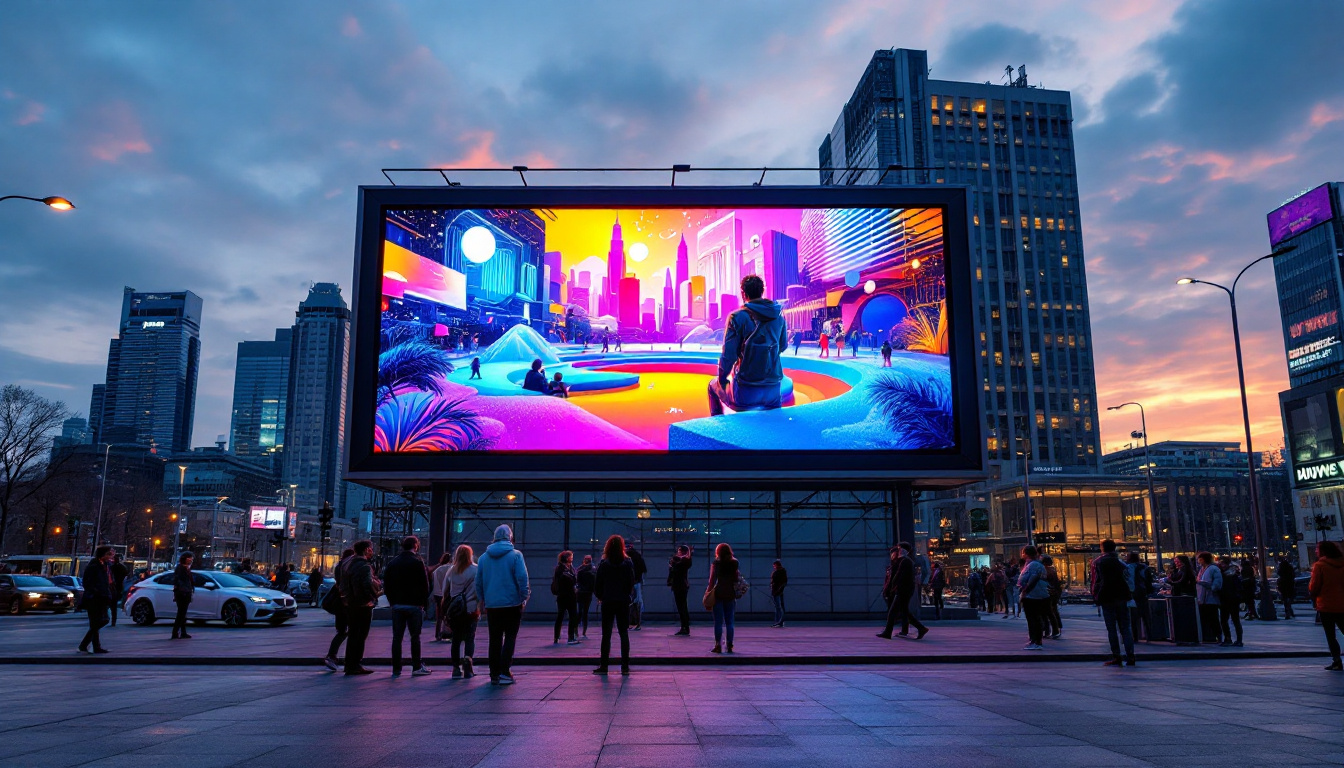
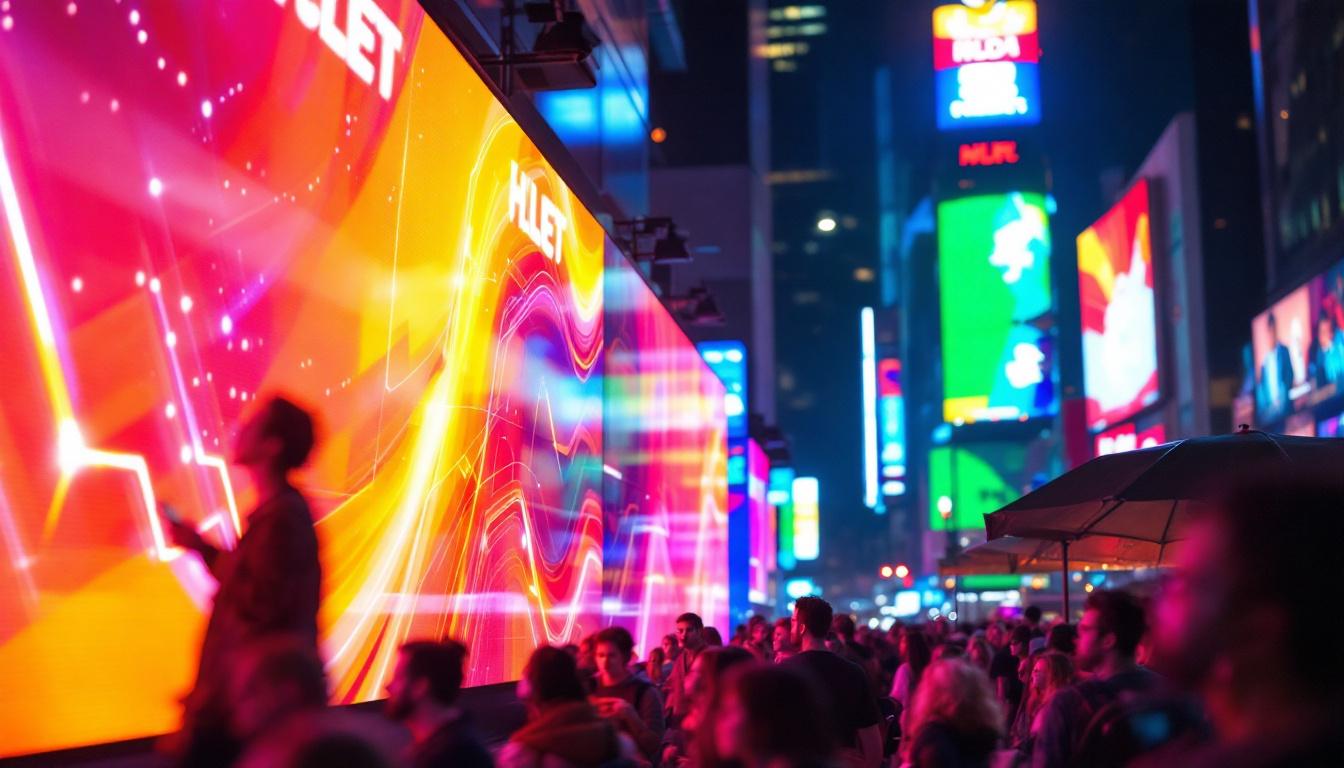
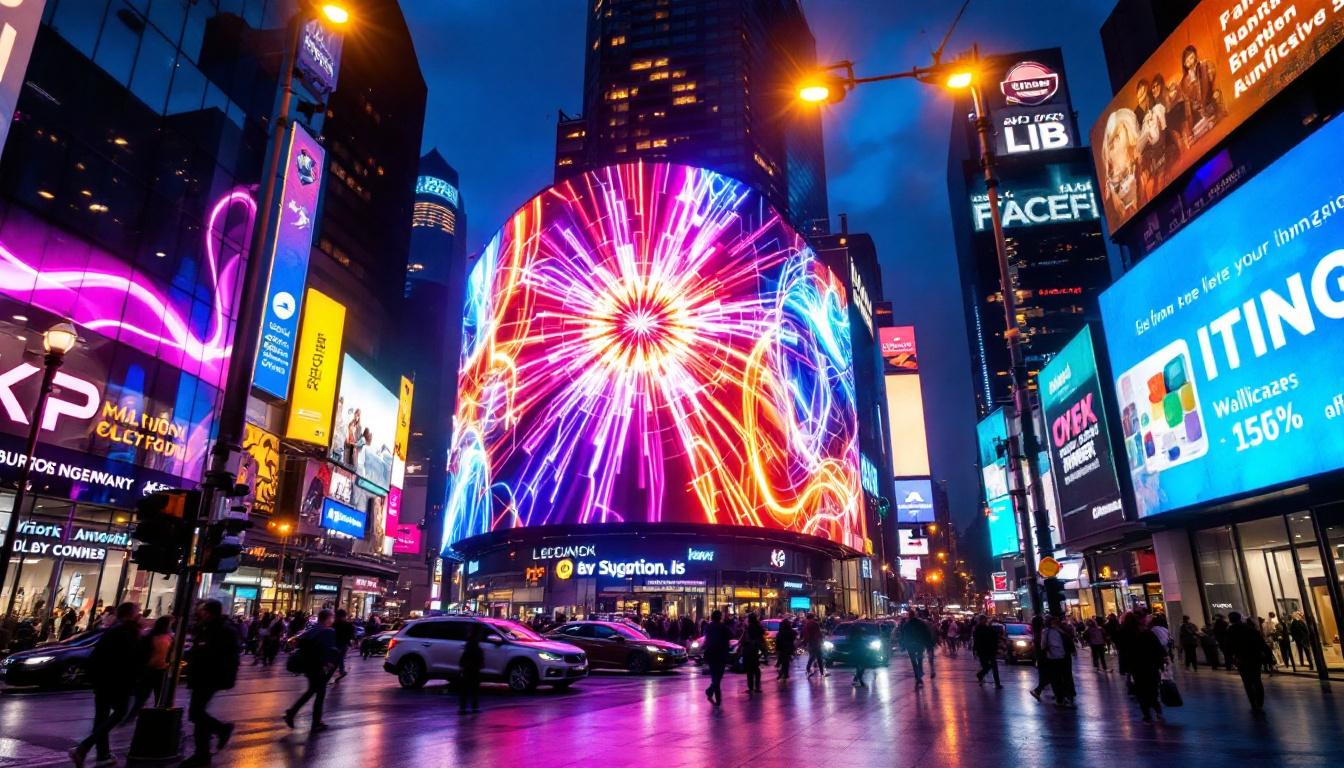
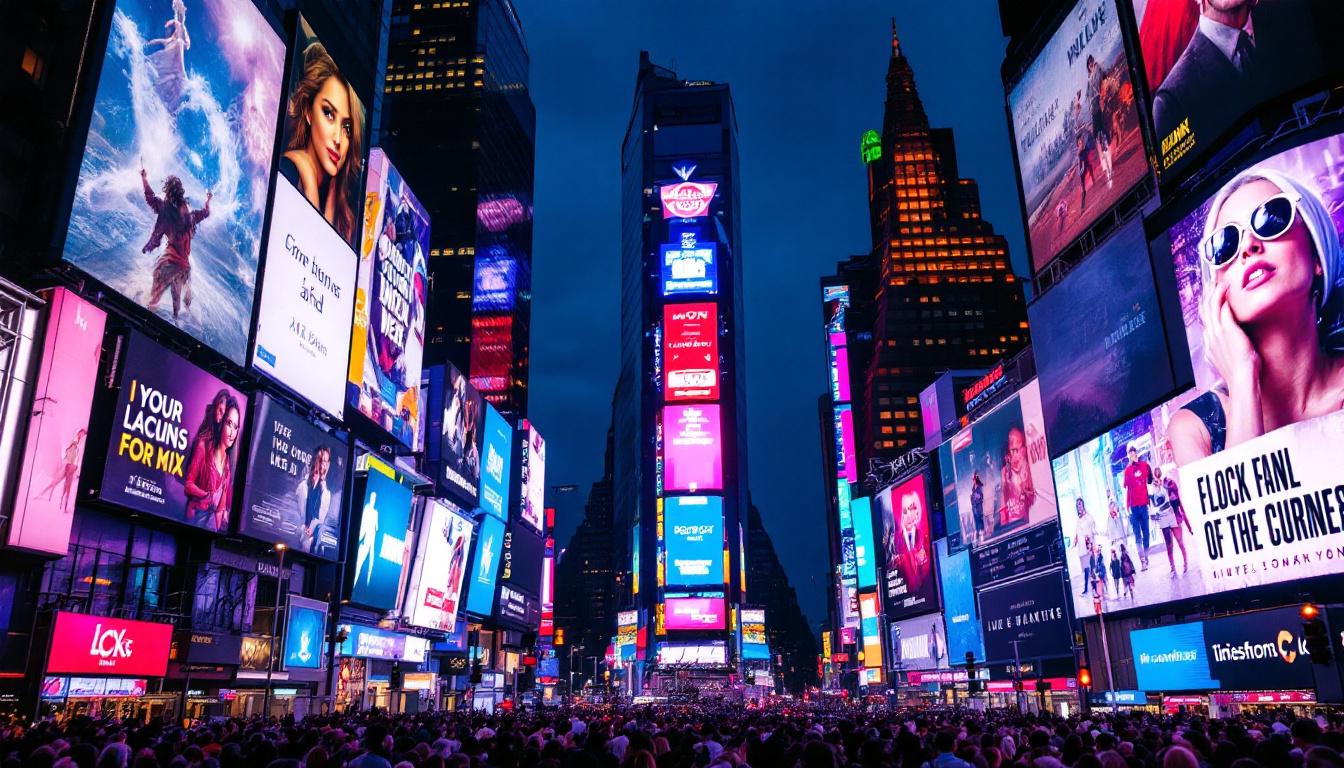
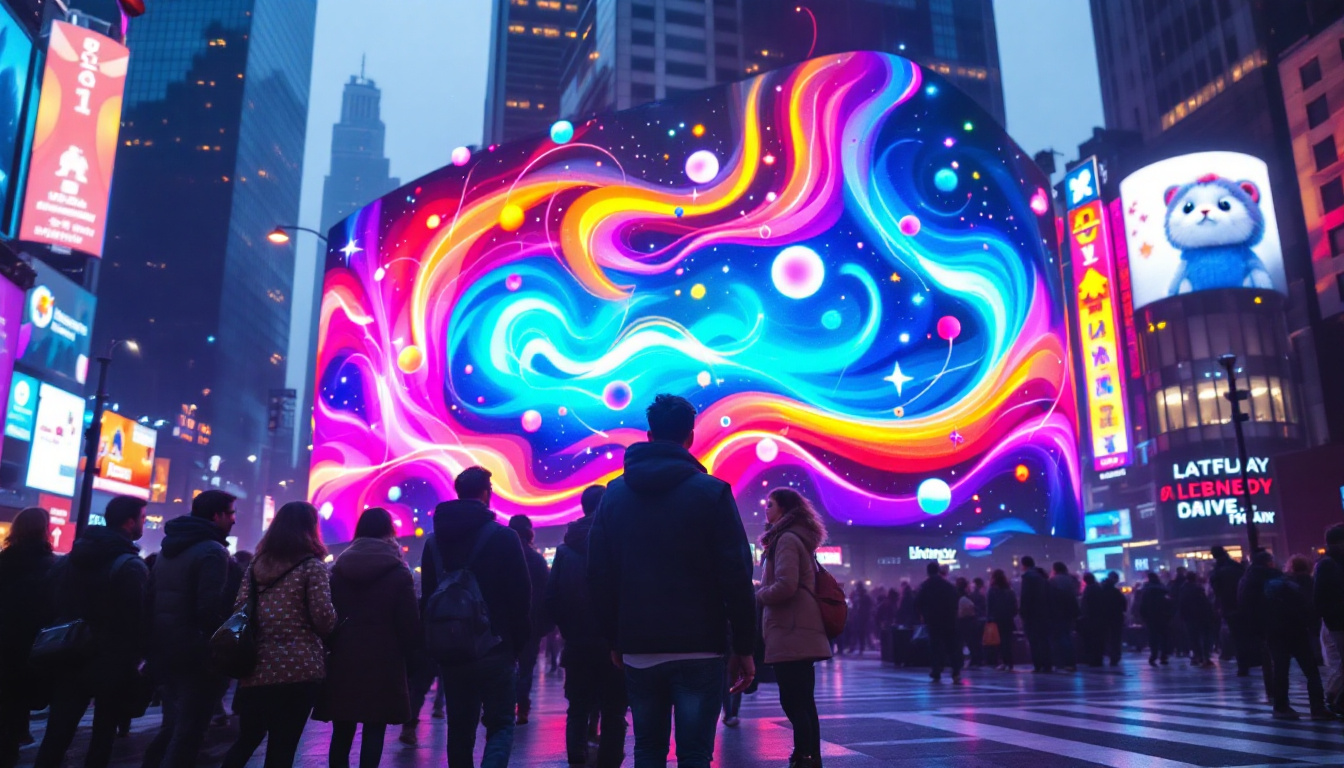
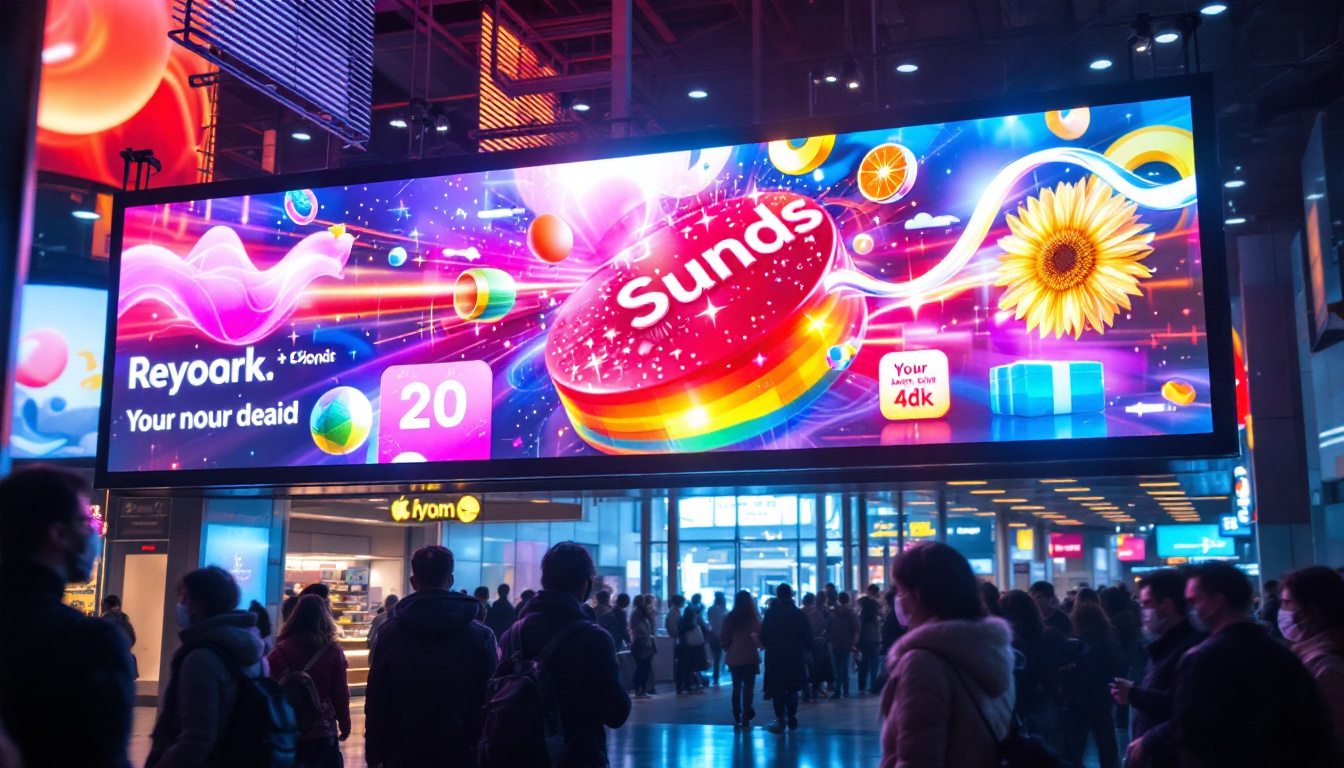
Outdoor LED displays have revolutionized the advertising industry by enabling dynamic, eye-catching content that can be updated in real-time. From digital billboards on busy highways to storefront displays in urban centers, LED screens allow advertisers to tailor messages based on time of day, weather, or target audience demographics.
According to recent market research, the global digital out-of-home (DOOH) advertising market is projected to reach over $30 billion by 2027, driven largely by the adoption of LED display technology. This growth highlights how outdoor LED TVs are becoming essential tools for marketers seeking maximum visibility and engagement.
Public Information and Safety
Municipalities and transportation authorities use outdoor LED displays to provide real-time information such as traffic updates, weather alerts, emergency notifications, and event schedules. The high visibility and reliability of LED screens make them ideal for critical communications that require immediate attention from the public.
For example, LED displays at transit stations can show arrival times and service changes, while highway message boards can warn drivers of hazards ahead. These applications contribute to improved safety and convenience for communities.
Entertainment and Sports Venues
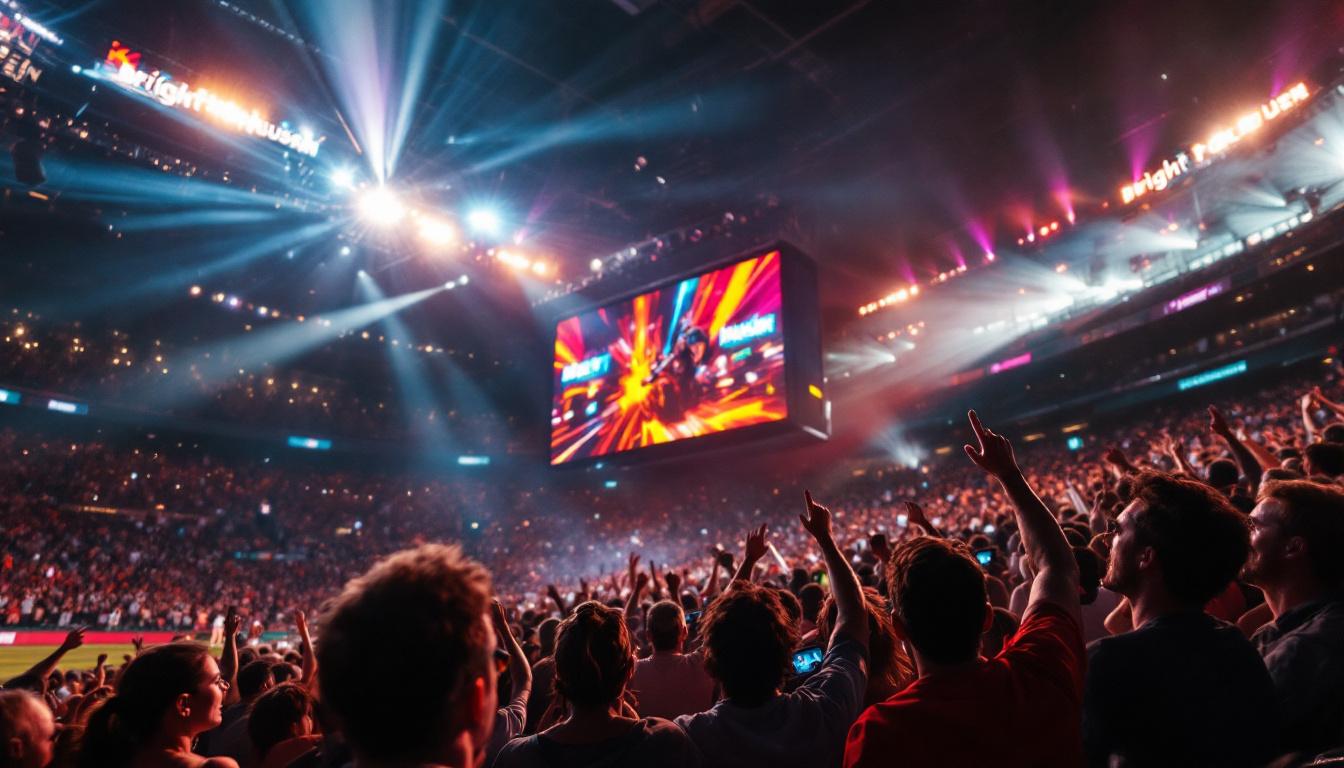
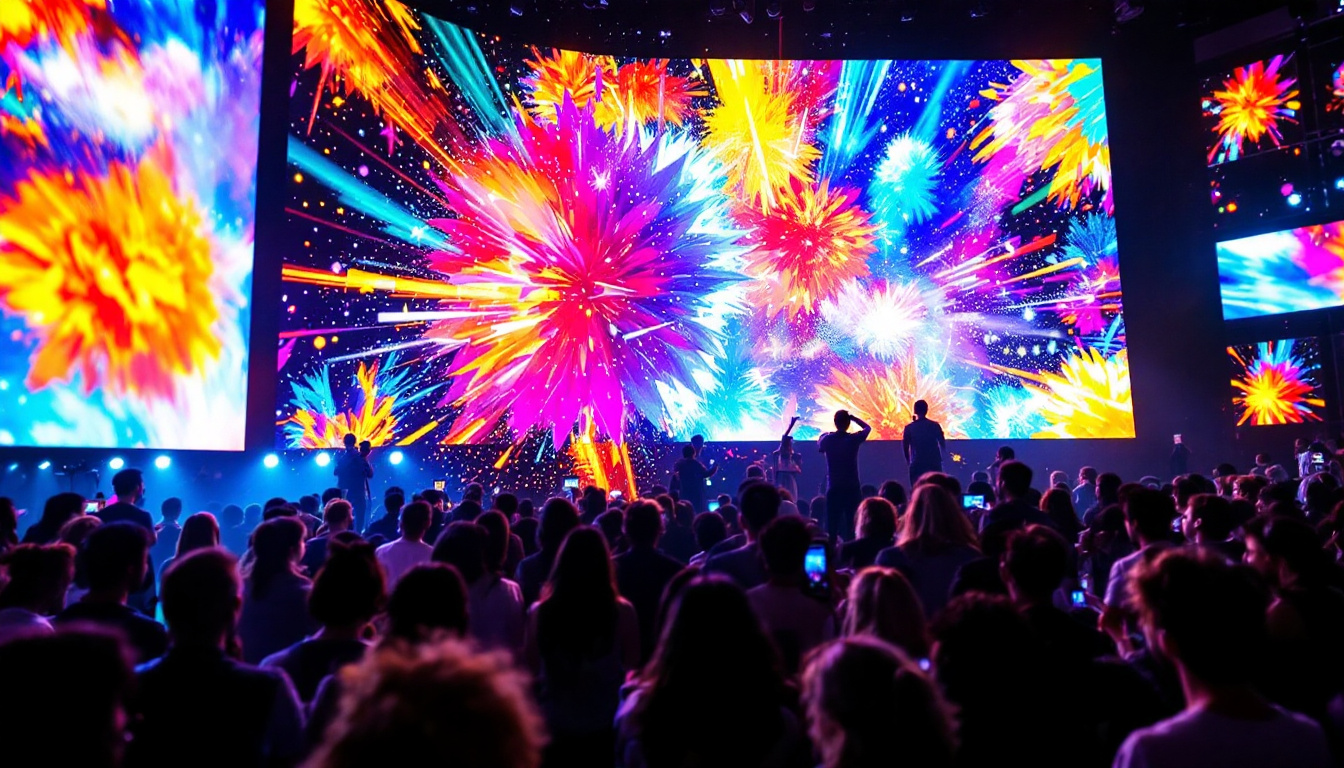
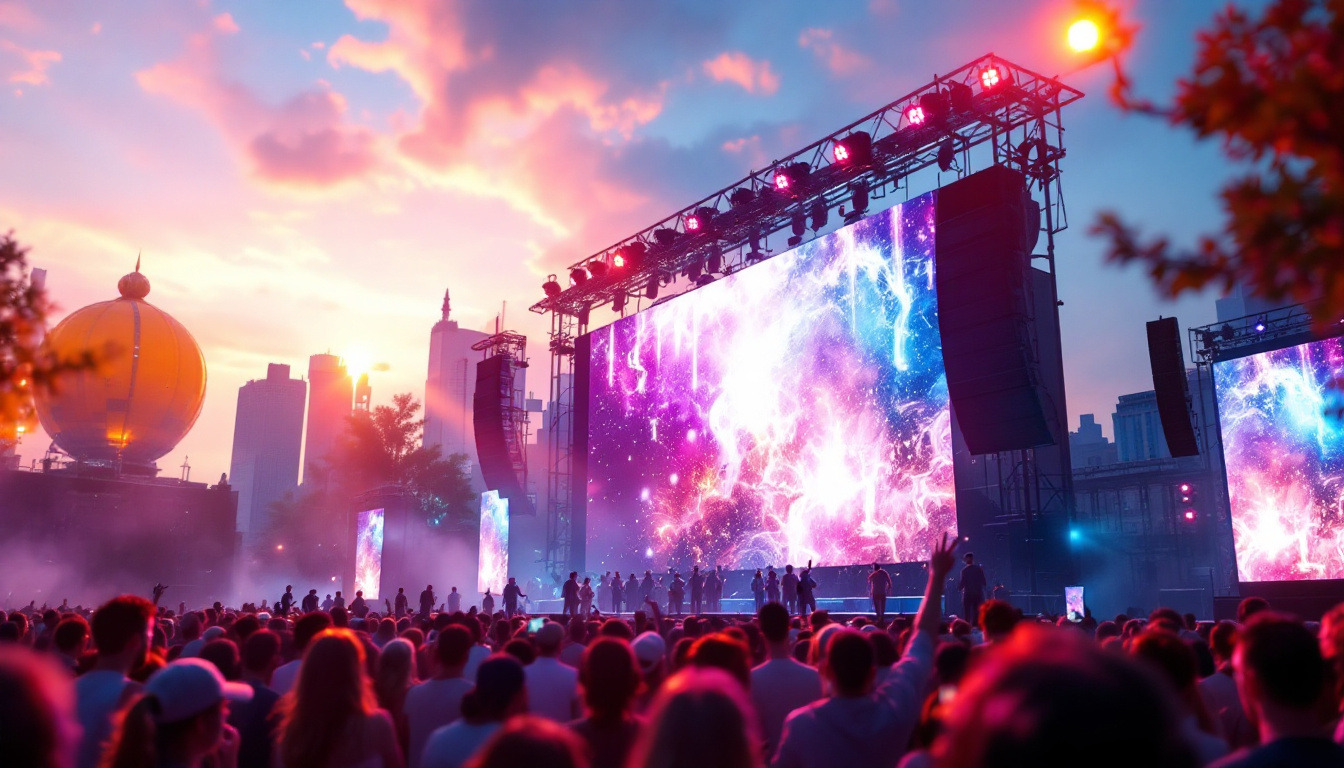
Outdoor LED TVs are widely used in stadiums, concert venues, and public gathering spaces to enhance the spectator experience. Large LED screens display live action, replays, advertisements, and interactive content, creating immersive environments that engage audiences.
Advancements in LED technology now allow for flexible and curved displays, enabling creative installations that blend seamlessly into architectural designs. This versatility expands the possibilities for outdoor entertainment setups.
Choosing the Right Outdoor LED Display
Consider Viewing Distance and Resolution
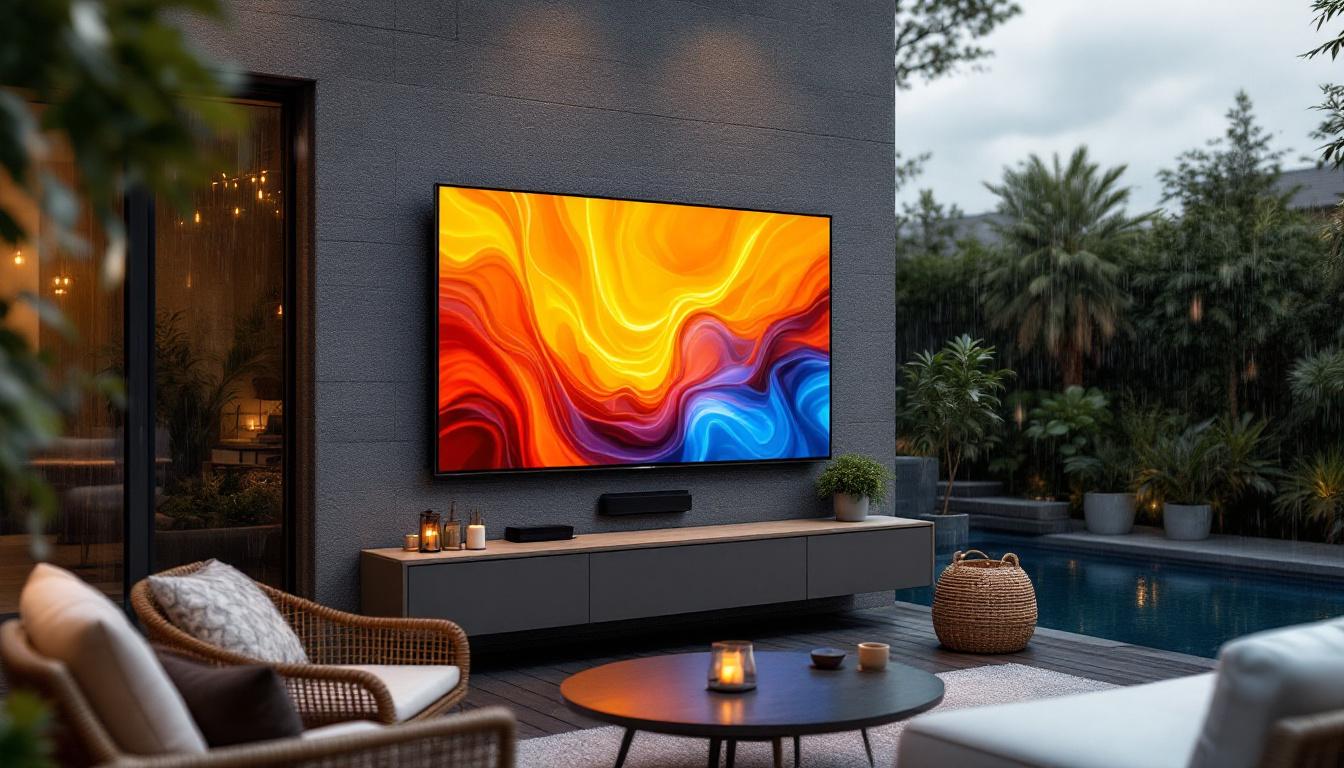
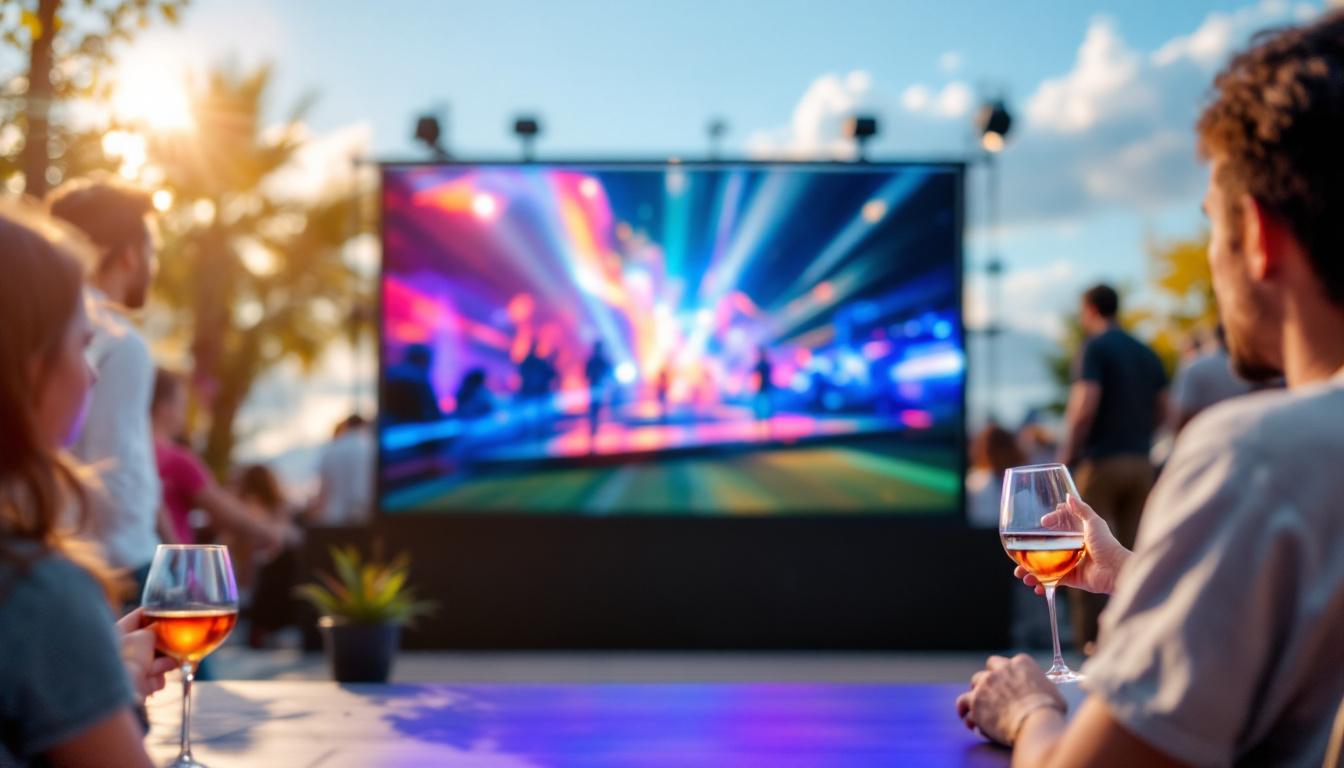
When selecting an outdoor LED TV, one of the first considerations is the typical viewing distance. For displays intended to be viewed from far away, such as highway billboards, a larger pixel pitch (e.g., 10mm or more) is sufficient. For closer viewing scenarios, like outdoor patios or retail windows, a smaller pixel pitch (2-6mm) is necessary to ensure sharp images and readable text.
Balancing resolution with budget is key, as higher resolution displays tend to be more expensive but provide better image quality at close range.
Assess Environmental Conditions
Understanding the specific environmental conditions where the display will be installed is crucial. Factors such as temperature extremes, humidity, exposure to direct sunlight, and potential vandalism influence the choice of enclosure, cooling systems, and protective features.
For example, in hot climates, LED displays with active cooling systems and heat-resistant materials will perform better and last longer. In areas prone to heavy rain or dust, a higher IP rating ensures the display remains operational and safe.
Connectivity and Content Management
Modern outdoor LED displays often come with integrated content management systems that allow remote control and scheduling of content. Choosing a system with user-friendly software and robust connectivity options (Wi-Fi, Ethernet, 4G/5G) simplifies operation and enables timely updates.
Some advanced solutions support interactive features, such as touch capabilities or integration with mobile apps, which can enhance user engagement in retail or public spaces.
Installation and Maintenance Considerations
Professional Installation is Essential
Installing an outdoor LED display involves more than just mounting the screen. It requires careful planning of power supply, structural support, weatherproofing, and signal transmission. Professional installers ensure that the display is securely mounted, properly calibrated, and compliant with local regulations.
Incorrect installation can lead to reduced lifespan, poor image quality, or safety hazards, making expert involvement a worthwhile investment.
Routine Maintenance and Troubleshooting
While outdoor LED displays are designed for durability, regular maintenance helps sustain optimal performance. This includes cleaning the screen surface to remove dust and grime, inspecting electrical components, and monitoring for dead pixels or color inconsistencies.
Many manufacturers provide diagnostic tools and remote monitoring services that alert operators to potential issues before they become critical. Prompt maintenance reduces downtime and extends the life of the display.
The Future of Outdoor LED Displays
Innovations in LED Technology
The LED display industry continues to evolve rapidly. Emerging technologies such as microLED and miniLED promise even higher brightness, better color accuracy, and improved energy efficiency. These advancements will further enhance the capabilities of outdoor TVs and digital signage.
Additionally, developments in flexible and transparent LED displays open new possibilities for creative outdoor installations, including curved facades and see-through advertising panels.
Integration with Smart City Infrastructure
Outdoor LED displays are increasingly being integrated into smart city initiatives. Connected displays can interact with sensors, cameras, and data platforms to deliver context-aware content that improves urban living. For instance, LED screens might display air quality alerts, public transport updates, or personalized advertisements based on real-time data.
This integration not only enhances communication but also contributes to more sustainable and responsive urban environments.
Conclusion
Outdoor LED displays have transformed the way information and advertising are presented in public spaces. Their superior brightness, durability, and flexibility make them ideal for a wide range of applications, from commercial advertising to public safety and entertainment. Understanding the technology behind these displays and the factors influencing their performance is essential for making informed decisions when investing in outdoor TVs or digital signage.
As LED technology continues to advance and smart city concepts gain traction, outdoor LED displays will play an increasingly vital role in shaping the visual landscape of urban environments. Whether for businesses, municipalities, or event organizers, leveraging the power of outdoor LED displays can deliver impactful and engaging experiences that resonate with audiences day and night.
Discover LumenMatrix’s Innovative LED Solutions
Ready to elevate your outdoor space with cutting-edge LED display technology? Look no further than LumenMatrix, where innovation meets visual brilliance. Our extensive range of LED display solutions, from vibrant Outdoor LED Wall Displays to dynamic Vehicle LED Displays and beyond, is designed to captivate and engage your audience. Embrace the future of visual communication with LumenMatrix and transform your brand’s presence. Check out LumenMatrix LED Display Solutions today and start creating unforgettable visual experiences.