In today’s increasingly connected and visually driven world, outdoor LED displays have become a staple for advertising, information dissemination, and entertainment. However, as these vibrant screens become more prevalent in public spaces, concerns about privacy and visual comfort have grown. This has led to the rise of outside privacy screens designed specifically for LED displays, balancing visibility with discretion. This article delves into the technology behind outside privacy screens, their applications, and why they are an essential consideration for modern LED installations.
Understanding Outdoor LED Displays
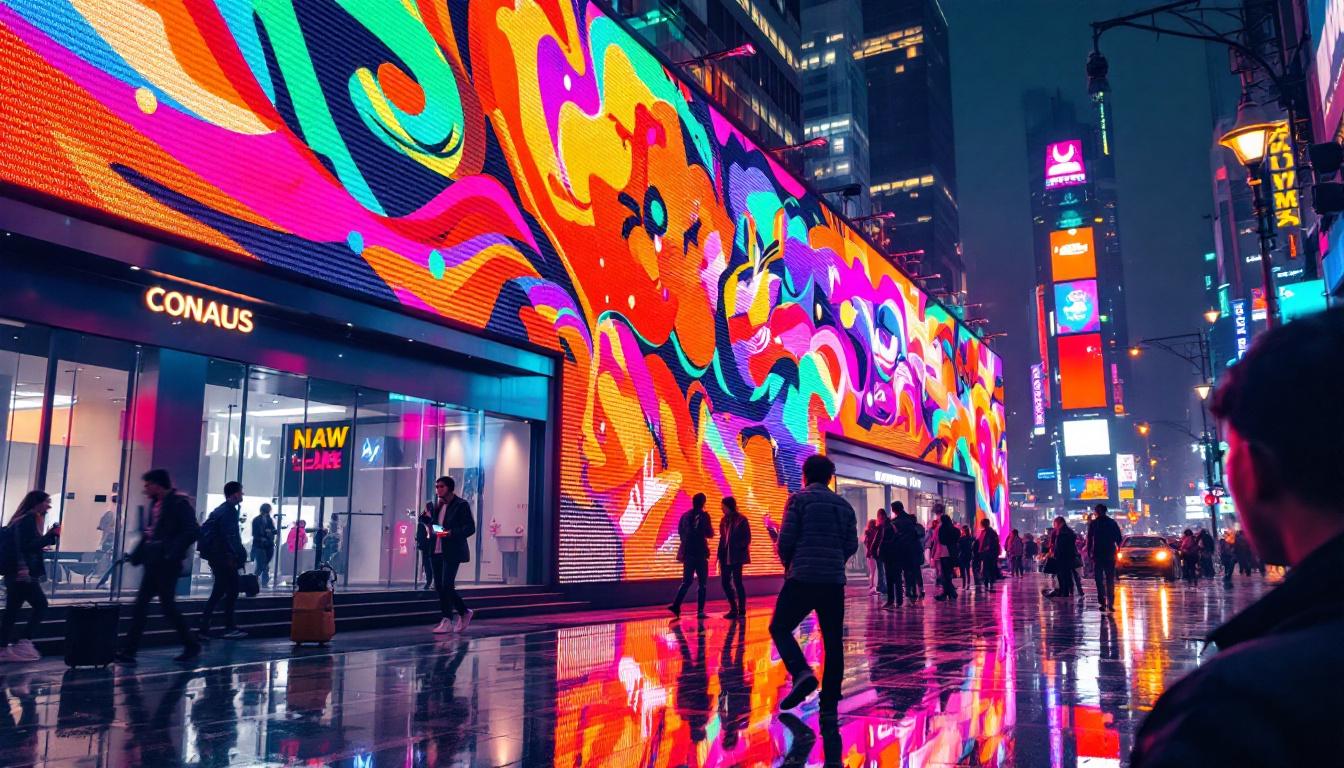
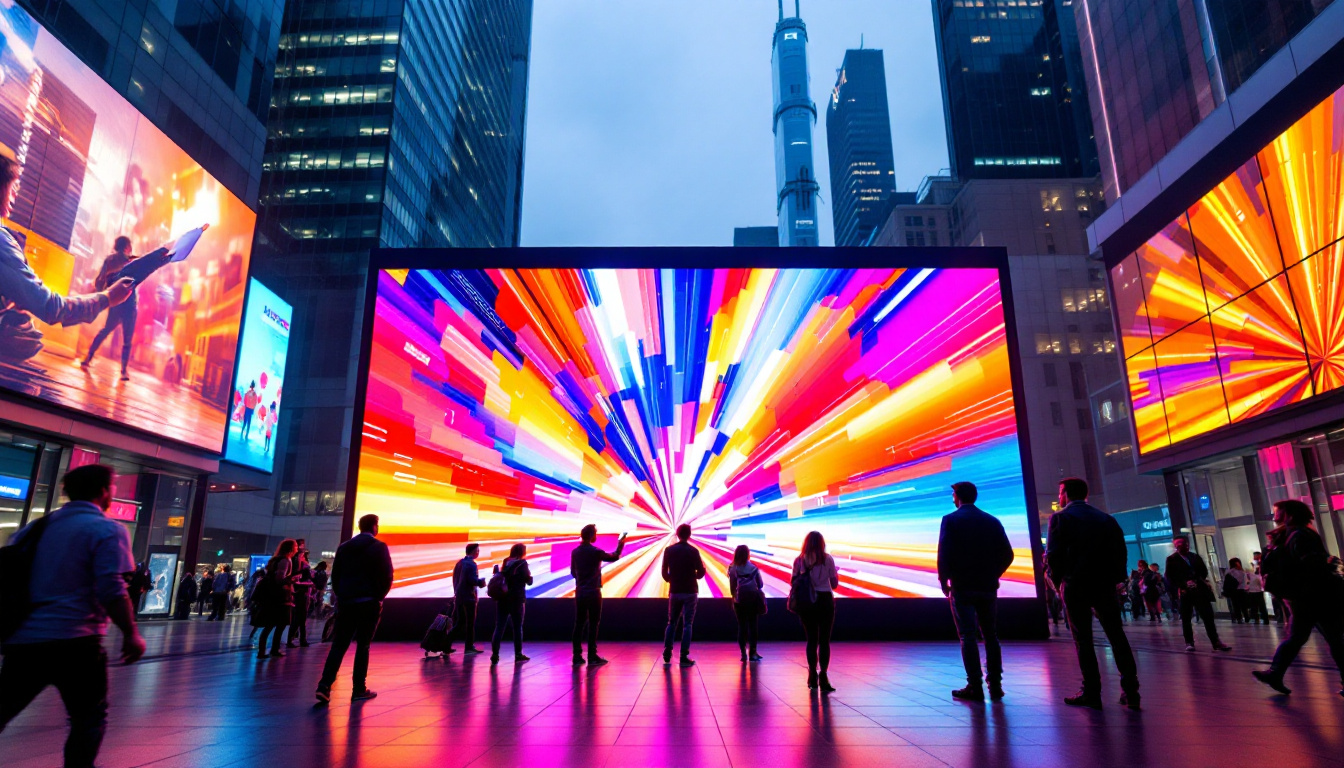
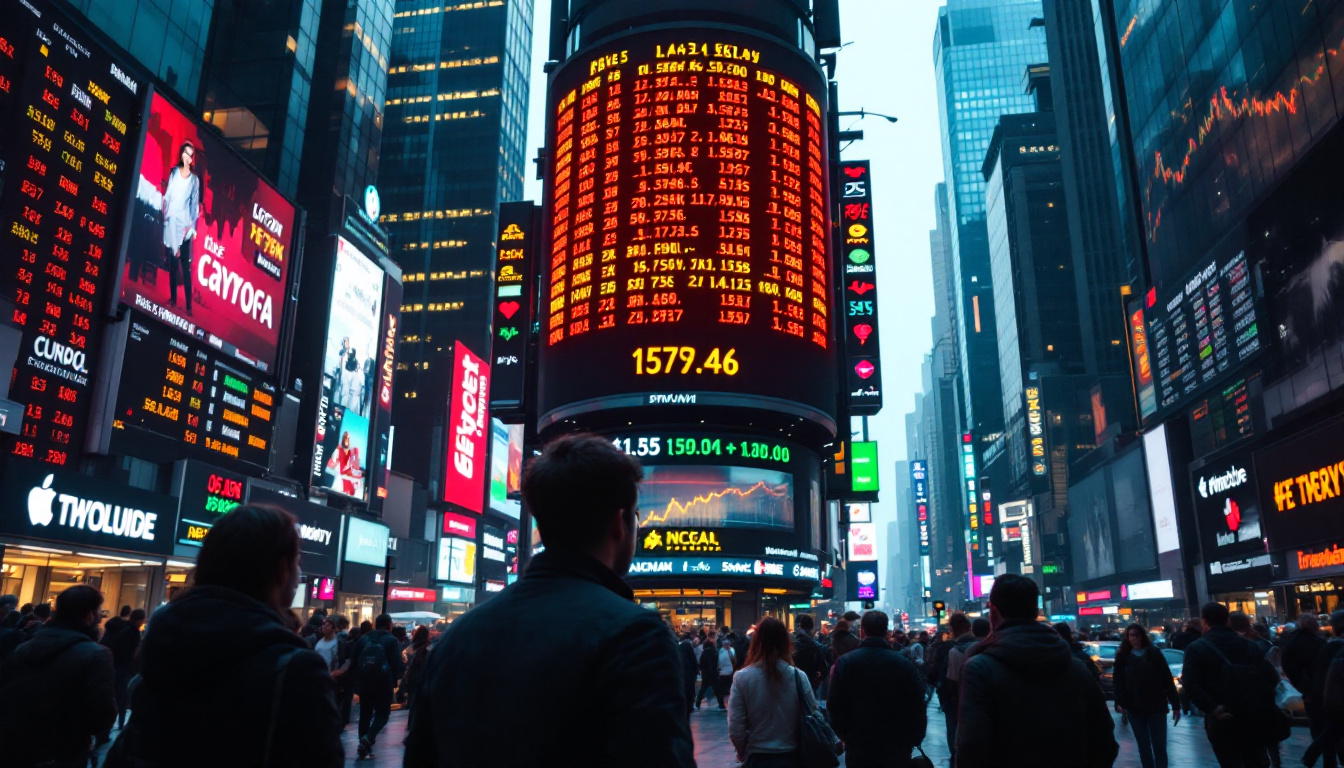
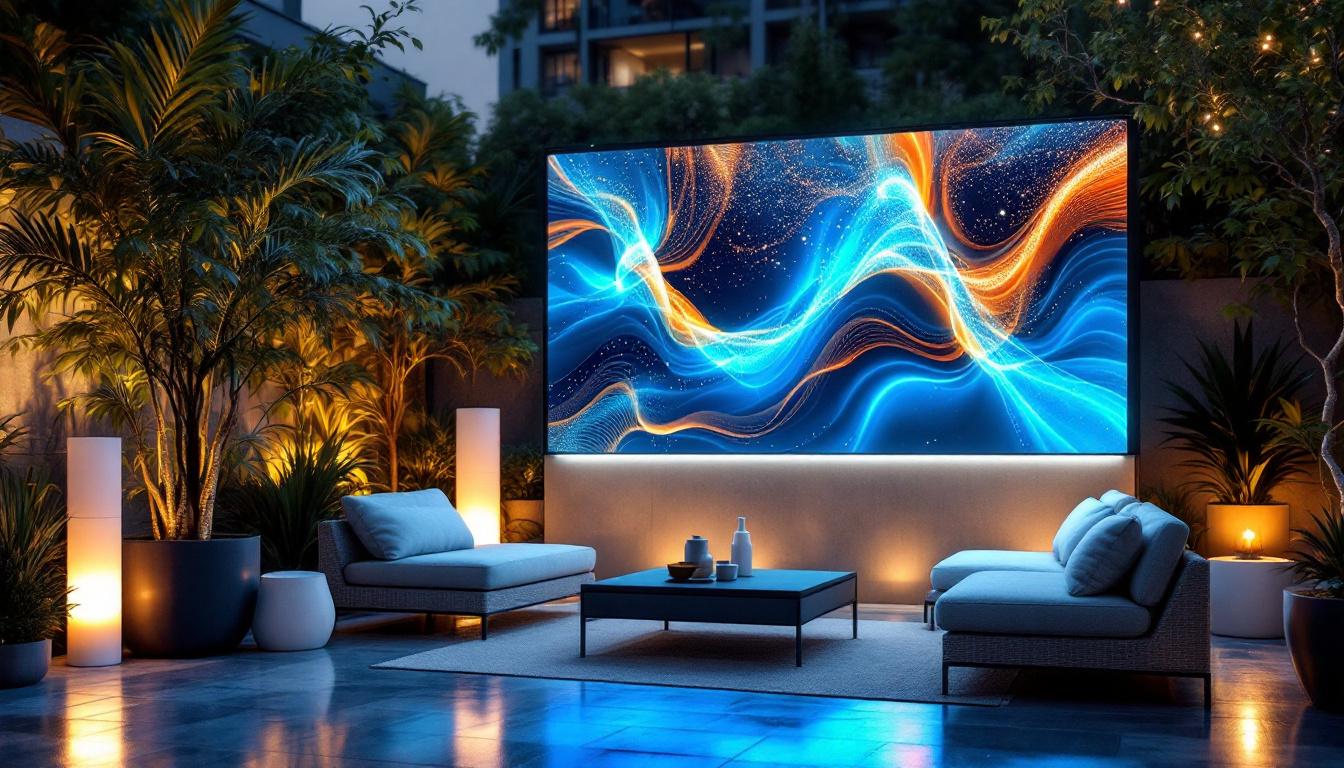
Outdoor LED displays are large-scale screens made up of light-emitting diodes (LEDs) that produce bright, vivid images visible even in direct sunlight. They are widely used for advertising billboards, public information boards, sports arenas, and event backdrops. The core advantage of LED technology lies in its brightness, energy efficiency, and durability, making it ideal for outdoor environments. These displays are designed to withstand harsh weather conditions, including rain, snow, and extreme temperatures, ensuring that they remain operational and effective throughout the year.
According to a 2023 report by Grand View Research, the global LED display market is expected to grow at a compound annual growth rate (CAGR) of 13.4% from 2023 to 2030, driven by increasing demand for outdoor digital signage and smart city initiatives. This growth underscores the importance of addressing challenges related to privacy and viewing angles in public spaces. As cities become smarter and more interconnected, the integration of LED displays into urban landscapes not only enhances communication but also contributes to the aesthetic appeal of public areas, transforming them into vibrant hubs of activity.
Despite their benefits, outdoor LED displays can sometimes cause unwanted exposure of sensitive content or create visual distractions for nearby residents and drivers. This is where outside privacy screens come into play. These screens can help mitigate issues related to glare and unwanted visibility, ensuring that the content displayed is both effective and considerate of the surrounding environment. Furthermore, advancements in technology have led to the development of adaptive brightness controls, which adjust the intensity of the display based on ambient light conditions, further enhancing the viewing experience while minimizing disruption.
In addition to their practical applications, outdoor LED displays are also becoming increasingly interactive. Many modern installations incorporate touch technology or QR codes, allowing viewers to engage with the content in real-time. This interactive element not only boosts engagement but also provides valuable data to advertisers and event organizers about viewer preferences and behaviors. As the technology continues to evolve, we can expect to see even more innovative uses for outdoor LED displays, from immersive advertising experiences to community engagement platforms that foster connection and communication among residents.
What Are Outside Privacy Screens for LED Displays?
Outside privacy screens are specialized filters or overlays applied to outdoor LED displays to control the viewing angle and limit visibility from certain perspectives. Unlike traditional privacy screens used on laptops or smartphones that reduce screen brightness and clarity, these outdoor solutions are engineered to maintain image quality for intended viewers while restricting visibility for others.
These screens work by manipulating light direction and diffusion. Through micro-louver technology or optical films, privacy screens narrow the horizontal and vertical viewing angles, ensuring that only viewers positioned directly in front of the display can see the content clearly. This technology helps prevent information leakage, reduces light pollution, and enhances user privacy in public settings.
Types of Outside Privacy Screens
There are several types of privacy screens designed for outdoor LED displays, each with unique features:
- Micro-Louver Films: These films contain tiny vertical blinds that block light at wide angles, allowing visibility only within a narrow viewing corridor.
- Polarized Filters: By using polarized light, these filters reduce glare and restrict viewing angles, although they may require viewers to wear polarized glasses for optimal clarity.
- Anti-Glare Coatings: While primarily designed to reduce reflections, some anti-glare coatings also contribute to privacy by limiting visibility from oblique angles.
- Custom Mesh Screens: Perforated or mesh materials can be installed in front of LED displays to diffuse light and restrict viewing angles while maintaining brightness.
Why Outside Privacy Screens Matter
The integration of privacy screens in outdoor LED displays is not just a technical enhancement but a necessity driven by several critical factors:
1. Protecting Sensitive Information
Many outdoor LED displays are used to show sensitive or proprietary information, such as financial data, event lineups, or internal communications in corporate campuses. Without privacy screens, this information could be visible to unintended audiences, leading to potential security breaches or competitive disadvantages.
2. Enhancing Viewer Experience
Privacy screens help reduce glare and unwanted reflections, making the displayed content easier to read for the intended audience. By controlling viewing angles, these screens ensure that the message is delivered clearly and without distraction from side views or ambient light interference.
3. Reducing Light Pollution
Outdoor LED displays can contribute to light pollution, especially in residential or environmentally sensitive areas. Privacy screens help mitigate this by limiting light spillage beyond the target viewing area, contributing to better community relations and compliance with local lighting regulations.
4. Compliance with Privacy Regulations
As data privacy laws evolve, organizations displaying personal or sensitive data publicly must take precautions to prevent unauthorized viewing. Privacy screens provide a physical layer of protection that complements digital security measures, helping organizations meet regulatory requirements.
Applications of Outside Privacy Screens in LED Displays
Outside privacy screens are versatile and find applications across various sectors and environments. Understanding these use cases highlights their importance and guides decision-making for LED display installations.
Advertising and Digital Billboards
Outdoor advertising relies heavily on LED displays to capture attention. However, advertisers often want to target specific audiences without distracting drivers or passersby outside a certain viewing range. Privacy screens help focus the message, improving campaign effectiveness and safety.
Corporate Campuses and Business Parks
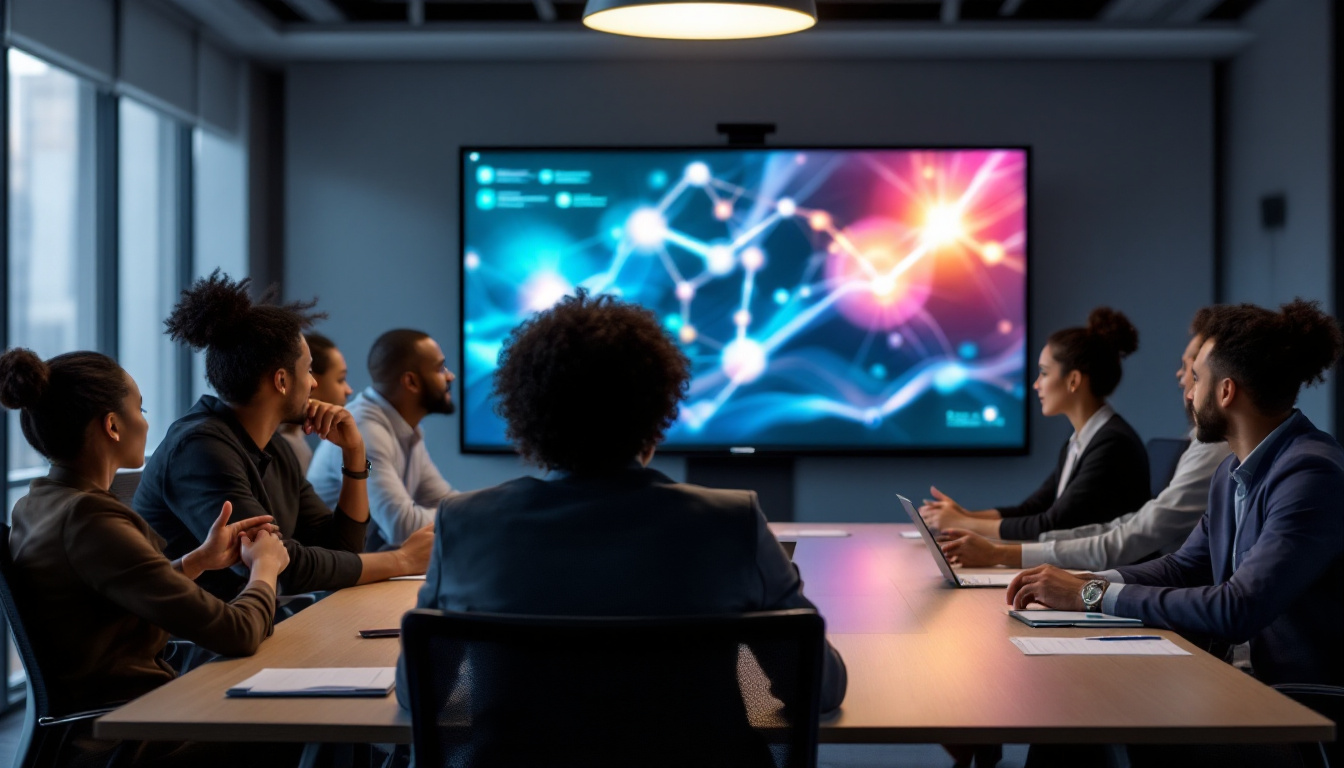
In corporate environments, LED displays may show internal announcements, schedules, or sensitive data. Privacy screens ensure that only employees or authorized personnel can view this information, protecting company confidentiality and enhancing workplace communication.
Transportation Hubs and Public Transit
Airports, train stations, and bus terminals use LED displays for schedules and alerts. Privacy screens can prevent unauthorized viewing of security-related messages or operational data, while also improving readability for travelers.
Healthcare Facilities
Hospitals and clinics often use LED displays for patient information and wayfinding. Privacy screens help maintain patient confidentiality and comply with health information privacy laws such as HIPAA in the United States.
Residential and Mixed-Use Developments
In areas where outdoor LED displays are near homes or mixed-use buildings, privacy screens reduce light intrusion and prevent residents from feeling their privacy is compromised, fostering better community relations.
Technical Considerations When Choosing Outside Privacy Screens
Selecting the right privacy screen for an outdoor LED display requires a careful balance between visibility, brightness, durability, and environmental factors.
Viewing Angle and Visibility
Determining the optimal viewing angle is crucial. Too narrow a viewing angle can frustrate legitimate viewers, while too wide may not provide sufficient privacy. Most privacy screens offer adjustable angles, typically ranging from 30 to 60 degrees horizontally.
Brightness and Contrast
Outdoor LED displays must compete with sunlight and ambient lighting. Privacy screens should minimize brightness loss to maintain image clarity. High-quality micro-louver films, for example, can reduce brightness by as little as 10%, preserving vivid colors and sharpness.
Durability and Weather Resistance
Outdoor environments expose screens to rain, wind, dust, and UV radiation. Privacy screens must be made from materials that withstand these conditions without degrading or peeling. UV-resistant coatings and waterproof laminates are common features in premium products.
Installation and Maintenance
Privacy screens should be easy to install and maintain without requiring frequent replacement. Modular designs and adhesive films allow for straightforward application and removal, while mesh screens may require more robust mounting solutions.
Compatibility with LED Technology
Not all privacy screens are compatible with every type of LED display. Factors such as pixel pitch, resolution, and refresh rate can influence the effectiveness of privacy filters. Consulting with LED manufacturers and privacy screen providers ensures optimal integration.
Case Studies: Successful Implementation of Outside Privacy Screens
Real-world examples illustrate the benefits and practical considerations of outside privacy screens for LED displays.
Smart City Digital Signage in Singapore
Singapore’s urban landscape features numerous digital billboards integrated into its smart city infrastructure. To address concerns about light pollution and privacy, city planners incorporated micro-louver privacy films on LED displays near residential areas. This approach reduced light spillage by 40% and improved community satisfaction, according to a 2022 Urban Solutions report.
Corporate Campus in Silicon Valley
A leading tech company installed large outdoor LED displays to share internal news and updates across its sprawling campus. By applying polarized privacy screens, the company ensured that sensitive information was only visible to employees within designated viewing zones, enhancing security without sacrificing communication efficiency.
Healthcare Facility in London
A major hospital implemented LED wayfinding displays equipped with anti-glare and privacy coatings. This solution helped maintain patient confidentiality while improving readability in bright outdoor corridors, contributing to a 15% reduction in wayfinding-related inquiries from visitors.
Future Trends in Outdoor LED Privacy Technology
As LED display technology evolves, so too do privacy solutions. Emerging trends promise even greater control, efficiency, and integration.
Adaptive Privacy Screens
Next-generation privacy screens are being developed with adaptive capabilities, allowing dynamic adjustment of viewing angles and brightness based on time of day, viewer location, or environmental conditions. This smart technology enhances both privacy and energy efficiency.
Integration with Augmented Reality (AR)
Combining privacy screens with AR glasses or mobile devices could enable personalized content delivery, where only authorized users see specific information on public LED displays, creating a new paradigm of interactive and secure outdoor communication.
Eco-Friendly Materials
Environmental sustainability is driving innovation in privacy screen materials. Biodegradable films and recyclable coatings are being introduced to reduce the ecological footprint of outdoor LED installations.
Conclusion
Outside privacy screens are a vital component in the deployment of outdoor LED displays, addressing the growing need for security, privacy, and visual comfort in public spaces. By understanding the technology, applications, and future trends, organizations can make informed decisions that enhance the effectiveness of their LED installations while respecting privacy and environmental concerns.
As the LED display market continues to expand, integrating privacy solutions will not only protect sensitive information but also improve viewer experience and community relations. Whether for advertising, corporate communication, healthcare, or smart city projects, outside privacy screens represent a forward-thinking approach to modern digital signage challenges.
Discover LumenMatrix’s Advanced LED Display Solutions
Ready to elevate your outdoor space with cutting-edge LED display technology? LumenMatrix offers a comprehensive range of LED display solutions tailored to meet your specific needs. From immersive Indoor and Outdoor LED Wall Displays to dynamic Vehicle and Sports LED Displays, our products are designed to captivate your audience and communicate your message with unparalleled clarity. Embrace the future of visual engagement with LumenMatrix’s innovative LED displays. Check out LumenMatrix LED Display Solutions today and transform your visual communication strategy.