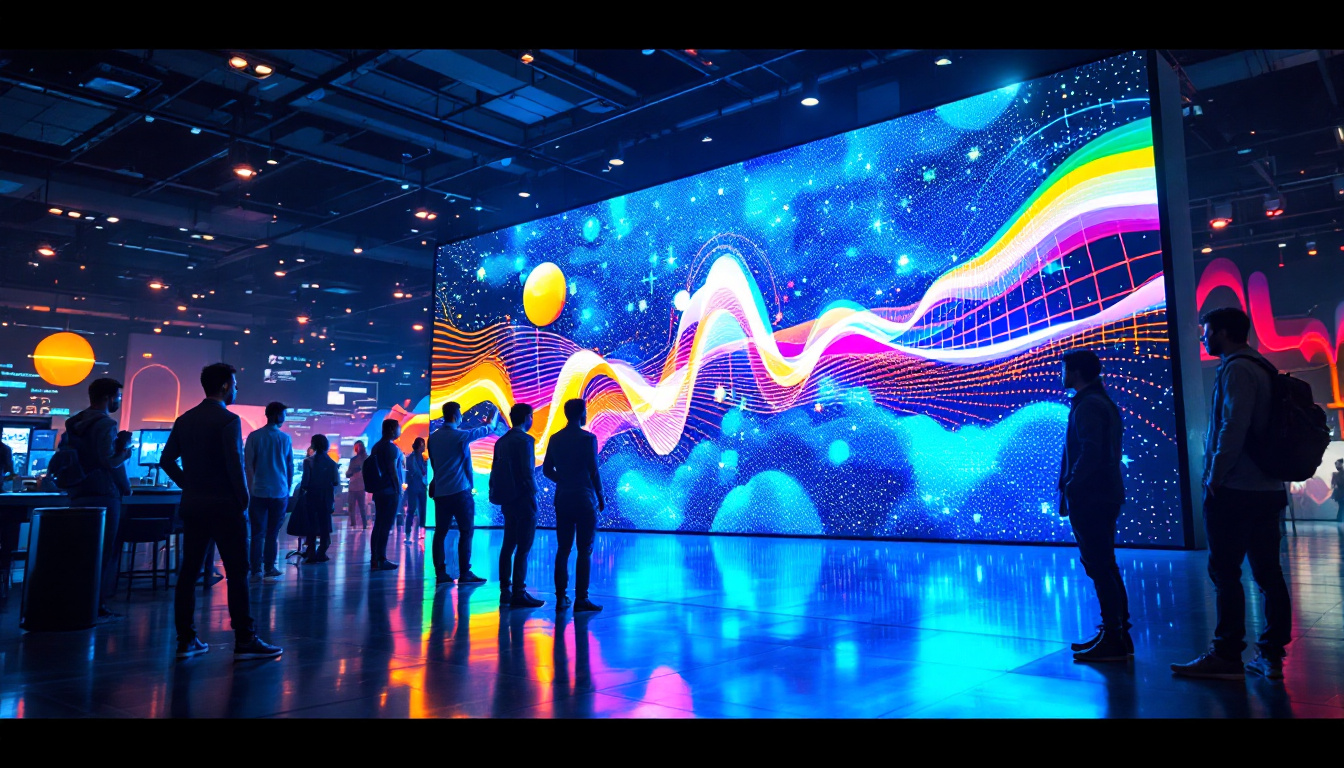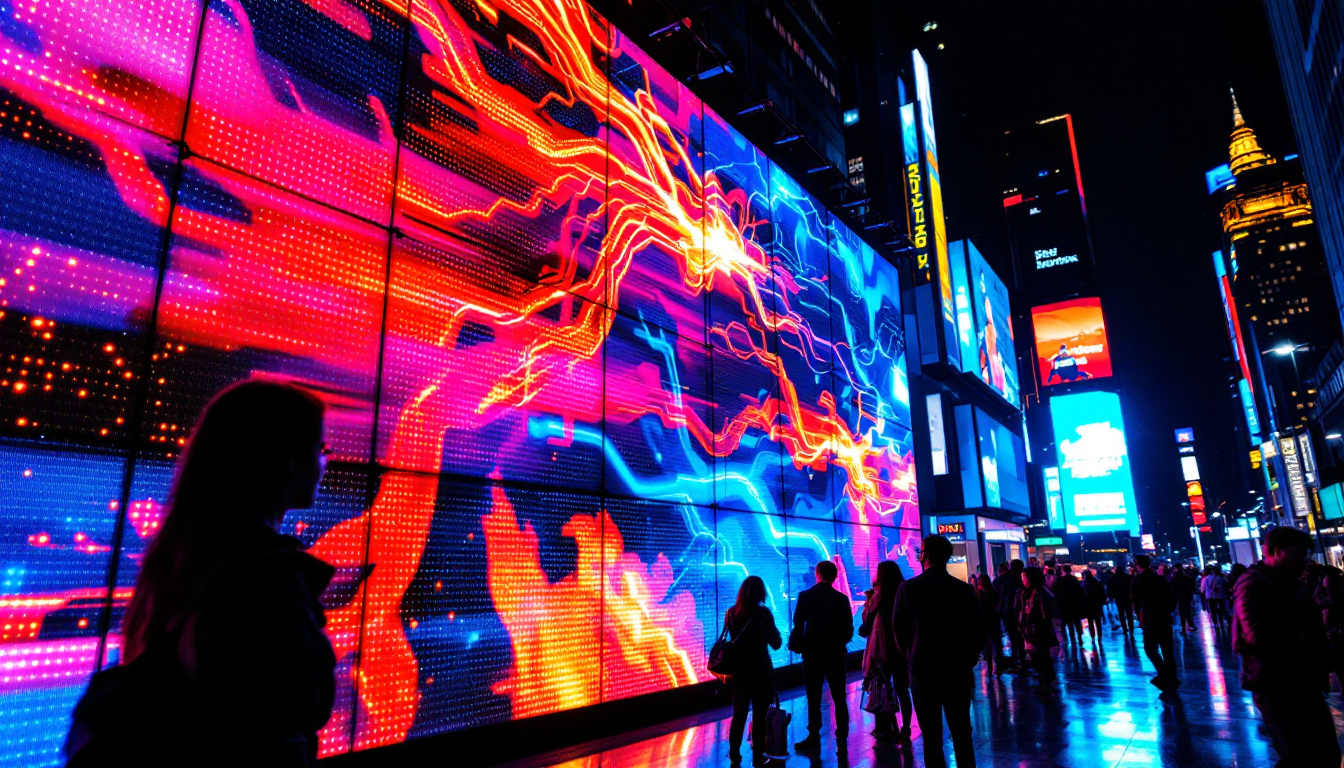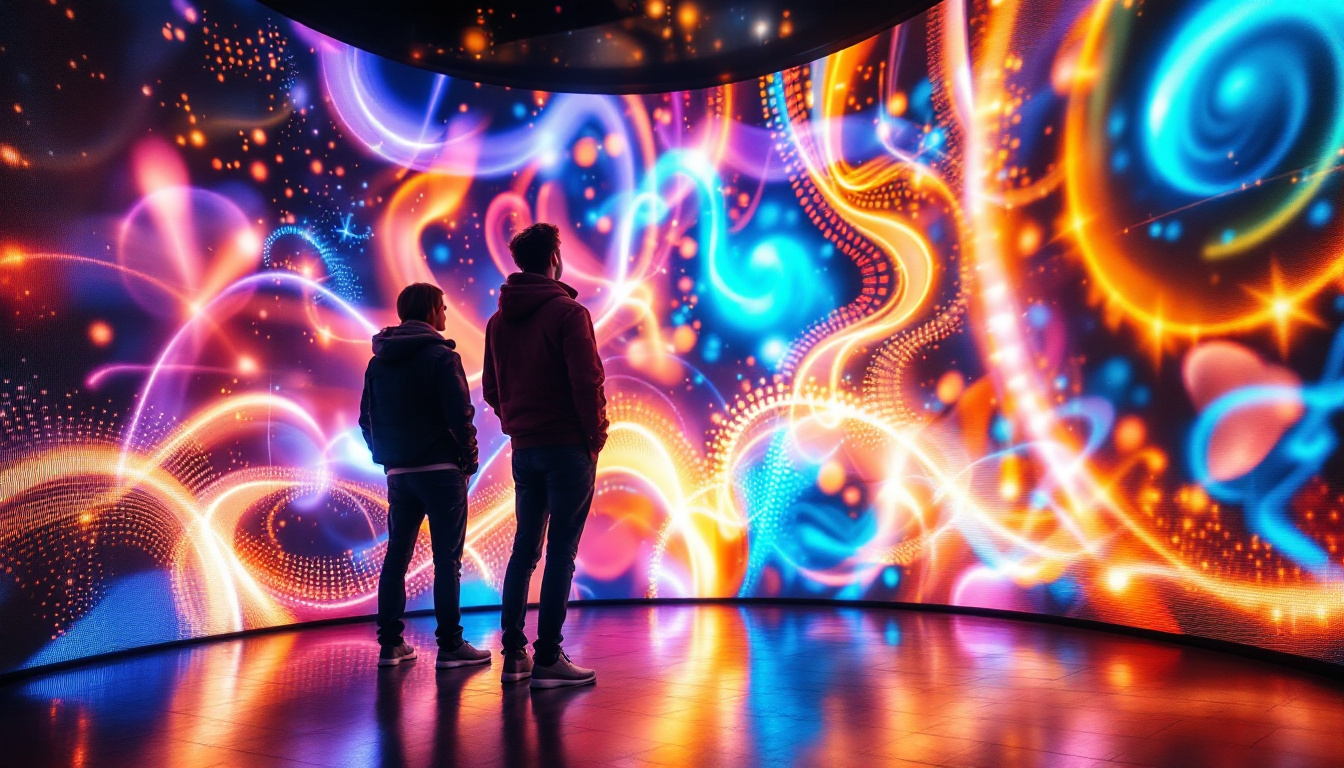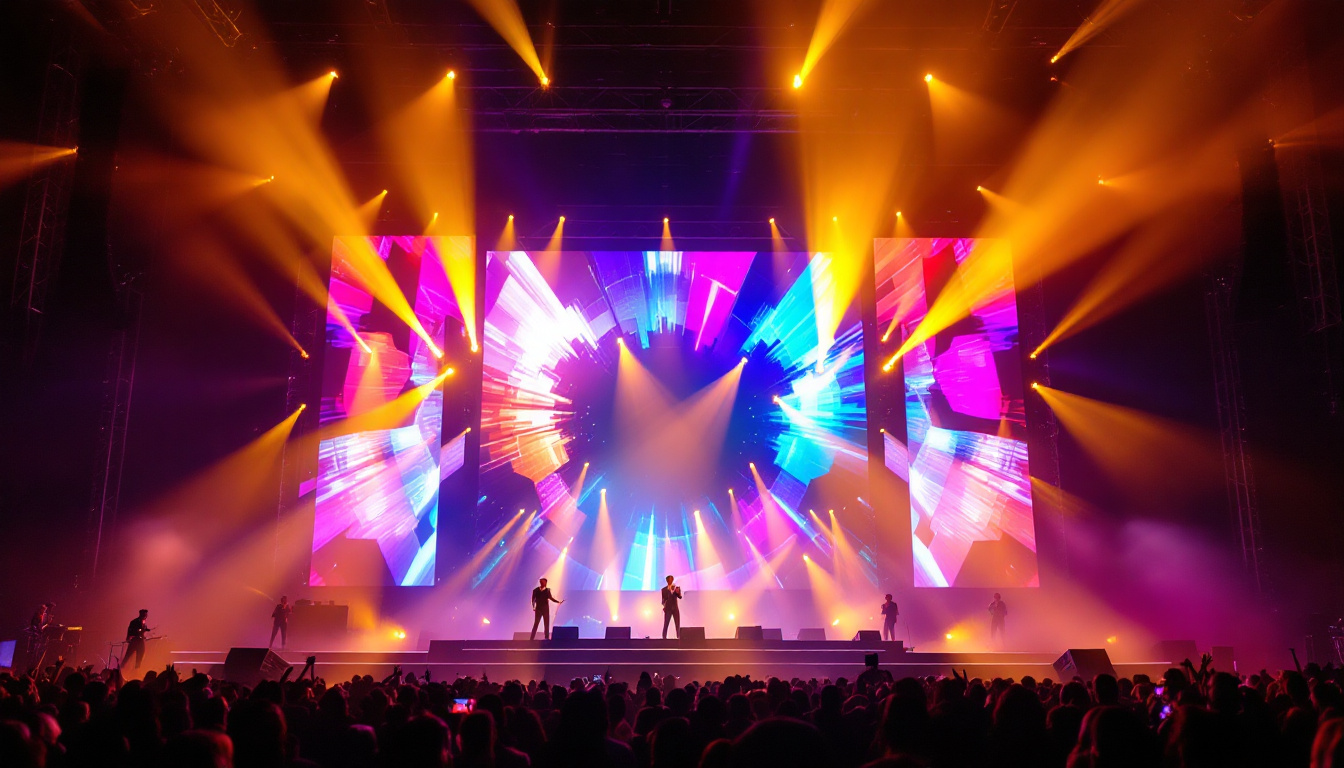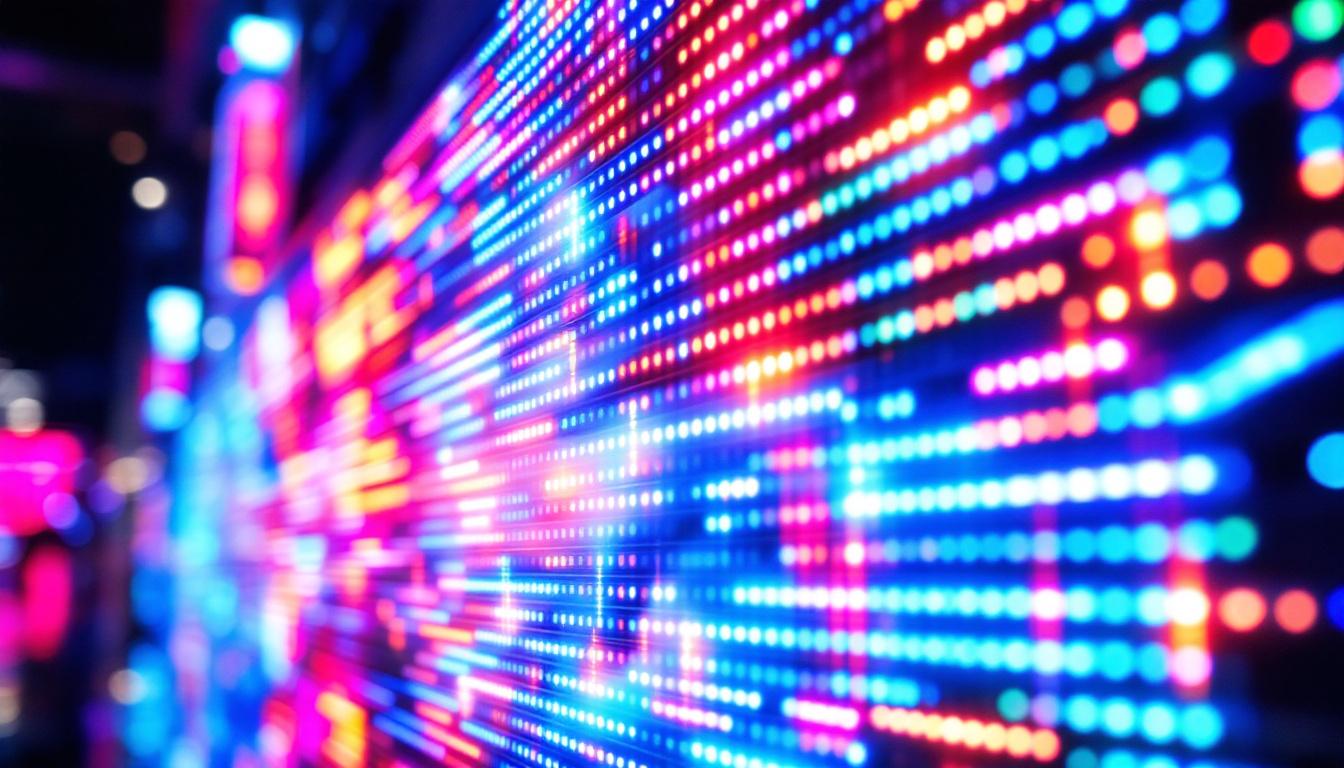
In the rapidly evolving world of digital signage and display technology, LED displays have become a cornerstone for delivering vibrant, high-resolution visuals across a wide range of applications. Among the various types of LED displays, the P1.5 LED display stands out for its exceptional pixel density and image clarity, making it a preferred choice for environments demanding close viewing distances and detailed content presentation.
Understanding LED Display Technology
LED, or Light Emitting Diode, displays utilize tiny light-emitting diodes as pixels to create images. Unlike traditional LCD screens that rely on backlighting, LED displays are self-illuminating, allowing for superior brightness, contrast, and color accuracy. This fundamental difference results in displays that are more vibrant, energy-efficient, and capable of operating effectively in various lighting conditions. The ability to produce deep blacks and bright whites enhances the overall viewing experience, making LED displays particularly popular for applications ranging from home entertainment systems to large-scale outdoor advertising.
LED displays are categorized by pixel pitch, which is the distance between the centers of two adjacent pixels, measured in millimeters. The smaller the pixel pitch, the higher the pixel density, leading to sharper images and finer details. This metric is crucial when selecting an LED display for specific use cases. For instance, a pixel pitch of 1.5mm is ideal for close viewing environments like retail spaces or control rooms, while a pitch of 10mm might be more suitable for large venues where viewers are positioned further away. Additionally, advancements in technology have led to the development of flexible and transparent LED displays, expanding the possibilities for creative applications in architecture and design.
Moreover, LED technology has evolved to include various types, such as OLED (Organic Light Emitting Diode) and MicroLED, which further enhance the performance characteristics of displays. OLED screens, for example, are known for their exceptional color reproduction and ultra-thin profiles, making them a favorite for high-end televisions and mobile devices. MicroLED, on the other hand, offers the promise of modular displays that can be scaled to any size without losing image quality, paving the way for innovative setups in both commercial and residential environments. As the demand for high-quality visual experiences continues to grow, the evolution of LED display technology remains at the forefront of the digital display industry, driving new applications and enhancing user engagement across various sectors.
What Does P1.5 Mean?
The term “P1.5” refers to a pixel pitch of 1.5 millimeters. This means that the center-to-center distance between each LED pixel is 1.5 mm. Such a fine pitch is considered ultra-fine in the LED display market and is typically used for indoor applications where viewers are close to the screen.
To put this into perspective, standard LED displays often have pixel pitches ranging from 3mm to 10mm or more, which are suitable for viewing distances of several meters. P1.5 displays, with their higher pixel density, can deliver crisp images and text even when viewed from just a meter or two away.
Pixel Density and Image Quality
A P1.5 LED display boasts approximately 444,444 pixels per square meter, which is significantly higher than larger pitch displays. This density enables the display to render high-definition video, detailed graphics, and fine text with remarkable clarity. For applications such as control rooms, broadcast studios, and corporate environments, this level of detail is essential.
Moreover, the enhanced pixel density of P1.5 displays allows for superior color reproduction and contrast ratios. This means that images not only appear sharper but also more vibrant, making them ideal for showcasing high-quality content such as promotional videos, presentations, and live events. The ability to display intricate details without pixelation enhances the viewer’s experience, drawing them into the content being presented.
Comparison to Other Pixel Pitches
Consider a P3 LED display, which has a pixel pitch of 3mm and roughly 111,111 pixels per square meter. While suitable for large venues where viewers are farther away, it cannot match the sharpness of a P1.5 display at close range. The P1.5 display’s ability to maintain image integrity at short distances makes it ideal for spaces where viewers expect near-perfect visual fidelity.
In contrast, larger pixel pitch displays may be more cost-effective for expansive outdoor settings, where viewing distances can exceed 10 meters. However, as audiences increasingly demand high-quality visuals even in larger venues, the trend is shifting towards finer pixel pitches like P1.5, even in environments where distance is not a limiting factor. This shift reflects a growing recognition of the importance of visual clarity and detail in all types of presentations, from corporate meetings to entertainment venues.
Key Advantages of P1.5 LED Displays
P1.5 LED displays offer a range of benefits that make them highly desirable for specific indoor applications. Their ultra-fine pixel pitch translates into several practical advantages:
1. Exceptional Visual Clarity
The high pixel density ensures images are smooth and free of the pixelation often visible on lower-resolution displays. This clarity is crucial for applications involving detailed content such as medical imaging, financial data visualization, or high-end retail advertising.
2. Seamless Video Playback
With the ability to display high-definition video content without visible pixel gaps, P1.5 displays provide an immersive viewing experience. This is particularly important in broadcast studios and event venues where audience engagement depends on flawless visuals.
3. Enhanced Color Accuracy and Brightness
Modern P1.5 LED modules incorporate advanced calibration techniques and high-quality diodes, resulting in vibrant colors and consistent brightness levels. This makes them suitable for environments with varying ambient light conditions.
4. Flexibility in Design and Installation
Despite their high pixel density, P1.5 LED displays can be manufactured in various sizes and shapes, including curved and flexible panels. This versatility allows designers to create custom installations that fit unique architectural requirements.
Applications of P1.5 LED Displays
The unique characteristics of P1.5 LED displays have led to their adoption across multiple industries. Their ability to deliver detailed visuals at close range opens up a variety of use cases:
Corporate Environments and Conference Rooms
In corporate settings, clear communication is vital. P1.5 LED displays serve as dynamic presentation screens, enabling detailed charts, graphs, and video conferencing content to be displayed sharply. Their slim profile and high resolution enhance the professionalism of meeting spaces.
Broadcast and Control Rooms
Broadcast studios and control rooms require displays that can present critical information with precision. The P1.5 LED display’s fine pixel pitch ensures operators and producers can monitor multiple data streams and video feeds without strain or ambiguity.
Retail and Advertising
Retailers leverage P1.5 LED displays to showcase high-definition promotional content and interactive advertisements. The ability to captivate customers with vivid imagery at close proximity can significantly boost engagement and sales.
Medical Imaging
Medical facilities utilize P1.5 LED displays for diagnostic imaging and surgical planning. The display’s ability to render fine anatomical details accurately supports better clinical decisions and patient outcomes.
Exhibition and Museums
Exhibitions and museums benefit from P1.5 LED displays by presenting detailed visuals and interactive content that enhance visitor experience. The high resolution allows for close-up viewing without loss of image quality.
Technical Considerations When Choosing P1.5 LED Displays
While P1.5 LED displays offer impressive benefits, several technical factors must be considered to ensure optimal performance and return on investment.
Installation Environment
Since P1.5 displays are typically designed for indoor use, it is important to assess the ambient lighting conditions and viewing distances. Excessive ambient light can affect perceived brightness, so displays with high brightness levels and anti-glare coatings are preferable.
Maintenance and Durability
LED displays require periodic maintenance to sustain performance. P1.5 modules, due to their compact size and density, may require specialized servicing. Choosing products with modular designs and easy access for repairs can minimize downtime.
Cost Implications
Higher pixel density comes with increased manufacturing complexity and cost. P1.5 LED displays are generally more expensive than their larger-pitch counterparts. However, the investment is justified in scenarios where image quality and viewer experience are paramount.
Power Consumption
Despite improvements in LED efficiency, ultra-fine pitch displays can consume more power due to the greater number of diodes. Energy-efficient drivers and power management systems help mitigate operational costs.
Future Trends in P1.5 LED Display Technology
As LED technology continues to evolve, P1.5 displays are expected to benefit from advancements that enhance performance and reduce costs.
Miniaturization and Higher Resolutions
Research into even smaller pixel pitches, such as P1.2 and below, is underway, promising even higher resolutions for indoor displays. This trend will push the boundaries of visual fidelity in professional environments.
Improved Energy Efficiency
Innovations in LED materials and driver electronics are driving down power consumption, making P1.5 displays more sustainable and cost-effective to operate over time.
Integration with Smart Technologies
Future P1.5 displays are likely to integrate AI-driven content management and adaptive brightness control, optimizing display performance based on environmental conditions and viewer behavior.
Conclusion
The P1.5 LED display represents a significant leap forward in indoor visual technology, offering unparalleled image clarity and color accuracy at close viewing distances. Its applications span corporate, medical, retail, and entertainment sectors, where detailed and vibrant visuals are essential.
While the initial investment and maintenance considerations are notable, the benefits of enhanced viewer engagement and communication effectiveness make P1.5 LED displays a compelling choice for organizations seeking cutting-edge display solutions.
As technology advances, the capabilities and accessibility of P1.5 LED displays will continue to grow, solidifying their role as a vital component in the future of digital visual communication.
Discover the Future of Visual Technology with LumenMatrix
Ready to elevate your visual communication to the next level? Explore LumenMatrix’s comprehensive range of LED display solutions, from the ultra-clear Indoor LED Wall Display to the dynamic Outdoor LED Wall Display, and beyond. As pioneers in the industry, we’re committed to providing you with displays that not only meet but exceed your expectations for brand visibility and audience engagement. Whether it’s for advertising, live events, or innovative installations, our mission is to empower your business with displays that deliver your message with unparalleled impact. Check out LumenMatrix LED Display Solutions today and join the revolution in digital signage excellence.