In the rapidly evolving world of television technology, understanding the intricacies behind the screens we watch daily can greatly enhance the viewing experience. One of the most common terms encountered when shopping for a new TV is “LED display.” While the phrase might seem straightforward, the technology behind LED displays is nuanced and packed with innovation. This article delves into what LED panels are, how they work, their advantages and limitations, and what they mean for consumers in 2024.
What Is an LED Display?
The term “LED display” refers to a type of television screen that uses Light Emitting Diodes (LEDs) as its primary light source. However, it’s important to clarify a common misconception: most LED TVs are actually LCD (Liquid Crystal Display) TVs that use LEDs for backlighting rather than being purely LED-based panels.
Traditional LCD TVs used Cold Cathode Fluorescent Lamps (CCFLs) for backlighting, which were bulkier, less energy-efficient, and offered lower contrast ratios. The switch to LED backlighting has revolutionized the industry, allowing for thinner panels, better color accuracy, and improved energy consumption. This transition not only enhances the viewing experience but also aligns with modern demands for sustainability and energy efficiency, making LED TVs a more environmentally friendly option compared to their predecessors.
How LED Backlighting Works
In an LED-backlit LCD TV, the screen itself is composed of liquid crystals that do not emit light. Instead, the LEDs provide the light that passes through these crystals and color filters to create the images seen on the screen. This separation of light source and image formation is what distinguishes LED TVs from true OLED (Organic LED) displays, where each pixel emits its own light. The technology behind LED displays has advanced significantly, leading to features such as HDR (High Dynamic Range), which enhances the contrast and color range, making images appear more lifelike and vibrant.
There are two primary types of LED backlighting used in TVs today:
- Edge-Lit LED: LEDs are placed along the edges of the screen, and light is distributed across the panel using light guides. This design allows for ultra-slim profiles, making edge-lit LED TVs a popular choice for modern home aesthetics.
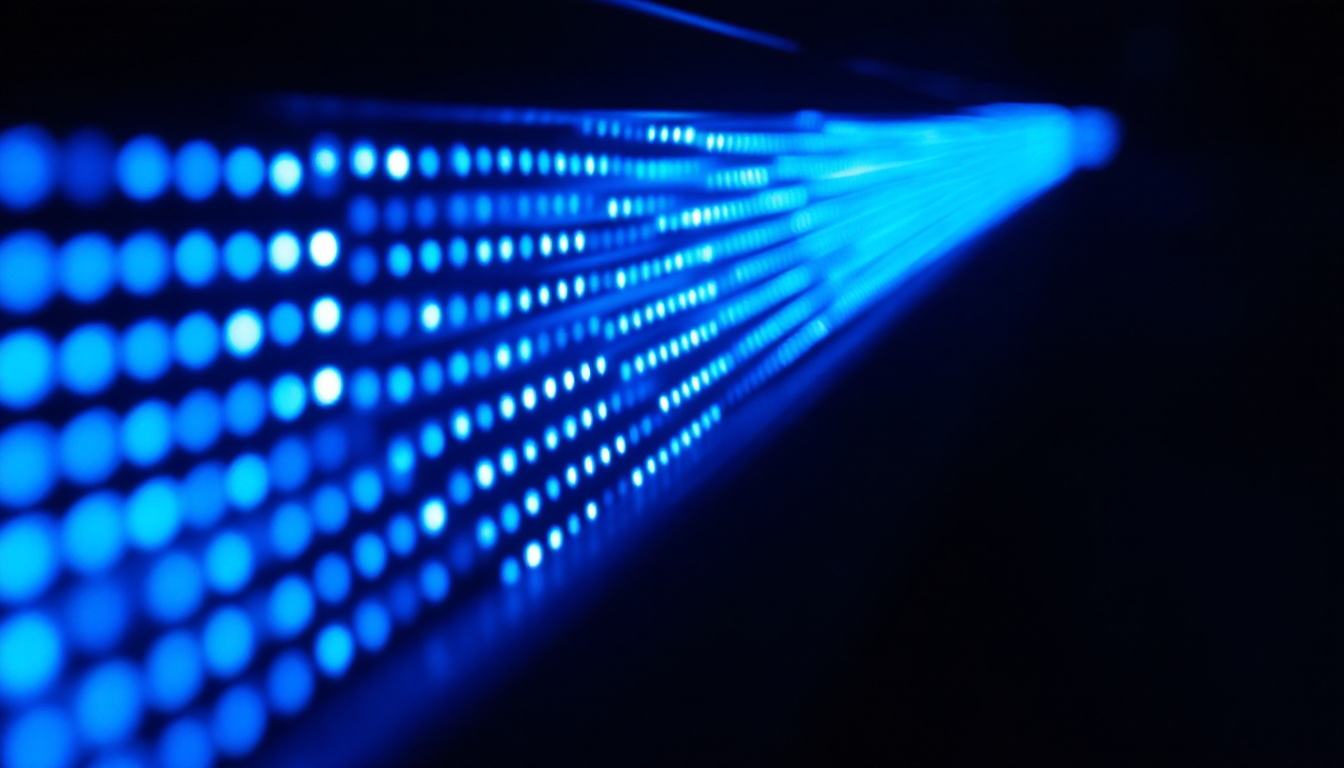
- Full-Array LED: LEDs are placed directly behind the screen in a grid pattern, allowing for more precise control of brightness and contrast through local dimming. This method significantly improves the viewing experience, especially in dark scenes, as it can selectively dim areas of the screen to enhance depth and detail.
In addition to these backlighting techniques, many LED displays now incorporate advanced technologies such as quantum dots, which can further enhance color accuracy and brightness. Quantum dot technology works by using tiny semiconductor particles that emit specific colors when illuminated by the LED backlight, resulting in a broader color spectrum and more vivid images. This innovation has made LED displays increasingly competitive with OLED technology, offering consumers a range of options tailored to their viewing preferences and budget.
Types of LED Panels and Their Impact on Picture Quality
The type of LED panel and backlighting technology directly influences the picture quality, thickness of the TV, and price point. Understanding these differences can help consumers make informed decisions based on their viewing preferences and budget.
Edge-Lit LED Panels
Edge-lit LED TVs are generally thinner and more affordable. By placing LEDs along the edges, manufacturers can create sleek designs that fit well in modern living spaces. However, because light is distributed from the edges, these TVs may suffer from uneven brightness and less effective local dimming, which can impact contrast and black levels.
For casual viewers or those prioritizing aesthetics and price, edge-lit LED TVs offer a solid balance of performance and cost. However, they may not satisfy cinephiles or gamers seeking the deepest blacks and highest contrast ratios.
Full-Array LED Panels with Local Dimming
Full-array LED TVs position LEDs behind the entire screen, enabling local dimming zones that can be turned off or dimmed independently. This technology significantly improves contrast by allowing darker areas of the screen to be truly dark while keeping bright areas illuminated.
According to recent industry reports, full-array LED TVs with local dimming can achieve contrast ratios several times higher than edge-lit models, making them ideal for HDR (High Dynamic Range) content. This results in more vibrant colors, deeper blacks, and an overall more immersive viewing experience.
Mini-LED: The Next Evolution
Mini-LED technology represents a significant advancement in LED backlighting. By using thousands of tiny LEDs, mini-LED TVs can create even more precise local dimming zones, further enhancing contrast and brightness uniformity.
Many manufacturers have adopted mini-LED in premium models released in 2023 and 2024, boasting better HDR performance and reduced blooming effects (where bright areas bleed into dark areas). For viewers seeking near-OLED performance without the risk of burn-in, mini-LED TVs offer an attractive alternative.
LED Display Advantages and Limitations
LED displays have become the dominant technology in the television market due to their many advantages, but they also come with some inherent limitations. Understanding these pros and cons helps consumers align their expectations with the technology’s capabilities.
Advantages of LED Displays
- Energy Efficiency: LED backlighting consumes significantly less power compared to older CCFL-based LCDs and plasma displays, making LED TVs more environmentally friendly and cost-effective to operate.
- Thin and Lightweight Design: The compact nature of LEDs allows manufacturers to produce ultra-thin TVs that are easy to mount and aesthetically pleasing.
- Improved Brightness and Color Accuracy: LEDs can achieve higher brightness levels, which is crucial for HDR content. Combined with advanced color filters and processing, LED TVs can render vivid and lifelike images.
- Long Lifespan: LEDs have a longer operational life compared to other backlighting technologies, ensuring durability and consistent performance over time.
Limitations of LED Displays
- Black Levels and Contrast: Because LED TVs rely on backlighting, achieving perfect blacks is challenging. Light leakage and blooming can reduce contrast, especially in edge-lit models.
- Viewing Angles: LED LCD panels often suffer from color shifting and reduced brightness when viewed from wide angles, unlike OLED panels which maintain consistency.
- Motion Blur: Some LED TVs may exhibit motion blur during fast-moving scenes, although recent advancements in refresh rates and processing have mitigated this issue.
Comparing LED Displays to Other TV Technologies
To fully appreciate LED displays, it’s helpful to compare them with other popular TV panel technologies such as OLED and QLED. Each technology has unique strengths and trade-offs that impact user experience.
LED vs. OLED
OLED (Organic Light Emitting Diode) TVs differ fundamentally from LED LCD TVs because each pixel in an OLED panel emits its own light. This allows OLEDs to achieve perfect blacks and infinite contrast ratios, as pixels can be turned off completely.
However, OLED TVs tend to be more expensive and can suffer from image retention or burn-in with static content. LED TVs, especially those with mini-LED backlighting, offer a more affordable and bright alternative without the risk of burn-in, making them suitable for bright rooms and varied content.
LED vs. QLED
QLED (Quantum Dot LED) is a marketing term used by some manufacturers for LED TVs that incorporate quantum dot technology to enhance color volume and brightness. Essentially, QLED TVs are LED LCDs with quantum dot layers that improve color accuracy and HDR performance.
QLED TVs typically use full-array or edge-lit LED backlighting combined with quantum dots to deliver vibrant colors and high brightness levels. For consumers who want a bright and colorful picture, QLED TVs represent a premium LED option.
What Consumers Should Look for When Buying an LED TV in 2024
With a wide range of LED TVs available, choosing the right model can be overwhelming. Here are key factors to consider to ensure the best purchase decision.
Backlighting Type and Local Dimming
Opt for full-array LED TVs with local dimming if possible, especially if you enjoy watching movies or HDR content. This feature greatly enhances contrast and black levels, improving overall picture quality.
Resolution and HDR Support
4K resolution is now standard in most LED TVs, providing sharp and detailed images. Additionally, look for HDR support, such as HDR10, Dolby Vision, or HDR10+, which enhances dynamic range and color accuracy.
Refresh Rate and Motion Handling
A higher refresh rate (120Hz or above) improves motion clarity, which is beneficial for sports, action movies, and gaming. Some TVs also include motion interpolation technologies to reduce blur.
Smart TV Features and Connectivity
Modern LED TVs come equipped with smart platforms that provide access to streaming services, apps, and voice control. Ensure the TV supports the apps you use and has sufficient HDMI ports for your devices.
Budget and Brand Reliability
While premium models offer advanced features, there are many mid-range LED TVs that provide excellent performance for their price. Consider brands with strong reputations for quality and customer support.
The Future of LED Display Technology
LED display technology continues to evolve rapidly, with innovations aimed at closing the gap between LED and OLED performance. Mini-LED and micro-LED are two promising advancements shaping the future of television displays.
Micro-LED technology, which uses microscopic LEDs as individual pixels, promises the perfect combination of brightness, contrast, and longevity without the burn-in risks of OLED. Although still in early stages and expensive, micro-LED TVs are expected to become more accessible in the coming years.
Meanwhile, improvements in quantum dot technology and local dimming algorithms continue to enhance LED TV performance, making them more versatile for different viewing environments.
Conclusion
LED displays have transformed the television landscape by offering energy-efficient, bright, and affordable options for consumers worldwide. Understanding the technology behind LED panels, including the types of backlighting and their impact on picture quality, empowers buyers to make informed choices.
Whether opting for an edge-lit, full-array, or mini-LED TV, the key is to match the features with viewing habits and budget. As LED technology advances, it remains a compelling choice for those seeking vibrant, reliable TVs in 2024 and beyond.
Discover the Future of Visual Experience with LumenMatrix
As you consider the advancements and possibilities of LED display technology for your home or business, LumenMatrix stands at the forefront of innovation. With a comprehensive range of solutions from Indoor and Outdoor LED Wall Displays to specialized options like Vehicle and Sports LED Displays, LumenMatrix is committed to elevating your visual experience. Embrace the future of vibrant, energy-efficient, and dynamic visual communication. Check out LumenMatrix LED Display Solutions today and see how we can transform your space with unparalleled clarity and impact.