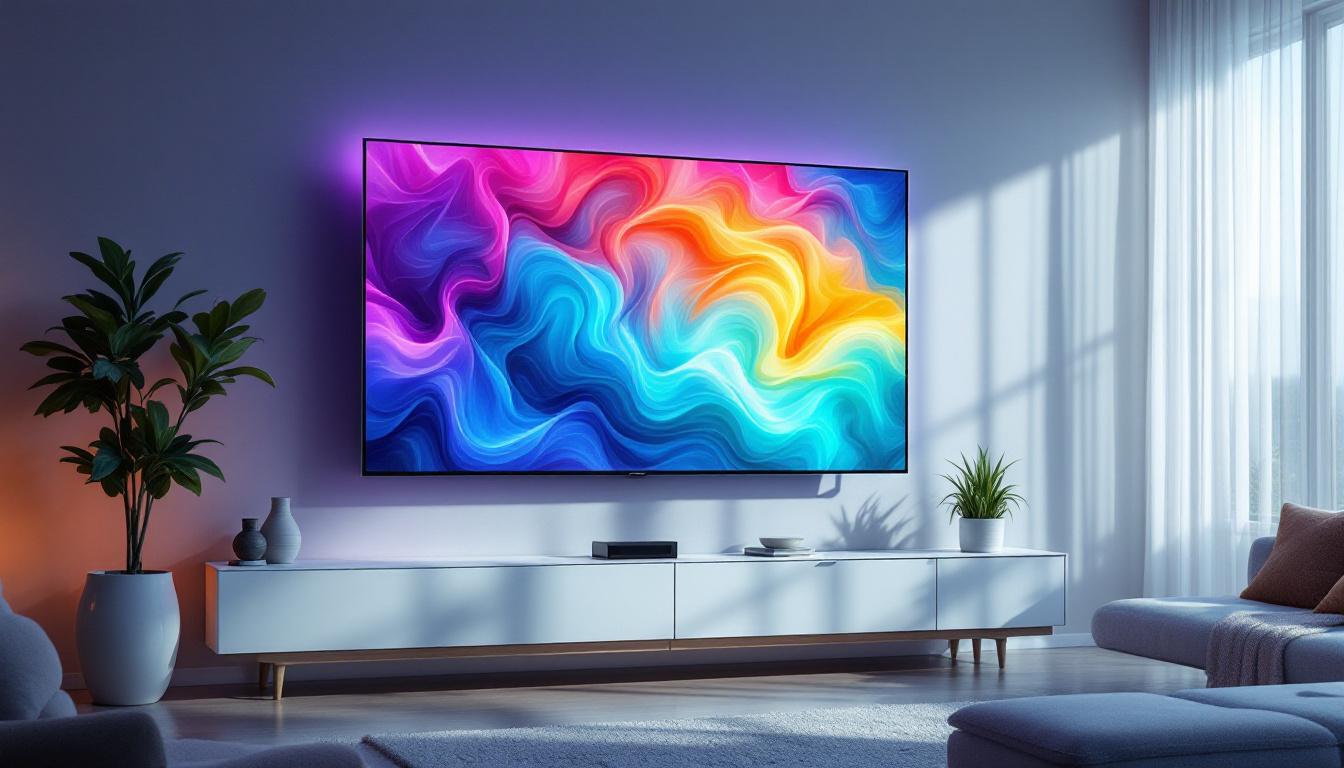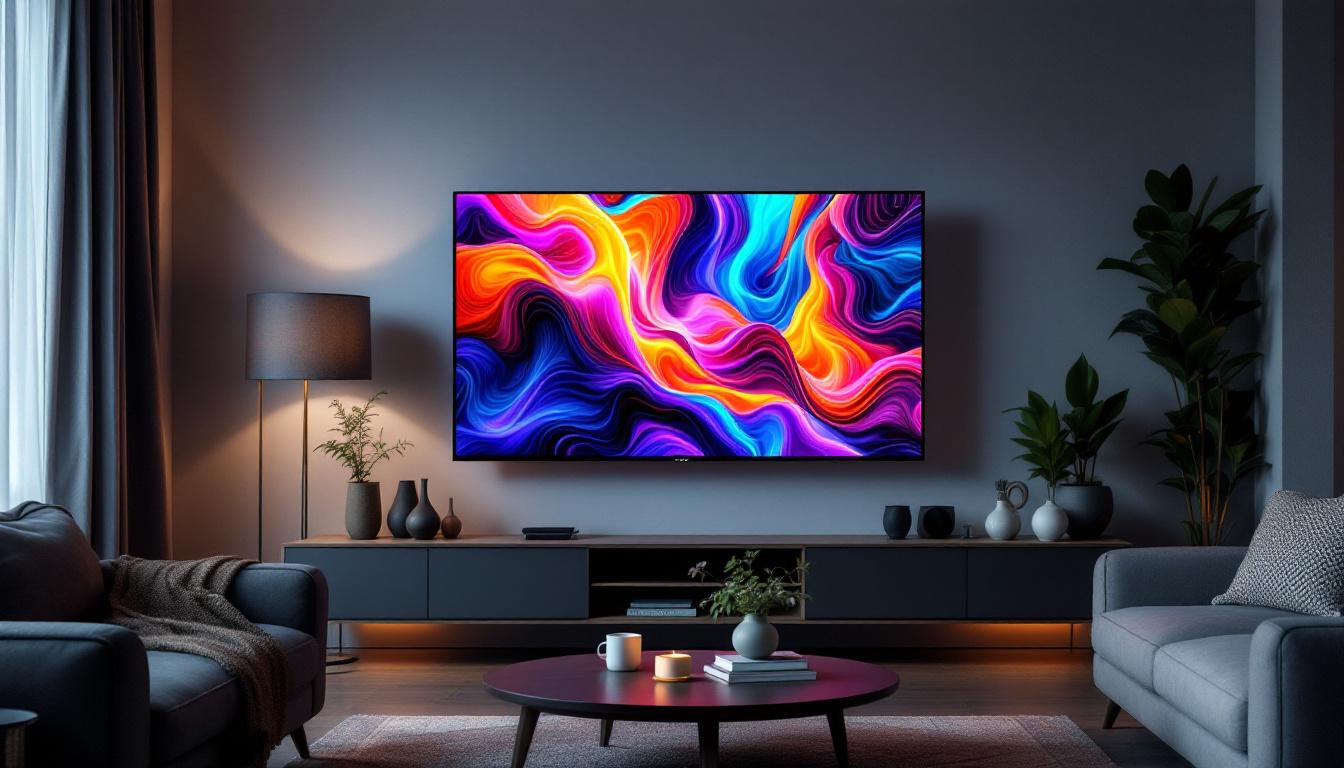
In recent years, LED TVs have become the dominant choice for consumers seeking high-quality, energy-efficient, and visually stunning television displays. But what exactly is a panel LED TV, and how does its LED display technology work? This article delves deeply into the technology behind LED TVs, explaining the types of LED panels, their advantages and limitations, and how they compare to other display technologies. Whether you’re a tech enthusiast or a prospective buyer, understanding LED displays will help you make informed decisions and appreciate the innovation behind modern television screens.
Understanding LED Display Technology
What Does LED Mean in TVs?
LED stands for Light Emitting Diode, a semiconductor device that emits light when an electric current passes through it. In the context of televisions, LED refers to the type of backlighting used to illuminate the LCD (Liquid Crystal Display) panel. Unlike older LCD TVs that used cold cathode fluorescent lamps (CCFLs) for backlighting, LED TVs utilize arrays of LEDs, which are more energy-efficient, thinner, and capable of producing brighter and more vibrant images.
It is important to clarify that LED TVs are not fundamentally different from LCD TVs in terms of the display panel itself; rather, the difference lies in the backlighting technology. The LCD panel controls the light passing through it to create images, while the LEDs provide the light source. This distinction often causes confusion, as many people use “LED TV” and “LCD TV” interchangeably, but technically, LED TVs are a subset of LCD TVs with LED backlights.
How LED Backlighting Works
The LED backlighting system shines light through the LCD panel, which contains millions of pixels made up of liquid crystals. These crystals twist and align to block or allow light to pass through colored filters, creating the images you see on the screen. The LEDs themselves do not produce the images but provide the necessary illumination.
There are two primary types of LED backlighting used in panel LED TVs:
- Edge-Lit LED: LEDs are placed along the edges of the screen, and light is distributed across the panel using light guides. This design allows for ultra-thin TV profiles but can sometimes result in uneven brightness or less precise local dimming.
- Full-Array LED: LEDs are placed directly behind the entire LCD panel in a grid pattern. This arrangement allows for more uniform brightness and enables advanced local dimming features, where specific zones of LEDs can be dimmed or brightened independently to improve contrast.
Types of LED Panels in TVs
Edge-Lit LED TVs
Edge-lit LED TVs are popular for their slim design and affordability. By positioning LEDs along the screen’s edges, manufacturers can create thinner and lighter TVs, which are aesthetically pleasing and easier to mount on walls. However, this design can sometimes lead to light bleed or uneven brightness, especially in darker scenes.
Edge-lit TVs often rely on software algorithms to simulate local dimming, but this approach is generally less effective than the hardware-based local dimming found in full-array LED TVs. Despite these limitations, edge-lit LED TVs remain a solid choice for consumers prioritizing design and budget.
Full-Array LED TVs
Full-array LED TVs feature a backlight system with LEDs spread evenly across the entire panel. This configuration allows for precise local dimming, where individual zones of LEDs can be dimmed or brightened independently. As a result, full-array LED TVs deliver superior contrast ratios, deeper blacks, and more vibrant colors compared to edge-lit models.
While full-array LED TVs tend to be thicker and more expensive than edge-lit counterparts, their enhanced picture quality makes them a preferred choice for home theater enthusiasts and viewers seeking the best possible visual experience.
Mini-LED Technology: The Next Evolution
Mini-LED technology represents a significant advancement in LED backlighting. By using thousands of tiny LEDs (much smaller than traditional LEDs), mini-LED TVs can achieve even more precise local dimming with hundreds or thousands of dimming zones. This leads to improved contrast, better black levels, and reduced blooming (halo effects around bright objects).
Mini-LED TVs bridge the gap between traditional LED LCDs and OLED displays, offering high brightness levels and excellent color accuracy without the risk of burn-in associated with OLED technology. As of 2024, mini-LED TVs are becoming increasingly popular, especially in premium models from leading manufacturers.
Advantages of LED Panel TVs
Energy Efficiency and Longevity
One of the most significant benefits of LED TVs over older CCFL-backlit LCDs is their energy efficiency. LEDs consume less power, which translates to lower electricity bills and a smaller environmental footprint. According to the U.S. Department of Energy, LED-backlit TVs can be up to 30% more energy-efficient than CCFL-backlit models.
Additionally, LEDs have a longer lifespan, often exceeding 50,000 hours of use, meaning the backlight will likely outlast the TV itself. This durability adds to the overall value and reliability of LED TVs.
Improved Picture Quality
LED backlighting enables higher brightness levels and better color reproduction compared to older LCD technologies. Full-array and mini-LED TVs, in particular, offer enhanced contrast ratios and more precise control over lighting zones, resulting in deeper blacks and more vivid images.
These improvements are critical for enjoying high dynamic range (HDR) content, which requires the display to handle bright highlights and dark shadows simultaneously. LED TVs with advanced backlighting can deliver a more immersive viewing experience, especially with popular HDR formats like HDR10, Dolby Vision, and HLG.
Thin and Lightweight Designs
The compact size of LEDs allows manufacturers to produce TVs with sleek, slim profiles that fit well in modern living spaces. Edge-lit LED TVs can be exceptionally thin, sometimes less than an inch thick, making them easy to mount on walls and integrate into stylish home entertainment setups.
Comparing LED TVs to Other Display Technologies
LED TVs vs. OLED TVs
OLED (Organic Light Emitting Diode) TVs differ fundamentally from LED LCD TVs. Instead of using a backlight, OLED panels have self-emitting pixels that produce their own light. This allows OLED TVs to achieve perfect black levels by turning off individual pixels completely, resulting in infinite contrast ratios and exceptional picture quality.
However, OLED TVs generally have lower peak brightness than LED TVs, which can affect HDR performance in very bright rooms. Additionally, OLED panels can be susceptible to burn-in if static images are displayed for extended periods. LED TVs, particularly those with mini-LED backlighting, can offer higher brightness and are less prone to burn-in, making them suitable for bright environments and varied content.
LED TVs vs. QLED TVs
QLED (Quantum Dot LED) TVs are essentially LED LCD TVs enhanced with a quantum dot layer that improves color accuracy and brightness. Quantum dots are tiny semiconductor particles that emit precise colors when illuminated by the LED backlight, resulting in a wider color gamut and better HDR performance.
QLED TVs often use full-array or mini-LED backlighting to maximize contrast and brightness. While QLED is a marketing term popularized by Samsung, many manufacturers incorporate quantum dot technology into their LED TVs. When shopping for an LED TV, understanding whether it includes quantum dot technology can help identify models with superior color performance.
Key Features to Consider When Buying a Panel LED TV
Resolution and Screen Size
Resolution remains a critical factor in picture clarity. Most modern LED TVs offer 4K Ultra HD (3840 x 2160 pixels), providing four times the resolution of Full HD. 8K TVs are also emerging, though content availability remains limited.
Screen size should be chosen based on viewing distance and room size. For example, a 55-inch 4K TV is ideal for viewing distances of 6 to 8 feet, while larger rooms may benefit from 65-inch or bigger displays. Higher resolution allows for larger screens without sacrificing image sharpness.
Refresh Rate and Motion Handling
A higher refresh rate (measured in Hertz) enables smoother motion, which is especially important for fast-paced content like sports and gaming. Most LED TVs offer native refresh rates of 60Hz or 120Hz, with some models featuring motion interpolation technologies to reduce blur.
Smart TV Capabilities
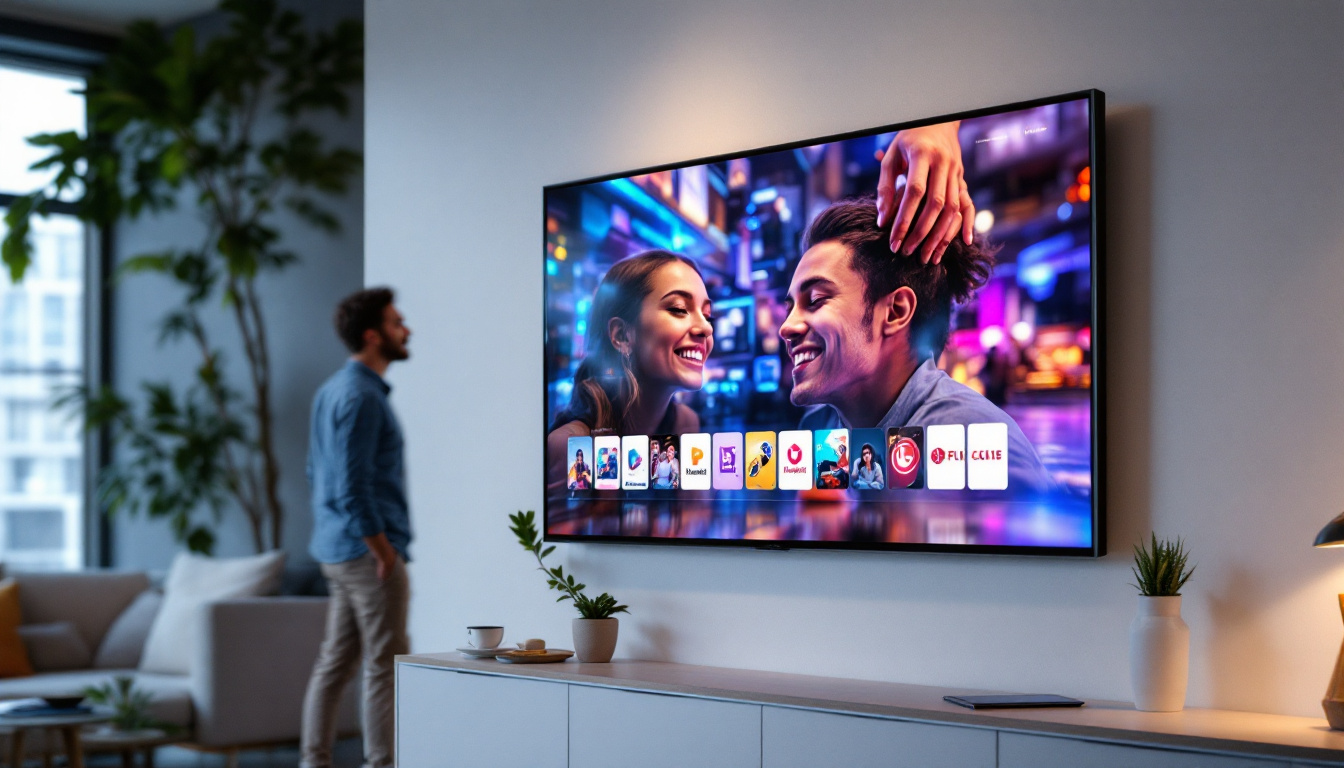
Modern LED TVs come equipped with smart platforms that provide access to streaming services, apps, and voice assistants. Popular platforms include Roku TV, Google TV, Samsung’s Tizen, and LG’s webOS. When choosing a TV, consider the user interface, app availability, and compatibility with other smart home devices.
Connectivity Options
Ensure the TV has sufficient HDMI ports, USB inputs, and support for the latest standards such as HDMI 2.1, which enables features like 4K at 120Hz and variable refresh rate (VRR) for gaming. Audio output options, including eARC (Enhanced Audio Return Channel), are also important for connecting soundbars or home theater systems.
Future Trends in LED TV Technology
Advancements in Mini-LED and Micro-LED
Mini-LED technology continues to evolve, with manufacturers increasing the number of dimming zones and improving LED efficiency. This trend will further narrow the performance gap between LED LCDs and OLEDs, offering consumers more choices for premium displays.
Micro-LED is another emerging technology that combines the self-emissive benefits of OLED with the brightness and durability of LEDs. Although still in early stages and expensive, micro-LED TVs promise exceptional picture quality without burn-in risk.
Integration of AI and Image Processing
Artificial intelligence (AI) is playing a growing role in LED TV technology. AI-powered upscaling enhances lower-resolution content to near-4K or 8K quality, while AI-based dynamic tone mapping optimizes HDR performance scene-by-scene. These features improve the viewing experience without requiring new content formats.
Eco-Friendly Innovations
As environmental concerns rise, manufacturers are focusing on reducing the carbon footprint of LED TVs. This includes using recyclable materials, improving energy efficiency, and developing sustainable manufacturing processes. Consumers can expect greener products without compromising performance.
Conclusion
Panel LED TVs represent a sophisticated blend of display technology that balances picture quality, energy efficiency, and design flexibility. By understanding the nuances of LED backlighting, panel types, and related technologies like quantum dots and mini-LEDs, consumers can make informed choices tailored to their viewing preferences and budgets.
While OLED and emerging technologies like micro-LED offer compelling alternatives, LED TVs remain a versatile and popular option for millions of viewers worldwide. As the technology continues to advance, LED TVs will deliver even more immersive and vibrant viewing experiences, solidifying their place in the future of home entertainment.
Discover the Future of Visual Experience with LumenMatrix
Ready to elevate your viewing experience with the latest in LED display technology? LumenMatrix is at the forefront of innovation, offering a diverse range of LED display solutions that cater to every need. From captivating Indoor LED Wall Displays to dynamic Outdoor LED Wall Displays, and from versatile Vehicle LED Displays to sleek LED Poster Displays, our products are designed to transform your visual communication. Embrace the future with our LED Sports Displays, interactive Floor LED Displays, and customizable options that ensure your message stands out. Experience the revolution in digital signage and create unforgettable visual experiences. Check out LumenMatrix LED Display Solutions today and see your world in a new light.