Pantalla LCD: LED Display Explained
In today’s digital age, screens are everywhere—from smartphones and laptops to televisions and outdoor billboards. Among the most common types of display technology are LCD and LED screens, terms often used interchangeably but representing distinct technologies. This article delves into the world of pantalla LCD and LED displays, explaining how they work, their differences, advantages, and practical applications. Whether you’re a consumer looking to buy a new TV or a professional in the display industry, understanding these technologies will help you make informed decisions.
Understanding the Basics: What is a Pantalla LCD?
The term pantalla LCD stands for “Liquid Crystal Display.” It is a flat-panel display technology widely used in monitors, televisions, smartphones, and many other devices. LCD screens function by manipulating light through liquid crystals to produce images.
At its core, an LCD panel consists of several layers: a backlight, polarizing filters, liquid crystal molecules, and color filters. The backlight provides a constant source of light, which passes through the liquid crystals. By applying an electric current, the crystals align in such a way that they control the amount of light passing through each pixel, producing images on the screen.
One key feature of LCD technology is that it does not emit light by itself; instead, it relies on a backlight to illuminate the screen. This characteristic distinguishes LCDs from technologies like OLED, where each pixel emits its own light.
How LCD Screens Work
Liquid crystals are unique substances that flow like liquids but have some properties of solid crystals. In an LCD, these crystals can be twisted or aligned by electric currents. When light from the backlight passes through the crystals, their alignment determines how much light can pass through the polarizing filters and color layers, thus creating the desired image.
This process allows for precise control of light and color at each pixel, enabling high-resolution displays with vibrant colors and sharp images. However, because the light source is separate, the quality of the backlight significantly impacts the overall display performance.
Moreover, the advancements in LCD technology have led to various subtypes, such as IPS (In-Plane Switching) and TN (Twisted Nematic) panels, each with its own strengths and weaknesses. IPS panels are renowned for their superior color accuracy and wider viewing angles, making them a favorite among graphic designers and photographers. On the other hand, TN panels are often favored for gaming due to their faster response times, although they may compromise on color reproduction and viewing angles. This diversity in LCD technology allows consumers to choose displays that best fit their specific needs, whether for professional use, gaming, or casual viewing.
In addition to display quality, energy efficiency has become a significant focus in the development of LCD technology. Modern LCD screens are designed to consume less power while still delivering high-quality visuals. This is particularly important in portable devices like smartphones and tablets, where battery life is a critical consideration. Innovations such as LED backlighting have further enhanced energy efficiency, allowing for thinner designs without sacrificing brightness or color quality. As a result, LCD technology continues to evolve, adapting to the demands of users while maintaining its position as a leading display solution in the market.
What is an LED Display? Clarifying the Terminology
LED stands for “Light Emitting Diode,” a semiconductor device that emits light when an electric current passes through it. When people refer to an “LED display,” they usually mean an LCD screen that uses LED backlighting instead of older cold cathode fluorescent lamps (CCFLs).
It’s important to clarify that LED displays can refer to two different things:
- LED-backlit LCDs: These are LCD screens illuminated by LEDs as the backlight source.
- Direct LED displays: Displays where each pixel is an individual LED, such as in large outdoor billboards or newer OLED panels.
For most consumer electronics, “LED display” usually means an LCD panel with LED backlighting, which offers improved brightness, energy efficiency, and thinner designs compared to older LCDs with CCFL backlights.
Types of LED Backlighting
LED backlighting comes in two primary configurations:
- Edge-lit LED: LEDs are placed along the edges of the screen, and light is diffused across the panel. This allows for thinner screens but can sometimes result in uneven brightness.
- Full-array LED: LEDs are distributed evenly behind the entire screen. This setup enables local dimming, where sections of the backlight can be dimmed or brightened independently, improving contrast and black levels.
Understanding these configurations is crucial for consumers looking to purchase a new display. Edge-lit LED displays are often more affordable and lighter, making them a popular choice for those who prioritize portability or have limited space. However, full-array LED displays are generally favored by enthusiasts and professionals who require superior picture quality, especially for tasks like graphic design or gaming, where color accuracy and contrast are paramount.
Moreover, the evolution of LED technology has led to innovations such as mini-LED and micro-LED displays. Mini-LED technology utilizes smaller LEDs to enhance the backlighting of LCD panels, allowing for even finer control over local dimming and improved HDR performance. On the other hand, micro-LED technology represents a significant leap forward, as it employs microscopic individual LEDs to create self-emissive displays that rival OLED in terms of color vibrancy and contrast, while also avoiding some of the burn-in issues associated with OLED screens. This ongoing advancement in LED technology continues to shape the landscape of visual displays, offering consumers a wider array of options than ever before.
Comparing LCD and LED Displays: Key Differences
Since LED displays are essentially LCD panels with LED backlighting, the differences between traditional LCDs and LED-backlit LCDs lie primarily in the backlight technology. Here’s a breakdown of the key distinctions:
Brightness and Energy Efficiency
LED backlighting can achieve higher brightness levels than CCFL backlights, making LED-backlit LCDs ideal for environments with strong ambient light. Additionally, LEDs consume less power, contributing to longer battery life in portable devices and lower electricity costs for larger screens.
Color Accuracy and Contrast
Full-array LED backlighting with local dimming enhances contrast ratios by dimming dark areas of the screen while keeping bright areas illuminated. This results in deeper blacks and more vivid colors compared to traditional LCDs. Edge-lit LED displays may not perform as well in this regard due to less precise control over backlight zones.
Screen Thickness and Design
Because LEDs are smaller and more efficient than CCFLs, LED-backlit LCDs can be made thinner and lighter. This has led to modern ultra-slim TV designs and portable devices with sleek profiles.
Lifespan and Environmental Impact
LED backlights generally have a longer lifespan and contain fewer toxic materials than CCFLs, which use mercury. This makes LED-backlit LCDs more environmentally friendly and easier to recycle.
Applications and Use Cases for Pantalla LCD and LED Displays
Understanding where and how these display technologies are used can help consumers and professionals select the right screen for their needs.
Consumer Electronics
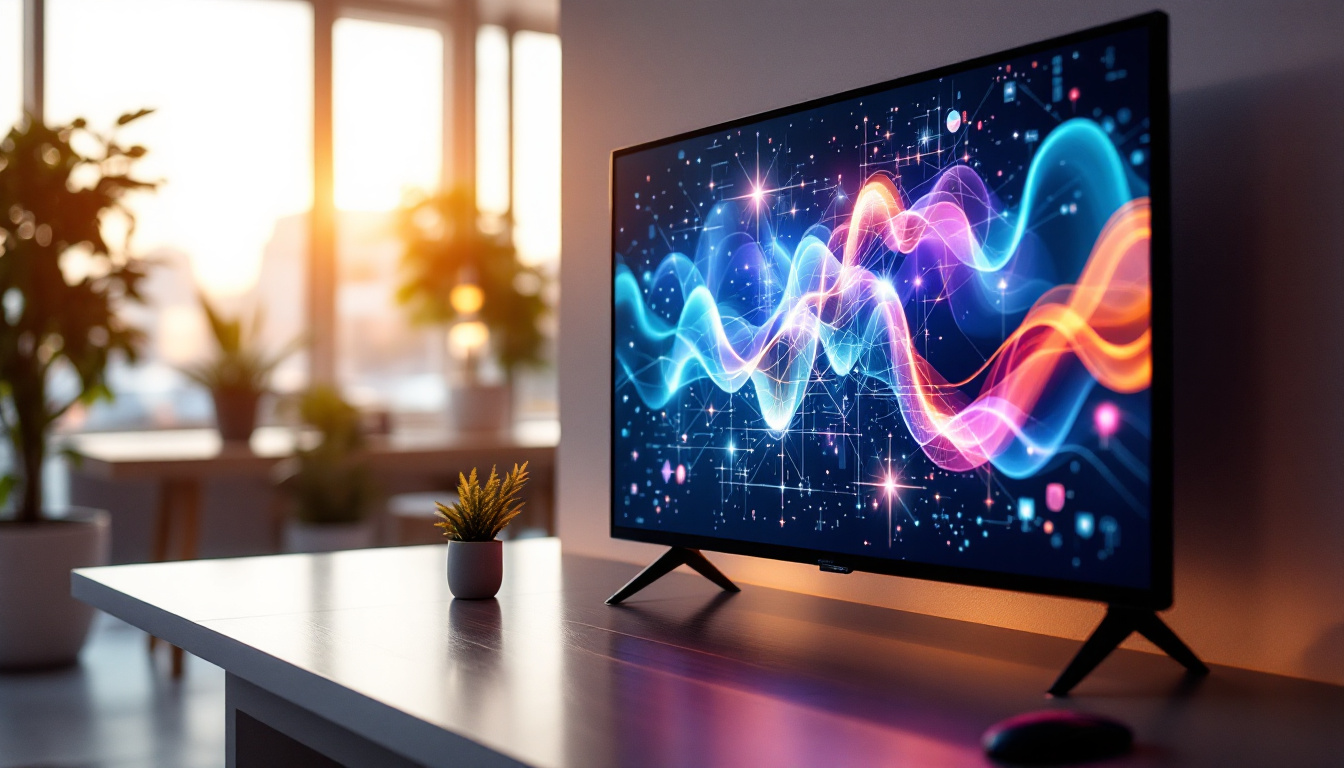
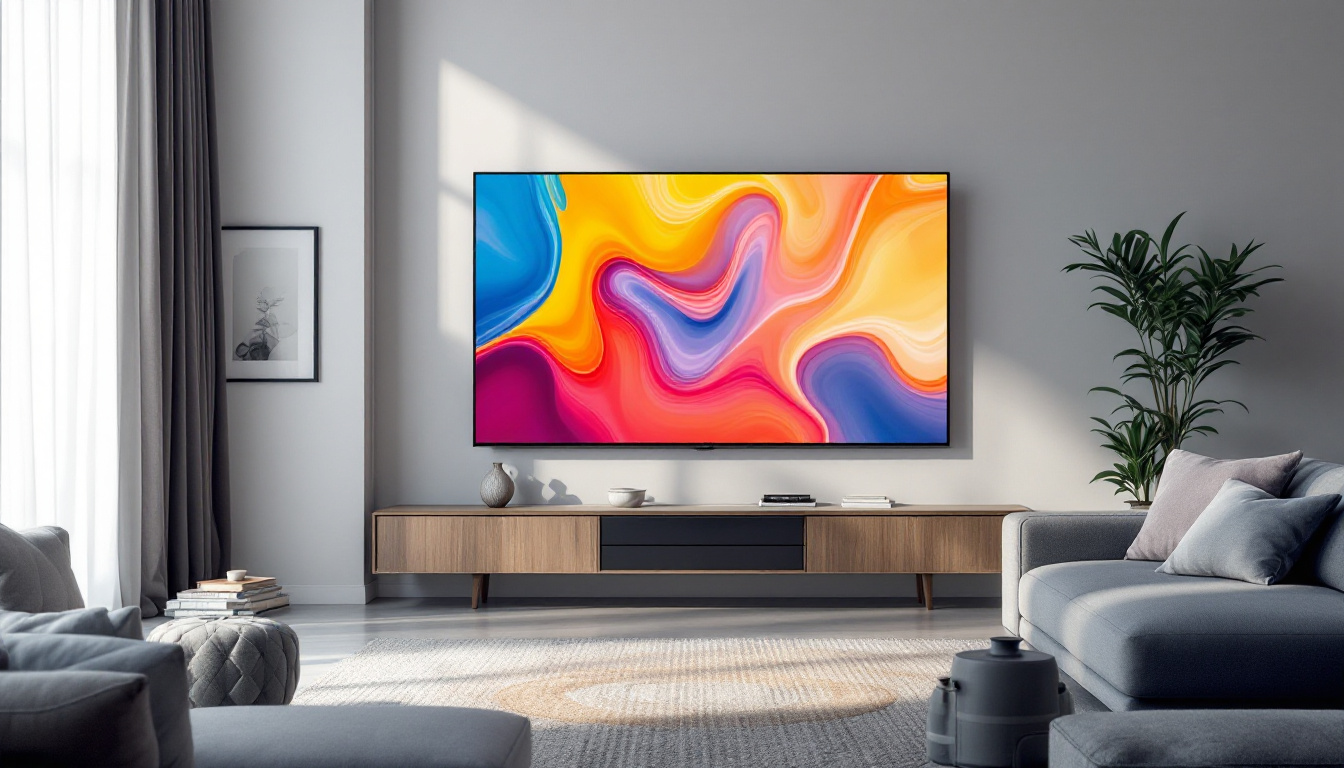
Most modern televisions, computer monitors, smartphones, and tablets use LED-backlit LCD technology due to its balance of image quality, cost, and energy efficiency. For example, in 2023, over 90% of LCD TVs sold worldwide featured LED backlighting.
High-end monitors designed for graphic design and video editing often use full-array LED backlighting with local dimming to provide superior color accuracy and contrast.
Outdoor and Large-Scale Displays
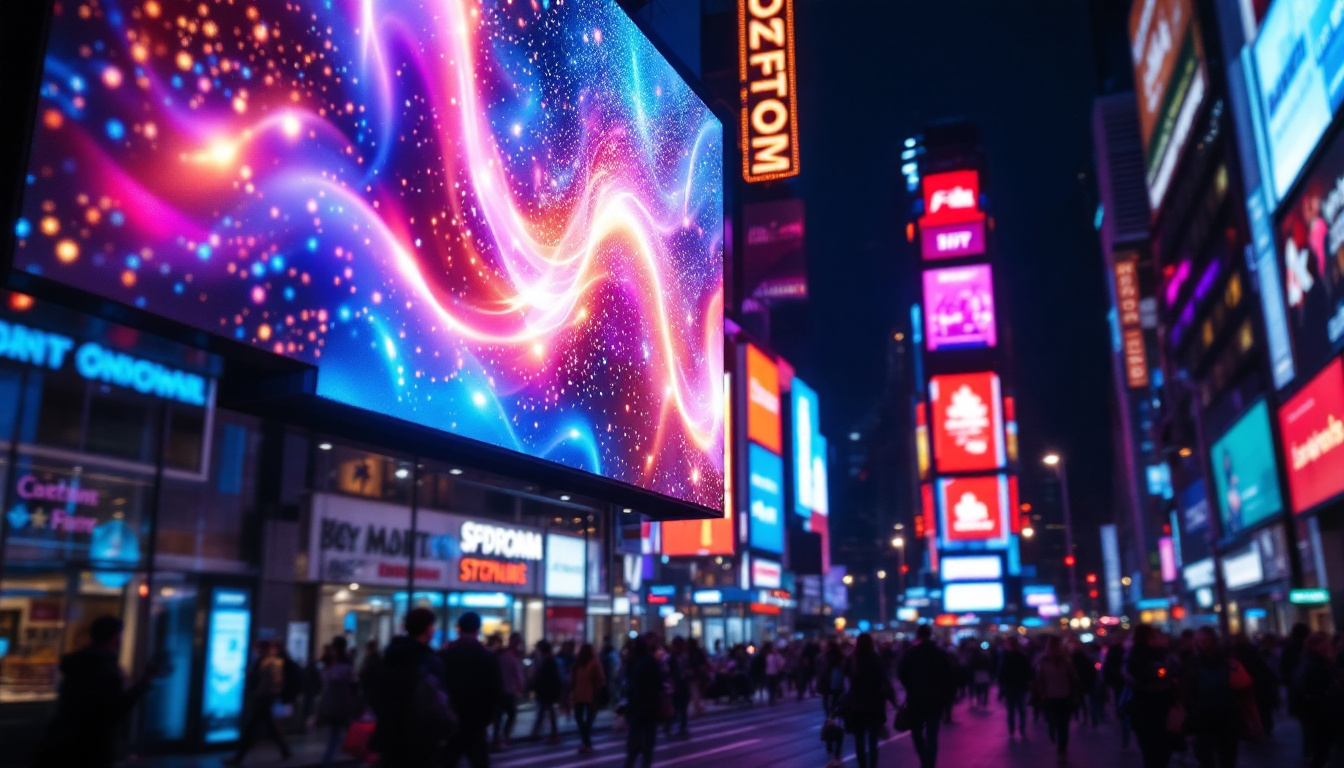
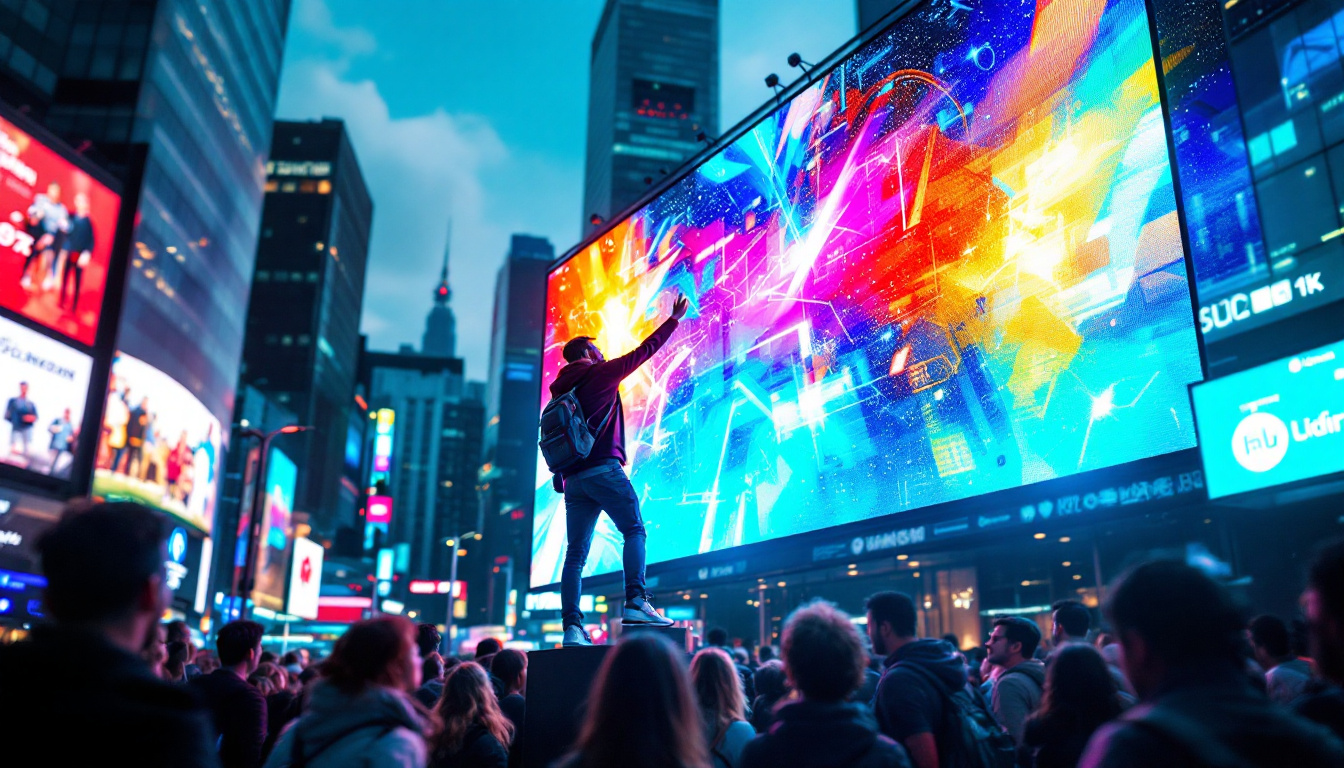
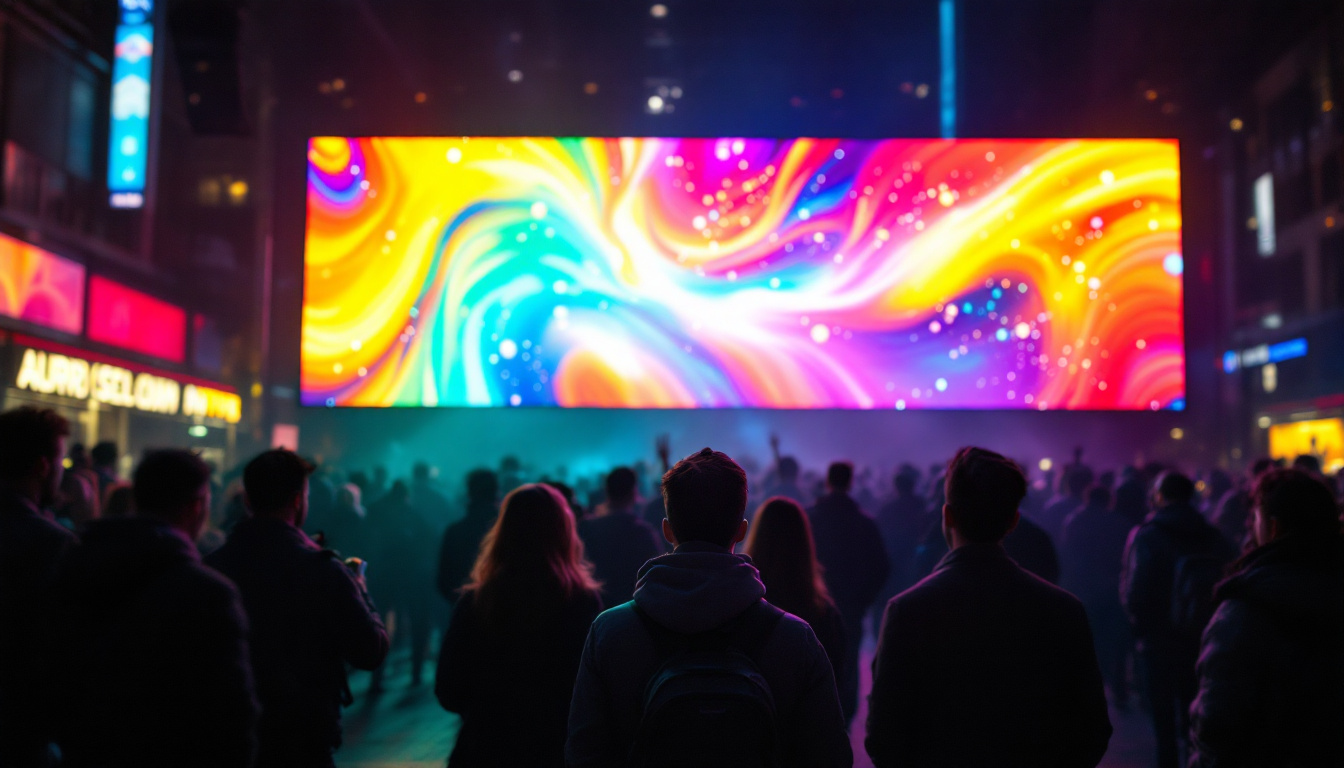
Direct LED displays, where each pixel is an LED, are common in large outdoor billboards, stadium screens, and public information displays. These screens offer high brightness, durability, and visibility even in direct sunlight.
Industrial and Medical Applications
LCD and LED displays are also used in specialized equipment such as medical imaging devices, industrial control panels, and automotive dashboards. The choice of display depends on factors like resolution, brightness, durability, and power consumption.
Future Trends in LCD and LED Display Technology
The display industry is constantly evolving, with innovations aimed at improving image quality, reducing power consumption, and enabling new form factors.
Mini-LED and Micro-LED Technology
Mini-LED backlighting uses thousands of tiny LEDs to achieve even more precise local dimming and higher contrast ratios. This technology is becoming popular in premium TVs and monitors, offering near-OLED level performance with the benefits of LCD technology.
Micro-LED displays take this a step further by using microscopic LEDs as individual pixels, eliminating the need for a backlight altogether. This promises exceptional brightness, color accuracy, and longevity, though mass production remains challenging.
Quantum Dot Enhancement
Quantum dot technology is often combined with LED-backlit LCDs to improve color gamut and brightness. Quantum dots are semiconductor nanocrystals that emit pure colors when illuminated by LEDs, resulting in more vibrant and accurate images.
Flexible and Transparent Displays
Research into flexible LCD and LED displays is opening new possibilities for foldable smartphones, wearable devices, and transparent screens for augmented reality applications.
Choosing the Right Display: What Consumers Should Know
When selecting a pantalla LCD or LED display, consider the following factors to ensure the best experience:
- Purpose: Are you buying for gaming, professional work, general entertainment, or outdoor use? Different applications demand different features.
- Backlight Type: Full-array LED with local dimming generally provides better picture quality than edge-lit LED.
- Resolution and Size: Higher resolutions (4K and above) offer sharper images, especially on larger screens.
- Color Accuracy: Important for photo and video editing; look for displays with wide color gamut and factory calibration.
- Budget: LED-backlit LCDs cover a wide price range, so balance features with cost.
Understanding the nuances between pantalla LCD and LED displays empowers consumers to make choices that align with their needs and preferences.
Conclusion
Pantalla LCD and LED display technologies form the backbone of modern visual experiences across countless devices and industries. While LCD refers to the liquid crystal technology that modulates light, LED typically refers to the backlighting method that illuminates the screen. Advances such as full-array LED backlighting, mini-LED, and quantum dot enhancements continue to push the boundaries of display quality, offering brighter, more colorful, and more efficient screens.
Whether for home entertainment, professional use, or large-scale advertising, understanding the distinctions and capabilities of these technologies helps users select the right display for their needs. As the industry evolves, staying informed about emerging trends will ensure that consumers and professionals alike can enjoy the best possible visual experiences.
Discover Cutting-Edge LED Displays with LumenMatrix
Ready to elevate your visual experience with the latest in LED display technology? LumenMatrix is at the forefront of innovation, offering a diverse range of LED display solutions tailored to meet your unique needs. From captivating Indoor LED Wall Displays to dynamic Outdoor LED Wall Displays, and from versatile Vehicle LED Displays to immersive LED Sports and Floor Displays, LumenMatrix has it all. Our mission is to transform your visual communication, ensuring your message resonates with brilliance and precision. Don’t just take our word for it; check out LumenMatrix LED Display Solutions today and see the difference for yourself!