In the rapidly evolving world of digital signage and visual communication, the pantalla LED wall stands out as a revolutionary technology. From massive outdoor billboards to indoor event backdrops, LED display walls have transformed how businesses, event organizers, and advertisers engage their audiences. This article delves into the fundamentals of LED walls, exploring their technology, applications, benefits, and future trends.
What is a Pantalla LED Wall?
A pantalla LED wall, or LED display wall, is a large-scale screen composed of multiple LED modules seamlessly tiled together to create one continuous display surface. Unlike traditional LCD or projection screens, LED walls use light-emitting diodes (LEDs) as pixels, which emit their own light. This self-illumination allows for brighter images, deeper contrasts, and better visibility in various lighting conditions.
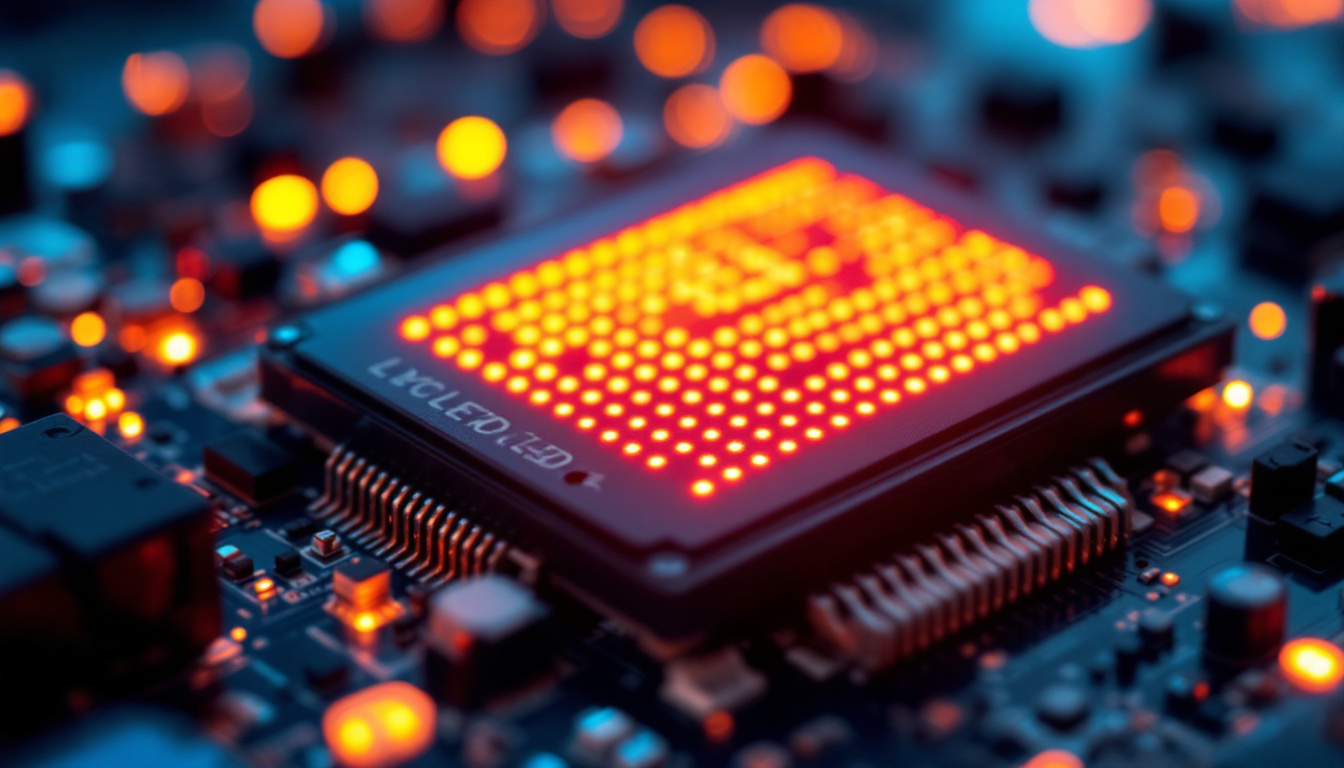
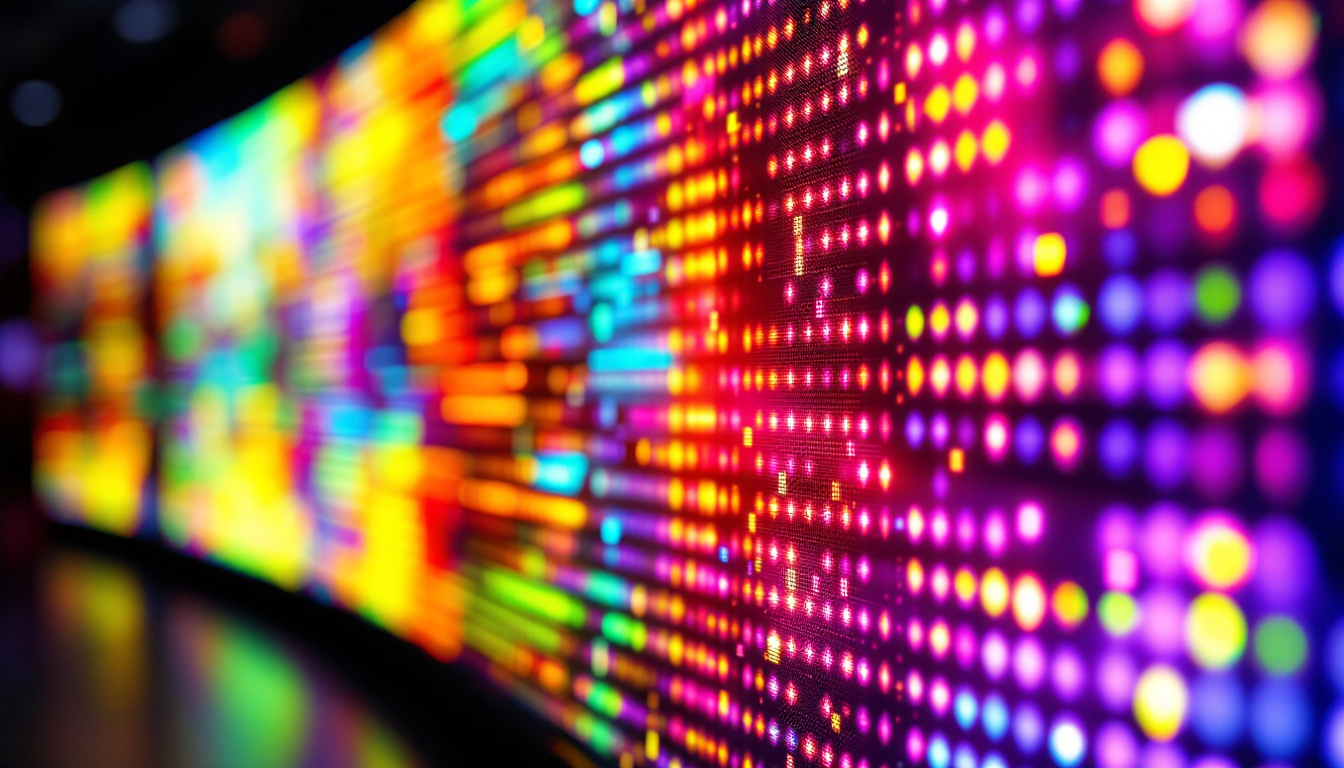
Typically, these walls are made up of individual panels or tiles, each containing hundreds or thousands of tiny LEDs. When combined, these panels form a high-resolution display capable of showing videos, images, animations, and live feeds. The modular design also allows for flexible sizes and shapes, making LED walls adaptable to different environments and purposes. Their versatility has made them a popular choice for a wide range of applications, from large-scale concerts and sporting events to corporate presentations and retail displays.
In addition to their visual appeal, LED walls are also energy efficient compared to older display technologies. They consume less power while providing superior brightness and color quality, which is particularly beneficial for businesses looking to reduce operational costs. Furthermore, advancements in technology have led to the development of outdoor LED walls that are weather-resistant and capable of withstanding harsh environmental conditions, thereby expanding their usability beyond indoor settings.
Key Components of an LED Wall
Understanding the anatomy of an LED wall helps appreciate its capabilities:
- LED Modules: These are the building blocks, containing clusters of LEDs arranged in a grid. The density of LEDs per module determines the resolution and pixel pitch.
- Pixel Pitch: This refers to the distance between the centers of two adjacent LEDs, measured in millimeters. Smaller pixel pitch means higher resolution and sharper images, especially important for close viewing distances.
- Driver Electronics: These control the power and signal to each LED, ensuring accurate color reproduction and brightness.
- Control System: A computer or processor that manages the content displayed, synchronizes panels, and adjusts settings such as brightness and refresh rate.
- Cabinet Structure: The physical frame housing the modules, designed for durability, ventilation, and ease of installation.
Each of these components plays a crucial role in the overall performance of the LED wall. For instance, the driver electronics not only regulate the brightness but also help in achieving dynamic color changes, which can enhance the viewer’s experience during events. Meanwhile, the control system allows for real-time updates, enabling operators to display live content or change visuals on the fly, which is particularly useful in environments like sports arenas or concert venues where audience engagement is key. Additionally, the cabinet structure is engineered to facilitate easy assembly and disassembly, making it convenient for temporary installations or touring events.
How Does an LED Display Work?
At its core, an LED display functions by illuminating tiny diodes in different colors and intensities to form images. Each pixel typically consists of three LEDs: red, green, and blue (RGB). By varying the brightness of these LEDs, the display can produce a wide color gamut and dynamic visuals.
The control system receives digital video signals and translates them into commands for each LED module. These commands determine which LEDs light up and at what intensity. The rapid switching of LEDs, often at refresh rates above 1,000 Hz, ensures smooth motion and flicker-free viewing, even in high-speed video content.
Brightness and Visibility
One of the standout advantages of LED walls is their exceptional brightness. Unlike LCD screens that rely on backlighting, LEDs emit light directly, allowing brightness levels often exceeding 1,000 nits (cd/m²). For outdoor installations, some LED walls reach brightness levels above 5,000 nits, ensuring visibility even under direct sunlight.
This high brightness, combined with wide viewing angles and excellent contrast ratios, makes LED walls ideal for environments where ambient light varies significantly. Whether in a sunlit stadium or a dimly lit conference hall, LED walls deliver vibrant, clear images.
Applications of Pantalla LED Walls
LED walls have become ubiquitous across various industries due to their versatility and visual impact. Below are some of the most common applications:
Advertising and Outdoor Billboards
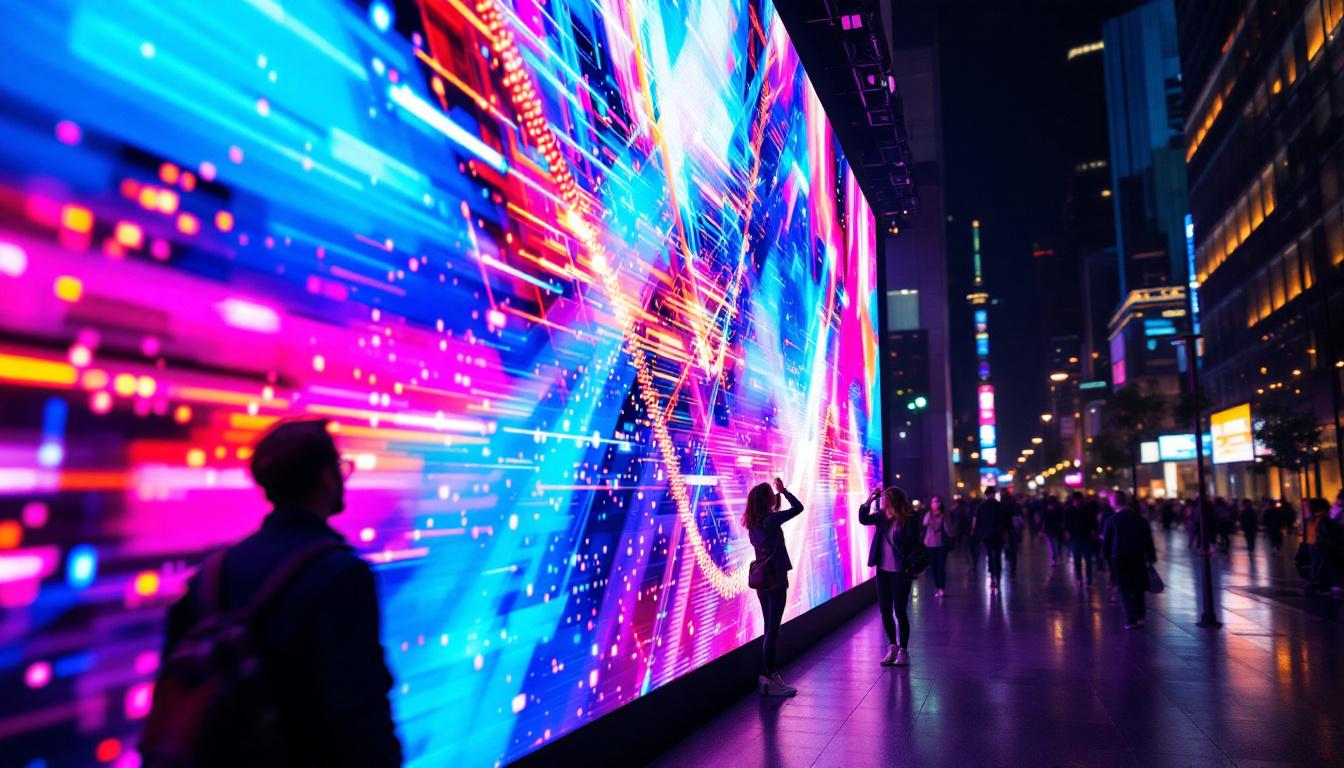
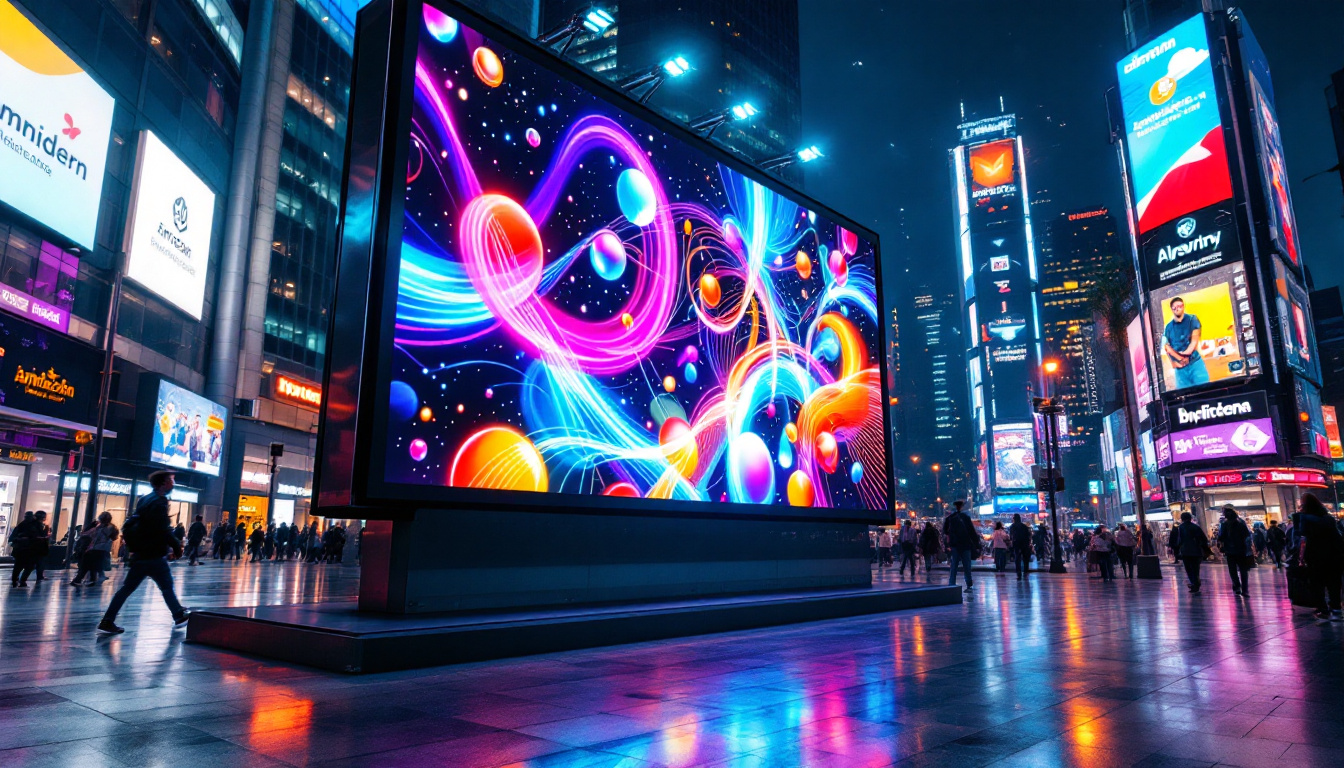
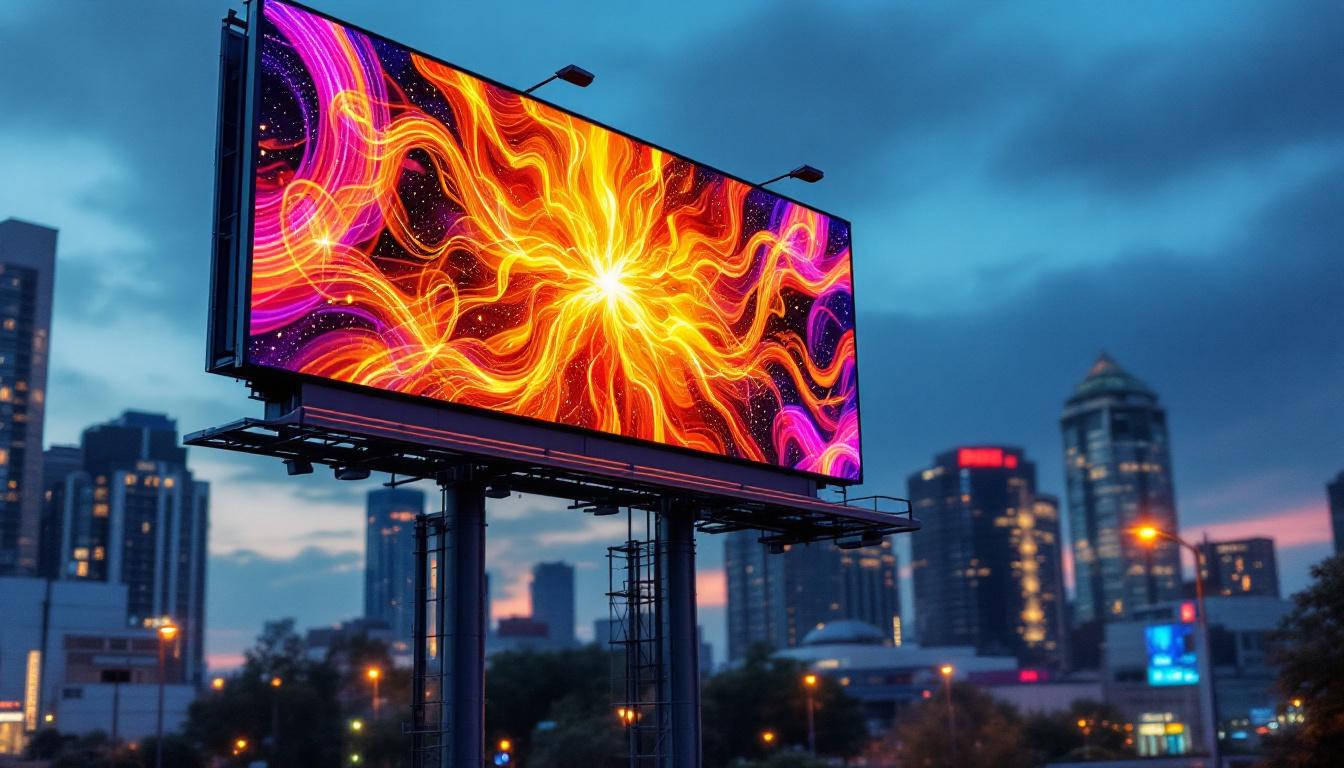
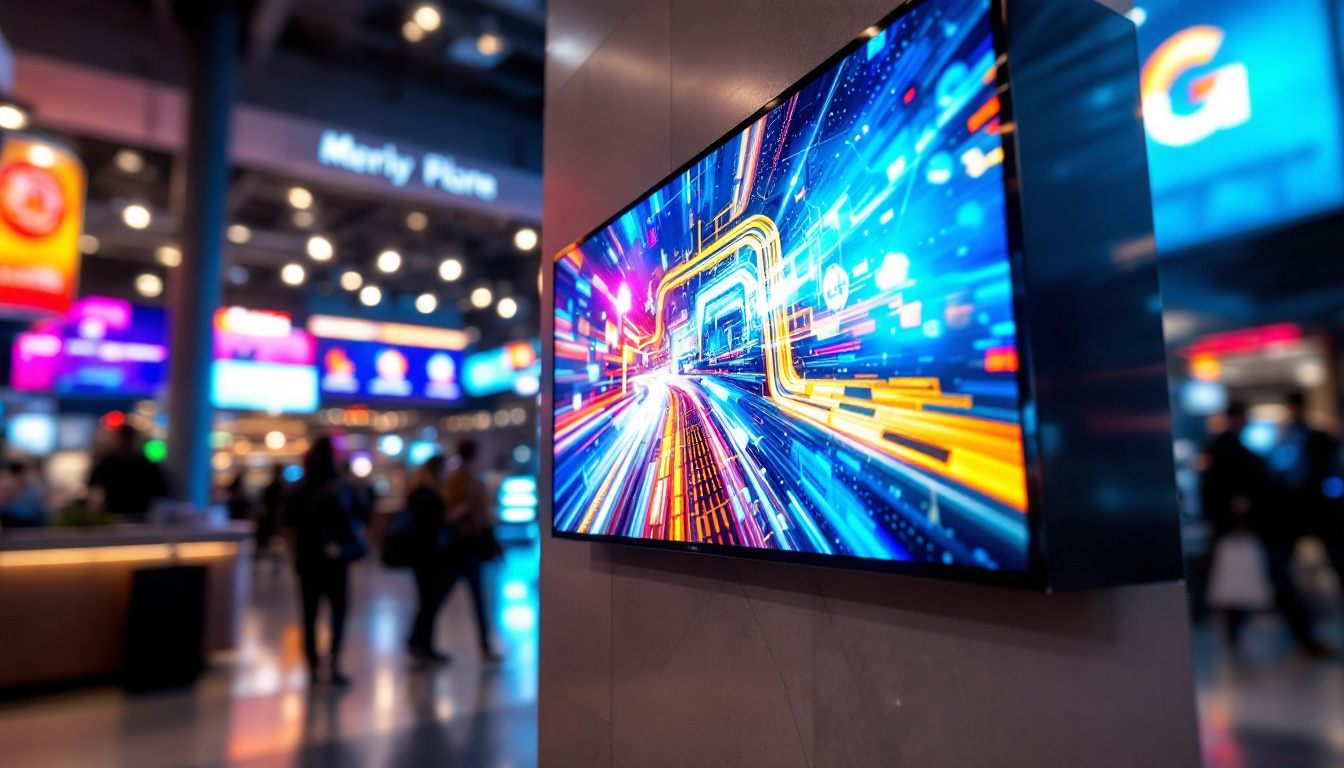
Traditional static billboards are increasingly being replaced by dynamic LED walls. These digital billboards can display multiple advertisements in rotation, incorporate animations, and update content remotely in real-time. This flexibility maximizes advertising revenue and audience engagement.
For example, Times Square in New York City features some of the world’s largest and brightest LED walls, captivating millions of visitors daily. According to a 2023 study by the Outdoor Advertising Association of America, digital billboards generate up to 30% higher recall rates compared to static ones.
Events and Entertainment
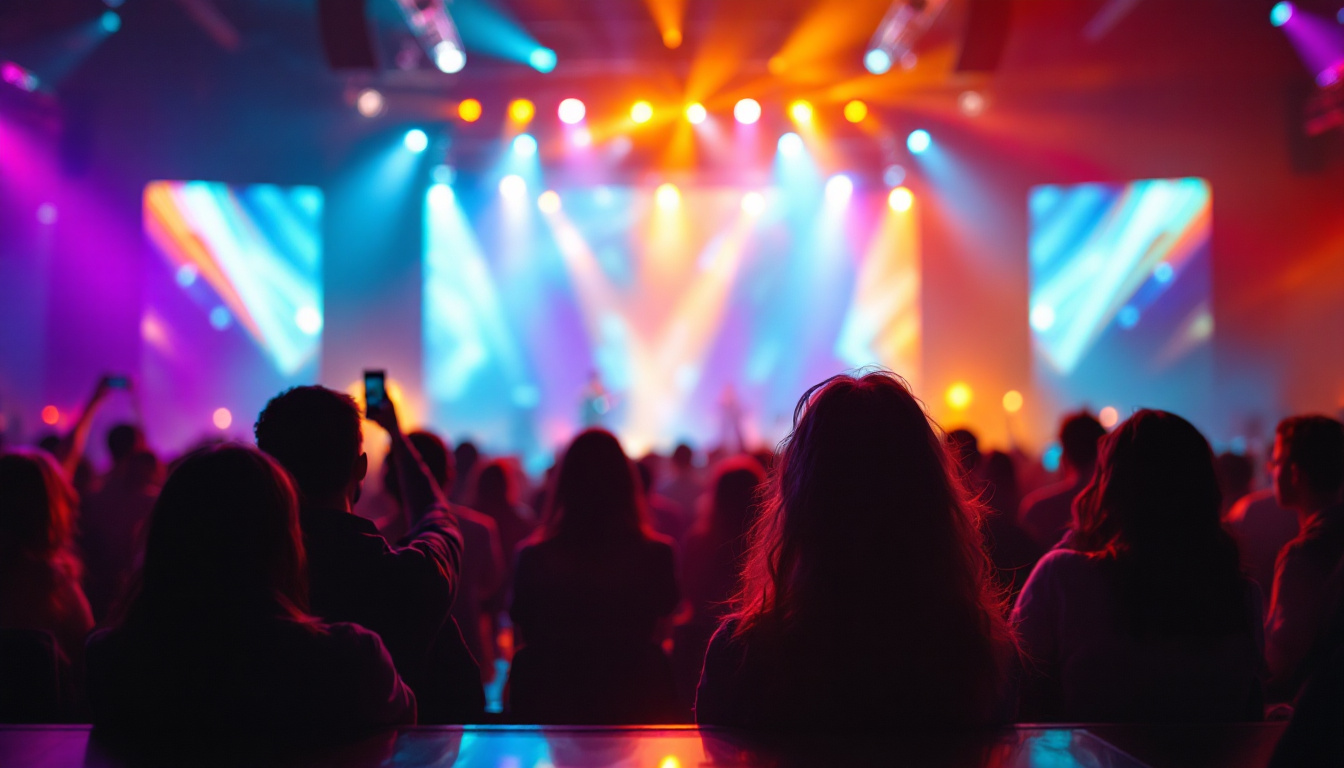
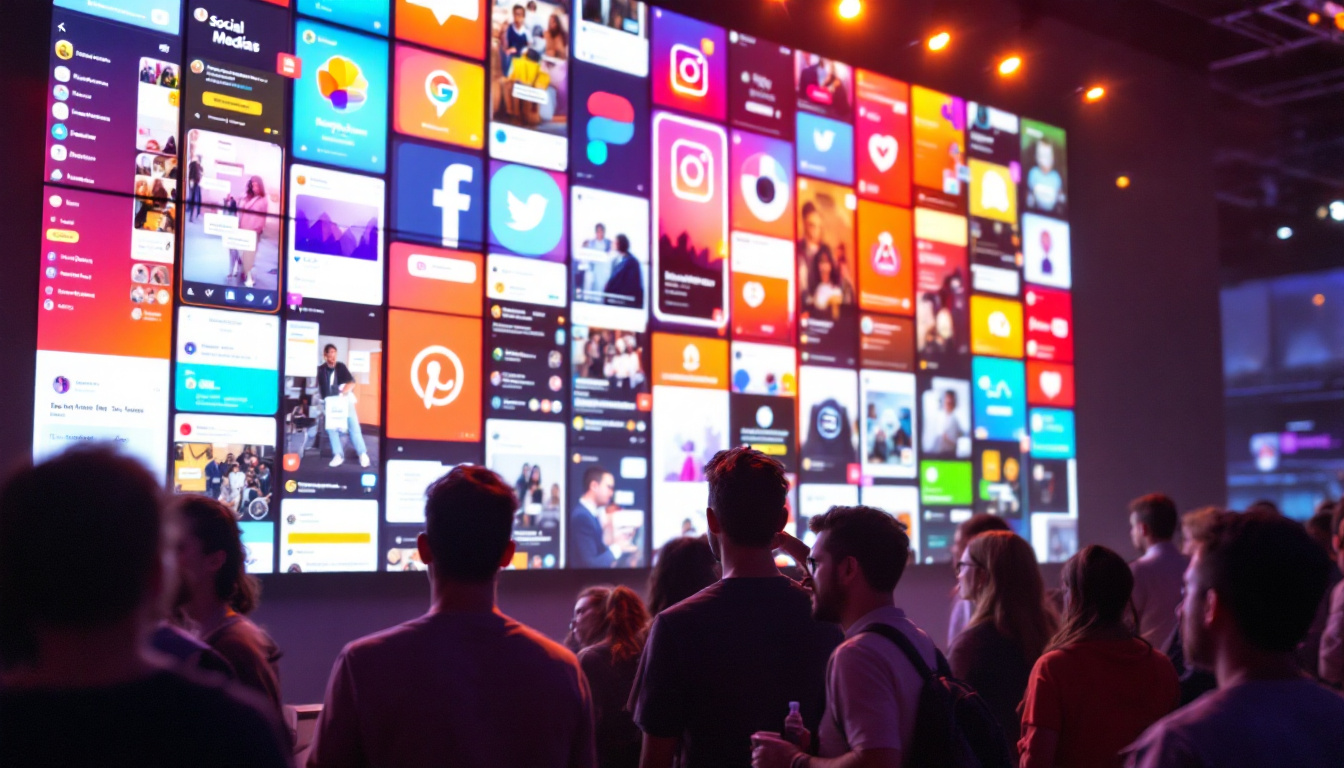
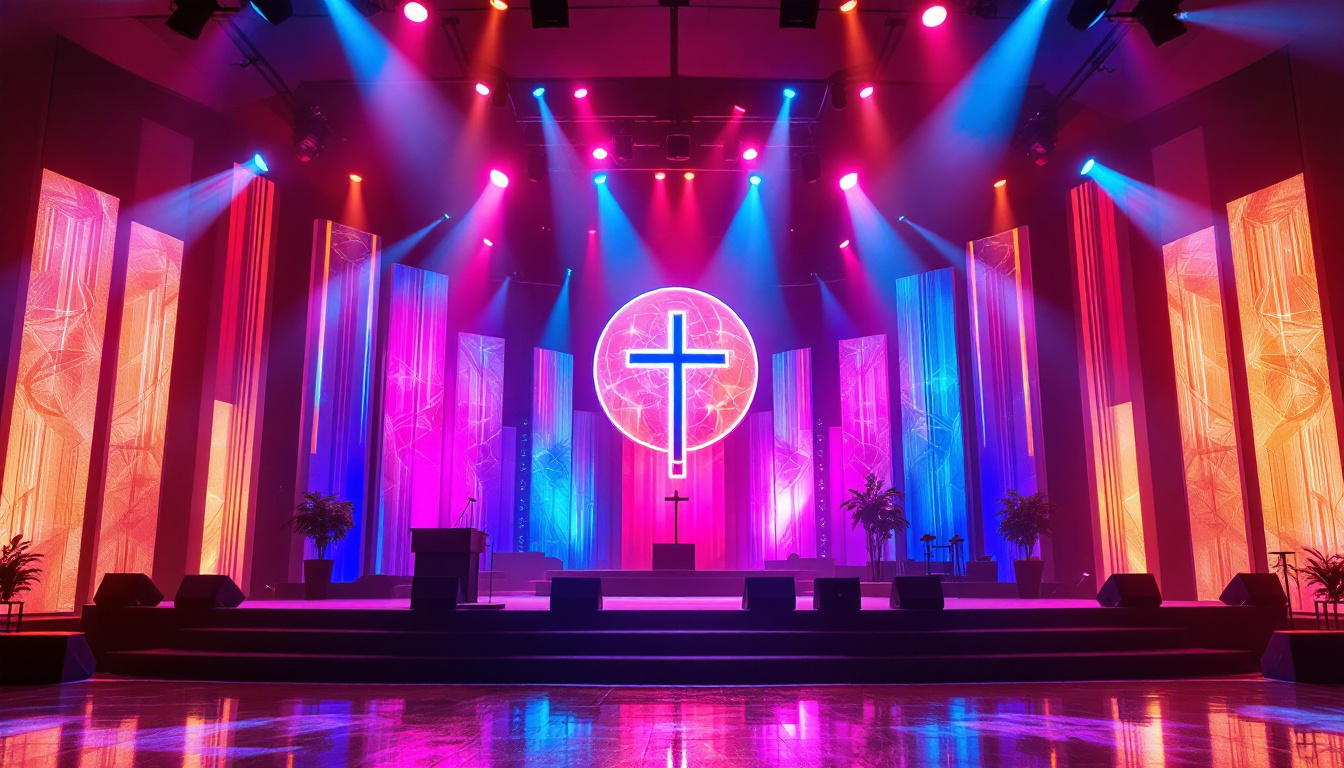
Concerts, festivals, and sporting events often employ LED walls as immersive backdrops. These displays enhance the audience experience by showing live feeds, visual effects, and interactive content. Their modular nature allows for custom shapes and sizes, fitting unique stage designs.
Major events like the Super Bowl halftime show and Coachella utilize massive LED walls to create visually stunning performances that captivate millions of viewers worldwide.
Corporate and Retail Spaces
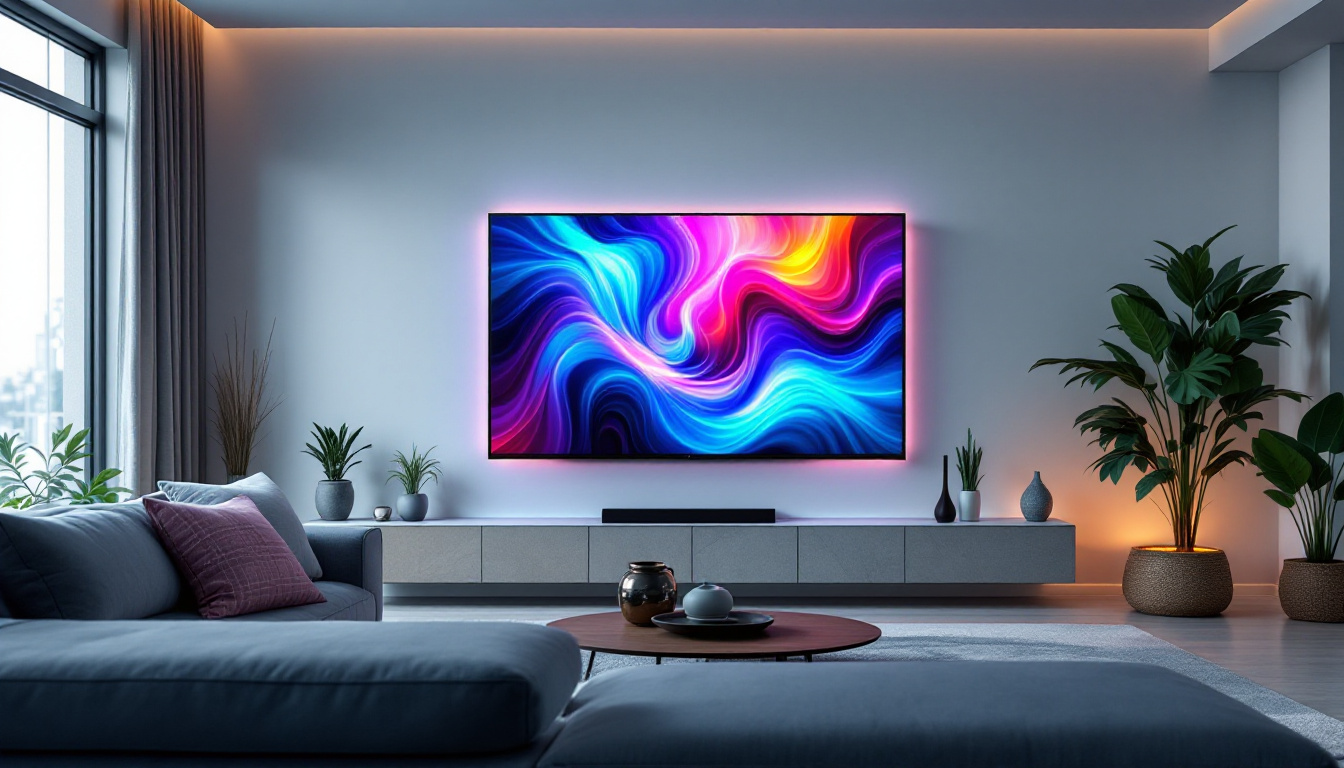
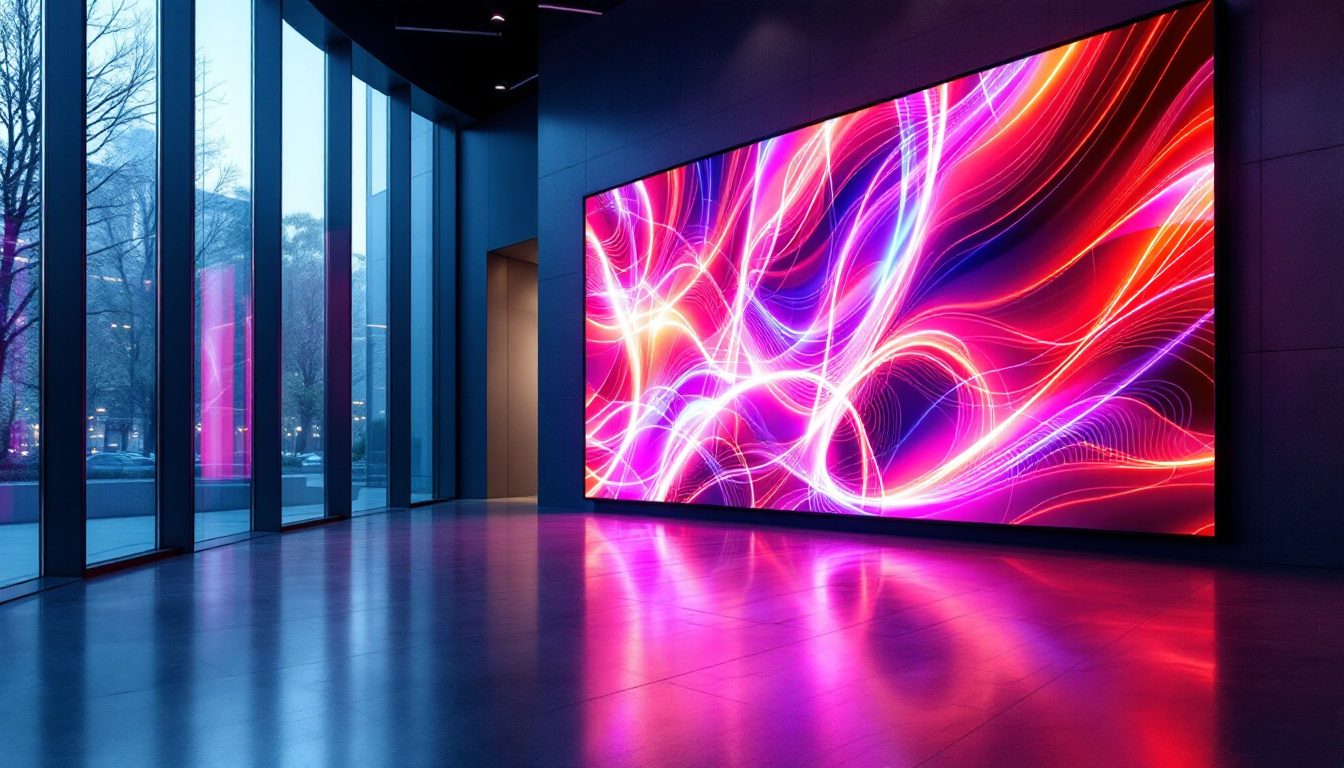
In corporate environments, LED walls serve as digital signage for presentations, video conferencing, and branding. Retail stores use them to showcase products, promotions, and interactive content, driving customer engagement and sales.
For instance, flagship stores of global brands like Nike and Apple incorporate LED walls to create dynamic, immersive shopping experiences that differentiate them from competitors.
Control Rooms and Public Information Displays
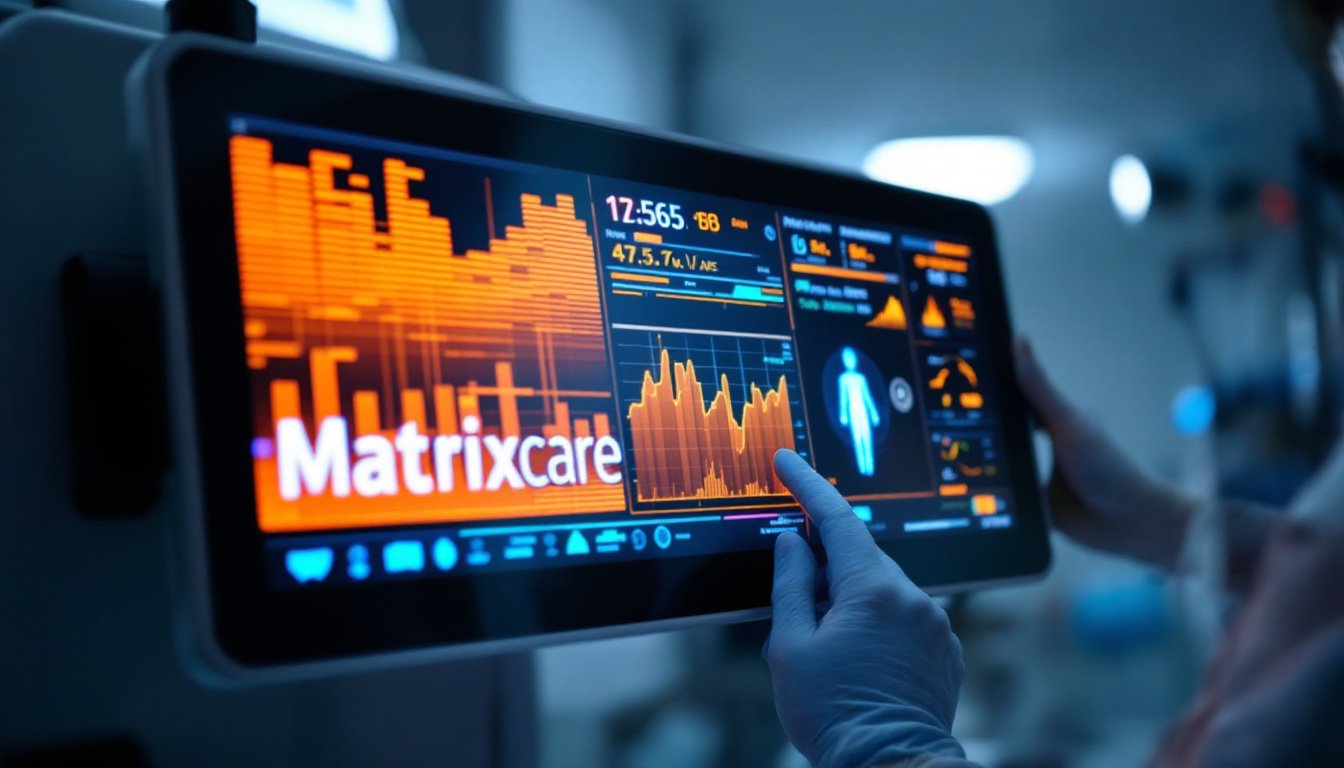
Control centers for transportation, utilities, and emergency services rely on LED walls to monitor real-time data and coordinate operations. Airports, train stations, and city centers use LED walls to display schedules, alerts, and public information efficiently.
Benefits of Using LED Walls
Choosing an LED wall over other display technologies offers several compelling advantages:
Superior Image Quality
LED walls provide vibrant colors, deep blacks, and high contrast ratios, resulting in stunning image quality. The ability to maintain brightness and clarity across large surfaces ensures consistent viewing experiences regardless of screen size.
Scalability and Flexibility
The modular design allows LED walls to be scaled up or down to fit any space or application. Panels can be arranged in various configurations, including curved or irregular shapes, enabling creative and architectural integration.
Durability and Longevity
LED technology is known for its robustness. High-quality LED walls are weather-resistant, making them suitable for outdoor use. They also have long lifespans, often exceeding 100,000 hours of operation, which translates to years of reliable service.
Energy Efficiency
Compared to traditional lighting and projection systems, LED walls consume less power while delivering higher brightness. Advances in LED efficiency continue to reduce operational costs and environmental impact.
Easy Maintenance
Most LED walls feature front or rear access for maintenance, allowing technicians to replace individual modules without dismantling the entire structure. This reduces downtime and maintenance expenses.
Considerations When Choosing an LED Wall
Despite their advantages, selecting the right LED wall requires careful consideration of several factors to ensure optimal performance and return on investment.
Pixel Pitch and Viewing Distance
Pixel pitch is crucial for determining the appropriate LED wall for a given application. Smaller pixel pitches (e.g., 1.2mm to 2.5mm) offer higher resolution and are suited for close viewing distances, such as indoor corporate displays. Larger pixel pitches (e.g., 4mm to 10mm or more) are ideal for outdoor billboards where viewers are farther away.
As a general rule, the optimal viewing distance is approximately 1.5 to 2 times the pixel pitch in millimeters. For example, a 4mm pixel pitch screen is best viewed from about 6 to 8 meters or more.
Brightness Requirements
Consider the ambient lighting conditions where the LED wall will be installed. Outdoor installations require higher brightness levels to combat sunlight, while indoor environments may need lower brightness to avoid glare and eye strain.
Resolution and Content Type
The resolution should match the type of content displayed. High-definition video and detailed graphics demand higher pixel density. For simpler messages or text, lower resolution may suffice.
Installation Environment
Environmental factors such as weather, humidity, and temperature extremes impact the choice of LED wall. Outdoor-rated cabinets with IP65 or higher ingress protection are necessary for exposed installations.
Budget and Total Cost of Ownership
While initial costs for LED walls can be significant, consider the total cost of ownership, including installation, maintenance, energy consumption, and content management. Investing in high-quality components often results in better longevity and lower operational costs.
Future Trends in LED Wall Technology
The LED display industry continues to innovate, driven by advancements in materials, electronics, and software. Several trends are shaping the future of pantalla LED walls:
MicroLED and MiniLED Technologies
MicroLED and MiniLED represent next-generation LED technologies with even smaller pixel sizes and improved brightness. MicroLED, in particular, offers near-perfect color accuracy and energy efficiency, promising ultra-high-resolution displays for both indoor and outdoor use.
Flexible and Transparent LED Walls
Flexible LED panels allow for curved and bendable displays, expanding creative possibilities in architecture and design. Transparent LED walls enable see-through displays, ideal for retail windows and augmented reality applications.
AI-Driven Content and Smart Displays
Artificial intelligence is increasingly integrated into LED wall systems to optimize content delivery based on audience demographics, environmental conditions, and engagement metrics. Smart displays can automatically adjust brightness, contrast, and content to maximize impact.
Energy Efficiency and Sustainability
Manufacturers are focusing on reducing energy consumption and using eco-friendly materials. Innovations in LED chip design and power management contribute to greener digital signage solutions.
Conclusion
Pantalla LED walls have become indispensable tools in modern visual communication, offering unmatched brightness, flexibility, and image quality. Their applications span advertising, entertainment, corporate environments, and public information systems, reflecting their versatility and effectiveness.
When selecting an LED wall, understanding the technology, use case requirements, and environmental factors ensures the best results. As LED technology advances, future innovations promise even more immersive and sustainable display solutions, making LED walls a smart investment for businesses and organizations aiming to captivate their audiences.
Whether illuminating a bustling city square or enhancing a corporate presentation, the pantalla LED wall continues to redefine how we experience digital content on a grand scale.
Discover LumenMatrix LED Display Solutions
Ready to elevate your visual communication with the brilliance of LED technology? LumenMatrix is at the forefront of LED innovation, offering a diverse range of LED display solutions tailored to your needs. From vibrant Indoor and Outdoor LED Wall Displays to dynamic Vehicle and Sports LED Displays, our products are designed to captivate and engage. Experience the future of digital signage with our Custom, All-in-One, and Transparent LED Displays, each crafted to deliver your message with unparalleled clarity and impact. Check out LumenMatrix LED Display Solutions today and transform your space into a visual masterpiece.