In today’s fast-paced digital world, visual communication is more important than ever. Whether it’s for advertising, events, or personal use, photo boards with LED displays have become a popular medium to showcase vibrant images and messages. But what exactly are LED photo boards, how do they work, and why are they gaining such widespread attention? This article delves into the technology behind LED photo boards, their applications, and the benefits they offer over traditional display methods.
Understanding LED Photo Boards
What Are LED Photo Boards?
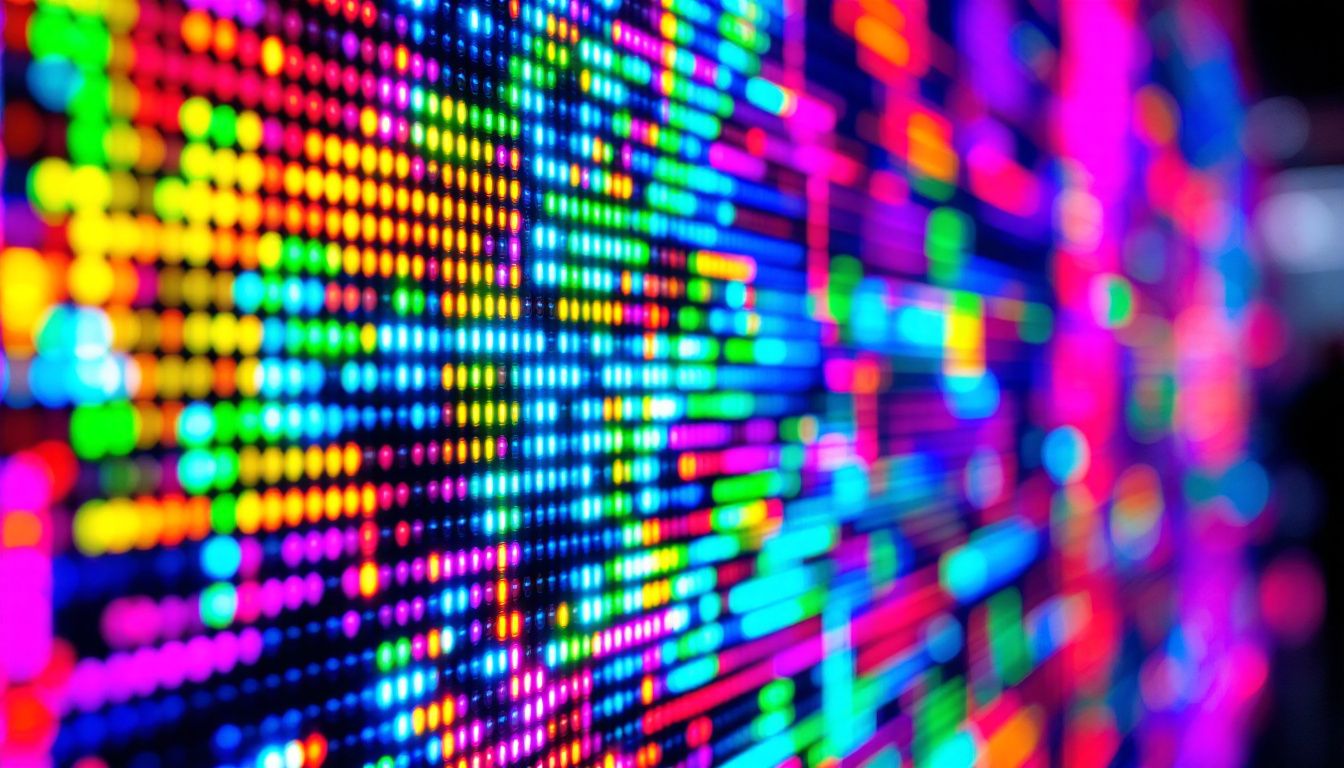
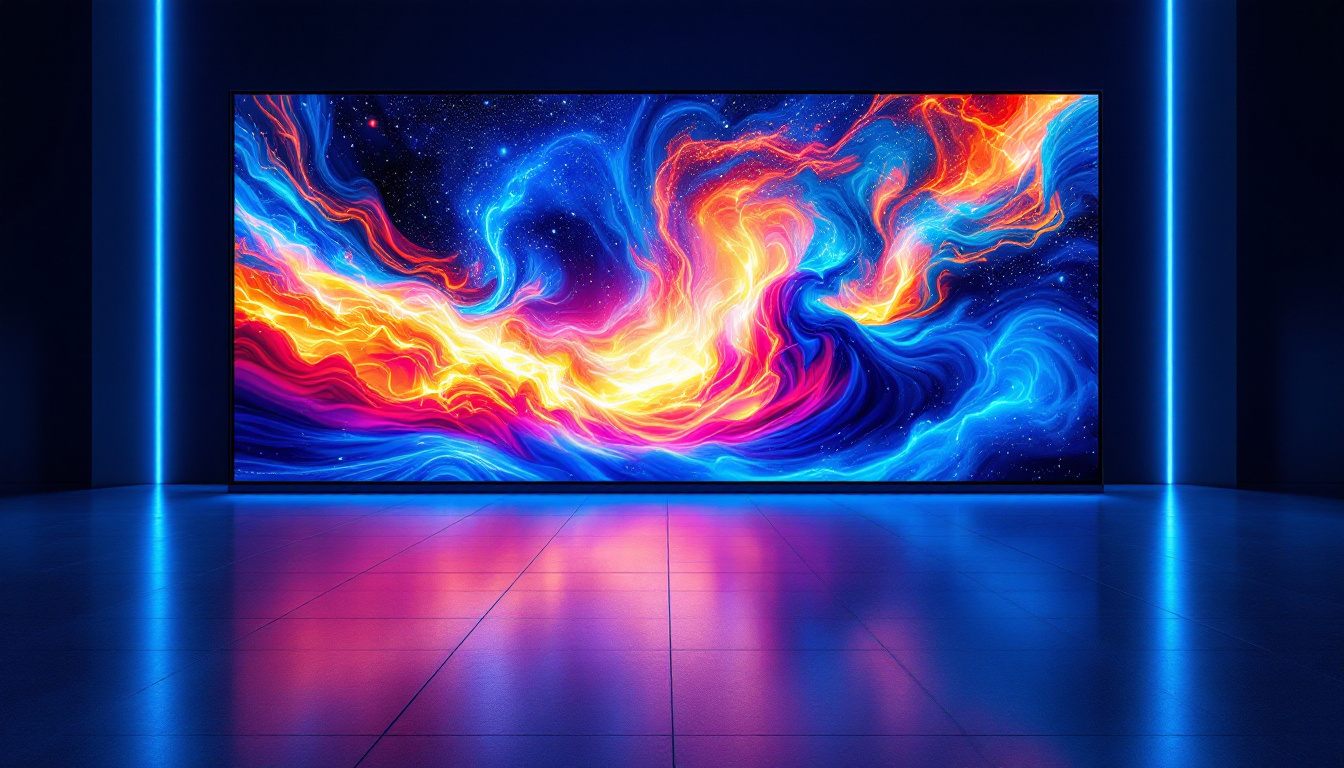
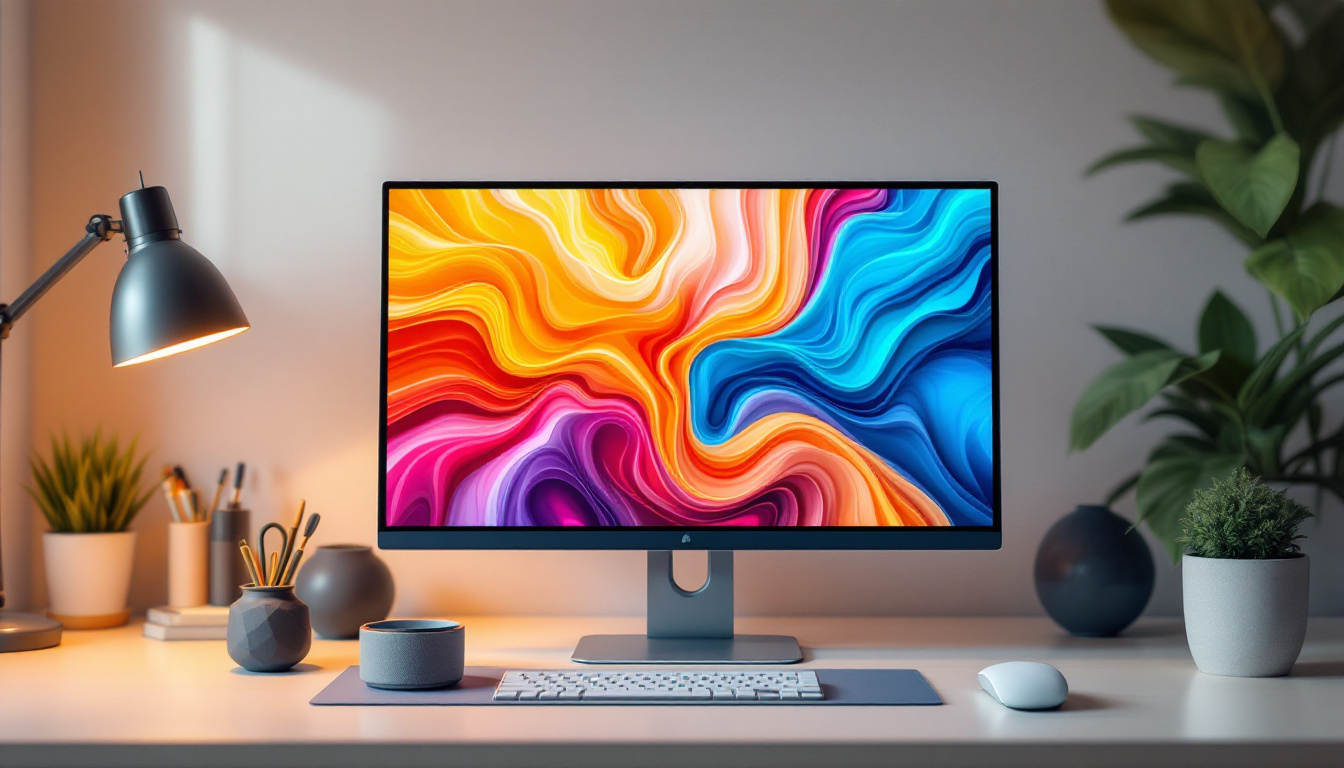
LED photo boards are display panels that use Light Emitting Diodes (LEDs) to present images, videos, or text in a bright, dynamic format. Unlike traditional printed photo boards, LED displays can change content instantly, offering flexibility and high visibility. These boards are composed of thousands of tiny LEDs arranged in a grid, each acting as a pixel to create a full-color image.
The technology behind LED photo boards allows for high-resolution displays that can be viewed clearly from long distances and under various lighting conditions. This makes them ideal for both indoor and outdoor use, from retail storefronts to large-scale event backdrops. The versatility of LED photo boards also means they can be used in a variety of settings, such as sports arenas, concerts, and exhibitions, where capturing the audience’s attention is crucial. Their ability to display vibrant visuals and dynamic content makes them a popular choice for marketing campaigns and public announcements.
How Do LED Displays Work?
Each LED on a photo board emits light when an electric current passes through it. By controlling the intensity and color of each LED, the display can render complex images and videos. Modern LED boards use red, green, and blue LEDs in combination to produce a full spectrum of colors through a process called additive color mixing.
Control systems, often managed by specialized software, send signals to the LED board to adjust the brightness and color of individual LEDs in real time. This enables smooth animations, video playback, and quick updates to the displayed content without any physical changes to the board itself. Additionally, many LED photo boards come equipped with features like remote management capabilities, allowing users to change content from anywhere, making them incredibly convenient for businesses that need to update their messaging frequently. Furthermore, advancements in LED technology have led to the development of energy-efficient boards that consume less power while providing brighter displays, making them an environmentally friendly option for modern advertising and information dissemination.
The Advantages of LED Photo Boards
Vivid Color and Brightness
One of the most significant advantages of LED photo boards is their brightness and color vibrancy. LEDs can produce intense light that remains visible even in direct sunlight, a feature that traditional printed photo boards or LCD screens often struggle with. This makes LED displays particularly effective for outdoor advertising and public information boards.
Additionally, LED boards offer a wide color gamut, meaning they can display a broad range of colors with high accuracy. This ensures that images appear crisp, vibrant, and true to life, enhancing the overall visual impact. The ability to adjust brightness levels dynamically allows for optimal viewing in various lighting conditions, making them versatile for different settings, from bustling city streets to serene parks. Furthermore, the technology behind LED boards often includes advanced color calibration features, ensuring that the colors remain consistent over time, which is crucial for brands looking to maintain a strong visual identity.
Durability and Longevity
LED technology is known for its durability and long operational life. Unlike fluorescent or incandescent lights, LEDs have no filaments that can burn out and are resistant to shock and vibration. This makes LED photo boards a reliable choice for environments where durability is crucial, such as busy urban areas or outdoor installations exposed to weather.
On average, LED boards can last between 50,000 to 100,000 hours, which translates to several years of continuous use. This longevity helps reduce maintenance costs and the frequency of replacements, making LED photo boards a cost-effective investment over time. Moreover, their rugged construction often includes weatherproofing and UV protection, allowing them to withstand harsh conditions such as rain, snow, and extreme temperatures. This resilience not only extends their lifespan but also ensures that they continue to perform at optimal levels, providing consistent and reliable service for businesses and organizations.
Energy Efficiency
LEDs are highly energy-efficient compared to other lighting technologies. They consume less power while delivering superior brightness, which results in lower electricity bills and a reduced environmental footprint. For businesses and organizations conscious of sustainability, switching to LED photo boards can be a strategic move to align with green initiatives.
In addition to their low energy consumption, LED photo boards generate minimal heat, which reduces the need for additional cooling systems in enclosed spaces. This characteristic not only contributes to energy savings but also enhances the safety of installations, particularly in crowded areas. Furthermore, many LED boards are designed with smart technology that allows for automated brightness adjustments based on ambient light levels, further optimizing energy use. As a result, businesses can enjoy significant savings while also promoting an eco-friendly image, appealing to a growing demographic of environmentally conscious consumers.
Applications of LED Photo Boards
Advertising and Marketing
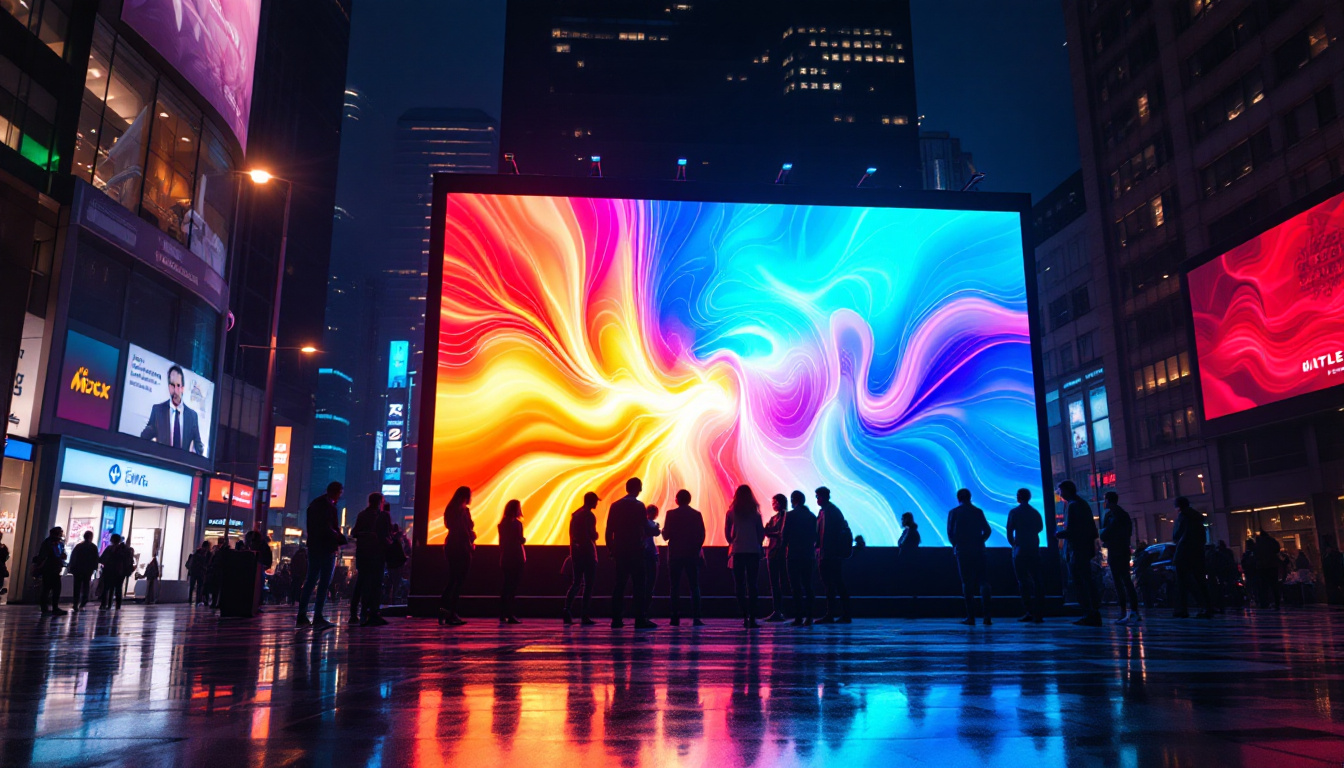
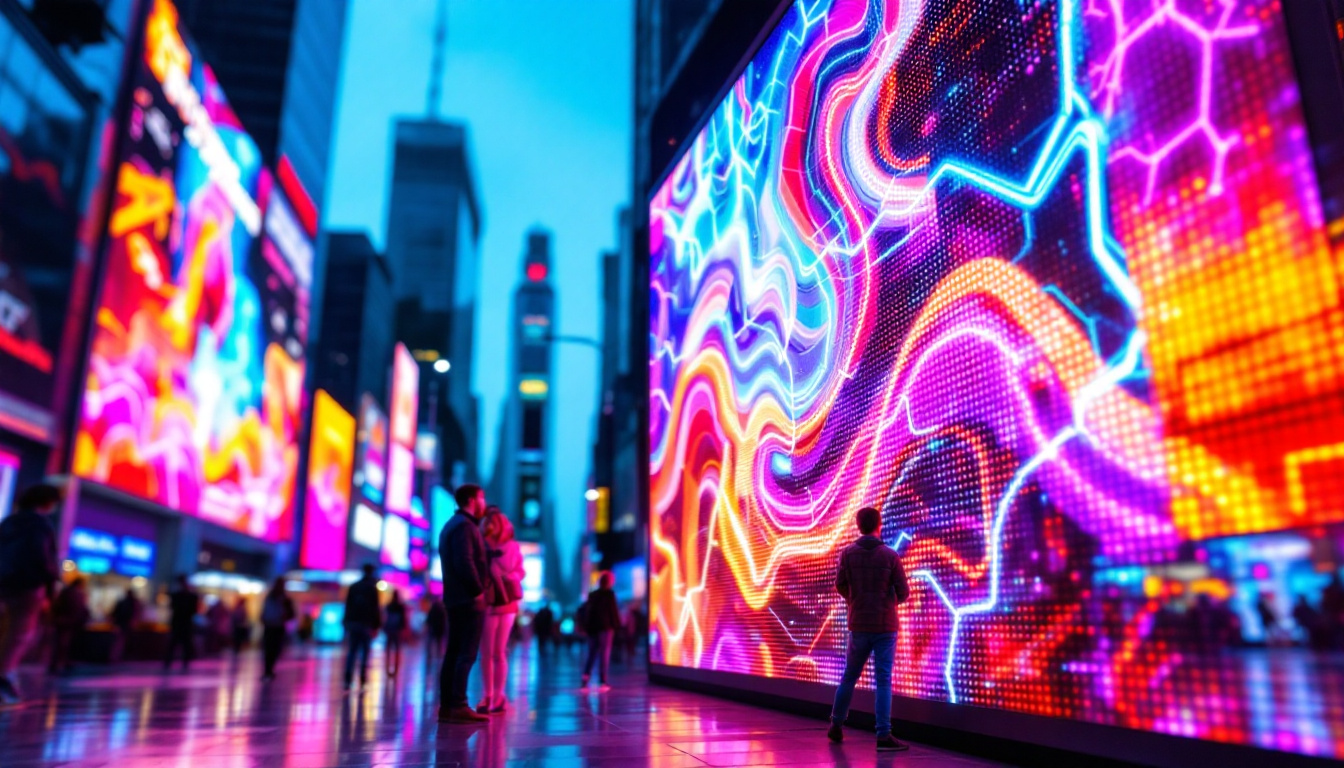
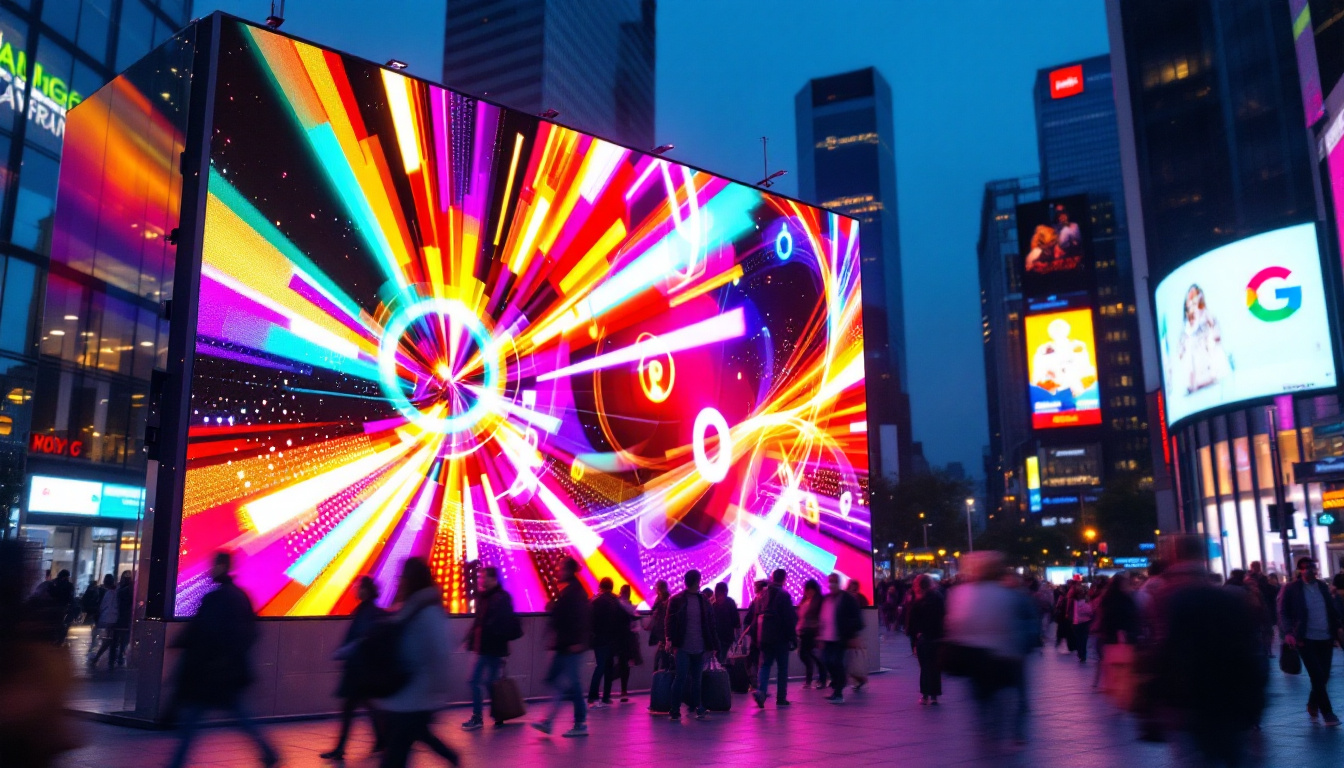
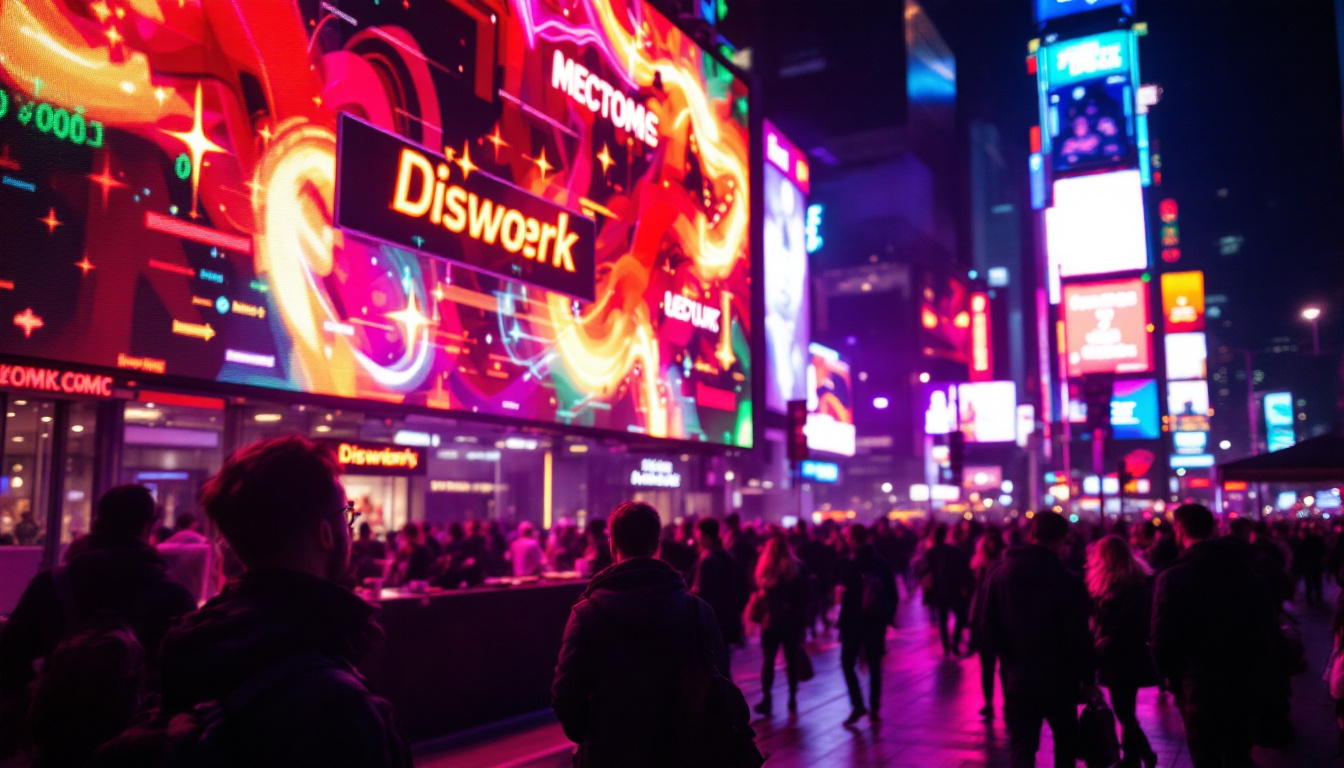
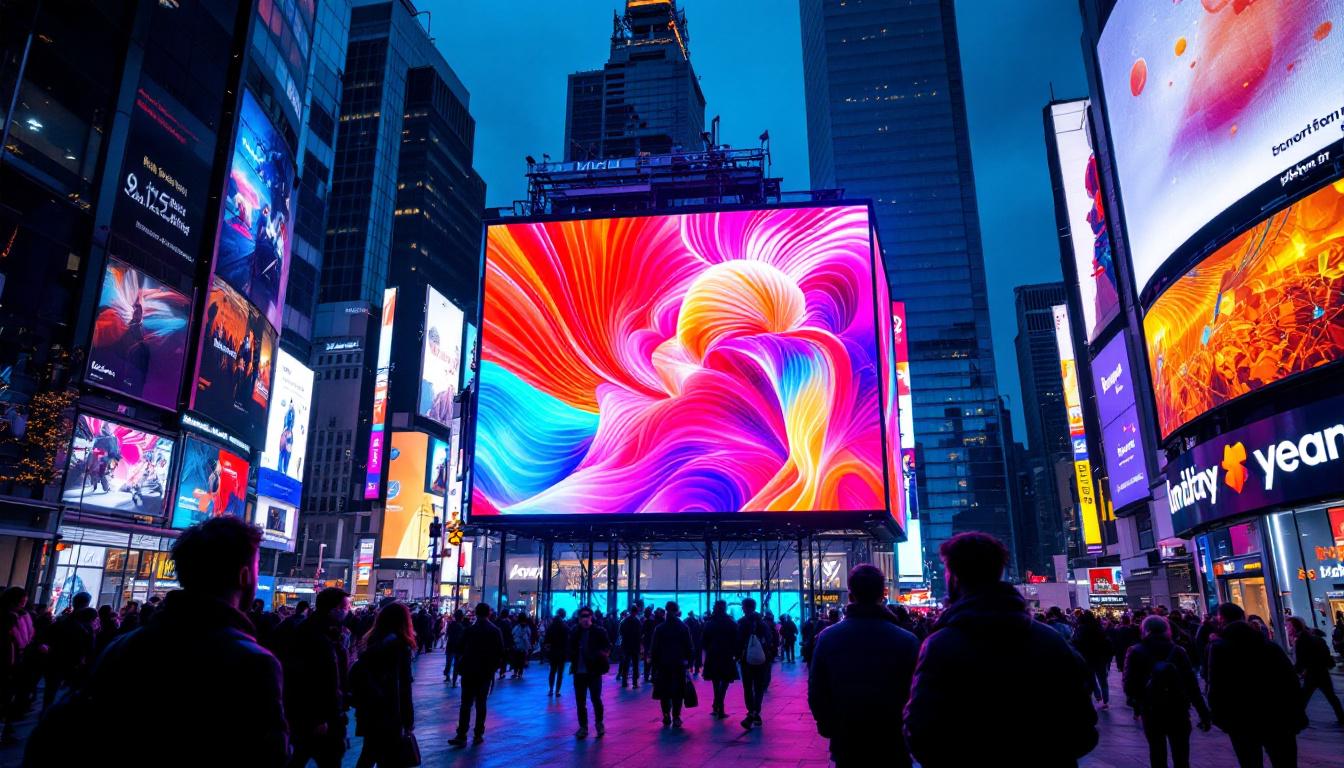
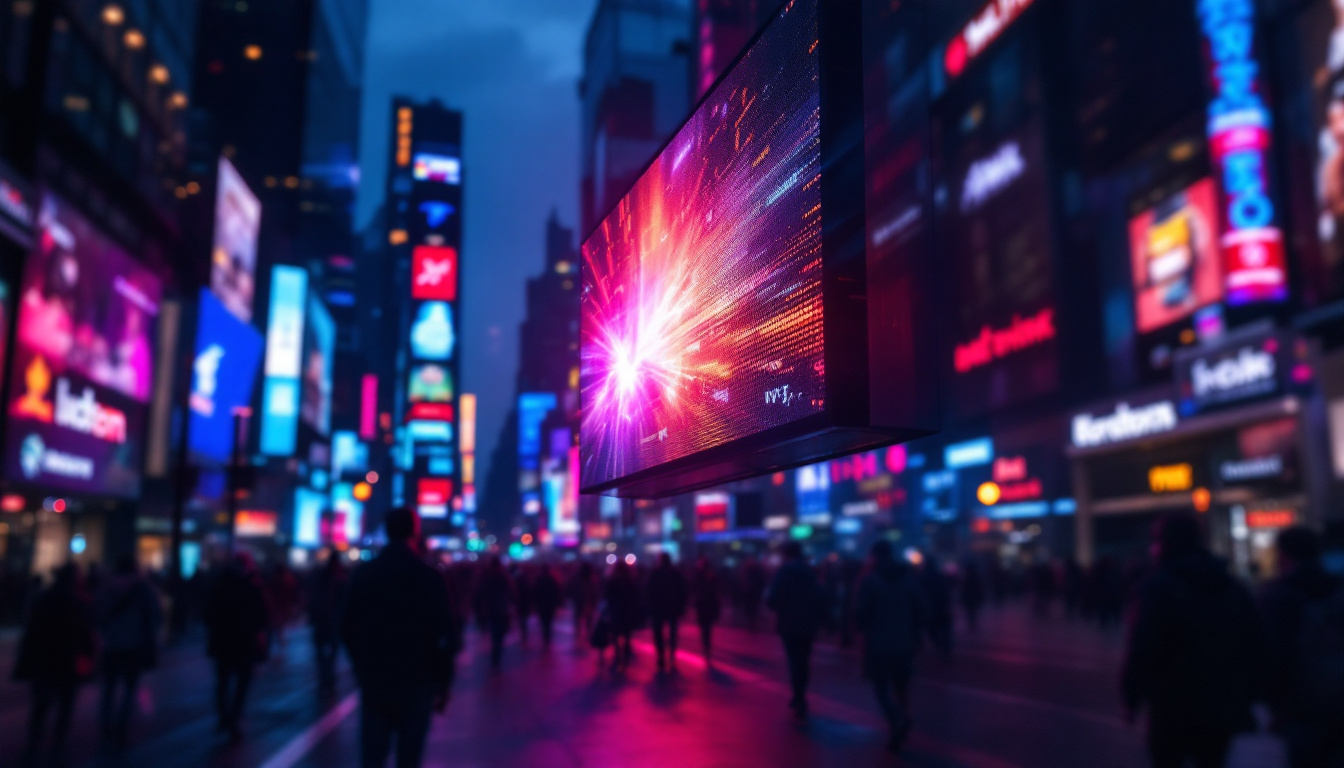
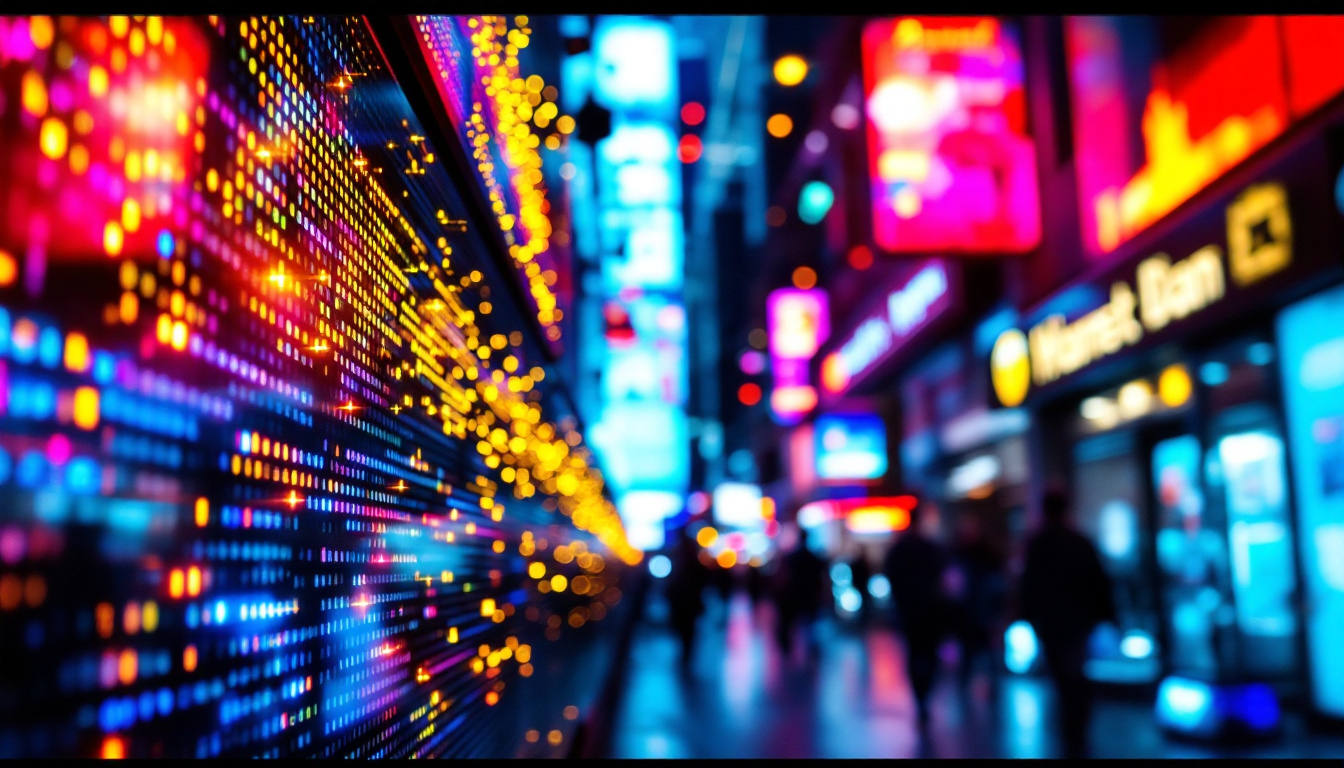
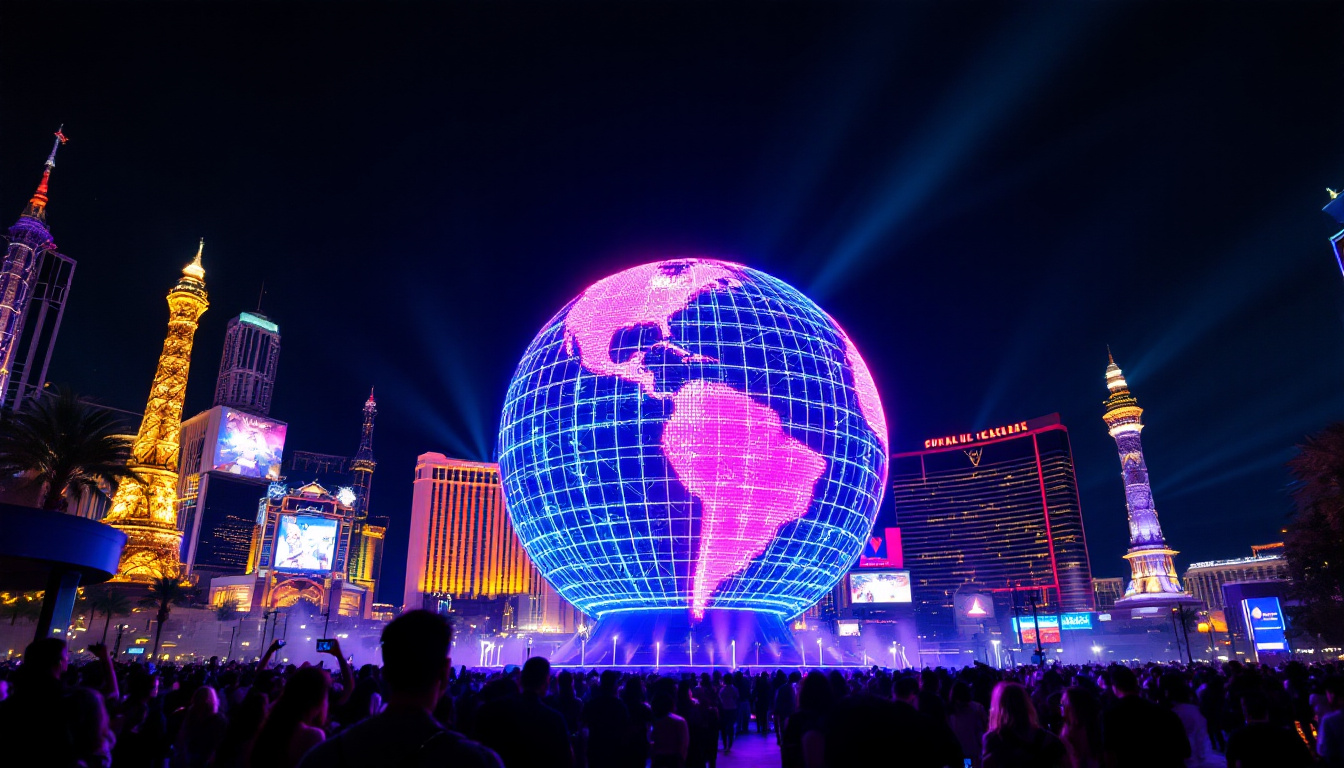
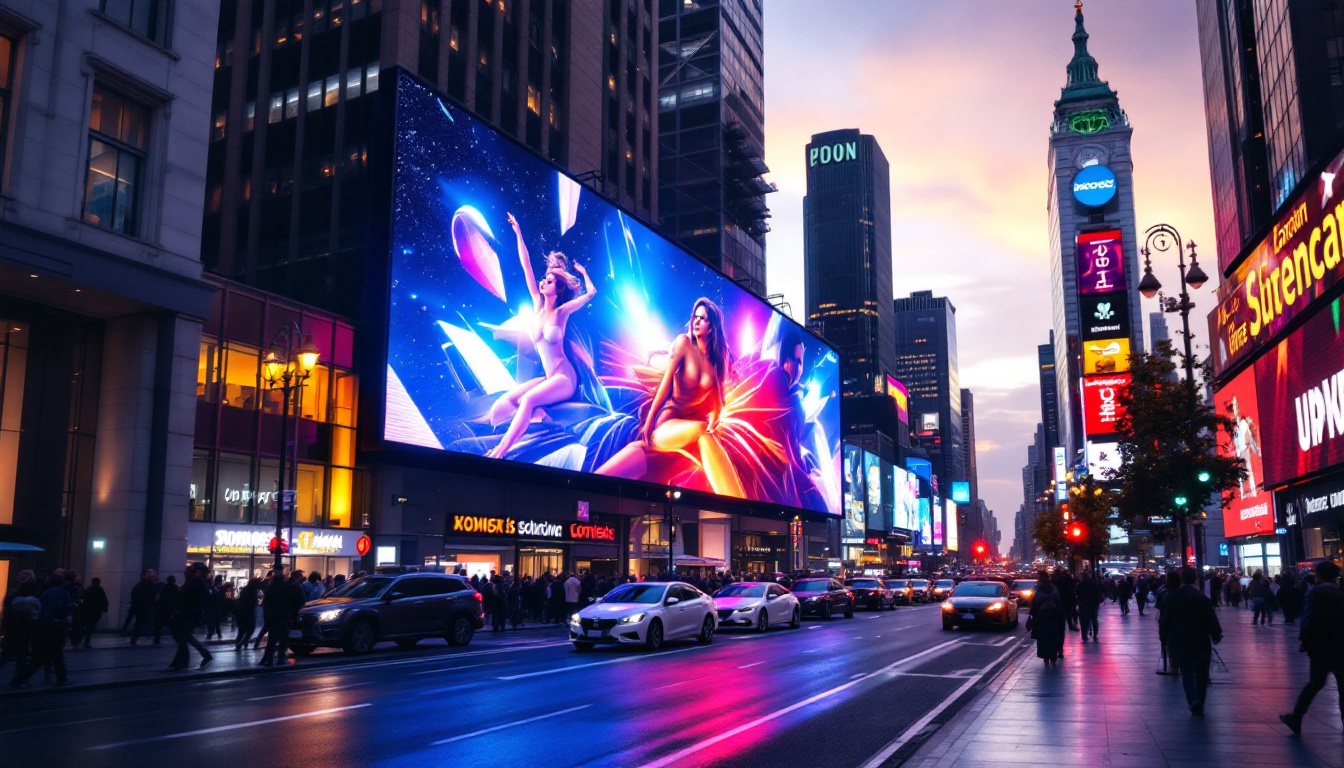
LED photo boards have revolutionized the advertising industry by enabling dynamic and eye-catching displays. Retailers use LED boards to promote sales, showcase new products, or display brand messages that can be updated instantly. For example, Times Square in New York City is famous for its massive LED billboards that captivate millions of viewers daily.
Moreover, LED displays allow advertisers to tailor content based on time of day, target demographics, or special events, increasing the effectiveness of campaigns. According to a 2023 report by the Digital Signage Federation, digital signage, including LED boards, has been shown to increase customer engagement by up to 30% compared to static signs.
Events and Exhibitions
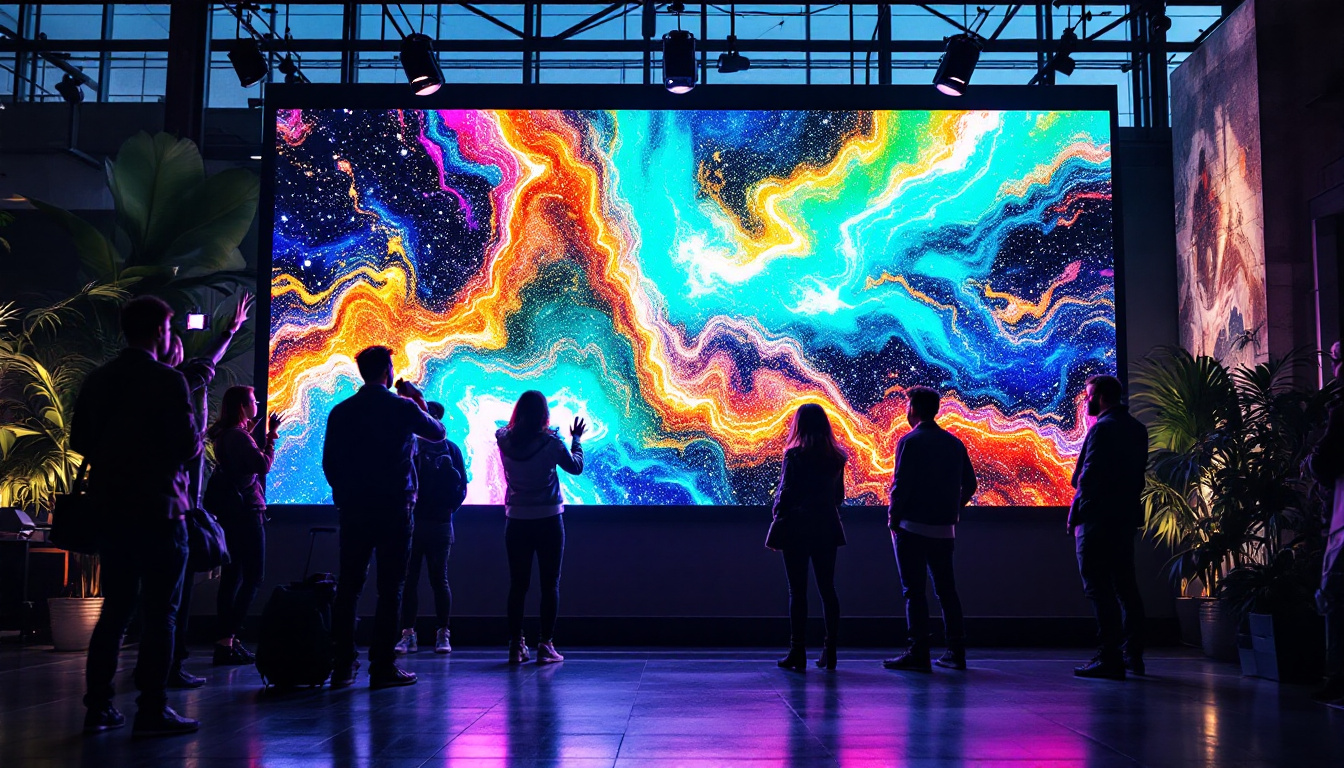
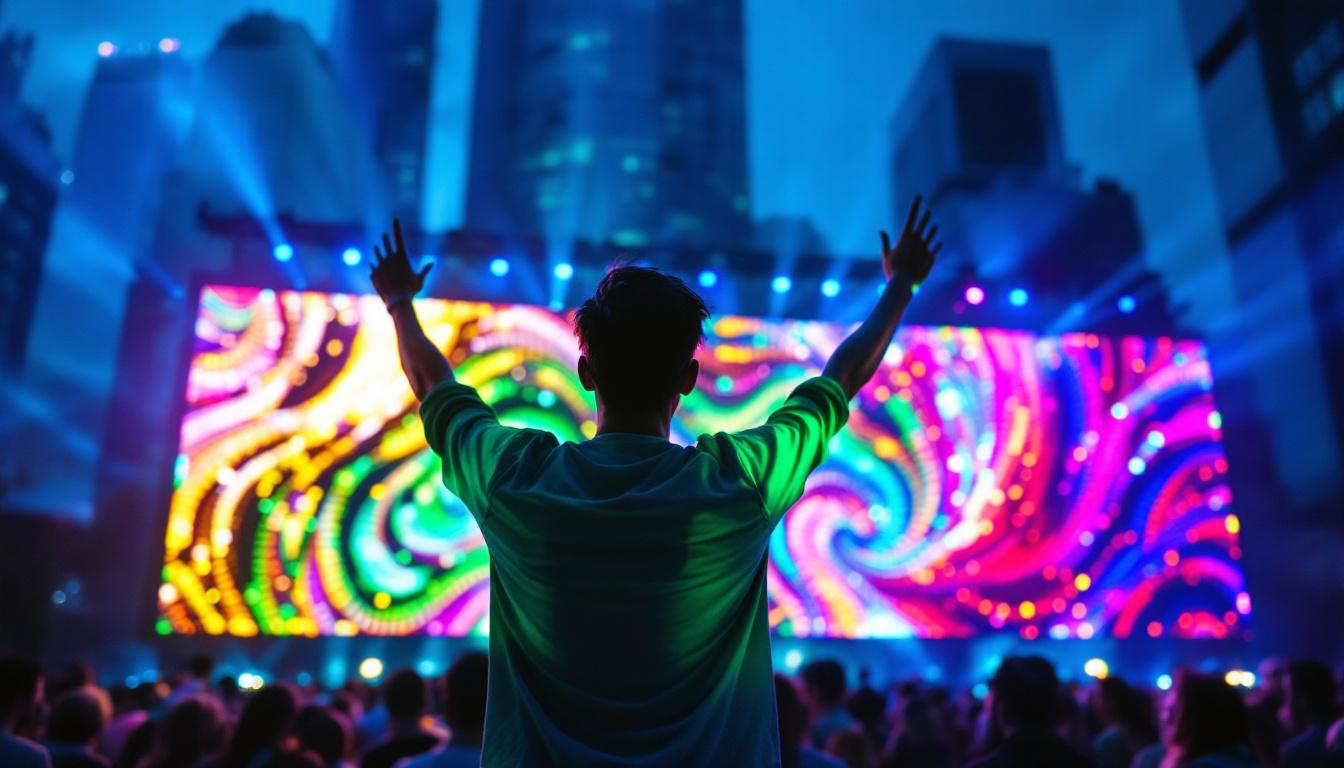
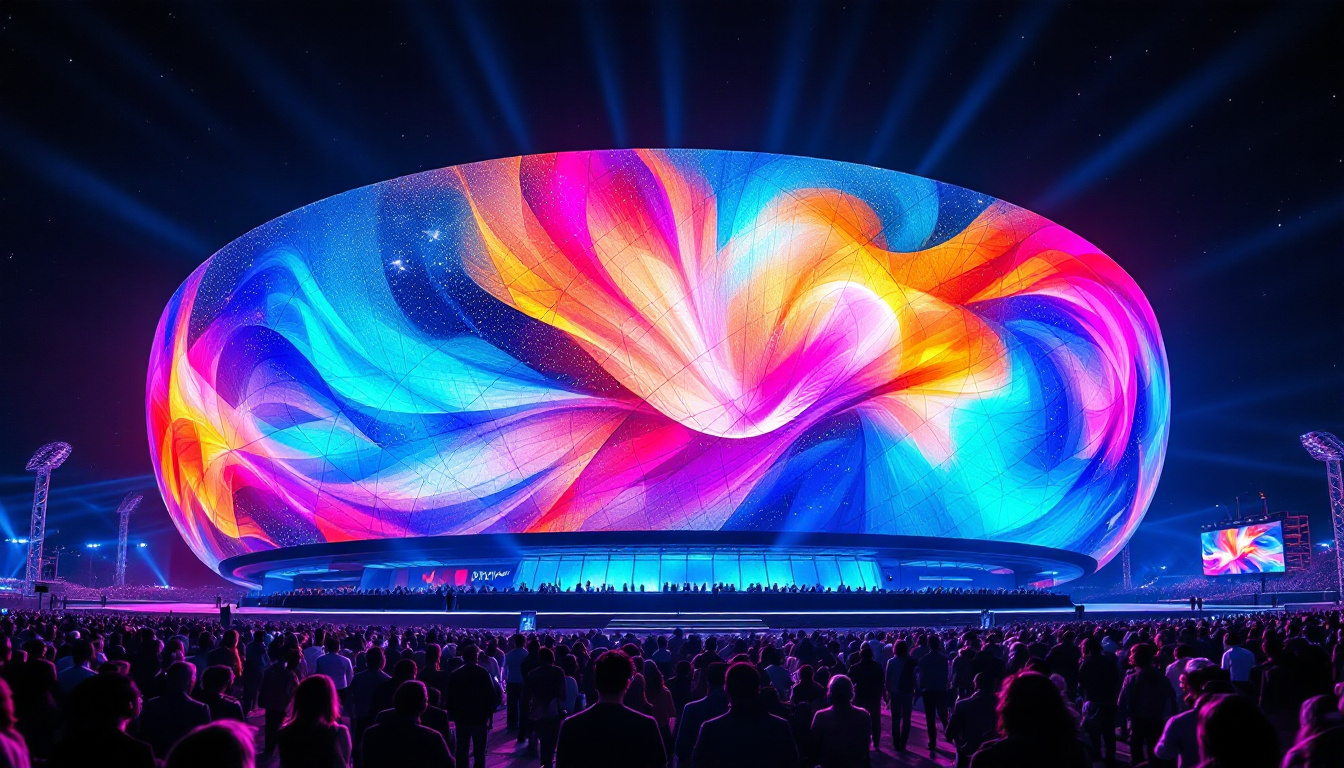
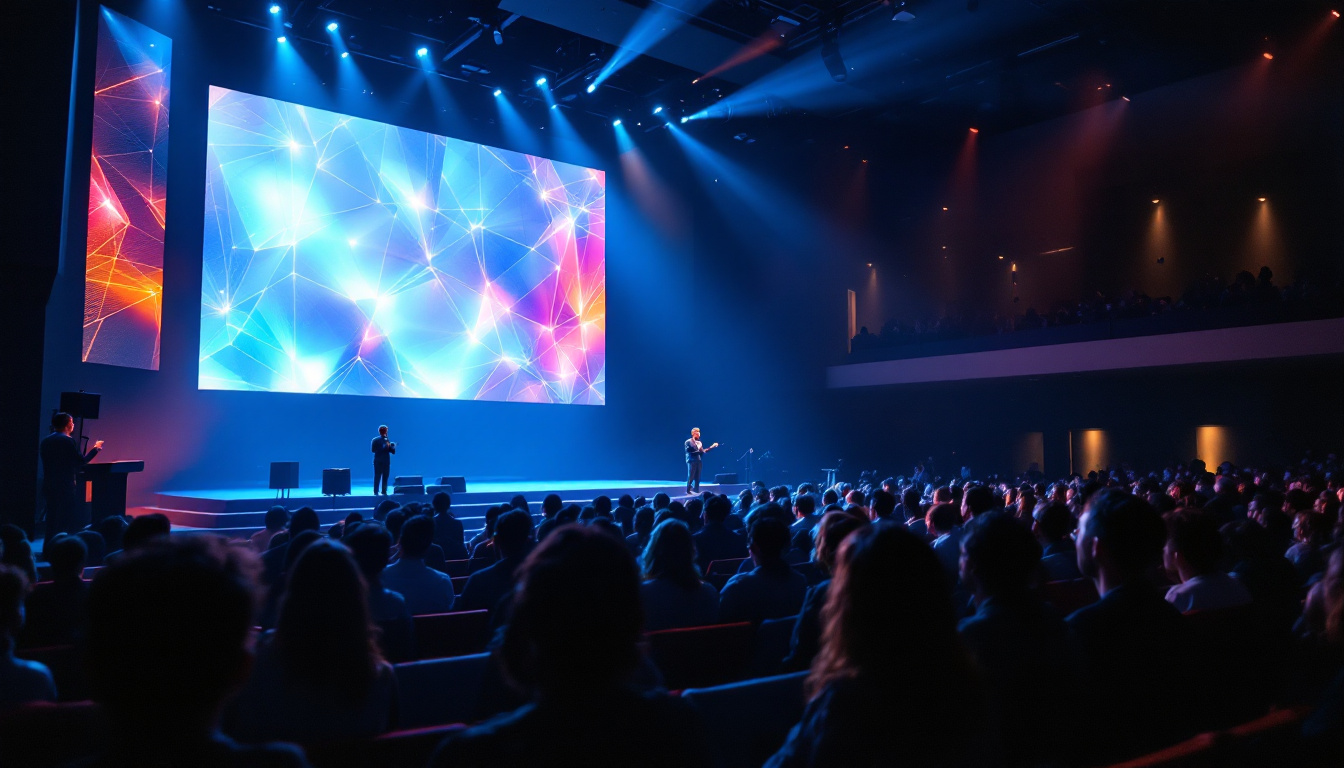
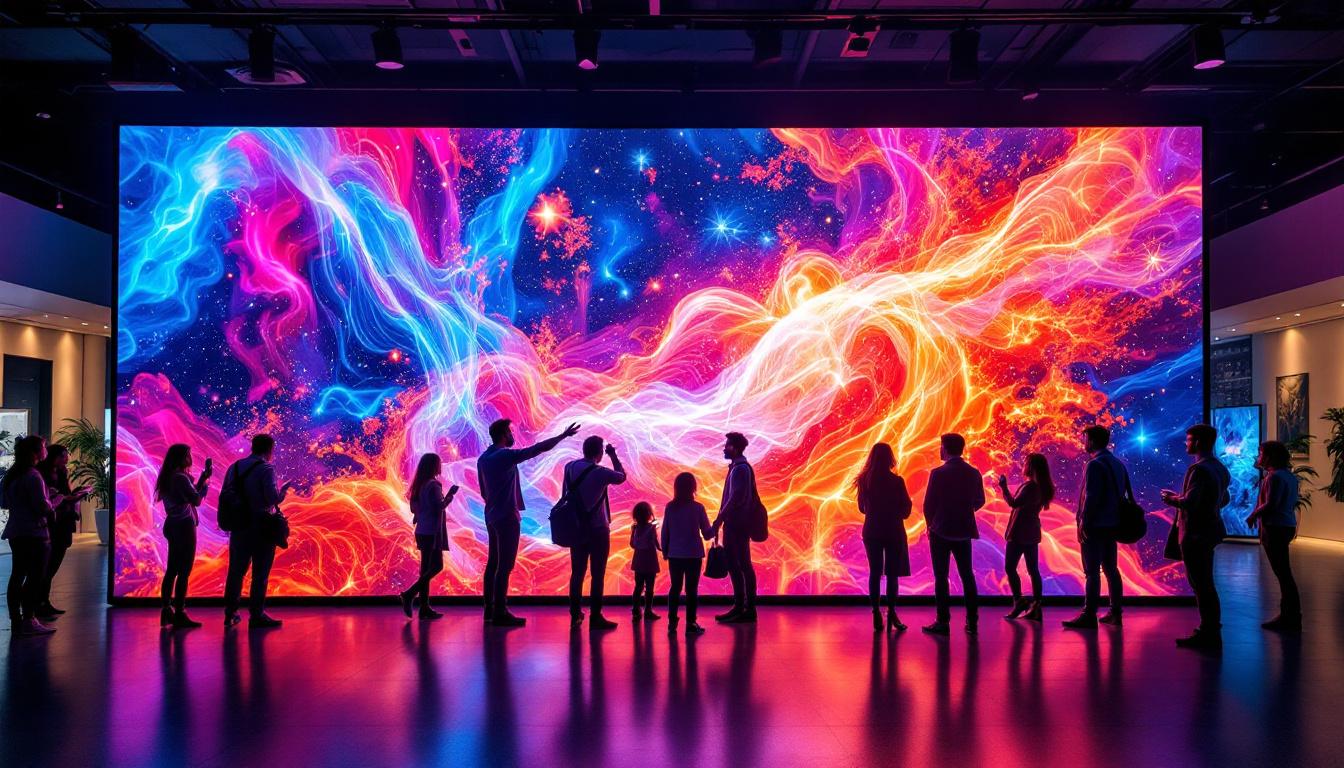
At concerts, trade shows, and conferences, LED photo boards serve as dynamic backdrops that enhance the audience experience. Their ability to display high-resolution images and videos makes them ideal for branding, live feeds, and interactive content. Event organizers appreciate the flexibility of LED boards, as content can be changed quickly to suit different sessions or performances.
For instance, the 2022 FIFA World Cup utilized massive LED displays in stadiums to broadcast instant replays, player stats, and fan messages, demonstrating the technology’s capability to engage large audiences in real time.
Public Information and Safety
Municipalities and transportation authorities employ LED photo boards to disseminate important information such as traffic updates, weather alerts, and emergency notifications. The high visibility and adaptability of LED displays make them invaluable tools for public safety communications.
During emergencies, LED boards can be programmed to flash warnings or instructions, helping to guide the public efficiently. Their use in smart city initiatives is expanding, integrating with sensors and IoT technology to provide real-time data to citizens.
Technical Considerations When Choosing an LED Photo Board
Resolution and Pixel Pitch
The resolution of an LED photo board is determined by the number of LEDs per unit area, commonly referred to as pixel pitch — the distance between the centers of two adjacent LEDs. A smaller pixel pitch means higher resolution and sharper images, which is crucial for close-up viewing.
For indoor applications where viewers are close to the display, pixel pitches as small as 1.2mm to 2.5mm are common. Outdoor boards, viewed from greater distances, typically have larger pixel pitches ranging from 6mm to 20mm or more. Selecting the appropriate pixel pitch ensures optimal image quality without unnecessary cost.
Brightness and Viewing Angle
Brightness is measured in nits, with outdoor LED boards often requiring 5,000 to 10,000 nits to remain visible in daylight. Indoor boards usually operate at lower brightness levels, around 800 to 1,500 nits, to avoid glare and eye strain.
The viewing angle is another important factor. Wider viewing angles allow the display to be seen clearly from various positions, which is essential for public spaces. High-quality LED boards maintain color accuracy and brightness even at angles up to 160 degrees horizontally and vertically.
Control Systems and Connectivity
Modern LED photo boards come equipped with sophisticated control systems that allow users to manage content remotely via Wi-Fi, Ethernet, or cellular networks. This capability is vital for businesses and organizations that need to update messages frequently or manage multiple displays across different locations.
Integration with content management software enables scheduling, real-time updates, and even interactive features such as touchscreens or QR code scanning. When selecting an LED photo board, it’s important to consider the compatibility and user-friendliness of the control system.
Future Trends in LED Photo Boards
Mini-LED and Micro-LED Technologies
Emerging technologies like Mini-LED and Micro-LED are pushing the boundaries of LED display performance. Mini-LEDs use smaller diodes than traditional LEDs, allowing for higher resolution and better contrast ratios. Micro-LEDs go even further, offering pixel-level control and exceptional brightness with minimal power consumption.
These advancements promise thinner, lighter, and more energy-efficient photo boards with superior image quality, which could transform applications ranging from consumer electronics to large-scale advertising.
Interactive and Smart Displays
The integration of touch capabilities, sensors, and artificial intelligence is turning LED photo boards into interactive smart displays. These can respond to user input, adapt content based on audience demographics, or even analyze engagement metrics to optimize messaging.
Smart LED boards are increasingly used in retail environments to create personalized shopping experiences and in public spaces to facilitate wayfinding and information dissemination.
Sustainability and Eco-Friendly Materials
As environmental concerns grow, manufacturers are focusing on developing LED photo boards with recyclable materials and lower carbon footprints. Advances in manufacturing processes aim to reduce hazardous substances and improve energy efficiency further.
Consumers and businesses alike are prioritizing sustainability, making eco-friendly LED displays a competitive advantage in the market.
Conclusion
LED photo boards represent a significant evolution in visual communication technology. Their ability to deliver bright, vivid, and dynamic images with durability and energy efficiency makes them an ideal choice for a wide range of applications. From advertising and events to public safety and smart city initiatives, LED displays continue to transform how messages are conveyed and experienced.
Understanding the technical aspects and future trends of LED photo boards empowers businesses and organizations to make informed decisions when investing in this technology. As LED technology advances, the potential for more immersive and interactive visual experiences will only grow, making LED photo boards a vital tool in the digital communication landscape.
Discover Cutting-Edge LED Displays with LumenMatrix
Ready to elevate your visual communication with the latest in LED technology? LumenMatrix is at the forefront of innovation, offering a wide array of LED display solutions tailored to your needs. From Indoor and Outdoor LED Walls to specialized displays for Vehicles, Sports, and even Custom configurations, our products are designed to captivate your audience and amplify your message. Experience the future of digital signage with LumenMatrix and create an unforgettable visual impact. Check out LumenMatrix LED Display Solutions today and transform your space into a dynamic visual experience.