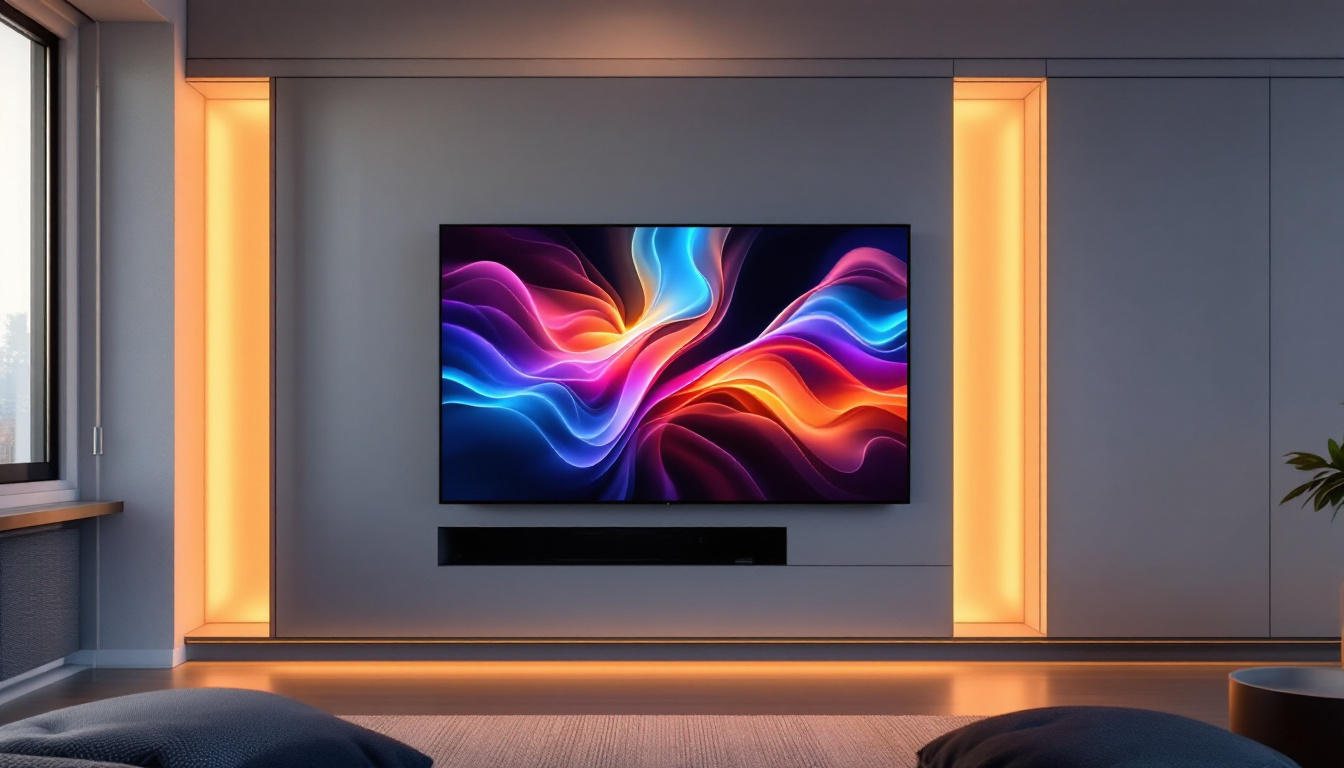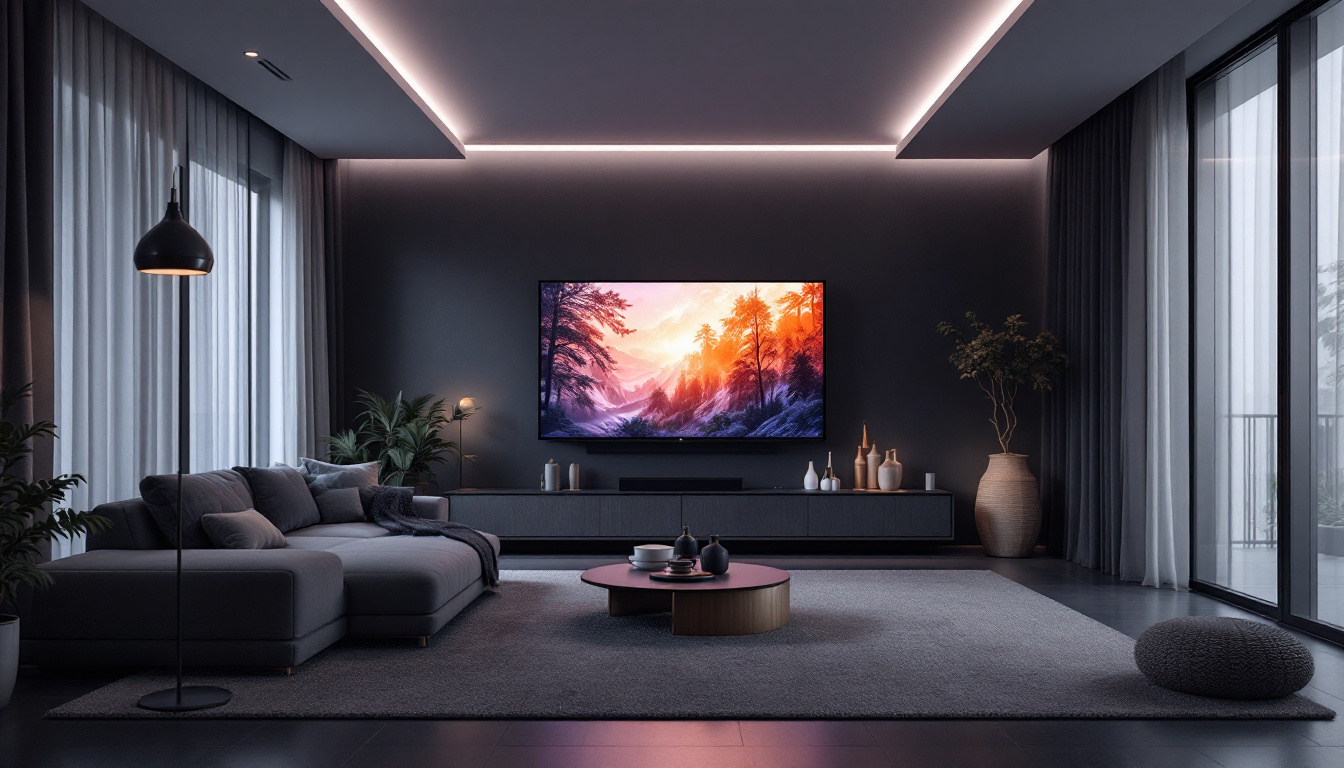
In today’s visually driven world, the way images are displayed plays a crucial role in communication, advertising, and entertainment. Among various display technologies, LED displays have emerged as a dominant force, offering vibrant colors, high brightness, and energy efficiency. This article explores the fundamentals of LED displays, their applications in photo displays, and why they continue to revolutionize the way we view images.
Understanding LED Display Technology
LED, or Light Emitting Diode, technology has transformed the display industry over the past two decades. Unlike traditional LCD or plasma screens, LED displays use tiny diodes that emit light when an electric current passes through them. This fundamental difference offers several advantages, including enhanced brightness, better contrast ratios, and longer lifespan. The evolution of LED technology has not only improved consumer electronics but has also paved the way for innovative applications in various fields, from advertising to entertainment and even medical imaging.
How LED Displays Work
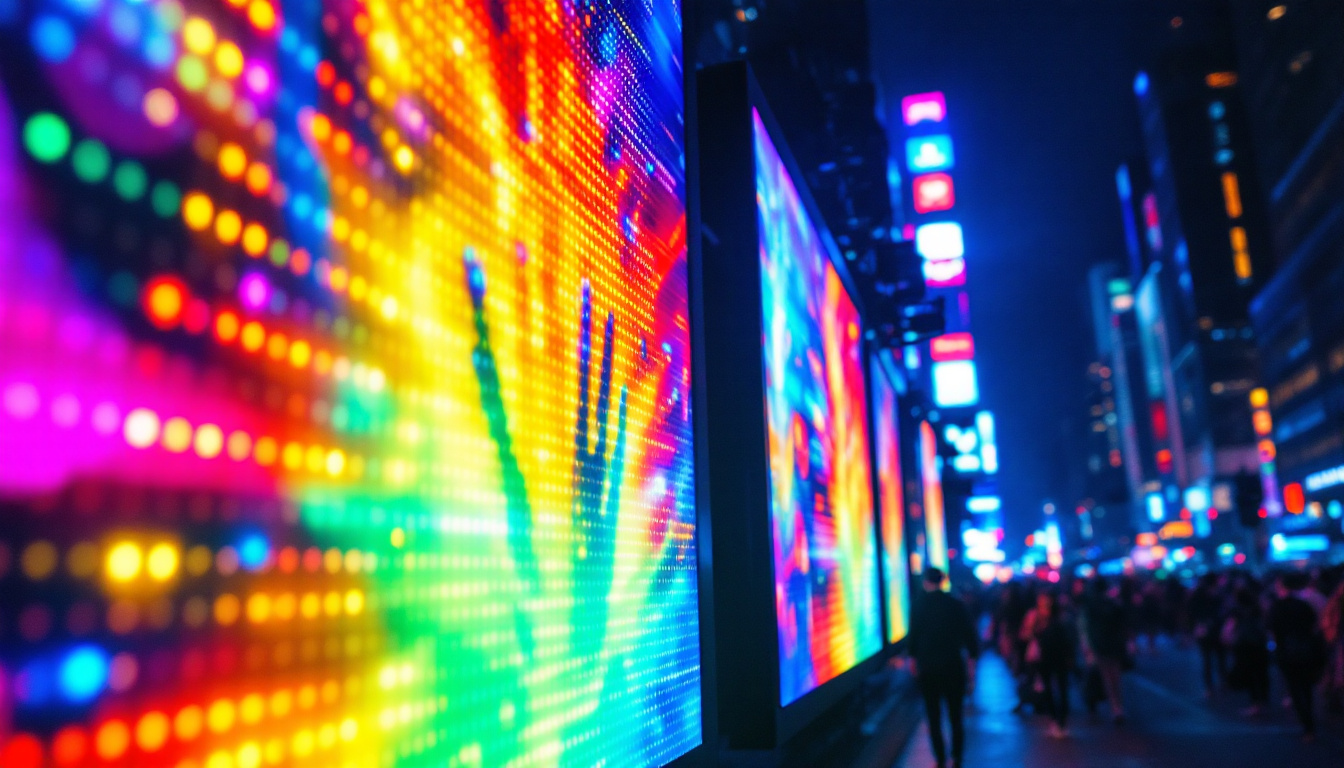
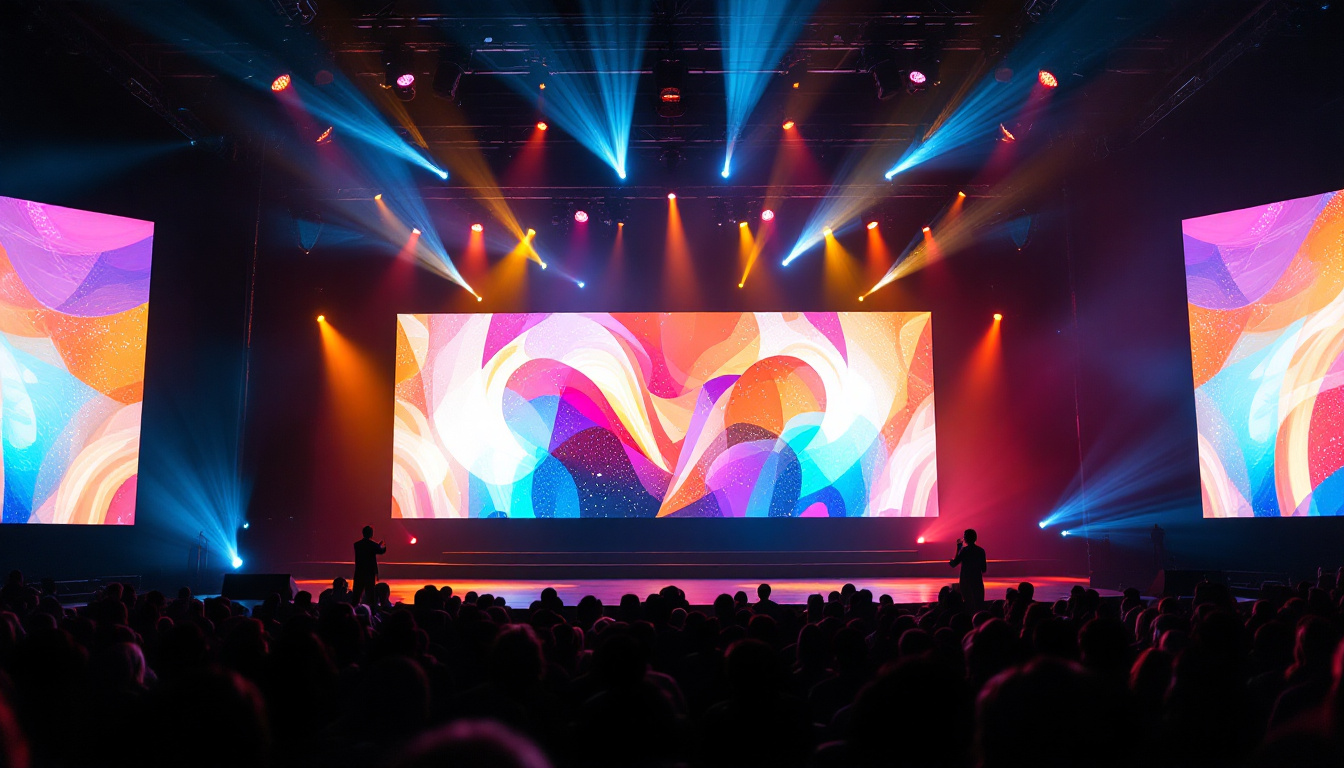
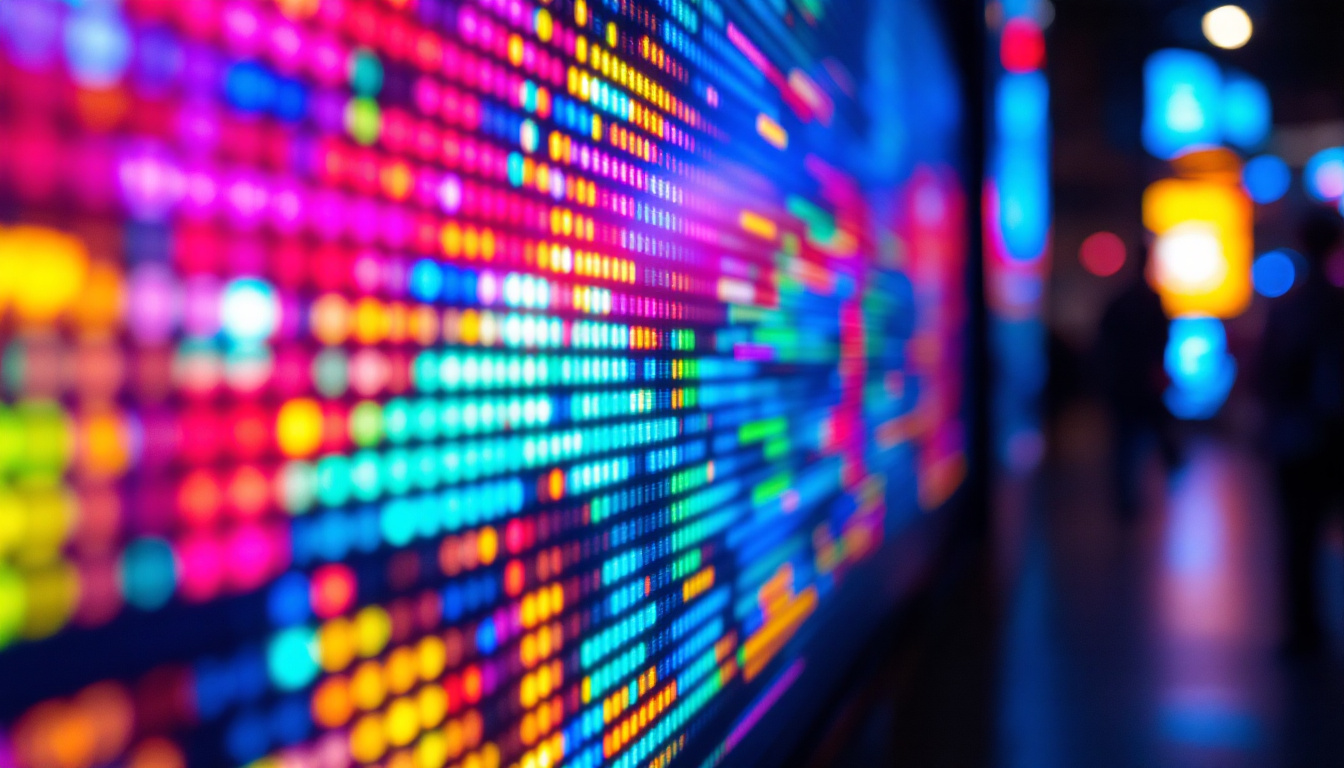
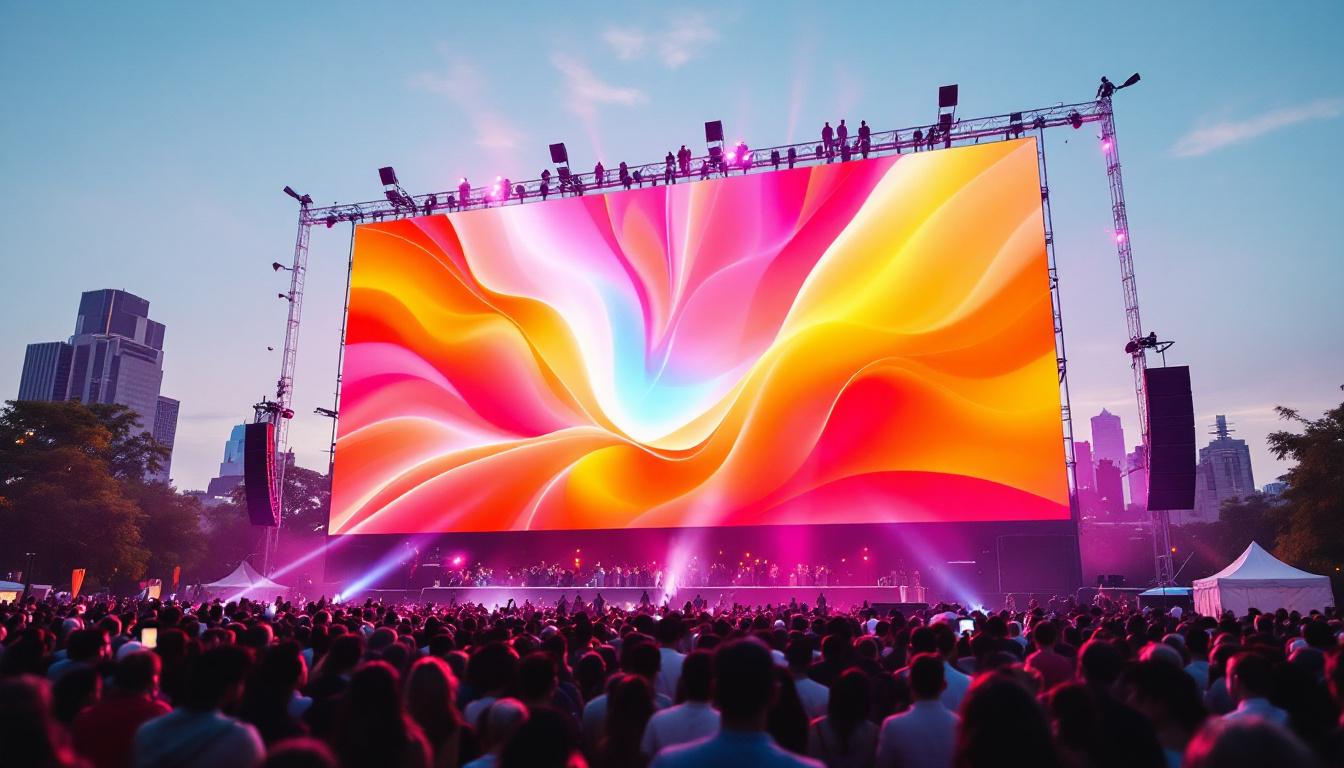
Each LED display is composed of numerous small light-emitting diodes arranged in a grid. These diodes can be grouped into pixels, with each pixel typically containing red, green, and blue LEDs. By adjusting the intensity of each diode, the display can produce a wide range of colors, enabling it to render detailed and vibrant images. This capability is particularly beneficial in environments where visual impact is crucial, such as in concerts or sporting events, where large audiences need to see clear and dynamic visuals from a distance.
The key to the vividness of LED displays lies in their self-emissive nature. Unlike LCDs, which rely on a backlight, LEDs emit their own light, allowing for deeper blacks and higher contrast. This makes LED displays particularly effective for photo displays where color accuracy and detail are paramount. Furthermore, the rapid response time of LEDs minimizes motion blur, making them ideal for fast-paced video content, enhancing the overall viewing experience.
Types of LED Displays
LED displays come in various forms, each suited for different applications:
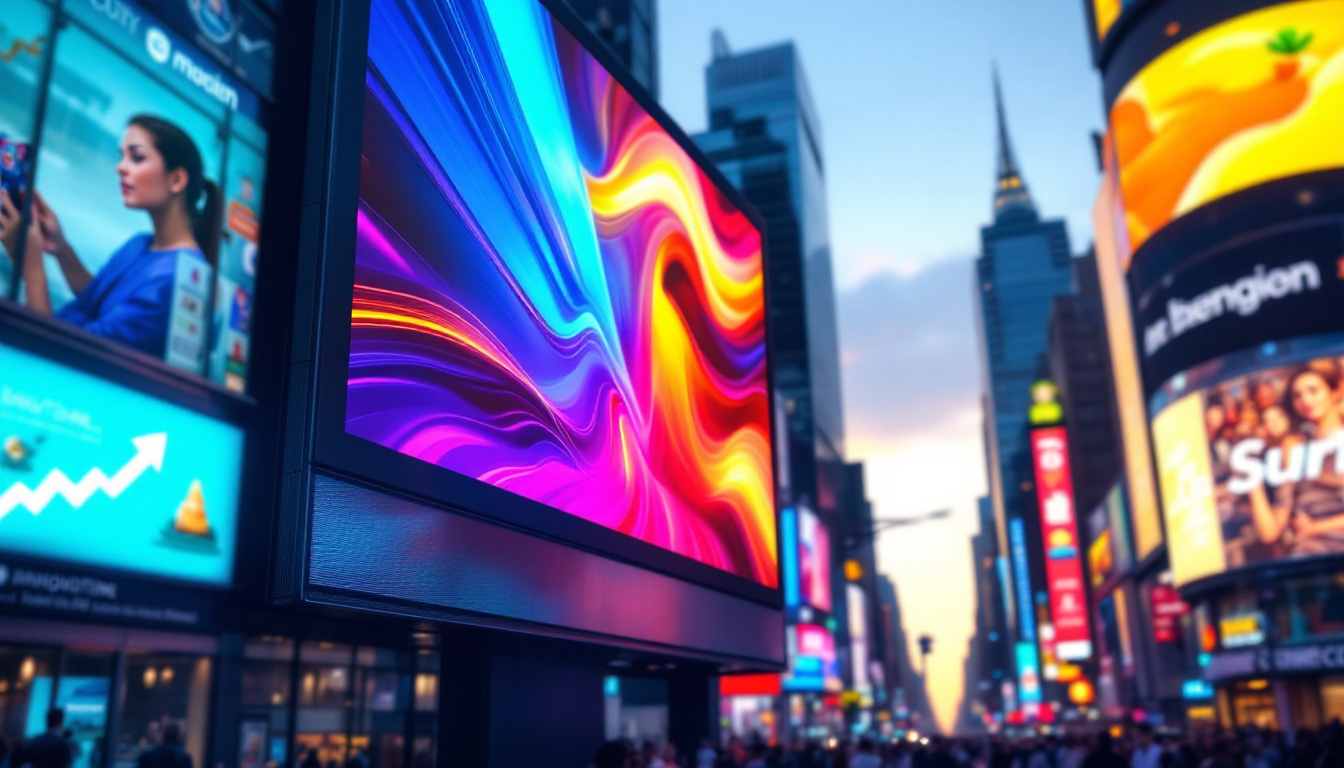
- Direct View LED Displays: These consist of LEDs arranged directly on the display surface, commonly used for large outdoor screens and billboards. Their high brightness levels make them visible even in direct sunlight, making them a popular choice for advertising in urban environments.
- LED-backlit LCD Displays: These use LEDs as a backlight behind an LCD panel, improving brightness and energy efficiency compared to traditional CCFL backlighting. This type of display is widely used in televisions and computer monitors, providing a balance between performance and cost-effectiveness.
- MicroLED Displays: An emerging technology where microscopic LEDs form each pixel, offering even better color accuracy and efficiency. MicroLEDs promise to deliver the advantages of OLED displays, such as true blacks and wide viewing angles, without the drawbacks of burn-in issues.
For photo displays, direct view LED and LED-backlit LCDs are the most prevalent, with microLEDs poised to become a future standard. The versatility of LED technology also extends to flexible displays, which can be curved or shaped to fit unconventional spaces, opening up new possibilities for creative installations in art galleries and public spaces. As the technology continues to advance, we can expect even more innovative applications that will redefine how we interact with visual media.
Advantages of LED Displays for Photo Presentation
When it comes to displaying photographs, LED technology offers several distinct benefits that enhance the viewing experience.
Superior Brightness and Visibility
One of the standout features of LED displays is their exceptional brightness. Typical LED screens can achieve brightness levels upwards of 1,000 nits, with some outdoor displays exceeding 5,000 nits. This makes photos clearly visible even under direct sunlight, a critical factor for outdoor photo exhibitions or digital signage.
In comparison, traditional LCD screens often struggle with glare and reduced visibility in bright environments. The high luminance of LED displays ensures that colors remain vivid and details sharp, regardless of ambient lighting conditions. This capability is particularly advantageous for photographers showcasing their work at events such as art fairs or festivals, where lighting conditions can vary dramatically throughout the day.
Enhanced Color Accuracy and Contrast
LED displays provide a wider color gamut and higher contrast ratios than many other display types. The ability to produce deep blacks and bright whites allows photos to appear more lifelike and dynamic. This is particularly important for professional photographers and galleries that require faithful color reproduction.
Modern LED displays often support advanced color calibration tools, enabling precise adjustments to match specific color profiles such as Adobe RGB or DCI-P3. This level of control helps maintain consistency across different viewing platforms. Moreover, the technology behind LED displays allows for local dimming, which enhances contrast by controlling the brightness of specific areas of the screen, making it easier to highlight intricate details in shadowy or brightly lit areas of a photograph.
Energy Efficiency and Longevity
Energy consumption is a significant consideration, especially for large-scale photo displays used in public spaces. LEDs are inherently more energy-efficient than older technologies, consuming less power while delivering superior brightness. This translates to lower operating costs and reduced environmental impact.
Additionally, LED displays have a longer operational lifespan, often exceeding 50,000 hours of use before brightness diminishes significantly. This durability makes them a cost-effective choice for installations requiring continuous or frequent operation. Furthermore, the reduced need for replacement parts and maintenance not only saves money but also minimizes downtime, ensuring that exhibitions or displays can run smoothly without interruptions. As a result, venues can focus on delivering an engaging experience for visitors, showcasing stunning visuals without the worry of frequent technical issues.
Applications of LED Displays in Photo Displays
LED technology has found a broad range of applications in displaying photographs, from personal use to large-scale commercial projects.
Digital Photo Frames and Home Displays
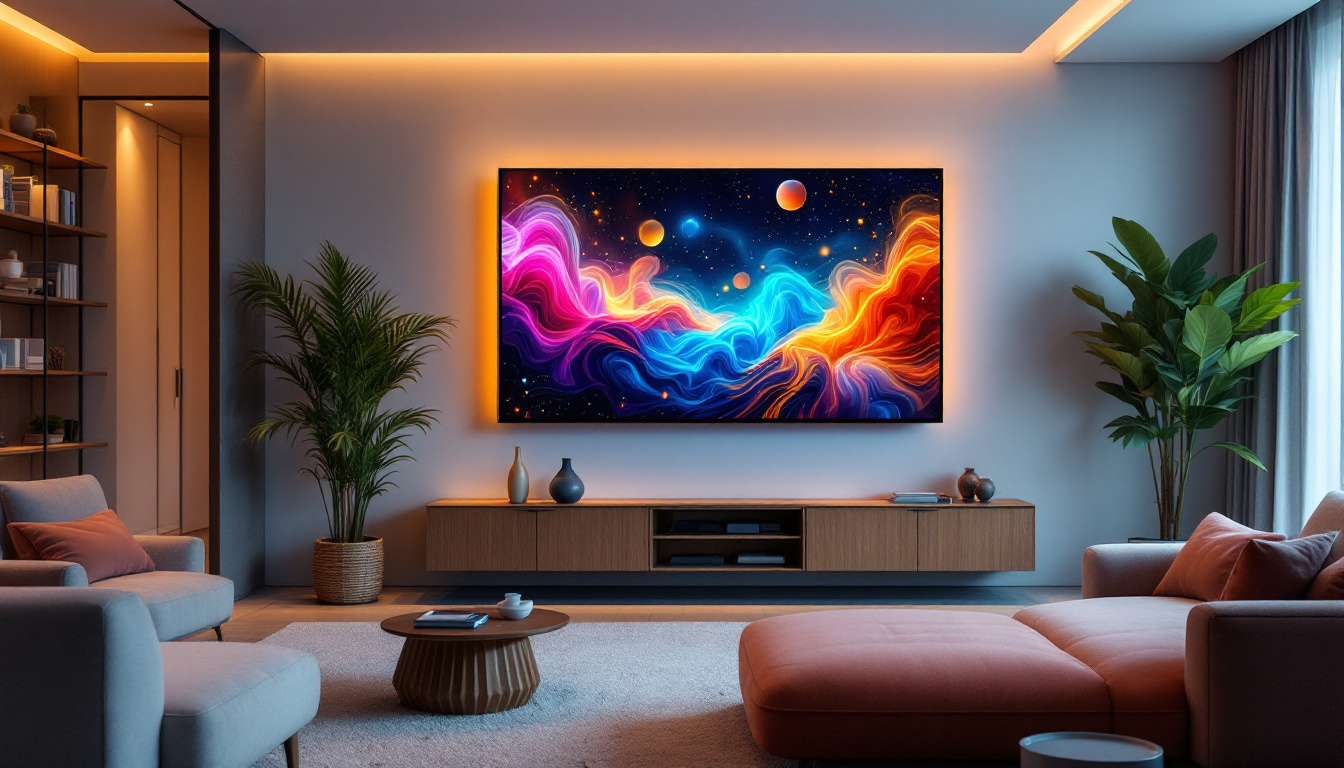
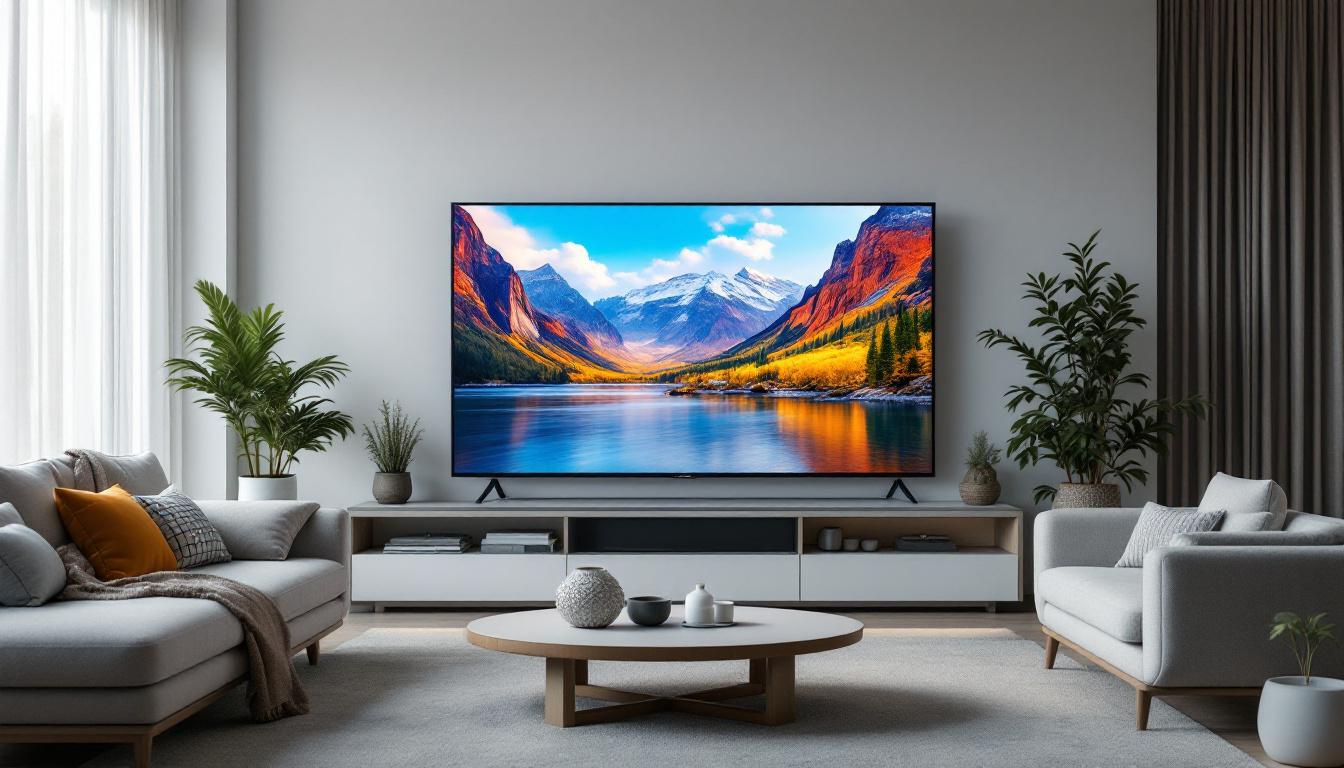
For personal use, LED-backlit LCD screens dominate the market for digital photo frames and home displays. These devices offer high resolution and vibrant colors, allowing users to showcase their favorite images with clarity and brilliance.
Many modern digital frames incorporate Wi-Fi connectivity, enabling users to update photo libraries remotely. The LED backlighting ensures consistent brightness and color quality, enhancing the overall viewing experience.
Art Galleries and Museums
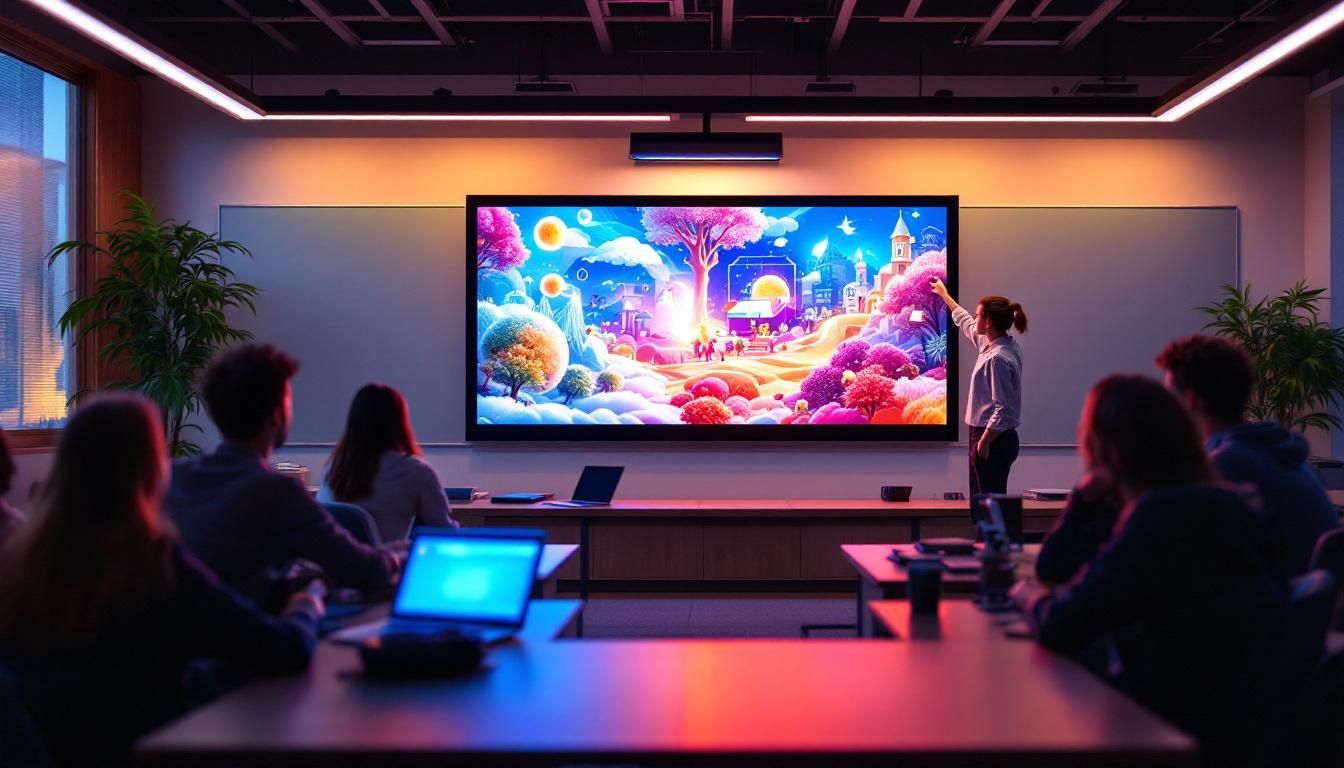
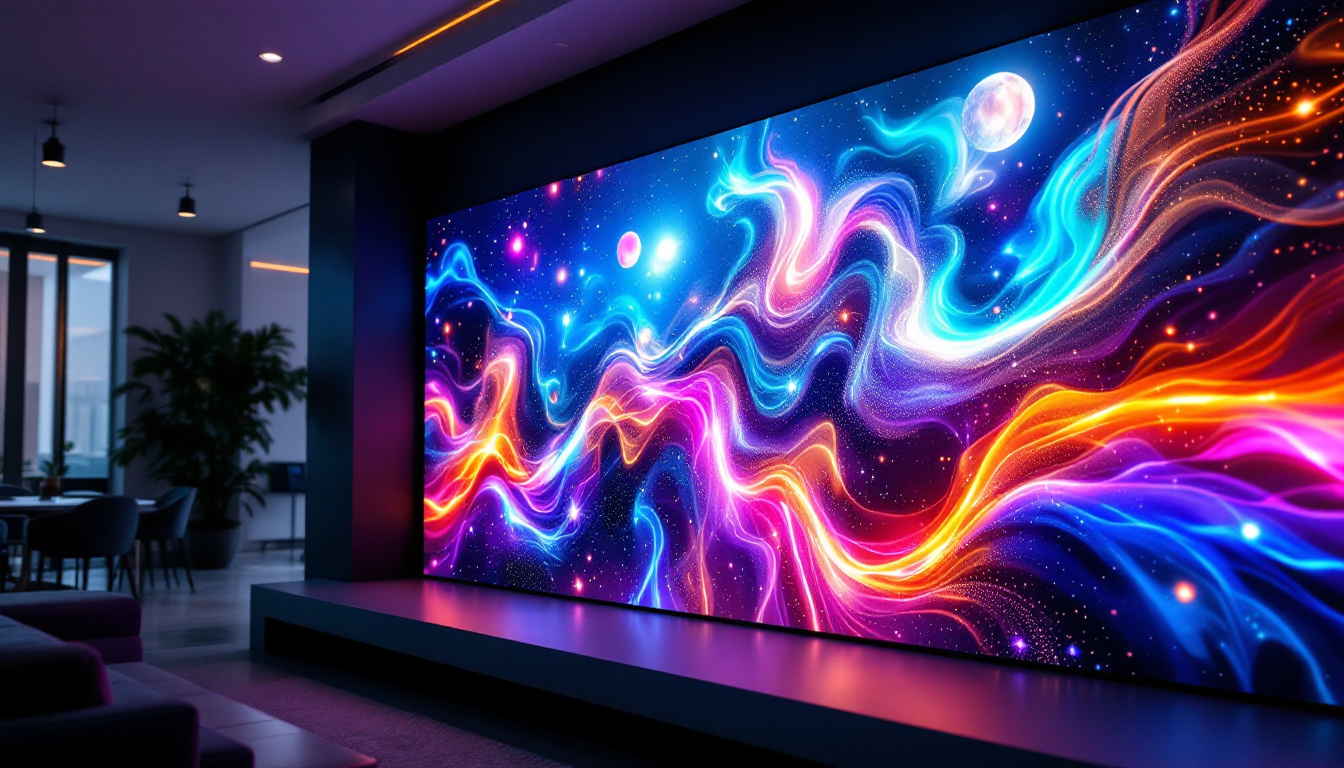
Art institutions increasingly use LED displays to present photographic works in dynamic and interactive ways. Unlike traditional prints, LED displays allow curators to showcase multiple images in a single frame, add motion elements, or adjust lighting conditions to suit the artwork.
LED displays also facilitate immersive exhibitions where photos can be integrated with video and sound, creating engaging narratives that captivate audiences. The ability to calibrate color accurately ensures that photographic art is represented faithfully.
Advertising and Public Installations
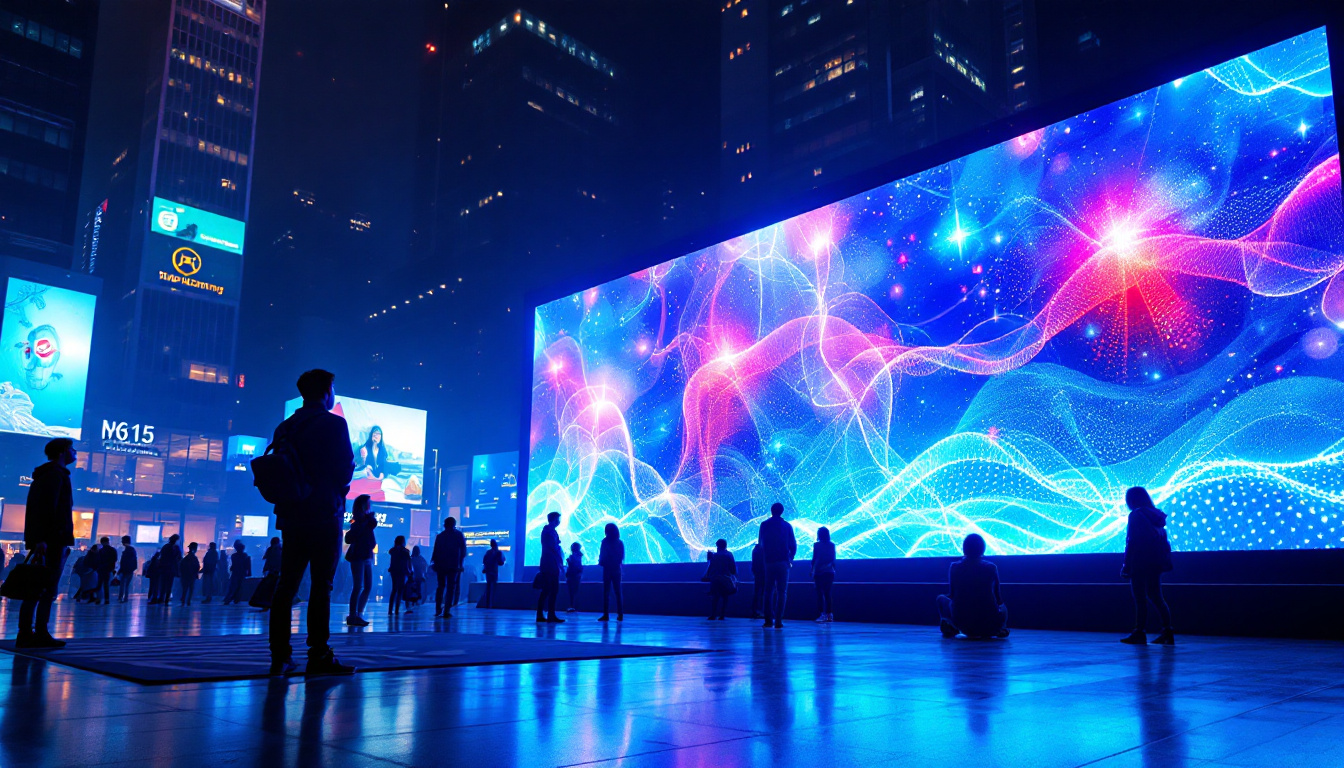
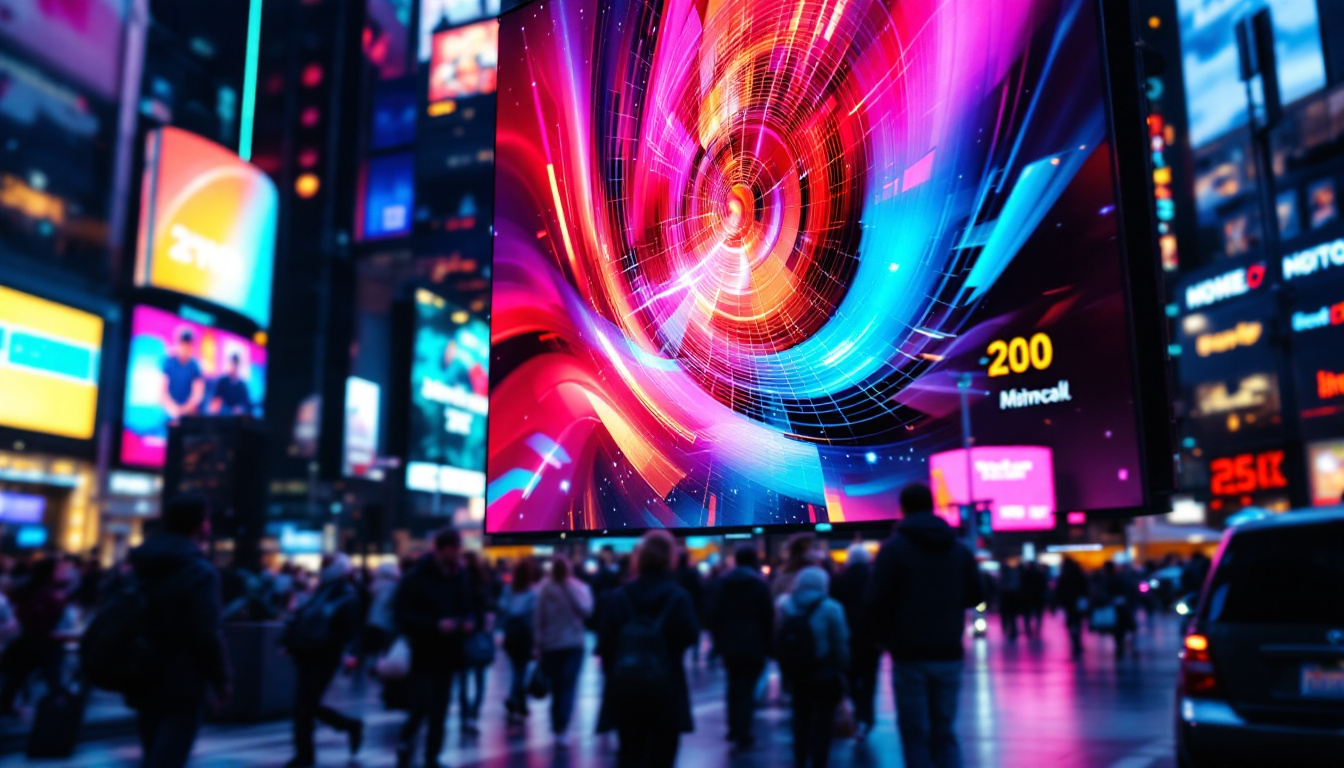
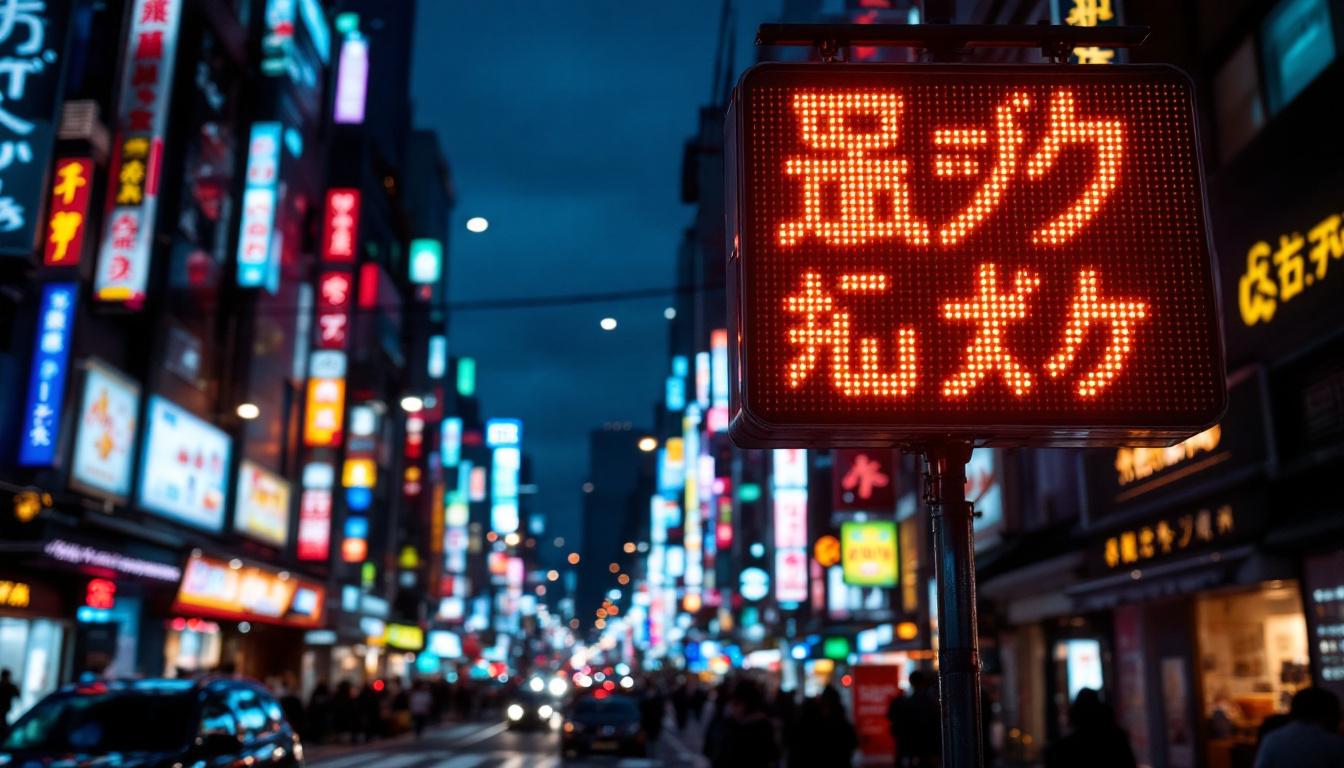
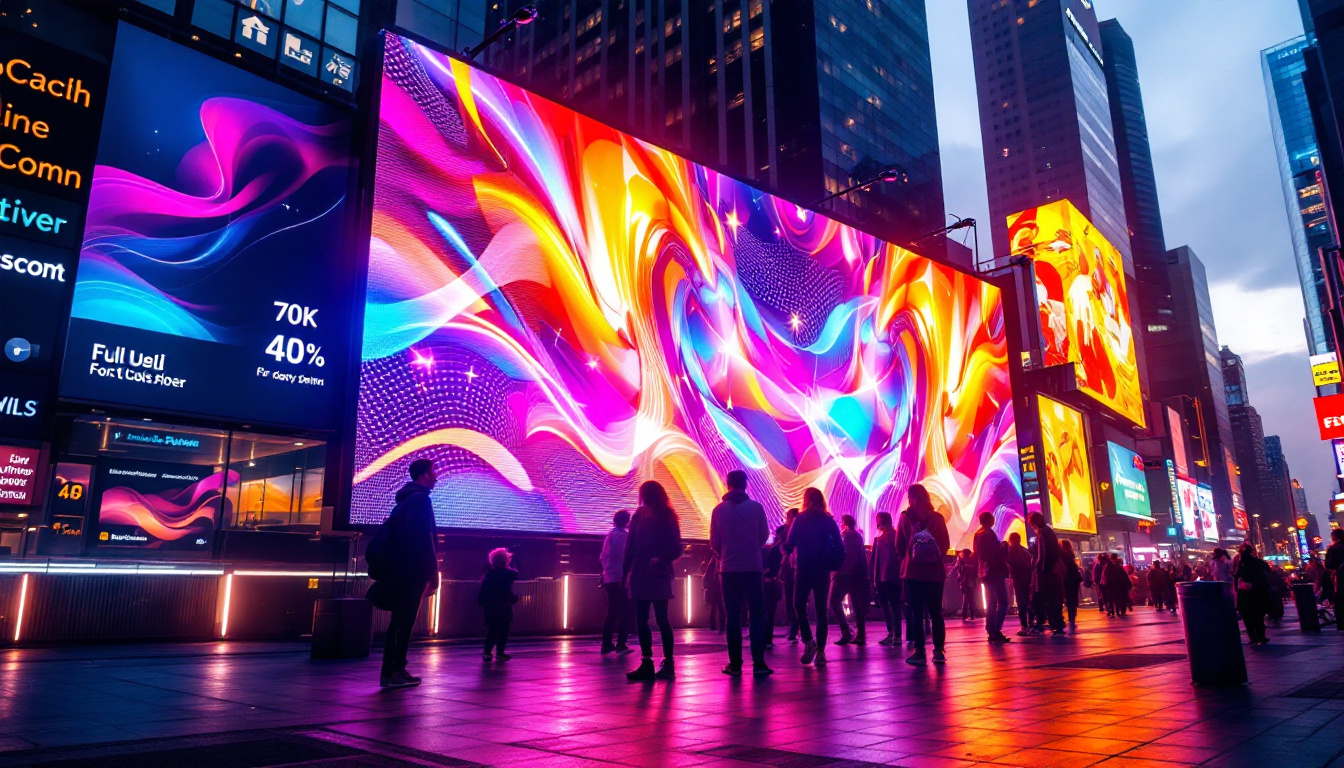
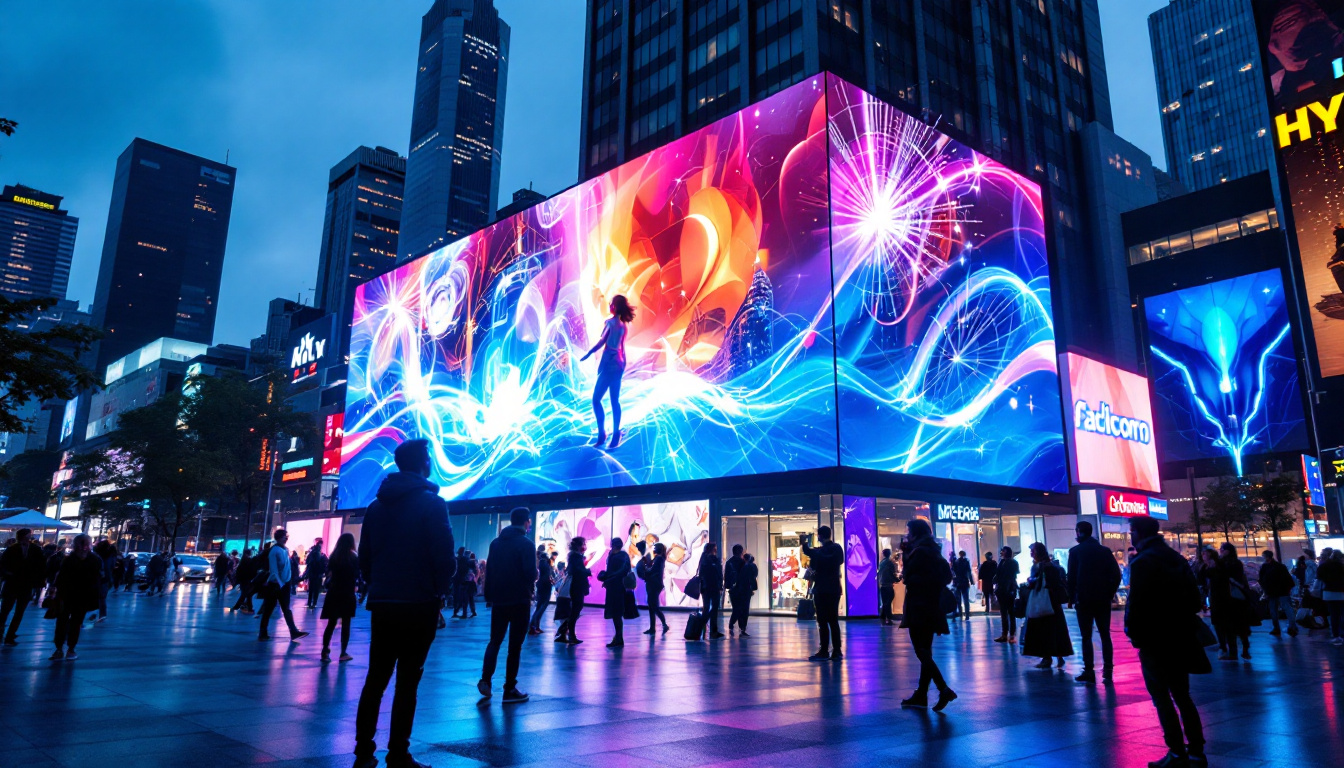
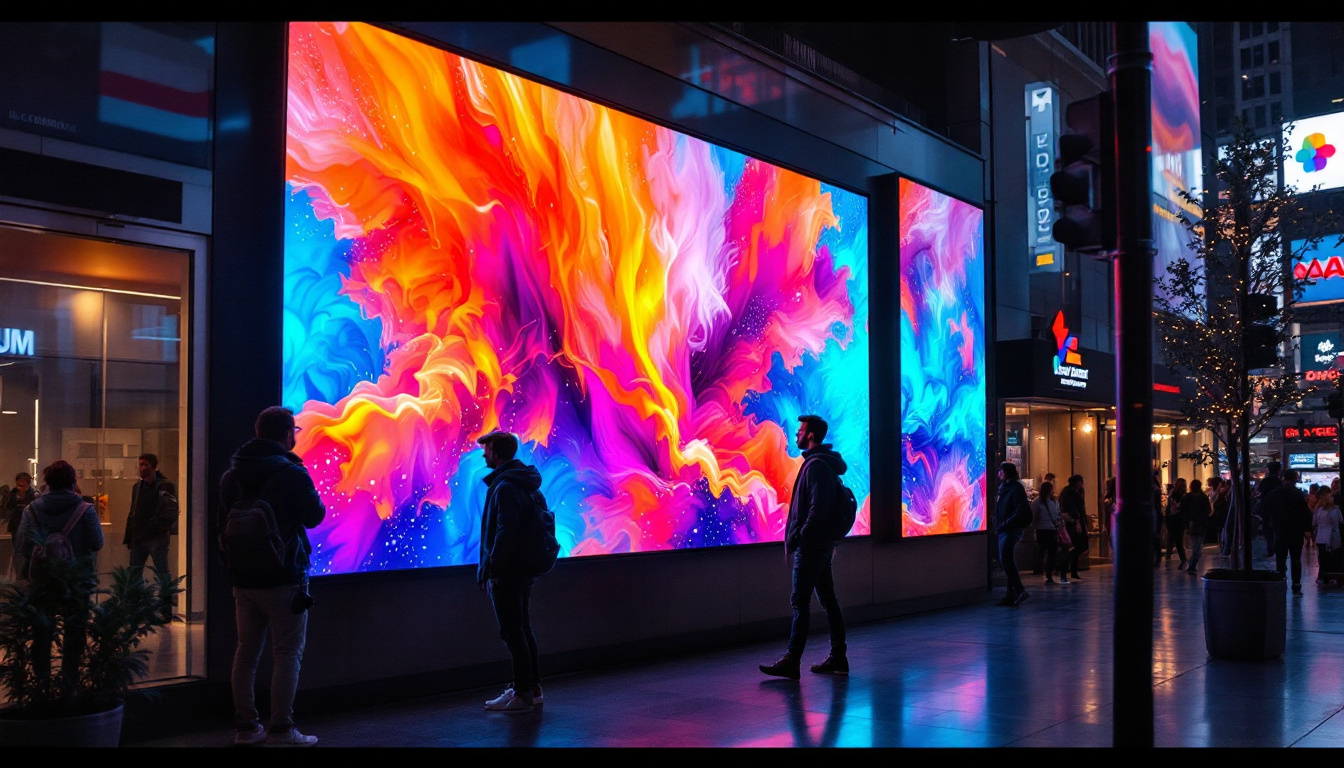
Outdoor LED billboards and digital signage are among the most visible applications of LED photo displays. These large-scale screens deliver high-impact visuals that attract attention in busy urban environments. The durability and brightness of LEDs make them ideal for displaying promotional photos, event images, and branded content.
Moreover, LED displays are often modular, allowing for custom sizes and shapes that fit unique architectural spaces. This flexibility enables creative photo installations that blend seamlessly with their surroundings.
Choosing the Right LED Display for Photo Displays
Selecting an appropriate LED display for photo presentation involves several considerations to ensure optimal image quality and functionality.
Resolution and Pixel Pitch
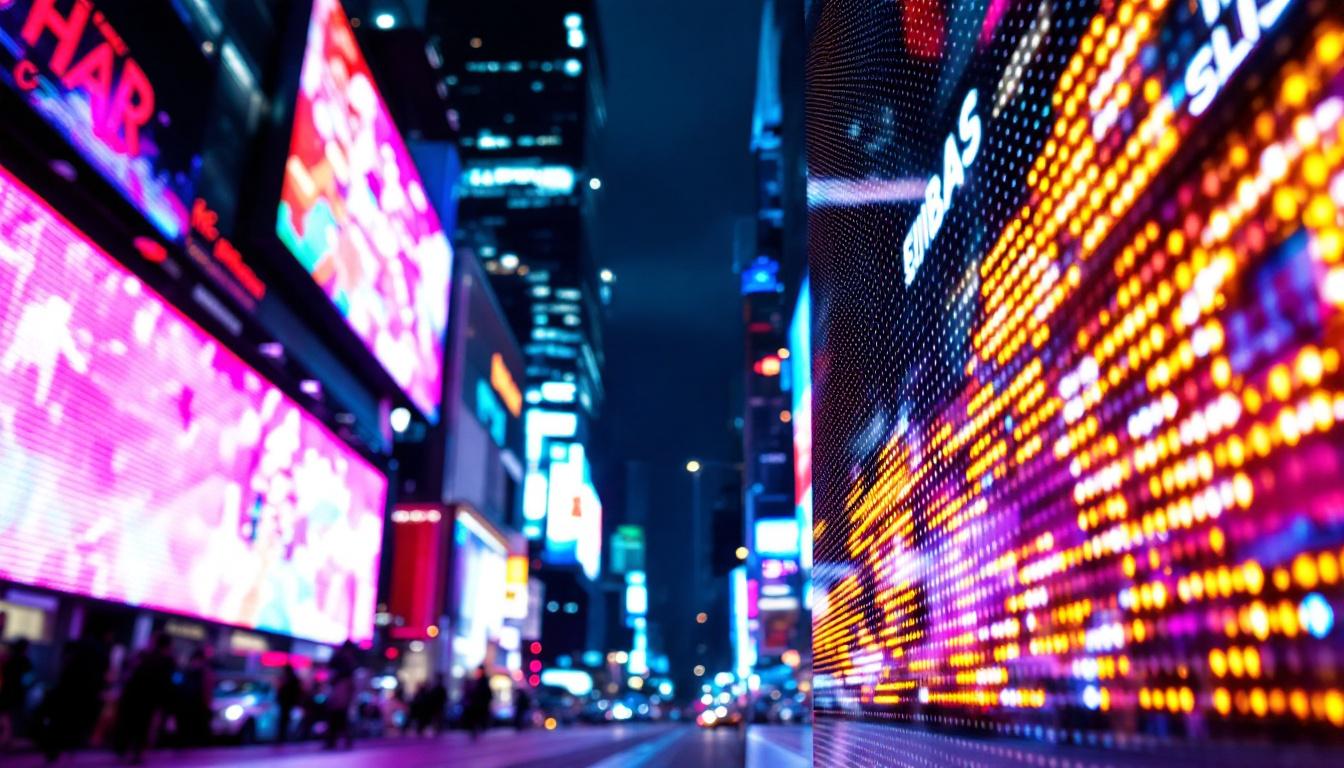
Resolution is a critical factor in photo display quality. Higher resolution means more pixels per inch, resulting in sharper images with finer detail. Pixel pitch—the distance between individual LEDs—directly affects resolution; smaller pixel pitches yield higher resolution.
For close-up viewing, such as in galleries or homes, a pixel pitch of 1mm to 2mm is ideal. For large outdoor displays viewed from a distance, pixel pitches can be larger (e.g., 10mm or more) without compromising perceived image quality.
Color Calibration and Processing
Accurate color reproduction requires displays with advanced calibration capabilities. Look for LED displays that support hardware or software calibration tools and wide color gamuts. High-quality image processing chips also help reduce artifacts and improve color uniformity.
Brightness and Viewing Environment
Consider the lighting conditions where the display will be installed. For indoor use, a brightness level of 300 to 600 nits is generally sufficient. Outdoor installations demand much higher brightness to combat sunlight and glare.
Viewing angles are also important; LED displays typically offer wide viewing angles, ensuring consistent image quality from different perspectives.
Durability and Maintenance
For public or outdoor photo displays, durability is paramount. Choose LED displays with weatherproof ratings (such as IP65 or higher) and robust construction. Maintenance accessibility is also a factor, as LED modules may require periodic servicing.
The Future of LED Displays in Photo Presentation
As LED technology continues to evolve, its role in photo displays is set to expand and improve in exciting ways.
MicroLED and Beyond
MicroLED technology promises even greater advances, offering higher brightness, improved color accuracy, and lower power consumption in thinner, more flexible displays. This could revolutionize photo displays by enabling ultra-high-definition images on a variety of surfaces, from walls to wearable devices.
Integration with AI and Interactive Technologies
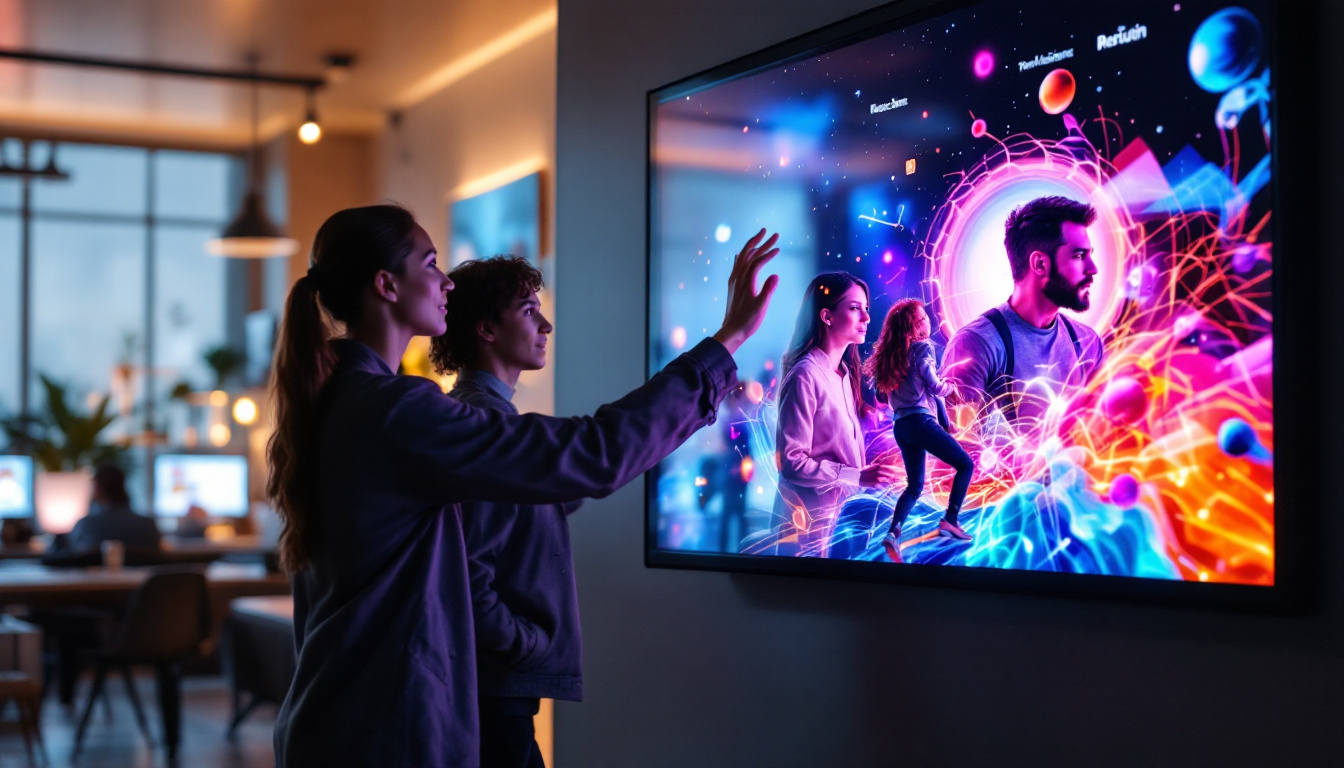
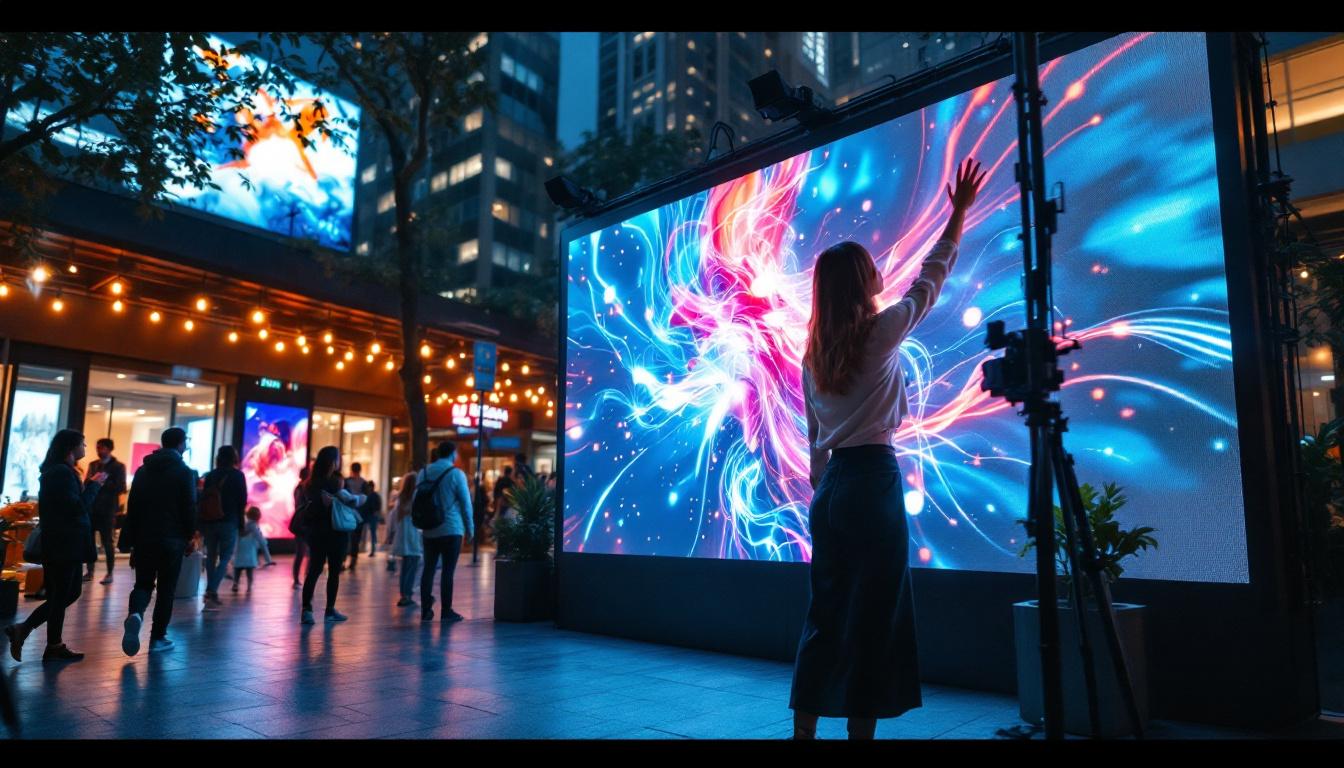
Future LED photo displays may incorporate artificial intelligence to optimize image presentation dynamically based on ambient conditions or viewer preferences. Interactive features, such as touch sensitivity and gesture control, will allow users to engage with photographic content in new, immersive ways.
Sustainability and Eco-Friendly Innovations
With growing emphasis on sustainability, LED display manufacturers are developing eco-friendly materials and recycling programs. Energy-efficient designs and longer-lasting components will reduce environmental impact, making LED displays a greener choice for photo presentation.
Conclusion
LED displays have fundamentally changed how photographs are presented and experienced. Their superior brightness, color accuracy, energy efficiency, and versatility make them the preferred choice across personal, artistic, and commercial applications. As technology advances, LED photo displays will continue to offer richer, more immersive visual experiences, shaping the future of image presentation in profound ways.
Discover the Future of Photo Presentation with LumenMatrix
Ready to elevate your visual experience? LumenMatrix is at the forefront of LED display innovation, offering a wide array of solutions tailored to your needs. From the immersive Indoor LED Wall Display to the dynamic Outdoor LED Wall Display, and from the versatile Vehicle LED Display to the sleek LED Poster Display, we have the technology to bring your images to life. Our mission is to transform visual communication, ensuring your message resonates with brilliance and clarity. Don’t miss out on the opportunity to captivate your audience. Check out LumenMatrix LED Display Solutions today and join the revolution in photo display technology.