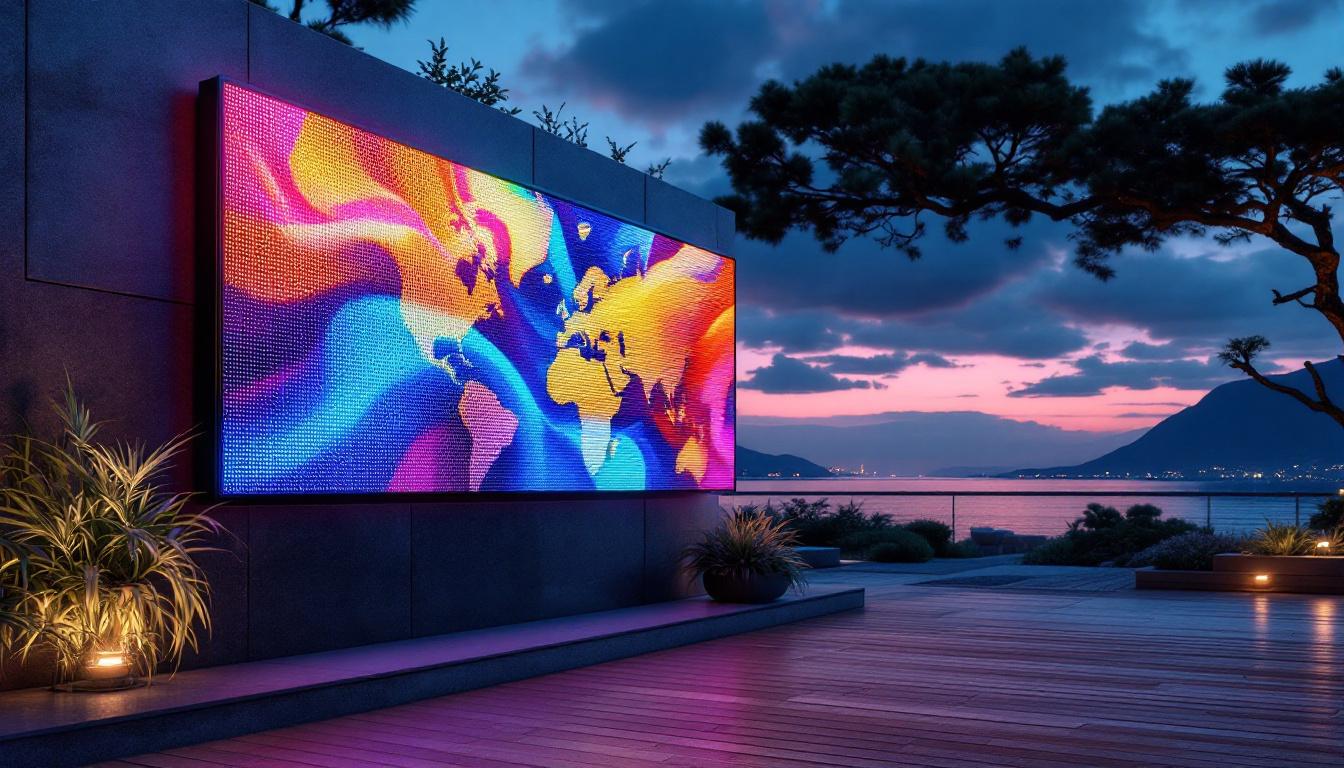
In recent years, outdoor LED wall paneling has transformed the way businesses, cities, and event organizers communicate with their audiences. These vibrant, dynamic displays offer unparalleled visibility and versatility, making them a popular choice for advertising, public information, and entertainment. This article explores the technology behind outdoor LED wall paneling, its applications, benefits, and key considerations for selecting and maintaining these displays.
Understanding Outdoor LED Wall Paneling Technology
What Is Outdoor LED Wall Paneling?
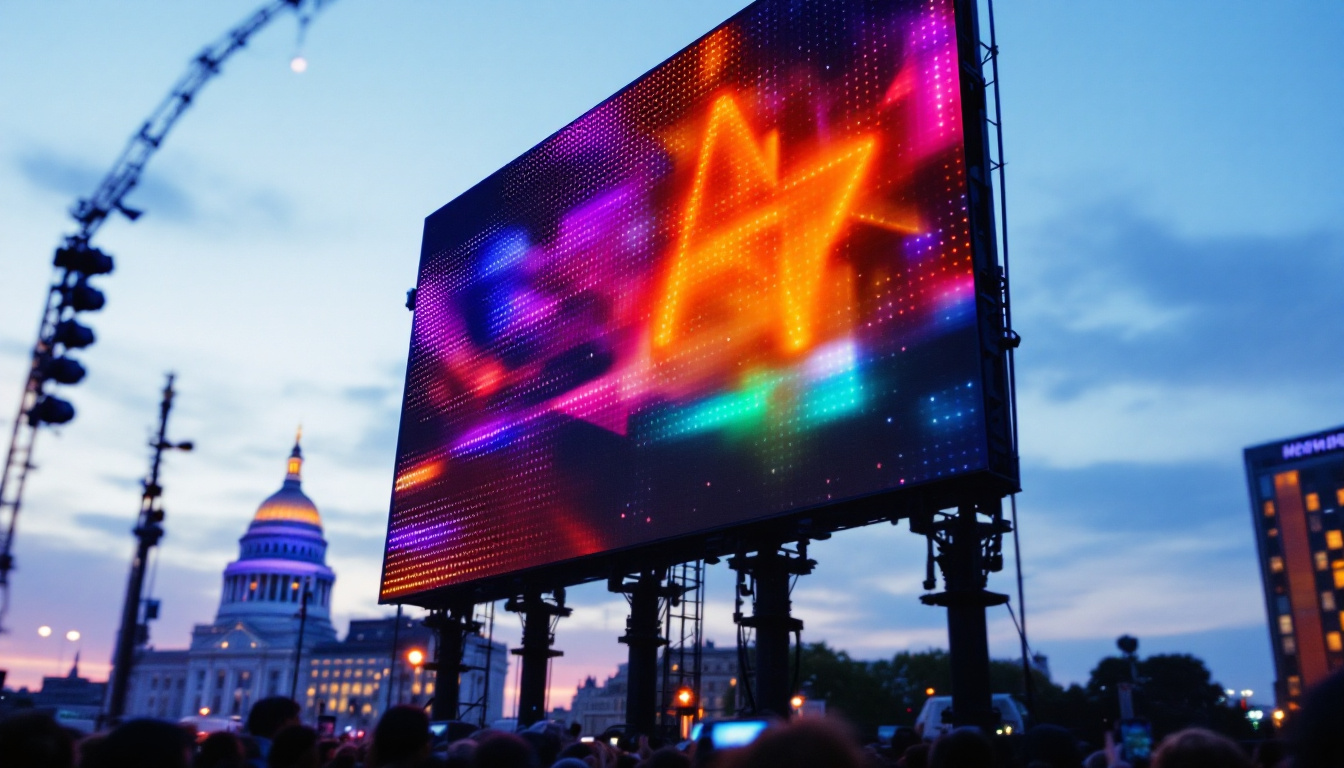
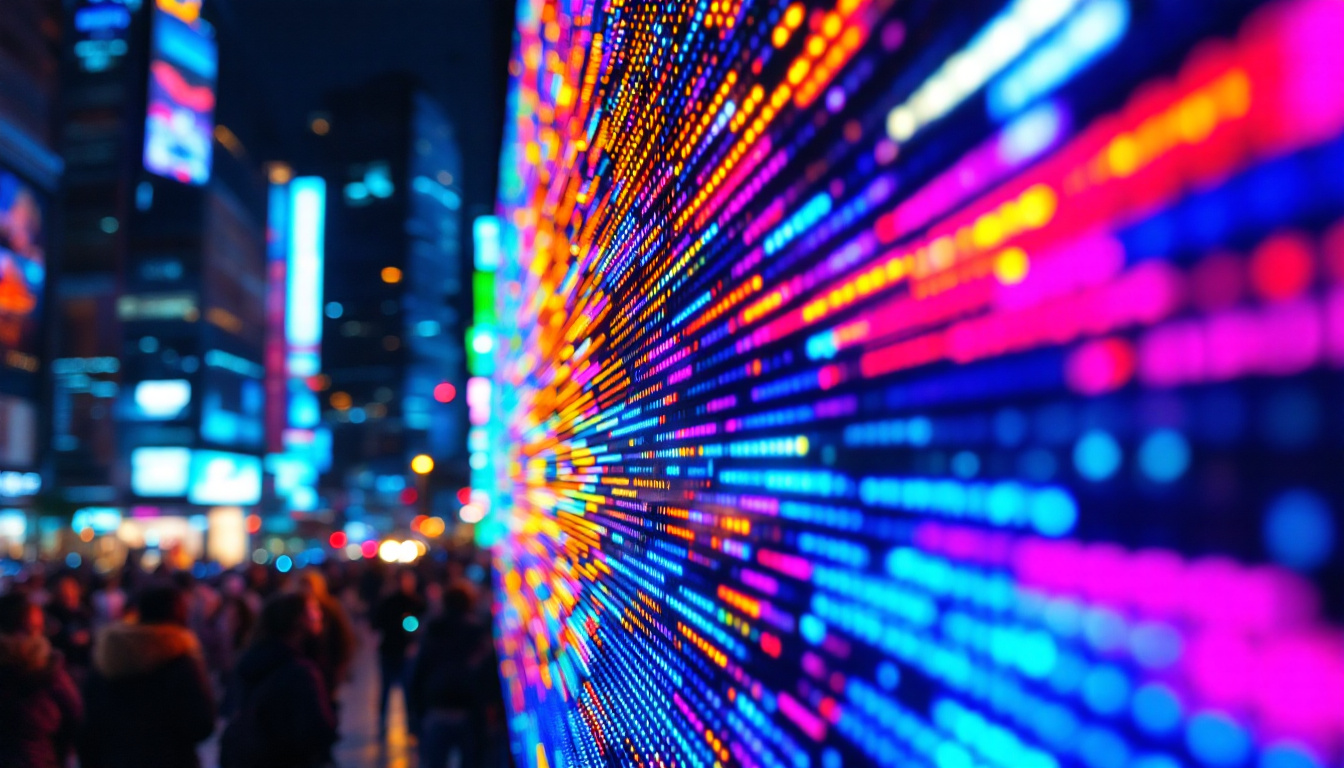
Outdoor LED wall paneling consists of modular LED display units designed to be mounted on exterior walls or structures. These panels combine thousands of tiny light-emitting diodes (LEDs) arranged in a grid pattern, which together create bright, high-resolution images and videos visible even in direct sunlight. Unlike traditional billboards or printed signage, LED panels offer dynamic content capabilities, enabling real-time updates and multimedia presentations.
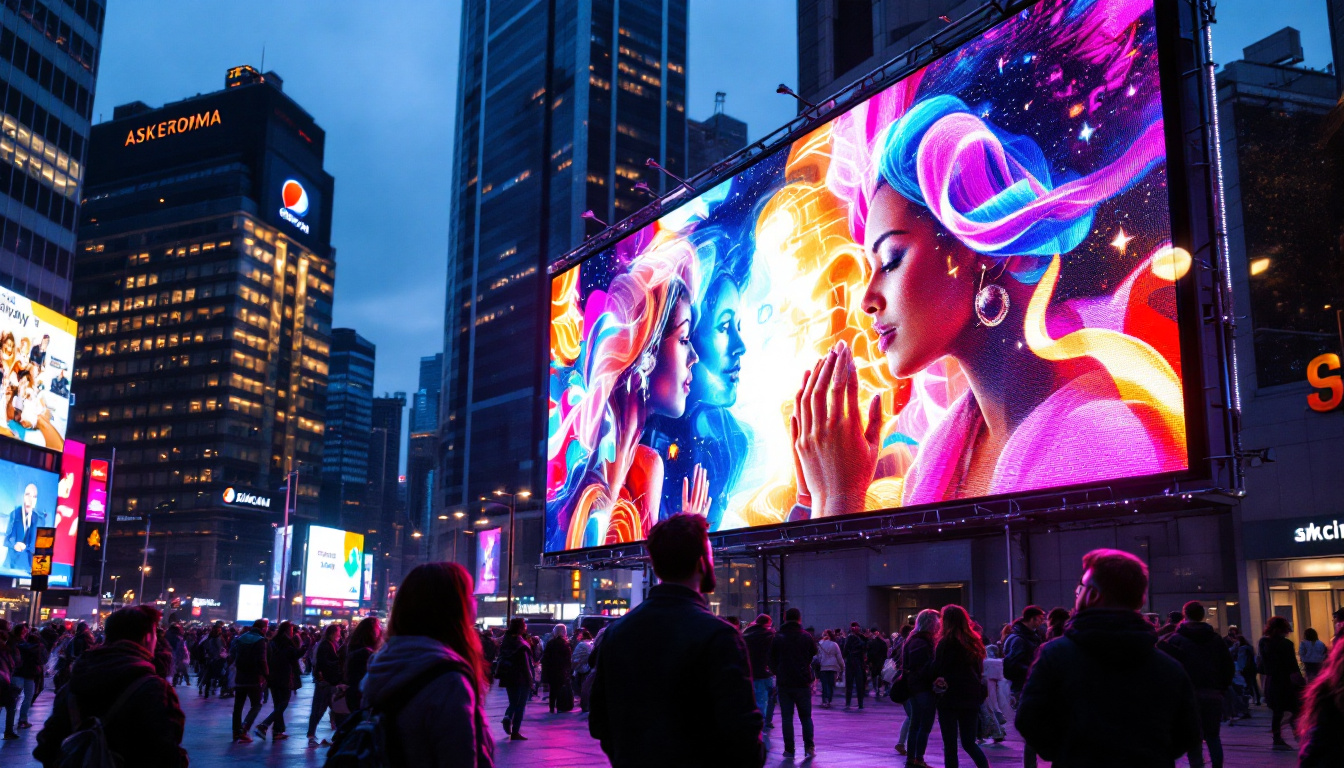
The panels are typically weatherproof and built to withstand harsh outdoor conditions such as rain, wind, dust, and extreme temperatures. Their modular design allows for flexible sizing and shapes, making it possible to create displays ranging from small signs to massive video walls covering entire building facades. This adaptability has made them increasingly popular for various applications, including advertising, public information displays, and artistic installations. Cities around the world are embracing this technology to enhance urban landscapes, creating vibrant visual experiences that engage residents and tourists alike.
How Do LED Displays Work?
Each LED pixel in the panel consists of red, green, and blue diodes that combine to produce a full spectrum of colors through varying intensities. The control system sends signals to these diodes, adjusting their brightness to render images or videos. The resolution of an LED display is determined by its pixel pitch—the distance between the centers of adjacent pixels. Outdoor LED panels typically have a larger pixel pitch (ranging from 4mm to 20mm or more) than indoor displays, balancing visibility and cost. This characteristic allows for effective viewing from considerable distances, making them ideal for large venues such as stadiums, concert halls, and shopping centers.
Advanced LED displays also include features such as brightness sensors that automatically adjust screen intensity based on ambient light, ensuring optimal visibility without excessive power consumption. Additionally, many outdoor LED panels support high refresh rates (above 1920Hz), which reduce flickering and improve image clarity, especially for video content and live broadcasts. Furthermore, the integration of smart technology has led to the development of interactive displays, where viewers can engage with the content through touch or mobile devices, creating a more immersive experience. This evolution in LED technology not only enhances advertising effectiveness but also paves the way for innovative applications in art, education, and public service announcements.
Applications of Outdoor LED Wall Paneling
Advertising and Branding
One of the most common uses of outdoor LED wall paneling is in advertising. Brands leverage these displays to capture attention in high-traffic areas such as shopping districts, stadiums, and transportation hubs. The ability to display vivid, animated content makes LED panels far more engaging than static billboards.
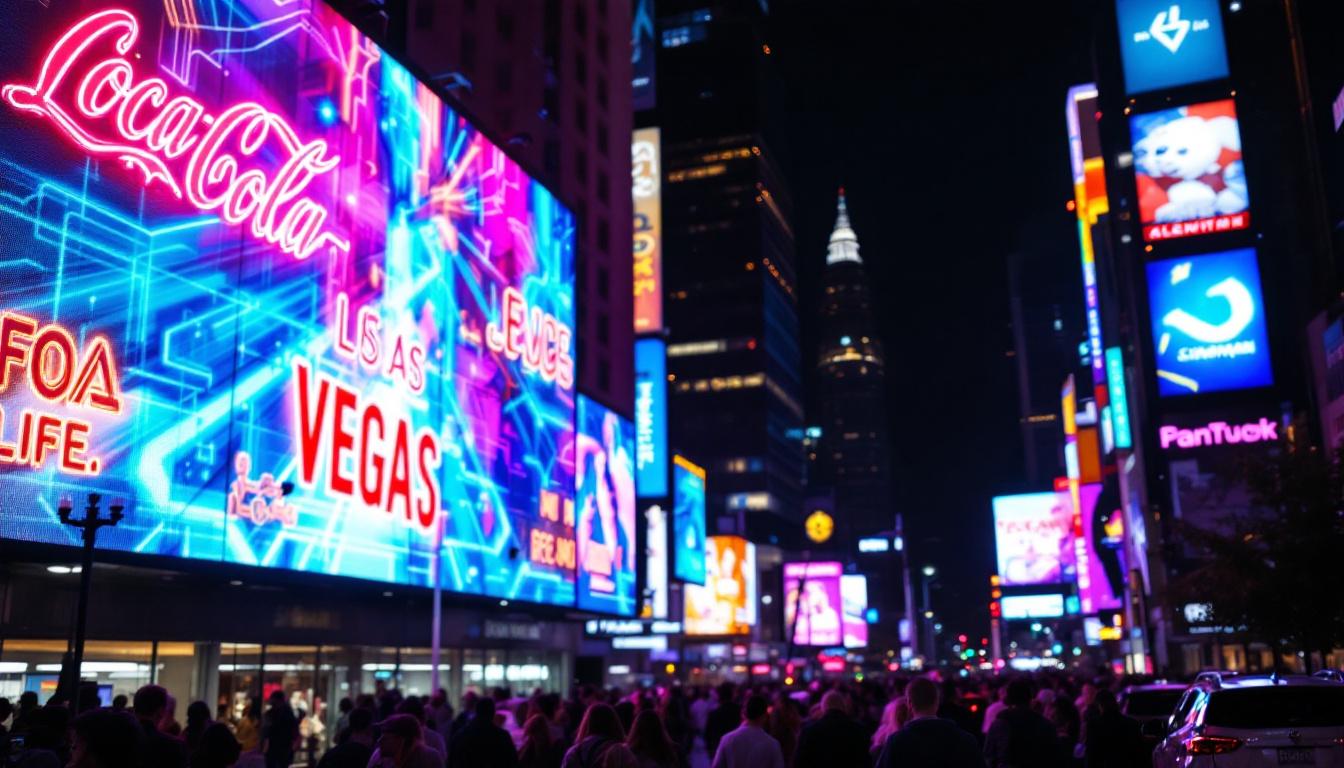
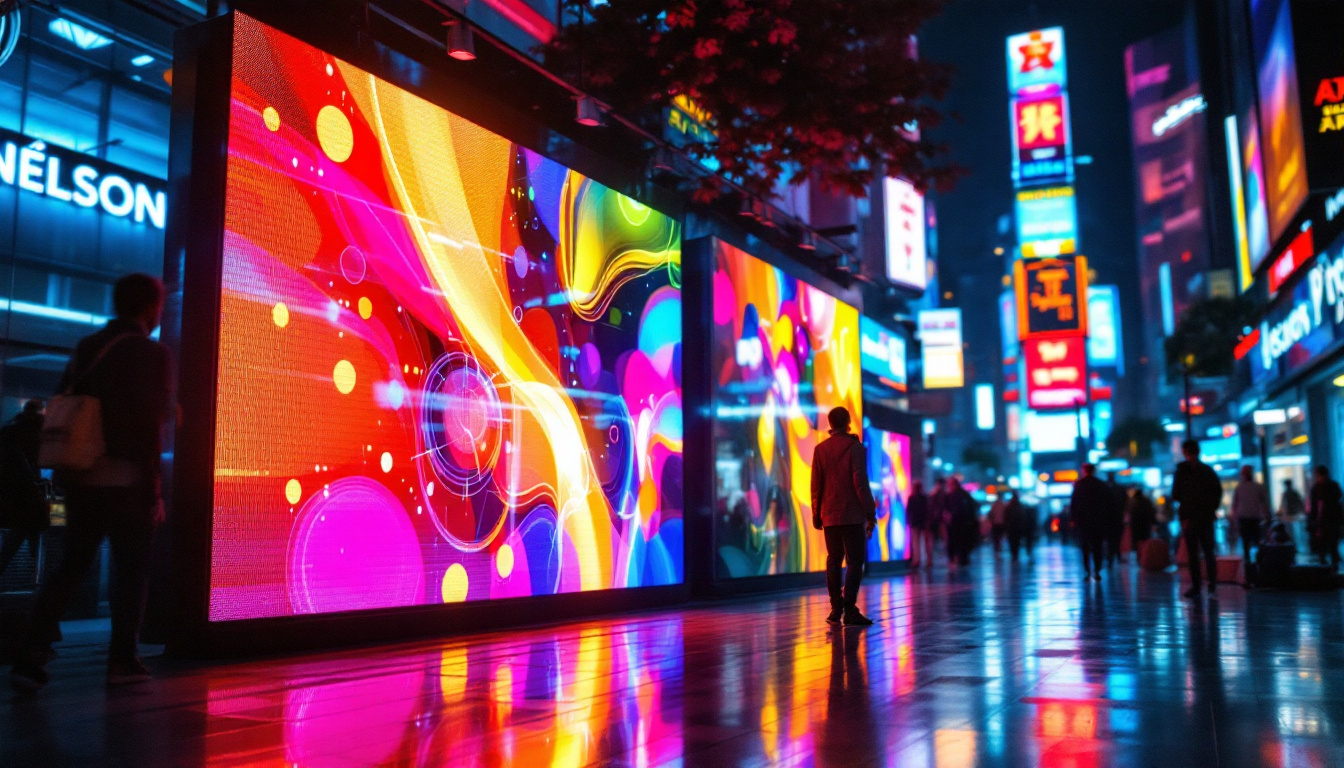
For example, Times Square in New York City is renowned for its massive LED displays that showcase advertisements from global brands. These displays not only attract millions of viewers daily but also allow advertisers to change content instantly, tailoring messages to time of day, special events, or audience demographics. The dynamic nature of these panels enables brands to run targeted campaigns that resonate with specific audiences, thereby increasing the effectiveness of their marketing strategies. Additionally, the integration of social media feeds into these displays allows for real-time interaction, encouraging passersby to engage with the brand both online and offline.
Public Information and Safety
Municipalities and transportation authorities use outdoor LED panels to provide real-time information to the public. This includes traffic updates, weather alerts, emergency notifications, and event schedules. The dynamic nature of LED displays ensures that critical information can be disseminated quickly and efficiently.
During emergencies, such as natural disasters or public safety incidents, LED wall panels can broadcast urgent messages that help guide citizens to safety or inform them of necessary precautions. Their high visibility and ability to operate continuously make them invaluable tools for public communication. Furthermore, these panels can also serve educational purposes by displaying public service announcements or health advisories, thereby fostering a well-informed community. The versatility of LED technology allows for multilingual displays, ensuring that diverse populations receive crucial information in a language they understand, enhancing overall public safety and awareness.
Entertainment and Events
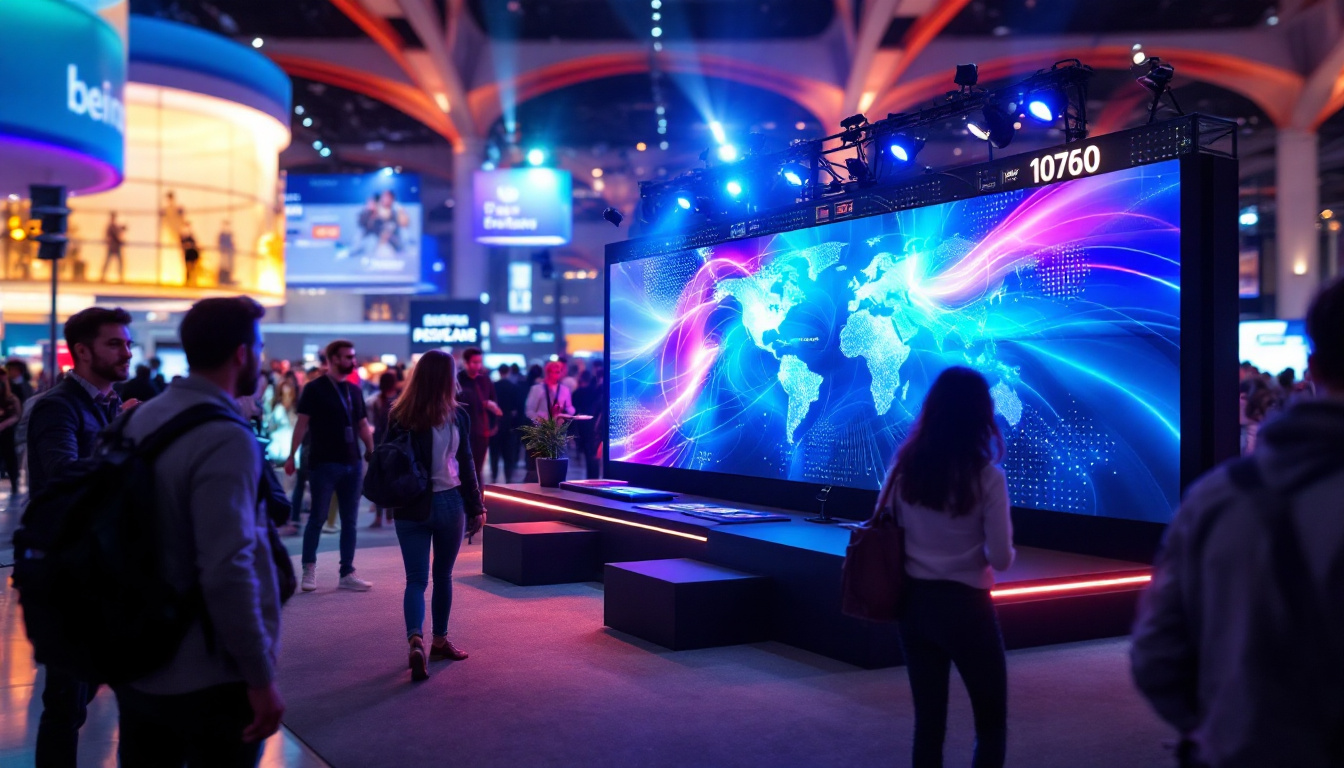
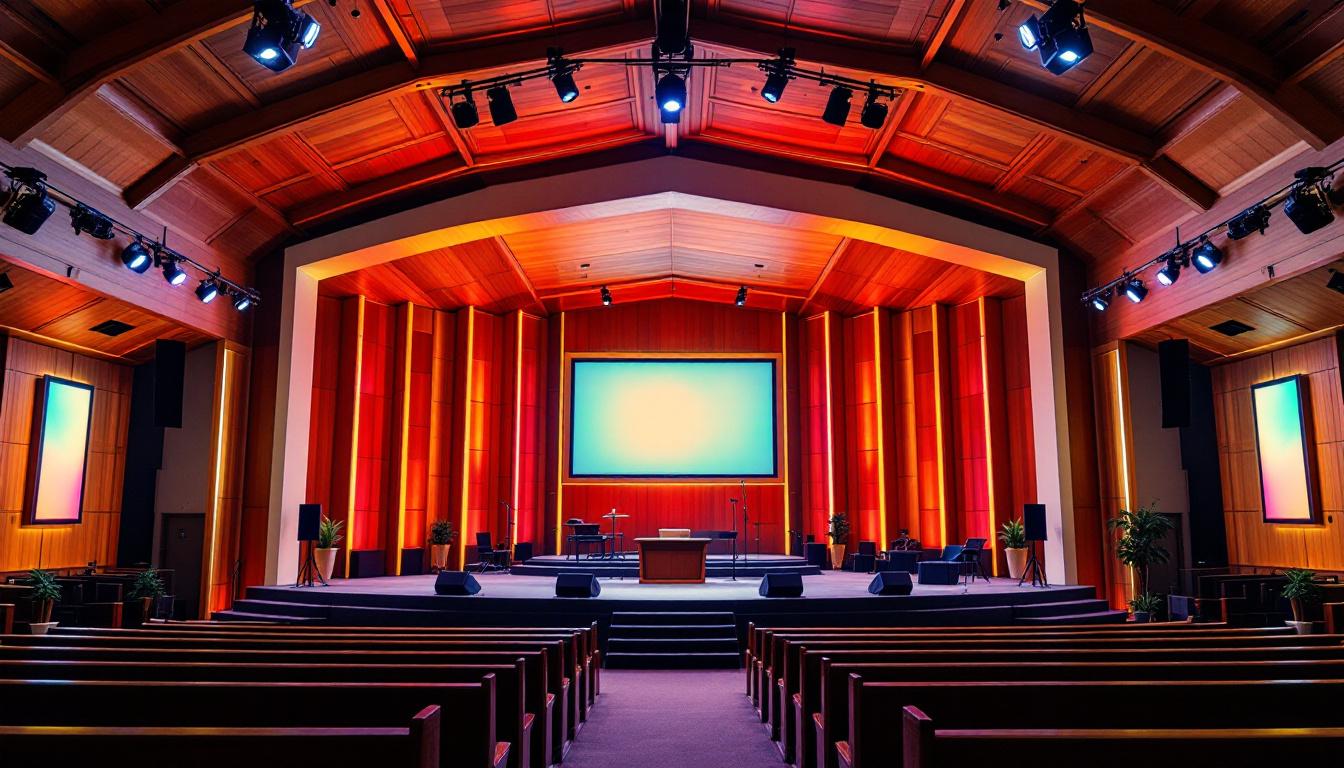
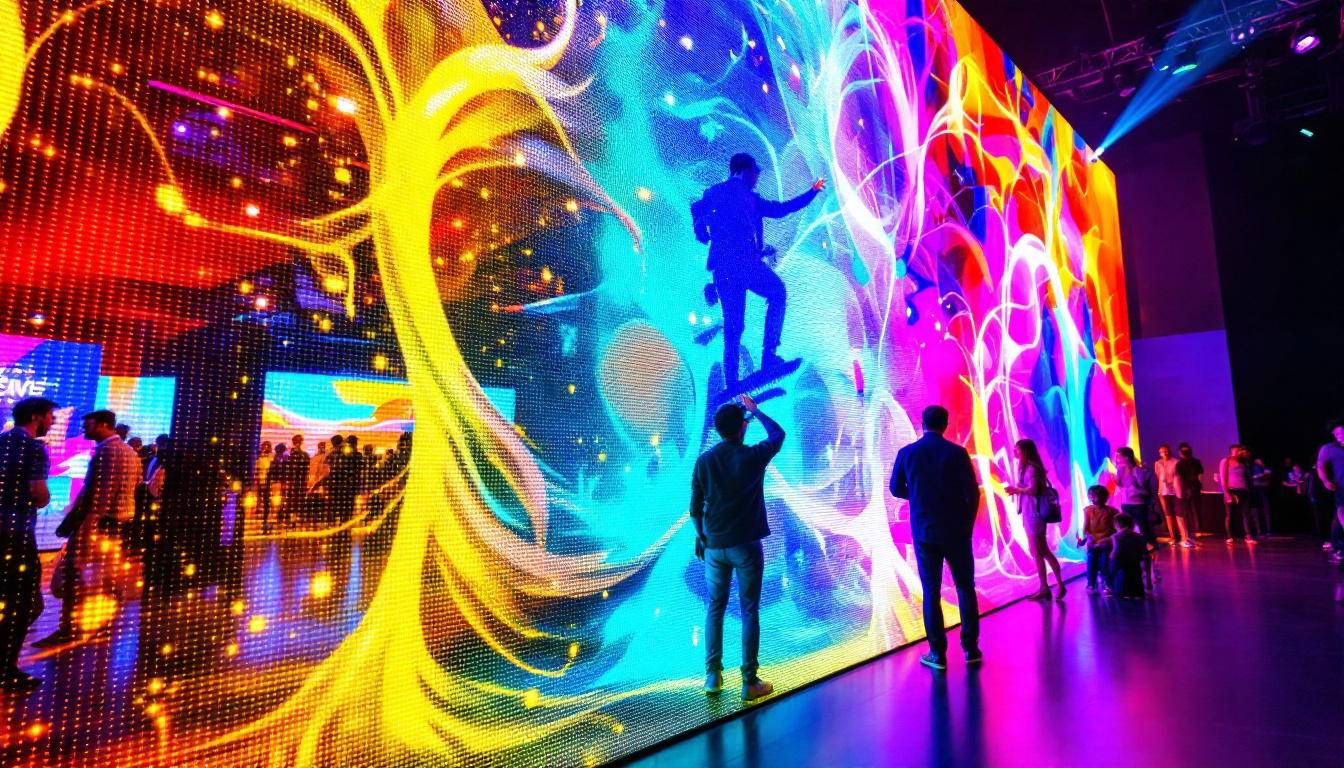
Outdoor LED wall paneling is also widely used in concerts, sports arenas, and festivals. Large LED video walls enhance the audience experience by displaying live feeds, replays, and interactive content. Their brightness and clarity ensure that even spectators far from the stage or field can enjoy the event without missing any details.
Moreover, LED panels are increasingly incorporated into architectural designs to create visually stunning facades that can change appearance dynamically. This fusion of technology and art adds a new dimension to urban environments, attracting visitors and enhancing cultural engagement. Beyond mere aesthetics, these installations can also serve functional purposes, such as providing wayfinding information at large venues or promoting upcoming events. The integration of augmented reality features with LED displays is also on the rise, allowing audiences to interact with the content in innovative ways, thus creating memorable experiences that extend beyond the event itself. As technology continues to evolve, the potential applications for outdoor LED wall paneling in the entertainment sector will only expand, pushing the boundaries of how we experience live events and public spaces.
Benefits of Using Outdoor LED Wall Panels
High Visibility and Brightness
Outdoor LED panels are designed to deliver exceptional brightness levels, often exceeding 5,000 nits, which ensures content remains clear and readable even in direct sunlight. This high visibility is crucial for outdoor signage where ambient light conditions vary significantly throughout the day.
Durability and Weather Resistance
LED wall panels intended for outdoor use are engineered to resist environmental challenges. They typically have IP65 or higher ratings, meaning they are dust-tight and protected against water jets. This durability reduces maintenance costs and extends the lifespan of the display, making them a cost-effective solution over time.
Energy Efficiency
Compared to traditional lighting and display technologies, LED panels consume less power while providing brighter illumination. Innovations such as automatic brightness adjustment and energy-saving modes further reduce electricity consumption, supporting sustainability goals and lowering operational expenses.
Flexibility and Scalability
The modular nature of LED panels allows for customization in size and shape, accommodating unique architectural features or specific messaging needs. Additionally, content can be updated remotely and instantly, enabling businesses and organizations to respond swiftly to changing circumstances or marketing campaigns.
Key Considerations When Choosing Outdoor LED Wall Panels
Resolution and Pixel Pitch
Choosing the right resolution depends on viewing distance and content type. For displays viewed from a distance of 10 meters or more, a pixel pitch between 10mm and 20mm is typically sufficient. Closer viewing distances require smaller pixel pitches to maintain image clarity. Balancing resolution with budget is essential, as higher resolution panels are more expensive.
Brightness and Contrast Ratio
Brightness is critical for outdoor visibility, but contrast ratio—the difference between the darkest black and the brightest white—is equally important for image quality. Selecting panels with high contrast ratios enhances color vibrancy and detail, improving overall viewing experience.
Weatherproofing and Durability
Ensure that the LED panels have appropriate ingress protection (IP) ratings for your environment. Coastal areas with salty air or regions with heavy rainfall may require higher IP ratings and corrosion-resistant materials. Additionally, consider panels with robust mechanical design to withstand wind loads and potential physical impacts.
Installation and Maintenance
Professional installation is vital to ensure safety, optimal performance, and longevity. Consider the ease of access for maintenance, as outdoor panels may require periodic cleaning, repairs, or component replacements. Some manufacturers offer front-serviceable designs, which simplify maintenance without dismantling the entire structure.
Control Systems and Connectivity
Modern LED wall panels come with sophisticated control systems that allow for content scheduling, remote updates, and integration with other digital platforms. Reliable connectivity options, including wired and wireless networks, ensure seamless operation and content management.
Future Trends in Outdoor LED Wall Paneling
Higher Resolution and Mini-LED Technology
Advancements in LED technology continue to push the boundaries of resolution and image quality. Mini-LED and micro-LED panels offer smaller pixel pitches and improved brightness, enabling ultra-high-definition outdoor displays. These technologies are expected to become more affordable and widespread in the coming years.
Interactive and Smart Displays
Integration of sensors, cameras, and artificial intelligence is making outdoor LED panels more interactive and responsive. Smart displays can tailor content based on audience demographics, weather conditions, or real-time events, enhancing engagement and providing valuable data insights.
Energy Harvesting and Sustainability
To address environmental concerns, future outdoor LED displays may incorporate solar panels or other energy-harvesting technologies. Combined with energy-efficient LEDs, this approach could lead to self-sustaining installations with minimal environmental impact.
Conclusion
Outdoor LED wall paneling represents a powerful communication tool that combines technological innovation with practical benefits. Its ability to deliver bright, dynamic content in diverse environments makes it indispensable for advertising, public information, and entertainment. By understanding the technology, applications, and key selection criteria, businesses and organizations can maximize the value of their outdoor LED investments.
As LED technology evolves, outdoor displays will become even more versatile, interactive, and sustainable, shaping the future of urban landscapes and public engagement.
Illuminate Your Space with LumenMatrix
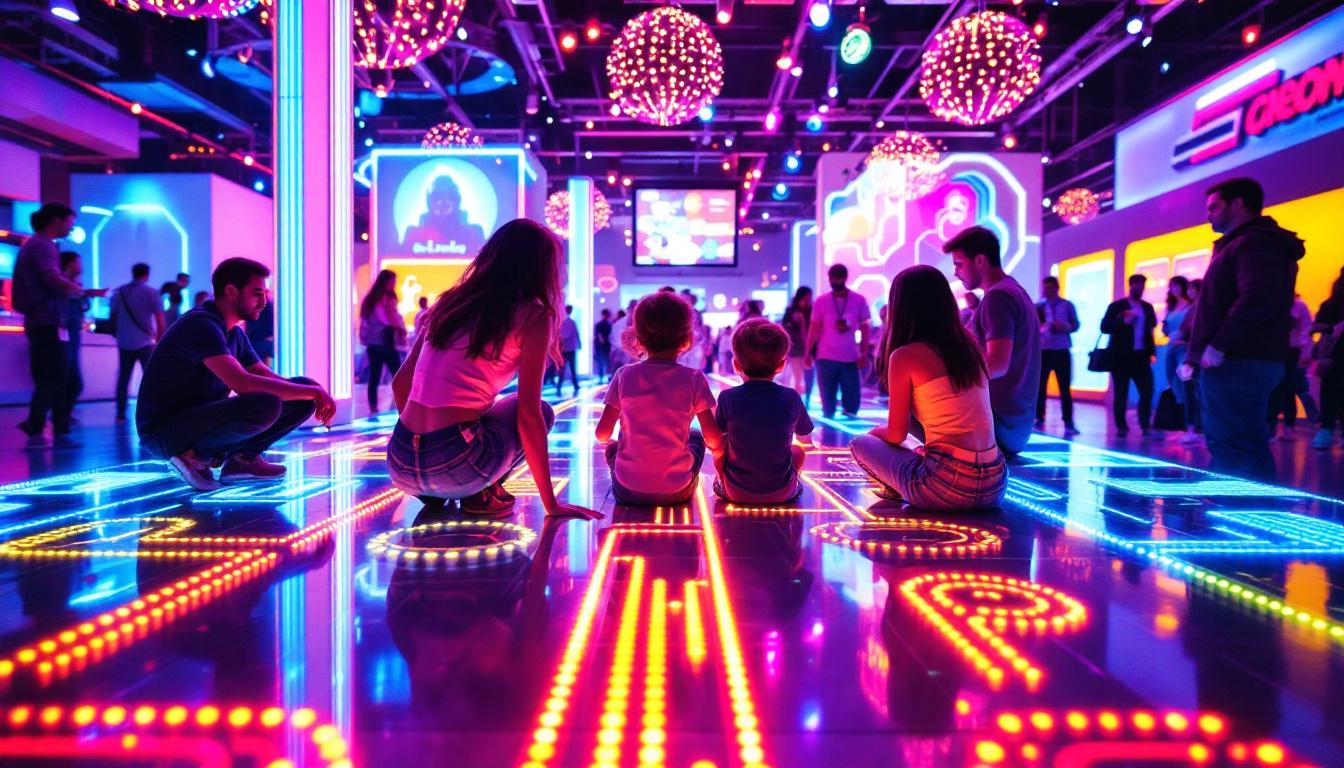
Ready to elevate your outdoor space with high-impact visual displays? LumenMatrix is at the forefront of LED display innovation, offering a wide array of solutions tailored to your unique needs. From vibrant Outdoor LED Wall Displays to interactive Floor LED Displays, our products are designed to captivate and engage your audience. Discover how LumenMatrix can transform your visual communication and bring your brand to life. Check out LumenMatrix LED Display Solutions and start creating unforgettable experiences today.