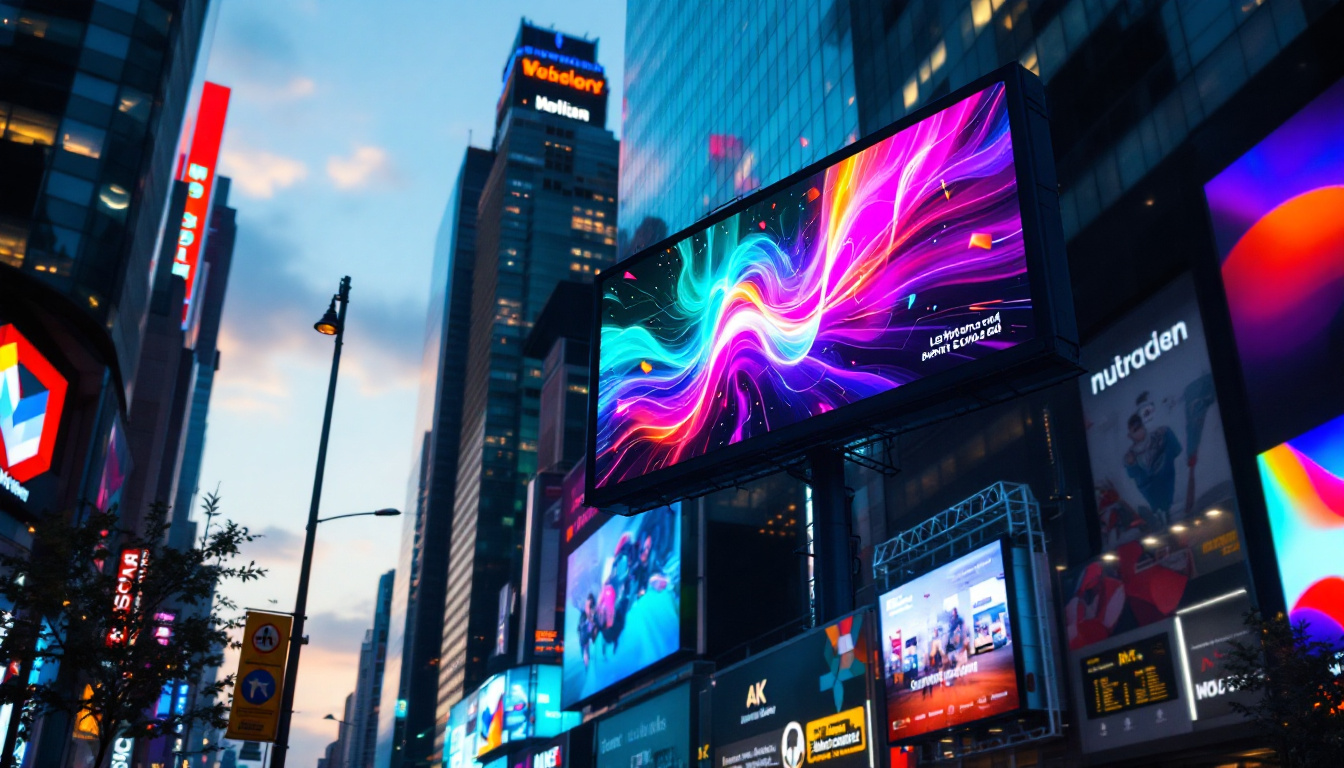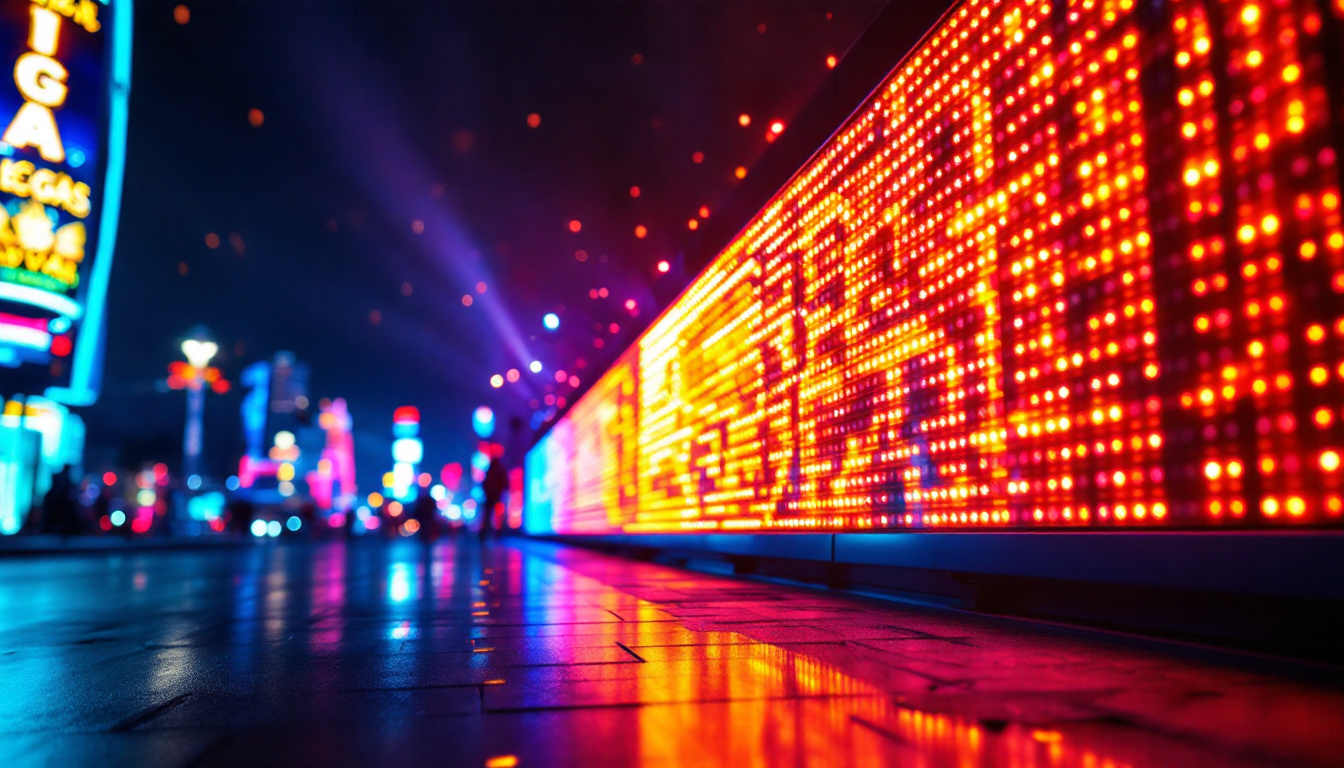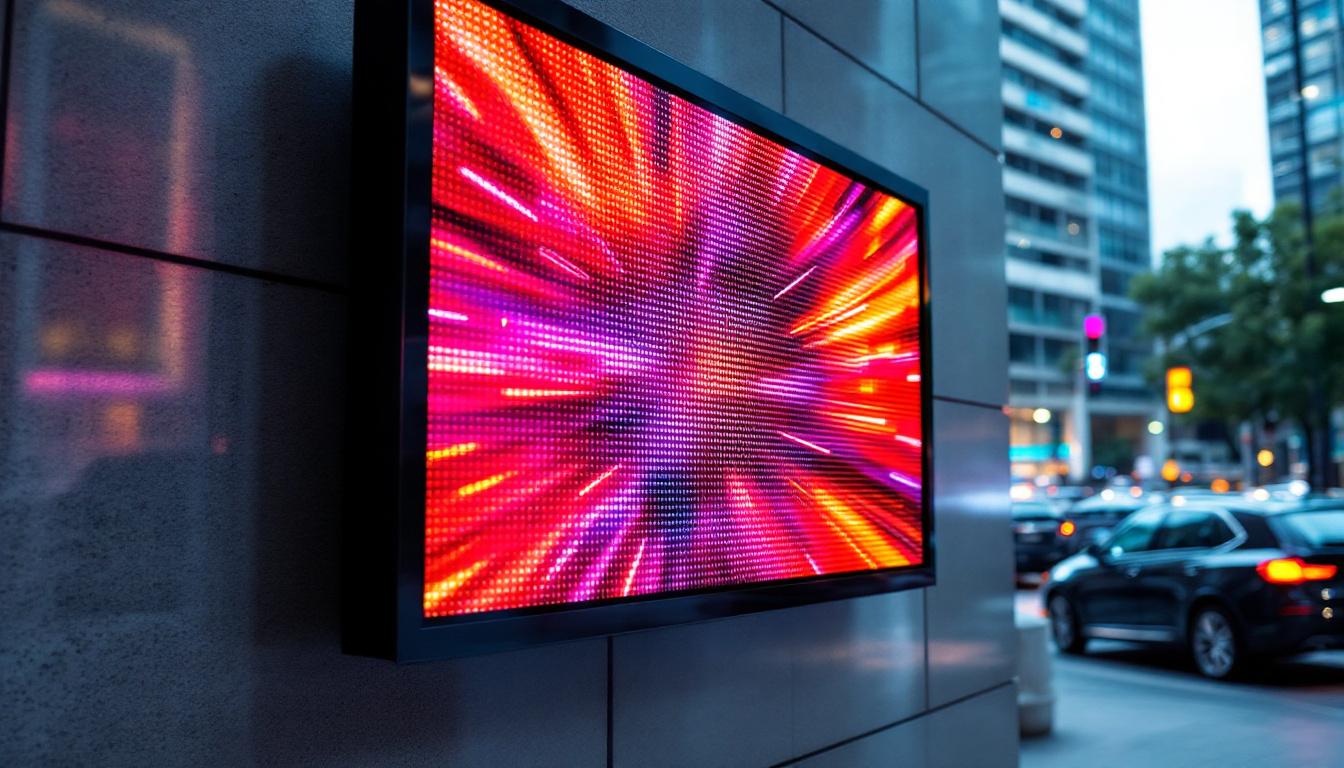
In today’s visually driven world, LED displays have become a cornerstone of advertising, entertainment, and information dissemination. From massive billboards in Times Square to dynamic video walls in corporate lobbies, these vibrant screens captivate audiences and communicate messages with unparalleled clarity and impact. But what exactly goes into creating a “picture of a wall” using LED technology? This article delves into the intricacies of LED displays, explaining how they work, their applications, and why they have become the preferred choice for large-scale digital visuals.
Understanding LED Display Technology
What is an LED Display?
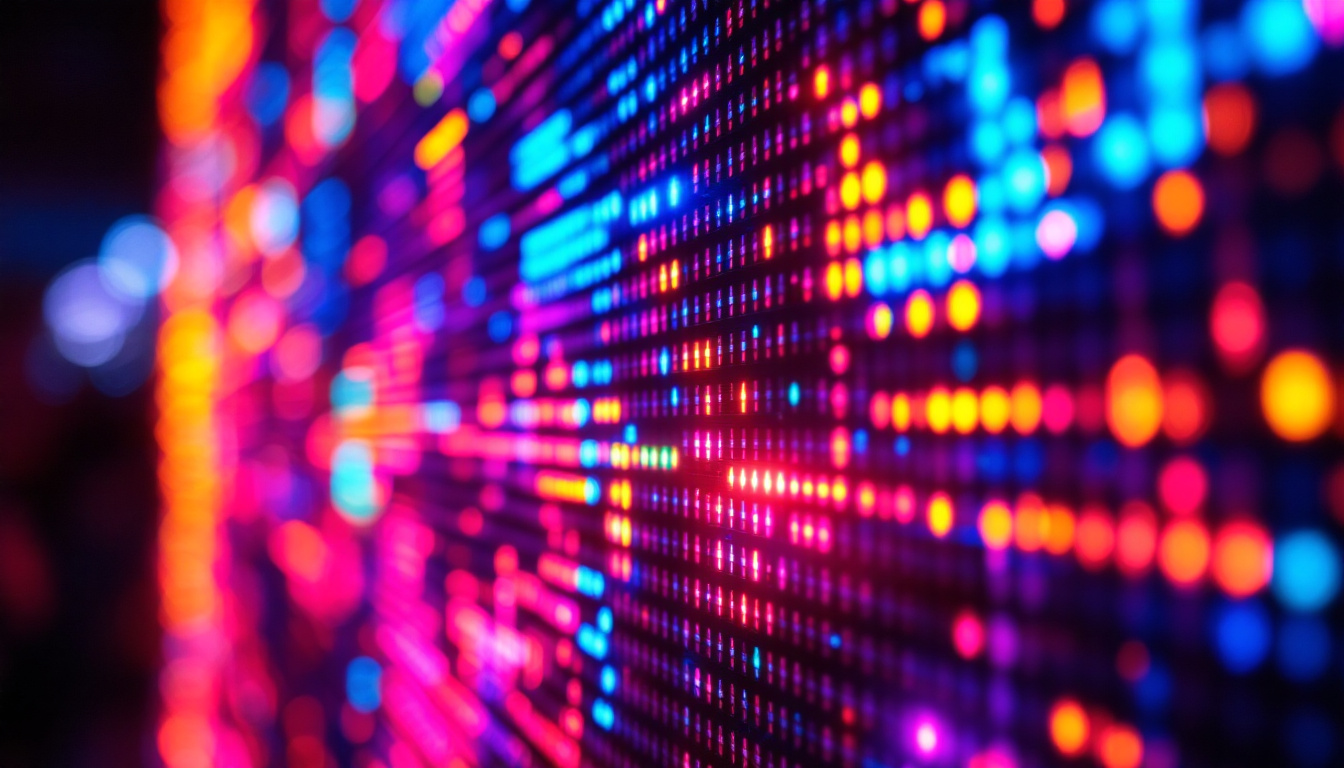
LED stands for Light Emitting Diode, a semiconductor device that emits light when an electric current passes through it. An LED display is essentially a matrix of these tiny light sources arranged to form images, videos, or text. Unlike traditional LCD or projection screens, LED displays produce their own light, which results in higher brightness levels and better visibility even in direct sunlight.
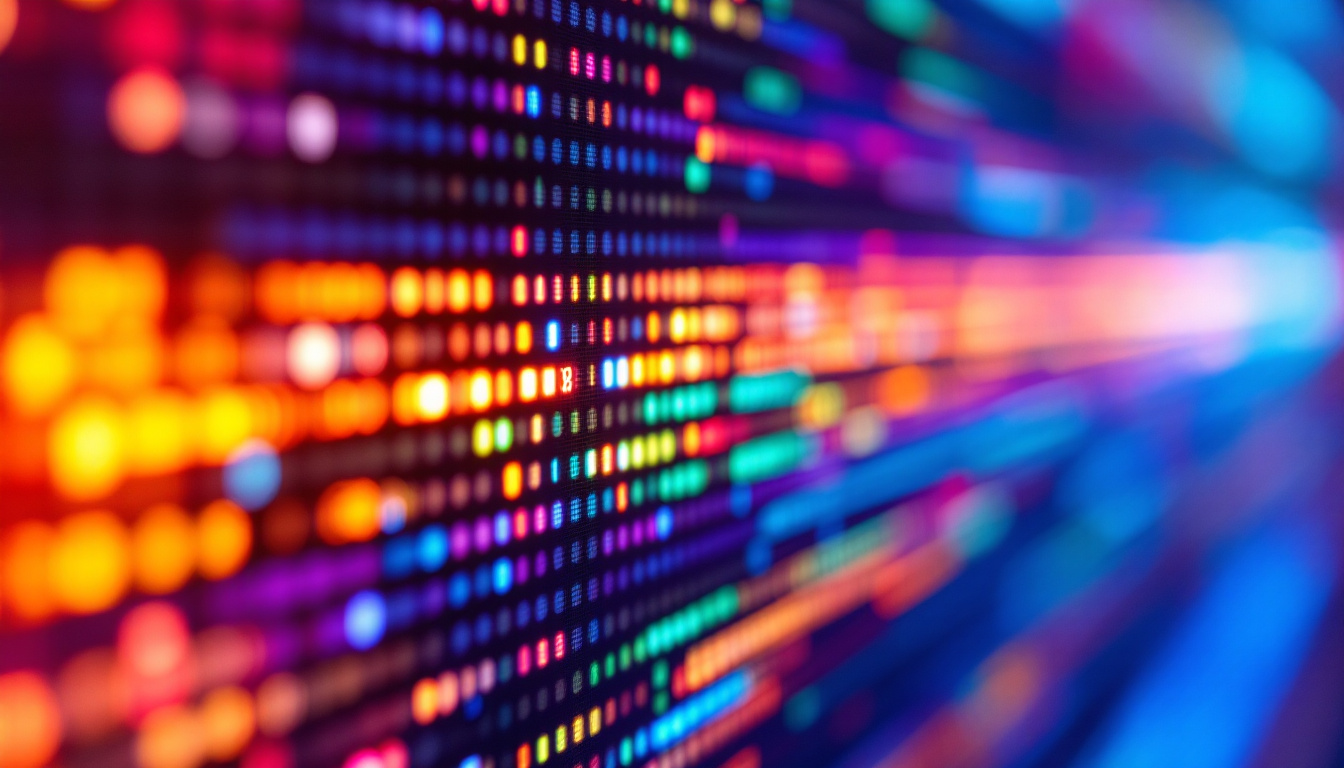
The fundamental building block of an LED display is the pixel, which is made up of red, green, and blue LEDs. By varying the intensity of each color, the display can produce a broad spectrum of colors, enabling it to render vivid and lifelike images. The density of these pixels, known as pixel pitch, determines the resolution and clarity of the display. Smaller pixel pitches allow for higher resolutions, making them suitable for close viewing distances, such as in retail environments or control rooms, where detail is paramount. Conversely, larger pixel pitches are often used for outdoor displays, where viewing distances are greater, and the focus is on visibility rather than intricate detail.
How Does an LED Wall Work?
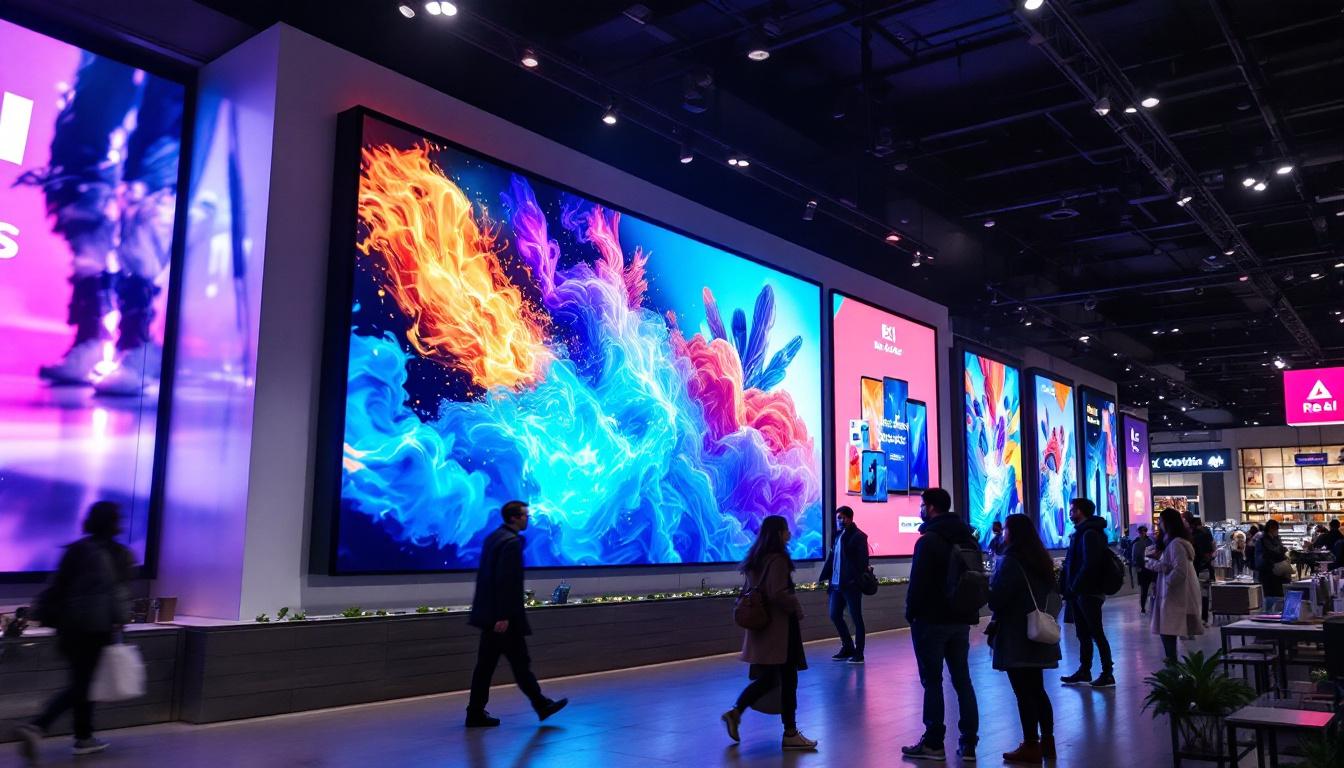
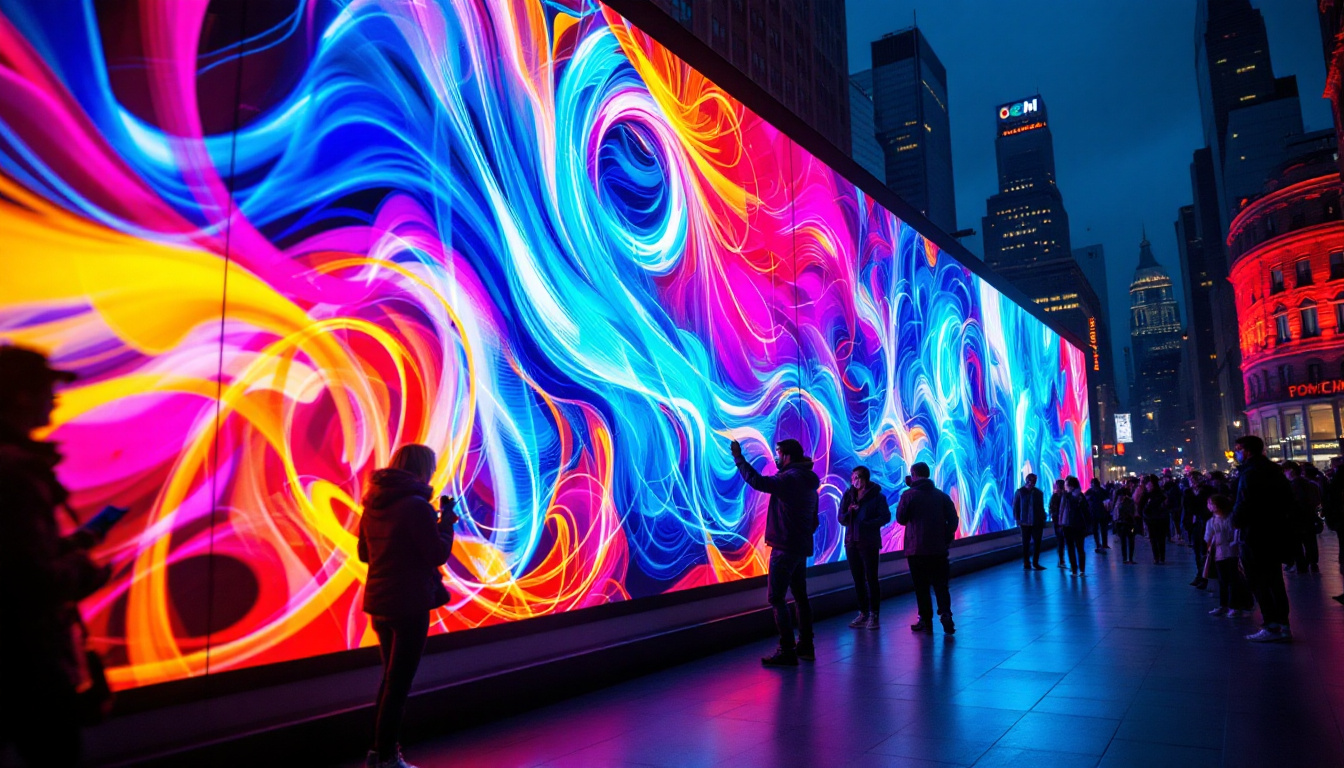
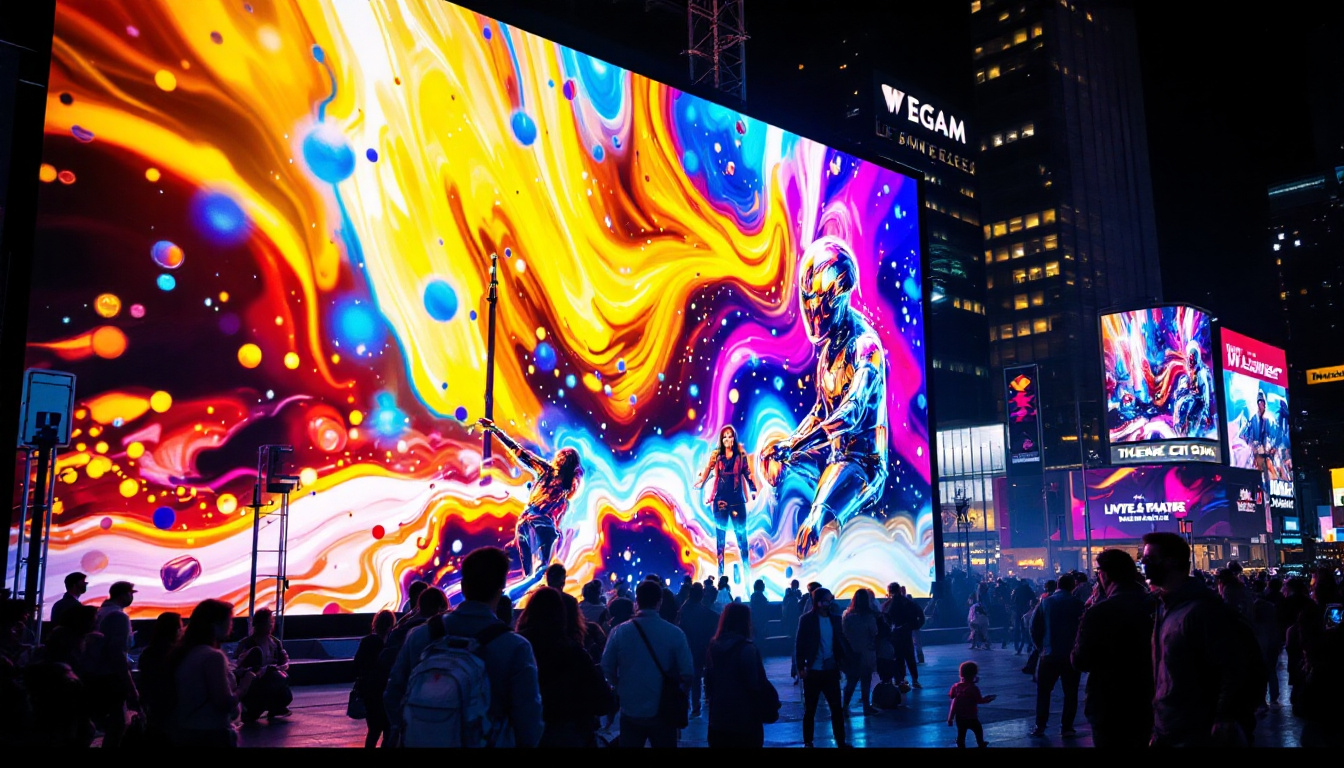
An LED wall is a large-scale display composed of multiple LED panels seamlessly tiled together to create one continuous screen. Each panel contains thousands of LEDs arranged in a grid, and together they form a picture of a wall that can display dynamic content. The panels are controlled by a central processor that manages the input signals, synchronizes the display, and adjusts brightness and color calibration to ensure uniformity across the entire surface.
Because LED walls are modular, they can be customized to virtually any size or shape, making them ideal for architectural integration or large event setups. The panels are designed to fit tightly, minimizing gaps and creating an immersive visual experience. This flexibility allows for creative installations, such as curved or irregularly shaped displays that can enhance the aesthetic of a venue. Additionally, LED walls can be used in various applications, from advertising and live events to art installations and sports arenas, showcasing their versatility. With advancements in technology, some LED walls now incorporate features like interactive touch capabilities and augmented reality, further expanding their potential uses and engaging audiences in new and exciting ways.
Key Features and Advantages of LED Displays
Brightness and Visibility
One of the most significant advantages of LED displays over other technologies is their exceptional brightness. LED walls can achieve brightness levels exceeding 5,000 nits, making them easily visible in broad daylight. This is particularly important for outdoor advertising or public information displays where ambient light conditions can be challenging.
Moreover, LED displays offer a wide viewing angle, often up to 160 degrees horizontally and vertically. This ensures that the content remains clear and vibrant even when viewed from the side, which is crucial for large venues or public spaces where audiences are spread out.
Energy Efficiency and Longevity
Modern LED technology is highly energy-efficient compared to traditional lighting and display methods. LEDs consume less power while delivering brighter light, which translates into lower operating costs for businesses and event organizers. Additionally, LED displays have a long lifespan, often rated between 50,000 to 100,000 hours of operation, reducing maintenance and replacement expenses.
Advancements in LED manufacturing have also improved their durability, making them resistant to environmental factors such as moisture, dust, and temperature fluctuations. This robustness makes LED walls suitable for both indoor and outdoor use.
Flexibility and Customization
LED displays are incredibly versatile. They can be designed to fit curved surfaces, irregular shapes, or even suspended installations. This flexibility allows architects and designers to incorporate LED walls into building facades, retail environments, and entertainment venues in creative ways.
Furthermore, LED walls support a wide range of content formats, from static images to high-definition video and interactive applications. This adaptability makes them a powerful tool for engaging audiences and delivering dynamic messaging.
Applications of LED Walls Across Industries
Advertising and Marketing
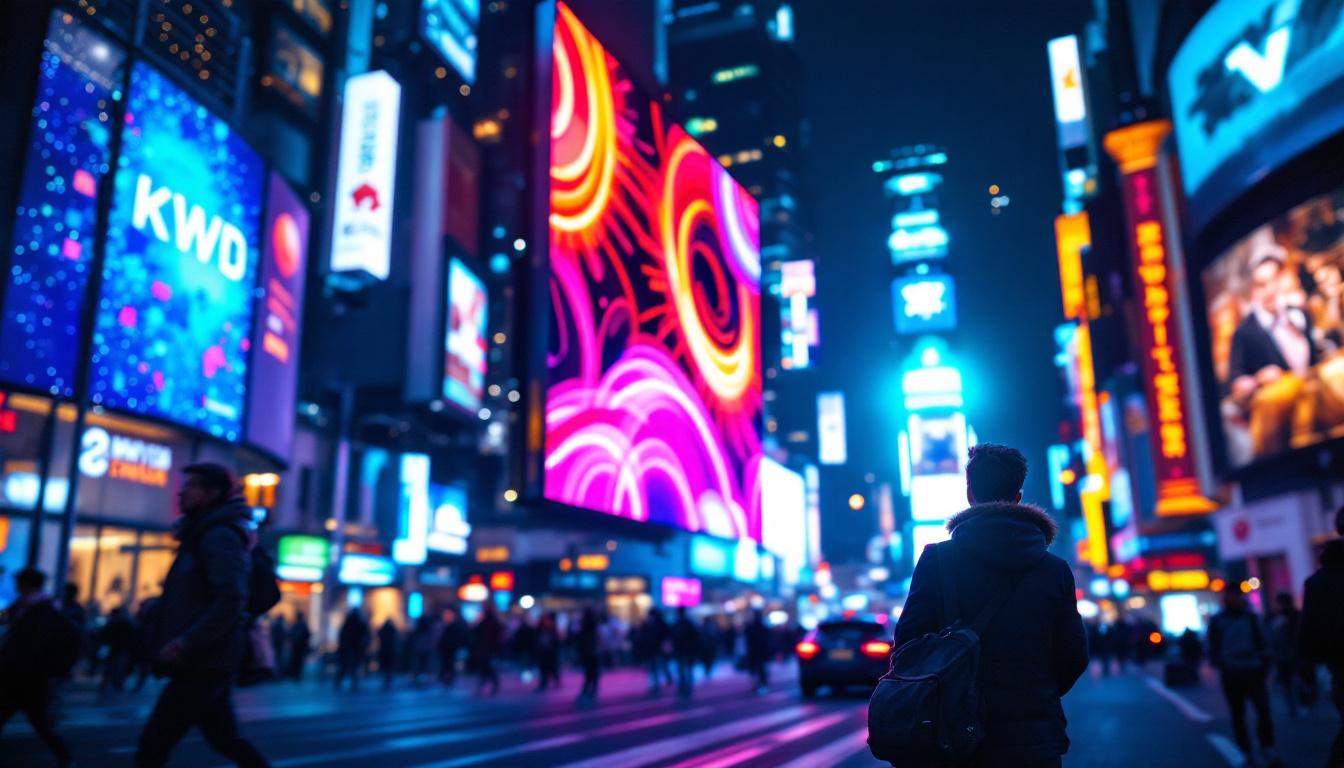
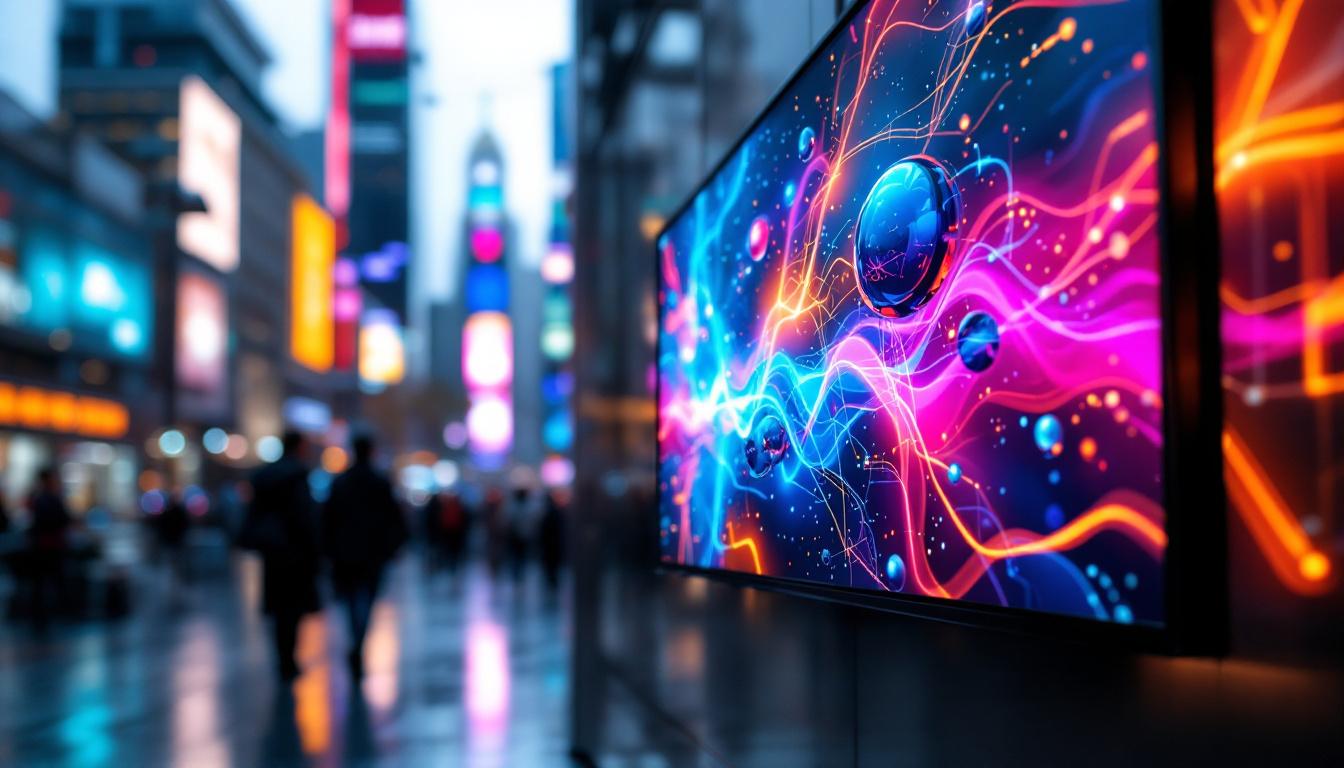
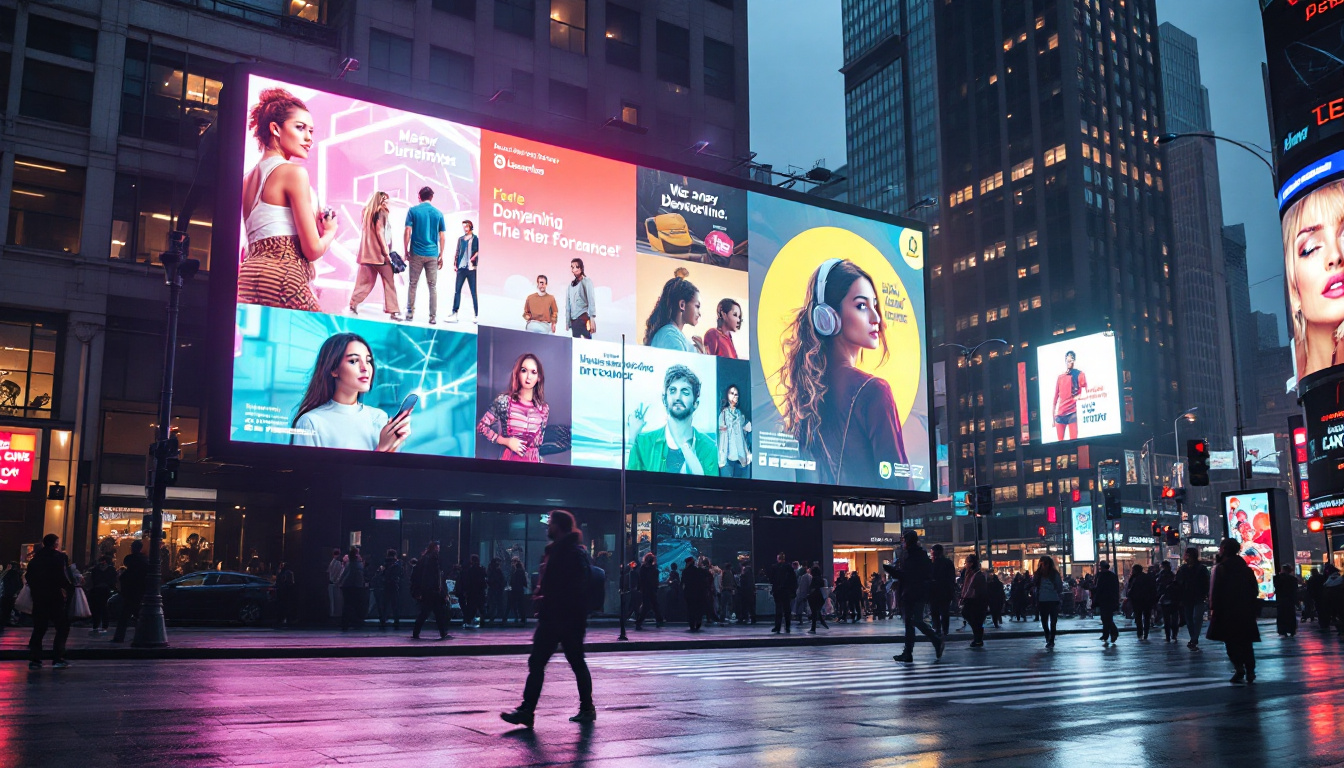
Outdoor LED billboards have revolutionized advertising by enabling brands to deliver eye-catching, real-time content to large audiences. According to recent market research, the global digital out-of-home (DOOH) advertising market is expected to grow at a compound annual growth rate (CAGR) of over 10% through 2027, driven largely by LED display adoption.
LED walls allow advertisers to update campaigns instantly, tailor content based on time of day or audience demographics, and incorporate interactive elements such as QR codes or augmented reality. This level of engagement is difficult to achieve with traditional print media.
Entertainment and Events
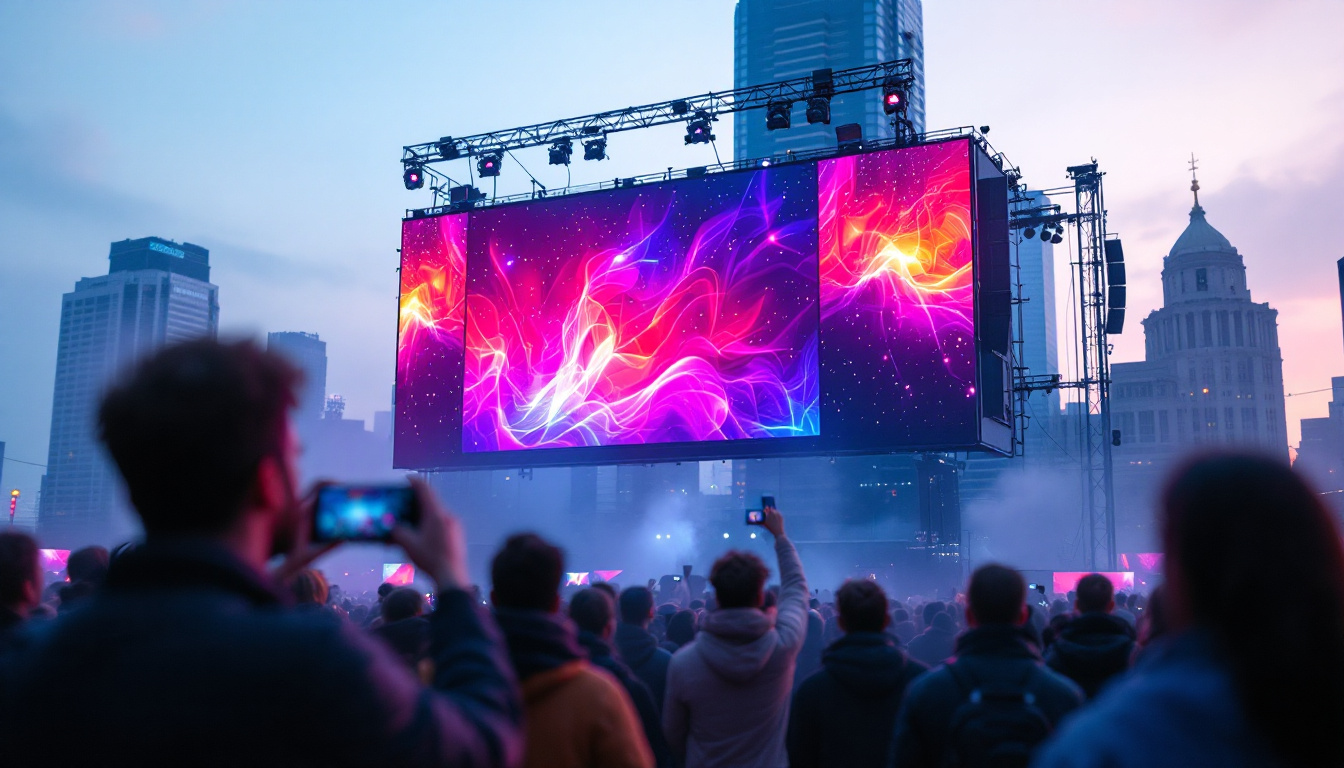
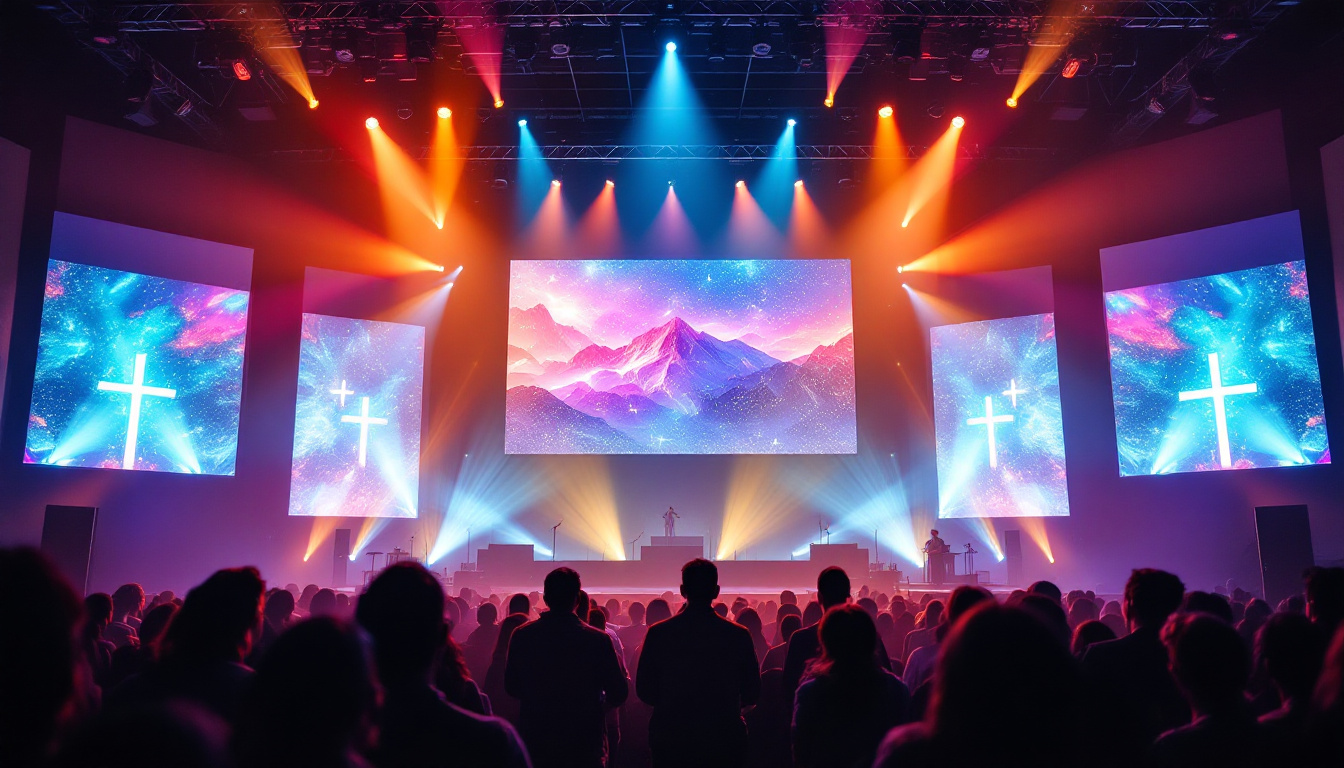
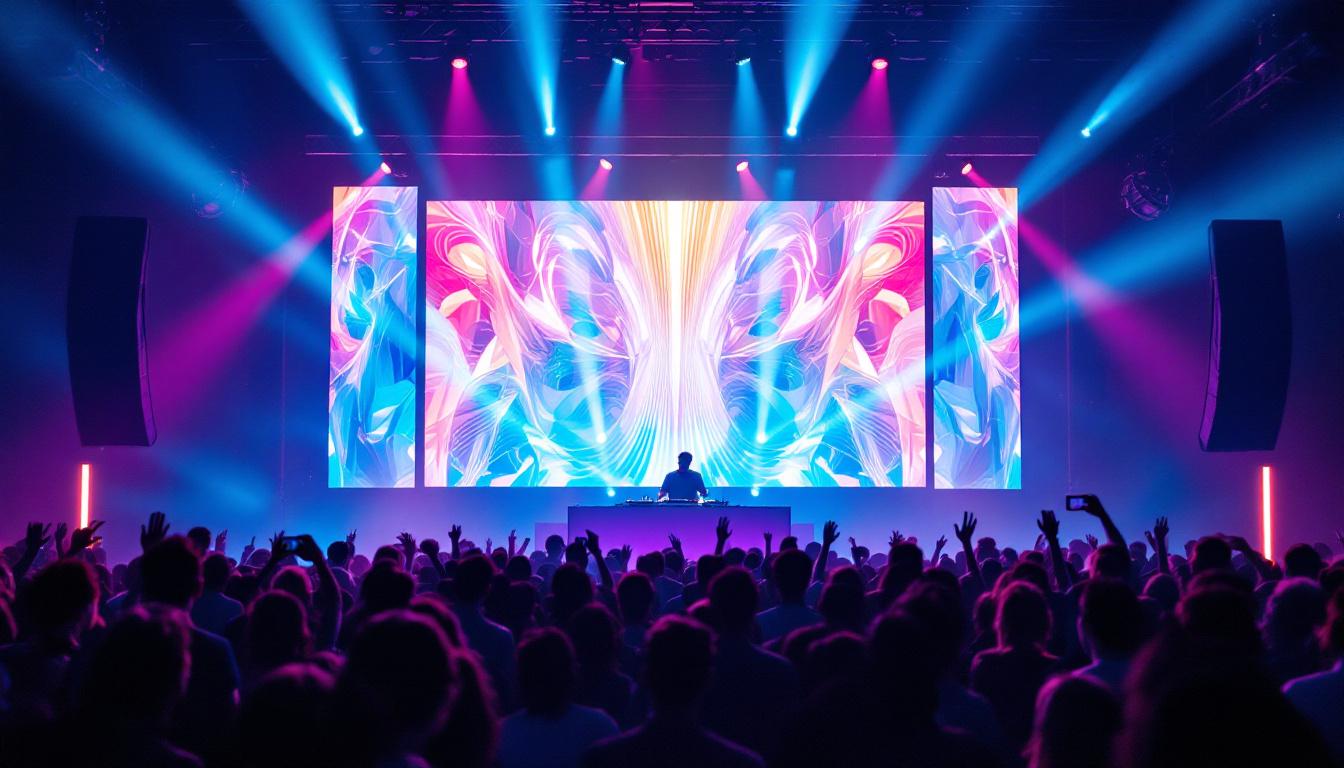
Concerts, sports arenas, and festivals frequently utilize LED walls to enhance the audience experience. These displays provide live video feeds, graphics, and immersive visuals that complement performances and keep large crowds engaged. For example, the Super Bowl halftime show routinely employs massive LED walls to create spectacular visual effects that are visible to tens of thousands in the stadium and millions watching on television.
LED walls also enable event organizers to adapt quickly to different venues and stage designs, thanks to their modular nature and ease of installation.
Corporate and Retail Environments
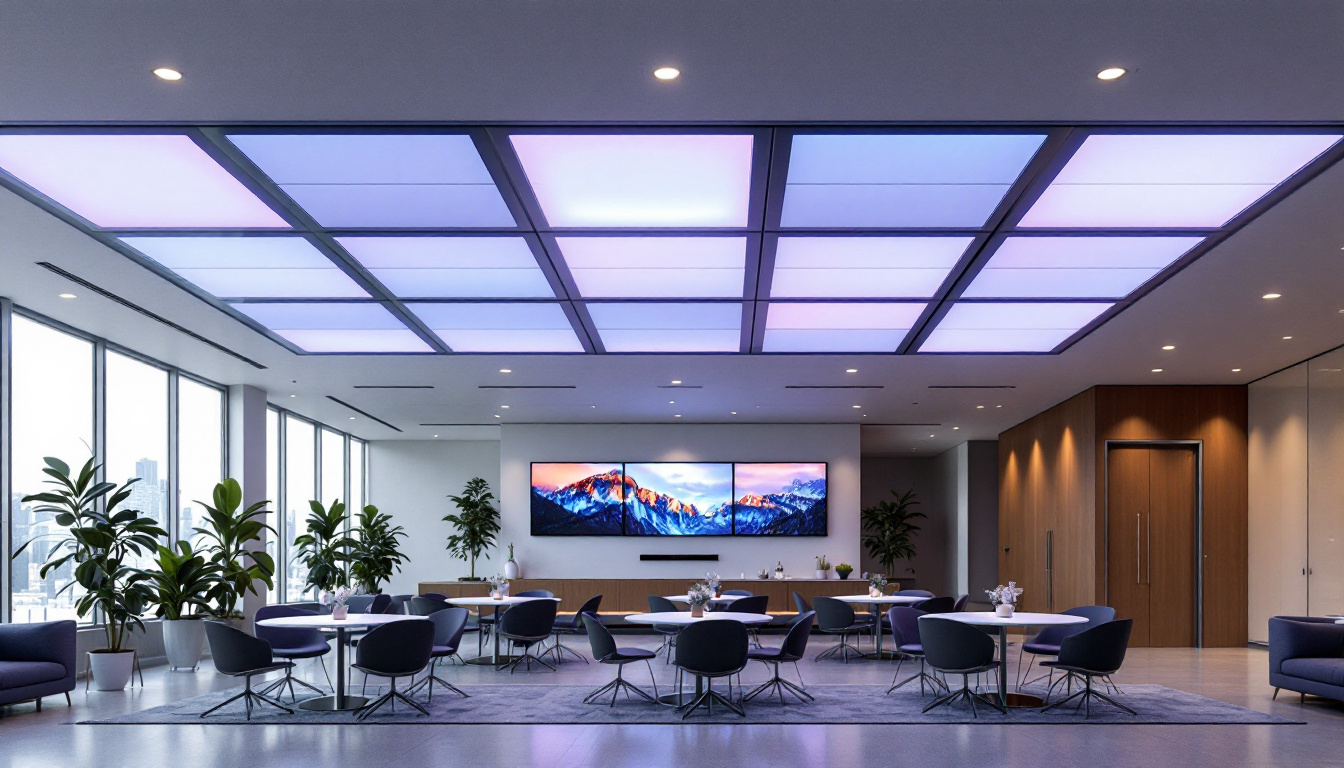
In corporate settings, LED walls are used for digital signage, video conferencing backdrops, and interactive presentations. They help communicate brand values, display real-time data, and create impressive visual environments that reflect a company’s innovation and professionalism.
Retailers leverage LED displays to attract customers, showcase products, and create immersive shopping experiences. Dynamic content can highlight promotions, tell brand stories, or even respond to customer interactions, driving engagement and sales.
Public Information and Transportation
LED walls play a critical role in public information systems, such as airport flight boards, train station schedules, and emergency alerts. Their high visibility and reliability ensure that vital information is communicated clearly and promptly to large groups of people.
Smart cities increasingly incorporate LED displays into urban infrastructure for traffic management, public safety announcements, and community engagement, contributing to more connected and responsive environments.
Technical Considerations When Choosing an LED Display
Pixel Pitch and Resolution
Pixel pitch, the distance between the centers of adjacent pixels, is a crucial factor in determining image quality. Smaller pixel pitches mean higher resolution and finer detail, which is essential for close viewing distances. For example, indoor LED walls often have pixel pitches as low as 1.2mm to 2.5mm, while outdoor displays typically range from 4mm to 10mm or more.
Choosing the right pixel pitch depends on the intended viewing distance and content type. A display with too large a pixel pitch may appear pixelated up close, while one with an unnecessarily small pitch could increase costs without noticeable benefits at longer distances.
Brightness and Contrast Ratio
Brightness is measured in nits, and the required level depends on the environment. Outdoor displays need higher brightness to combat sunlight, whereas indoor displays can operate at lower levels to avoid glare. Contrast ratio, the difference between the darkest black and brightest white, affects image depth and color richness. High contrast ratios contribute to more immersive visuals.
Refresh Rate and Color Accuracy
The refresh rate, measured in hertz (Hz), indicates how often the display updates per second. Higher refresh rates reduce flicker and motion blur, which is particularly important for video content and live broadcasts. Color accuracy ensures that images appear as intended, which is vital for brand consistency and viewer satisfaction.
Installation and Maintenance
LED walls require careful installation to ensure alignment, structural support, and electrical safety. Many modern panels feature front and rear access options, simplifying maintenance and repairs without dismantling the entire display. Additionally, software tools for calibration and diagnostics help maintain optimal performance over time.
The Future of LED Display Technology
MicroLED and MiniLED Innovations
Emerging technologies like MicroLED and MiniLED promise to push the boundaries of LED displays even further. MicroLEDs are significantly smaller than traditional LEDs, allowing for ultra-high resolution and improved energy efficiency. These displays can deliver deeper blacks and higher contrast ratios, rivaling OLED technology but with better durability and brightness.
MiniLED technology uses thousands of tiny LEDs as backlighting for LCD panels, enhancing contrast and color accuracy. Both technologies are expected to become more prevalent in consumer electronics, digital signage, and large-scale installations in the coming years.
Interactive and Smart LED Walls
Integration with sensors, cameras, and artificial intelligence is transforming LED walls into interactive platforms. Smart LED walls can respond to audience movements, gestures, or voice commands, creating personalized and engaging experiences. For example, retail stores might use interactive LED walls to recommend products based on customer behavior.
Sustainability and Energy Efficiency
As environmental concerns grow, manufacturers are focusing on making LED displays more sustainable. Innovations include using eco-friendly materials, improving energy efficiency, and designing for easier recycling. These efforts align with global initiatives to reduce carbon footprints and promote responsible technology use.
Conclusion
LED displays have revolutionized the way images and information are presented on large surfaces, offering unmatched brightness, flexibility, and visual impact. Whether used for advertising, entertainment, corporate communication, or public information, LED walls provide a dynamic canvas that can be tailored to virtually any environment or purpose.
Understanding the technical aspects, advantages, and applications of LED technology is essential for businesses and organizations looking to invest in digital displays. As LED technology continues to evolve, with innovations like MicroLED and interactive capabilities on the horizon, the future of “picture of a wall” displays looks brighter and more exciting than ever.
Illuminate Your Space with LumenMatrix
Ready to bring the dynamic and vibrant power of LED displays into your space? LumenMatrix is at the forefront of LED display innovation, offering a wide array of solutions tailored to meet your needs. From Indoor and Outdoor LED Wall Displays to specialized options like Vehicle, Sports, and Floor LED Displays, our products are designed to captivate and engage. Experience the future of visual communication with our Custom, All-in-One, and Transparent LED Displays. Check out LumenMatrix LED Display Solutions today and transform your message into an unforgettable visual experience.