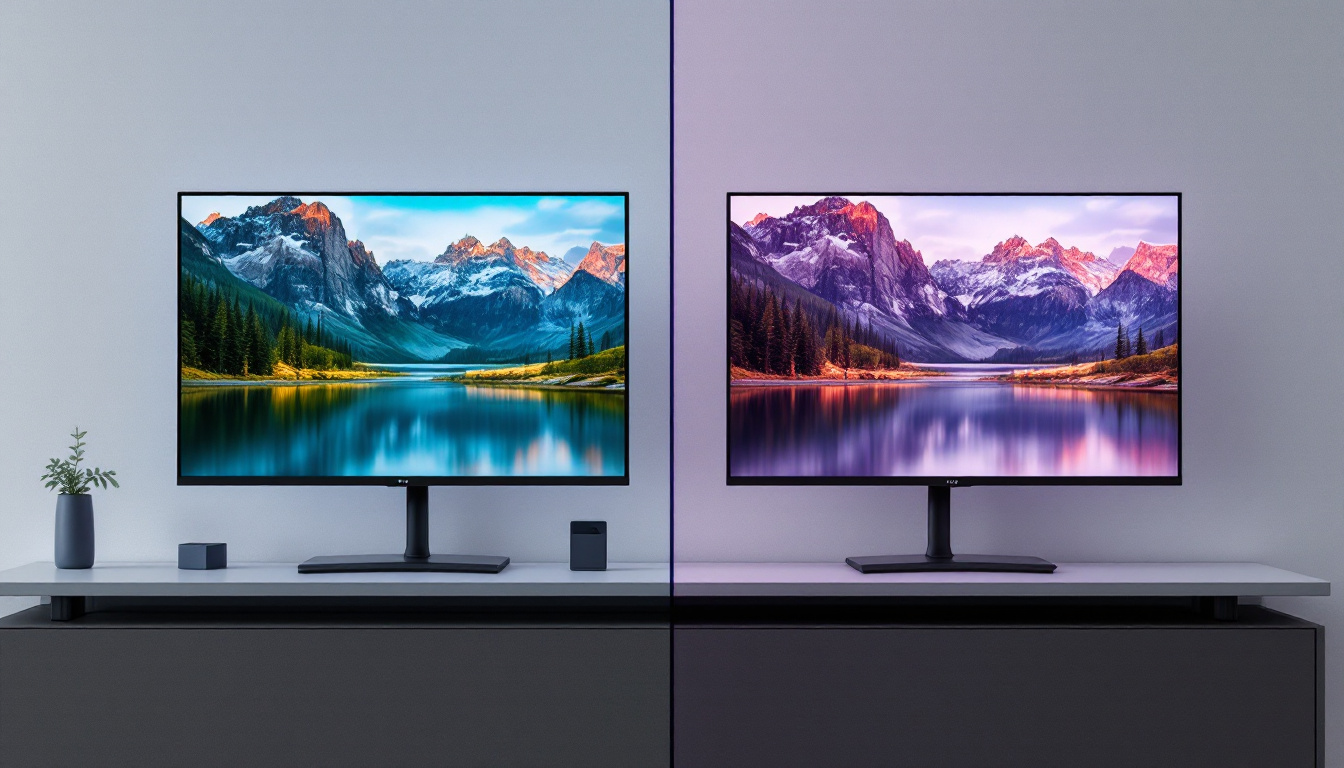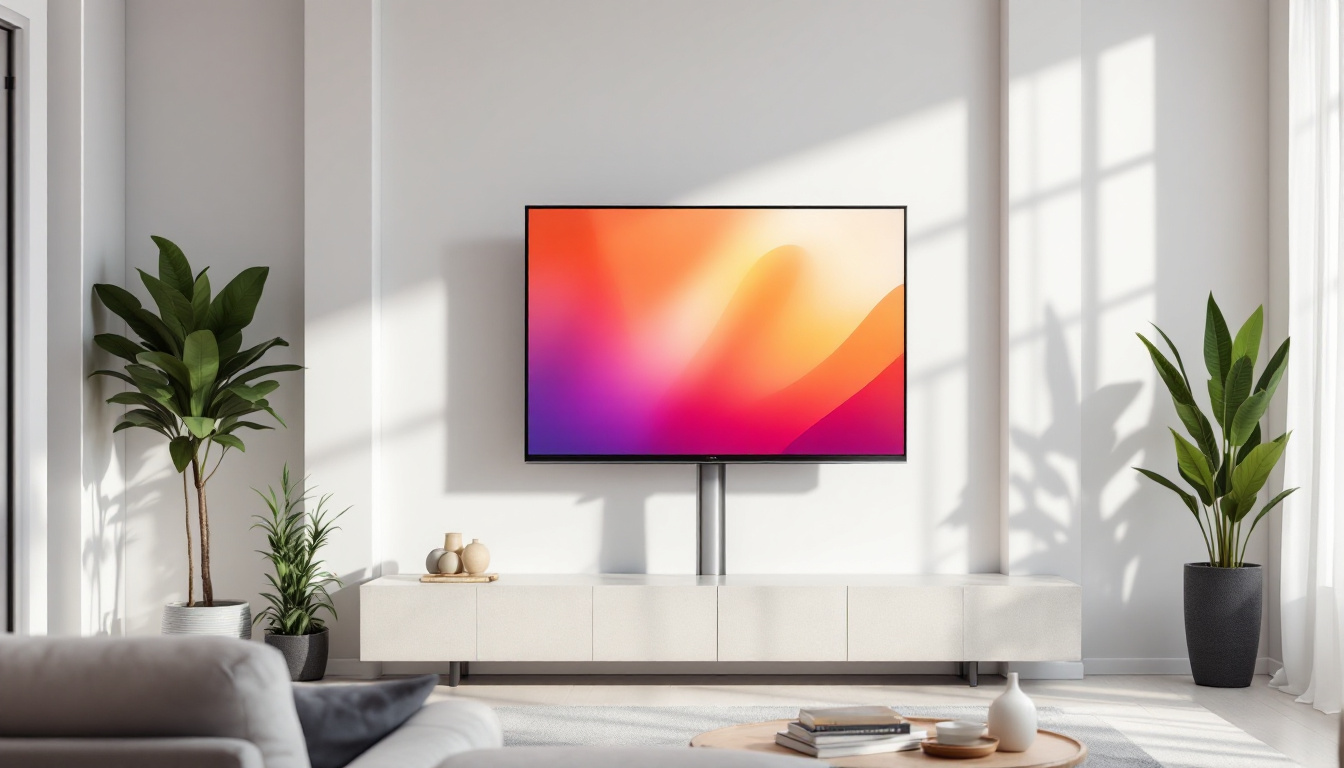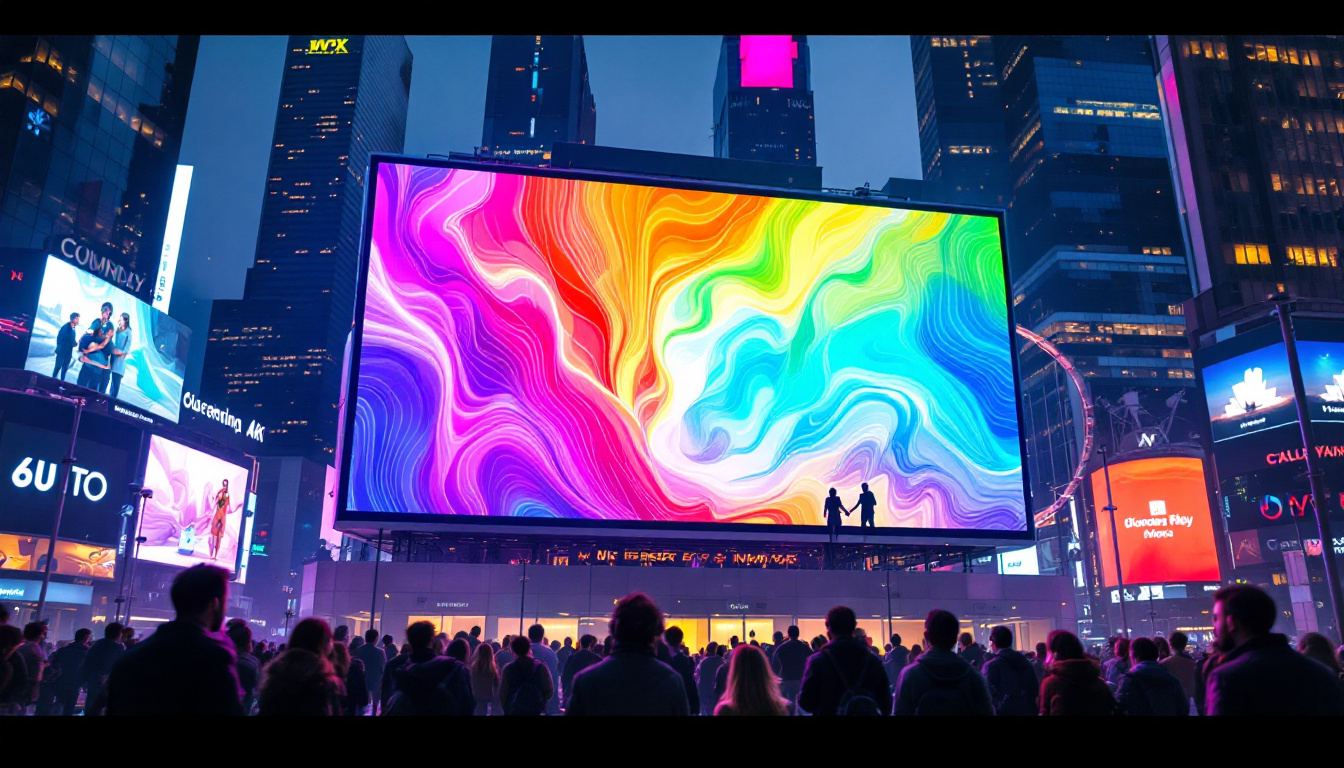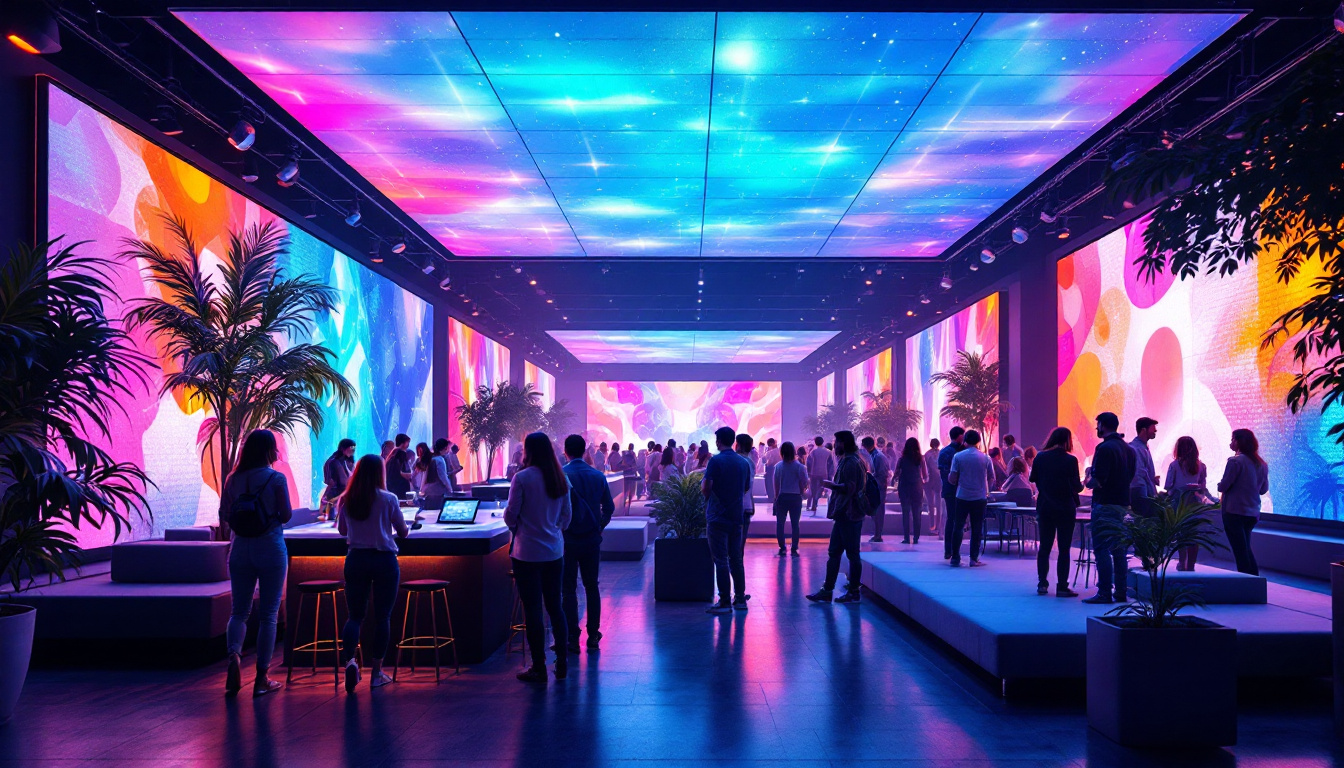
In an era dominated by digital visuals, LED displays have become a cornerstone of modern electronics, transforming how information and images are presented across countless applications. From the vibrant billboards in Times Square to the sleek screens on smartphones and televisions, LED technology plays a pivotal role in delivering bright, clear, and energy-efficient displays. This article delves into the fundamentals of LED displays, exploring their design, functionality, types, and the technology behind their widespread adoption.
Understanding LED Displays: The Basics
LED stands for Light Emitting Diode, a semiconductor device that emits light when an electric current passes through it. Unlike traditional display technologies such as LCDs (Liquid Crystal Displays) or CRTs (Cathode Ray Tubes), LEDs produce their own light, which allows for superior brightness and contrast. This self-illuminating property enables LED displays to maintain clarity and color accuracy in various lighting conditions, making them ideal for both indoor and outdoor applications.
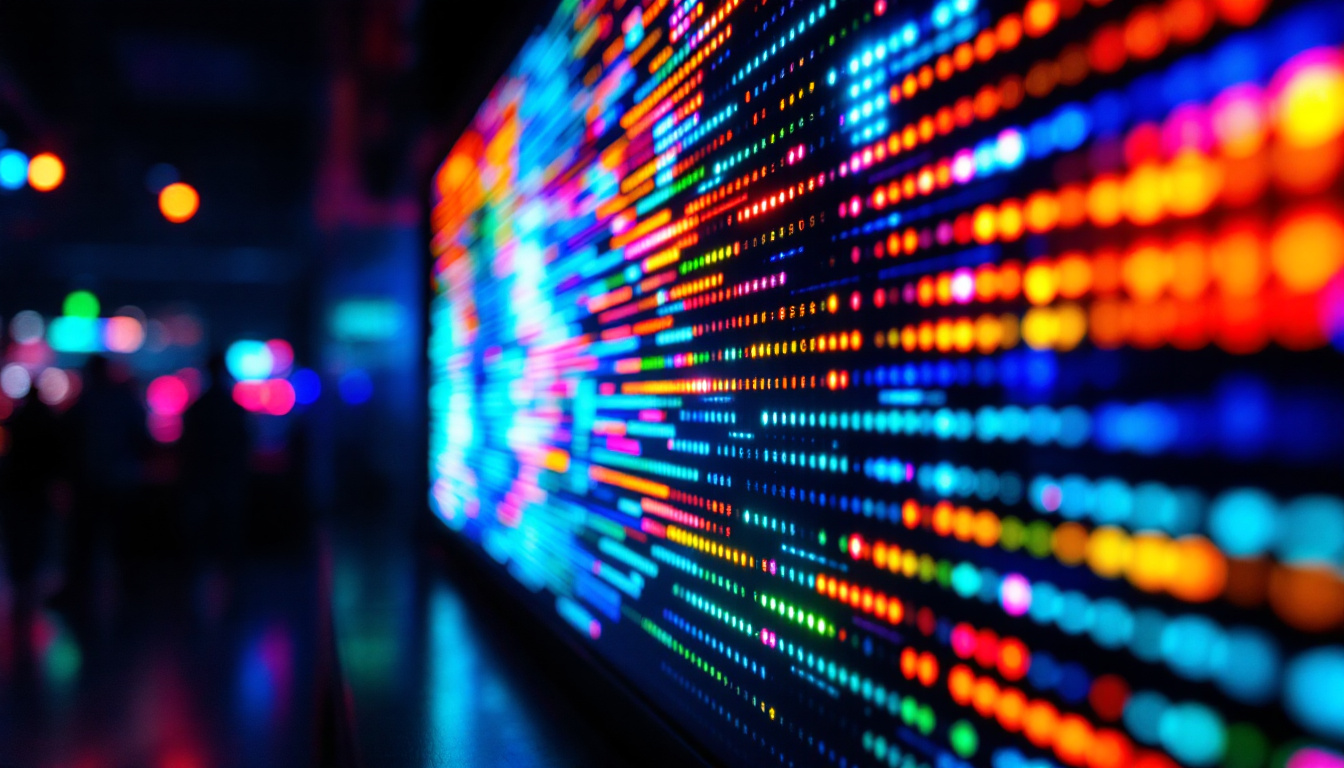
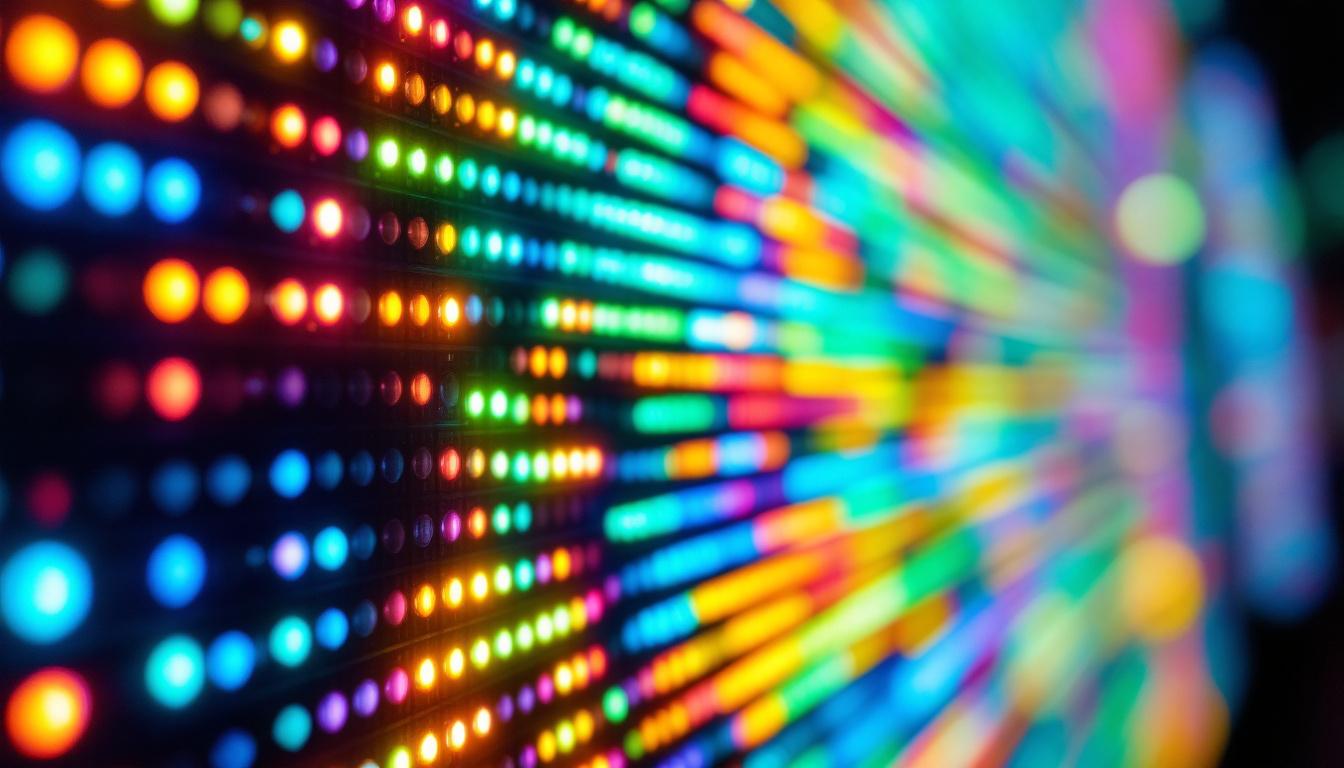
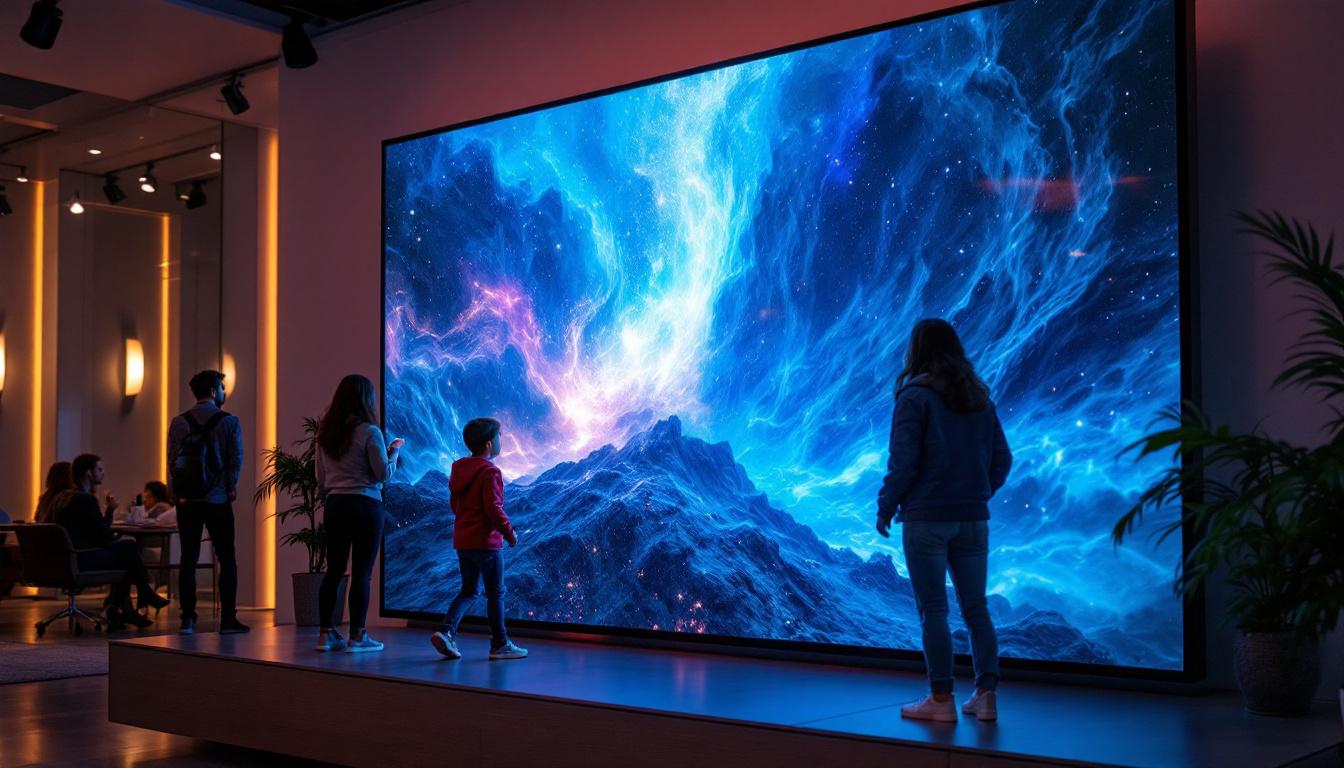
At its core, an LED display consists of an array of tiny LEDs arranged in a grid. Each LED acts as a pixel or part of a pixel, illuminating in different colors and intensities to form images, videos, or text. The ability to control each LED individually enables these displays to produce sharp, vibrant visuals that are visible even under direct sunlight. This capability has made LED displays a popular choice for advertising billboards, sports arenas, and public information displays, where visibility is crucial.
How Do LEDs Work?
LEDs operate based on the principle of electroluminescence, where certain materials emit light in response to an electric current. When electrons recombine with holes within the semiconductor material, energy is released in the form of photons—visible light. The color of the light depends on the semiconductor’s material composition, which determines the wavelength of the emitted photons. For instance, different combinations of materials can produce red, green, blue, and even white light, allowing for a full spectrum of colors to be displayed.
This process is highly efficient compared to incandescent or fluorescent lighting, as LEDs convert most of the electrical energy directly into light rather than heat. This efficiency translates into lower power consumption and longer lifespan, key benefits that have driven the adoption of LED technology in displays. Furthermore, advancements in LED technology have led to the development of organic LEDs (OLEDs) and quantum dot LEDs (QLEDs), which offer even greater color accuracy and flexibility in design. These innovations are paving the way for more immersive viewing experiences, particularly in high-definition televisions and mobile devices, where display quality is paramount.
Types of LED Displays and Their Applications
LED displays come in various forms, each tailored to specific uses and environments. Understanding these types clarifies why LED technology is so versatile and influential in the electronics industry.
1. Indoor LED Displays
Indoor LED displays are designed for environments with controlled lighting, such as conference rooms, retail stores, airports, and stadiums. These displays typically have a higher pixel density, meaning the LEDs are placed closer together, resulting in sharper images and finer detail. Pixel pitch—the distance between the centers of two adjacent LEDs—is a critical factor here, often ranging from 1mm to 4mm for indoor screens.
Because of their brightness and clarity, indoor LED displays are ideal for presentations, advertisements, and digital signage where viewers are relatively close to the screen. Their ability to display dynamic content with vivid colors enhances user engagement and information retention.
2. Outdoor LED Displays
Outdoor LED displays are built to withstand environmental challenges such as sunlight, rain, dust, and temperature fluctuations. These screens are significantly brighter than indoor displays, often exceeding 5,000 nits (a measure of luminance), to ensure visibility even under direct sunlight.
Pixel pitch for outdoor displays is generally larger, ranging from 6mm to 20mm or more, since viewers tend to observe these screens from greater distances. Common applications include digital billboards, sports arena scoreboards, and public information displays. Their robust construction and weatherproofing make them reliable for continuous outdoor use.
3. Flexible and Transparent LED Displays
Recent advancements have introduced flexible and transparent LED displays, expanding the possibilities for innovative designs. Flexible LED panels can bend or curve, enabling creative installations on irregular surfaces such as building facades or wearable devices. Transparent LED displays incorporate LEDs within glass panels, allowing viewers to see through the screen while still displaying content.
These technologies are gaining traction in retail, architecture, and automotive industries, offering a futuristic blend of functionality and aesthetics. For example, transparent LED displays can transform store windows into interactive advertising spaces without obstructing the view inside.
Key Components and Technology Behind LED Displays
To appreciate the complexity and innovation behind LED displays, it is essential to understand their main components and how they work together.
LED Modules and Pixels
The smallest unit of an LED display is the pixel, which may consist of one or multiple LEDs. In full-color displays, each pixel typically contains three LEDs: red, green, and blue (RGB). By varying the brightness of each LED, a wide spectrum of colors can be produced through additive color mixing.
LED modules are assemblies of multiple pixels arranged in a matrix. These modules are combined to form larger display panels. The modular design allows for scalable screen sizes and easier maintenance, as faulty modules can be replaced without dismantling the entire display.
Driving Circuits and Control Systems
LED displays require sophisticated driving circuits to manage the power supply and control the illumination of individual LEDs. These circuits regulate current to prevent damage and ensure uniform brightness across the screen.
The control system processes input signals—such as video or image data—and translates them into commands for the LED modules. Advanced controllers support high refresh rates and color accuracy, essential for smooth video playback and realistic visuals. Many modern LED displays utilize software that enables remote monitoring and content management, enhancing operational efficiency.
Power Supply and Cooling
Given the large number of LEDs and their continuous operation, power supply units must be robust and reliable. Efficient power management reduces energy consumption and heat generation, contributing to the display’s longevity.
Heat dissipation is critical, especially for high-brightness or large-scale displays. LED panels often incorporate heat sinks, fans, or other cooling mechanisms to maintain optimal operating temperatures and prevent thermal damage.
Advantages of LED Displays Over Other Technologies
LED displays offer several compelling advantages that have made them the preferred choice in many applications.
Superior Brightness and Contrast
Because LEDs emit their own light, LED displays can achieve higher brightness levels and deeper blacks compared to LCDs, which rely on backlighting. This results in better contrast ratios and more vibrant images, enhancing visibility in various lighting conditions.
Energy Efficiency and Longevity
LED technology is known for its low power consumption, which translates into reduced operating costs. LEDs also boast a longer lifespan—often exceeding 50,000 hours—meaning less frequent replacements and lower maintenance expenses.
Thin and Lightweight Design
LED displays are typically thinner and lighter than other display types, facilitating easier installation and greater design flexibility. This attribute is particularly valuable for large-scale or mobile applications.
Wide Viewing Angles
LED displays maintain consistent brightness and color accuracy over wide viewing angles, ensuring that images look good from different perspectives. This is crucial for public displays where audiences view the screen from various positions.
Common Uses of LED Displays in Modern Electronics
LED displays have permeated numerous sectors, reflecting their adaptability and effectiveness.
Consumer Electronics
Smartphones, tablets, televisions, and computer monitors increasingly incorporate LED technology, often in the form of OLED (Organic LED) or MicroLED variants. These displays offer exceptional color accuracy, thin profiles, and energy efficiency, enhancing user experience.
Advertising and Public Information
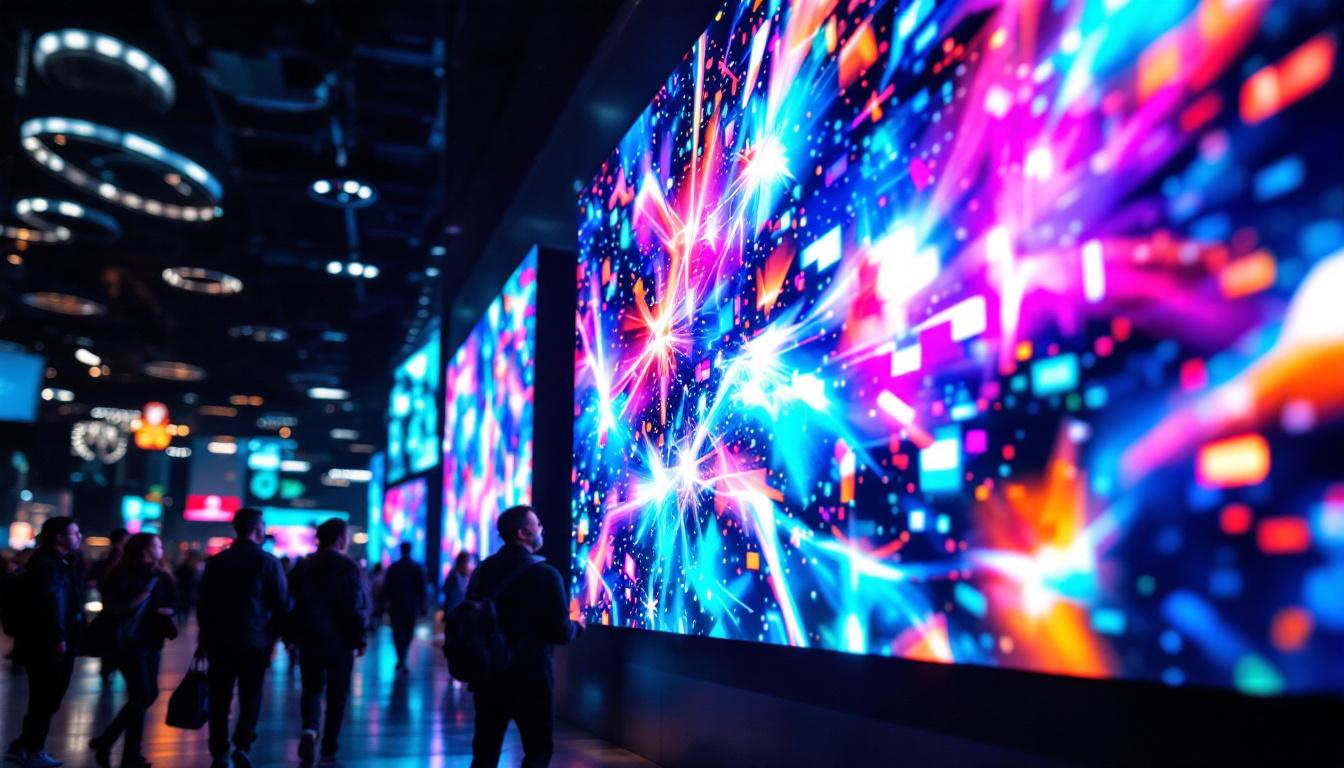
Digital billboards and signage leverage LED displays to deliver dynamic, eye-catching content. The ability to update messages in real-time and display high-resolution video makes LED displays invaluable for marketing and public communication.
Sports and Entertainment Venues
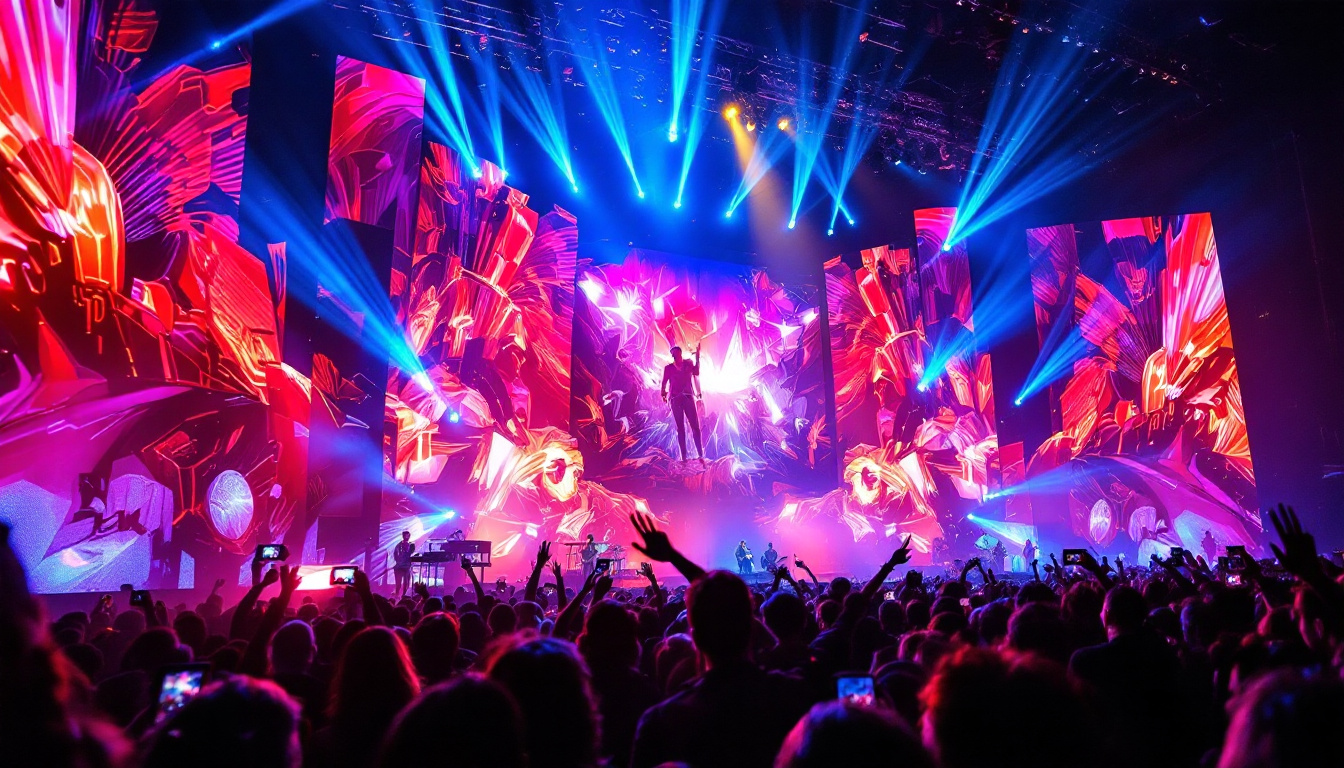
Stadiums and concert halls use large LED screens to broadcast live events, scores, and interactive content, enriching the spectator experience. The durability and brightness of outdoor LED displays ensure visibility regardless of weather or lighting conditions.
Transportation and Infrastructure
LED displays are common in airports, train stations, and highways for schedule updates, directions, and safety alerts. Their reliability and clarity help manage large crowds and enhance safety.
Future Trends in LED Display Technology
The LED display industry continues to evolve rapidly, driven by innovations that promise even more immersive and versatile visual experiences.
MicroLED and MiniLED Technologies
MicroLED displays use microscopic LEDs to create pixels, offering superior brightness, color accuracy, and energy efficiency. Unlike OLEDs, MicroLEDs are less prone to burn-in and can achieve higher peak brightness, making them ideal for premium displays in consumer electronics and large-scale installations.
MiniLED technology enhances traditional LED displays by using thousands of tiny LEDs for backlighting, improving contrast and local dimming capabilities. This technology is becoming popular in high-end televisions and monitors.
Flexible and Rollable Screens
Advancements in flexible LED materials are enabling rollable and foldable displays, opening new possibilities for portable devices and innovative advertising formats. These screens combine durability with portability, appealing to a broad range of industries.
Integration with Smart Technologies
LED displays are increasingly integrated with IoT (Internet of Things) and AI (Artificial Intelligence) systems, allowing for smarter content delivery and interactive capabilities. For example, digital signage can adapt content based on audience demographics or environmental conditions, enhancing engagement and effectiveness.
Conclusion
LED displays have revolutionized the way electronic visuals are produced and consumed, offering unmatched brightness, energy efficiency, and versatility. Their widespread adoption across consumer electronics, advertising, entertainment, and infrastructure underscores their importance in modern technology.
As innovations like MicroLED and flexible displays continue to mature, the future promises even more dynamic and immersive visual experiences. Understanding the technology behind LED displays not only highlights their current impact but also prepares industries and consumers to embrace the next generation of electronic displays.
Explore Cutting-Edge LED Display Solutions with LumenMatrix
Ready to elevate your visual experience with the latest in LED display technology? LumenMatrix is at the forefront of innovation, offering a diverse range of LED display modules tailored to your unique needs. From captivating Indoor and Outdoor LED Wall Displays to dynamic Vehicle and Sports LED Displays, our solutions are designed to make your brand shine. Discover the transformative power of LED Poster Displays, Floor LED Displays, Custom LED Displays, All-in-One LED Displays, and LED Transparent Displays. Embrace the future of visual communication with LumenMatrix and create unforgettable impressions. Check out LumenMatrix LED Display Solutions and see how we can help you share your message with the world.