In the rapidly evolving world of display technology, LED screens have become a dominant force, revolutionizing how we experience visual content. Among the many technical terms associated with LED displays, “Pixel 43” is one that often surfaces, especially in discussions about image quality and resolution. This article delves deep into what Pixel 43 means in the context of LED displays, why it matters, and how it influences the viewing experience.
Understanding LED Display Technology
Light Emitting Diode (LED) displays have transformed the landscape of digital screens, from televisions and smartphones to large-scale outdoor billboards. Unlike traditional LCDs that rely on backlighting, LED displays use individual light-emitting diodes to produce images, offering superior brightness, contrast, and energy efficiency.
The core advantage of LED displays lies in their ability to control each pixel’s illumination independently. This granular control allows for vibrant colors, deep blacks, and sharper images, making LED technology the preferred choice for both consumer electronics and professional applications.
The Role of Pixels in LED Displays
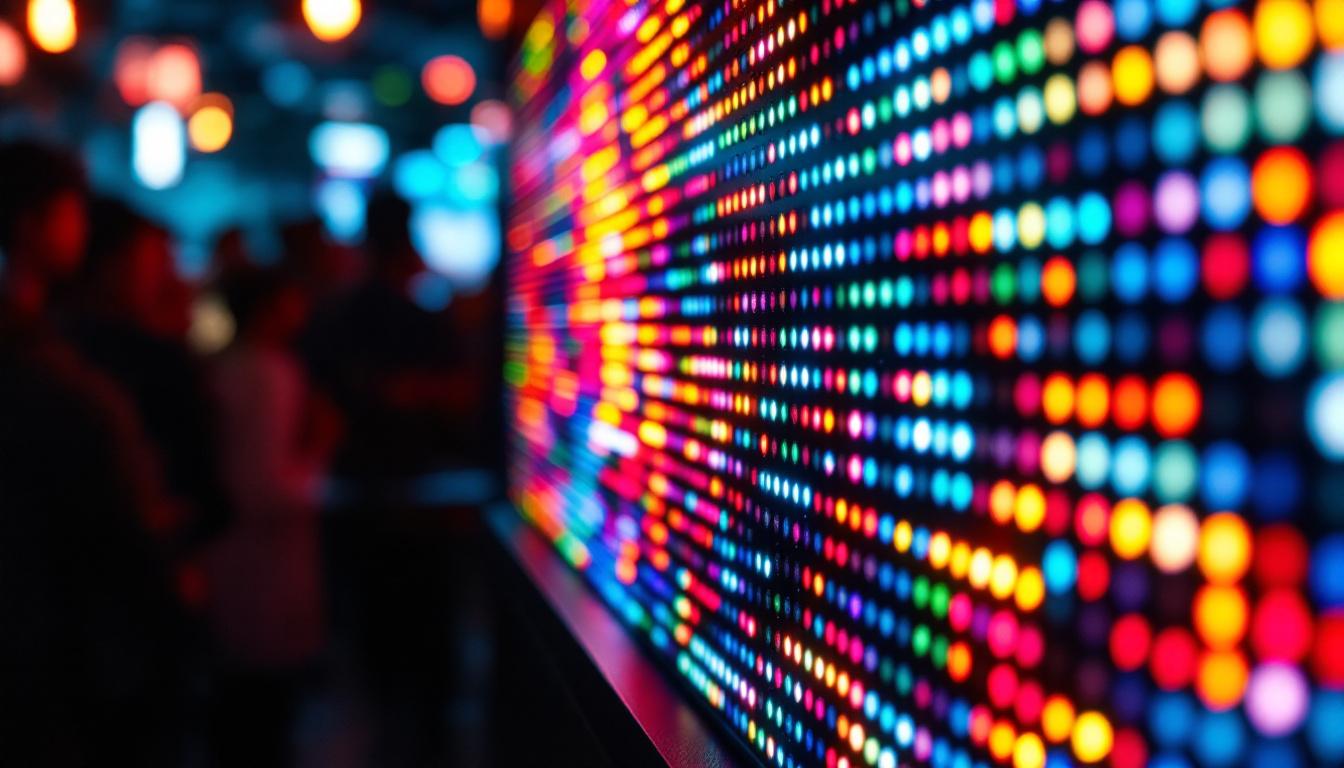
Pixels are the fundamental building blocks of any digital display. Each pixel consists of sub-pixels—typically red, green, and blue LEDs—that combine to produce a wide spectrum of colors. The density and arrangement of these pixels directly affect the display’s resolution and image clarity.
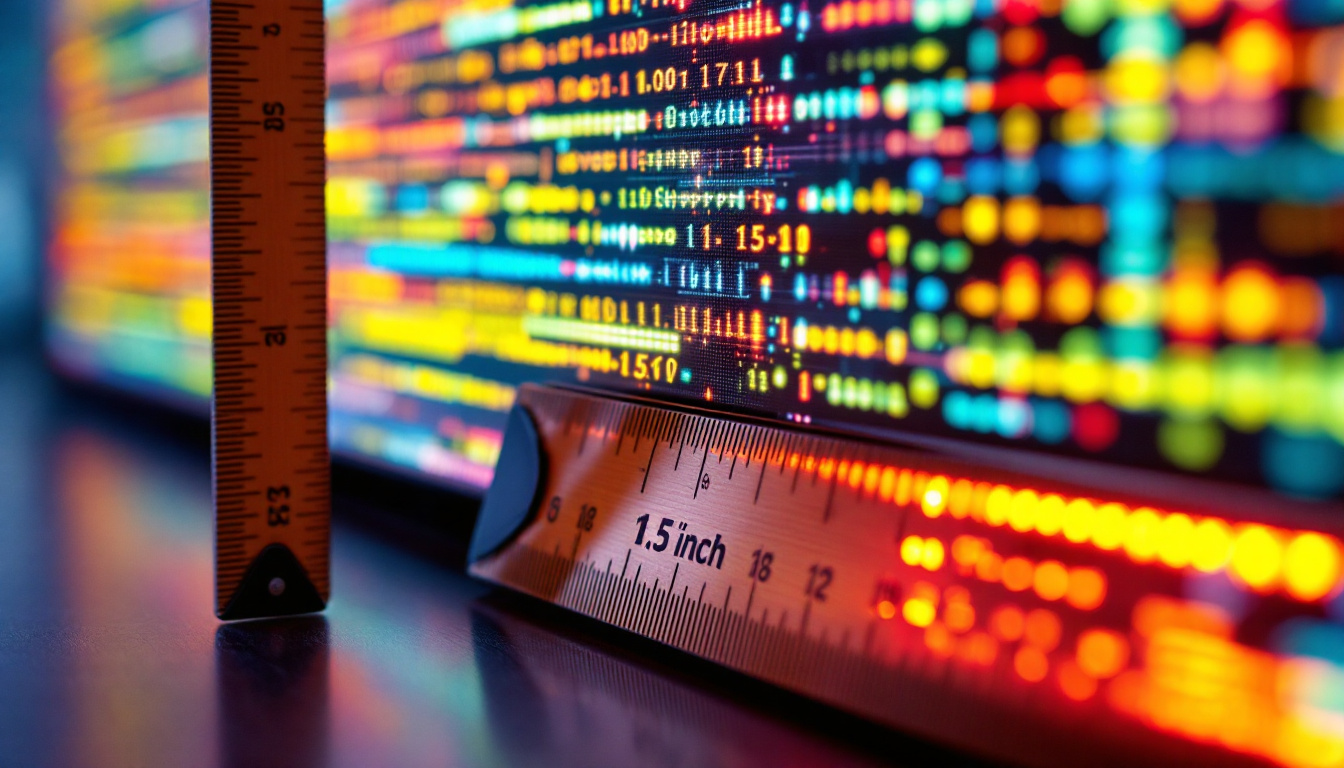
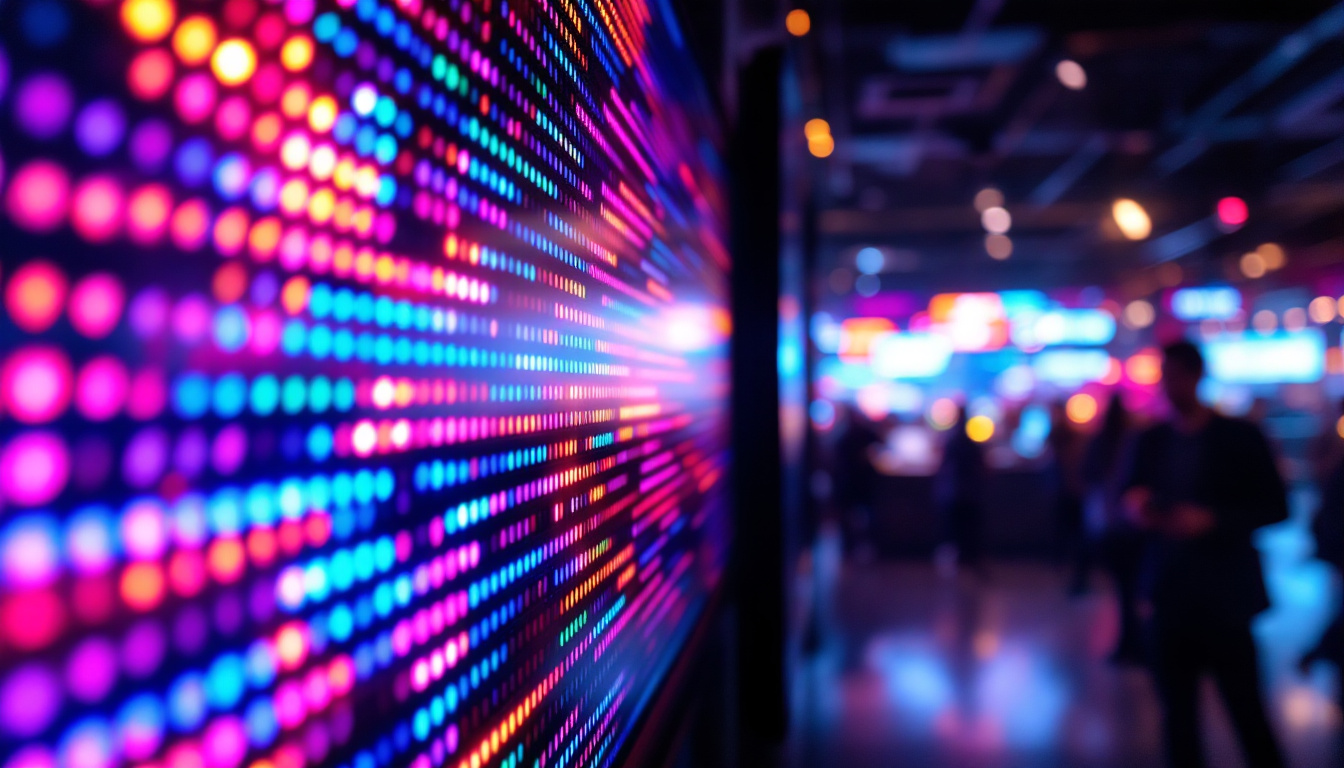
In LED displays, the term “Pixel Pitch” is often used to describe the distance between the centers of two adjacent pixels. Pixel pitch is measured in millimeters and is a critical factor in determining the display’s resolution and viewing distance. A smaller pixel pitch means more pixels per unit area, resulting in higher resolution and finer image detail.
Moreover, advancements in pixel technology have led to innovations such as MicroLED and MiniLED, which utilize smaller diodes to create even more compact and efficient displays. MicroLED technology, in particular, offers the potential for self-emissive displays that can achieve incredible brightness levels and color accuracy while maintaining ultra-thin profiles. This makes them ideal for applications ranging from virtual reality headsets to large format displays in public venues.
Additionally, the arrangement of pixels can also influence the viewing experience. For instance, curved LED displays have gained popularity in recent years, offering a more immersive experience by wrapping the image around the viewer’s field of vision. This design not only enhances the aesthetic appeal but also improves the perceived depth and detail of the content being displayed, making it a favored choice for both gaming and cinematic experiences.
What Does Pixel 43 Mean?
The term “Pixel 43” can be somewhat ambiguous without context, but in the realm of LED displays, it typically refers to a pixel pitch of 4.3 millimeters. This means the center-to-center distance between adjacent pixels is 4.3 mm. The pixel pitch is a critical factor in determining how an image is perceived, as it influences not just clarity but also the overall viewing experience.
Pixel pitch is a crucial specification for LED display buyers and users because it directly influences the optimal viewing distance and image sharpness. For example, a Pixel 43 (4.3 mm) LED display offers a balance between resolution and cost, making it suitable for medium-distance viewing environments such as conference rooms, retail stores, and indoor advertising. In these settings, the display can effectively convey information and visuals without overwhelming the viewer, ensuring that messages are communicated clearly and efficiently.
How Pixel Pitch Affects Image Quality
Understanding pixel pitch is essential for selecting the right LED display for a specific application. A smaller pixel pitch (e.g., 1.5 mm to 2.5 mm) means higher pixel density, which translates to more detailed images and smoother text rendering. These displays are ideal for close-up viewing, such as in control rooms or broadcast studios. In such environments, where precision is key, the clarity offered by smaller pixel pitches can significantly enhance the effectiveness of presentations and broadcasts.
Conversely, a larger pixel pitch like Pixel 43 (4.3 mm) is designed for viewing distances of several meters, where the human eye cannot discern individual pixels. This makes such displays cost-effective for large venues, public spaces, and events where viewers are typically farther away from the screen. Additionally, the Pixel 43 displays are often favored in outdoor settings due to their ability to maintain visibility in various lighting conditions, making them ideal for billboards and large-scale advertising. The durability and weather resistance of these displays also contribute to their popularity, ensuring they can withstand the elements while delivering vibrant visuals.
Applications of Pixel 43 LED Displays
Pixel 43 LED displays have found widespread use in various sectors due to their versatile balance of resolution and cost-efficiency. They are particularly popular in environments where medium viewing distance and high brightness are essential.
Indoor Digital Signage
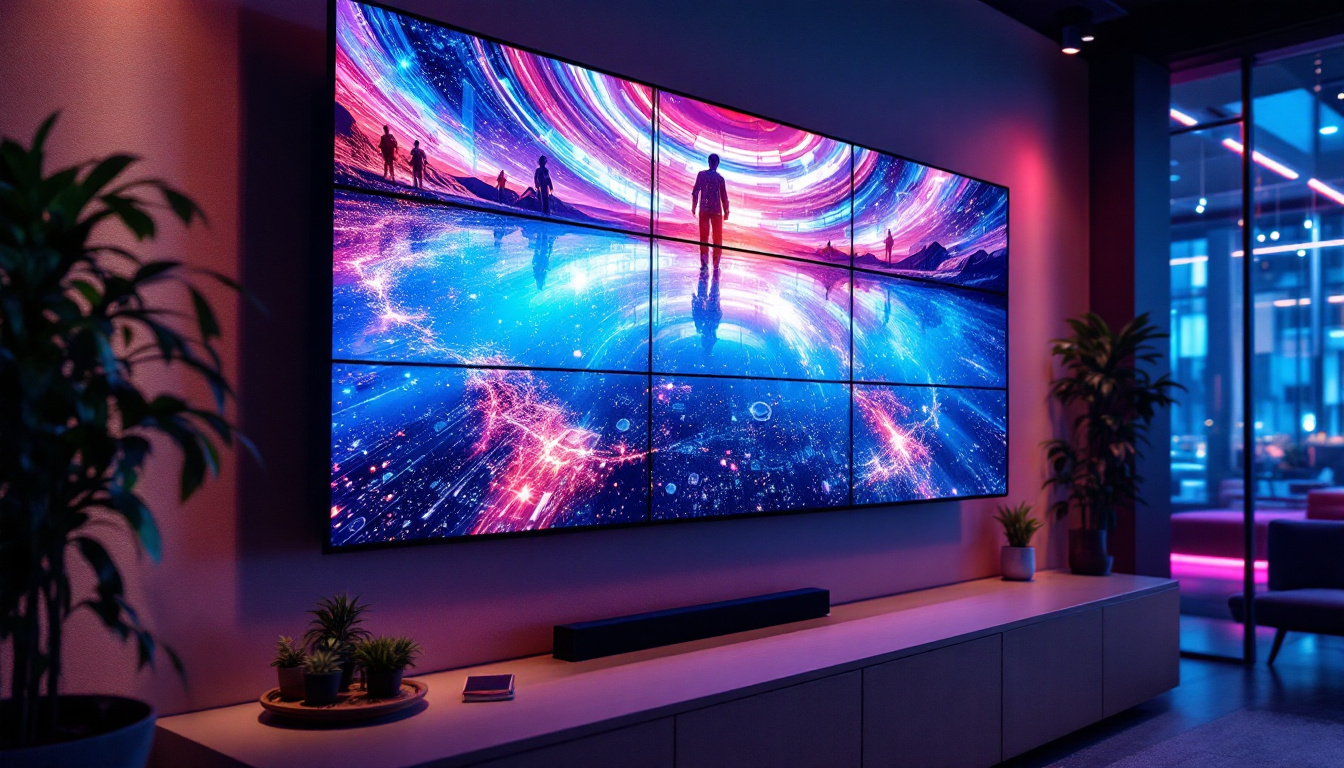
Retail stores, shopping malls, and corporate lobbies often utilize Pixel 43 LED displays for digital signage. The 4.3 mm pixel pitch provides sufficient image clarity for viewers standing several meters away, while the LED technology ensures bright, eye-catching visuals even under strong indoor lighting conditions.
Event and Stage Displays
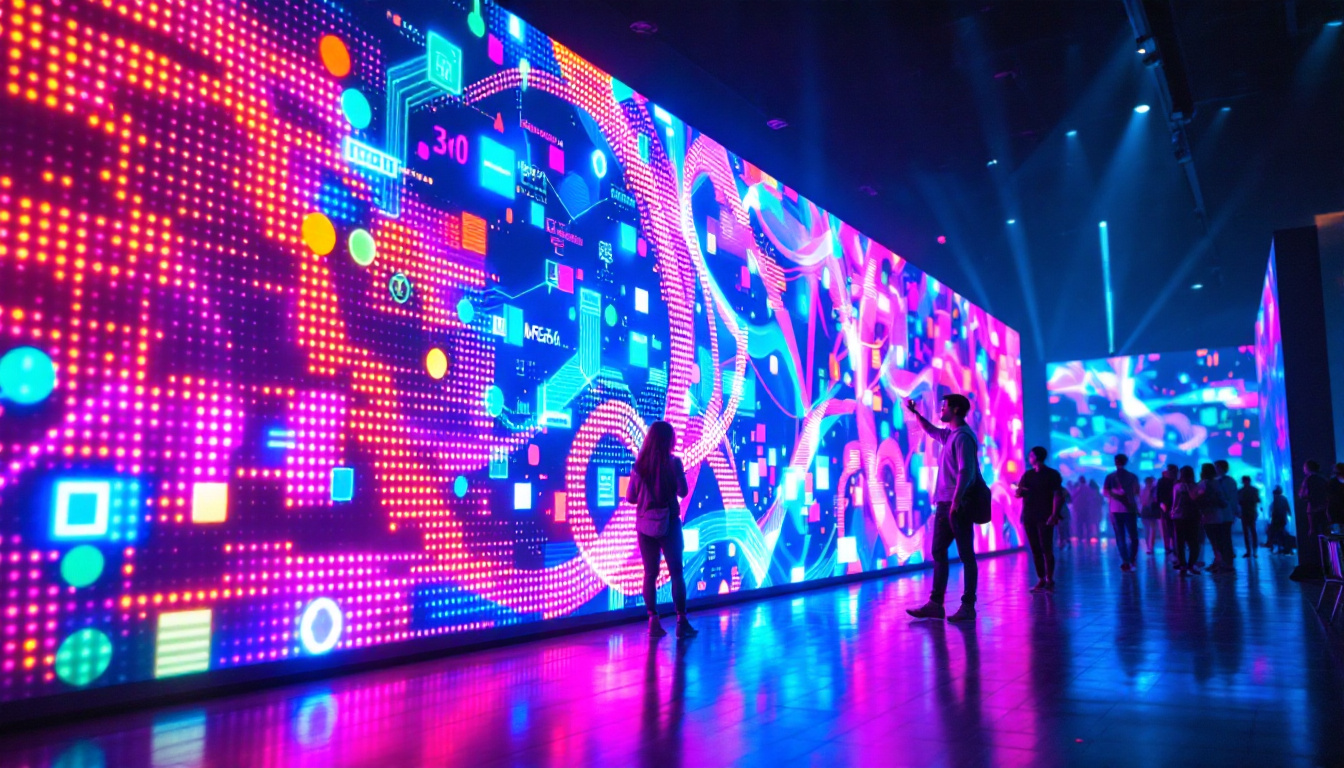
Concerts, conferences, and trade shows frequently employ Pixel 43 LED screens for stage backdrops and information displays. Their ability to deliver vivid images and videos at a reasonable cost makes them an attractive choice for event organizers seeking impactful visual presentations without the expense of ultra-high-resolution screens.
Transportation Hubs and Public Spaces
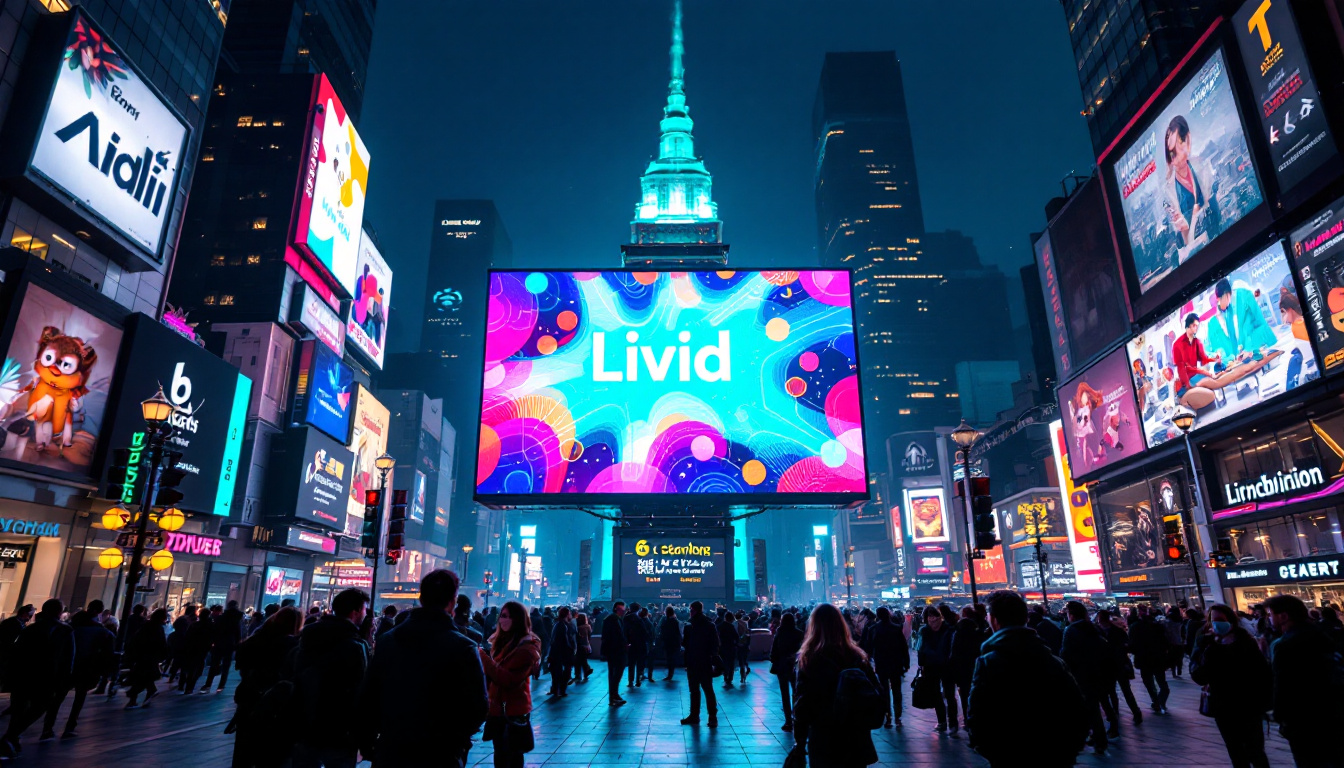
Airports, train stations, and bus terminals benefit from Pixel 43 LED displays for dynamic information boards and advertising. The pixel pitch is well-suited for viewers who are typically at a moderate distance, ensuring readability and engagement without unnecessary cost overhead.
Technical Considerations When Choosing Pixel 43 LED Displays
While Pixel 43 LED displays offer many advantages, selecting the right display involves more than just pixel pitch. Several technical factors must be considered to ensure optimal performance and longevity.
Brightness and Contrast Ratio
LED displays are known for their high brightness levels, often exceeding 1,000 nits for indoor models and reaching up to 5,000 nits or more for outdoor variants. Pixel 43 displays typically deliver brightness levels suitable for indoor and semi-outdoor environments, ensuring visibility even in well-lit conditions.
Contrast ratio—the difference between the darkest black and brightest white—is another critical metric. LED displays can achieve high contrast ratios due to their ability to turn off individual pixels completely, resulting in deeper blacks and richer colors.
Refresh Rate and Color Accuracy
The refresh rate, measured in Hertz (Hz), indicates how many times per second the display updates its image. Higher refresh rates reduce flicker and motion blur, which is especially important for video playback and live broadcasts. Pixel 43 LED displays generally support refresh rates of 60 Hz or higher, ensuring smooth visuals.
Color accuracy is vital for applications requiring precise color reproduction, such as retail branding and digital art. High-quality Pixel 43 LED displays incorporate advanced calibration technologies to maintain consistent and accurate colors over time.
Durability and Maintenance
LED displays are designed to be robust, but factors like environmental exposure, heat dissipation, and power consumption can affect their lifespan. Pixel 43 displays intended for indoor use often feature protective coatings and efficient cooling systems to enhance durability.
Maintenance considerations include ease of module replacement and software support for diagnostics. Modular designs allow for quick repairs, minimizing downtime in commercial settings.
Comparing Pixel 43 with Other Pixel Pitches
To fully appreciate the significance of Pixel 43, it helps to compare it with other common pixel pitches in the LED display market.
Smaller Pixel Pitches (1.2 mm to 2.5 mm)
Displays with smaller pixel pitches offer ultra-high resolution and are ideal for close-range viewing. They are commonly used in control rooms, broadcast studios, and premium indoor advertising. However, these displays come at a higher cost and require more processing power.
Medium Pixel Pitches (3.0 mm to 5.0 mm)
Pixel 43 (4.3 mm) falls within this category, providing a good compromise between image quality and affordability. These displays serve well in environments where viewers are not in immediate proximity but still demand clear and vibrant visuals.
Larger Pixel Pitches (6.0 mm and above)
Displays with larger pixel pitches are typically used for outdoor billboards and stadium screens, where viewing distances can exceed tens of meters. While resolution is lower, the screens compensate with extremely high brightness and weather-resistant construction.
Future Trends in LED Display Technology
The LED display industry continues to innovate, pushing the boundaries of pixel density, color fidelity, and energy efficiency. Emerging technologies such as MicroLED and MiniLED promise even greater performance improvements.
MicroLED displays, for instance, feature microscopic LEDs that allow for pixel pitches well below 1 mm, enabling ultra-high-resolution screens with exceptional brightness and contrast. Although still in early stages of commercial adoption, these technologies are set to redefine display standards in the coming years.
Impact on Pixel 43 Displays
While cutting-edge technologies advance, Pixel 43 displays remain relevant due to their cost-effectiveness and versatility. They will continue to serve a wide range of applications where ultra-high resolution is not critical but reliable, bright, and sharp images are necessary.
Manufacturers are also improving Pixel 43 displays through better materials, smarter calibration, and enhanced software features, ensuring these screens stay competitive in a crowded market.
Conclusion
Pixel 43, representing a 4.3 mm pixel pitch, is a key specification in the LED display industry that balances resolution, cost, and viewing distance. Understanding this term helps buyers and users select the right display for their specific needs, whether for indoor signage, events, or public information systems.
LED technology continues to evolve, but the principles underpinning pixel pitch and image quality remain fundamental. Pixel 43 LED displays exemplify how thoughtful engineering can deliver vibrant, clear visuals without the premium price tag of ultra-high-resolution screens, making them a popular choice across various sectors.
As the demand for dynamic digital content grows, familiarizing oneself with concepts like Pixel 43 ensures informed decisions and optimal viewing experiences.
Discover LumenMatrix’s Advanced LED Display Solutions
Ready to elevate your visual experience with the perfect balance of resolution, cost, and viewing distance? Look no further than LumenMatrix, a pioneer in LED display technology. Our comprehensive range of solutions, from Indoor and Outdoor LED Wall Displays to innovative LED Posters and Custom Displays, is designed to captivate your audience and amplify your message. Embrace the future of visual communication with our cutting-edge LED displays. Check out LumenMatrix LED Display Solutions today and transform your space into a dynamic visual spectacle.