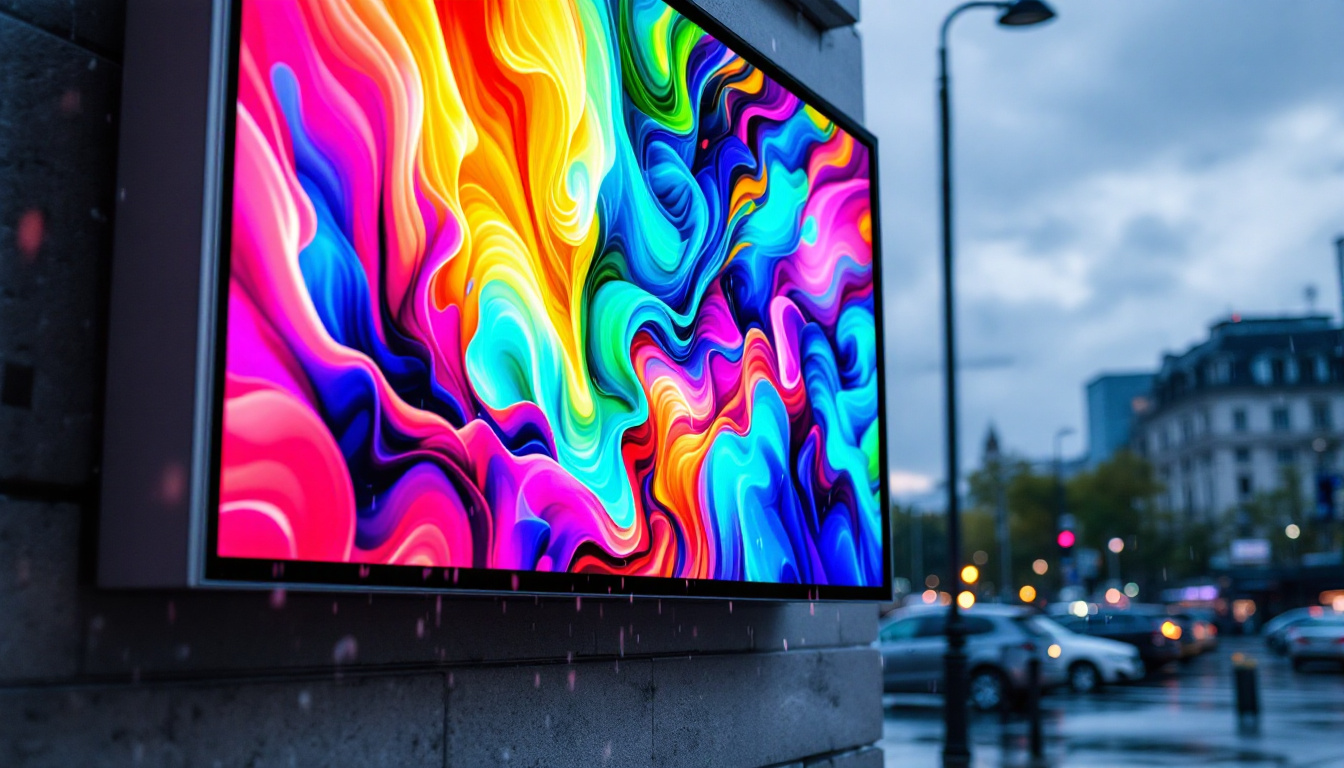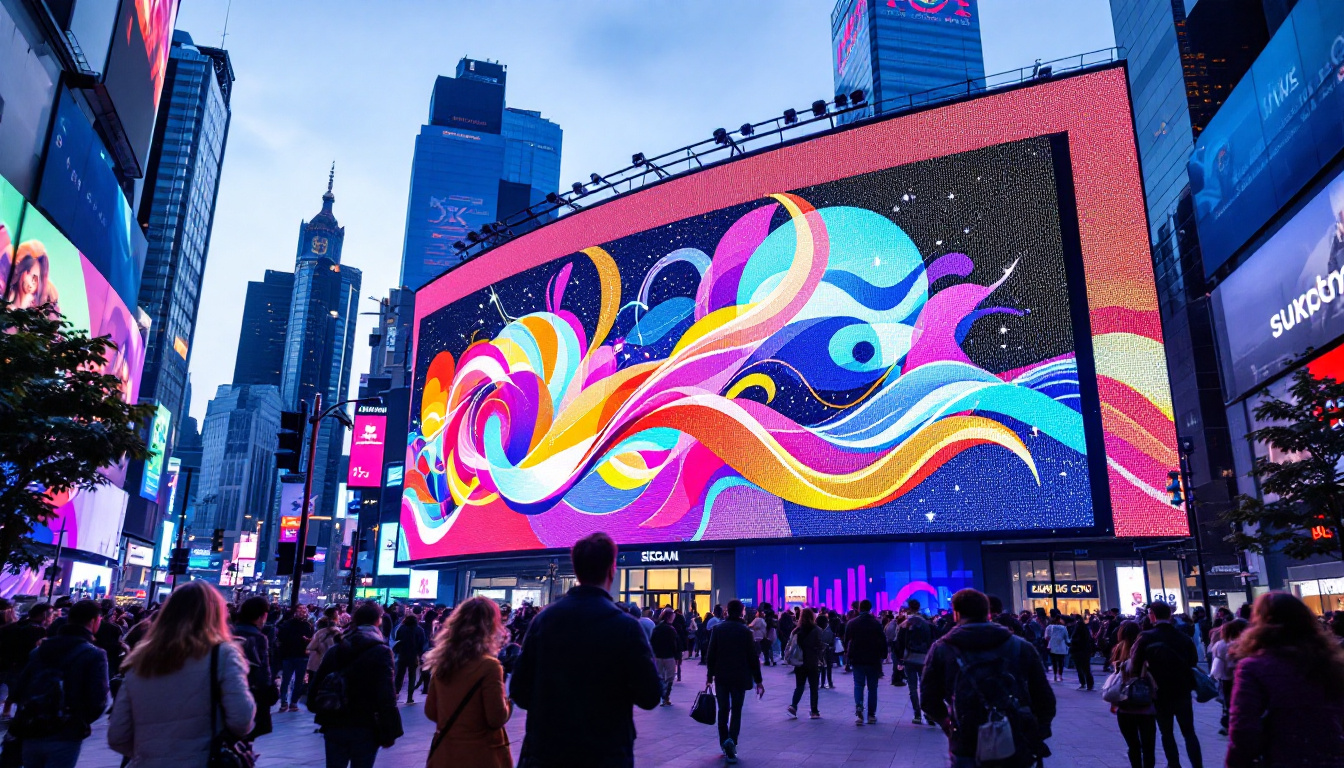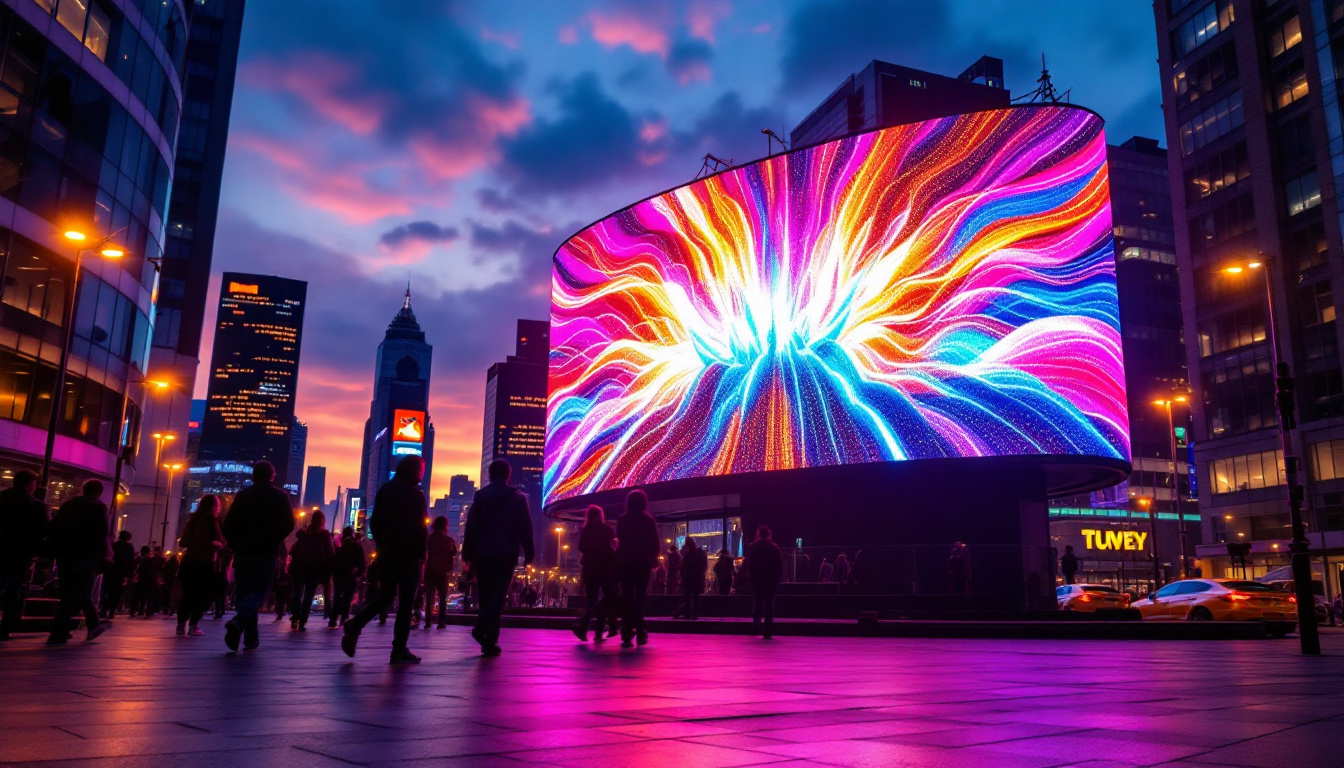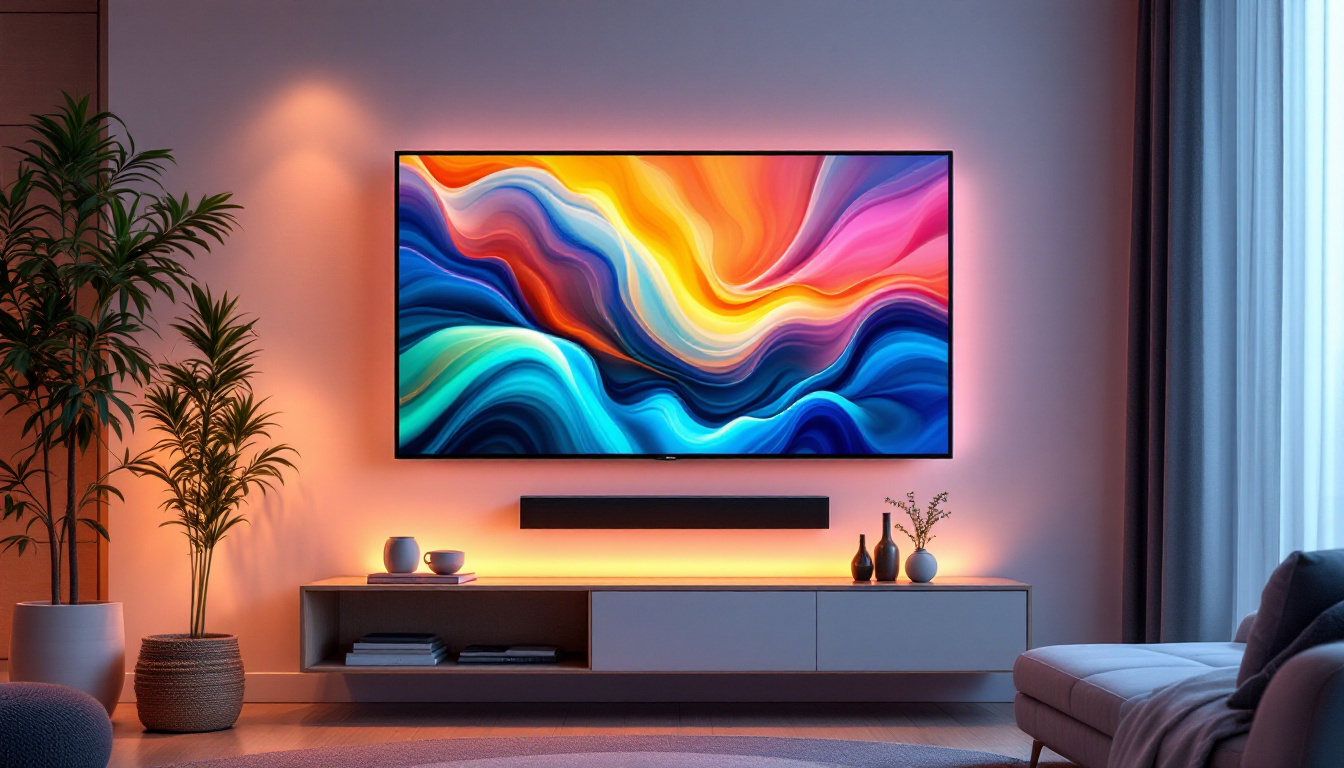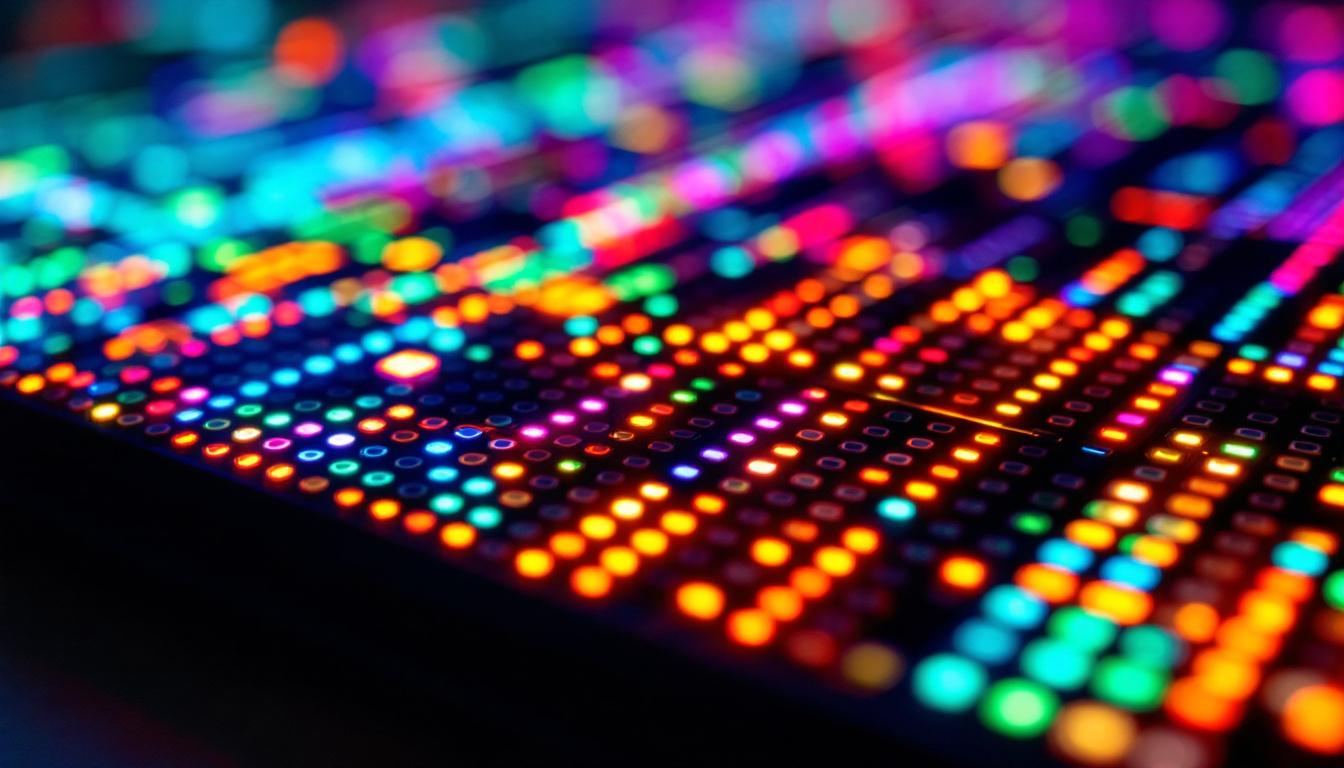
In the rapidly evolving world of digital signage and display technology, LED displays have become a cornerstone for vibrant, high-resolution visual communication. Among the many components that define an LED display’s performance and quality, the pixel board stands out as a fundamental element. This article delves deep into the concept of the pixel board in LED displays, explaining its structure, function, and significance in delivering stunning visuals across various applications.
Understanding the Basics: What Is a Pixel Board?
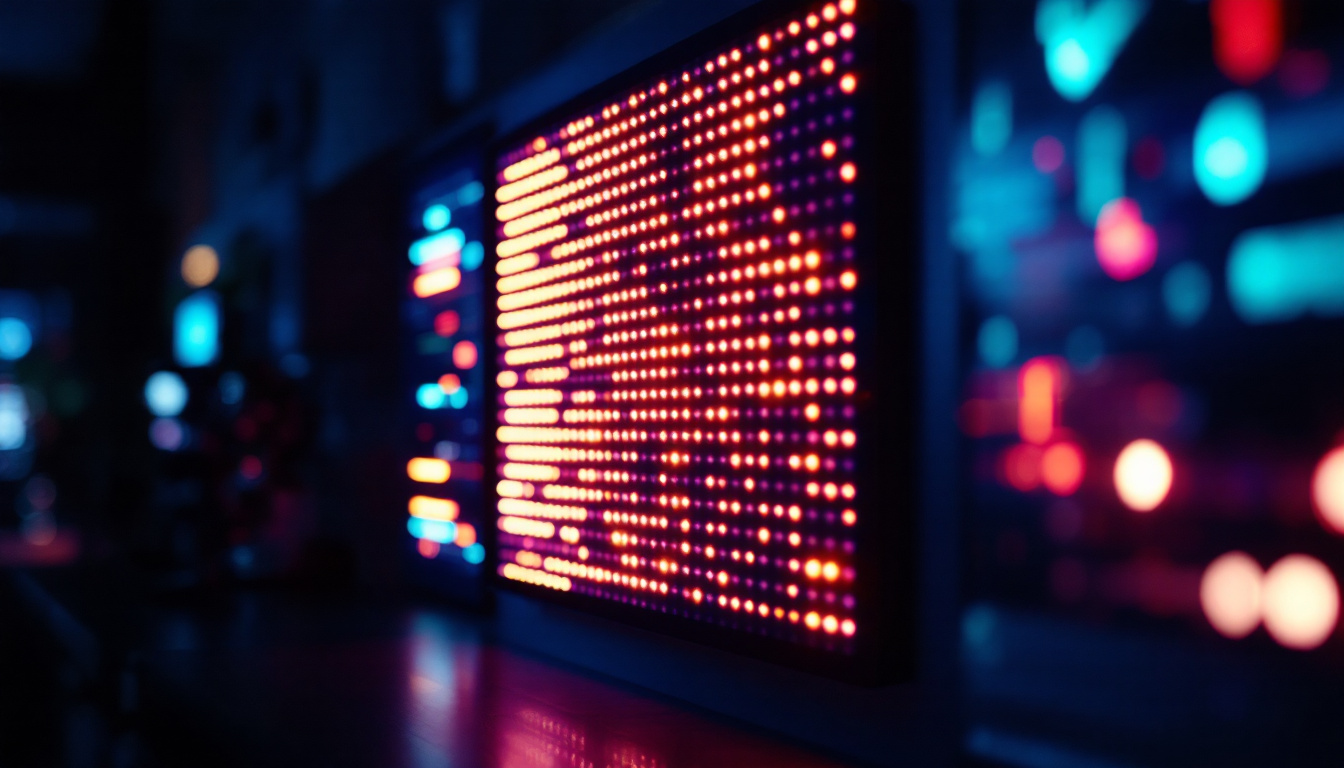
At its core, a pixel board is a modular unit within an LED display that contains an array of individual pixels. Each pixel is composed of tiny light-emitting diodes (LEDs) that emit red, green, and blue light (RGB). By controlling the intensity of these three colors, the pixel can produce a wide spectrum of colors, enabling the display to render detailed images and videos.
Pixel boards are designed to be assembled together to form larger LED panels or screens. This modularity allows for scalable display sizes, from small indoor screens to massive outdoor billboards. The pixel board’s resolution, pixel pitch, and LED quality directly impact the overall image clarity and brightness of the display. Additionally, advancements in technology have led to the development of flexible pixel boards that can be bent or shaped to fit unconventional display formats, allowing for creative installations that were once thought impossible.
Pixel Pitch: The Key to Resolution and Clarity
One of the most critical specifications related to pixel boards is the pixel pitch, which refers to the distance between the centers of two adjacent pixels, usually measured in millimeters. A smaller pixel pitch means pixels are packed more tightly together, resulting in higher resolution and sharper images. For example, a pixel pitch of 1.5mm is common in high-definition indoor LED displays, while outdoor displays often have larger pixel pitches (e.g., 10mm or more) to accommodate viewing distances.
Choosing the appropriate pixel pitch depends on the intended use case and viewing distance. For close-up viewing, such as in conference rooms or retail environments, a fine pixel pitch is essential for crisp visuals. Conversely, for large outdoor displays viewed from hundreds of feet away, a coarser pixel pitch is sufficient and more cost-effective. Furthermore, as technology evolves, manufacturers are continually pushing the boundaries of pixel pitch, leading to innovations such as microLED technology, which promises even finer resolutions and enhanced color accuracy. This evolution not only enhances the visual experience but also opens new avenues for creative advertising and immersive presentations, making pixel boards an integral part of modern digital communication.
The Structure and Components of a Pixel Board
To appreciate how pixel boards work, it is important to understand their internal structure and components. Each pixel board is a printed circuit board (PCB) that supports and connects the LEDs and associated electronic components.
LEDs: The Light Sources
The LEDs themselves are semiconductor devices that emit light when an electric current passes through them. Modern LED pixel boards typically use surface-mount device (SMD) LEDs, which are compact and capable of producing bright, uniform light. These LEDs are arranged in clusters of three (red, green, and blue) for each pixel, allowing for full-color display capabilities.
Advancements in LED technology have led to improvements in brightness, color accuracy, and energy efficiency. For instance, the latest SMD LEDs can achieve brightness levels exceeding 1,500 nits, making them suitable for both indoor and outdoor applications. This high brightness is particularly advantageous in environments with strong ambient light, ensuring that the display remains visible and vibrant. Furthermore, the color gamut of modern LEDs has expanded, allowing for more vivid and varied displays that can accurately represent a wider range of colors, enhancing the viewer’s experience.
Driver ICs and Control Circuits
Each pixel board contains driver integrated circuits (ICs) that regulate the current supplied to each LED. These drivers enable precise control over the brightness and color of each pixel by adjusting the voltage and current. The control circuits receive digital signals from the display controller, which dictates the image or video content to be shown.
Modern LED displays often use advanced driver ICs that support high refresh rates (up to 3840Hz or more) to minimize flickering and provide smooth motion, especially important for video playback and live broadcasts. The ability to handle high refresh rates is crucial for applications such as sports events or concerts, where fast-moving images need to be rendered without blurring. Additionally, some driver ICs incorporate features like error correction and adaptive brightness control, which further enhance the display’s performance by ensuring that images remain sharp and clear under varying lighting conditions.
Power Supply and Thermal Management
LED pixel boards require a stable power supply to ensure consistent brightness and performance. Efficient power management circuits are integrated to distribute power evenly across the board. Additionally, because LEDs generate heat during operation, pixel boards are designed with thermal management features such as heat sinks and ventilation to prevent overheating and prolong the lifespan of the LEDs.
Effective thermal management is not only vital for maintaining optimal performance but also plays a significant role in the overall reliability of the display. Overheating can lead to color shifts and reduced lifespan of the LEDs, which is why many pixel boards incorporate temperature sensors that monitor the heat levels in real-time. When excessive heat is detected, the system can automatically adjust the brightness or activate additional cooling mechanisms, ensuring that the display operates within safe temperature limits. This proactive approach to thermal management is essential for installations in high-temperature environments, such as outdoor signage in direct sunlight or in venues with high ambient heat.
Applications of Pixel Boards in LED Displays
Pixel boards are the building blocks for a wide range of LED display applications, from small-scale indoor screens to massive outdoor billboards. Understanding these applications helps highlight why pixel board technology is so crucial.
Indoor LED Displays
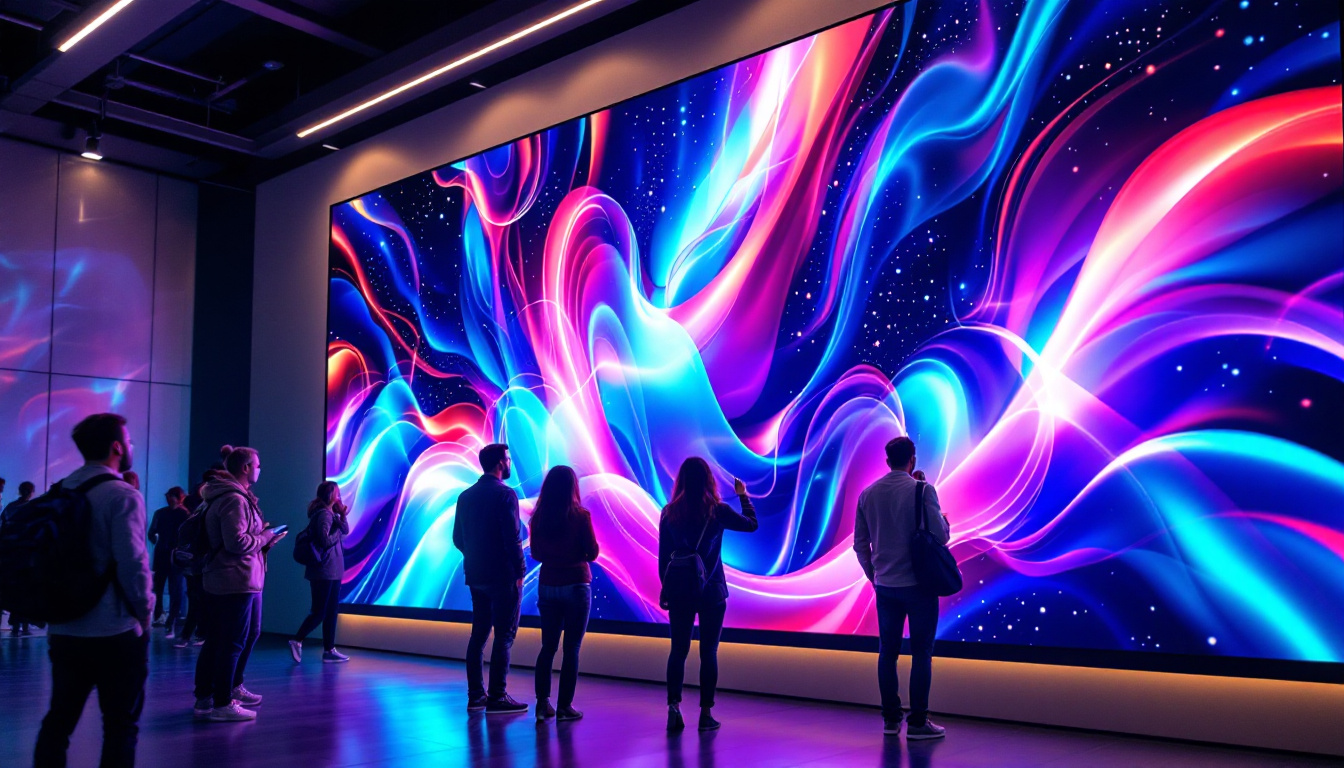
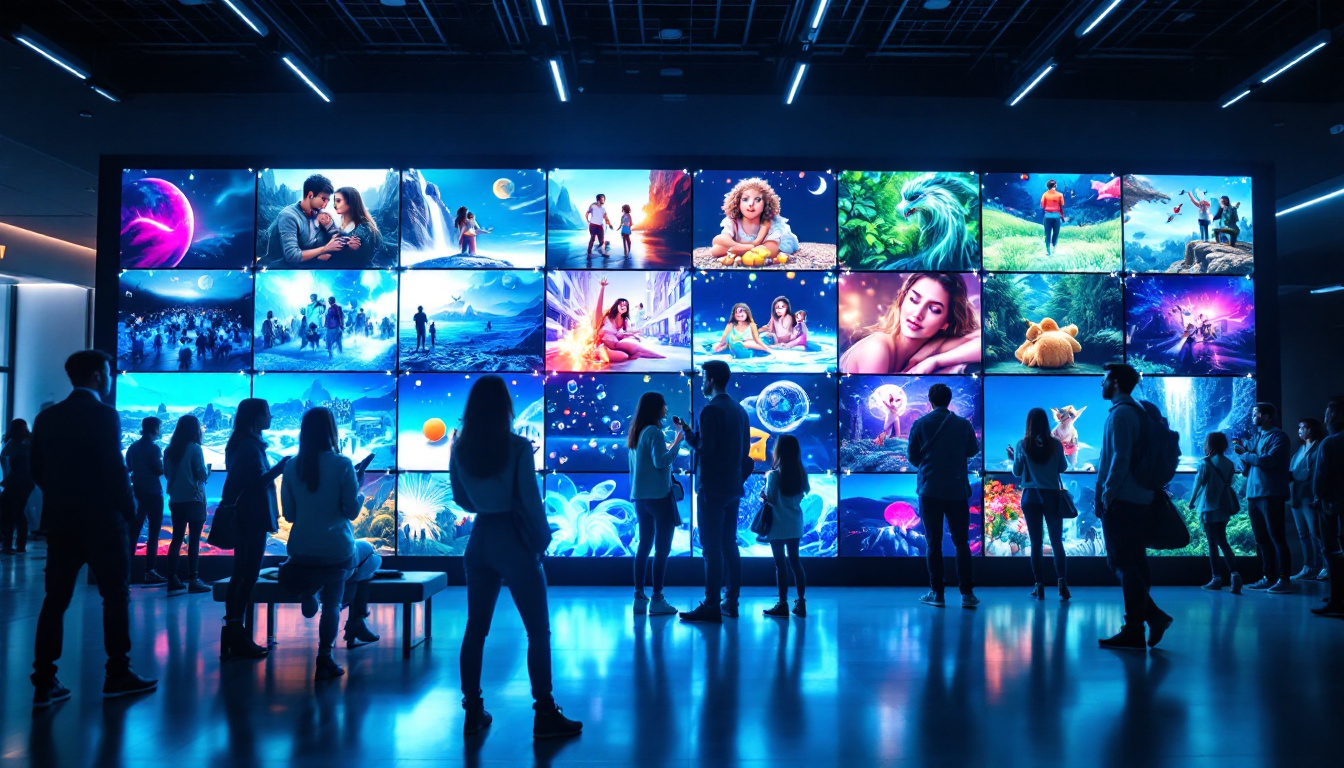
Indoor LED displays are commonly used for digital signage, advertising, event backdrops, control rooms, and retail environments. These applications demand high-resolution displays with fine pixel pitches to deliver sharp images at close viewing distances. Pixel boards with pixel pitches ranging from 0.9mm to 3mm are typical in these scenarios.
For example, a retail store might use an indoor LED wall made from multiple pixel boards to showcase promotional videos and dynamic content, enhancing customer engagement and brand visibility.
Outdoor LED Displays
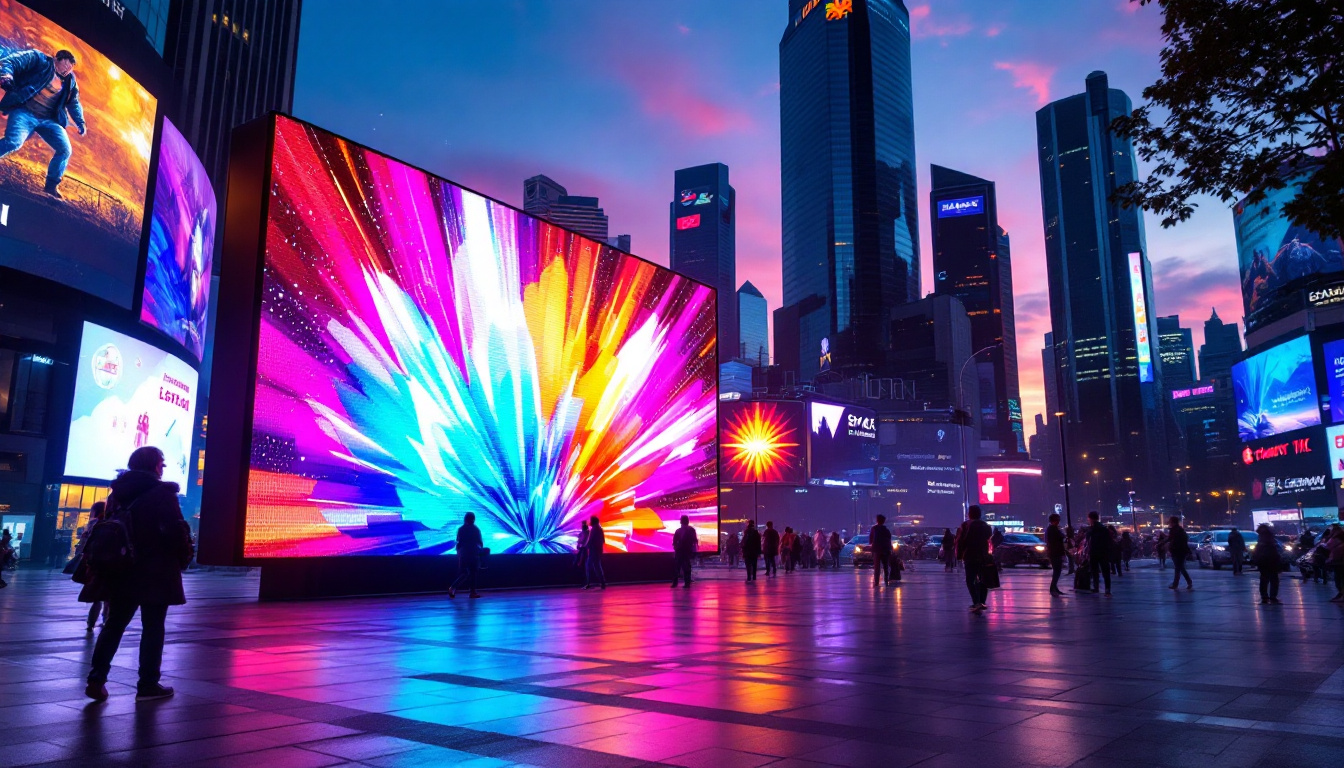
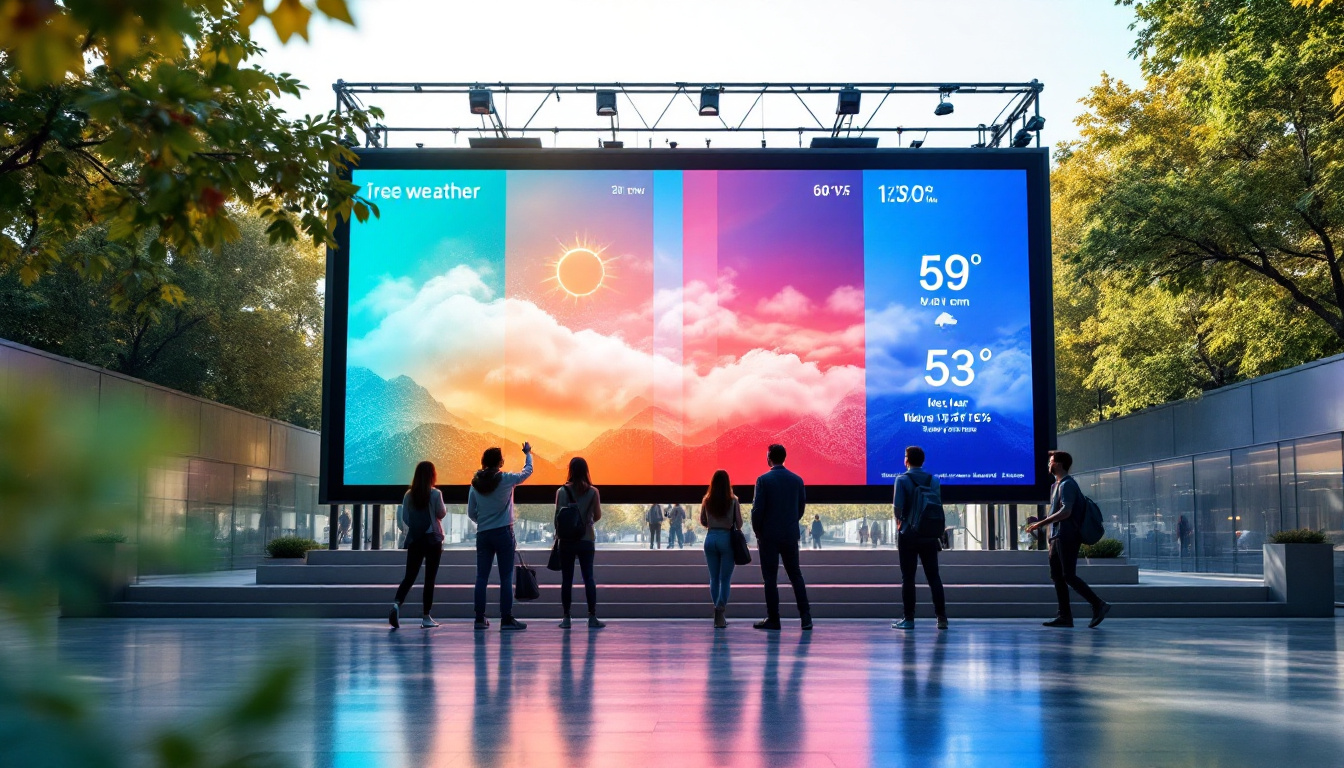
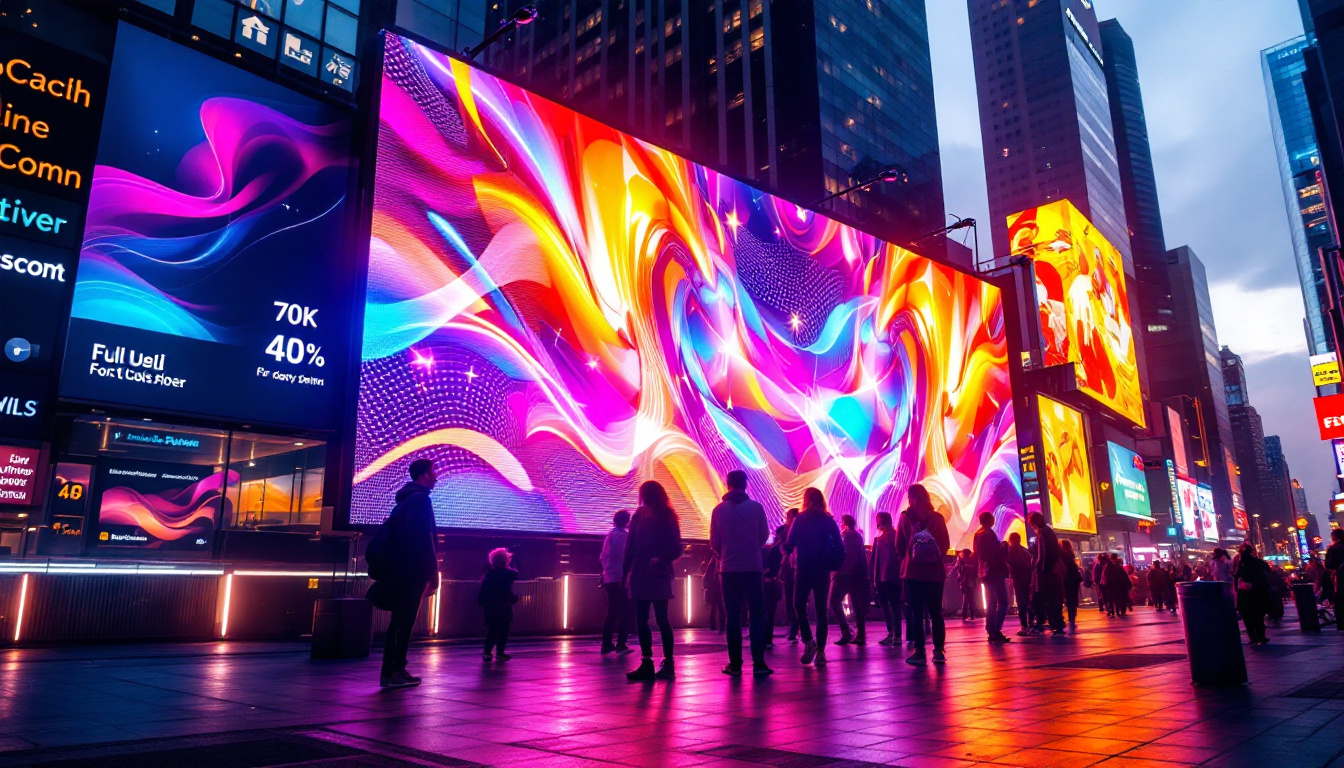
Outdoor LED displays, such as billboards, stadium screens, and transportation signage, require pixel boards designed to withstand harsh environmental conditions including rain, dust, and extreme temperatures. These boards often feature weatherproof coatings and robust enclosures.
Due to the greater viewing distances, outdoor displays use pixel boards with larger pixel pitches, typically between 6mm and 20mm. This allows for cost-effective coverage of large areas without sacrificing visual impact when viewed from afar.
Specialized and Creative Uses
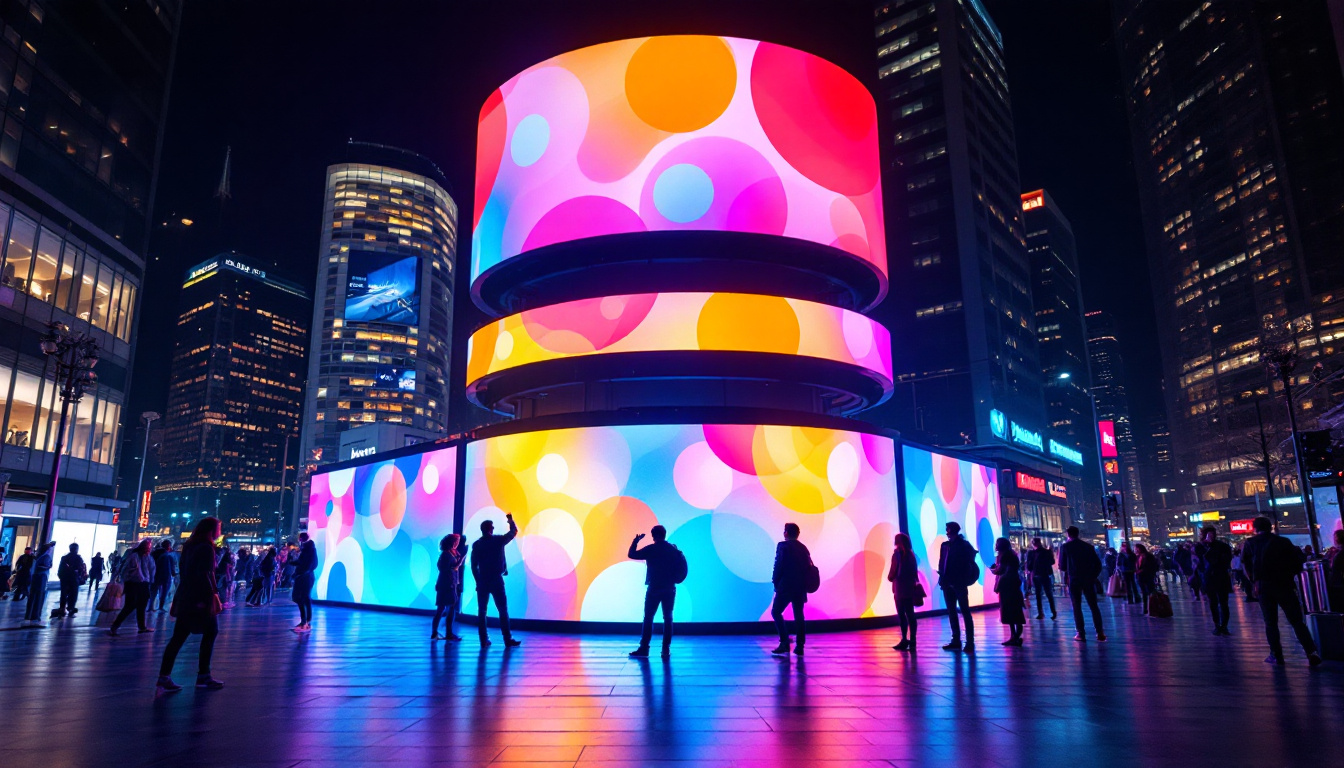
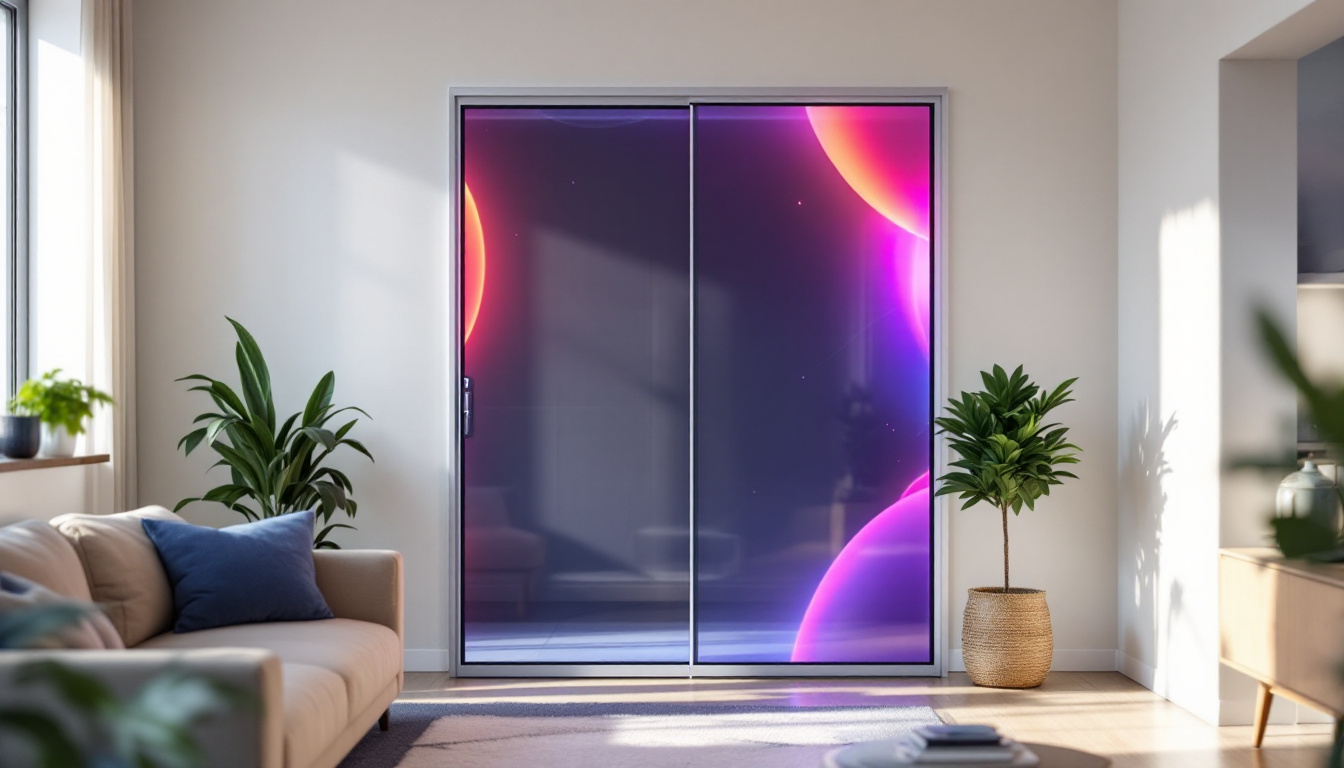
Beyond conventional signage, pixel boards are also used in architectural lighting, stage design, and interactive installations. Flexible and transparent LED pixel boards have emerged recently, enabling innovative applications such as curved displays, window screens, and immersive environments.
These advancements showcase how pixel board technology continues to evolve, offering designers and engineers new ways to integrate digital visuals into physical spaces.
Choosing the Right Pixel Board for Your LED Display
Selecting the appropriate pixel board is a critical decision that influences the performance, cost, and longevity of an LED display. Several factors should be considered during the selection process.
Resolution and Pixel Density Requirements
Start by defining the resolution requirements based on the content type and viewing distance. High-resolution content such as detailed graphics or text requires pixel boards with finer pixel pitches. Conversely, video content viewed from a distance can tolerate coarser pixel pitches without noticeable quality loss.
Brightness and Environmental Conditions
Consider the brightness levels needed for the display’s environment. Outdoor displays must be significantly brighter (often over 5,000 nits) to remain visible in direct sunlight, while indoor displays typically require 600 to 1,500 nits. Pixel boards with high-quality LEDs and efficient power management are essential to meet these brightness demands.
Durability and Maintenance
Evaluate the durability features of the pixel boards, especially for outdoor or high-traffic environments. Weatherproofing, impact resistance, and ease of maintenance are important factors. Modular pixel boards that can be easily replaced or serviced reduce downtime and maintenance costs.
Budget Considerations
While high-end pixel boards offer superior performance, they also come at a higher cost. Balancing budget constraints with performance needs is crucial. Investing in quality pixel boards can reduce long-term operational costs by improving energy efficiency and reducing maintenance frequency.
The Future of Pixel Boards in LED Display Technology
The pixel board remains a dynamic area of innovation within the LED display industry. Emerging trends and technologies promise to enhance the capabilities and applications of LED displays even further.
Mini-LED and Micro-LED Technologies
Mini-LED and micro-LED technologies represent the next generation of pixel boards, featuring much smaller LEDs that enable even finer pixel pitches and higher brightness levels. These advancements allow for ultra-high-definition displays with exceptional color accuracy and contrast.
Micro-LED displays are poised to disrupt traditional LCD and OLED markets due to their superior brightness, longevity, and energy efficiency, making them ideal for premium televisions, augmented reality devices, and wearable displays.
Smart and Interactive Pixel Boards
Integration of sensors and smart control systems into pixel boards is enabling interactive displays that respond to user input or environmental changes. This capability opens new possibilities in retail, education, and entertainment sectors where engagement and interactivity are key.
Sustainability and Energy Efficiency
As sustainability becomes a priority, manufacturers are developing pixel boards that consume less power and use environmentally friendly materials. Innovations in LED efficiency and thermal management contribute to greener digital signage solutions that reduce operational costs and environmental impact.
Conclusion
The pixel board is a vital component that defines the quality and versatility of LED displays. From its fundamental role in controlling individual pixels to its impact on resolution, brightness, and durability, understanding pixel boards is essential for anyone involved in selecting, designing, or operating LED display systems.
With ongoing technological advancements, pixel boards continue to evolve, enabling more immersive, efficient, and creative digital display solutions. Whether for advertising, entertainment, or information dissemination, the pixel board remains at the heart of the vibrant visual experiences that LED displays provide.
Discover Cutting-Edge LED Display Solutions with LumenMatrix
Ready to elevate your visual experience with the latest in LED display technology? Look no further than LumenMatrix, a pioneer in crafting LED display modules that bring your brand to life. From the immersive Indoor LED Wall Display to the dynamic Outdoor LED Wall Display, and from the innovative Vehicle LED Display to the sleek LED Poster Display, LumenMatrix offers a comprehensive range of solutions tailored to your needs. Engage your audience with LED Sports Displays, captivate passersby with Floor LED Displays, or create a unique atmosphere with Custom LED Displays and All-in-One LED solutions. Experience the future of transparent visuals with our LED Transparent Display. Embrace the revolution in visual communication and check out LumenMatrix LED Display Solutions today to share your message with unparalleled impact and clarity.