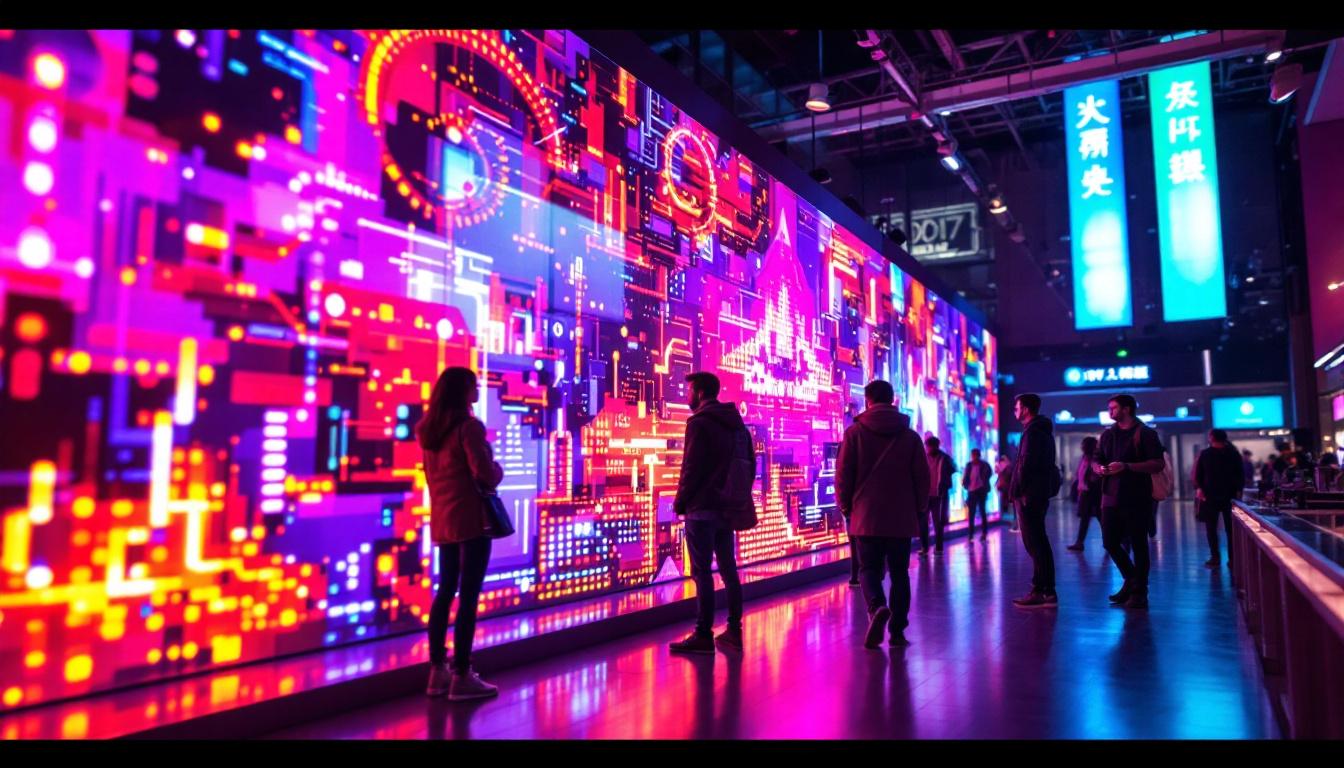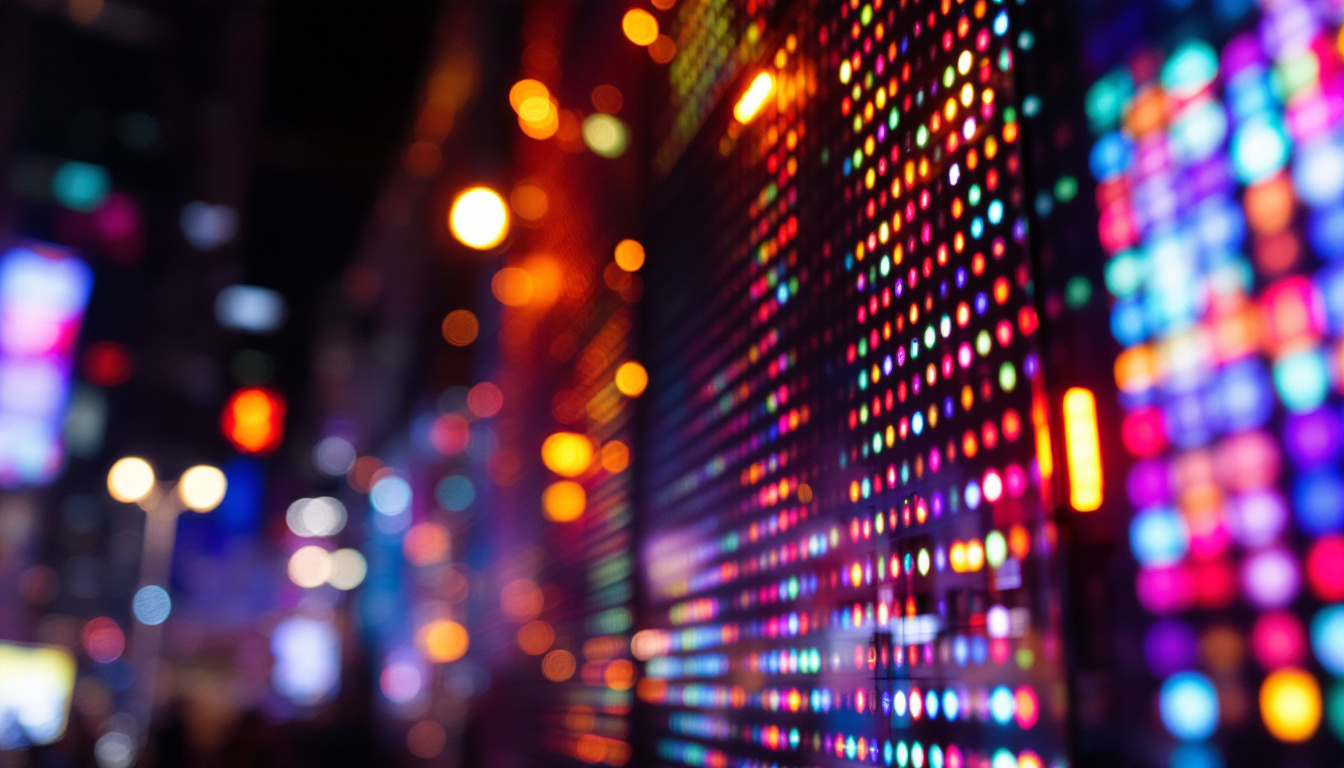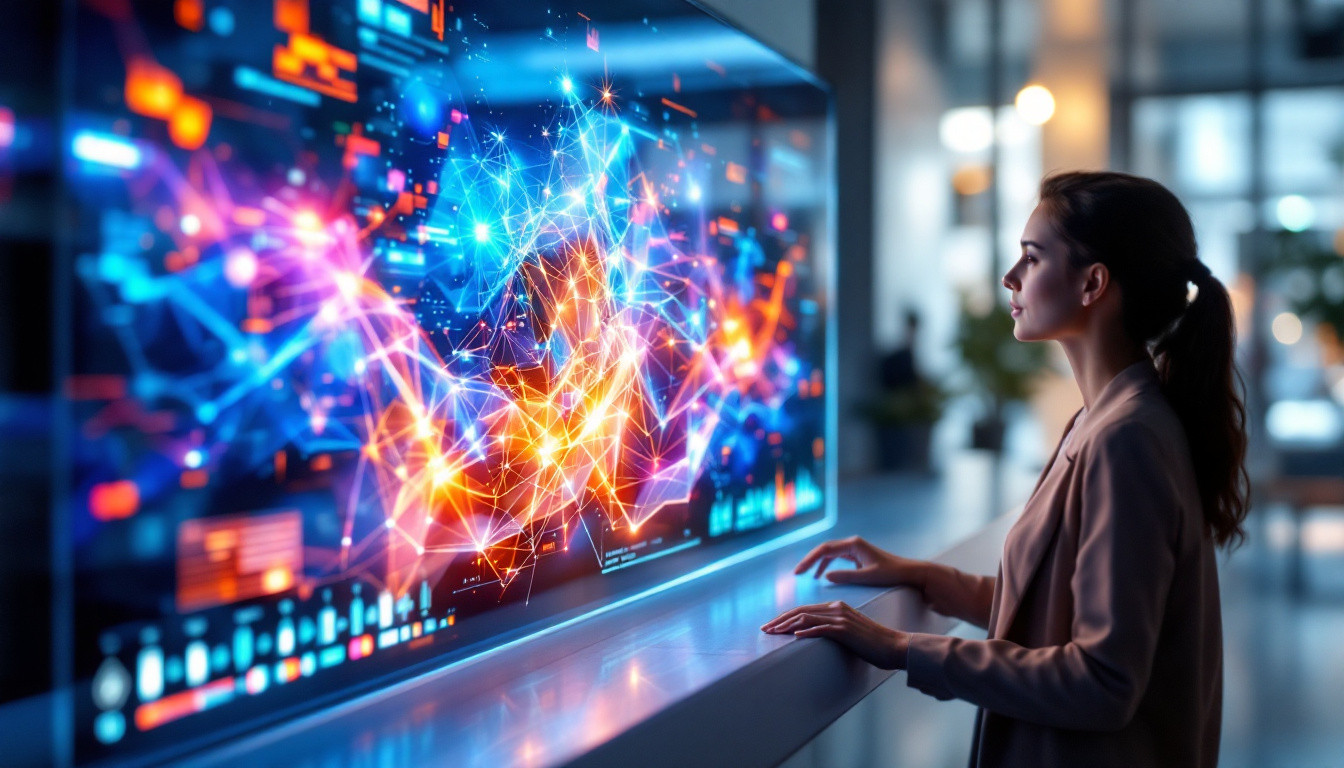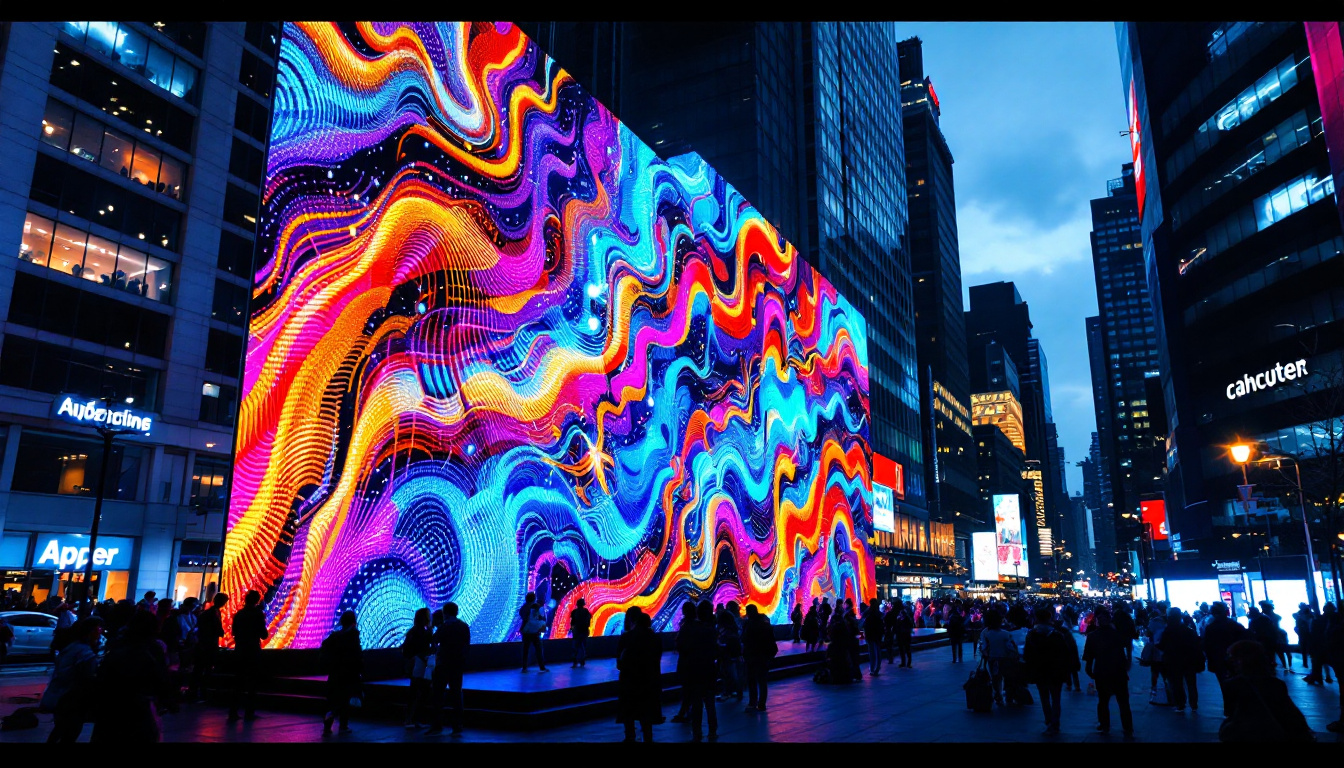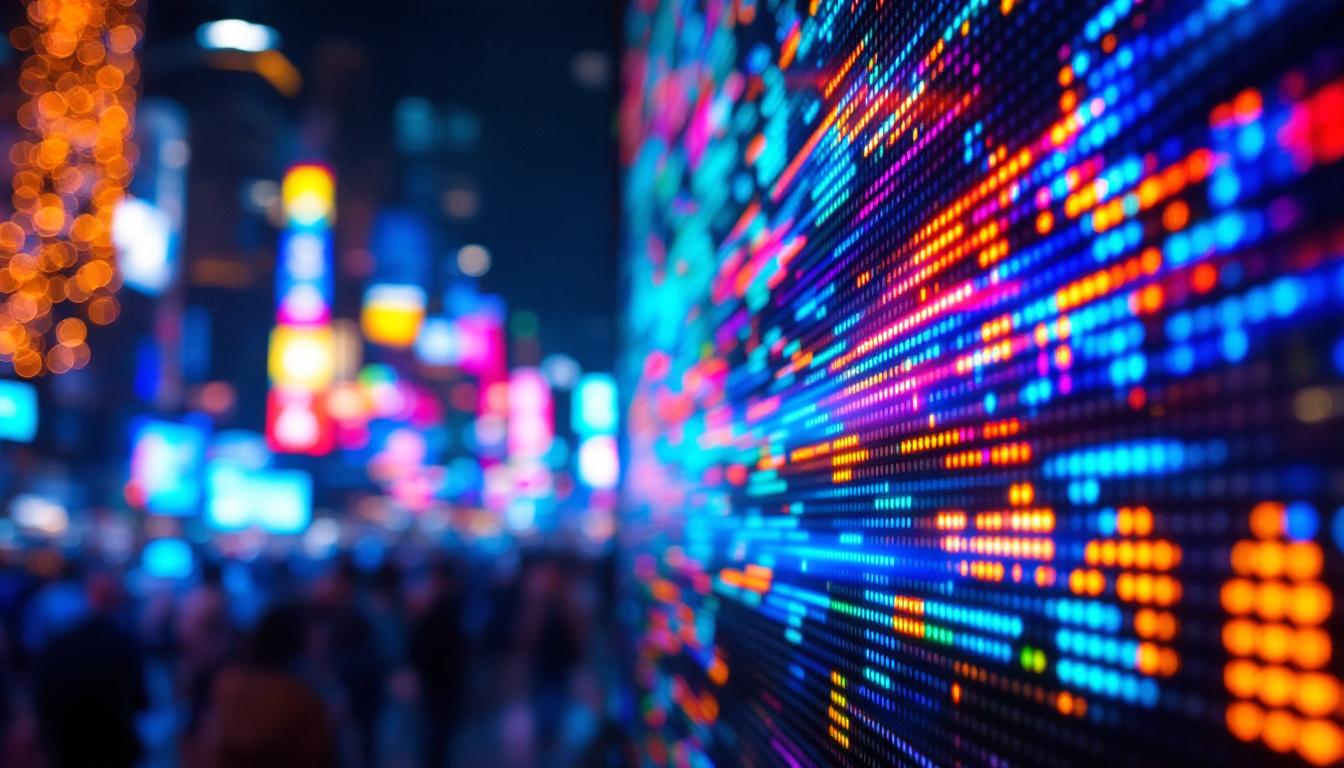
In today’s fast-paced digital world, LED displays have become an integral part of visual communication, advertising, and entertainment. From towering billboards in Times Square to intricate digital art installations, LED technology continues to evolve, offering brighter, more vibrant, and energy-efficient solutions. Among the critical components that define the quality and functionality of these displays is the concept of the “pixel.” This article dives deep into the world of pixel brewing in LED displays, explaining what it means, why it matters, and how it shapes the future of visual technology.
Understanding Pixels in LED Displays
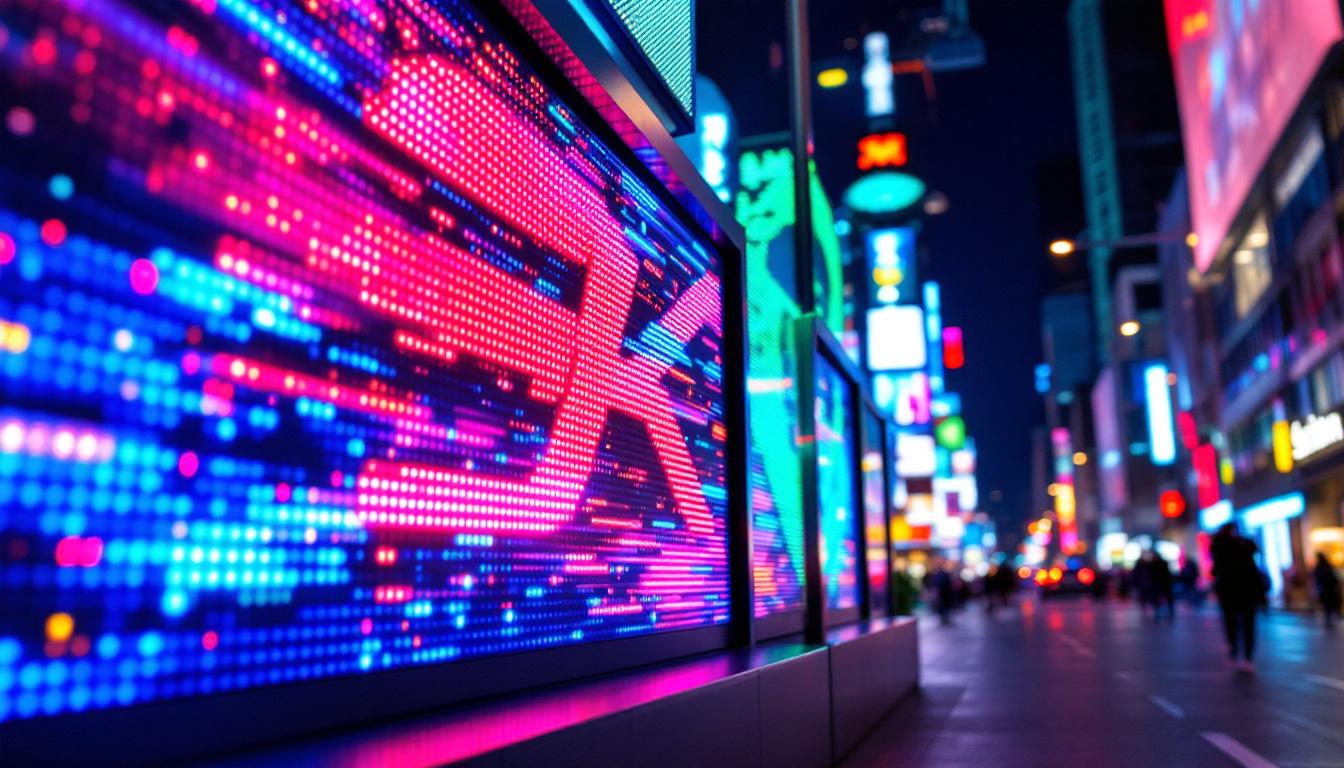
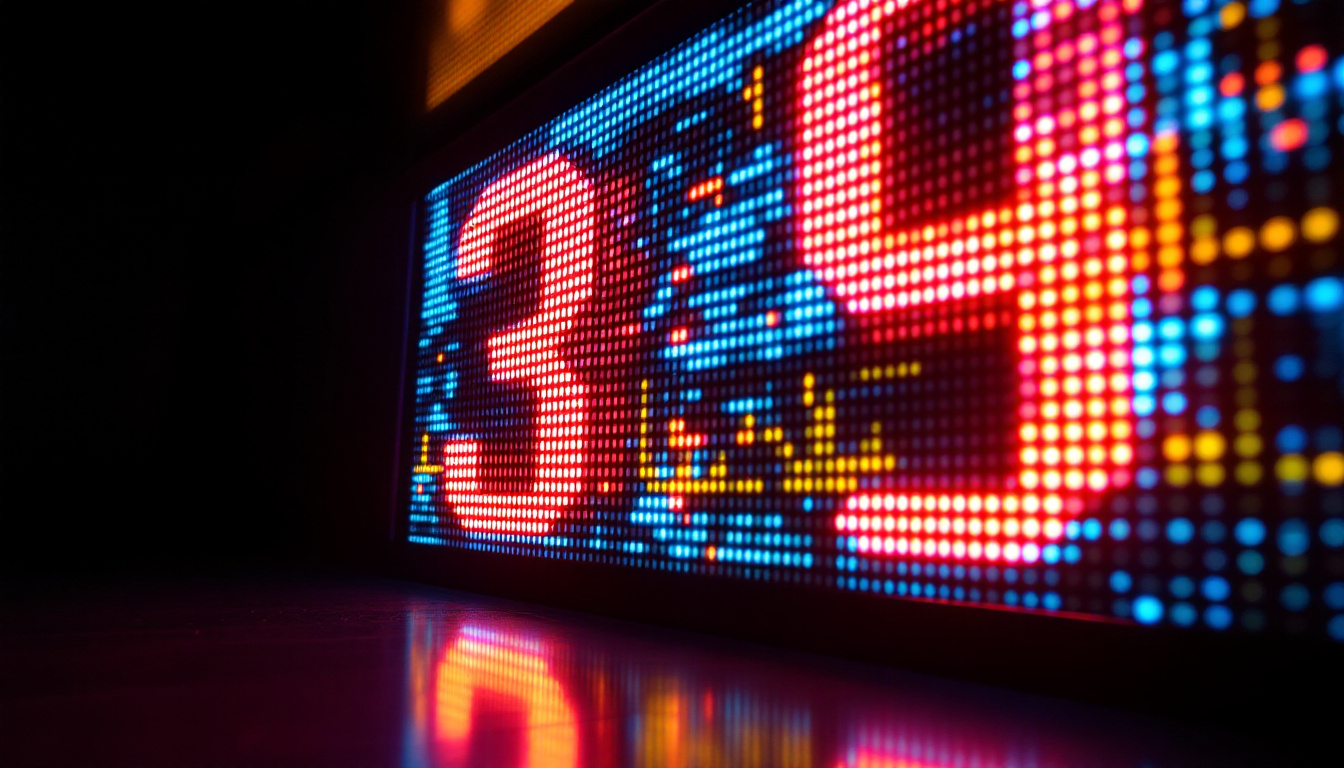
At its core, a pixel is the smallest controllable element of a digital image or display. In LED technology, pixels are composed of tiny light-emitting diodes that combine red, green, and blue subpixels to produce a wide spectrum of colors. The arrangement, density, and control of these pixels determine the clarity, brightness, and color accuracy of the display. Each pixel can be individually adjusted to create stunning visual effects, making LED displays highly versatile for various applications, from advertising to art installations.
Pixel brewing refers to the meticulous process of designing, manufacturing, and calibrating these pixels to optimize image quality. Unlike traditional screens where pixels are fixed and uniform, LED displays often require custom pixel configurations to meet specific use cases — whether it’s a massive outdoor billboard or a high-resolution indoor screen. This customization ensures that the display not only meets the technical specifications but also aligns with the aesthetic and functional requirements of the environment in which it is placed.
The Role of Pixel Pitch
One of the most important metrics in LED displays is the pixel pitch, which is the distance between the centers of two adjacent pixels, typically measured in millimeters. Pixel pitch directly affects the display’s resolution and viewing distance. A smaller pixel pitch means pixels are packed more tightly, resulting in higher resolution and sharper images, especially at close range. This is crucial for applications where detail is paramount, such as in control rooms or broadcast studios, where operators rely on precise visuals for decision-making.
For example, an LED display with a 1.5mm pixel pitch is ideal for indoor environments such as conference rooms or retail stores where viewers are close to the screen. Conversely, a 10mm pixel pitch might be suitable for large outdoor billboards where viewers are far away, and individual pixels are less noticeable. Additionally, the choice of pixel pitch can influence the overall cost and energy efficiency of the display; tighter pixel arrangements often require more sophisticated technology and can consume more power, while larger pitches may offer a more economical solution for expansive viewing areas.
How Pixels Are “Brewed” in LED Displays
The term “pixel brewing” metaphorically describes the intricate process of creating and refining LED pixels. It involves multiple stages, from selecting the right LED chips to assembling them into modules and calibrating their output to achieve uniformity and color accuracy.
LED Chip Selection and Quality
The journey begins with the selection of LED chips. High-quality chips offer better brightness, color consistency, and longevity. Manufacturers often source chips from leading suppliers who specialize in red, green, and blue LEDs with precise wavelength specifications to ensure vibrant and accurate colors.
Advancements in LED chip technology have led to the development of mini-LEDs and micro-LEDs, which are significantly smaller than traditional LEDs. These innovations allow for higher pixel densities and improved contrast ratios, pushing the boundaries of display quality. The ability to pack more pixels into a smaller area not only enhances the resolution but also enables displays to be thinner and lighter, making them ideal for a variety of applications, from smartphones to large-scale digital billboards.
Module Assembly and Pixel Configuration
Once the LED chips are selected, they are assembled into modules, which are the building blocks of an LED display. Each module contains a grid of pixels arranged according to the desired pixel pitch and resolution. The assembly process requires precision to ensure that each pixel is correctly positioned and securely mounted.
Modern LED modules often incorporate intelligent control circuits that allow for individual pixel management. This capability is crucial for advanced display features such as dynamic brightness adjustment, pixel-level diagnostics, and color calibration. Moreover, the integration of wireless technology in module assembly has paved the way for more flexible installation options, enabling displays to be configured in unconventional shapes and sizes, thus broadening their application in creative and advertising spaces.
Calibration and Color Management
Calibration is a vital step in pixel brewing. Even with high-quality components, variations in LED brightness and color output can occur due to manufacturing tolerances and environmental factors. Calibration involves adjusting the drive current and voltage of each pixel to achieve uniform brightness and consistent color reproduction across the entire display.
Color management systems use sophisticated algorithms and sensors to measure the output of each pixel and make real-time adjustments. This process ensures that the display maintains accurate colors under different lighting conditions and over time, enhancing the viewer’s experience. Additionally, the implementation of advanced color gamuts and HDR (High Dynamic Range) technology allows for a wider range of colors and deeper contrasts, making the viewing experience more immersive. As the demand for high-quality visual content continues to grow, the importance of precise calibration and color management in LED displays cannot be overstated, as they play a crucial role in delivering stunning visuals that captivate audiences across various settings.
Applications and Benefits of Pixel-Optimized LED Displays
Pixel brewing is not just a technical exercise; it has practical implications that affect the effectiveness and versatility of LED displays across various industries.
Advertising and Digital Signage
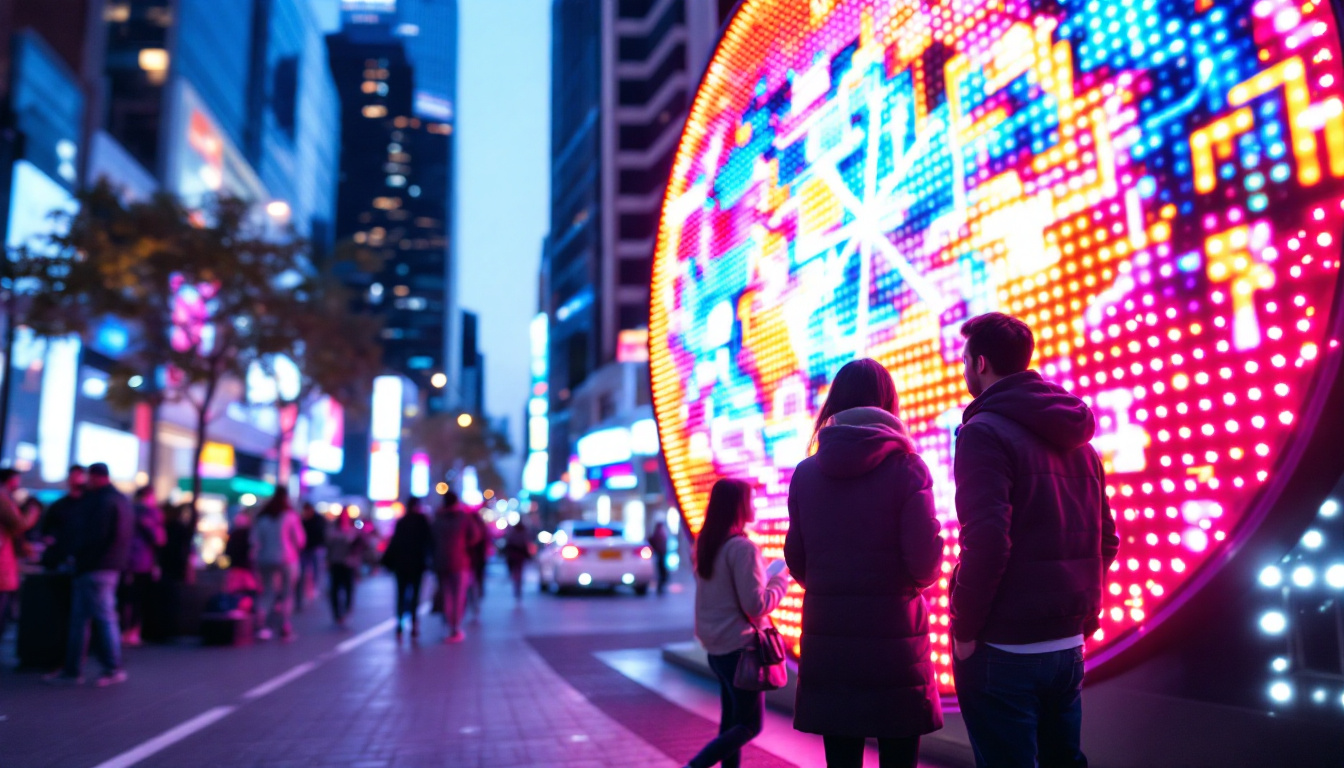
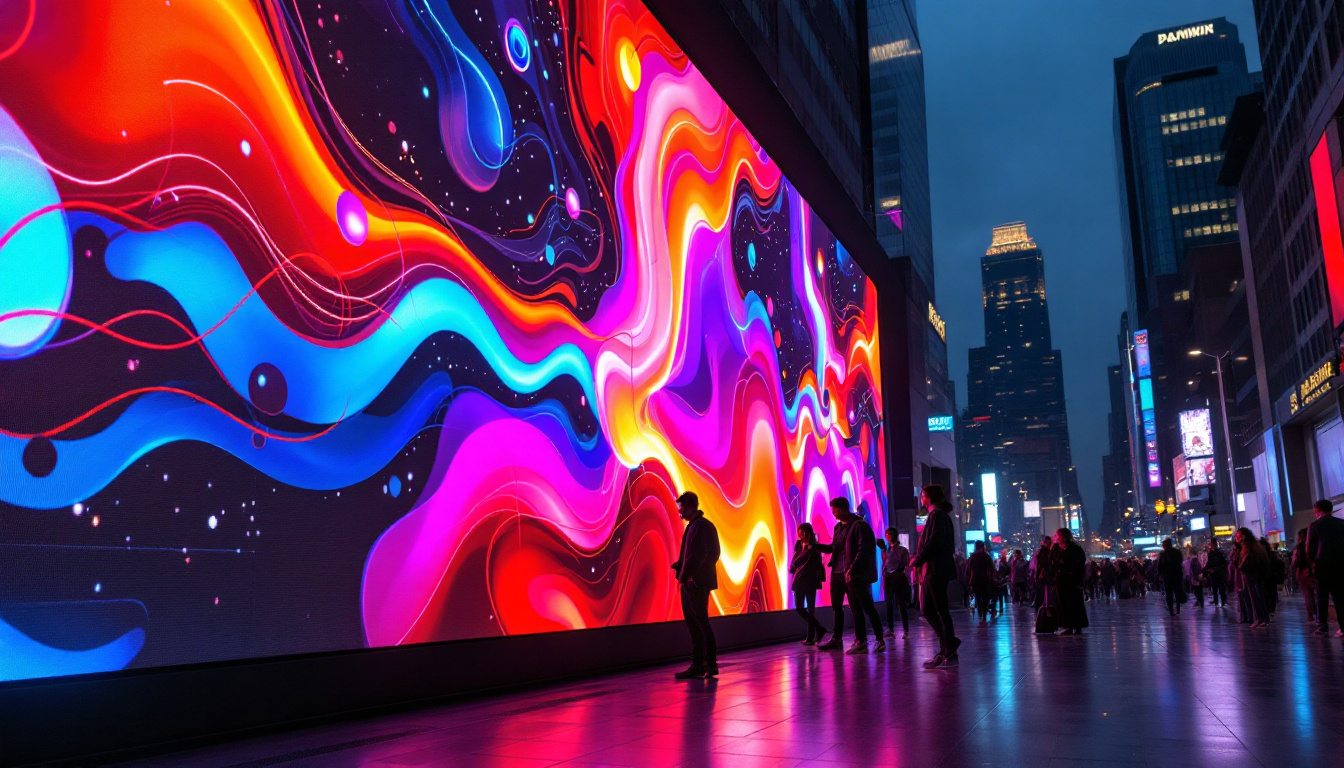
In advertising, clarity and visual impact are paramount. Pixel-optimized LED displays deliver crisp images and vibrant colors that capture attention even from great distances. Brands leverage these displays for dynamic content that can be updated in real-time, providing flexibility and engagement that static billboards cannot match.
For instance, the use of fine-pitch LED displays in retail environments has been shown to increase customer engagement by up to 30%, according to recent market studies. This improvement is largely due to the enhanced image quality and brightness that pixel brewing enables.
Entertainment and Events
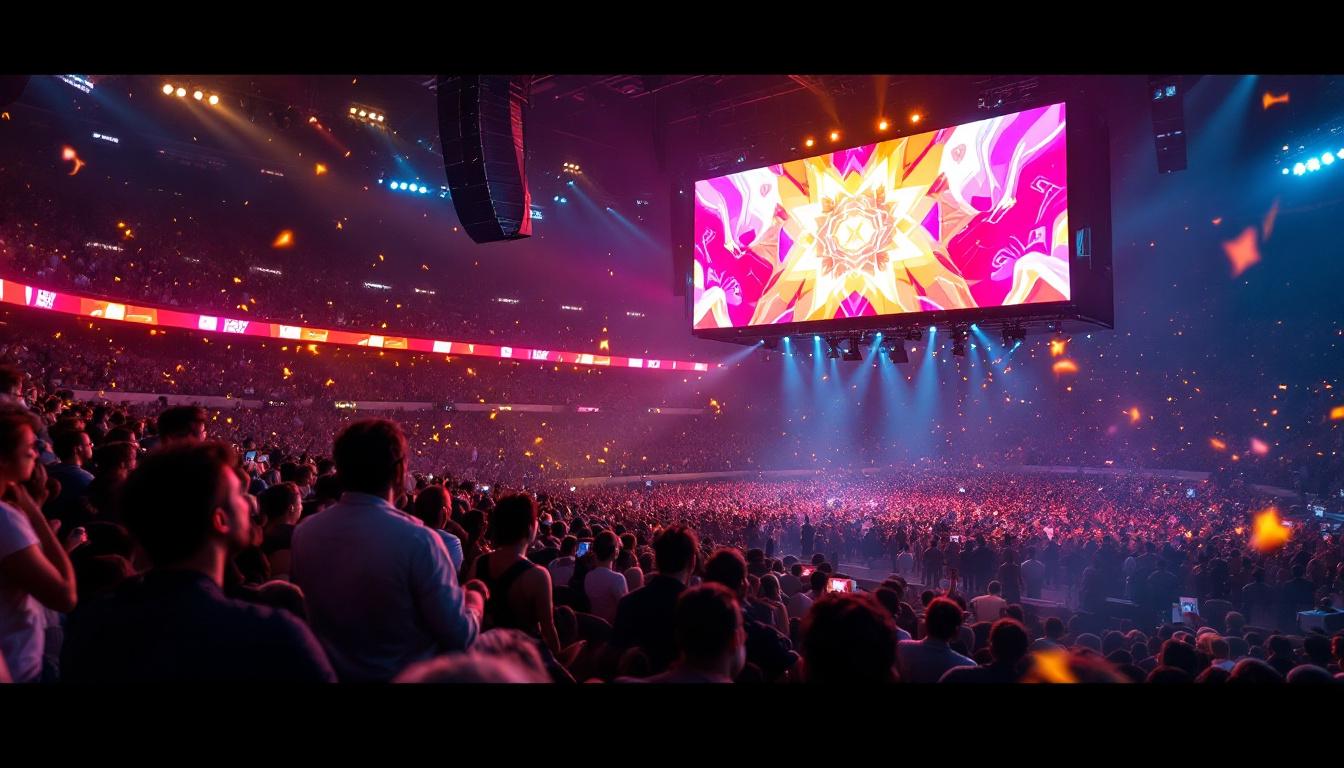
Concerts, sports arenas, and live events rely heavily on LED displays to provide immersive visual experiences. Pixel brewing allows these displays to deliver high-resolution video content, intricate graphics, and smooth animations that enhance the atmosphere and audience engagement.
Moreover, the modular nature of pixel-brewed LED displays means they can be customized to fit various shapes and sizes, from curved screens to massive stage backdrops, offering creative freedom to event designers.
Corporate and Educational Environments
In corporate settings, LED displays are used for presentations, video conferencing, and digital whiteboards. Pixel-optimized screens ensure that text and images are clear and legible, reducing eye strain and improving communication effectiveness.
Educational institutions also benefit from high-quality LED displays, which support interactive learning and multimedia presentations. The ability to display detailed graphics and videos with accurate colors enhances the overall educational experience.
Future Trends in Pixel Brewing and LED Technology
The LED display industry is continuously evolving, driven by innovations in pixel technology and manufacturing processes. Several emerging trends are set to redefine what pixel brewing entails in the coming years.
Micro-LED and Nano-LED Displays
Micro-LED technology represents a significant leap forward, featuring pixels that are hundreds of times smaller than traditional LEDs. This enables ultra-high-resolution displays with exceptional brightness and contrast, suitable for applications ranging from smartphones to large-scale video walls.
Nano-LEDs, still in the research phase, promise even greater pixel density and energy efficiency. These advancements will allow for displays that are thinner, more flexible, and capable of producing richer colors with lower power consumption.
Artificial Intelligence in Pixel Calibration
Artificial intelligence (AI) is beginning to play a role in pixel brewing by automating calibration and maintenance processes. AI algorithms can analyze pixel performance in real-time, predict potential failures, and adjust settings to optimize display quality without human intervention.
This smart approach reduces downtime and maintenance costs while ensuring consistent performance, particularly in large-scale installations where manual calibration would be impractical.
Sustainability and Energy Efficiency
As environmental concerns grow, manufacturers are focusing on making LED displays more sustainable. Advances in pixel design contribute to lower energy consumption by improving the luminous efficacy of each diode and enabling adaptive brightness control based on ambient light conditions.
Additionally, the use of recyclable materials and eco-friendly manufacturing processes is becoming more prevalent, aligning pixel brewing practices with global sustainability goals.
Conclusion
Pixel brewing in LED displays is a complex yet fascinating process that underpins the stunning visuals seen in modern digital signage, entertainment, and communication platforms. Understanding the intricacies of pixel design, assembly, and calibration reveals why LED displays continue to dominate the visual technology landscape.
As technology advances, pixel brewing will become even more sophisticated, integrating cutting-edge materials, AI-driven calibration, and sustainable practices. For businesses and consumers alike, this means brighter, clearer, and more engaging visual experiences that are both efficient and environmentally responsible.
Whether you are a display manufacturer, a digital marketer, or simply a technology enthusiast, appreciating the art and science of pixel brewing offers valuable insight into the future of LED displays and their growing impact on how we see and interact with the world.
Discover the Future of Visual Technology with LumenMatrix
Ready to experience the pinnacle of pixel perfection? LumenMatrix is at the forefront of LED display innovation, offering a diverse range of solutions that bring your visual communication to life. From vibrant Indoor LED Wall Displays to dynamic Outdoor LED Wall Displays, and from sleek LED Poster Displays to immersive LED Sports and Floor Displays, our technology is designed to captivate and engage. Embrace the future with Custom, All-in-One, and Transparent LED Displays that set new standards in the industry. Don’t just take our word for it; check out LumenMatrix LED Display Solutions and see how we can transform your space with unparalleled clarity and impact.