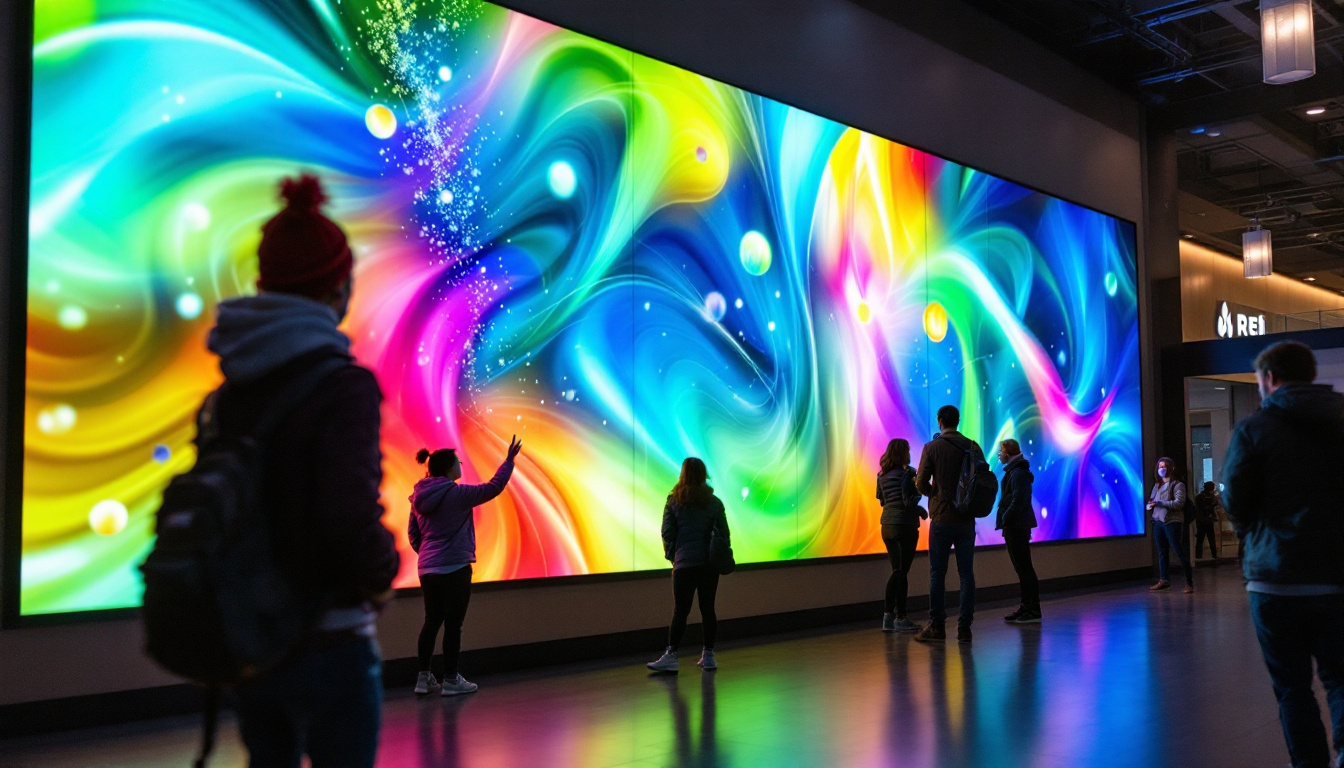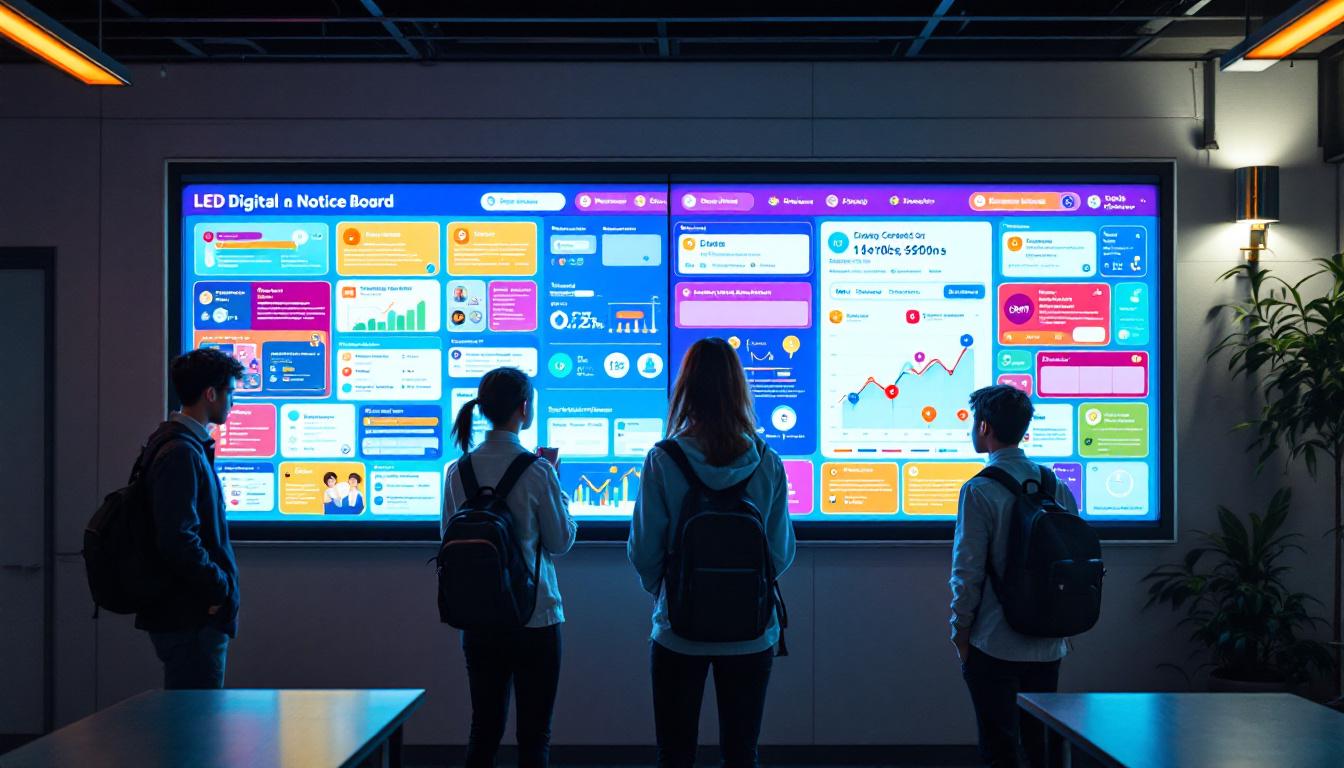
In the rapidly evolving world of digital signage and visual communication, LED displays have become a cornerstone technology. Among the many innovations in this field, the concept of a “Pixel Cloud” stands out as a transformative approach to how LED displays are designed, perceived, and utilized. This article delves into the fundamentals of Pixel Cloud technology, its applications, advantages, and the future it promises for industries ranging from advertising to entertainment.
Understanding LED Displays: The Basics
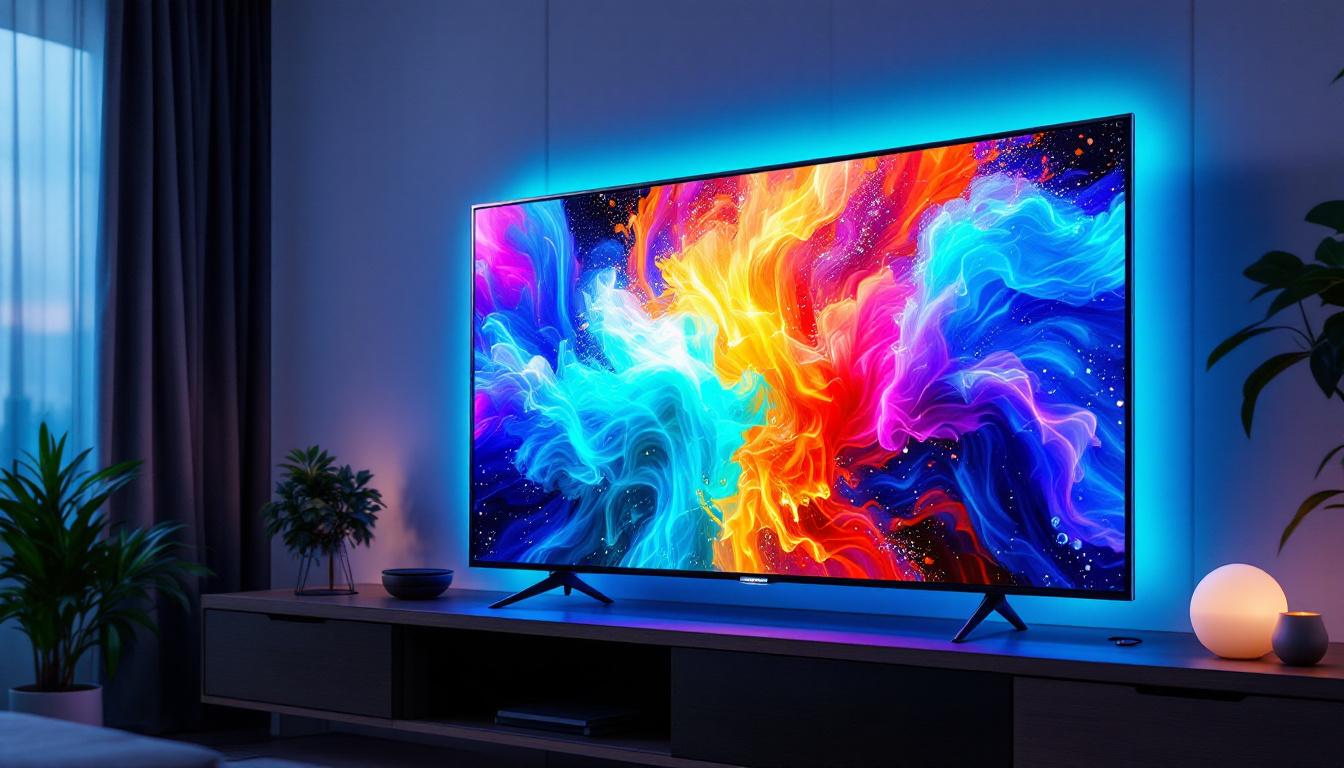
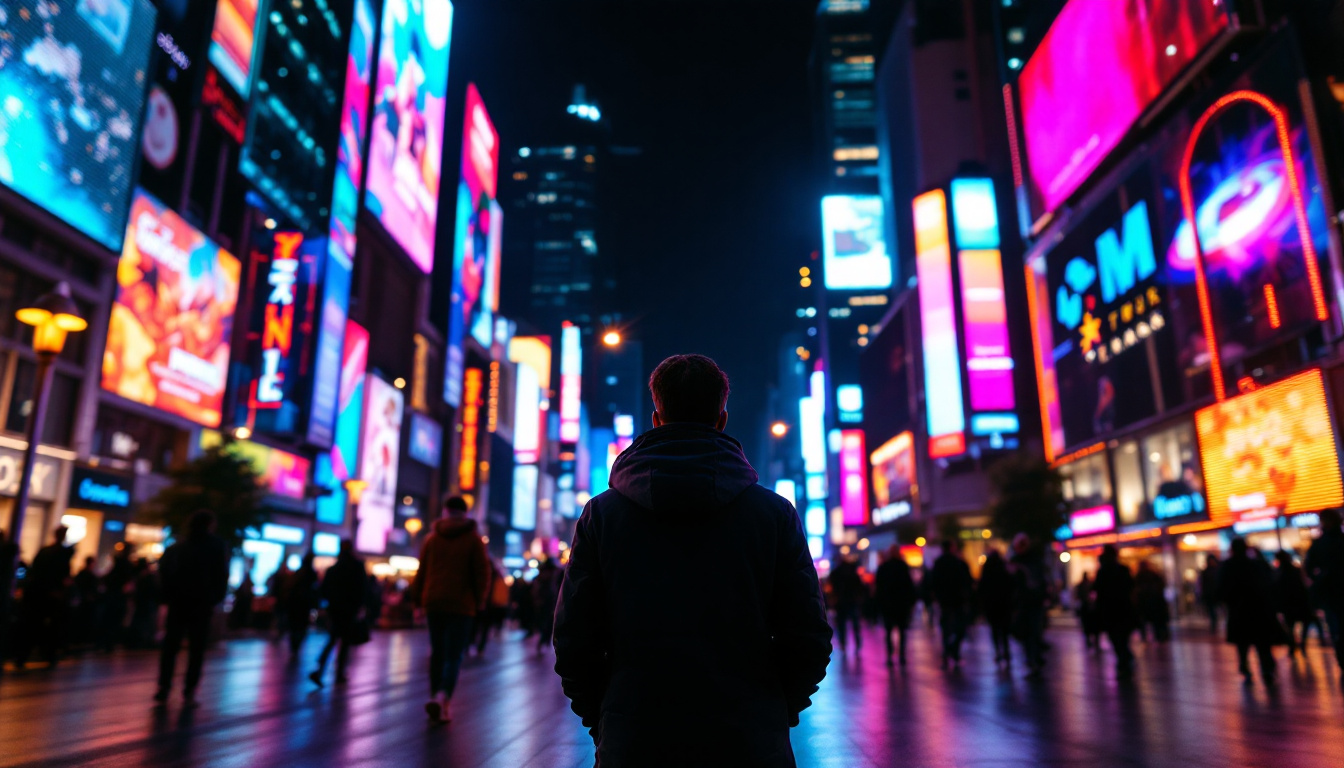
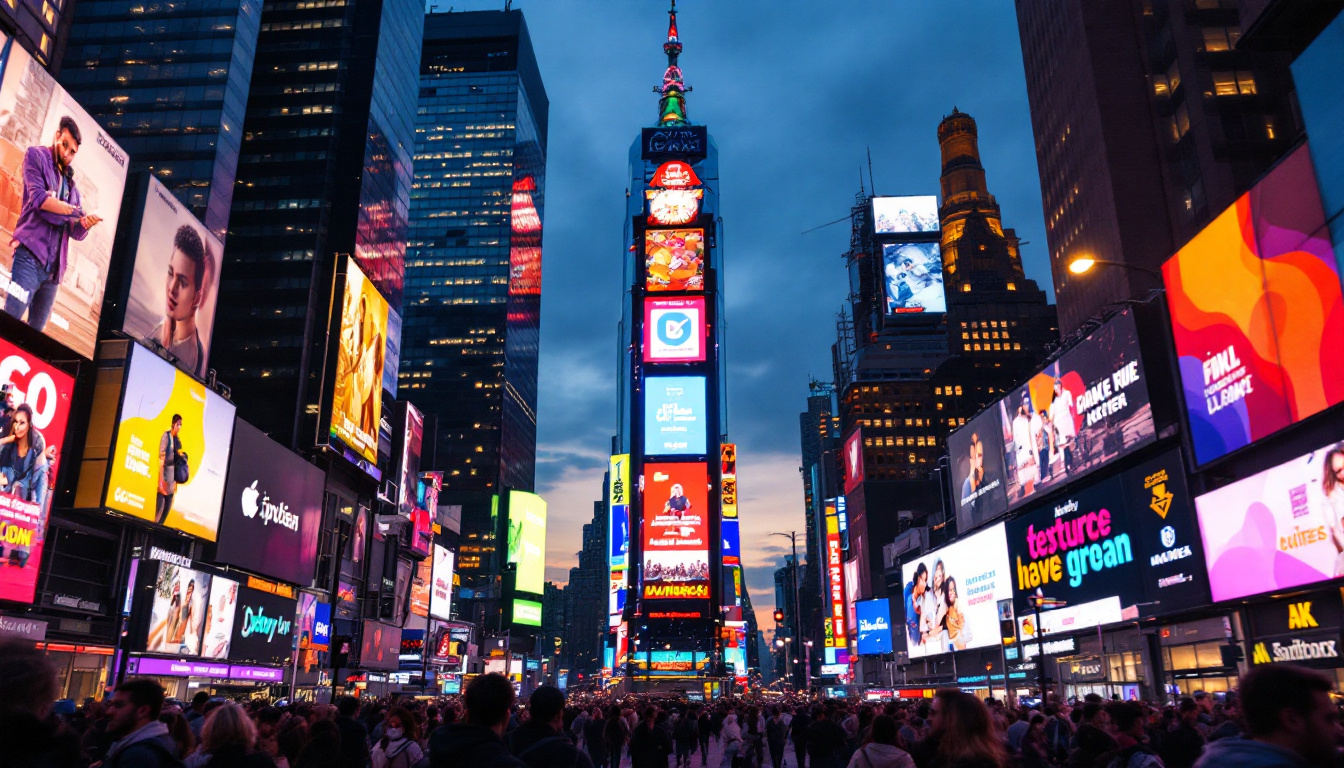
Before exploring Pixel Cloud technology, it’s essential to grasp the foundational principles of LED displays. LED, or Light Emitting Diode, displays consist of numerous tiny light sources—LEDs—that collectively form images and videos. These displays are known for their brightness, energy efficiency, and versatility, making them ideal for both indoor and outdoor environments. The technology behind LED displays has evolved significantly over the years, leading to advancements that enhance their performance and adaptability. From digital signage in bustling urban centers to large-scale installations in sports arenas, LED displays have become a ubiquitous part of modern visual communication.
LED displays vary widely in resolution, size, and pixel pitch—the distance between the centers of two adjacent pixels. The pixel pitch directly affects the image clarity and viewing distance. For instance, a smaller pixel pitch means higher resolution and sharper images, suitable for close-up viewing, while larger pixel pitches are common in large-scale outdoor billboards where viewers are farther away. Additionally, the choice of pixel pitch can influence the overall cost of the display, as finer pitches often require more intricate manufacturing processes and materials, thus impacting the budget for projects that utilize LED technology.
What is a Pixel in LED Displays?
A pixel in an LED display is the smallest controllable element that can emit light. Typically, each pixel contains three sub-pixels—red, green, and blue LEDs—that combine to produce a full spectrum of colors. By adjusting the intensity of each sub-pixel, the display can render millions of colors, creating vibrant and dynamic images. This RGB model is fundamental to color reproduction in digital displays, allowing for a wide range of applications, from advertising to artistic installations. Furthermore, advancements in pixel technology have led to innovations such as microLED and miniLED displays, which promise even greater color accuracy and energy efficiency, pushing the boundaries of what is possible in visual technology.
Limitations of Traditional LED Displays
Traditional LED displays, while effective, have certain limitations. They are generally flat, rigid panels that require significant infrastructure for installation. Their fixed shape and size can limit creative possibilities, and in some cases, the viewing angles and uniformity of brightness can be suboptimal. These challenges have driven innovation toward more flexible and immersive display technologies, such as the Pixel Cloud. The rigid nature of traditional displays can also pose challenges in environments where space is at a premium or where unique architectural designs are involved. As a result, the industry has seen a shift towards modular designs that allow for seamless integration into various environments, enabling displays that can bend, curve, or even wrap around surfaces, thereby enhancing the viewer’s experience. This evolution not only addresses the limitations of traditional displays but also opens up new avenues for creative expression in digital media.
What is Pixel Cloud Technology?
Pixel Cloud technology represents a paradigm shift from traditional LED panels to a more three-dimensional, modular, and dynamic display system. Instead of a flat screen composed of tightly packed pixels, a Pixel Cloud consists of numerous individual LED nodes suspended in space, each acting as an independent pixel.
Defining the Pixel Cloud
A Pixel Cloud is essentially a volumetric LED display made up of multiple LED nodes arranged in a three-dimensional space. These nodes are often attached to transparent or minimalistic structures, such as thin wires or frames, creating a “cloud” of light points that can be viewed from multiple angles. This structure enables displays that are not confined to flat surfaces, offering new creative possibilities.
How Pixel Cloud Differs from Traditional LED Displays
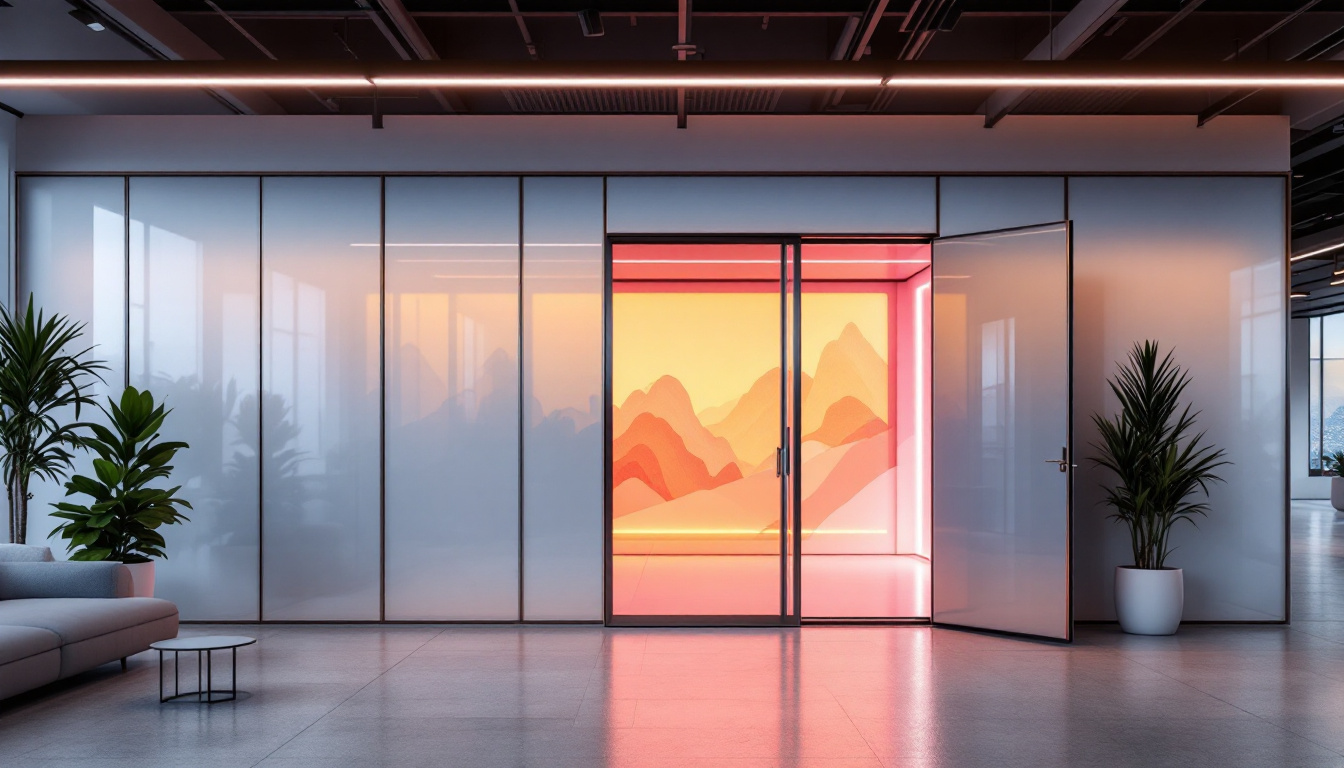
Unlike conventional LED displays, which are two-dimensional and rely on a solid backing, Pixel Clouds are spatially distributed and semi-transparent. This means they can be integrated into architectural designs without obstructing views or natural light. The transparency and three-dimensionality allow for immersive visual experiences that blend digital content with physical space.
Technical Components of a Pixel Cloud
Each LED node in a Pixel Cloud is equipped with microcontrollers, power management, and wireless communication modules to synchronize and control the display. The nodes work in concert to render images, animations, or interactive content. Advanced software algorithms manage the spatial positioning and color calibration to ensure seamless visual coherence.
Applications of Pixel Cloud Displays
Pixel Cloud technology is already making waves across multiple industries, offering unique advantages where traditional displays fall short. Its flexibility, transparency, and immersive qualities open doors to innovative use cases.
Retail and Advertising
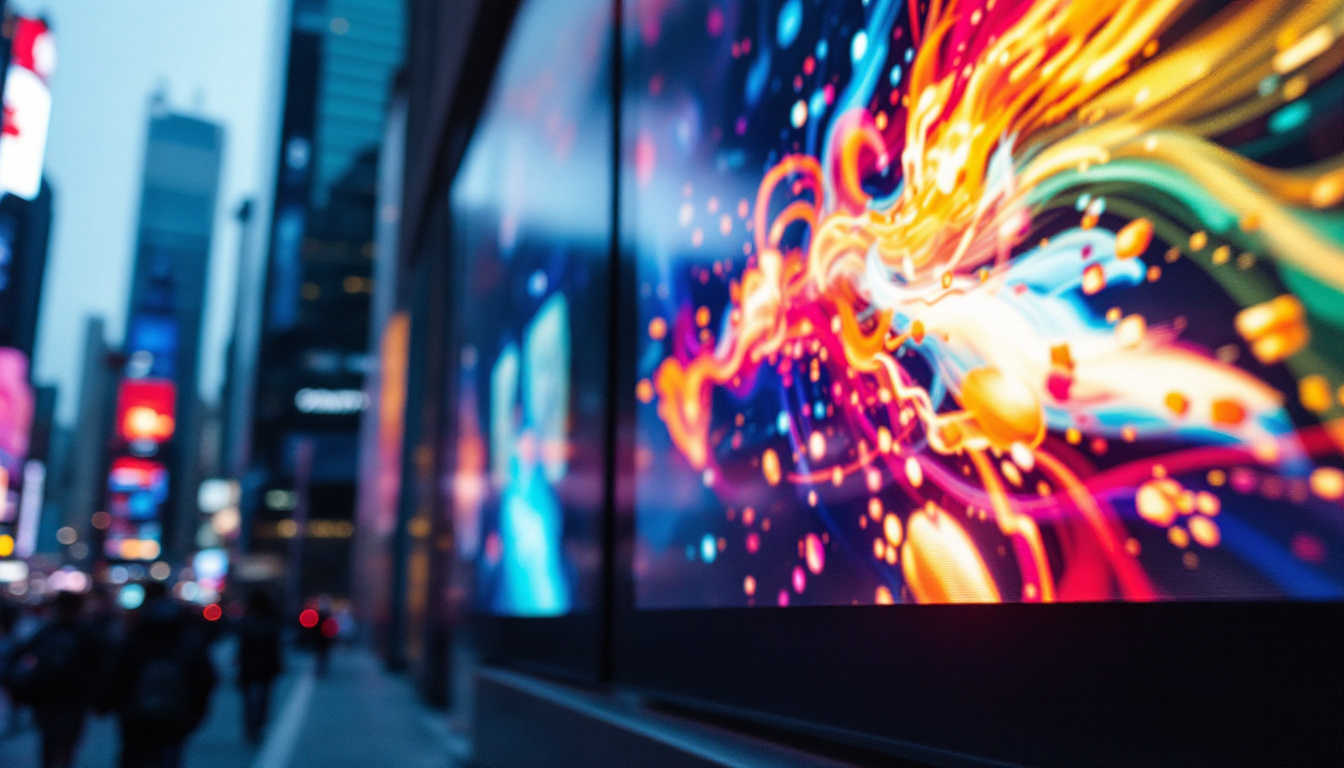
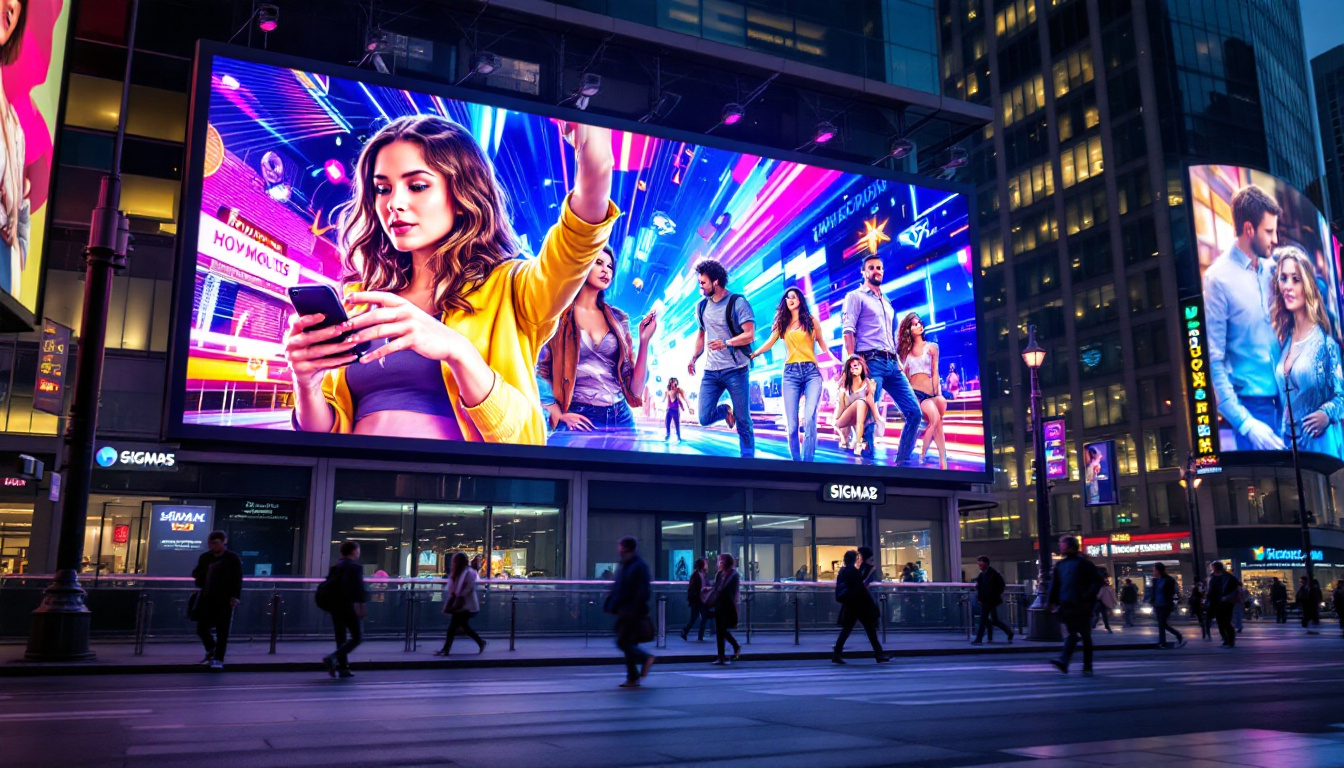
In retail environments, Pixel Clouds can create eye-catching window displays that attract customers without blocking natural light or visibility into the store. Brands can showcase dynamic content that interacts with passerby movements, enhancing engagement. For example, luxury fashion boutiques have used Pixel Clouds to display animated logos or product highlights suspended in mid-air, elevating the shopping experience.
Entertainment and Events
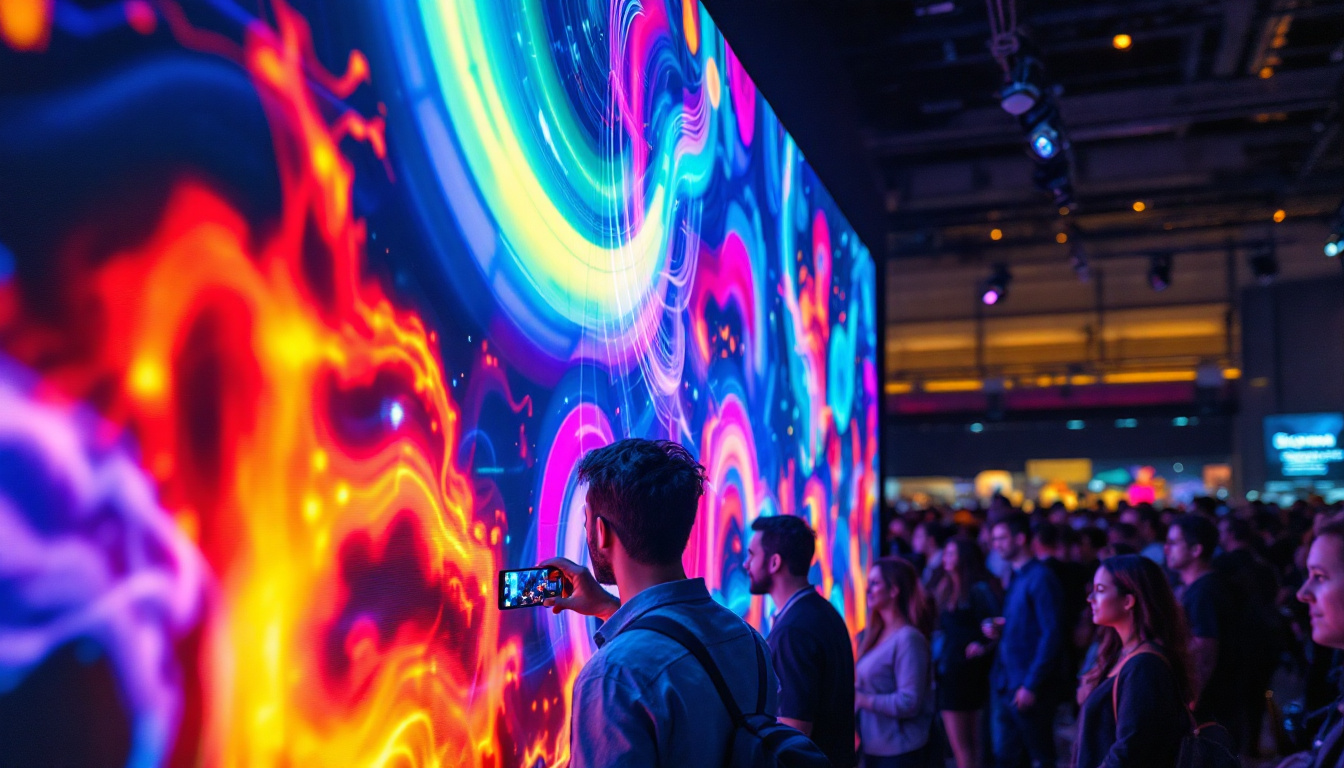
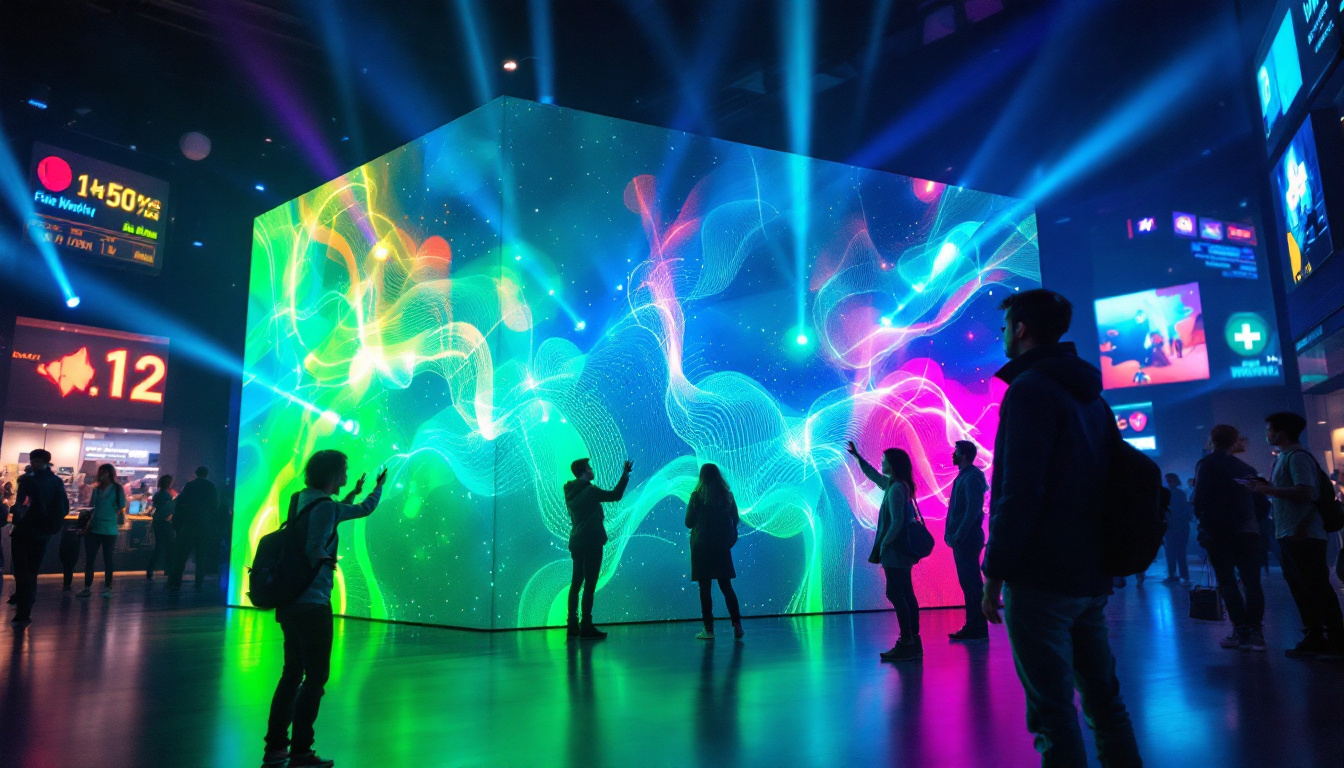
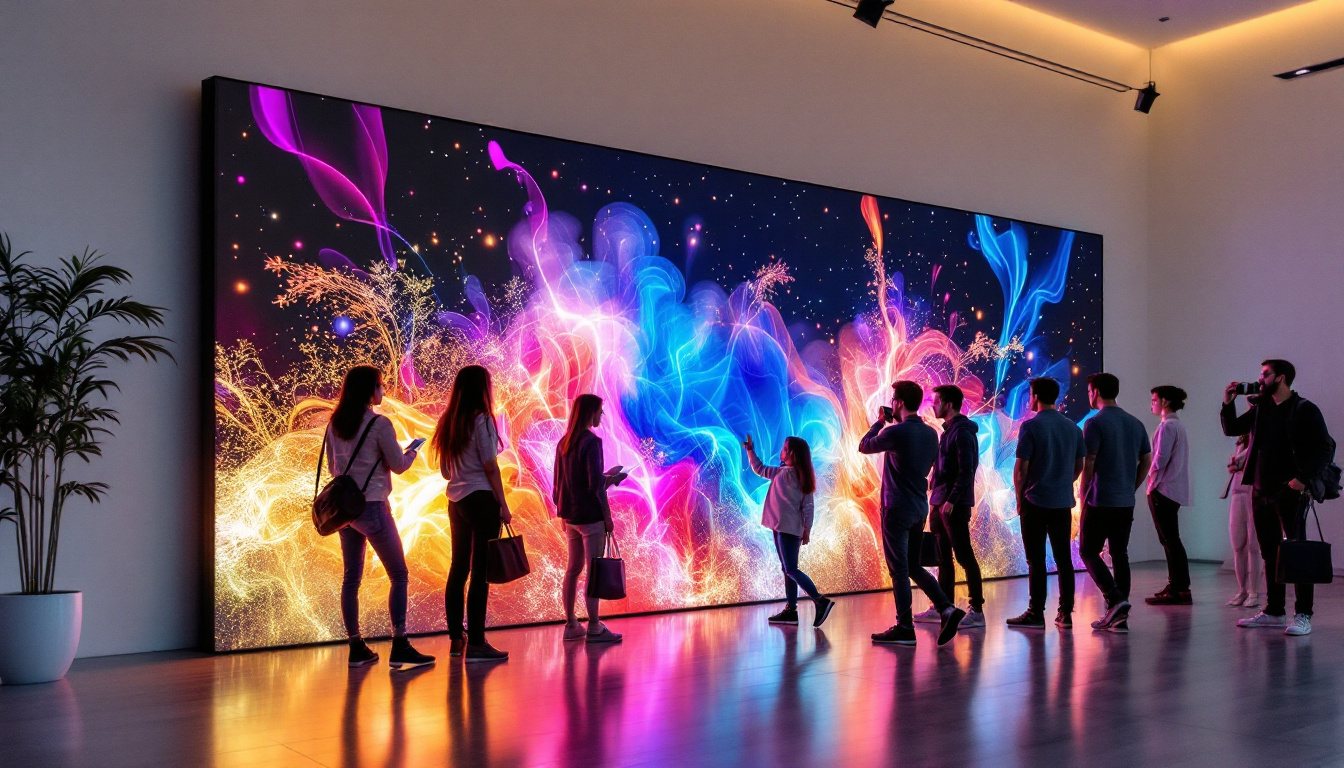
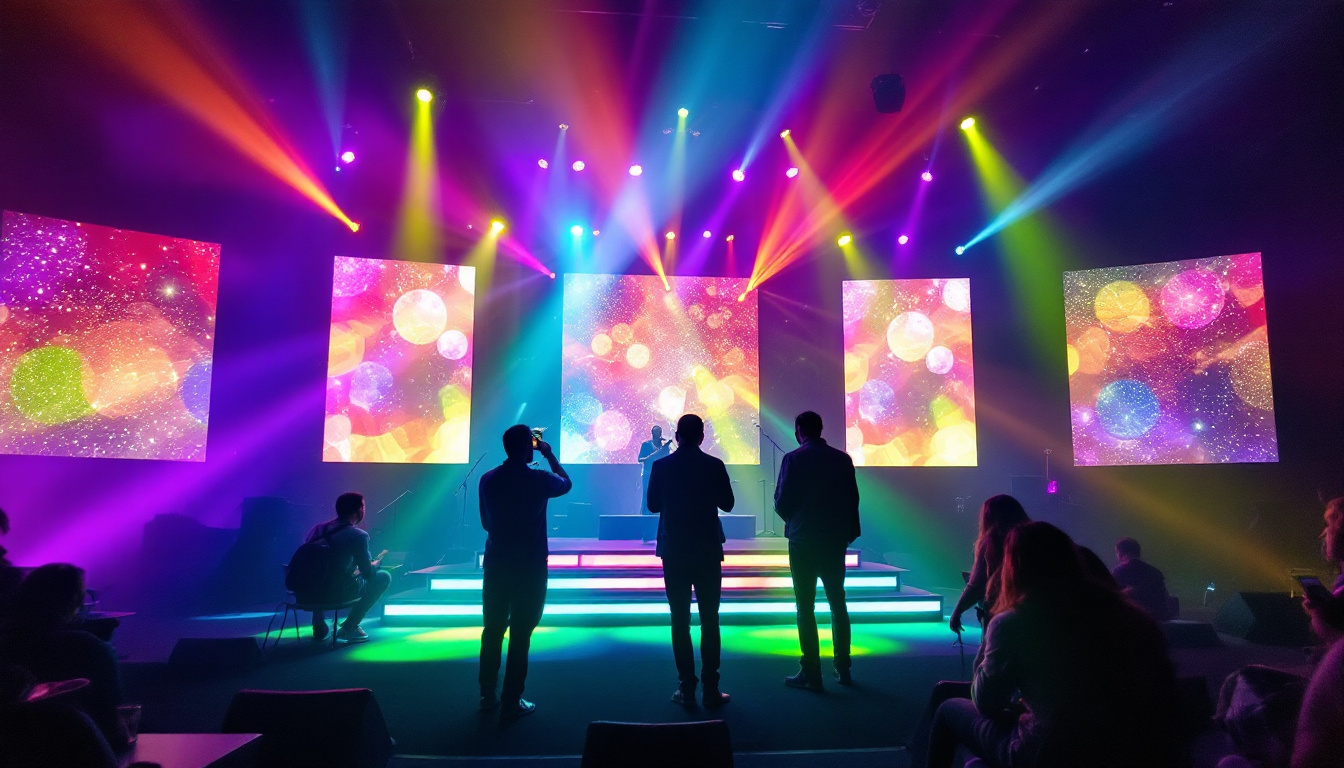
Concerts, exhibitions, and festivals benefit from Pixel Cloud installations by adding depth and motion to stage visuals. The 3D nature of Pixel Clouds allows for captivating light shows that envelop audiences, creating immersive atmospheres. Some music festivals have integrated Pixel Clouds into their stage design, synchronizing LED nodes with live music to produce mesmerizing effects.
Architecture and Interior Design
Architects and interior designers use Pixel Clouds to incorporate digital art and information displays into building facades and interiors without compromising aesthetics or functionality. For instance, a corporate lobby might feature a Pixel Cloud installation that displays company data or artistic visuals while maintaining an open, airy feel.
Transportation Hubs and Public Spaces
Airports and train stations are exploring Pixel Clouds for wayfinding and information displays that are visible from multiple angles and distances. The lightweight and modular nature of Pixel Clouds make them suitable for large atriums and concourses where traditional screens might be impractical.
Advantages of Pixel Cloud LED Displays
Pixel Cloud technology offers several compelling benefits over traditional LED displays, making it an attractive choice for forward-thinking applications.
Transparency and Lightness
One of the most significant advantages is the transparency of Pixel Clouds. Since the LED nodes are spaced apart and suspended, they allow light and air to pass through, preserving the openness of the environment. This is especially valuable in retail and architectural contexts where maintaining natural light and sightlines is crucial.
3D and Multi-Angle Viewing
Pixel Clouds create a volumetric effect, allowing viewers to experience content from different perspectives. This multi-angle visibility enhances engagement and can be used to create interactive installations that respond to viewer movement or environmental changes.
Customizable Shapes and Sizes
Because Pixel Clouds are modular, they can be configured into various shapes and sizes, adapting to unique spatial requirements. Whether it’s a curved installation wrapping around a staircase or a suspended cluster in a lobby, the flexibility is unmatched by rigid LED panels.
Energy Efficiency and Durability
Modern LED nodes used in Pixel Clouds are energy-efficient and designed for long-term durability. Their distributed nature means that individual nodes can be replaced or upgraded without dismantling the entire installation, reducing maintenance costs and downtime.
Challenges and Considerations
Despite its many advantages, Pixel Cloud technology also presents challenges that must be addressed for successful deployment.
Cost and Complexity
Pixel Cloud installations can be more expensive upfront compared to traditional LED displays due to the complexity of hardware, software, and installation requirements. Custom engineering and programming are often necessary to achieve the desired visual effects and integration.
Resolution and Image Density
Because the LED nodes are spaced apart, Pixel Clouds typically have lower pixel density than traditional LED screens. This can limit the resolution and detail of displayed content, making them more suitable for abstract visuals, animations, or text rather than high-definition video playback.
Environmental Factors
Outdoor Pixel Clouds must be designed to withstand weather conditions such as wind, rain, and temperature fluctuations. Ensuring durability and consistent performance in these environments requires robust materials and protective measures.
The Future of Pixel Cloud Displays
As LED technology continues to advance, the potential for Pixel Cloud displays is expanding. Innovations in miniaturization, wireless communication, and artificial intelligence are poised to enhance the capabilities and accessibility of Pixel Clouds.
Integration with Augmented Reality (AR)
Combining Pixel Clouds with AR technology could create hybrid experiences where physical LED nodes interact with virtual content viewed through AR devices. This fusion would deepen immersion and open new avenues for storytelling and marketing.
Smart and Interactive Environments
Future Pixel Cloud installations may incorporate sensors and AI to respond dynamically to environmental cues, audience behavior, or real-time data. Imagine a Pixel Cloud that changes its display based on weather conditions or the number of people in a space, creating personalized and context-aware experiences.
Advancements in Materials and Energy Efficiency
Research into flexible, transparent materials and ultra-low-power LEDs will likely make Pixel Clouds more affordable, sustainable, and easier to install. These improvements will accelerate adoption across diverse sectors.
Conclusion
Pixel Cloud technology represents a fascinating evolution in LED display systems, offering unparalleled flexibility, transparency, and immersive potential. While challenges remain in cost and resolution, the benefits for creative expression, architectural integration, and audience engagement are compelling.
As industries seek innovative ways to communicate and captivate audiences, Pixel Clouds provide a versatile platform that blends digital content seamlessly with physical space. With ongoing advancements, this technology is set to redefine the future of visual displays, making it an exciting area to watch for marketers, designers, and technologists alike.
Discover the Future of LED Displays with LumenMatrix
Ready to elevate your visual communication to new heights? LumenMatrix is at the forefront of the LED display revolution, offering a wide array of innovative solutions that bring your brand to life. From immersive Indoor and Outdoor LED Wall Displays to dynamic Vehicle and Sports LED Displays, our technology is designed to captivate and engage. Experience the difference with our Custom, All-in-One, and Transparent LED Displays, each crafted to deliver your message with unparalleled clarity and impact. Check out LumenMatrix LED Display Solutions today and join the vanguard of visual innovation.