In the rapidly evolving world of digital displays, understanding technical terms is essential for making informed decisions, whether for advertising, events, or architectural installations. One such critical term is pixel pitch, a fundamental concept that directly influences display quality, viewing distance, and overall user experience. This article delves deep into the definition of pixel pitch, its significance in LED displays, and how it affects various applications.
What is Pixel Pitch?
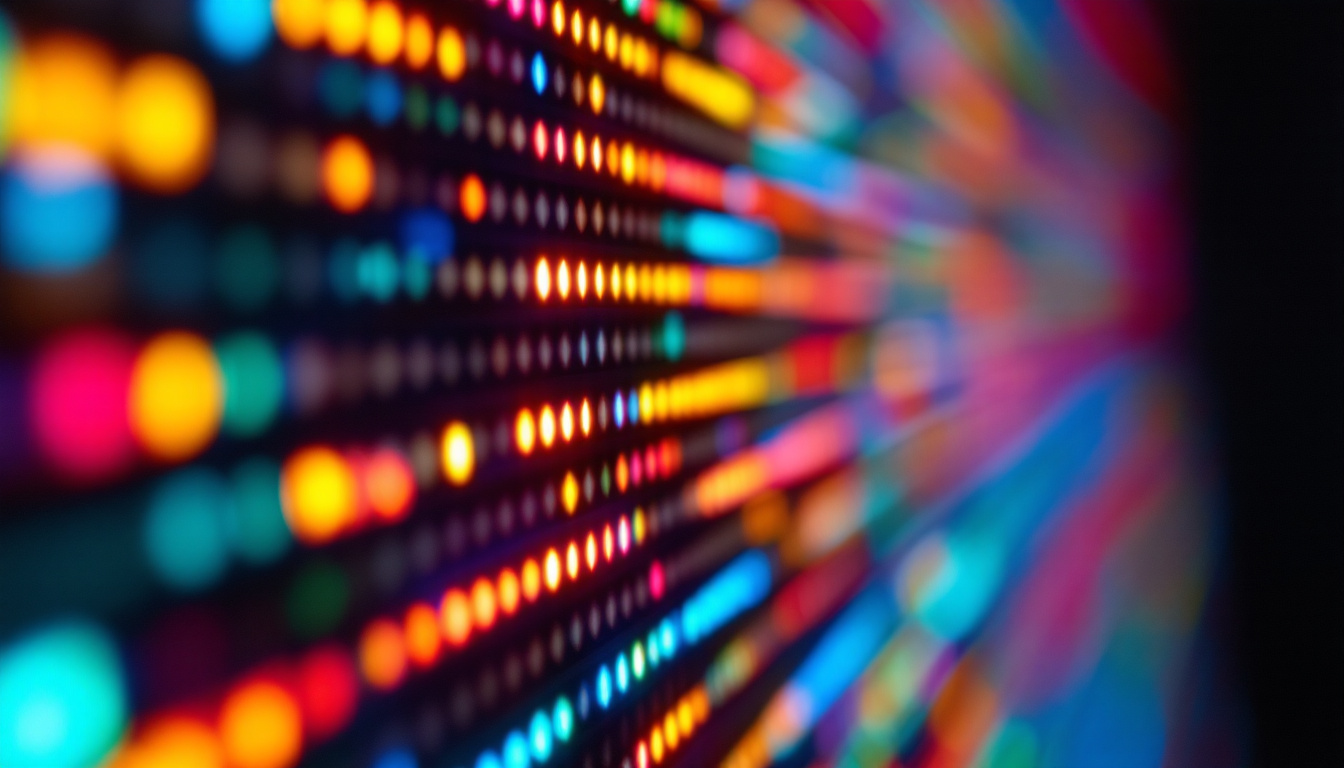
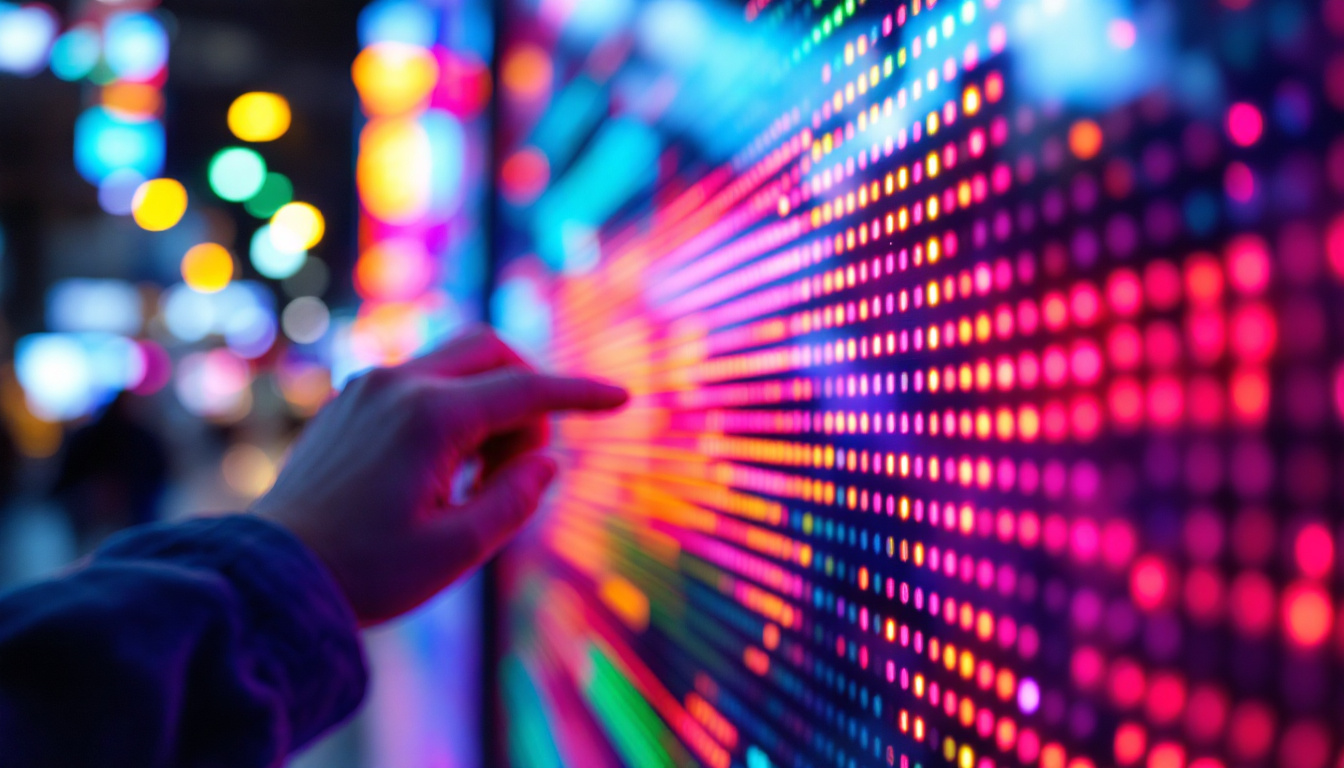
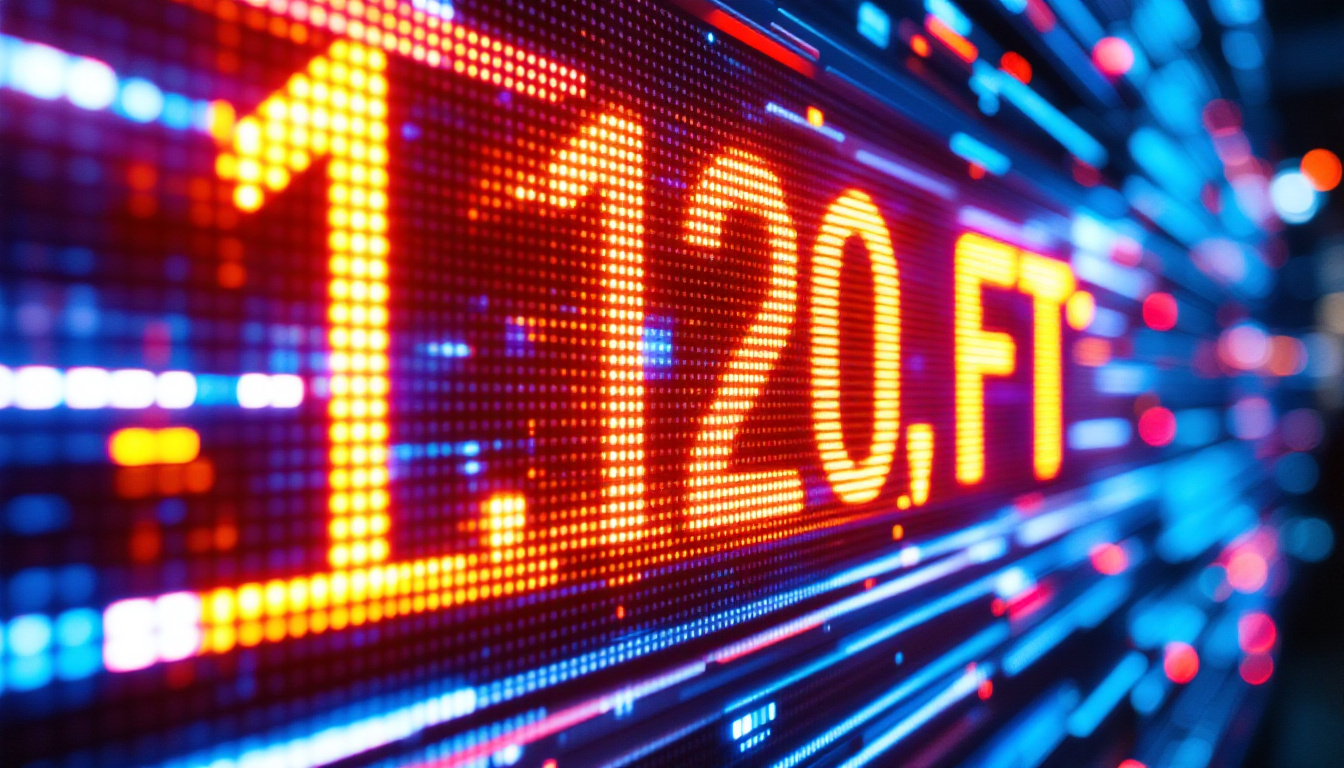
Pixel pitch refers to the distance between the centers of two adjacent pixels on an LED display, usually measured in millimeters (mm). It essentially determines the density of pixels on the screen. The smaller the pixel pitch, the closer the pixels are to each other, resulting in a higher pixel density and sharper image quality.
For example, a display with a pixel pitch of 1.5mm means there is a 1.5mm gap between the centers of two neighboring pixels. In contrast, a display with a 10mm pixel pitch has pixels spaced much further apart, which affects the clarity and resolution of the image, especially when viewed up close.
Pixel pitch is a critical specification in LED technology because it directly impacts the resolution and visual performance of the display. It is one of the primary factors that determine how detailed and crisp the image will appear to the viewer.
How Pixel Pitch is Measured
Pixel pitch is typically measured from the center of one LED cluster (or pixel) to the center of the adjacent LED cluster, horizontally and vertically. This measurement assumes the pixels are arranged in a grid pattern, which is standard for most LED displays.
In LED displays, each pixel may consist of one or more LEDs. For example, a full-color pixel often includes three LEDs—red, green, and blue—that combine to create the desired color output. The pixel pitch measurement accounts for the distance between these pixel centers, not the individual LEDs themselves.
Why Pixel Pitch Matters in LED Displays
Pixel pitch is more than just a technical specification; it has practical implications for the display’s performance, cost, and suitability for different environments. Understanding pixel pitch helps businesses and consumers choose the right display based on viewing distance, image quality requirements, and budget.
Impact on Image Resolution and Clarity
A smaller pixel pitch means more pixels per square meter, leading to higher resolution and finer image detail. This is especially important for displays intended to be viewed up close, such as indoor digital signage, control rooms, or retail environments. For instance, an LED display with a 1.2mm pixel pitch can deliver near-4K resolution on a relatively small screen, making it suitable for close-proximity viewing.
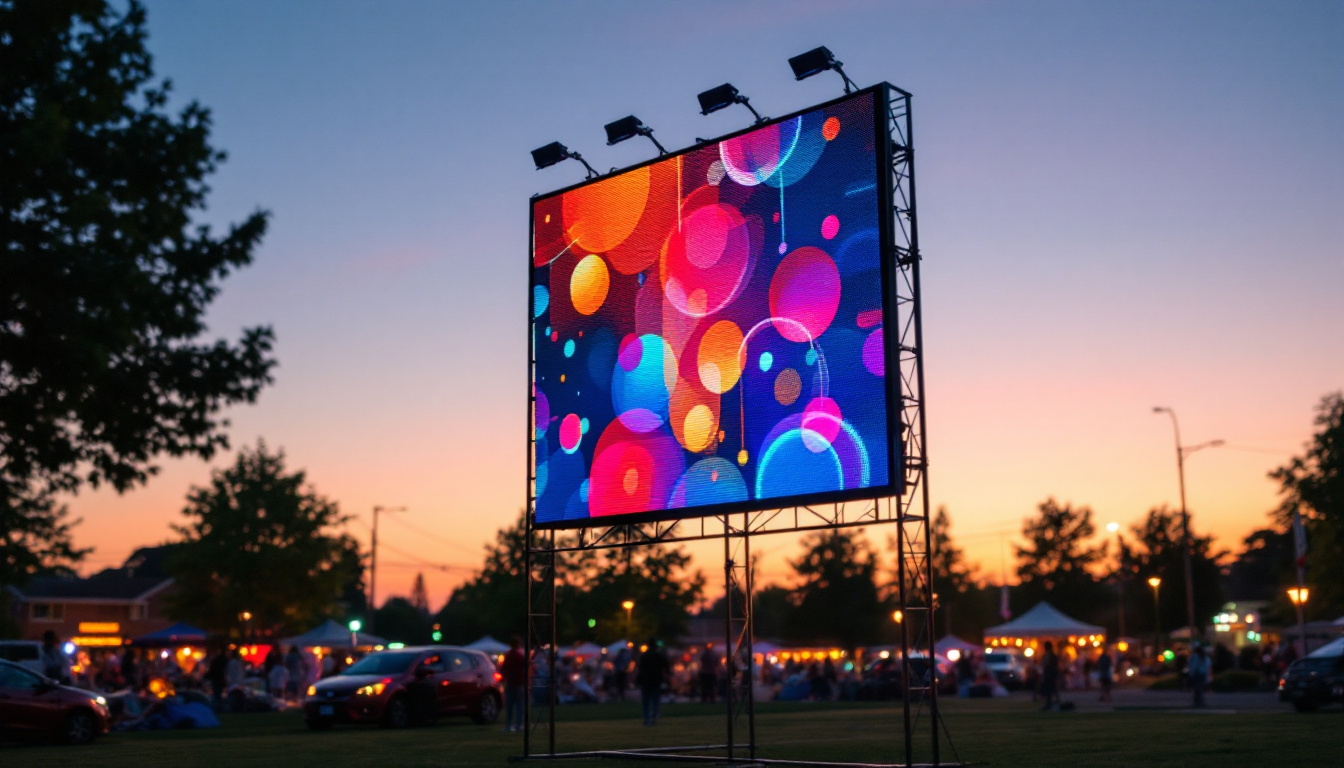
Conversely, a larger pixel pitch results in fewer pixels per square meter, which reduces resolution and image sharpness. However, this is acceptable or even preferable for large outdoor displays or billboards, where viewers are typically farther away. For example, a 10mm pixel pitch LED screen is ideal for highway billboards, where viewers are at least 30 meters away, and ultra-high resolution is less critical.
Optimal Viewing Distance
One of the most important considerations when selecting pixel pitch is the optimal viewing distance. This is the minimum distance from which the display’s image appears crisp and clear without visible pixelation.
A general rule of thumb is that the optimal viewing distance (in meters) is approximately 1 to 1.5 times the pixel pitch (in millimeters). For example, a 2mm pixel pitch display is best viewed from about 2 to 3 meters away. This relationship helps ensure that the human eye cannot distinguish individual pixels, providing a seamless viewing experience.
Choosing a pixel pitch that matches the expected viewing distance prevents overspending on unnecessarily high-resolution displays or underspending on displays that appear pixelated and unprofessional.
Cost Implications
Smaller pixel pitch displays are generally more expensive due to the higher number of LEDs, increased manufacturing complexity, and more advanced electronics required to drive the dense pixel matrix. For example, an indoor LED wall with a 1.2mm pixel pitch can cost several times more per square meter than an outdoor display with a 10mm pixel pitch.
Therefore, understanding pixel pitch helps balance quality and budget. Businesses can avoid overspending on ultra-high-resolution displays when a larger pixel pitch would suffice, or conversely, prevent investing in a low-resolution screen that undermines brand perception.
Types of Pixel Pitch and Their Applications
LED displays come in a variety of pixel pitches, each suited for specific environments and use cases. Below is an overview of common pixel pitch ranges and their typical applications.
Fine Pixel Pitch (≤ 2.5mm)
Fine pixel pitch LED displays, often called narrow pixel pitch or fine pitch, have pixel pitches of 2.5mm or less. These displays offer high resolution and exceptional image clarity, making them ideal for indoor applications where viewers are close to the screen.
Common uses include:
- Corporate conference rooms and auditoriums
- Broadcast studios and control rooms
- Retail stores and shopping malls
- Exhibition booths and museums
These displays can deliver stunning visuals, including detailed text and high-definition video, making them perfect for environments where image quality is paramount.
Mid-Range Pixel Pitch (2.5mm to 6mm)
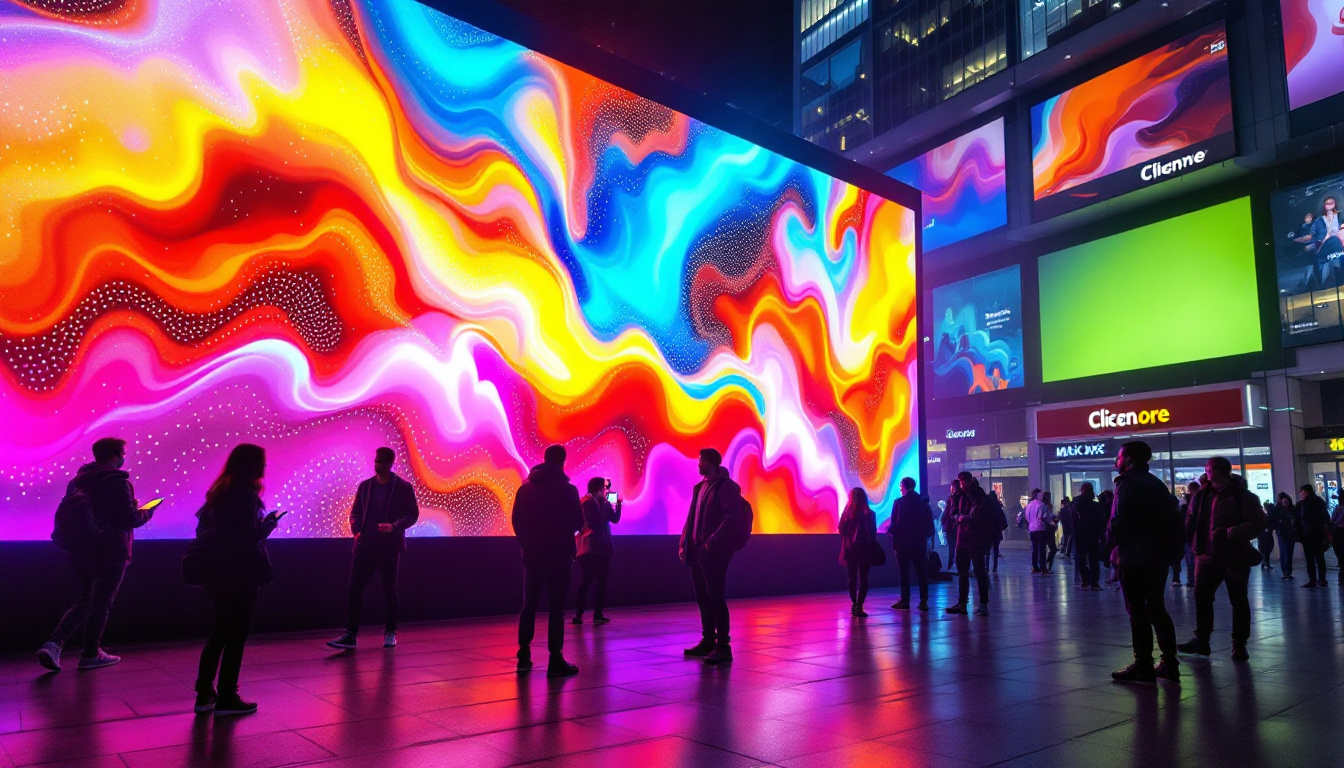
Displays with pixel pitches between 2.5mm and 6mm strike a balance between resolution and cost, suitable for both indoor and semi-outdoor environments. They are often used in venues where viewers may be at moderate distances from the screen.
Typical applications include:
- Event stages and concert backdrops
- Shopping mall atriums and food courts
- Transportation hubs such as airports and train stations
- Sports arenas and gymnasiums
These displays provide good image quality for audiences viewing from several meters away, while keeping costs manageable.
Large Pixel Pitch (≥ 6mm)
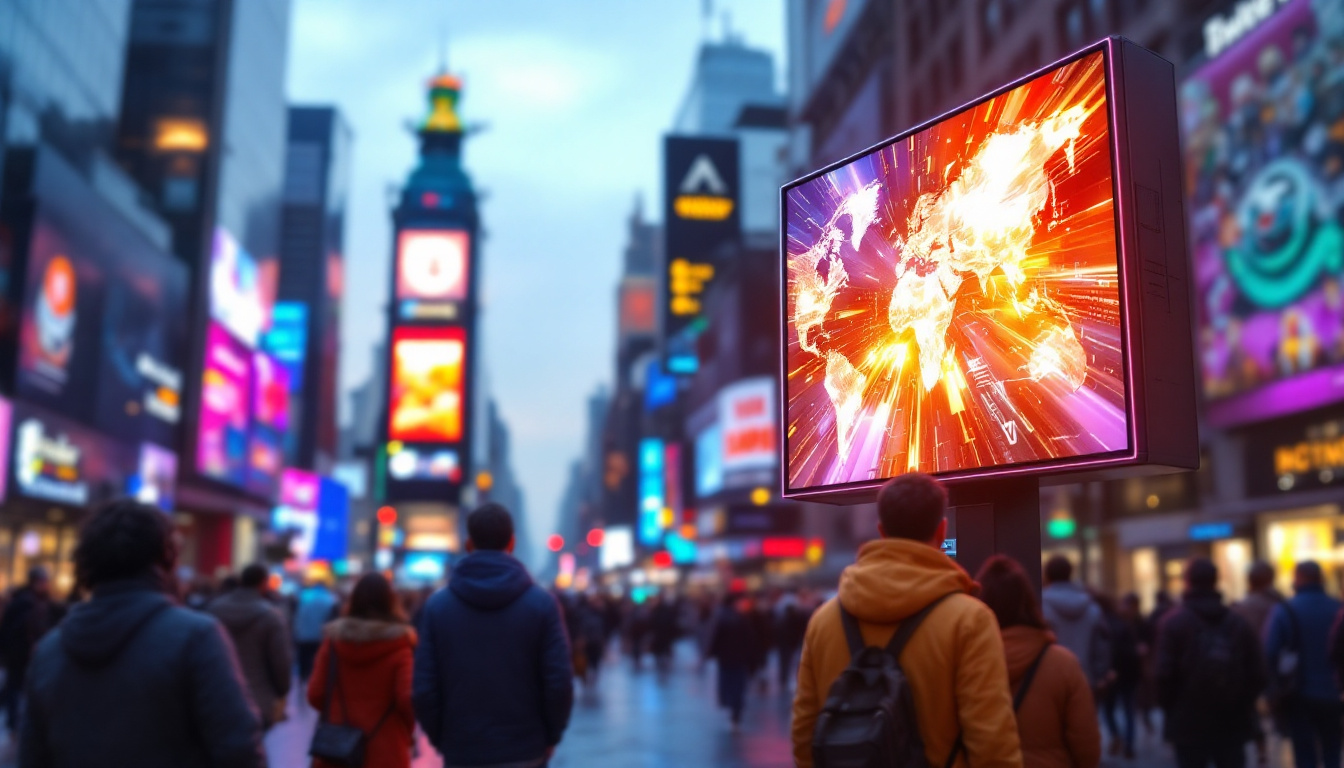
Large pixel pitch LED displays have pixel pitches of 6mm or greater and are primarily used for outdoor applications where viewing distances are significant. These displays prioritize brightness and durability over ultra-high resolution.
Common outdoor uses include:
- Billboards and highway signage
- Stadium perimeter advertising
- Building facade displays
- Public information boards in urban areas
While the image may appear less sharp up close, these displays are designed to be seen clearly from tens of meters away, often in bright sunlight, where brightness and weather resistance are crucial.
Factors Influencing Pixel Pitch Selection
Choosing the right pixel pitch involves multiple considerations beyond just viewing distance and resolution. A well-informed decision requires evaluating several factors to ensure the display meets the specific needs of the application.
Viewing Environment and Ambient Light
Ambient lighting conditions significantly impact display performance. Outdoor LED displays must be bright enough to overcome sunlight glare, which often necessitates larger pixel pitches with higher brightness LEDs.
Indoor environments typically have controlled lighting, allowing for finer pixel pitches and lower brightness levels, which also reduces power consumption and heat generation.
Content Type and Viewing Experience
The nature of the content displayed influences pixel pitch choice. For detailed graphics, text, and high-definition video, a smaller pixel pitch is essential to maintain clarity. Conversely, for simple messages or large-scale visuals viewed from a distance, a larger pixel pitch is sufficient.
For example, a retail store displaying product details and promotional videos benefits from a fine pixel pitch, while a roadside billboard showing simple advertisements can use a larger pixel pitch.
Installation Size and Budget Constraints
The physical size of the display and budget constraints often dictate pixel pitch selection. Larger displays with fine pixel pitch can become prohibitively expensive and complex to install.
In many cases, a compromise between size, resolution, and cost is necessary. Consulting with display manufacturers and experts can help identify the optimal pixel pitch for the project’s scale and financial parameters.
How Pixel Pitch Affects LED Display Technology Trends
Advancements in LED technology continue to push the boundaries of pixel pitch, enabling higher resolutions and more versatile applications. These trends shape the future of digital displays across industries.
Ultra-Fine Pixel Pitch Displays
Recent developments have produced LED displays with pixel pitches below 1mm, sometimes referred to as micro-LED technology. These ultra-fine pixel pitch displays offer near-retina quality, rivaling LCD and OLED screens in sharpness and color accuracy.
Such displays are increasingly used in high-end commercial applications, including command centers, luxury retail, and immersive digital experiences. However, their high cost currently limits widespread adoption.
Flexible and Transparent LED Displays
Innovations in LED packaging and pixel arrangement have led to flexible and transparent LED displays with varying pixel pitches. These allow for creative installations on curved surfaces or glass facades, expanding design possibilities.
Pixel pitch remains a key consideration in these emerging technologies to balance transparency, resolution, and brightness.
Energy Efficiency and Pixel Pitch
Smaller pixel pitch displays, while offering higher resolution, generally consume more power due to the increased number of LEDs. Manufacturers are addressing this through improved LED efficiency and intelligent power management systems.
Choosing the right pixel pitch can contribute to energy savings, especially in large-scale installations where power consumption is a significant operational cost.
Conclusion: Making the Right Pixel Pitch Choice
Pixel pitch is a foundational concept in LED display technology that directly affects image quality, viewing experience, and cost. Understanding its definition and implications helps businesses and consumers select displays tailored to their specific needs.
By considering factors such as viewing distance, environment, content type, and budget, it is possible to find an optimal pixel pitch that balances clarity, performance, and affordability. As LED technology continues to advance, staying informed about pixel pitch and related innovations will be essential for leveraging the full potential of digital displays.
Ultimately, the right pixel pitch ensures that an LED display not only looks impressive but also delivers effective communication and engagement, whether in a retail store, corporate setting, or outdoor advertising campaign.
Discover the Perfect LED Display with LumenMatrix
Ready to elevate your visual experience with the ideal pixel pitch for your needs? LumenMatrix is at the forefront of LED display innovation, offering a diverse range of solutions from Indoor and Outdoor LED Walls to specialized displays for Vehicles, Sports, and even Custom configurations. Embrace the future of visual communication with our cutting-edge technology that promises to captivate your audience and amplify your message. Check out LumenMatrix LED Display Solutions today and transform your space into a dynamic visual spectacle.