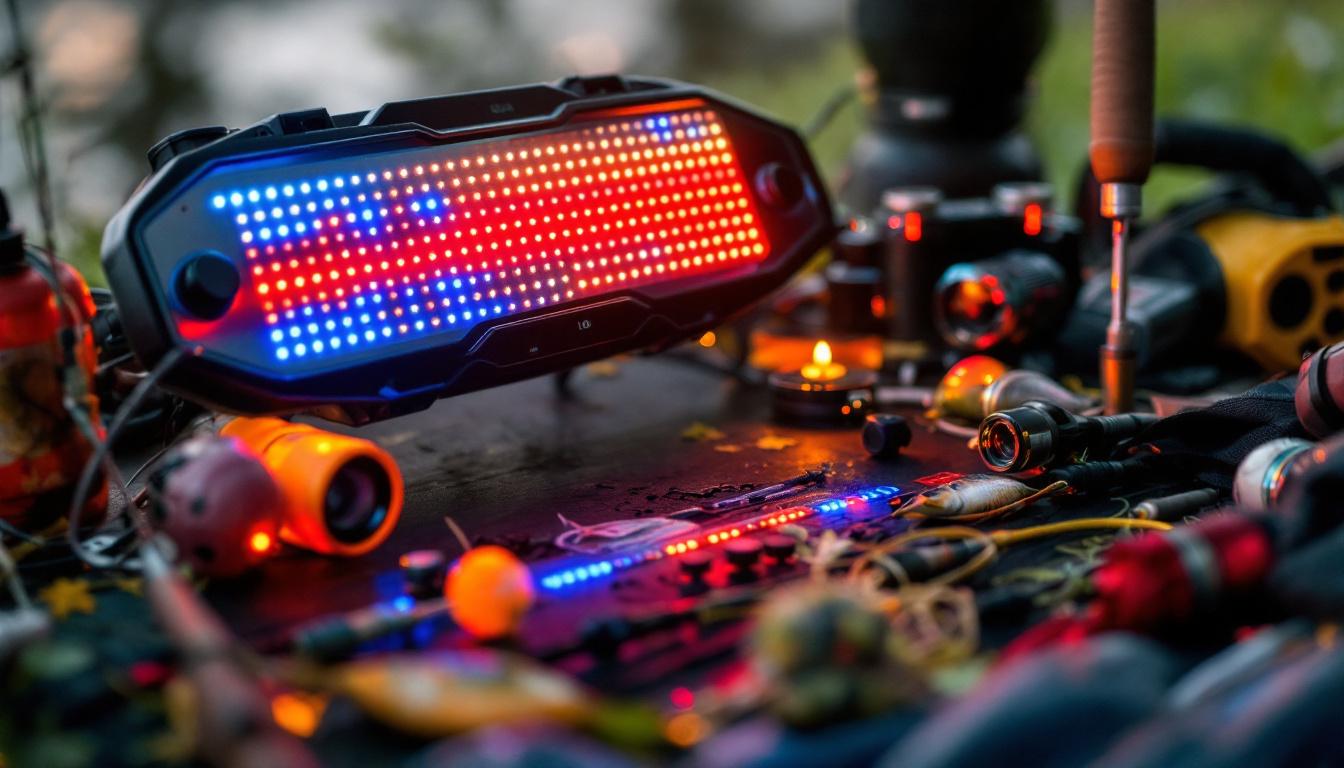
Planer boards are an essential tool in modern fishing, particularly for anglers targeting species like salmon, trout, and walleye. These devices help spread fishing lines away from the boat, increasing the area covered and reducing line tangles. Over recent years, LED displays have become an integral part of planer board setups, enhancing visibility and usability during both day and night fishing.
This article delves into the intricacies of planer board setups with LED displays, explaining how these systems work, their benefits, and tips for optimizing their use. Whether you are a seasoned angler or just starting, understanding the technology behind LED-equipped planer boards can significantly improve your fishing experience.
Understanding Planer Boards and Their Purpose
What Is a Planer Board?
A planer board is a flat, often rectangular device designed to glide across the water’s surface, pulling fishing lines away from the boat. By doing so, it allows anglers to cover a wider swath of water without the lines tangling or interfering with each other. This method is particularly effective in trolling, where multiple lines are deployed simultaneously to increase the chances of catching fish.
Planer boards come in various sizes and materials, from lightweight plastic models to heavier, more durable wooden or composite boards. Their design ensures they plane outwards, away from the boat, when pulled by the line, hence the name “planer” board. The effectiveness of these boards can also be enhanced by adjusting their weights and the angle of the line, allowing for greater control over the depth at which the bait is presented. This versatility makes them suitable for various fishing conditions, from calm lakes to choppy seas.
Why Use Planer Boards?
Using planer boards provides several advantages:
- Increased Coverage: By spreading lines horizontally, anglers can cover more water, increasing the likelihood of encountering fish.
- Reduced Line Tangles: Lines are kept separated, minimizing the risk of tangling, which can be frustrating and time-consuming to fix.
- Improved Bait Presentation: Planer boards allow for more natural bait movement by keeping lines at optimal distances and depths.
- Stealth: With lines spread out, the boat can maintain a more natural path without scaring fish away.
These benefits make planer boards a staple in many anglers’ arsenals, especially for those targeting species that require precise bait placement and stealthy approaches. Additionally, the use of planer boards can be particularly advantageous when fishing in waters with varying depths or structures, such as underwater reefs or drop-offs. By adjusting the position and depth of the lines, anglers can effectively target fish that are holding at specific depths, maximizing their chances of success.
Moreover, the incorporation of technology has further enhanced the functionality of planer boards. Some modern versions are equipped with features like built-in lights for night fishing, or even GPS tracking systems that help anglers monitor their spread and optimize their fishing patterns. This blend of traditional fishing techniques with innovative technology not only improves the overall fishing experience but also contributes to more efficient and productive outings on the water.
The Role of LED Displays in Planer Board Setups
Why Add LED Displays?
LED displays integrated into planer boards have revolutionized their usability, particularly during low-light conditions such as dawn, dusk, or night fishing. Traditional planer boards can be difficult to monitor in poor visibility, increasing the risk of losing boards or missing strikes.
LED displays provide a clear, bright visual indicator of the planer board’s position and status. This enhancement allows anglers to track their boards easily, even from a distance or in challenging weather conditions.
Types of LED Displays on Planer Boards
There are several ways LEDs are incorporated into planer boards:
- Position Indicators: LEDs placed around the perimeter or on the surface of the board help anglers see the board’s exact location on the water.
- Strike Alerts: Some advanced systems use LED signals to indicate when a fish strikes or when there is tension on the line.
- Battery and Status Indicators: LEDs can also provide feedback on battery life or operational status, ensuring the system is functioning correctly throughout the fishing trip.
These features enhance situational awareness and streamline the fishing process, allowing for quicker reactions and better line management.
How to Set Up a Planer Board with LED Display
Choosing the Right Planer Board and LED System
Selecting the appropriate planer board and LED system depends on several factors, including the target species, fishing environment, and budget.
Size and Material: Larger boards offer greater stability and can handle heavier lines, while smaller boards are more maneuverable. Materials like composite plastics resist water damage and provide longevity.
LED Brightness and Power Source: LED brightness should be sufficient to be visible at the distances you plan to fish. Many LED systems use rechargeable batteries or replaceable coin cells; choosing a power source with long life and easy replacement is critical for uninterrupted use.
Step-by-Step Setup Guide
Setting up a planer board with an LED display involves several key steps:
- Attach the LED Display: Secure the LED module to the planer board, ensuring it is waterproof and firmly mounted to withstand water impact and movement.
- Connect the Power Source: Install batteries or connect to a rechargeable unit. Verify polarity and secure connections to prevent disconnection during use.
- Test the LED Functionality: Before deploying, test the LEDs in a dark environment to confirm brightness and proper operation.
- Attach the Fishing Line: Tie the fishing line to the planer board’s release clip or line attachment point, following manufacturer recommendations for knot strength and placement.
- Deploy the Planer Board: Slowly lower the board into the water and allow it to plane outwards as the boat moves forward. Adjust the line length and board angle as needed for optimal spread.
Proper setup ensures the LED display remains visible and functional, enhancing the overall fishing experience.
Calibration and Positioning Tips
To maximize the effectiveness of LED displays on planer boards, calibration and positioning are essential:
- Adjust LED Orientation: Position LEDs so they face the angler’s typical viewpoint, ensuring maximum visibility.
- Set Appropriate Line Lengths: Different species and water conditions may require varying line lengths. Experiment with distances to find the optimal spread without sacrificing control.
- Synchronize Multiple Boards: When using more than one planer board, use distinct LED colors or flashing patterns to differentiate between boards easily.
These adjustments help anglers maintain clear visual contact with each board, reducing confusion and enhancing strike detection.
Benefits and Challenges of Using LED-Equipped Planer Boards
Key Advantages
The integration of LED displays into planer boards offers several tangible benefits:
- Enhanced Visibility: LEDs make it easier to track boards in low light or rough water conditions.
- Improved Safety: Clear visibility reduces the risk of losing boards or encountering line tangles, which can be hazardous.
- Efficient Strike Detection: Some LED systems provide immediate visual alerts, allowing for faster hook sets and increased catch rates.
- Extended Fishing Hours: Anglers can confidently fish during nighttime or early morning hours without losing track of their gear.
Potential Drawbacks and How to Overcome Them
Despite their advantages, LED-equipped planer boards present some challenges:
- Battery Life Limitations: Continuous LED use can drain batteries quickly. Using rechargeable batteries and carrying spares can mitigate this issue.
- Waterproofing Concerns: Exposure to water and harsh conditions requires robust waterproofing. Selecting high-quality, sealed LED modules is crucial.
- Cost: LED-equipped boards are generally more expensive than traditional models. However, the benefits often justify the investment for serious anglers.
By addressing these challenges through careful product selection and maintenance, anglers can fully leverage the benefits of LED planer boards.
Practical Applications and Real-World Examples
Case Study: Salmon Fishing in the Pacific Northwest
Salmon anglers in the Pacific Northwest frequently use planer boards with LED displays to maximize their catch during early morning and evening hours. The region’s often overcast skies and fast-changing weather conditions make visibility a constant challenge.
LED-equipped planer boards have allowed anglers to maintain precise control over multiple lines, increasing catch rates by up to 30% during low-light conditions, according to recent surveys by regional fishing organizations.
Night Fishing for Walleye in the Midwest
Walleye, a popular target for night fishing, are particularly responsive to bait presentation and line placement. Anglers using LED planer boards report improved strike detection and reduced line tangles, leading to more productive fishing sessions.
One notable example involved a group of anglers on Lake Erie who credited LED planer boards with enabling them to fish effectively after dark, increasing their catch volume by 25% compared to previous trips without LED assistance.
Maintenance and Best Practices for Longevity
Regular Inspection and Cleaning
To ensure LED planer boards remain effective over time, regular maintenance is essential. After each use, rinse the boards and LED components with fresh water to remove salt, dirt, and debris. Inspect for any signs of damage to the LED housing or wiring.
Battery Care and Replacement
Monitor battery levels before and after each fishing trip. Recharge or replace batteries as needed to avoid unexpected failures. Storing batteries separately during the off-season can prolong their lifespan.
Storage Recommendations
Store planer boards in a dry, cool place away from direct sunlight. Use protective cases or covers to prevent physical damage during transport and storage.
Conclusion: Elevating Fishing Efficiency with LED Planer Boards
Incorporating LED displays into planer board setups represents a significant advancement in fishing technology. These systems enhance visibility, improve strike detection, and enable anglers to fish confidently in a variety of conditions, including low light and nighttime environments.
By understanding the components, setup process, and maintenance requirements of LED-equipped planer boards, anglers can optimize their fishing strategies and increase their success on the water. Investing in quality equipment and following best practices ensures that these tools remain reliable assets for many fishing seasons to come.
Whether fishing for salmon in the Pacific Northwest or walleye on a Midwestern lake, LED planer boards offer a practical, effective solution for expanding fishing capabilities and enjoying a more productive, enjoyable angling experience.
Discover Advanced LED Planer Board Technology with LumenMatrix
Ready to take your fishing expeditions to the next level? LumenMatrix, a pioneer in LED display innovation, offers an array of advanced LED display solutions tailored to enhance your angling adventures. From the early morning calm to the thrill of night fishing, our LED display modules are designed to improve your planer board visibility and efficiency. Experience the difference with our Indoor and Outdoor LED Wall Displays, Vehicle LED Displays, and more, all crafted to withstand the rigors of the fishing environment. Check out LumenMatrix LED Display Solutions today and transform the way you fish with cutting-edge technology that speaks of quality and performance.