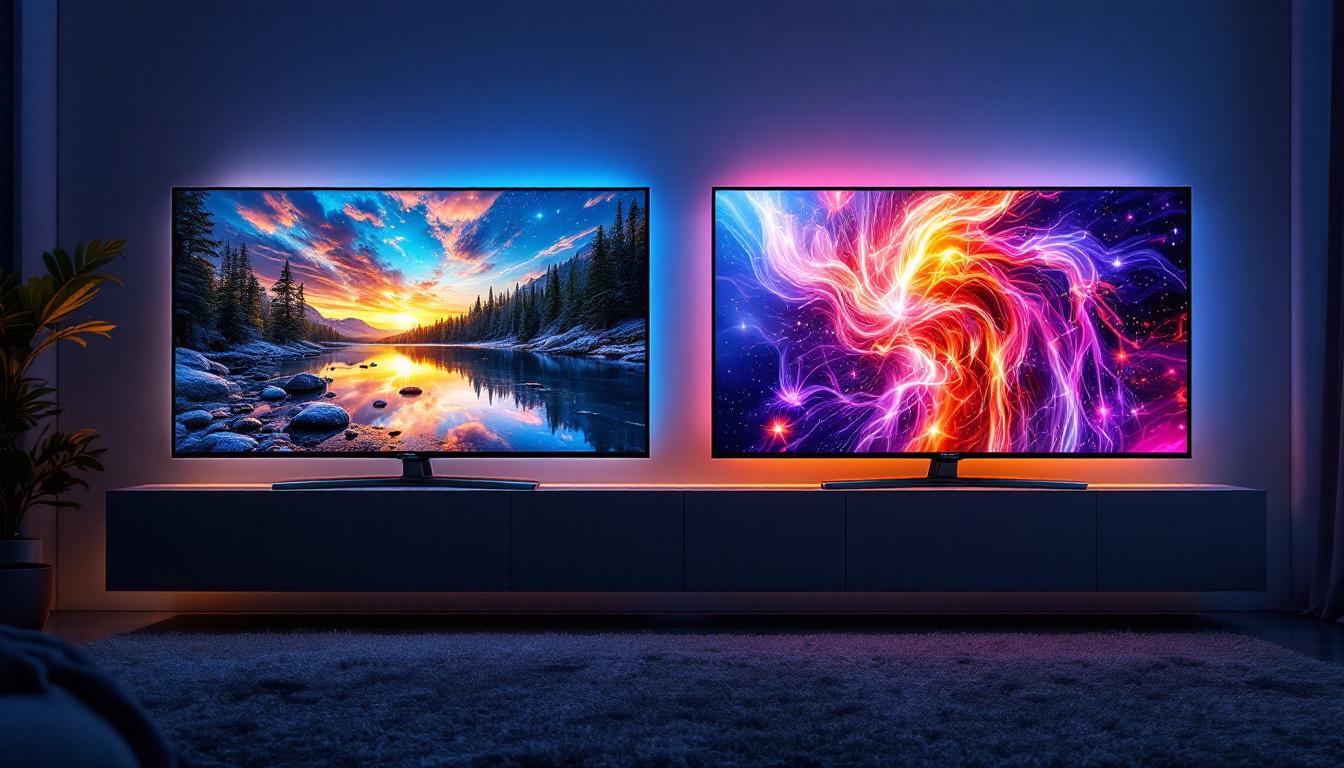
Choosing the right television can be a daunting task, especially with the variety of display technologies available today. Among the most popular options are Plasma and LED TVs, each boasting unique features and advantages. Understanding the differences between these technologies, particularly the intricacies of LED displays, can help consumers make informed decisions that best suit their viewing preferences and environments.
Understanding Plasma and LED TV Technologies
What is Plasma TV?
Plasma TVs emerged as a popular choice in the early 2000s, known for their vibrant colors and deep blacks. The technology relies on small cells containing electrically charged ionized gases—plasma—that emit ultraviolet light when excited. This ultraviolet light then stimulates phosphors to produce visible light, creating the images on the screen.
One of the key strengths of plasma TVs is their ability to display deep, rich blacks and excellent color accuracy, making them particularly favored for movie enthusiasts and those who prioritize picture quality in darker viewing environments. Additionally, plasma screens typically have a wider viewing angle compared to their LCD counterparts, allowing viewers to enjoy consistent color and brightness from various positions in the room. This characteristic makes plasma TVs an excellent choice for larger gatherings or home theaters where multiple viewers might be seated at different angles.
However, plasma technology is not without its drawbacks. One notable concern is the risk of screen burn-in, where static images can leave a permanent mark on the screen if displayed for extended periods. This issue, combined with the fact that plasma TVs are generally heavier and consume more power than LED models, has led to a decline in their popularity as manufacturers pivot towards more energy-efficient technologies. Despite this, many enthusiasts still appreciate the unique qualities of plasma displays, particularly for watching high-definition content.
What is LED TV?
LED TVs are essentially LCD (Liquid Crystal Display) TVs that use Light Emitting Diodes (LEDs) as their light source instead of the older Cold Cathode Fluorescent Lamps (CCFLs). This shift to LEDs has significantly improved display quality, energy efficiency, and design flexibility.
LED TVs come in two main types: edge-lit and backlit (also known as full-array). Edge-lit LEDs place the light source around the edges of the screen, allowing for thinner designs but sometimes uneven lighting. Full-array backlit LEDs position LEDs directly behind the screen, enabling better control of brightness and contrast through local dimming. This capability allows for more vivid highlights and deeper shadows, enhancing the overall viewing experience, especially in bright environments.
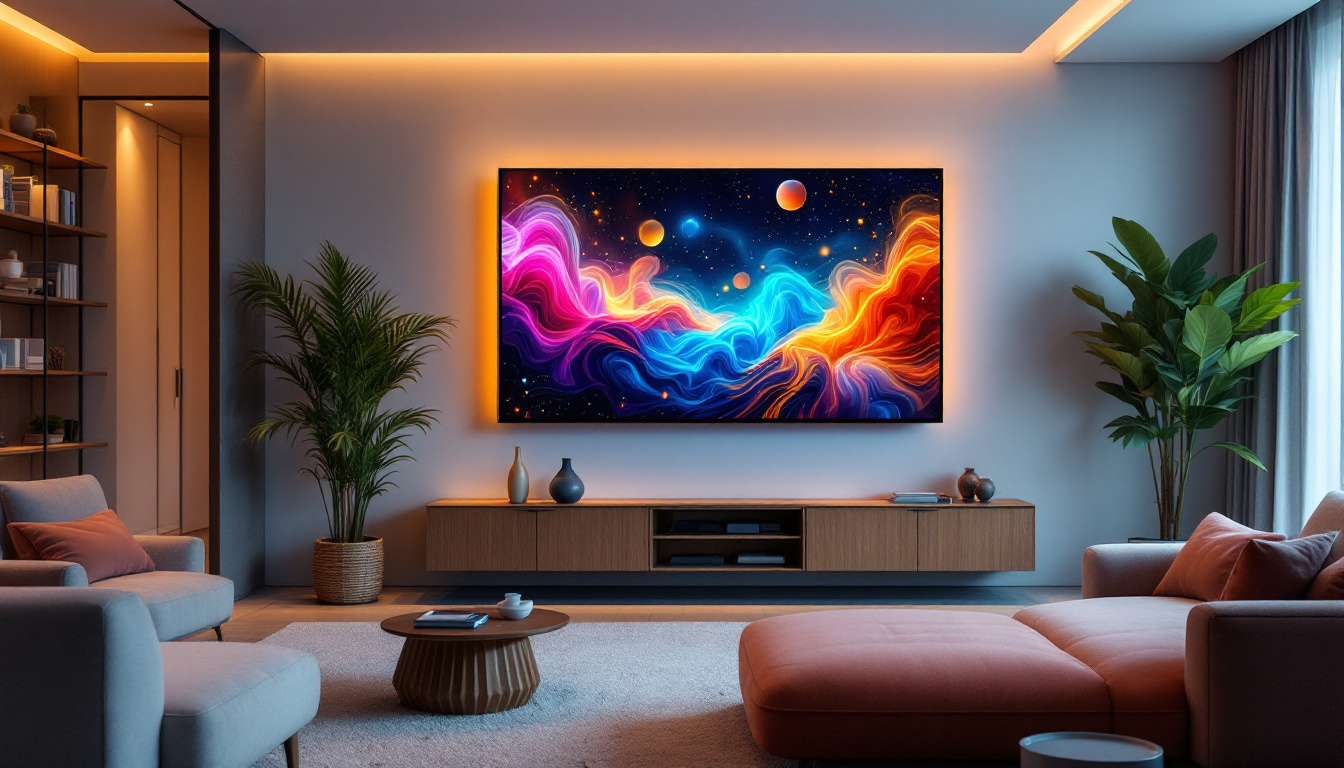
Moreover, LED technology has paved the way for advancements such as Quantum Dot displays and OLED-like performance in some high-end models. Quantum Dots enhance color accuracy and brightness, providing a more lifelike image. Additionally, the slim profile of LED TVs has made them a popular choice for modern home decor, allowing for wall mounting and seamless integration into living spaces. As manufacturers continue to innovate, the landscape of LED technology is evolving rapidly, offering consumers an ever-expanding array of options tailored to their viewing preferences and lifestyle needs.
Comparing Picture Quality: Plasma vs. LED
Color Accuracy and Black Levels
Plasma TVs are renowned for their superior black levels. Because each pixel emits its own light, plasma screens can turn off pixels completely, resulting in true blacks and exceptional contrast ratios. This capability enhances the overall depth and realism of images, especially in dark scenes.
LED TVs, particularly those with full-array local dimming, have made significant strides in black level performance. However, edge-lit LED TVs may struggle with light bleed, leading to grayer blacks and reduced contrast in some cases. Advances in quantum dot technology and OLED (Organic LED) have further narrowed the gap, but traditional LED LCDs still generally lag behind plasma in this area.
Brightness and Viewing Environment
LED TVs typically outperform plasma in terms of brightness. This makes LED screens more suitable for brightly lit rooms or daytime viewing. Their higher peak brightness levels help maintain image clarity and vibrancy even under strong ambient light conditions.
Plasma TVs, while excellent in dark rooms, can appear dimmer when exposed to bright light sources. This limitation has contributed to their decline in popularity as consumers increasingly favor versatile displays that perform well in various lighting situations.
Motion Handling and Refresh Rates
Plasma TVs have an advantage in motion handling due to their fast pixel response times, which reduce motion blur during fast-moving scenes such as sports or action movies. Their natural motion clarity has been a strong selling point for viewers who prioritize smooth playback.
LED TVs have improved considerably with higher refresh rates and motion interpolation technologies. However, some viewers may notice artifacts or a “soap opera effect” caused by motion smoothing features, which can detract from the natural viewing experience if not properly adjusted.
Energy Efficiency and Longevity
Power Consumption
LED TVs are generally more energy-efficient than plasma TVs. The LED backlighting consumes less power, contributing to lower electricity bills and a reduced environmental footprint. According to the U.S. Department of Energy, LED TVs can use up to 40-50% less energy than plasma models of similar size.
This efficiency has made LED TVs the preferred choice for eco-conscious consumers and those looking to minimize operating costs over the lifespan of their television.
Durability and Screen Burn-In
One notable drawback of plasma TVs is the risk of screen burn-in, where static images displayed for extended periods can leave permanent ghost images on the screen. While modern plasma models incorporated features to mitigate this effect, the risk remained a concern for some users.
LED TVs, by contrast, are less susceptible to burn-in, making them more suitable for varied and prolonged use, including gaming and channel surfing. Additionally, LED panels tend to have longer lifespans, often exceeding 60,000 hours of use before significant brightness degradation occurs.
Design, Size, and Price Considerations
Physical Design and Thickness
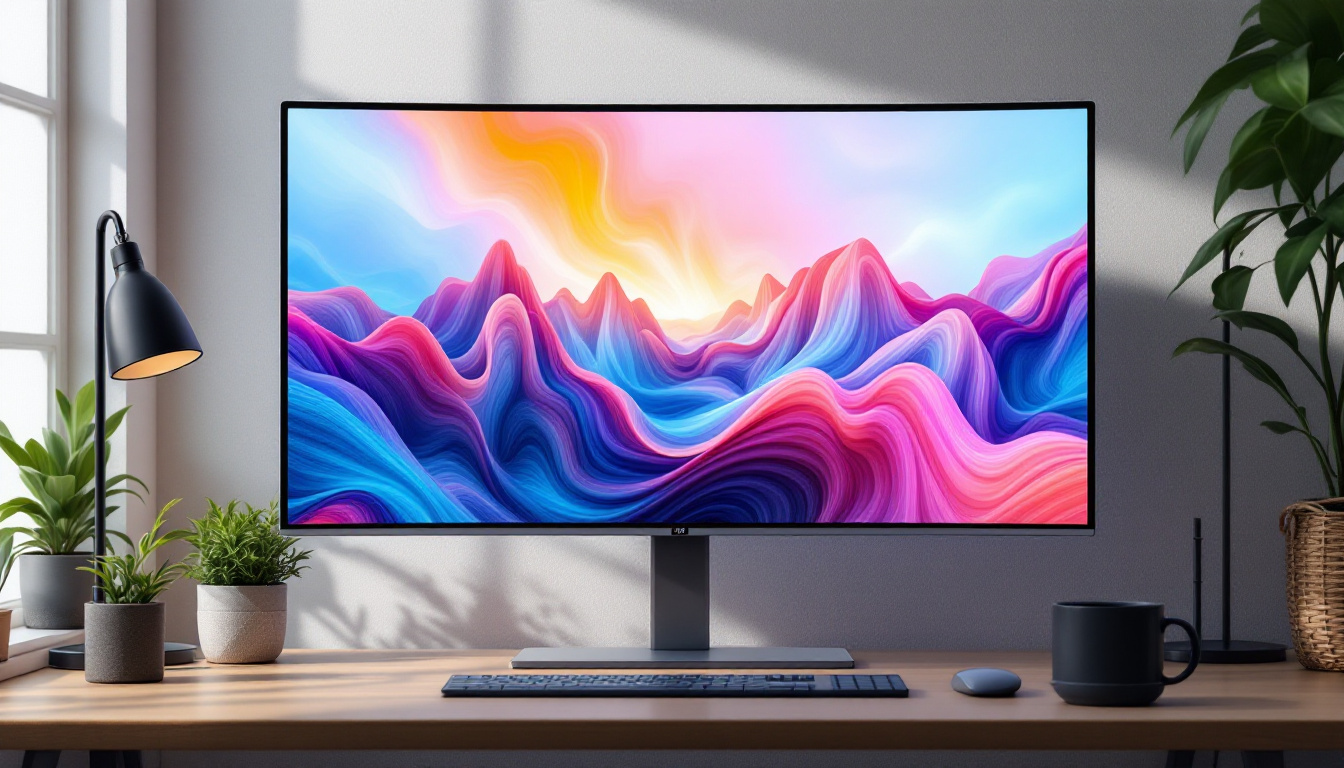
LED TVs are generally thinner and lighter than plasma TVs, thanks to the compact nature of LED backlighting. This slim profile allows for more flexible mounting options, including wall mounts that sit close to the wall, enhancing aesthetic appeal in modern living spaces.
Plasma TVs are typically bulkier and heavier, which can limit placement options and make installation more challenging. This factor has influenced consumer preferences, especially as sleek, minimalist designs have become more popular.
Screen Sizes and Availability
Plasma TVs were commonly available in larger screen sizes, often ranging from 42 inches up to 65 inches or more. However, production of plasma TVs has largely ceased, with major manufacturers discontinuing their plasma lines by the late 2010s.
LED TVs dominate the market today, available in a vast array of sizes from compact 24-inch models to massive 85-inch displays and beyond. This variety ensures consumers can find an LED TV that fits their space and budget.
Price and Value
When plasma TVs were widely available, they often came at a premium price due to their advanced picture quality. However, as LED technology advanced and economies of scale improved, LED TVs became more affordable and accessible.
Currently, LED TVs offer a broad price range, from budget-friendly models to high-end premium displays with features like 4K resolution, HDR (High Dynamic Range), and smart TV capabilities. This versatility makes LED TVs a compelling choice for most consumers.
Advanced LED Technologies: Enhancing the Viewing Experience
Quantum Dot LED (QLED)
Quantum Dot LED technology uses nanocrystals that emit precise colors when illuminated by the LED backlight. This innovation enhances color accuracy and brightness, creating more vivid and lifelike images compared to traditional LED LCDs.
QLED TVs are especially popular among consumers seeking high dynamic range performance and vibrant color reproduction, making them ideal for HDR content and gaming.
Mini-LED and Micro-LED
Mini-LED technology involves using thousands of tiny LEDs as the backlight, allowing for more precise local dimming zones and improved contrast. This results in better black levels and reduced halo effects compared to conventional LED TVs.
Micro-LED represents an emerging technology where individual LEDs form the pixels themselves, similar to OLED but with potentially higher brightness and longer lifespan. While still in early stages and expensive, Micro-LED promises to combine the best aspects of plasma and LED technologies.
OLED vs. LED: A Brief Comparison
Although not the primary focus of this article, it’s worth noting that OLED TVs have gained popularity as an alternative to both plasma and LED TVs. OLED pixels emit their own light, enabling perfect blacks and excellent color accuracy similar to plasma, but with the thinness and energy efficiency of LED TVs.
Consumers looking for the ultimate picture quality often consider OLED, but LED TVs remain a strong contender due to their brightness, affordability, and variety of sizes.
Which TV Technology is Right for You?
Consider Your Viewing Environment
If you frequently watch TV in a dark room and prioritize deep blacks and cinematic picture quality, plasma TVs historically offered the best experience. However, since plasma TVs are no longer in production, high-end OLED or full-array local dimming LED TVs are the best alternatives.
For bright rooms or daytime viewing, LED TVs are preferable due to their superior brightness and glare handling.
Usage Patterns and Content Types
Gamers and sports fans may benefit from the fast response times of plasma or OLED TVs, but modern LED TVs with high refresh rates and low input lag also perform well. Consider the types of content you watch most often and whether features like HDR, 4K resolution, or smart TV capabilities are important.
Budget and Longevity
LED TVs generally offer better value and longer lifespan, making them a practical choice for most consumers. While plasma TVs were once prized for their picture quality, their discontinuation and energy inefficiency make LED TVs the more sensible investment today.
Conclusion
While plasma TVs once set the standard for picture quality with their deep blacks and vibrant colors, the evolution of LED technology has largely eclipsed plasma in terms of versatility, energy efficiency, and availability. Understanding the nuances of LED displays—from basic edge-lit models to advanced quantum dot and mini-LED variants—empowers consumers to select a television that aligns with their viewing habits, environment, and budget.
Ultimately, the choice between plasma and LED is no longer a straightforward comparison, as plasma TVs have been phased out. Instead, the focus should be on selecting the right type of LED TV or exploring OLED options for those seeking the pinnacle of picture quality. With a clear grasp of these technologies, buyers can confidently navigate the TV market and enjoy an immersive, high-quality viewing experience for years to come.
Discover the Future of LED Displays with LumenMatrix
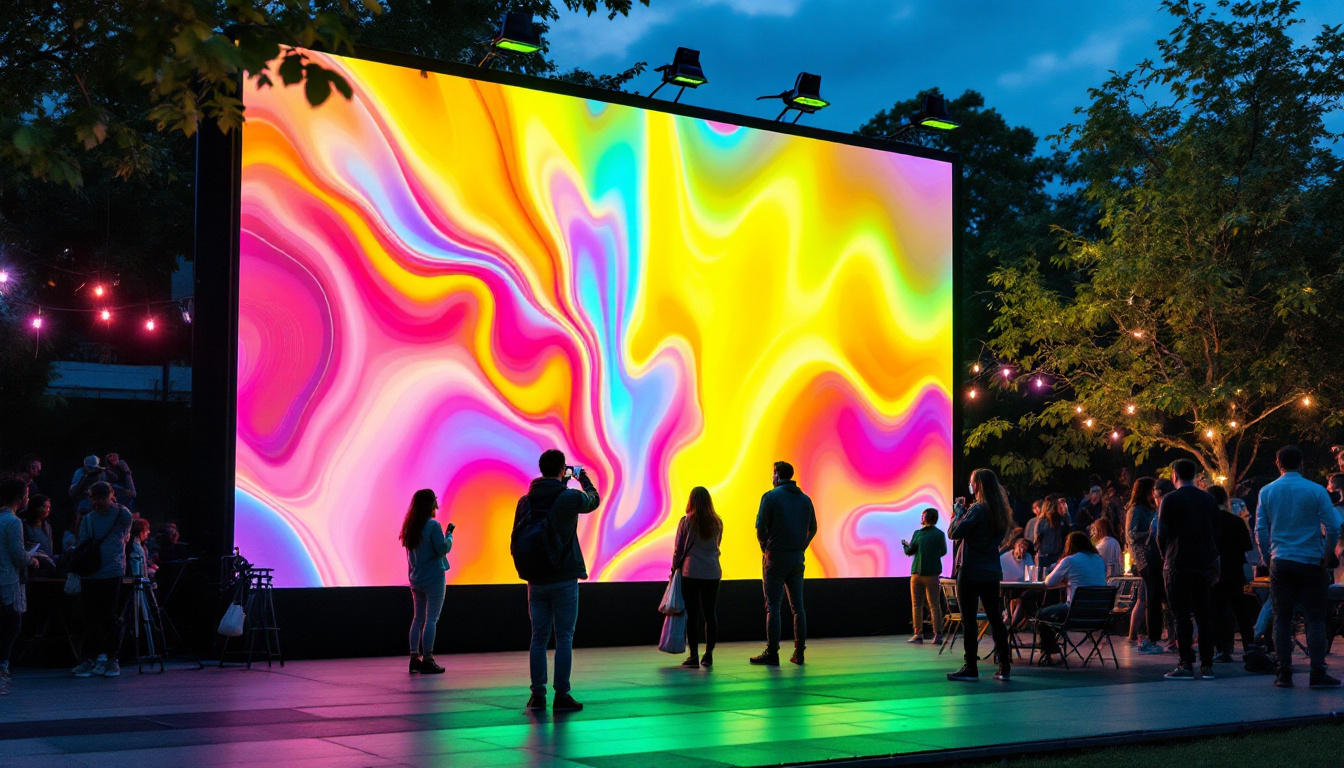
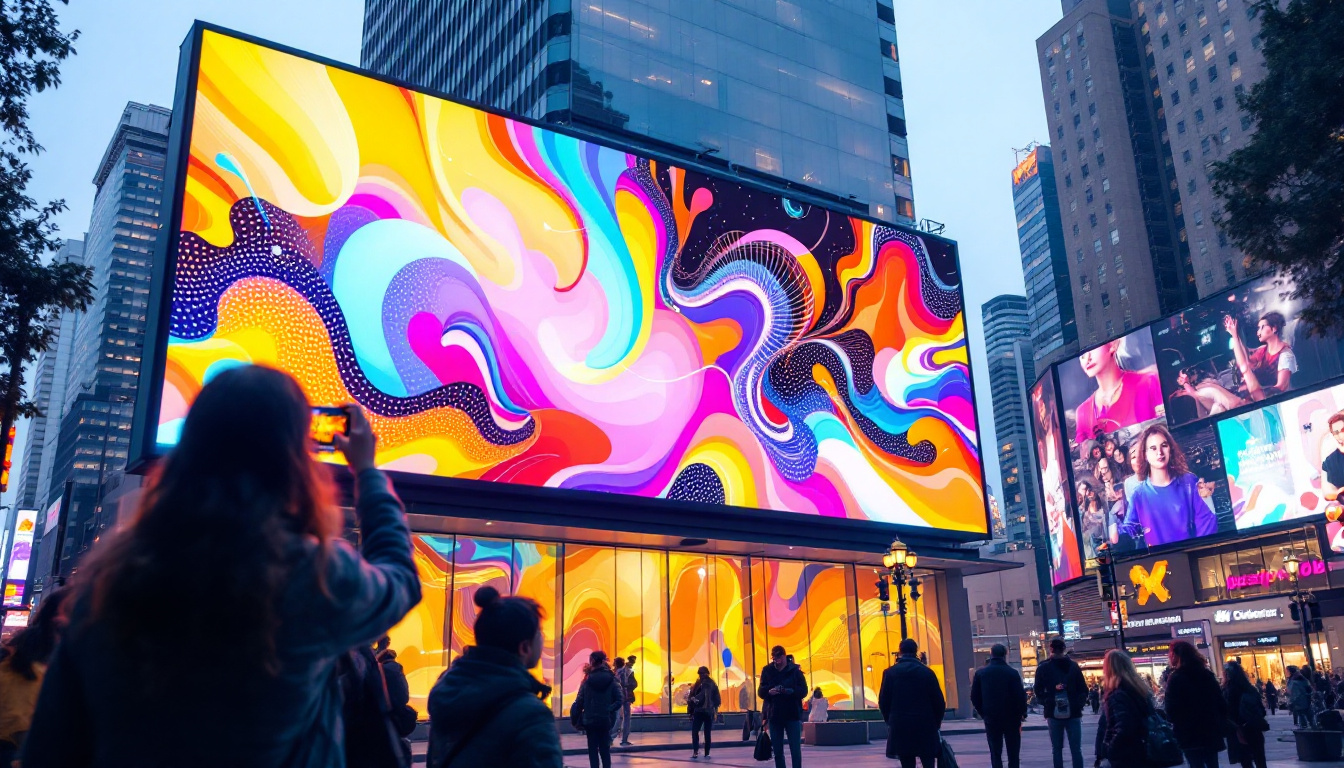
As you consider upgrading your home entertainment system, remember that the right display can transform your viewing experience. LumenMatrix, a leader in LED display technology, offers a wide range of innovative solutions tailored to meet your needs. From the comfort of your living room to the excitement of an outdoor event, our Indoor and Outdoor LED Wall Displays, Vehicle LED Displays, and more provide unparalleled clarity and immersion. Embrace the future of visual communication with our cutting-edge LED Sports Displays, Floor LED Displays, and Custom LED solutions. Elevate your space with the sleek design of our All-in-One LED Displays or captivate passersby with our LED Transparent Displays. Don’t just watch; immerse yourself in a world of vibrant color and dynamic content. Check out LumenMatrix LED Display Solutions and see how we can enhance your visual storytelling today.