Plasma TV Vs LED: LED Display Explained
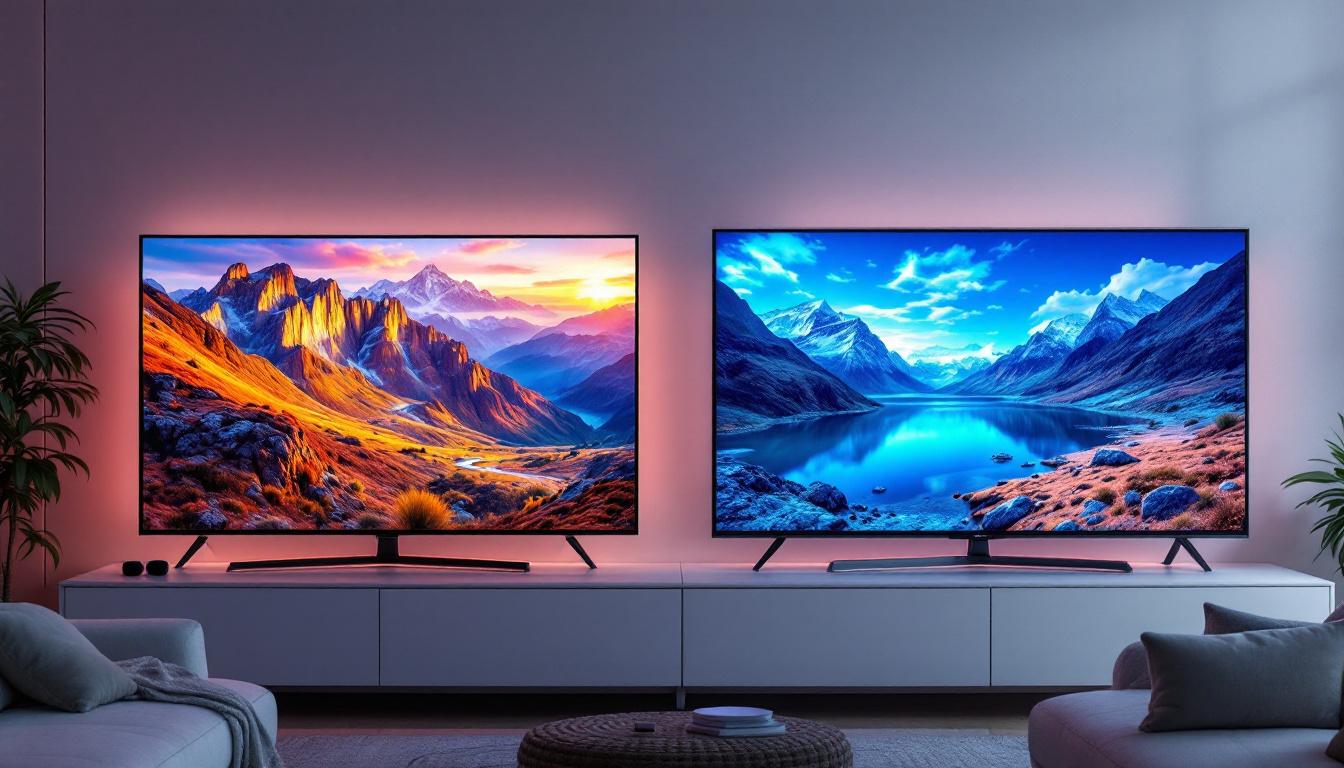
Choosing the right television can be a daunting task, especially with the variety of display technologies available today. Two of the most popular types of TVs over the past decade have been Plasma and LED. While Plasma TVs once dominated the market for their rich colors and deep blacks, LED TVs have surged ahead in popularity due to their energy efficiency and slim designs. This article delves into the differences between Plasma and LED TVs, with a particular focus on understanding LED display technology to help you make an informed decision.
Understanding Plasma TV Technology
How Plasma TVs Work
Plasma TVs use small cells containing electrically charged ionized gases—plasma—to produce images. Each pixel in a plasma screen is made up of three sub-pixels coated with phosphors that emit red, green, or blue light when struck by ultraviolet light generated by the plasma discharge. This process creates vibrant colors and deep blacks, which have historically made Plasma TVs a favorite for home theater enthusiasts. The technology relies on a grid of tiny cells filled with noble gases like neon and xenon, which, when energized, create a plasma state. This state allows for the excitation of phosphors, resulting in the vivid display of images that many viewers find captivating.
Advantages of Plasma TVs
One of the standout features of Plasma TVs is their ability to display true blacks and excellent contrast ratios. Because each pixel emits its own light and can be turned off completely, plasma screens deliver deep, rich blacks that enhance picture quality, especially in dark scenes. Additionally, plasma displays typically offer wider viewing angles without significant color distortion, making them ideal for larger rooms where viewers may be seated off-center. This characteristic is particularly beneficial for gatherings or movie nights, where multiple viewers can enjoy the same high-quality image without needing to sit directly in front of the screen.
Moreover, Plasma TVs generally have faster refresh rates, which reduce motion blur and make them well-suited for fast-paced content like sports or action movies. The rapid response time of plasma technology allows for smooth transitions and a more immersive viewing experience, capturing the fluidity of high-speed action in a way that many viewers appreciate. Furthermore, the uniformity of brightness across the screen helps maintain image integrity, even during dynamic scenes, ensuring that viewers can enjoy their favorite content without distraction.
Limitations and Decline of Plasma TVs
Despite their strengths, Plasma TVs have several drawbacks. They tend to consume more power than LED TVs, generate more heat, and are usually heavier and thicker. Another concern has been screen burn-in, where static images left on the screen for extended periods can cause permanent ghosting. Although modern plasma panels have made strides in mitigating this issue, it remains a consideration. The phosphor materials used in plasma technology can degrade over time, leading to a decrease in brightness and color accuracy, which may deter some consumers from investing in this type of display.
Due to these factors and advances in LED technology, most manufacturers ceased Plasma TV production around 2014, making them increasingly rare in the market today. As the industry shifted towards more energy-efficient and thinner display technologies, the once-popular plasma screens began to fade from the spotlight. However, for those who still cherish the unique qualities of plasma displays, the nostalgia and appreciation for their rich colors and deep blacks remain a testament to their impact on the evolution of television technology. Collectors and enthusiasts often seek out vintage plasma models, recognizing their significance in the history of home entertainment systems.
LED TV Technology Explained
What is an LED TV?
LED TVs are essentially LCD (Liquid Crystal Display) TVs that use Light Emitting Diodes (LEDs) as a backlight source. Unlike Plasma TVs, LED TVs do not emit light from each pixel directly. Instead, the LCD panel controls the passage of light from the LED backlight to form images. This distinction is crucial for understanding the benefits and limitations of LED displays.
Types of LED Backlighting
There are two primary types of LED backlighting used in LED TVs: Edge-lit and Full-array (or Direct-lit).
- Edge-lit LED: LEDs are placed along the edges of the screen, and light is spread across the display using light guides. This design allows for ultra-thin TV panels and is common in budget and mid-range models.
- Full-array LED: LEDs are distributed evenly behind the entire screen. This setup enables local dimming, where specific zones of LEDs can be dimmed or brightened independently, improving contrast and black levels significantly.
Advantages of LED TVs
LED TVs offer several benefits that have contributed to their widespread adoption. They are generally more energy-efficient than Plasma TVs, consuming less power and producing less heat. Their slim profiles and lighter weight make them easier to mount on walls or fit into modern living spaces.
Thanks to advancements in backlighting and LCD technology, LED TVs can now achieve impressive brightness levels, making them well-suited for viewing in brightly lit rooms. Additionally, features like HDR (High Dynamic Range) support, 4K resolution, and smart TV capabilities are commonly integrated into LED TVs, enhancing the overall viewing experience.
Limitations of LED TVs
While LED TVs have made significant progress in picture quality, they still face challenges in matching the perfect black levels and contrast ratios of Plasma displays or OLED technology. Edge-lit models, in particular, can suffer from uneven brightness and “blooming” effects around bright objects on dark backgrounds.
Viewing angles on LED TVs are generally narrower compared to Plasma, meaning colors and contrast may shift when viewed from the side. However, newer panel technologies such as IPS (In-Plane Switching) have helped improve this aspect.
Comparing Picture Quality: Plasma Vs LED
Color Accuracy and Contrast
Plasma TVs have traditionally excelled in producing rich, accurate colors and deep blacks due to their self-emissive pixels. This results in excellent contrast ratios, which are critical for delivering lifelike images, especially in dark scenes.
LED TVs, particularly full-array models with local dimming, have narrowed the gap considerably. High-end LED TVs can now deliver deep blacks and vibrant colors, especially when combined with HDR content. However, edge-lit LED TVs may still fall short in this area.
Brightness and Viewing Environment
LED TVs generally outperform Plasma in terms of brightness. This makes LED TVs better suited for rooms with a lot of ambient light, such as living rooms with large windows or brightly lit spaces. Plasma TVs, while excellent in dark rooms, can appear dimmer in such environments.
Motion Handling
Plasma TVs have an advantage in motion handling due to their fast refresh rates and pixel response times, which minimize motion blur. LED TVs have improved significantly with technologies like motion interpolation and higher refresh rates, but some viewers may still notice slight blurring during fast action scenes.
Viewing Angles
Plasma screens maintain consistent color and contrast even when viewed from wide angles, making them ideal for group viewing. LED TVs, especially those with VA (Vertical Alignment) panels, can exhibit color shifts and reduced contrast when viewed off-center. IPS panels improve viewing angles but may sacrifice some contrast.
Energy Efficiency and Environmental Considerations
Power Consumption
LED TVs are generally more energy-efficient than Plasma TVs. According to the U.S. Department of Energy, LED TVs consume approximately 30-50% less power than Plasma TVs of similar screen sizes. This translates to lower electricity bills and a reduced environmental footprint over the device’s lifetime.
Heat Generation
Plasma TVs produce more heat during operation, which can contribute to higher room temperatures and potentially affect the longevity of the device. LED TVs operate cooler, making them more suitable for prolonged use in various environments.
Environmental Impact
Both Plasma and LED TVs contain materials that require proper recycling to avoid environmental harm. However, the energy efficiency of LED TVs and the industry’s shift toward more sustainable manufacturing processes give LED technology an edge in environmental friendliness.
Durability and Lifespan
Longevity of Plasma TVs
Plasma TVs typically have a lifespan of around 60,000 hours before noticeable brightness degradation occurs. While this is substantial, the risk of screen burn-in and image retention can affect their usability, especially if static images are displayed frequently.
LED TV Lifespan
LED TVs generally boast longer lifespans, often exceeding 100,000 hours of use. Since the backlight LEDs degrade slowly over time, brightness may diminish gradually but without the risk of burn-in. This makes LED TVs a more durable choice for long-term use.
Price and Market Availability
Current Market Trends
Since most manufacturers have discontinued Plasma TVs, they have become rare and are mostly available through second-hand markets or specialty retailers. This scarcity has driven prices up for high-quality Plasma units, but the lack of new models limits options and support.
LED TVs dominate the current market, available in a wide range of sizes, resolutions, and price points. From affordable entry-level models to premium 8K smart TVs, LED technology caters to diverse consumer needs and budgets.
Cost Comparison
When Plasma TVs were widely available, they were often priced competitively with LED TVs, especially for larger screen sizes. Today, LED TVs offer better value due to their availability, technological advancements, and energy savings. Additionally, ongoing innovations like Mini-LED and Micro-LED are pushing LED technology further ahead in terms of performance and price.
Conclusion: Which Should You Choose?
While Plasma TVs offered exceptional picture quality with deep blacks, wide viewing angles, and smooth motion handling, their decline in production and inherent limitations make them less practical for most consumers today. LED TVs, with their energy efficiency, slim designs, brightness, and advanced features, have become the mainstream choice for modern home entertainment.
If you prioritize deep blacks and wide viewing angles for a dedicated home theater in a dark room, and you can find a high-quality Plasma TV, it may still satisfy your needs. However, for most users, an LED TV—especially a full-array model with local dimming and HDR support—provides a balanced combination of picture quality, durability, and convenience.
As display technology continues to evolve, innovations like OLED and Micro-LED are further redefining the landscape, offering even better contrast and color performance. For now, understanding the strengths and weaknesses of Plasma and LED TVs can help you make a confident choice tailored to your viewing preferences and environment.
Discover the Future of Home Entertainment with LumenMatrix
As you consider upgrading your home entertainment system, LumenMatrix invites you to experience the pinnacle of LED display technology. Our commitment to innovation ensures that each LED display module we offer, from Indoor and Outdoor LED Wall Displays to specialized solutions like Vehicle and Sports LED Displays, is designed to bring your viewing experience to life. Whether you’re looking for the immersive depth of a Floor LED Display or the sleekness of an All-in-One LED Display, LumenMatrix has the perfect solution to meet your needs. Embrace the evolution of visual communication and check out LumenMatrix LED Display Solutions today to see how we can transform your space with clarity, impact, and unparalleled performance.