In recent years, portable LED projectors have revolutionized the way people consume visual content, offering a compact and versatile alternative to traditional projectors and screens. Whether for business presentations, home entertainment, or outdoor movie nights, these devices combine convenience with impressive image quality. Understanding how LED displays work within these projectors is key to appreciating their capabilities and limitations.
This article delves into the technology behind portable LED projectors, explaining the principles of LED displays, their advantages, and practical considerations for users. By the end, readers will have a clear understanding of what makes LED projectors a popular choice in today’s market and how to select the right device for their needs.
What Is a Portable LED Projector?
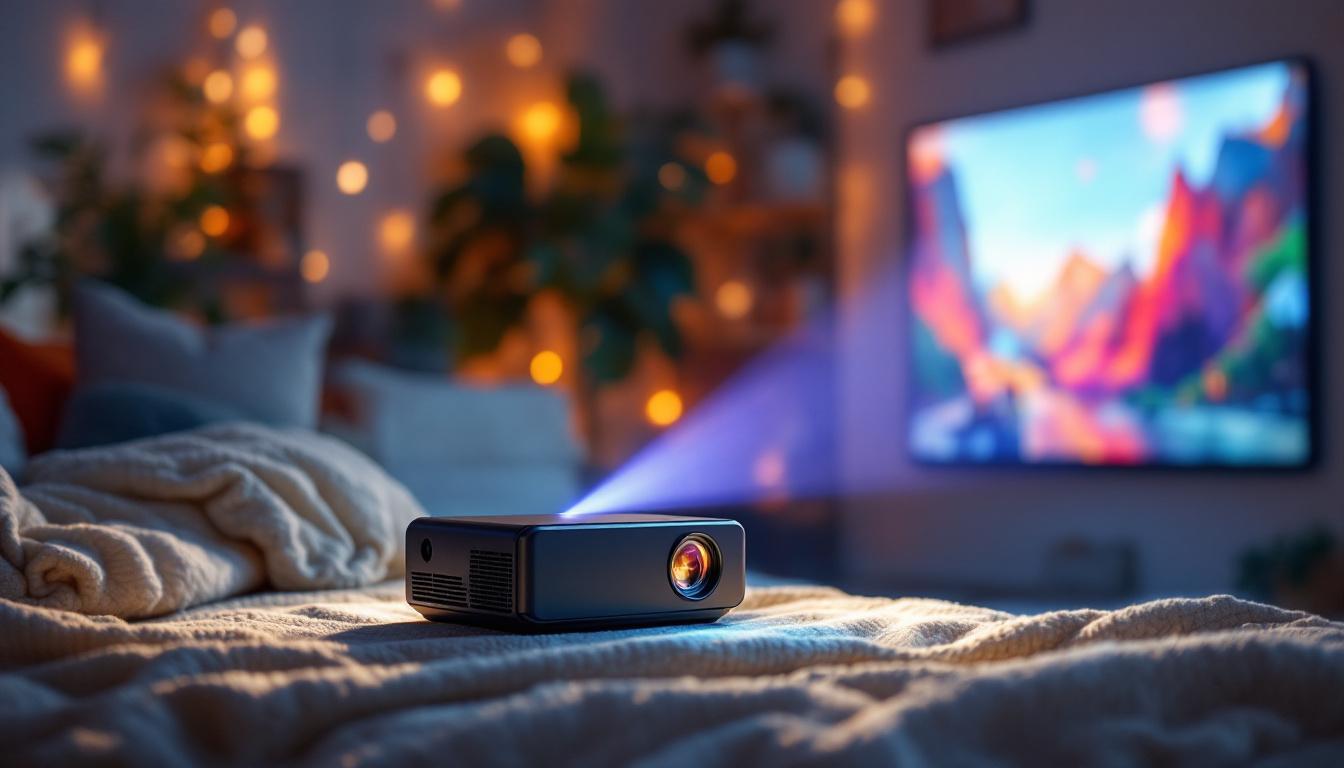
A portable LED projector is a compact device that uses light-emitting diodes (LEDs) as its light source to project images or videos onto a flat surface such as a wall or screen. Unlike traditional projectors that rely on lamps or lasers, LED projectors use LEDs for illumination, which offers several benefits including longer lifespan, energy efficiency, and smaller size.
The portability aspect means these projectors are designed to be lightweight and easy to carry, often fitting into a backpack or even a pocket. This makes them ideal for users who need to move between locations or want to enjoy multimedia content on the go.
Typical Use Cases
Portable LED projectors are widely used in various scenarios:
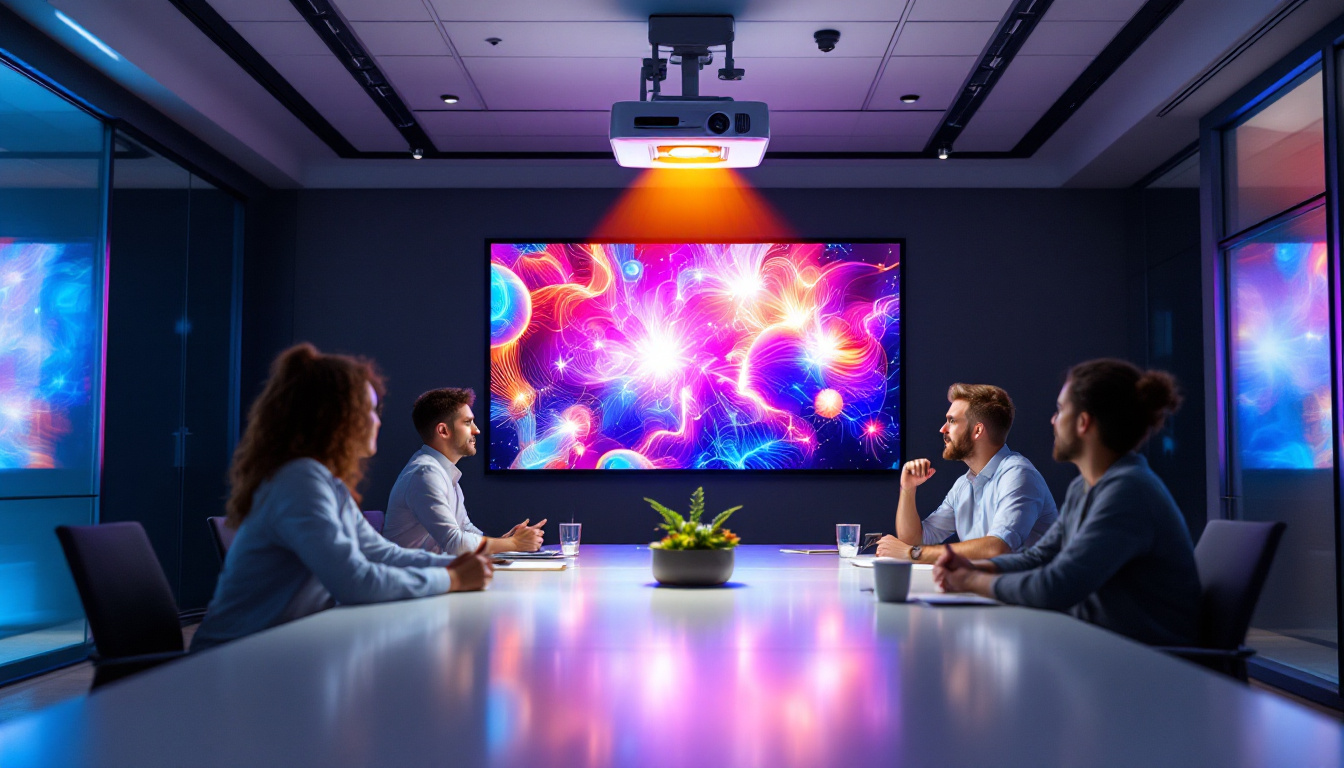
- Business Presentations: Professionals can quickly set up a display for meetings without bulky equipment.
- Home Entertainment: Families and individuals can enjoy movies, games, and streaming content on a large screen anywhere in the home.
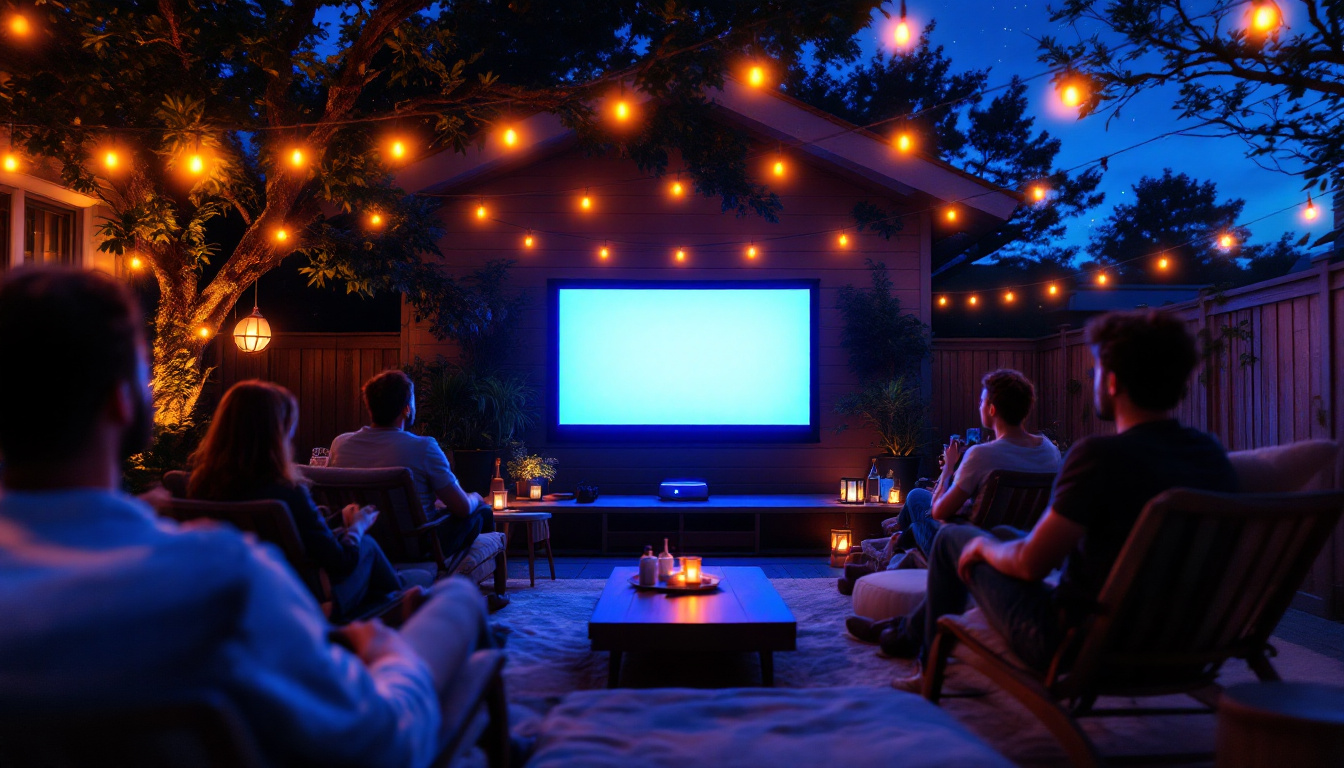
- Outdoor Events: Their portability allows for movie nights in the backyard or presentations at outdoor venues.
- Education: Teachers and educators use them for interactive lessons and multimedia presentations.
Understanding LED Display Technology in Projectors
To grasp how portable LED projectors work, it’s essential to understand the basics of LED display technology and how it integrates into projection systems.
What Are LEDs?
LED stands for Light Emitting Diode, a semiconductor device that emits light when an electric current passes through it. LEDs are known for their energy efficiency, durability, and ability to produce bright, vivid colors. These characteristics make them ideal for use in display technologies, including projectors.
LEDs as Light Sources in Projectors
In traditional projectors, a high-intensity lamp generates light that passes through an image-generating element such as an LCD panel or a Digital Light Processing (DLP) chip. Portable LED projectors replace the lamp with LEDs, which serve as the illumination source.
Using LEDs offers several advantages:
- Longevity: LED light sources can last up to 20,000 to 30,000 hours, significantly longer than conventional lamps that may require replacement after 2,000 to 5,000 hours.
- Energy Efficiency: LEDs consume less power, which is crucial for battery-operated portable devices.
- Compact Size: LEDs are smaller and generate less heat, enabling more compact projector designs.
- Instant On/Off: Unlike lamps that require warm-up or cool-down periods, LEDs reach full brightness instantly and can be turned off immediately.
How LED Projectors Create Images
While the light source in LED projectors is LED-based, the actual image creation typically involves one of two technologies:
- LCD (Liquid Crystal Display): The LED light passes through liquid crystal panels that modulate the light to form images. These panels control the color and brightness of each pixel.
- DLP (Digital Light Processing): The LED light is directed onto a chip covered with microscopic mirrors that tilt to reflect light either through the lens or away from it, creating the image.
Some projectors also use a hybrid approach, combining LEDs with other light sources or display technologies to enhance brightness and color accuracy.
Advantages of Portable LED Projectors
Portable LED projectors offer several compelling benefits that have contributed to their growing popularity among consumers and professionals alike.
Portability and Convenience
The compact size and lightweight nature of LED projectors make them easy to transport and set up. Many models weigh less than a pound and can fit in a small bag or even a large pocket. This portability is especially valuable for users who travel frequently or want to use their projector in multiple locations.
Long Lifespan and Low Maintenance
LED light sources have an exceptionally long operational life, often exceeding 20,000 hours. This reduces the need for frequent replacements and maintenance, lowering the total cost of ownership over time. Additionally, LEDs generate less heat, minimizing wear on internal components.
Energy Efficiency
LED projectors consume significantly less power than lamp-based models. This efficiency translates into longer battery life for portable units and lower electricity costs for plugged-in devices. For environmentally conscious users, this is an important consideration.
Better Color Performance
LEDs can produce a wider color gamut and more vibrant colors compared to traditional lamps. This results in richer, more accurate images that enhance the viewing experience, whether for movies, presentations, or gaming.
Instant Power On and Off
Unlike lamp-based projectors that require warm-up and cool-down times, LED projectors reach full brightness almost immediately after powering on and can be turned off without delay. This feature adds to user convenience and device longevity.
Limitations and Considerations
Despite their many advantages, portable LED projectors also have some limitations that potential buyers should consider.
Brightness Levels
One of the most significant challenges with LED projectors is achieving high brightness levels. While LEDs are efficient, they typically produce less light output compared to traditional lamp or laser projectors. Most portable LED projectors range from 100 to 1,000 lumens, which is sufficient for dark or dimly lit environments but may struggle in bright rooms or outdoor daylight conditions.
For comparison, conventional home theater projectors often exceed 2,000 lumens, making them more suitable for well-lit spaces.
Resolution and Image Size
Many portable LED projectors offer HD resolution (720p or 1080p), but some budget models may have lower resolutions that affect image clarity. Additionally, the maximum image size is often limited by the projector’s brightness and optics, with typical maximum screen sizes ranging from 80 to 120 inches diagonally.
Users seeking very large or ultra-high-definition projections might find portable LED projectors less suitable.
Sound Quality
While many portable LED projectors include built-in speakers, their audio output is often limited by the device’s small size. External speakers or headphones may be required for a better audio experience, especially in larger or noisier environments.
Price Considerations
High-quality portable LED projectors with advanced features such as 4K resolution, high brightness, and smart connectivity tend to be more expensive. Budget models may compromise on brightness, resolution, or build quality, so buyers should carefully evaluate their needs and budget.
Key Features to Look for in a Portable LED Projector
When selecting a portable LED projector, several factors should guide the decision to ensure the device meets user expectations.
Brightness (Lumens)
Brightness is measured in lumens and determines how well the projector performs in various lighting conditions. For indoor use in dark rooms, 200 to 500 lumens might suffice, while brighter environments require 700 lumens or more. Outdoor use during the evening or night usually demands higher brightness levels.
Resolution
Higher resolution means sharper and more detailed images. Full HD (1080p) is ideal for most users, while 720p can be acceptable for casual viewing. Some premium models offer 4K resolution, but these are less common in portable LED projectors due to cost and technical constraints.
Battery Life
For truly portable use, battery life is crucial. Many models offer between 2 to 5 hours of continuous playback on a single charge. Consider the typical duration of your usage scenarios to select an appropriate battery capacity.
Connectivity Options
Modern portable LED projectors often include multiple input options such as HDMI, USB, Bluetooth, and Wi-Fi. Wireless connectivity enables streaming from smartphones, tablets, and laptops without cables, enhancing convenience.
Size and Weight
Compactness and light weight are essential for portability. Some ultra-portable models weigh less than 300 grams and fit in a pocket, while others may be slightly larger but offer better performance.
Additional Features
Features like built-in speakers, autofocus, keystone correction, and smart operating systems can enhance usability. Some projectors also support screen mirroring and voice control.
Popular Portable LED Projectors in the Market
Several brands have established themselves as leaders in the portable LED projector space, offering a range of products catering to different needs and budgets.
Anker Nebula Capsule Series
The Anker Nebula Capsule is often praised for its soda-can size, 360-degree speaker, and Android-based smart interface. It delivers 100 lumens of brightness and 720p resolution, making it suitable for casual viewing in dark environments. Its battery life of around 4 hours supports extended use without power.
XGIMI MoGo Pro
The XGIMI MoGo Pro offers 300 lumens brightness and true 1080p resolution, along with Android TV integration. It features autofocus and automatic keystone correction, making setup effortless. With a battery life of approximately 2.5 hours, it balances portability and performance effectively.
ViewSonic M1 Mini Plus
ViewSonic’s M1 Mini Plus is a budget-friendly option with 120 lumens brightness and WVGA resolution (854×480). It includes JBL speakers and supports USB-C input, making it compatible with many devices. Its compact design and 2.5-hour battery life make it a good choice for casual users.
LG PF50KA
The LG PF50KA is a slightly larger portable LED projector with 600 lumens brightness and Full HD resolution. It supports Wi-Fi and Bluetooth connectivity and offers a built-in battery with up to 2.5 hours of usage. Its smart TV functionality makes it a versatile entertainment device.
Tips for Optimizing Your Portable LED Projector Experience
To get the most out of a portable LED projector, consider the following best practices:
Choose the Right Environment
Use the projector in a dim or dark room to maximize image clarity and brightness. Avoid direct sunlight or bright ambient light on the projection surface.
Use a Proper Projection Surface
A smooth, white or light-colored wall or a dedicated projector screen will enhance image quality. Avoid textured or colored surfaces that can distort colors and reduce sharpness.
Adjust Settings
Fine-tune brightness, contrast, and color settings based on the content and environment. Many projectors offer presets for movies, presentations, or games.
Position the Projector Correctly
Place the projector at the recommended distance from the screen and adjust the angle to avoid keystone distortion. Many models have automatic keystone correction to simplify this process.
Use External Audio When Needed
For larger rooms or outdoor use, connect external speakers or headphones to improve sound quality.
The Future of Portable LED Projectors
Advancements in LED technology and projection systems continue to improve the capabilities of portable projectors. Emerging trends include:
- Higher Brightness and Resolution: New LED materials and optics are enabling brighter, sharper images without increasing size or power consumption.
- Integration with Smart Devices: Enhanced wireless connectivity and smart operating systems allow seamless streaming and app usage.
- Improved Battery Technology: Advances in battery density will extend usage times, making truly all-day portable projection possible.
- Miniaturization: Further size reductions will make projectors even more pocket-friendly without sacrificing performance.
As these innovations mature, portable LED projectors are poised to become an even more integral part of personal and professional multimedia experiences.
Conclusion
Portable LED projectors represent a significant leap forward in projection technology, combining the advantages of LED illumination with compact, user-friendly designs. Their long lifespan, energy efficiency, and vibrant color reproduction make them attractive for a wide range of applications, from business to entertainment.
While brightness and resolution limitations remain considerations, ongoing technological improvements continue to narrow the gap with traditional projectors. By understanding how LED displays work and what features to look for, users can select the right portable LED projector to meet their specific needs and enjoy high-quality visual experiences anytime, anywhere.
Discover LumenMatrix’s Advanced LED Display Solutions
Ready to elevate your visual experience with the latest in LED technology? LumenMatrix is at the forefront of innovation, offering a diverse range of LED display solutions tailored to your needs. From immersive Indoor LED Walls to dynamic Outdoor LED Displays and beyond, our products are designed to captivate and engage your audience. Embrace the future of visual communication with LumenMatrix and transform your space into a vibrant canvas. Check out LumenMatrix LED Display Solutions today and see the difference cutting-edge technology can make.