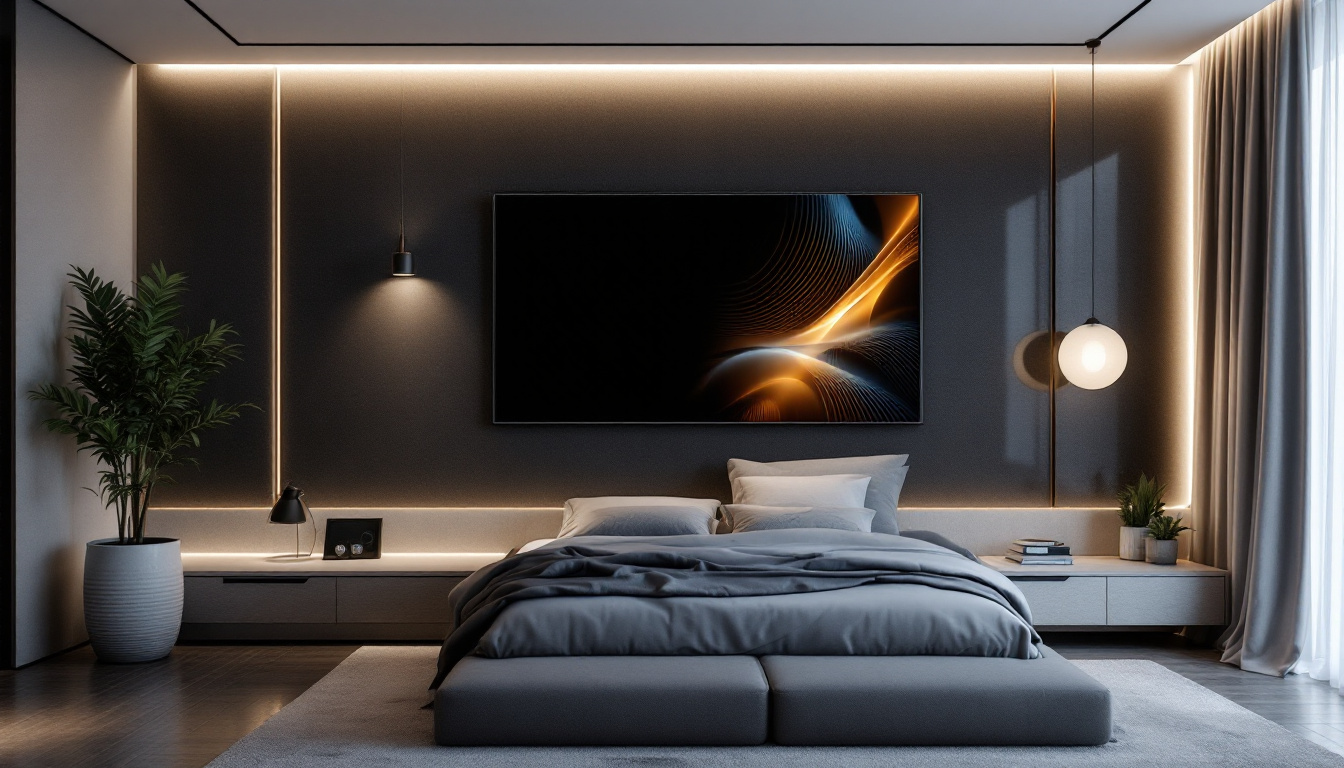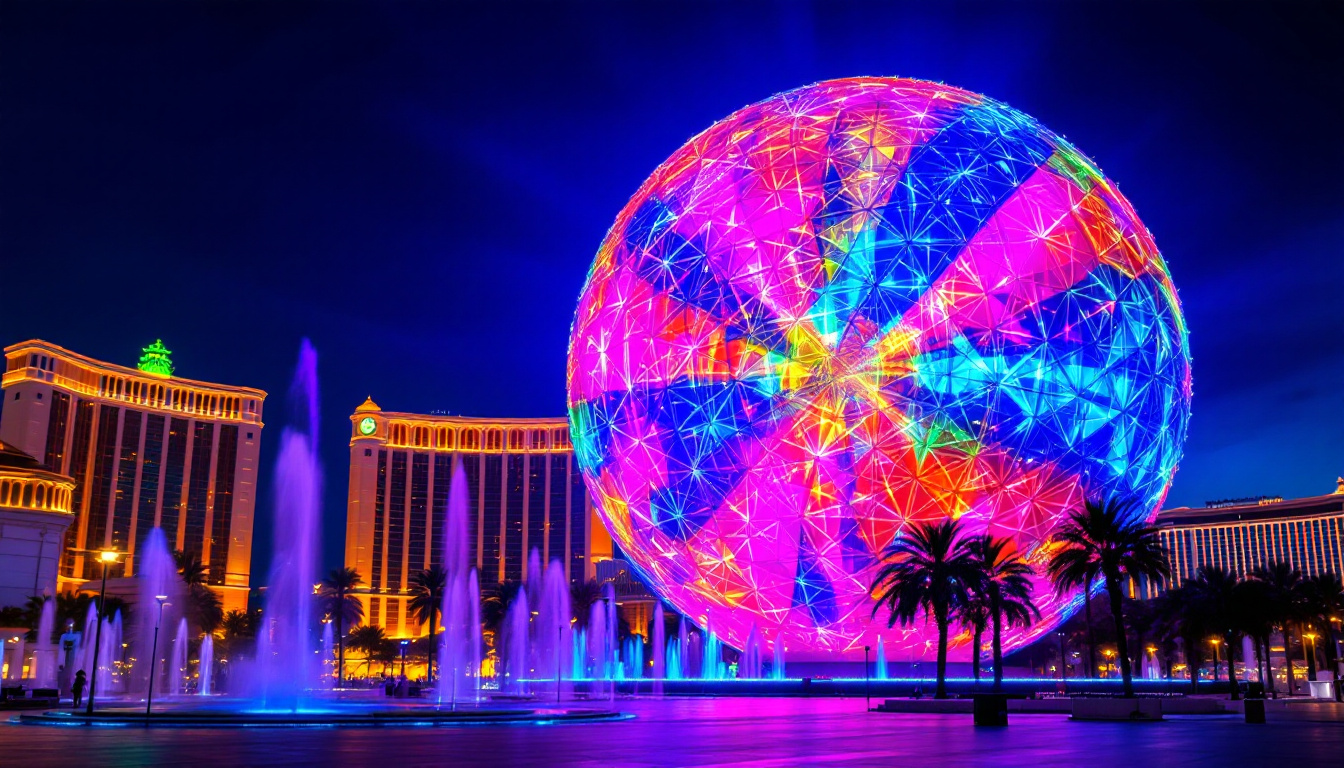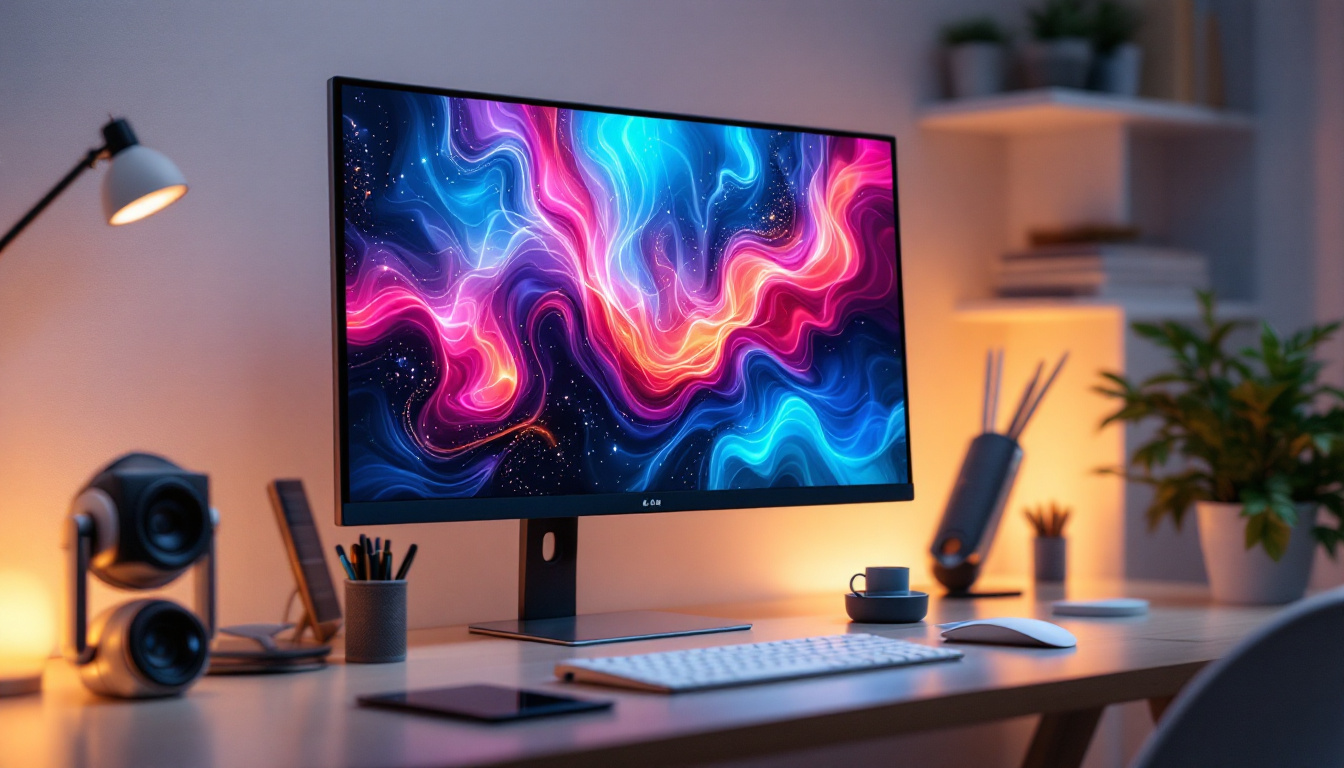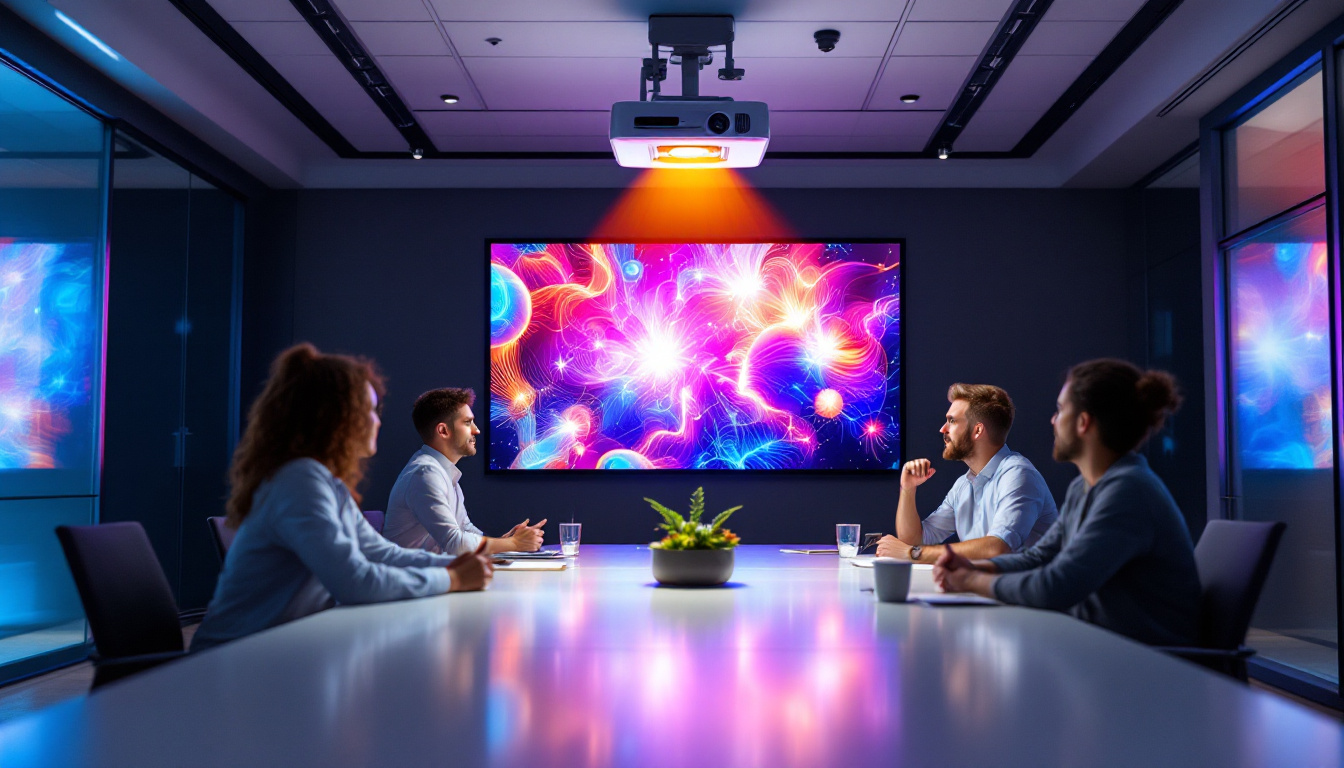
In today’s fast-paced business and educational environments, the way information is presented can significantly impact engagement and comprehension. Among the various tools available, LED display presentation boards have emerged as a powerful medium for delivering dynamic, vibrant, and clear content. This article delves into the world of LED display boards, exploring their technology, benefits, applications, and considerations for selecting the right system.
Understanding LED Display Technology
What is an LED Display Board?
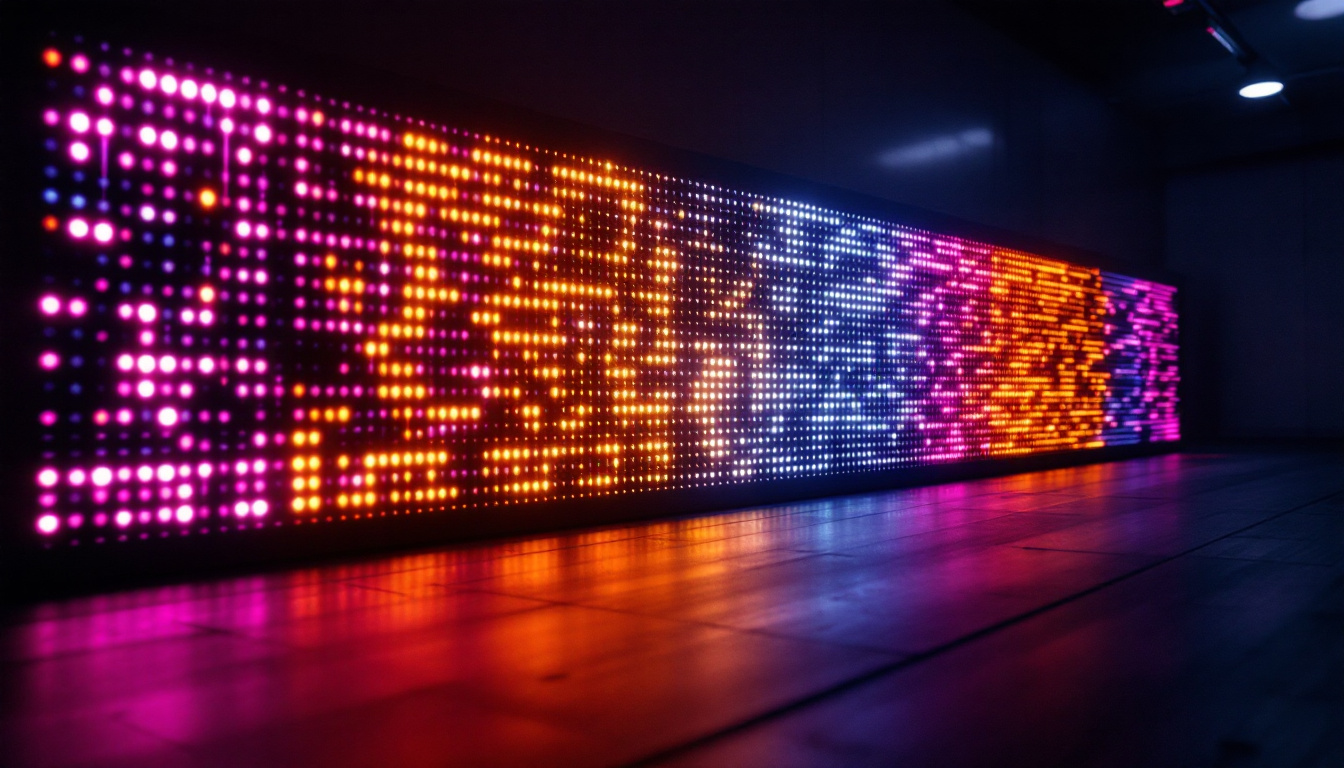
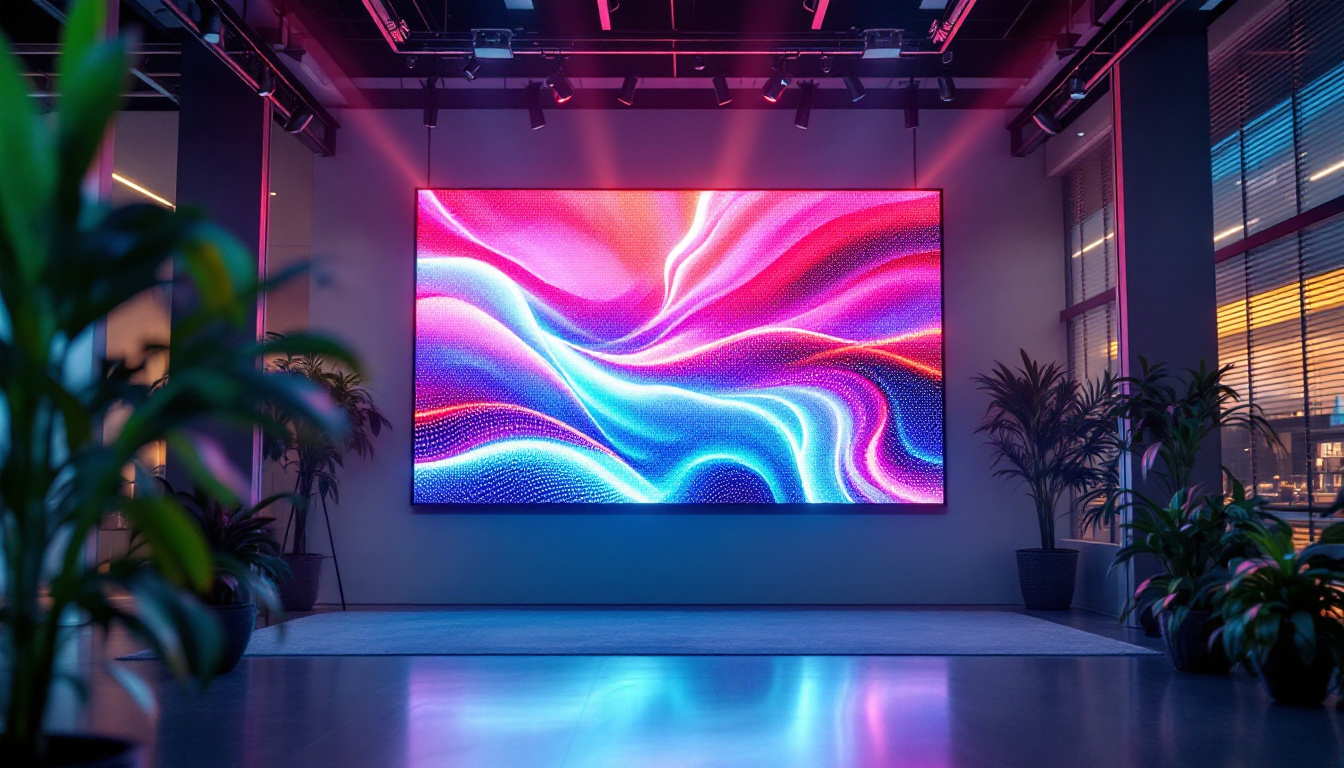
LED, or Light Emitting Diode, display boards are digital screens composed of numerous tiny light-emitting diodes arranged in a grid. Each diode acts as a pixel that can emit light in various colors, allowing the board to display images, videos, text, and animations with remarkable brightness and clarity. Unlike traditional LCD or projector-based presentation boards, LED displays use direct emission of light, which results in superior contrast and visibility even in brightly lit environments. This makes them particularly popular for advertising, public information displays, and event staging, where capturing the audience’s attention is crucial.
Furthermore, the versatility of LED display boards extends beyond simple advertising. They can be utilized in various settings, from sports arenas showcasing live scores and highlights to retail environments displaying dynamic promotions. The ability to update content in real-time allows businesses to tailor their messages based on audience engagement, time of day, or specific events, enhancing the effectiveness of their communication strategies.
How Do LED Displays Work?
At the core of LED display technology is the principle of electroluminescence, where electrical current passes through semiconductor materials to emit light. The diodes are grouped into clusters called pixels, typically comprising red, green, and blue LEDs. By adjusting the intensity of each color, the display can produce a wide spectrum of colors. Modern LED boards use advanced driver ICs and control systems to synchronize these pixels, rendering high-resolution images and smooth video playback. This technology enables LED displays to provide stunning visual experiences, making them a preferred choice for concerts and large-scale events.
Additionally, LED displays can be configured as either surface-mounted device (SMD) or through-hole LED types. SMD LEDs are more compact and allow for higher pixel density, making them ideal for close-range viewing such as conference rooms or classrooms. Through-hole LEDs, while bulkier, are often used in large outdoor displays due to their durability and brightness. Outdoor LED displays are engineered to withstand various weather conditions, featuring protective coatings and robust enclosures that ensure longevity. This resilience makes them suitable for long-term installations in public spaces, where they can continuously deliver vibrant content without significant degradation over time.
Moreover, the advent of smart LED technology has introduced features like interactive capabilities and integration with IoT devices. This allows for innovative applications such as touch-sensitive displays and content that adapts based on viewer interaction. As technology continues to evolve, the potential for LED displays expands, paving the way for even more immersive and engaging experiences in both commercial and artistic realms.
Advantages of Using LED Display Presentation Boards
Superior Visual Quality
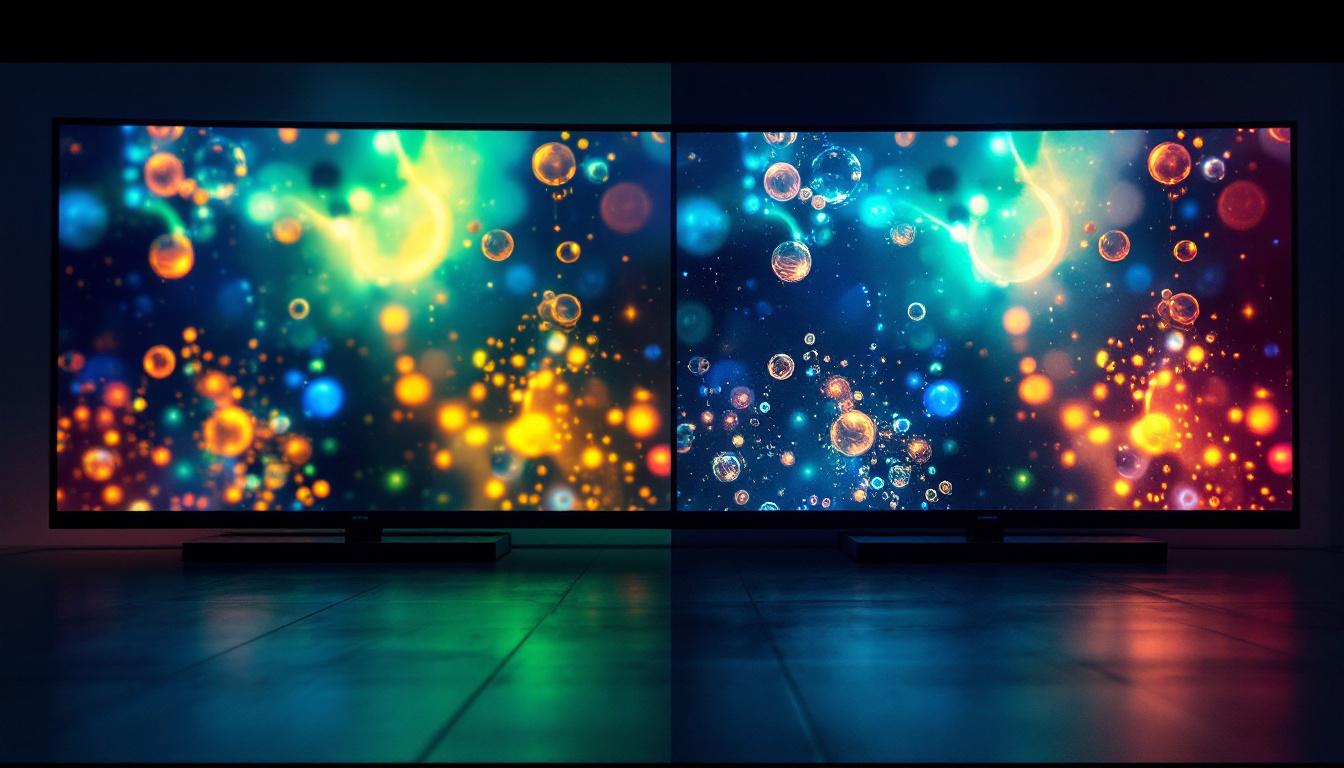
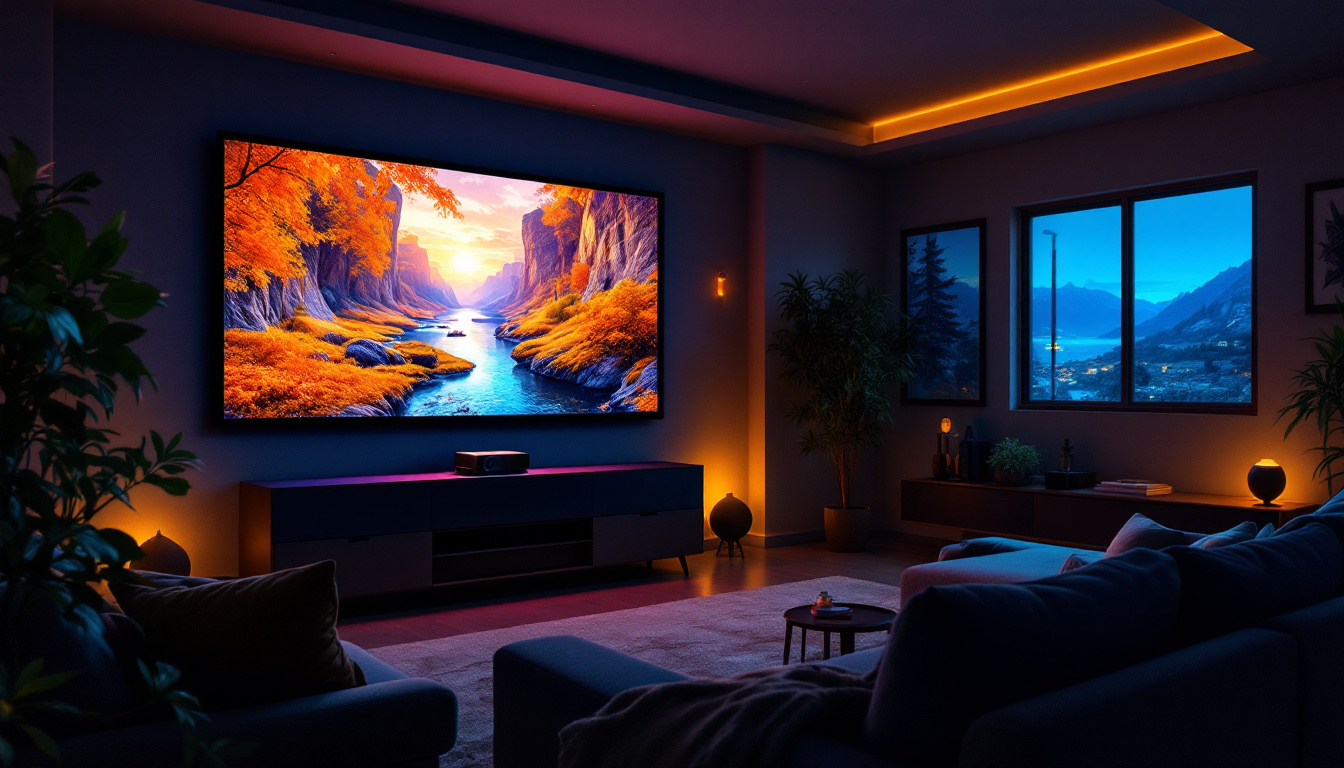
One of the most compelling reasons to choose LED display boards for presentations is their exceptional visual quality. LED screens offer vibrant colors, deep blacks, and high contrast ratios that make content stand out. This is particularly important in environments with ambient light, where traditional projectors may struggle to maintain clarity.
Moreover, LED displays support high refresh rates and resolutions, enabling smooth transitions and crisp text, which are essential for professional presentations and detailed data visualization. The ability to display intricate graphics and animations without lag enhances the overall viewer experience, ensuring that audiences remain engaged and informed. This is especially beneficial in settings such as classrooms or corporate meetings, where complex data needs to be communicated effectively.
Energy Efficiency and Longevity
LED technology is renowned for its energy efficiency compared to older display technologies. LEDs consume less power while providing higher brightness, which translates to lower operating costs over time. Many LED display boards also feature energy-saving modes and automatic brightness adjustments based on ambient light conditions.
In terms of durability, LEDs have a long lifespan, often exceeding 50,000 hours of use. This longevity reduces the need for frequent replacements and maintenance, making LED boards a cost-effective investment for businesses and educational institutions. Additionally, the robust nature of LED technology means that these displays are less prone to damage from impacts or environmental factors, further enhancing their reliability in dynamic settings such as outdoor events or busy conference halls.
Flexibility and Customization
LED display boards come in various sizes and configurations, from small portable units to large wall-mounted video walls. This flexibility allows organizations to tailor their presentation setups to specific needs, whether it’s a compact board for a meeting room or an expansive display for auditorium presentations.
Many LED boards also support modular designs, enabling users to combine multiple panels seamlessly to create custom-sized displays. This scalability is particularly valuable for events, trade shows, and large venues. The ability to create unique shapes and sizes not only enhances the aesthetic appeal of a presentation but also allows for innovative layouts that can capture audience attention more effectively. Furthermore, with advancements in wireless technology, many LED displays can now connect to various devices without cumbersome cables, facilitating a cleaner and more organized setup that enhances the overall professionalism of the presentation environment.
Applications of LED Display Boards in Presentations
Corporate and Business Environments
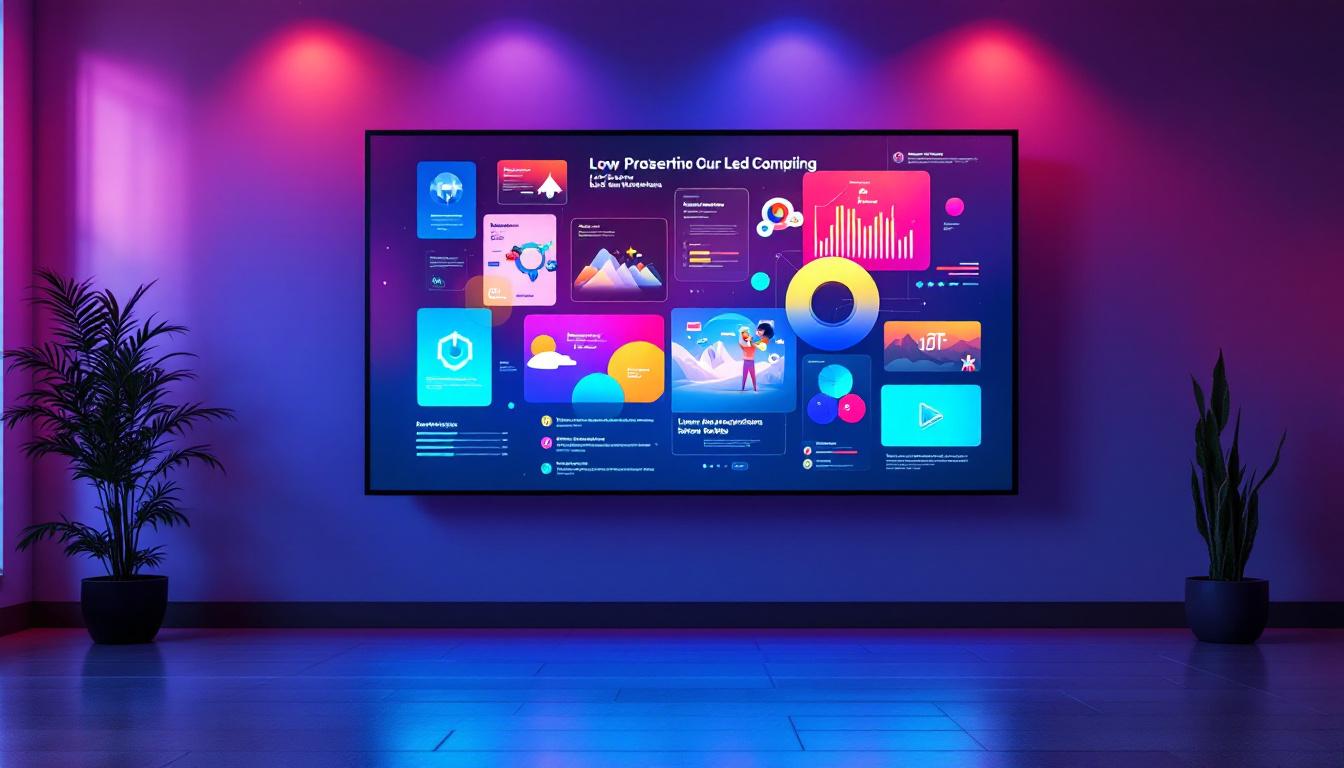
In corporate settings, LED display boards are increasingly used for boardroom presentations, sales pitches, and internal communications. Their ability to display detailed charts, infographics, and multimedia content enhances message delivery and audience engagement. For example, companies often use LED walls during product launches or shareholder meetings to create immersive experiences that leave lasting impressions.
Additionally, LED boards facilitate real-time data visualization, which is crucial for decision-making in fast-moving industries such as finance, marketing, and technology.
Education and Training
Educational institutions benefit from LED display boards by providing students with clear and interactive visual aids. These boards support multimedia content, including videos, animations, and interactive quizzes, which cater to diverse learning styles and improve knowledge retention.
Training sessions in corporate or technical fields also leverage LED displays to demonstrate complex processes and simulations. The high brightness and resolution ensure that every participant has an unobstructed view, regardless of seating arrangements.
Events, Exhibitions, and Public Spaces
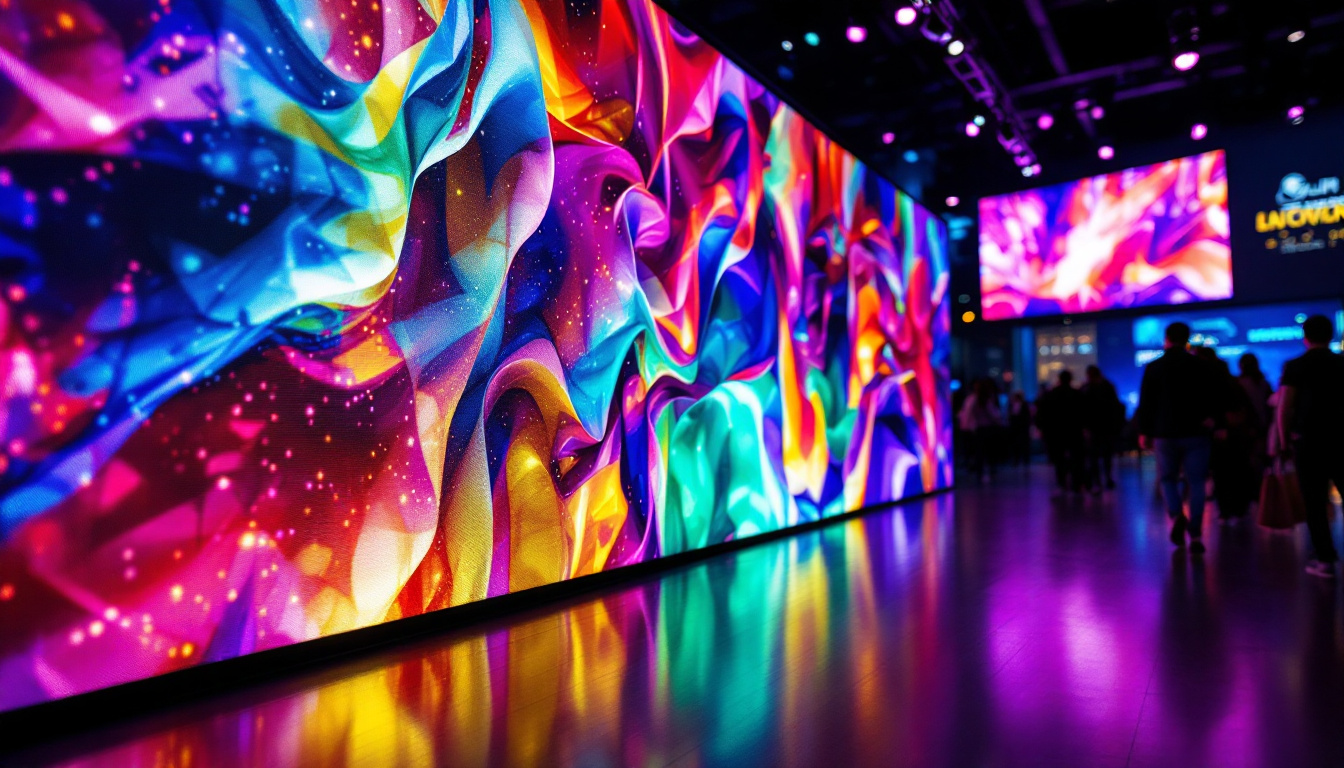
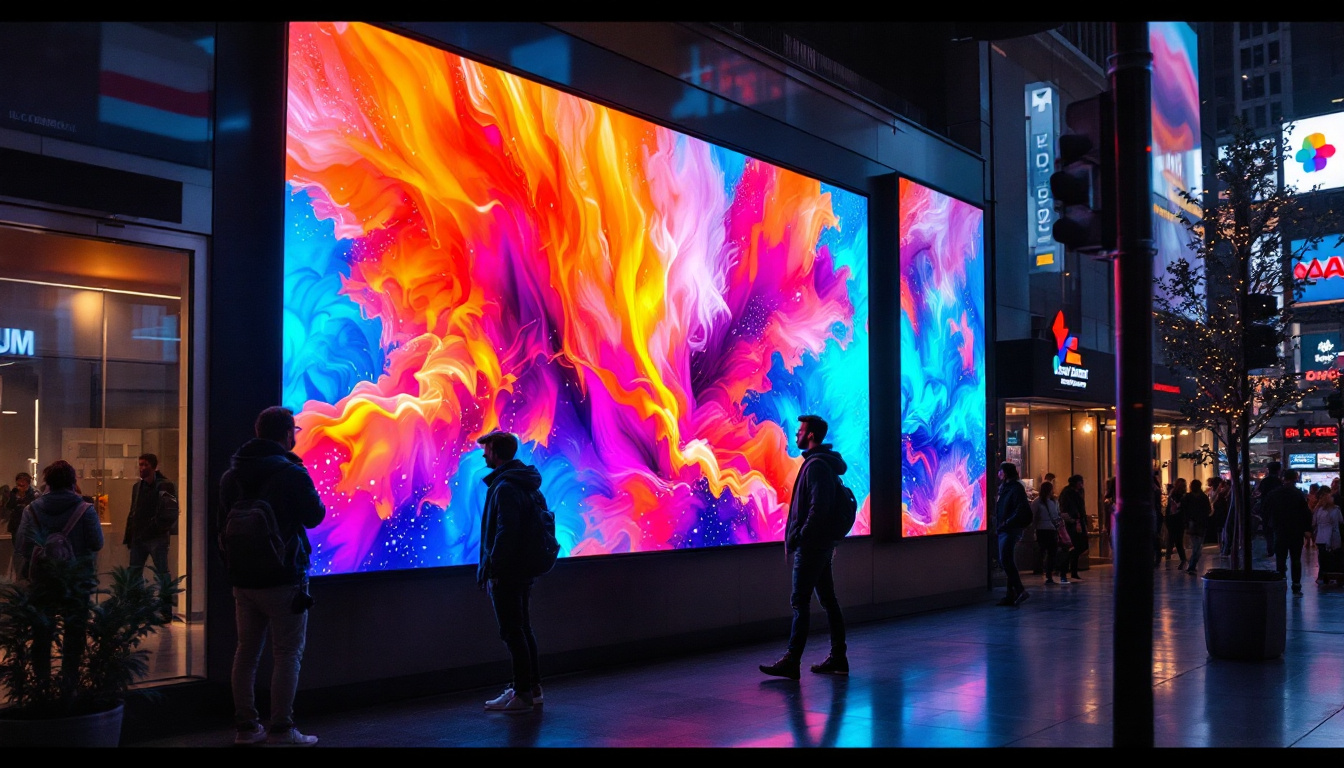
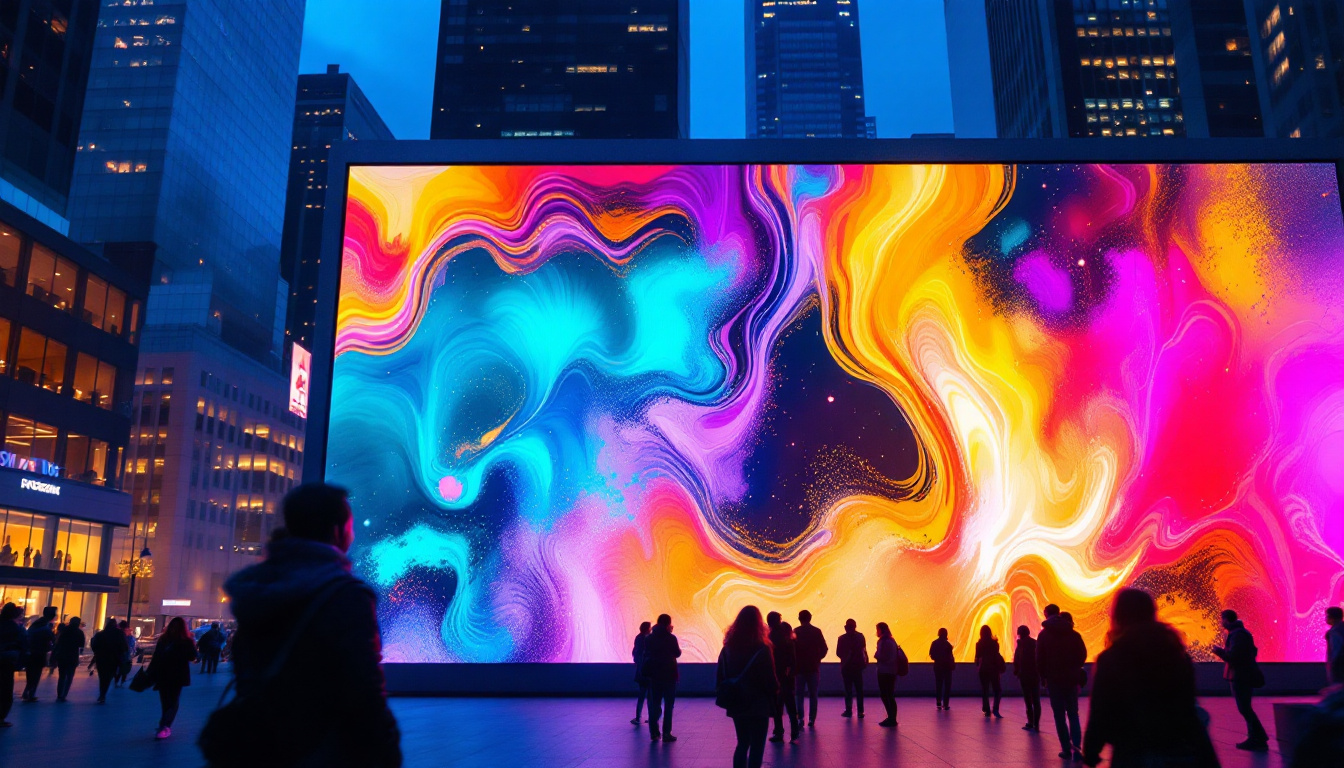
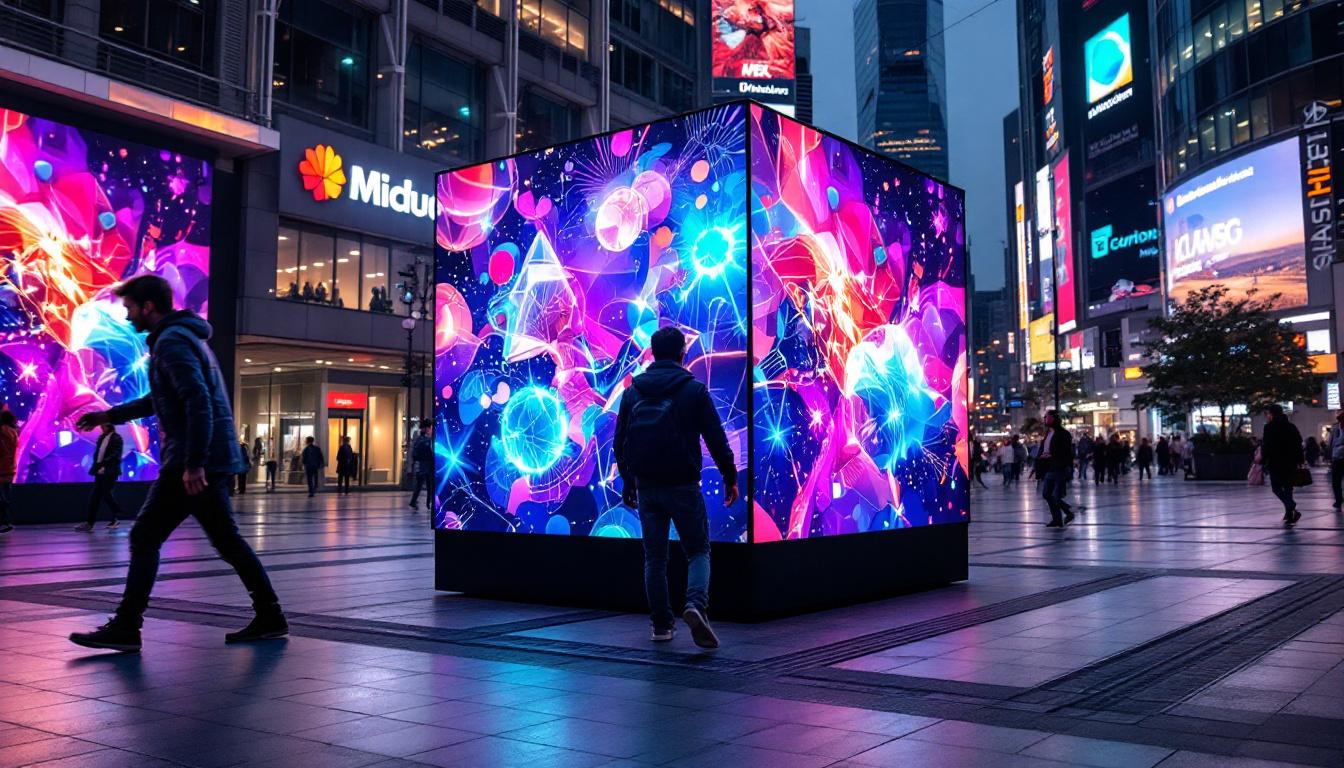
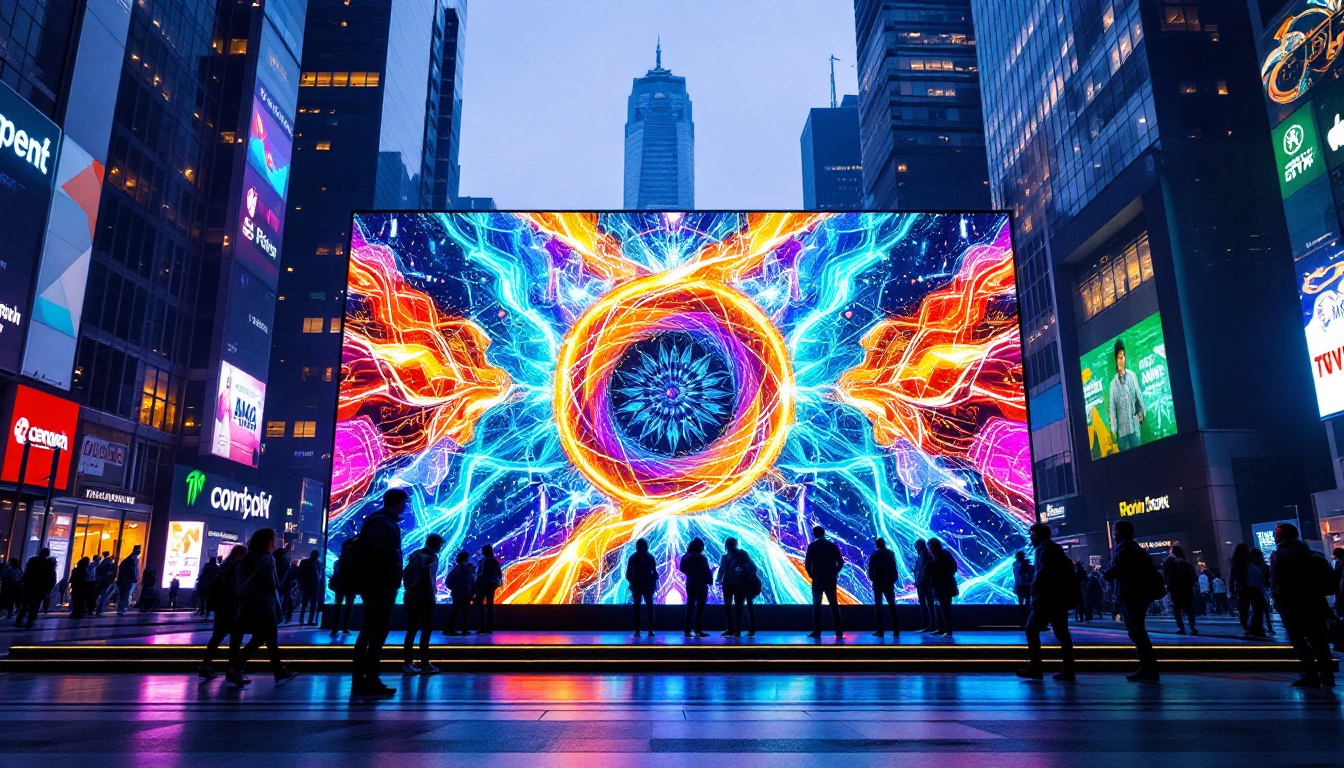
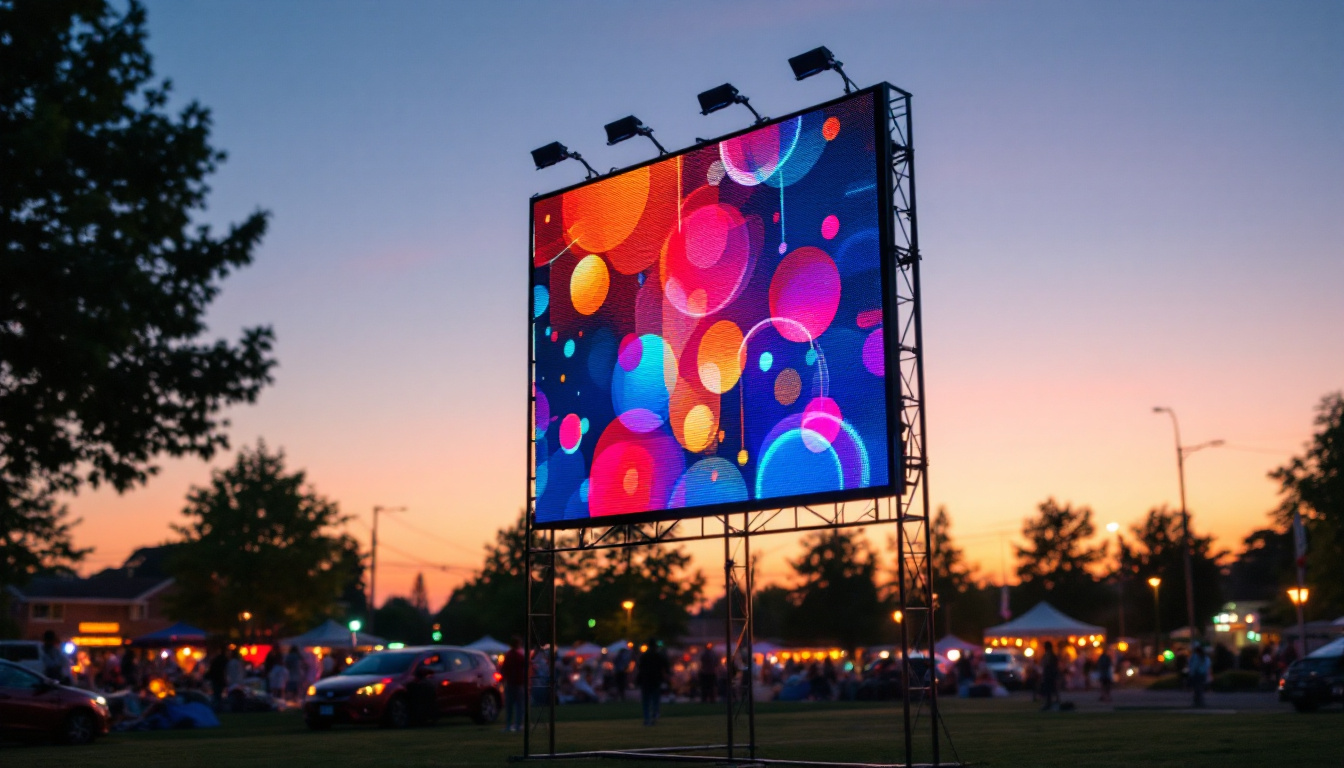
LED display boards are a staple at conferences, trade shows, and public information centers. Their ability to attract attention with vivid visuals makes them ideal for advertising, wayfinding, and live event broadcasting. For instance, LED video walls at major conferences can stream keynote speeches, display social media feeds, and showcase sponsor advertisements simultaneously.
In public spaces such as airports, shopping malls, and stadiums, LED displays provide critical information like schedules, announcements, and emergency alerts with high visibility and reliability.
Key Considerations When Choosing an LED Display Board
Resolution and Pixel Pitch
Resolution refers to the number of pixels on the display, while pixel pitch is the distance between the centers of two adjacent pixels. These factors directly affect image sharpness and viewing distance. For presentations where viewers are close to the screen, a smaller pixel pitch (e.g., 1.5mm to 2.5mm) is preferable to ensure detailed visuals. Conversely, larger pixel pitches can be used for displays viewed from a distance, such as auditorium screens or outdoor signage.
Brightness and Contrast Ratio
Brightness, measured in nits, determines how well the display performs under various lighting conditions. Indoor LED boards typically require 800 to 1,200 nits, while outdoor displays may need 5,000 nits or more to combat sunlight glare. Contrast ratio—the difference between the darkest black and brightest white—also influences image quality and viewer comfort, especially during extended presentations.
Connectivity and Compatibility
Modern LED display boards support multiple input sources, including HDMI, DisplayPort, USB, and wireless connections. It is essential to ensure compatibility with existing presentation devices like laptops, tablets, or media players. Some LED boards also offer integrated software platforms that simplify content management and remote control, enhancing user convenience.
Installation and Maintenance
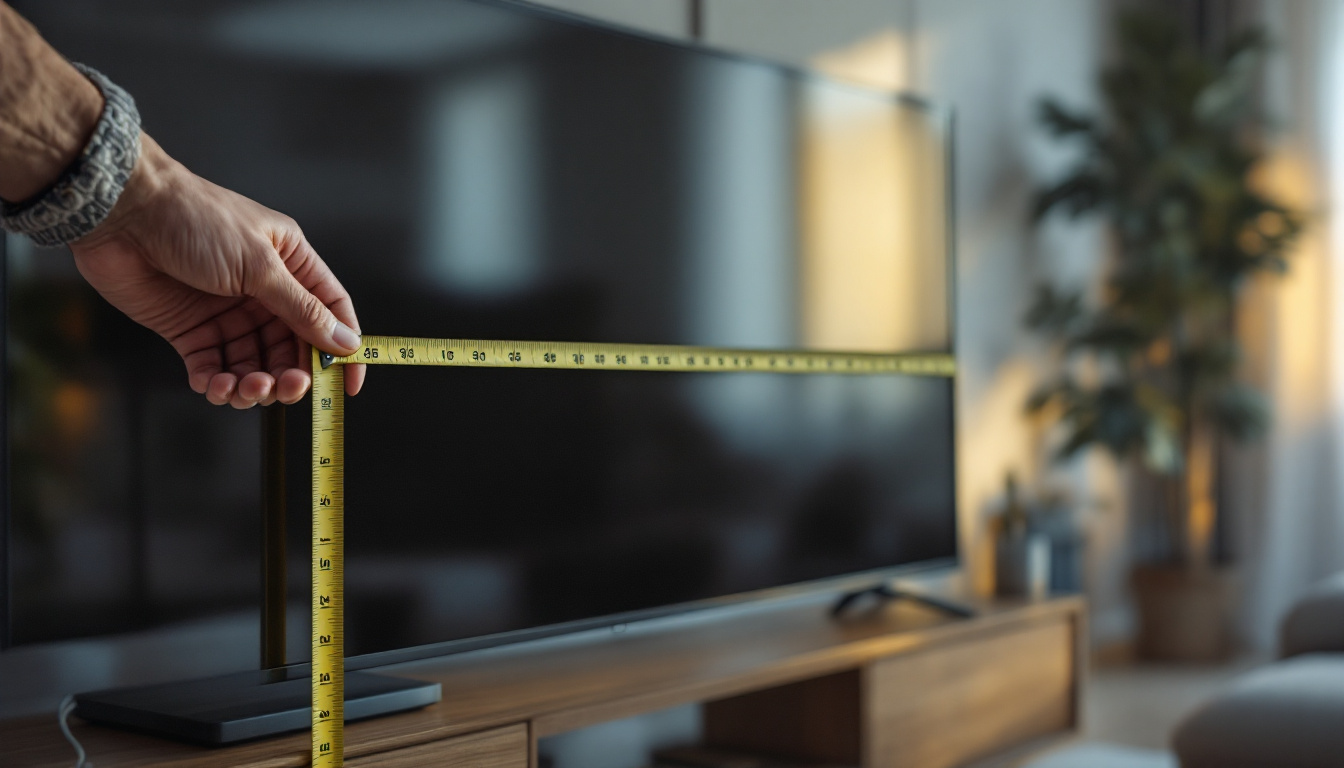
The complexity of installation varies based on the size and type of LED display. Wall-mounted units require professional mounting and calibration, while portable boards offer plug-and-play simplicity. Maintenance considerations include ease of access for cleaning and repairs, as well as the availability of technical support and warranty services.
The Future of Presentation Boards: Innovations in LED Technology
MicroLED and MiniLED Displays
Emerging technologies like MicroLED and MiniLED promise to revolutionize presentation boards further. MicroLED displays utilize microscopic LEDs to achieve even higher resolutions and contrast ratios with lower power consumption. These displays are thinner, more flexible, and offer superior color accuracy, making them ideal for premium presentation applications.
MiniLED technology, which uses thousands of tiny LEDs as backlighting for LCD panels, enhances brightness and local dimming capabilities, improving image quality while maintaining cost-effectiveness.
Interactive LED Displays
Interactivity is becoming a crucial feature in presentation boards. Touch-sensitive LED displays allow presenters and audiences to engage directly with content by annotating, zooming, or navigating through slides. This interactivity fosters collaboration and makes presentations more dynamic and memorable.
Integration with Artificial Intelligence and IoT
Future LED presentation boards are expected to integrate AI and Internet of Things (IoT) technologies to personalize content delivery and automate system adjustments. For instance, AI algorithms could analyze audience engagement and adapt visuals accordingly, while IoT connectivity enables remote monitoring and maintenance, reducing downtime.
Conclusion
LED display presentation boards represent a significant advancement in how information is shared across various sectors. Their superior visual quality, energy efficiency, and versatility make them an excellent choice for businesses, educators, and event organizers aiming to captivate their audiences. By understanding the underlying technology, benefits, and key selection criteria, organizations can make informed decisions that enhance communication and drive success.
As LED technology continues to evolve, the potential for more immersive, interactive, and intelligent presentation solutions will only grow, setting new standards for effective visual communication in the years to come.
Discover LumenMatrix’s Innovative LED Solutions
Ready to elevate your presentations and captivate your audience with the latest in LED technology? Look no further than LumenMatrix, a pioneer in crafting visually stunning and technologically advanced LED display modules. From vibrant Indoor and Outdoor LED Wall Displays to dynamic Vehicle and Sports LED Displays, and even customizable solutions like Floor and Transparent LED Displays, LumenMatrix has the perfect fit for your needs. Embrace the future of visual communication with our All-in-One LED Display solutions that promise to transform your message into an unforgettable experience. Check out LumenMatrix LED Display Solutions today and see the difference for yourself!