In today’s digital age, privacy has become a paramount concern, especially when it comes to using electronic devices in public or shared spaces. Whether working remotely from a café, traveling on public transport, or simply using a laptop in an open office, the risk of sensitive information being exposed to prying eyes is real. Portable privacy screens have emerged as a practical solution to this problem, and when combined with LED display technology, they offer an innovative way to safeguard your data without compromising on screen clarity or brightness.
This article delves into the concept of portable privacy screens with a focus on LED displays, exploring how they work, their benefits, and what to consider when choosing one. By understanding the technology and applications, users can make informed decisions to protect their privacy effectively.
Understanding Portable Privacy Screens
What Is a Portable Privacy Screen?
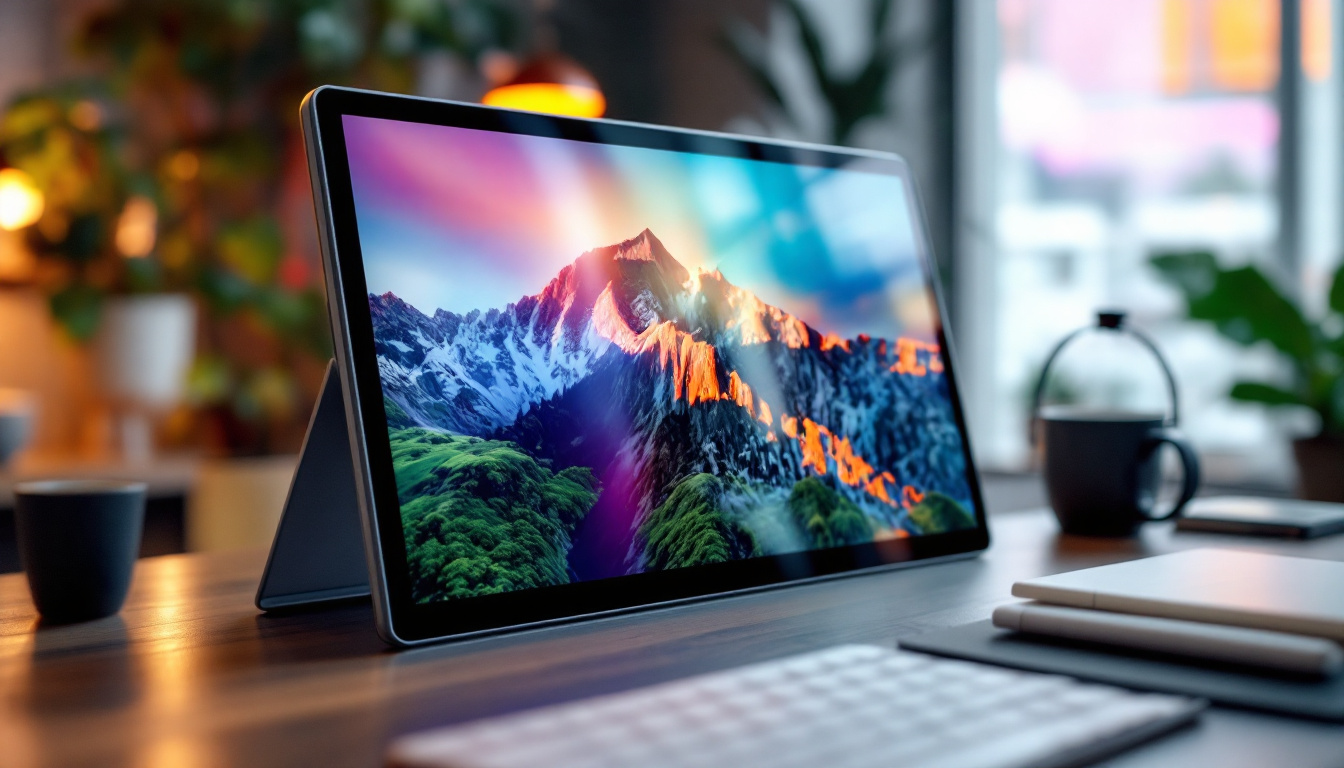
A portable privacy screen is a thin, attachable filter that fits over the display of a laptop, tablet, or smartphone to restrict the viewing angle of the screen. This means that only the person directly in front of the device can see the content clearly, while anyone viewing from the side sees a darkened or blurred screen. This simple yet effective technology helps prevent visual hacking, which is the unauthorized viewing of confidential information on electronic displays.
Privacy screens are especially valuable in environments where sensitive data is handled, such as financial institutions, healthcare settings, and corporate offices. They are also increasingly popular among remote workers and students who use public Wi-Fi and shared spaces. In fact, the rise of hybrid work models has made privacy screens a staple accessory for professionals who often find themselves working in coffee shops, libraries, or co-working spaces. With the increasing prevalence of data breaches and identity theft, the demand for such protective measures has surged, prompting manufacturers to innovate and improve the design and functionality of these screens.
How Do Privacy Screens Work?
Traditional privacy screens use microlouver technology, which consists of tiny vertical blinds embedded within the screen filter. These microlouvers block light from certain angles, narrowing the field of view. The result is a screen that looks normal when viewed straight on but appears dark or black from side angles.
However, this technology can sometimes reduce screen brightness and clarity, which may affect user experience. This is where LED display technology integrated with privacy screens offers a significant advantage, maintaining screen quality while enhancing privacy. Moreover, many modern privacy screens are designed to be easily removable and reusable, allowing users to switch between a private and public viewing experience as needed. Some advanced models even come with anti-glare and blue light filtering features, providing additional comfort for users who spend long hours in front of their screens. This combination of privacy and eye care makes them an essential tool for anyone concerned about both security and well-being in their digital interactions.
LED Display Technology in Privacy Screens
What Is an LED Display?
LED, or Light Emitting Diode, displays are a type of screen technology that uses LEDs to illuminate the display pixels. Unlike traditional LCDs that rely on fluorescent backlighting, LED displays offer higher brightness, better color accuracy, and improved energy efficiency. They are widely used in monitors, televisions, smartphones, and increasingly in portable devices due to their superior performance.
Integration of LED Technology with Privacy Screens
When privacy screens are designed specifically for LED displays, they can leverage the unique properties of LED lighting to optimize privacy without sacrificing screen quality. These privacy filters are engineered to work with the directional light emission of LEDs, ensuring that the screen remains bright and clear to the user while limiting visibility from side angles.
Some advanced portable privacy screens incorporate additional layers or coatings that enhance the LED’s brightness and contrast, compensating for any light loss caused by the privacy filter. This integration results in a more seamless viewing experience compared to traditional privacy screens.
Advantages of LED-Based Portable Privacy Screens
LED-based privacy screens offer several benefits over conventional privacy filters:
- Improved Brightness and Clarity: LED displays naturally provide brighter and sharper images, which privacy screens designed for LEDs preserve better than older technologies.
- Energy Efficiency: LED displays consume less power, and when combined with privacy screens, they help extend battery life for portable devices.
- Enhanced Color Accuracy: Users can enjoy true-to-life colors even with the privacy screen attached, which is crucial for graphic designers, photographers, and professionals requiring color fidelity.
- Durability and Lightweight: Modern LED privacy screens are often made from durable, lightweight materials, making them easy to carry and install without adding bulk.
Choosing the Right Portable Privacy Screen for Your LED Device
Compatibility and Size
The first consideration when selecting a portable privacy screen is compatibility with your device’s display size and resolution. Privacy filters are typically designed for specific screen dimensions, so measuring your screen accurately is essential. Many manufacturers provide filters for popular laptop sizes (13”, 15”, 17”) and tablets.
Additionally, ensure the privacy screen is compatible with LED displays, as some older filters may be optimized for LCD or other screen types and could degrade LED screen performance.
Viewing Angle and Privacy Level
Privacy screens vary in the degree to which they restrict side viewing angles. Some offer a narrow viewing angle of about 30 degrees, which provides maximum privacy but can feel restrictive. Others allow wider angles, balancing privacy with usability when sharing the screen with a colleague.
Consider your typical environment and privacy needs when choosing the viewing angle. For highly sensitive information, a narrower angle is preferable, while for casual use, a moderate angle might suffice.
Installation and Portability
Portable privacy screens come in two main types: adhesive and removable. Adhesive screens stick permanently to the device and offer a seamless fit but are less portable. Removable screens use magnetic frames or clips, allowing users to attach and detach the filter as needed, making them ideal for mobile professionals.
Weight and thickness also matter, especially for users who travel frequently. Lightweight, slim privacy screens are easier to carry and do not add significant bulk to the device.
Additional Features
Some privacy screens include anti-glare and blue light filtering properties, which reduce eye strain during extended use. These features can complement the privacy function, enhancing overall user comfort and health.
Other advanced filters may offer fingerprint resistance and scratch protection, extending the lifespan of your device’s display.
Applications and Use Cases of Portable Privacy Screens with LED Displays
Remote Work and Mobile Professionals
The rise of remote work has increased the demand for portable privacy solutions. Professionals working in cafés, co-working spaces, airports, or on public transport face constant risks of data exposure. A portable privacy screen with LED display compatibility ensures that their work remains confidential without compromising device usability.
According to a 2023 survey by Cybersecurity Ventures, visual hacking incidents increased by 35% in the last two years, underscoring the importance of privacy screens in everyday work environments.
Healthcare and Financial Sectors
In industries like healthcare and finance, protecting patient and client information is not just best practice but a legal requirement under regulations such as HIPAA and GDPR. Portable privacy screens help professionals comply with these regulations by preventing unauthorized viewing of sensitive data on electronic devices.
LED displays combined with privacy filters allow these professionals to maintain high-quality visuals necessary for reviewing detailed documents, charts, and images without risking data leaks.
Education and Public Spaces
Students and educators often use laptops and tablets in libraries, classrooms, and study halls. Portable privacy screens help protect academic work and personal information from accidental exposure. LED-compatible privacy screens ensure that screen content remains visible and vibrant, supporting effective learning and collaboration.
Maintaining and Caring for Your Portable Privacy Screen
Cleaning and Handling
Maintaining the clarity and functionality of your privacy screen requires proper cleaning and handling. Use a microfiber cloth and a gentle screen cleaner to avoid scratching the surface. Avoid harsh chemicals or abrasive materials that could damage the privacy filter or the LED display underneath.
When removing or attaching the screen, handle it carefully to prevent bending or cracking, especially if it uses a magnetic or clip-on design.
Storage Tips
If your privacy screen is removable, store it in a protective sleeve or case when not in use to prevent dust accumulation and physical damage. Keeping it clean and scratch-free will prolong its lifespan and maintain optimal privacy performance.
The Future of Portable Privacy Screens and LED Displays
As technology advances, the integration of privacy features with display technology is expected to become more sophisticated. Emerging trends include smart privacy screens that can dynamically adjust viewing angles based on user presence or environmental conditions, and OLED displays with built-in privacy functions.
Additionally, the push for more secure and user-friendly devices is driving innovation in materials science, resulting in thinner, more durable, and higher-performing privacy filters. The convergence of LED display technology with these innovations promises a future where privacy and display quality coexist seamlessly.
Conclusion
Portable privacy screens designed for LED displays represent a crucial tool in protecting sensitive information in an increasingly mobile and connected world. By understanding how these screens work, their benefits, and the factors to consider when choosing one, users can safeguard their data without sacrificing the quality and usability of their devices.
Whether for professional, educational, or personal use, investing in a high-quality LED-compatible privacy screen is a proactive step toward maintaining digital privacy and security in public and shared environments.
Discover LumenMatrix’s Advanced LED Display Solutions
Enhance your digital privacy without compromising on display quality with LumenMatrix’s innovative LED display technology. As a leader in creating immersive visual experiences, LumenMatrix offers a wide range of solutions, from Indoor and Outdoor LED Wall Displays to specialized options like Vehicle, Sports, and Floor LED Displays. Embrace the future of visual communication with our Custom, All-in-One, and Transparent LED Displays, designed to captivate and engage. Ready to elevate your brand’s visibility and impact? Check out LumenMatrix LED Display Solutions today and experience the perfect blend of privacy and performance.