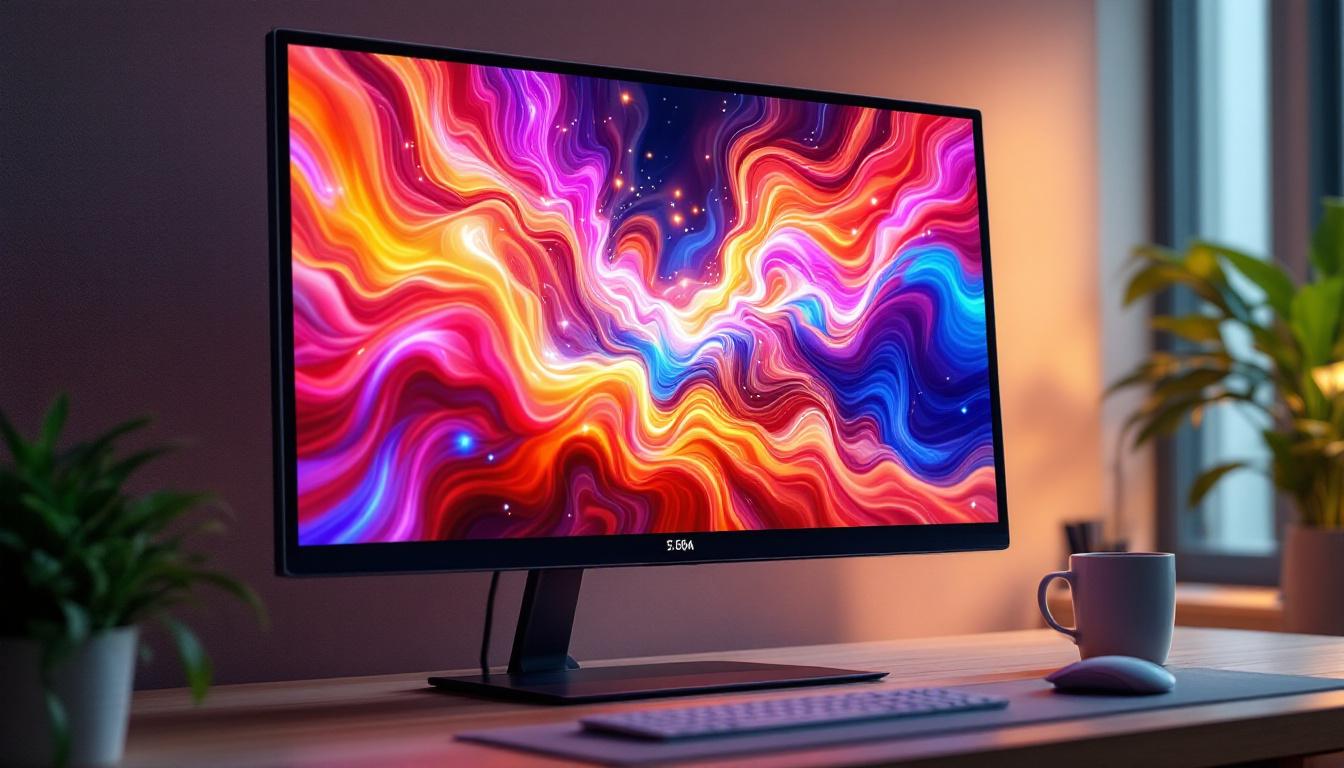
In today’s digital age, computer monitors are an essential part of both professional and personal setups. Among the various types of displays available, LCD monitors with LED backlighting have become the most popular choice for users worldwide. But what exactly is an LCD computer monitor, and how does the LED display technology enhance its performance? This article delves into the fundamentals of LCD monitors, explains the role of LED backlighting, and explores why this combination has become the industry standard.
Understanding LCD Technology: The Foundation of Modern Displays
LCD stands for Liquid Crystal Display, a technology that revolutionized screen manufacturing since its commercial inception in the late 20th century. Unlike older cathode ray tube (CRT) monitors, LCDs use liquid crystals to modulate light and create images, resulting in thinner, lighter, and more energy-efficient screens.
At its core, an LCD panel consists of several layers, including two polarized glass substrates with liquid crystals sandwiched between them. When an electric current passes through these crystals, they align in a way that controls the passage of light. This modulation of light allows the display to produce images by blocking or allowing light to pass through specific pixels.
The liquid crystals themselves do not emit light; instead, they rely on a separate light source known as a backlight. This is where LED technology plays a critical role in modern LCD monitors.
The Evolution from CCFL to LED Backlighting
Initially, LCD monitors used Cold Cathode Fluorescent Lamps (CCFL) as their backlight source. While CCFLs provided adequate brightness, they had several drawbacks, including higher power consumption, bulkier designs, and limited lifespan.
The introduction of LED (Light Emitting Diode) backlighting marked a significant advancement. LEDs are much smaller, more energy-efficient, and capable of producing brighter and more uniform light. This transition allowed manufacturers to create thinner monitors with better color accuracy and longer durability.
Moreover, the shift to LED technology has enabled the development of various backlighting techniques, such as edge-lit and full-array backlighting. Edge-lit displays, where LEDs are placed along the edges of the screen, allow for ultra-slim designs, making them popular for modern televisions and portable devices. In contrast, full-array backlighting, which uses a grid of LEDs behind the entire screen, enhances contrast and provides deeper blacks, greatly improving the viewing experience, particularly in darker environments.
As LCD technology continues to evolve, we also see the integration of advanced features such as local dimming, which dynamically adjusts the brightness of specific areas of the screen to enhance image quality further. This innovation not only improves the overall visual experience but also contributes to energy savings, making LCDs an even more appealing choice for consumers and manufacturers alike.
What Is an LED Display in the Context of LCD Monitors?
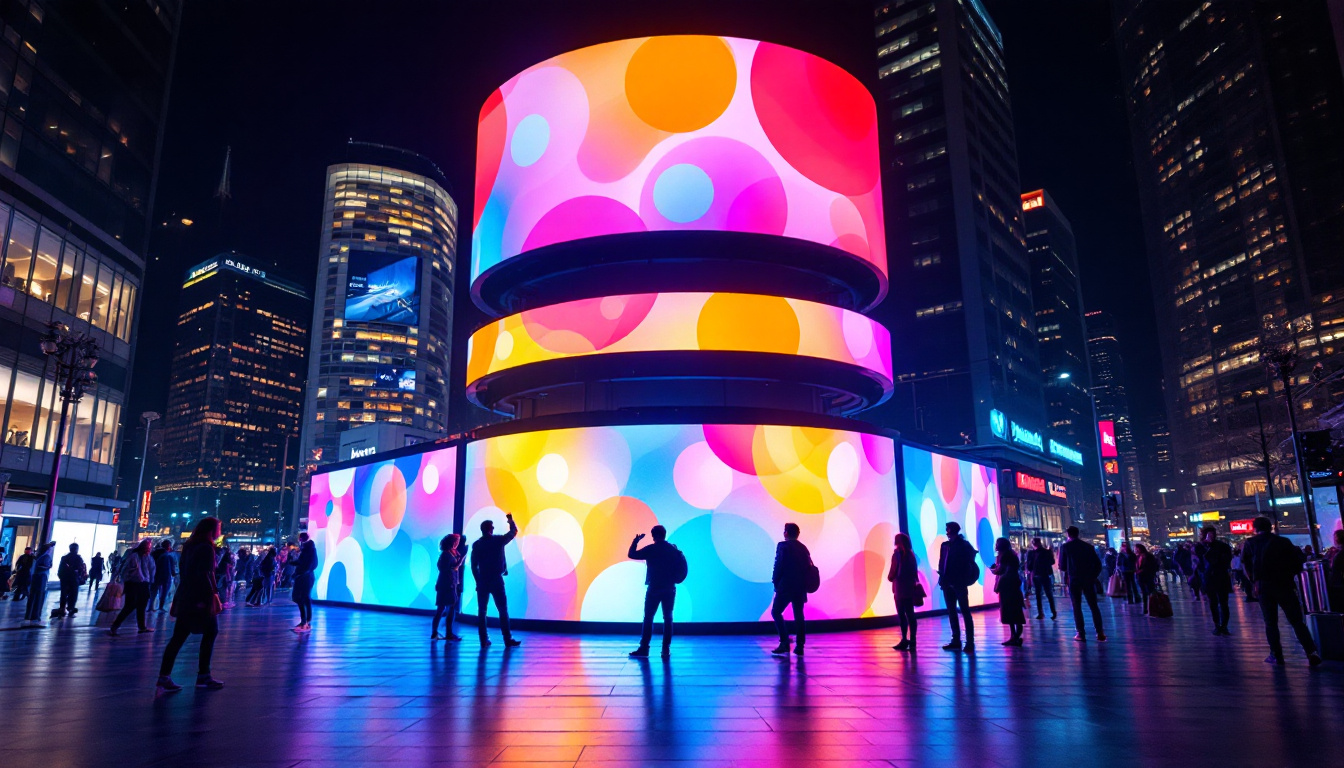
It is important to clarify a common misconception: the term “LED display” often refers to two different technologies. True LED displays, like those used in large outdoor screens or some high-end TVs, use arrays of LEDs as individual pixels. However, when it comes to computer monitors marketed as “LED displays,” they are typically LCD panels with LED backlighting.
In other words, the display panel itself is still an LCD, but the illumination behind it comes from LEDs. This combination leverages the strengths of both technologies, resulting in superior image quality and efficiency compared to older LCDs with CCFL backlights.
Types of LED Backlighting in LCD Monitors
There are two primary methods of LED backlighting used in LCD monitors:
- Edge-Lit LED: LEDs are placed along the edges of the screen, and light is distributed across the panel using light guides. This design enables ultra-thin monitors but can sometimes result in uneven brightness or contrast.
- Direct or Full-Array LED: LEDs are positioned directly behind the LCD panel in a grid. This allows for more precise control of brightness zones, improving contrast ratios and enabling local dimming features.
Choosing between these depends on user priorities such as screen thickness, image quality, and budget.
Advantages of LCD Monitors with LED Backlighting
The combination of LCD technology with LED backlighting offers several benefits that have made these monitors the preferred choice for most users. Understanding these advantages can help consumers make informed decisions when purchasing a monitor.
Improved Energy Efficiency
LED backlights consume significantly less power than CCFLs. According to data from the U.S. Department of Energy, LED-backlit LCD monitors can use up to 40% less energy than their CCFL counterparts. This efficiency not only reduces electricity bills but also contributes to environmental sustainability.
Enhanced Image Quality
LED backlighting provides brighter and more consistent illumination, which enhances the overall image quality. Monitors with full-array LED backlighting and local dimming can achieve higher contrast ratios, resulting in deeper blacks and more vibrant colors. This is particularly beneficial for graphic designers, video editors, and gamers who demand precise color accuracy and dynamic visuals.
Thinner and Lighter Designs
The compact size of LEDs allows manufacturers to produce ultra-thin and lightweight monitors. This makes LCD monitors with LED backlighting ideal for modern workspaces where desk space is limited or for users who require portability.
Longer Lifespan and Durability
LEDs have a longer operational lifespan compared to CCFLs, often exceeding 50,000 hours. This means that LED-backlit monitors tend to maintain consistent brightness and color performance over many years of use, reducing the need for replacements.
Common Applications and Use Cases for LCD Monitors with LED Displays
LCD monitors with LED backlighting are versatile and cater to a wide range of needs across different industries and user profiles.
Office and Productivity Environments
For everyday tasks such as word processing, spreadsheets, and web browsing, LCD monitors with LED backlighting provide sharp, flicker-free images that reduce eye strain. Their energy efficiency also makes them cost-effective for large office deployments.
Creative Professionals
Graphic designers, photographers, and video editors benefit from the superior color accuracy and contrast offered by LED-backlit LCD monitors. Many high-end models support wide color gamuts like Adobe RGB and DCI-P3, ensuring that digital content is represented faithfully.
Gaming
Gamers often seek monitors with fast response times, high refresh rates, and vivid colors. LED backlighting facilitates these features by enabling better brightness control and color reproduction. Some gaming monitors also incorporate advanced LED technologies such as RGB lighting and dynamic local dimming to enhance the immersive experience.
Home Entertainment and Multimedia
Whether streaming movies or video chatting, users appreciate the crisp images and vibrant colors of LED-backlit LCD monitors. Their slim profiles make them suitable for multi-purpose setups, including dual-monitor configurations.
Key Specifications to Consider When Choosing an LCD Monitor with LED Backlighting
When shopping for an LCD monitor with LED backlighting, several technical specifications can impact performance and user satisfaction. Understanding these factors helps buyers select the right monitor for their needs.
Resolution and Screen Size
Resolution determines the number of pixels displayed on the screen, affecting image sharpness. Common resolutions include Full HD (1920×1080), Quad HD (2560×1440), and 4K Ultra HD (3840×2160). Larger screen sizes paired with higher resolutions provide more workspace and finer detail but may require more powerful hardware to drive.
Refresh Rate and Response Time
Refresh rate, measured in hertz (Hz), indicates how many times the screen updates per second. Higher refresh rates (e.g., 120Hz, 144Hz, or even 240Hz) result in smoother motion, which is crucial for gaming and video playback. Response time refers to how quickly pixels change color, with lower values reducing motion blur.
Color Accuracy and Gamut
Color accuracy is vital for professionals working with visual content. Monitors with factory calibration and support for wide color gamuts ensure that colors are reproduced correctly. Look for specifications such as Delta E values and coverage percentages of sRGB, Adobe RGB, or DCI-P3.
Connectivity Options
Modern monitors offer various ports, including HDMI, DisplayPort, USB-C, and legacy VGA or DVI. USB-C ports with power delivery are especially useful for laptop users seeking a single-cable solution for video, data, and charging.
Additional Features
Features like adjustable stands, blue light filters, flicker-free technology, and built-in speakers can enhance comfort and convenience. Some monitors also support HDR (High Dynamic Range) for improved brightness and color depth.
Future Trends in LCD and LED Monitor Technology
While LCD monitors with LED backlighting dominate the market today, display technology continues to evolve rapidly. Emerging innovations promise to further improve image quality, energy efficiency, and user experience.
Mini-LED and Micro-LED Backlighting
Mini-LED technology uses thousands of tiny LEDs as backlights, enabling even more precise local dimming and higher contrast ratios. This technology is already appearing in premium monitors and laptops, offering near-OLED performance without some of OLED’s drawbacks, such as burn-in.
Micro-LED displays, where each pixel is an individual LED, represent the next frontier. Although still in early stages for consumer monitors, Micro-LED promises unparalleled brightness, color accuracy, and longevity.
Quantum Dot Enhancements
Quantum dot technology enhances LED backlighting by converting light into purer colors, resulting in wider color gamuts and higher brightness levels. Many high-end monitors incorporate quantum dots to meet the demands of professional content creators and enthusiasts.
Integration with Smart Technologies
Future monitors may incorporate AI-driven features such as automatic brightness and color adjustments based on ambient lighting, eye-tracking for adaptive focus, and seamless integration with smart home ecosystems.
Conclusion
LCD computer monitors with LED backlighting have become the cornerstone of modern display technology, offering a compelling balance of image quality, energy efficiency, and design flexibility. Understanding the principles behind LCD and LED technologies, alongside the practical advantages and specifications, empowers users to make informed choices tailored to their needs.
As technology advances, innovations like Mini-LED and Quantum Dot enhancements promise to elevate display performance even further, ensuring that LCD monitors with LED backlighting will remain relevant and valuable for years to come.
Whether for professional work, gaming, or everyday use, investing in a quality LCD monitor with LED backlighting is a smart decision that combines cutting-edge technology with proven reliability.
Discover Cutting-Edge LED Displays with LumenMatrix
As you consider the benefits and advancements of LCD monitors with LED backlighting, take your visual experience to the next level with LumenMatrix. Our commitment to innovation in LED display technology ensures that you get access to the most advanced LED display modules available. From captivating Indoor and Outdoor LED Wall Displays to dynamic Vehicle and Sports LED Displays, and even Custom and All-in-One solutions, LumenMatrix is at the forefront of revolutionizing visual communication. Elevate your brand visibility and engage your audience like never before. Check out LumenMatrix LED Display Solutions today and see the difference cutting-edge technology can make.