In today’s fast-evolving technological landscape, LED displays have become a cornerstone of modern communication and visualization. For professionals exploring career opportunities at Rei Systems, understanding the intricacies of LED display technology is essential. This article delves into the fundamentals of LED displays, their applications, and how Rei Systems integrates this technology into its innovative solutions, providing a comprehensive overview for prospective employees and tech enthusiasts alike.
Understanding LED Display Technology
What is an LED Display?
LED, or Light Emitting Diode, displays are digital screens composed of numerous tiny light sources that emit light when electrically powered. Unlike traditional LCD or plasma screens, LED displays use these diodes to create images, offering superior brightness, contrast, and energy efficiency. The technology behind LED displays has evolved rapidly, enabling their widespread use in everything from smartphones to large-scale outdoor billboards.
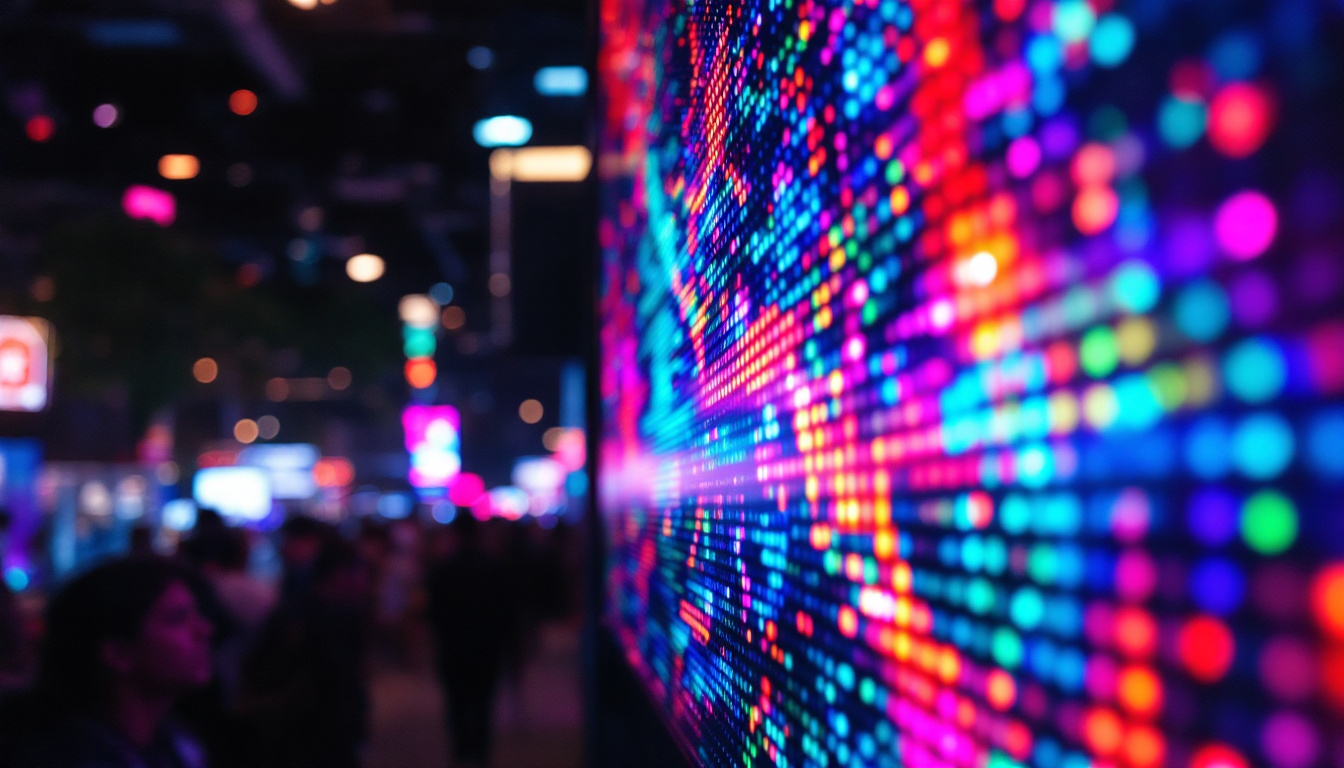
At its core, an LED display consists of an array of diodes arranged in a matrix. Each diode acts as a pixel or part of a pixel, illuminating in various colors to form images and videos. The precision and control over these diodes allow for vibrant, sharp visuals that are visible even in direct sunlight, making LED displays highly versatile. Furthermore, the longevity of LED technology is noteworthy; these displays can last tens of thousands of hours, significantly reducing the need for frequent replacements and maintenance, which is a crucial factor for businesses looking to invest in long-term solutions.
Types of LED Displays
There are several types of LED displays, each suited for different applications and environments:
- Indoor LED Displays: Designed for controlled lighting environments, these displays offer high resolution and color accuracy, ideal for conference rooms, retail spaces, and event venues. Their ability to render detailed graphics makes them perfect for presentations and advertising, enhancing the overall viewer experience.
- Outdoor LED Displays: Built to withstand weather conditions, they provide high brightness levels to ensure visibility under sunlight, commonly used for advertising billboards, stadium screens, and public information displays. These displays often feature protective casings to guard against rain, dust, and extreme temperatures, ensuring they remain operational in various climates.
- Flexible LED Displays: These innovative screens can bend and curve, allowing for creative installations on curved surfaces or wearable technology. Their adaptability opens up new possibilities for design, enabling artists and advertisers to create immersive environments that engage audiences in unique ways.
- Transparent LED Displays: Combining visibility with transparency, these are often used in retail storefronts and architectural applications to blend digital content with physical surroundings. This type of display allows for dynamic advertising while still showcasing products behind the screen, creating an interactive shopping experience.
Understanding these types is crucial for Rei Systems professionals who design, implement, or maintain LED solutions tailored to specific client needs. Each type of LED display serves a distinct purpose, and selecting the right one can significantly impact the effectiveness of visual communication strategies. Moreover, advancements in LED technology continue to emerge, such as improvements in energy efficiency and the integration of smart technology, which allows for remote monitoring and control. These innovations not only enhance functionality but also contribute to sustainability efforts by reducing energy consumption and waste.
Applications of LED Displays in Modern Industries
Advertising and Marketing
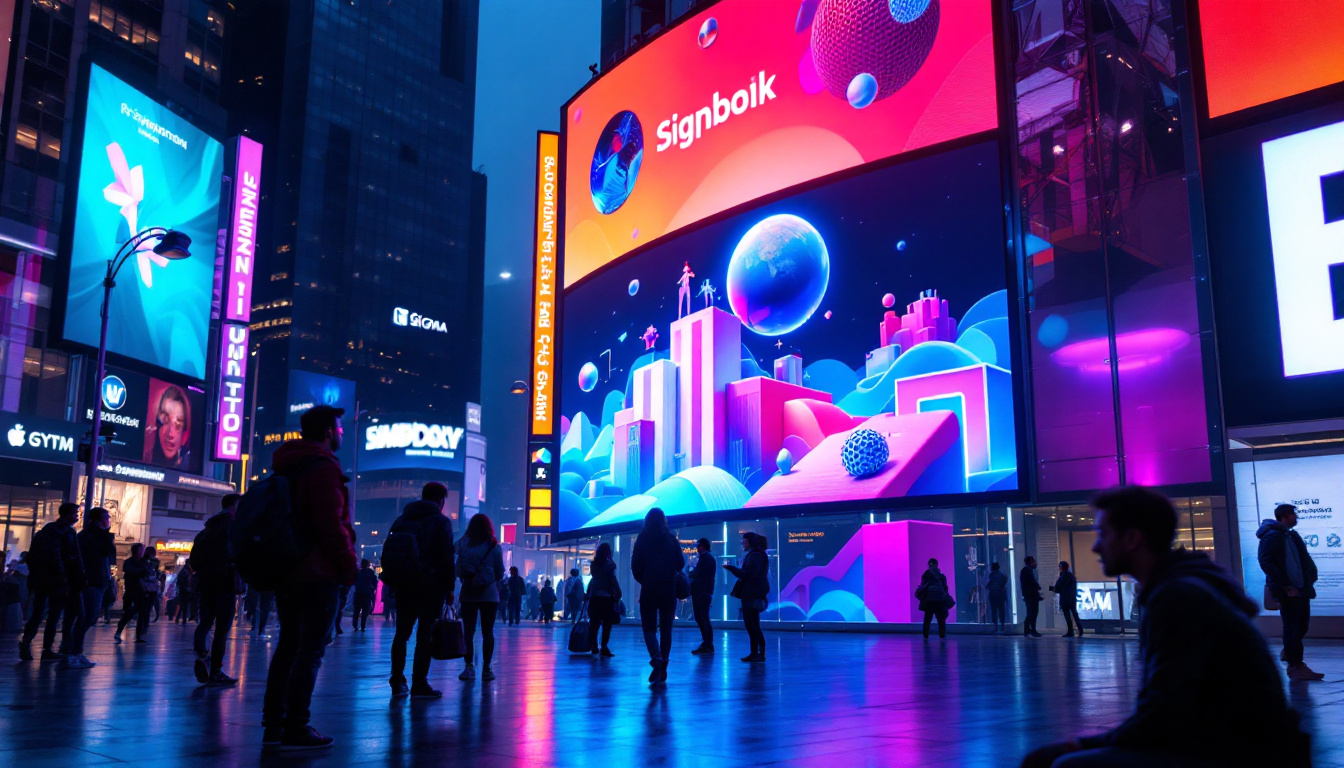
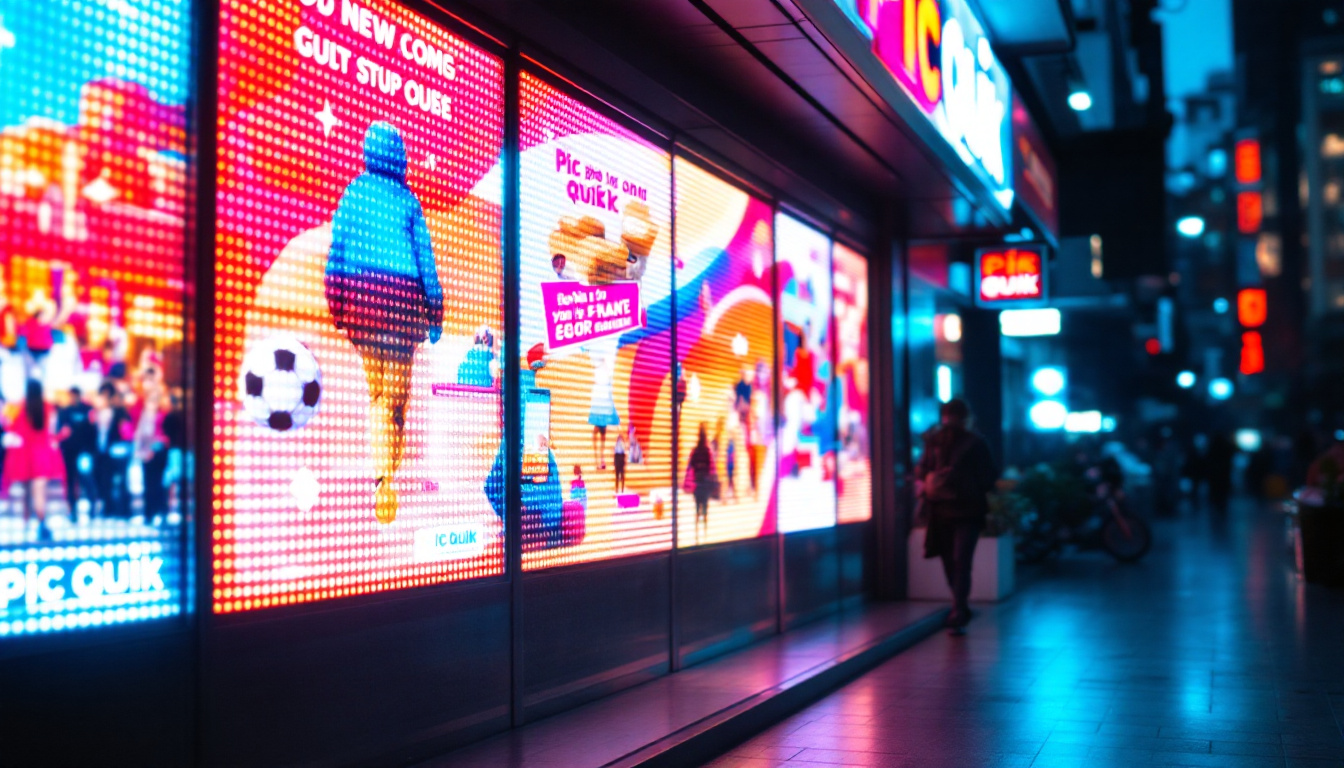
LED displays have revolutionized advertising by offering dynamic, eye-catching content that can be updated in real time. Digital billboards and signage powered by LED technology allow brands to engage audiences more effectively than static posters. According to a 2023 report by Grand View Research, the global digital signage market is expected to reach $31.7 billion by 2028, driven largely by LED display adoption.
For Rei Systems, this means working on projects that push the boundaries of visual communication, integrating LED displays with smart software to deliver targeted advertising campaigns and interactive experiences.
Sports and Entertainment Venues
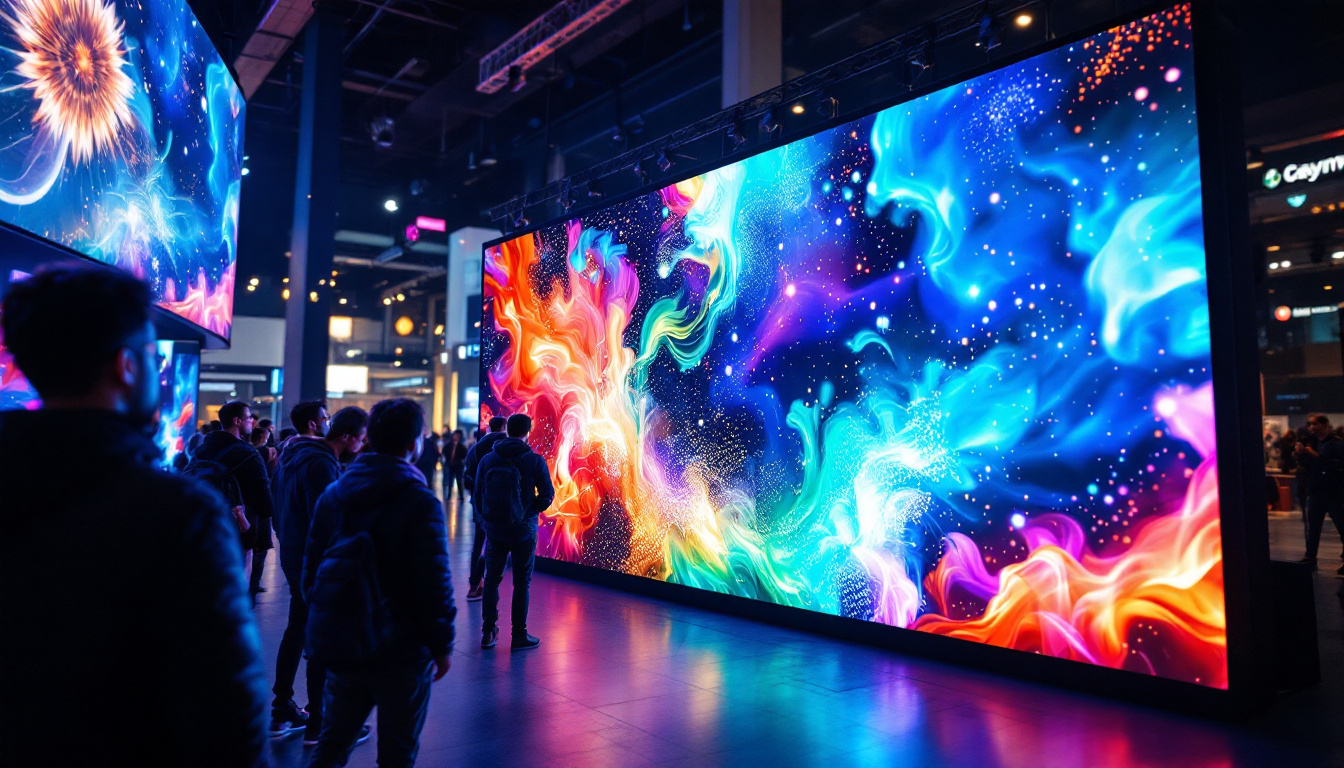
LED displays are integral to modern sports arenas and entertainment venues, providing fans with instant replays, scores, and immersive visual effects. The ability to deliver high-definition content on massive screens enhances spectator engagement and creates memorable experiences.
Careers at Rei Systems often involve collaborating with venue operators to design and maintain these complex display systems, ensuring reliability and performance during high-stakes events.
Corporate and Government Use
In corporate settings, LED displays facilitate presentations, video conferencing, and digital signage within office buildings. Governments utilize LED technology for public information systems, traffic management, and emergency alerts.
Rei Systems professionals contribute to these sectors by developing customized LED solutions that improve communication efficiency and public safety.
Technical Aspects and Innovations in LED Displays
Resolution and Pixel Pitch
Resolution defines the number of pixels in a display, directly influencing image clarity. Pixel pitch, the distance between the centers of two adjacent pixels, is a critical metric in LED display design. Smaller pixel pitches result in higher resolution and finer detail, particularly important for indoor displays viewed at close range.
Advancements in manufacturing have enabled pixel pitches as low as 0.9mm, allowing for ultra-high-definition LED screens. Rei Systems engineers must understand these specifications to select appropriate displays for different applications, balancing cost and performance.
Energy Efficiency and Sustainability
LED displays are renowned for their energy efficiency compared to traditional lighting and display technologies. Innovations such as adaptive brightness control and improved diode materials have further reduced power consumption, aligning with global sustainability goals.
Rei Systems emphasizes environmentally responsible solutions, integrating energy-efficient LED displays into their projects to minimize carbon footprints while maximizing operational effectiveness.
Integration with Software and IoT
The true power of LED displays emerges when combined with advanced software platforms and Internet of Things (IoT) technologies. Real-time data integration, remote management, and interactive capabilities transform LED displays into smart communication tools.
At Rei Systems, careers often involve working at the intersection of hardware and software, developing systems that allow clients to control content dynamically, analyze viewer engagement, and automate display operations.
Career Opportunities at Rei Systems Involving LED Displays
Engineering and Technical Roles
Rei Systems offers a range of engineering positions focused on LED display technology, including hardware design engineers, software developers, and systems integrators. These roles require a deep understanding of electronic components, signal processing, and network communications.
Engineers at Rei Systems work on cutting-edge projects, from designing custom LED panels to developing control software that ensures seamless operation across diverse environments.
Project Management and Client Solutions
Beyond technical roles, Rei Systems employs project managers and client solution specialists who oversee the deployment of LED display systems. These professionals coordinate between clients, engineers, and vendors to deliver projects on time and within budget.
Strong communication skills and industry knowledge are essential, as these roles bridge the gap between technical complexity and client expectations.
Research and Development
Innovation is at the heart of Rei Systems’ success. The company invests in research and development to explore new LED technologies, materials, and applications. Careers in R&D offer opportunities to contribute to breakthroughs that shape the future of digital displays.
Professionals in this area collaborate with academic institutions, industry partners, and internal teams to push technological boundaries.
Why Understanding LED Displays Matters for Prospective Rei Systems Employees
For individuals considering a career at Rei Systems, a solid grasp of LED display technology is more than just beneficial—it’s foundational. The company’s projects often revolve around creating tailored, high-performance display solutions that meet specific client needs across various industries.
Understanding the technical details, applications, and emerging trends in LED displays equips candidates to contribute meaningfully from day one. It also demonstrates a commitment to staying current in a competitive and rapidly changing field.
Moreover, Rei Systems values professionals who can think critically about how technology impacts user experience, operational efficiency, and sustainability. LED displays are a prime example of this intersection, making knowledge in this area a strategic asset for career growth within the company.
Future Trends in LED Display Technology and Their Impact on Careers
MicroLED and MiniLED Advances
MicroLED and MiniLED technologies represent the next frontier in LED displays, offering even higher brightness, contrast, and energy efficiency. MicroLEDs, in particular, promise displays that combine the best qualities of OLED and traditional LEDs without their drawbacks.
As these technologies mature, Rei Systems professionals will need to adapt their skills to incorporate new manufacturing processes, design considerations, and integration techniques.
Augmented Reality (AR) and LED Displays
The convergence of LED displays with AR technologies is opening new avenues for immersive experiences in retail, education, and entertainment. Transparent and flexible LED screens can serve as dynamic interfaces that blend digital content with the physical world.
Careers at Rei Systems may increasingly involve developing solutions that leverage this synergy, requiring interdisciplinary knowledge spanning optics, software, and interactive design.
AI-Driven Content and Display Management
Artificial intelligence is transforming how content is created, managed, and displayed on LED screens. AI algorithms can optimize display settings based on environmental conditions, audience demographics, and engagement metrics.
Professionals at Rei Systems will benefit from understanding AI applications to enhance the functionality and effectiveness of LED display systems, positioning themselves at the forefront of technological innovation.
Conclusion
LED display technology is a dynamic and integral part of the solutions offered by Rei Systems, influencing a wide range of industries from advertising to public safety. For those pursuing careers at Rei Systems, a thorough understanding of LED displays—from their technical foundations to emerging trends—is invaluable.
By mastering this technology, employees can contribute to innovative projects that shape the future of digital communication and visualization. As LED displays continue to evolve, so too will the opportunities for professionals dedicated to excellence in this exciting field.
Discover Cutting-Edge LED Display Solutions with LumenMatrix
As you consider the exciting career opportunities at Rei Systems and the transformative potential of LED display technology, we invite you to explore the innovative solutions offered by LumenMatrix. With a commitment to revolutionizing visual communication, LumenMatrix provides a wide array of LED display modules, from Indoor and Outdoor LED Wall Displays to Custom and All-in-One LED solutions. Elevate your brand’s visibility and create immersive visual experiences that engage and captivate. Check out LumenMatrix LED Display Solutions today and be a part of the future of digital signage.