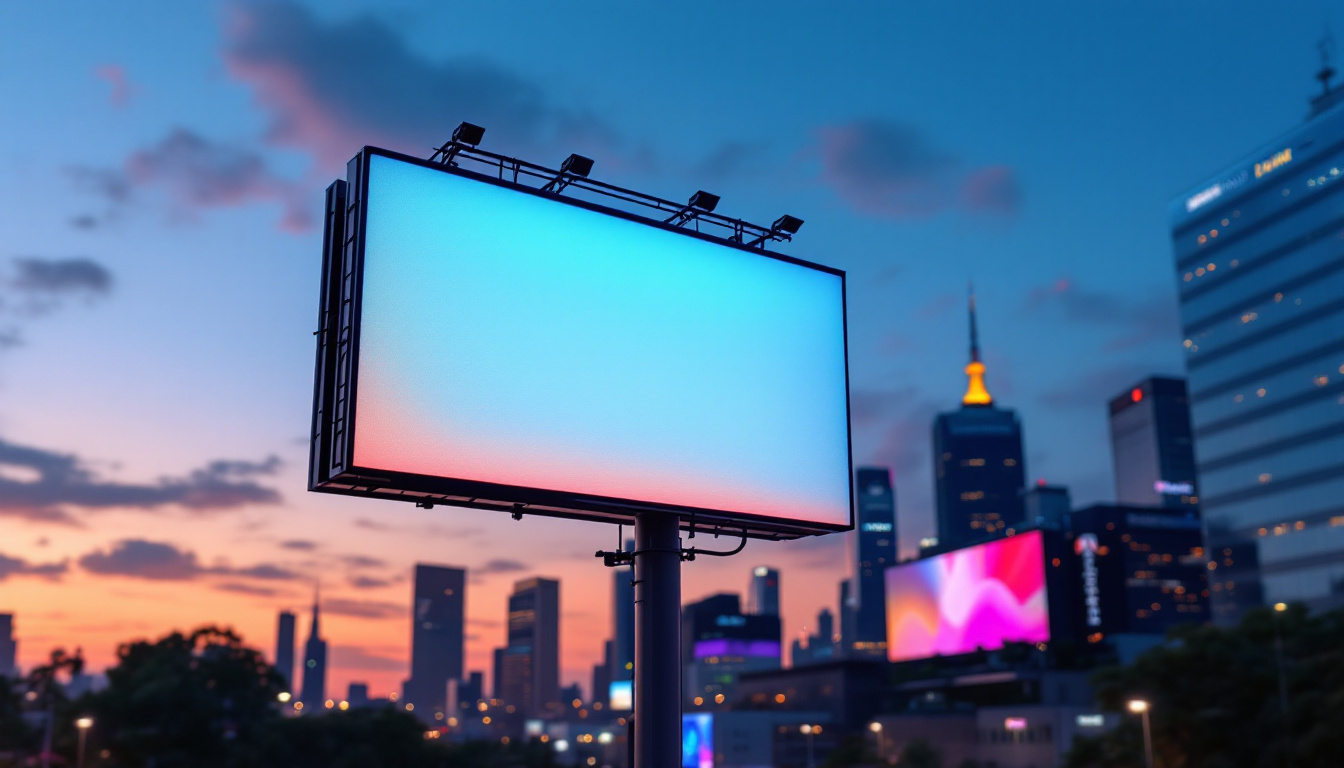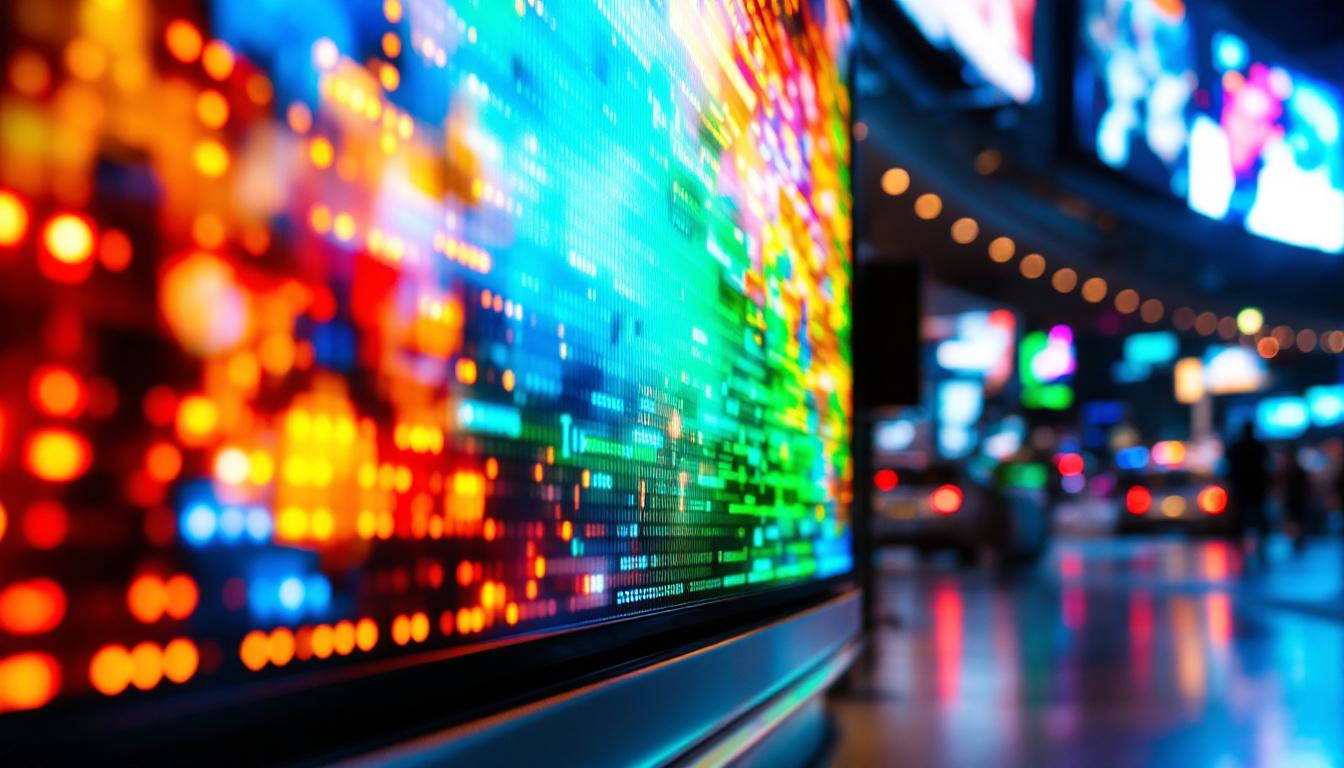
In the modern digital age, LED displays have become an integral part of our daily lives, from vibrant billboards to intricate indoor signage. The technology behind these displays, particularly the role of power LEDs, is fascinating and essential to understand for anyone interested in electronics, advertising, or display technology. This article provides a comprehensive explanation of LED displays, focusing on power LEDs, their technology, applications, and future trends.
Understanding LED Technology
What is an LED?
LED stands for Light Emitting Diode, a semiconductor device that emits light when an electric current passes through it. Unlike traditional incandescent bulbs, LEDs are highly energy-efficient, durable, and have a longer lifespan. The light produced by an LED is a result of electroluminescence, where electrons recombine with electron holes within the device, releasing energy in the form of photons.
The color of the light emitted depends on the semiconductor material used and the energy band gap. This versatility allows LEDs to produce a wide range of colors without the need for filters, making them ideal for display technologies. For instance, the RGB (Red, Green, Blue) LED configuration can create millions of colors by varying the intensity of each individual color component, which is why they are widely used in televisions, computer screens, and decorative lighting. Moreover, advancements in LED technology have led to the development of white LEDs, which combine different wavelengths to produce a light that closely resembles natural daylight, enhancing visibility and ambiance in various settings.
What Makes a Power LED Different?
Power LEDs are a specialized category of LEDs designed to handle higher currents and produce significantly more light output compared to standard indicator LEDs. They are built with larger semiconductor chips and enhanced heat dissipation mechanisms to maintain performance and reliability under demanding conditions.
Typically, power LEDs operate at currents ranging from 350 mA to several amps, producing brightness levels measured in lumens rather than millicandelas. This makes them suitable for applications requiring intense illumination, such as LED displays, automotive lighting, and street lamps. Additionally, power LEDs are often utilized in industrial and commercial lighting solutions, where their high lumen output can significantly reduce energy consumption and operational costs. The ability to dim power LEDs also allows for greater control over lighting environments, enabling energy savings and extending the lifespan of the fixtures. As a result, they are becoming increasingly popular in smart lighting systems, where they can be integrated with sensors and controls to optimize energy use based on occupancy and ambient light levels.
How LED Displays Work
Basic Structure of an LED Display
At its core, an LED display consists of an array of LEDs arranged in a matrix. Each LED (or group of LEDs) acts as a pixel, which can be individually controlled to display images, text, or video. The display’s resolution depends on the number of these pixels and their density, measured in pixels per inch (PPI).
LED displays can be categorized into two main types: direct view LED displays and LED-backlit LCD displays. Direct view LED displays use LEDs as the light source and image pixels themselves, providing superior brightness and contrast. In contrast, LED-backlit LCDs use LEDs only as a backlight behind an LCD panel. This distinction is crucial for applications requiring high visibility and color accuracy, such as digital signage and high-definition television.
Additionally, the arrangement of LEDs can vary significantly, with configurations like surface-mounted devices (SMD) and chip-on-board (COB) being popular in modern displays. SMD technology allows for closer pixel placement, resulting in finer resolution and smoother images, which is particularly beneficial for indoor displays where viewers are closer to the screen. The versatility of LED technology enables manufacturers to create displays in various shapes and sizes, from large outdoor billboards to small screens for handheld devices.
Role of Power LEDs in Displays
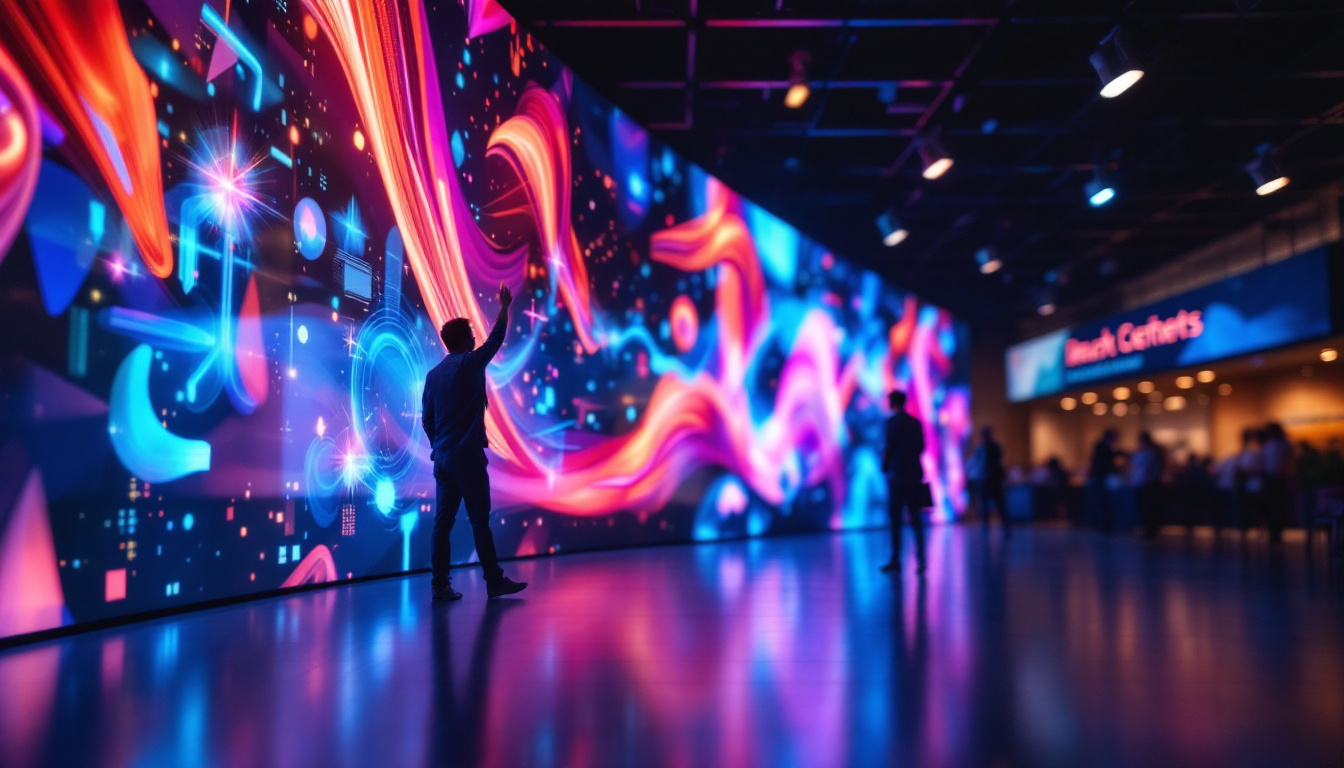
Power LEDs are the building blocks of direct view LED displays. Their high brightness and efficiency enable displays to be visible even in bright outdoor environments. For example, large stadium screens and outdoor advertising billboards rely heavily on power LEDs to deliver vivid images that can be seen clearly from hundreds of meters away.
Moreover, power LEDs’ ability to maintain consistent brightness and color over time ensures the display’s longevity and visual quality. Advanced LED displays use red, green, and blue power LEDs combined in varying intensities to create a full spectrum of colors through additive color mixing. This mixing process is not only essential for producing accurate colors but also allows for dynamic visual effects, enhancing the viewer’s experience during events or advertisements.
In addition to their visual capabilities, power LEDs are also designed with thermal management in mind. Effective heat dissipation mechanisms, such as heat sinks and thermal pads, are integrated into the display design to prevent overheating, which can degrade performance and lifespan. As LED technology continues to evolve, innovations in materials and design are leading to even more efficient power LEDs, paving the way for brighter, more energy-efficient displays that meet the demands of both consumers and businesses alike.
Applications of Power LED Displays
Outdoor Advertising and Billboards
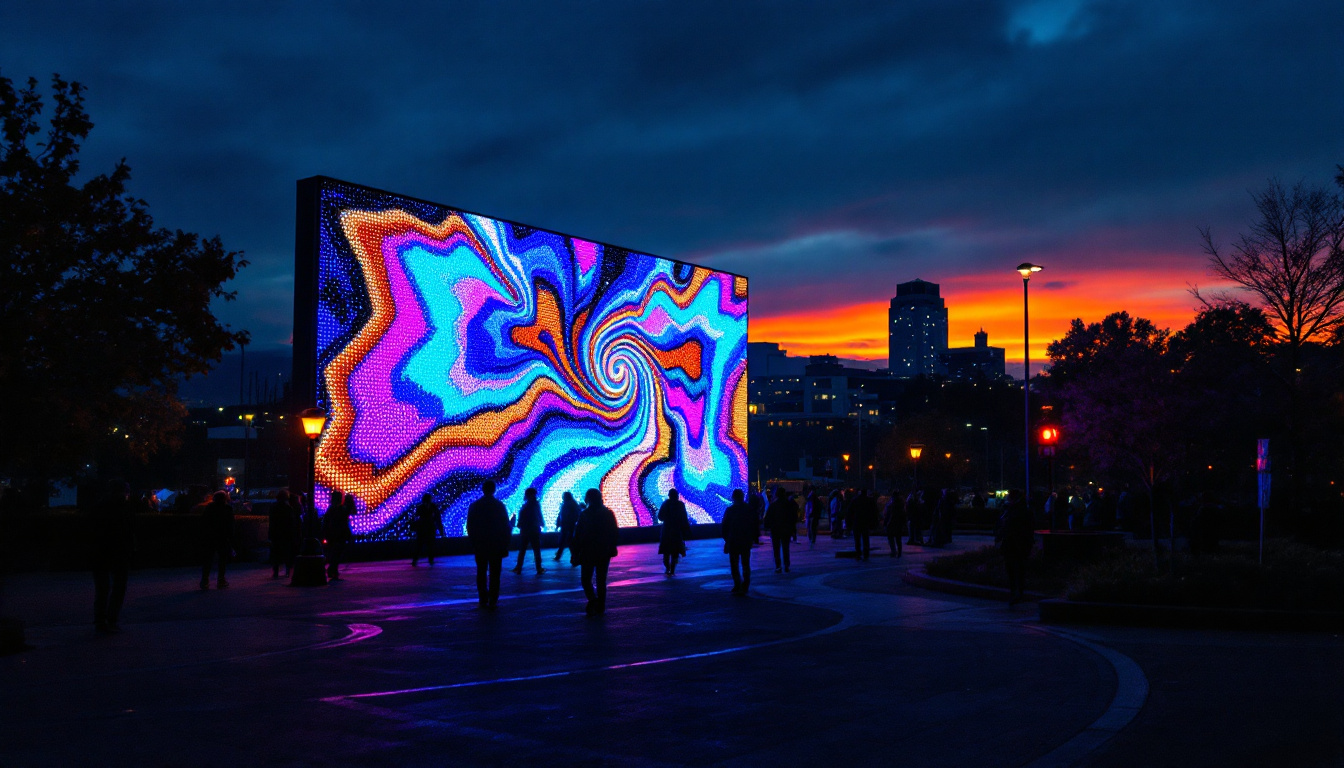
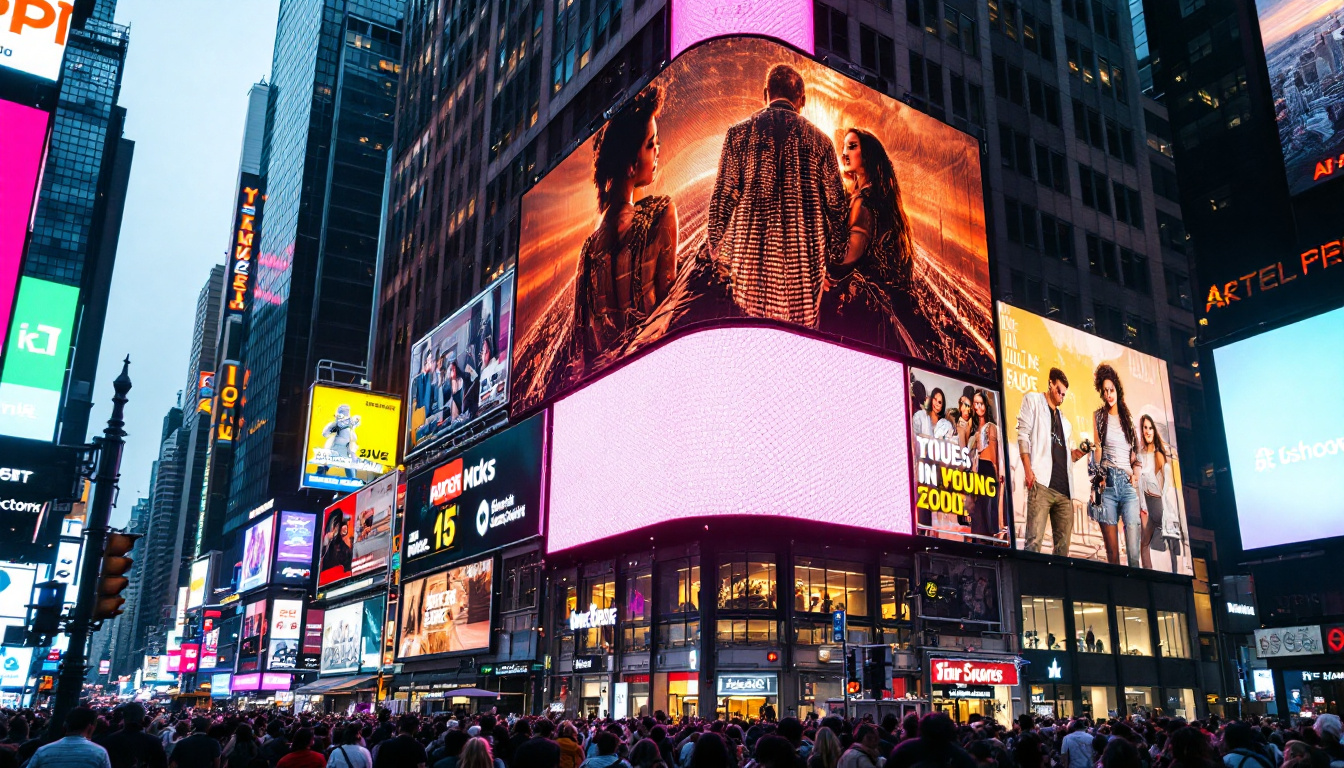
Outdoor LED displays have revolutionized advertising by offering dynamic, eye-catching content that can be updated in real-time. Power LEDs enable these displays to maintain high visibility under direct sunlight, making them more effective than traditional printed billboards.
According to recent industry reports, the global digital signage market is expected to grow at a compound annual growth rate (CAGR) of over 7% through 2028, driven largely by advancements in LED display technology. This growth underscores the importance of power LEDs in commercial advertising.
Sports and Entertainment Venues
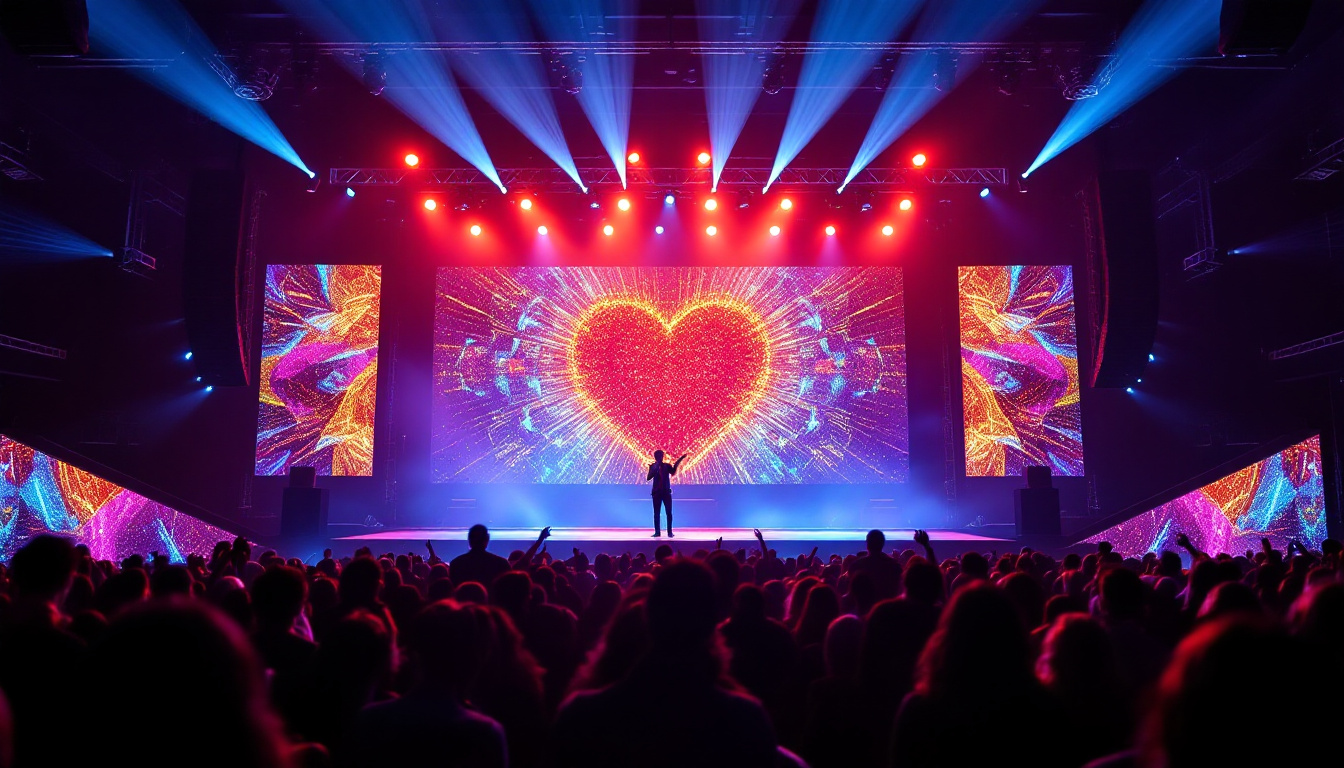
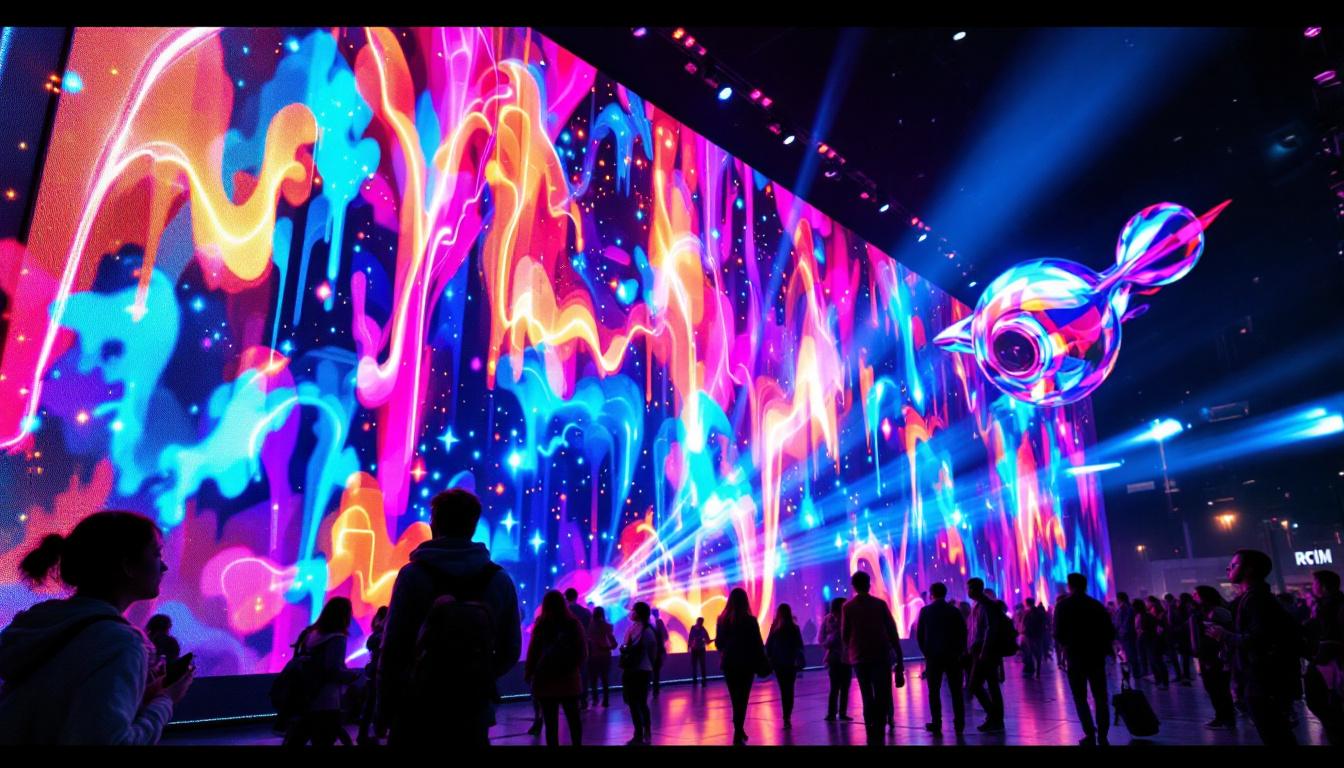
Power LED displays are essential in sports arenas, concert venues, and theaters. They provide large-scale video walls and scoreboards that deliver real-time information and immersive visual experiences to audiences. Their high refresh rates and brightness levels ensure smooth and clear images even in fast-paced environments.
For instance, the use of power LED displays in the 2020 Tokyo Olympics showcased how these technologies can enhance viewer engagement both in the stadium and through broadcast media.
Retail and Indoor Signage
Indoor LED displays powered by power LEDs are increasingly popular in retail environments for digital signage, product promotions, and interactive displays. Their compact size, energy efficiency, and ability to produce vibrant colors make them ideal for attracting customer attention and enhancing brand presence.
Retailers benefit from the flexibility of LED displays to quickly change content and tailor messages to different audiences, increasing marketing effectiveness.
Technical Considerations in Power LED Displays
Heat Management and Reliability
One of the critical challenges in power LED design is heat dissipation. High currents generate heat that can degrade LED performance and lifespan if not managed properly. Manufacturers use heat sinks, thermal interface materials, and advanced packaging techniques to maintain optimal operating temperatures.
Effective thermal management ensures that power LEDs deliver consistent brightness and color fidelity over thousands of hours of operation, which is crucial for commercial display applications.
Pixel Pitch and Resolution
Pixel pitch, the distance between the centers of adjacent pixels, directly influences display resolution and viewing distance. Smaller pixel pitches result in higher resolution and finer image detail but require more LEDs and advanced manufacturing techniques, increasing cost.
For example, indoor LED displays often have pixel pitches as small as 1.2 mm for close-up viewing, while outdoor billboards may have pitches of 10 mm or more, optimized for visibility from a distance.
Power Consumption and Efficiency
Power LEDs are designed to be energy-efficient, but large LED displays can still consume significant power. Advances in LED chip technology, driver electronics, and display control systems have improved overall efficiency, reducing operating costs and environmental impact.
Energy-efficient LED displays also benefit from lower heat generation, which further aids in thermal management and extends device lifespan.
Future Trends in Power LED Displays
Miniaturization and Higher Resolution
Ongoing research focuses on reducing pixel pitch further to enable ultra-high-definition LED displays suitable for close viewing distances, such as in retail or control rooms. Miniaturization of power LEDs and improved manufacturing precision are key enablers of this trend.
Emerging micro-LED technology, which uses microscopic LEDs as individual pixels, promises even greater resolution and brightness with lower power consumption, potentially transforming the display industry.
Integration with Smart Technologies
Power LED displays are increasingly integrated with IoT (Internet of Things) and AI-driven content management systems. This allows for dynamic, context-aware content delivery, automated brightness adjustment based on ambient light, and predictive maintenance to minimize downtime.
Smart LED displays can also interact with mobile devices and sensors, creating interactive advertising and information platforms that engage users in novel ways.
Sustainability and Environmental Impact
As LED display adoption grows, sustainability becomes a critical focus. Manufacturers are developing eco-friendly materials, recyclable components, and energy-saving designs to reduce the environmental footprint of LED displays.
Additionally, the long lifespan and energy efficiency of power LEDs contribute to reducing electronic waste and lowering carbon emissions compared to older display technologies.
Conclusion
Power LEDs are at the heart of modern LED display technology, enabling bright, efficient, and versatile visual solutions across numerous industries. Understanding their function, advantages, and technical considerations is essential for professionals involved in electronics, advertising, and digital media.
With continuous advancements in LED technology, power LED displays are set to become even more sophisticated, offering higher resolution, smarter integration, and greater sustainability. As the demand for dynamic, high-quality digital displays grows worldwide, power LEDs will remain a pivotal technology driving innovation and visual communication.
Discover the Future of Visual Display with LumenMatrix
As the landscape of digital media continues to evolve, the importance of high-quality, dynamic displays cannot be overstated. LumenMatrix stands at the forefront of this evolution, offering an array of innovative LED display solutions tailored to meet the diverse needs of modern communication. From captivating Indoor LED Wall Displays to robust Outdoor LED Wall Displays, and from versatile Vehicle LED Displays to sleek LED Poster Displays, LumenMatrix is committed to enhancing your brand’s visibility. Whether you’re looking to engage audiences with LED Sports Displays, transform spaces with Floor LED Displays, or create a unique impact with Custom LED Displays, LumenMatrix has the technology to bring your vision to life. Embrace the revolution in visual communication with our All-in-One LED Displays and LED Transparent Displays. Check out LumenMatrix LED Display Solutions today and see how we can help you share your message with the world.