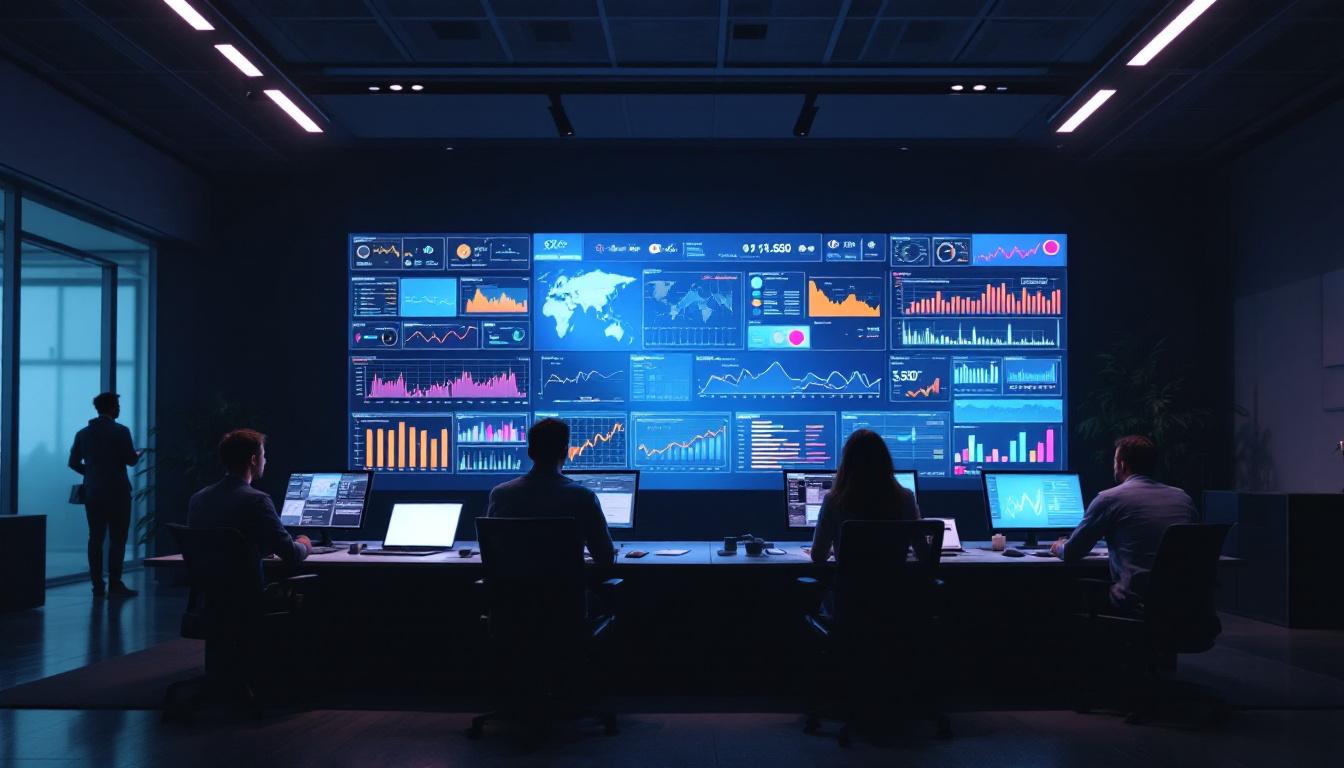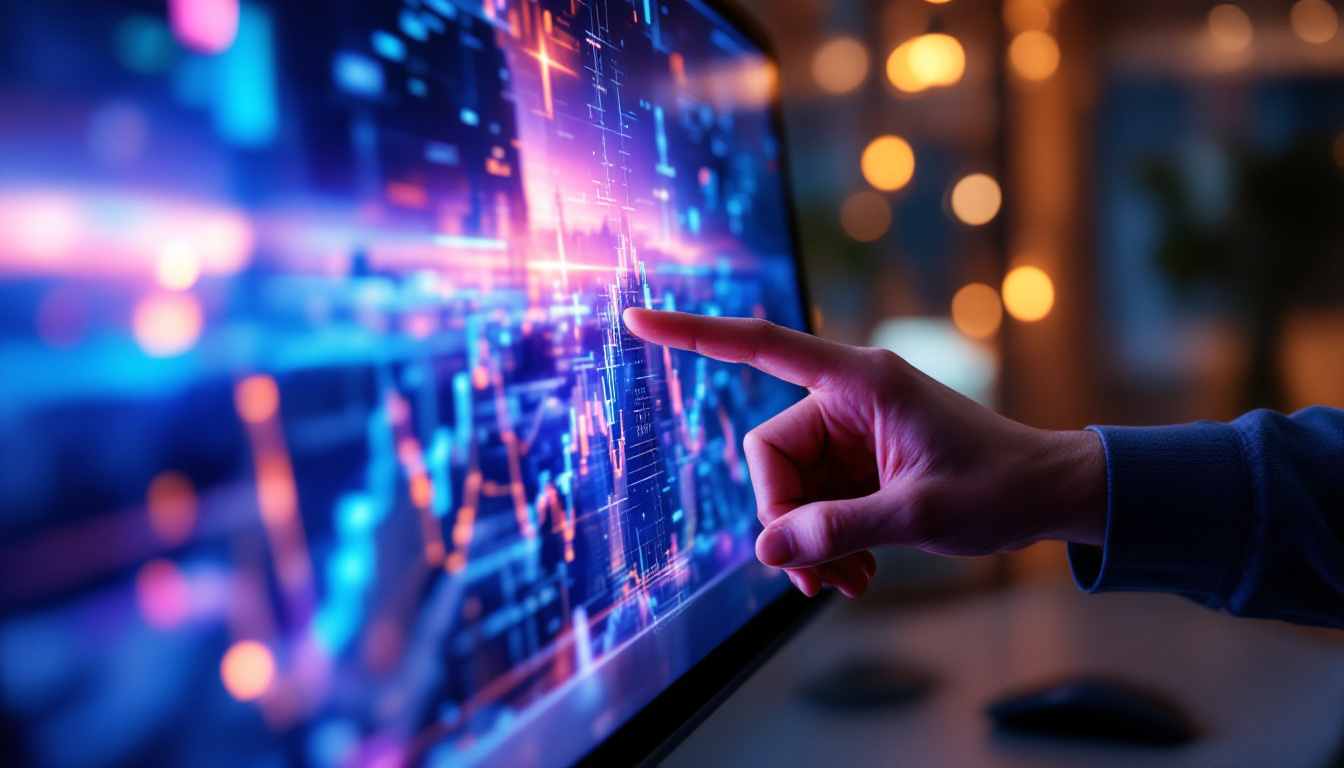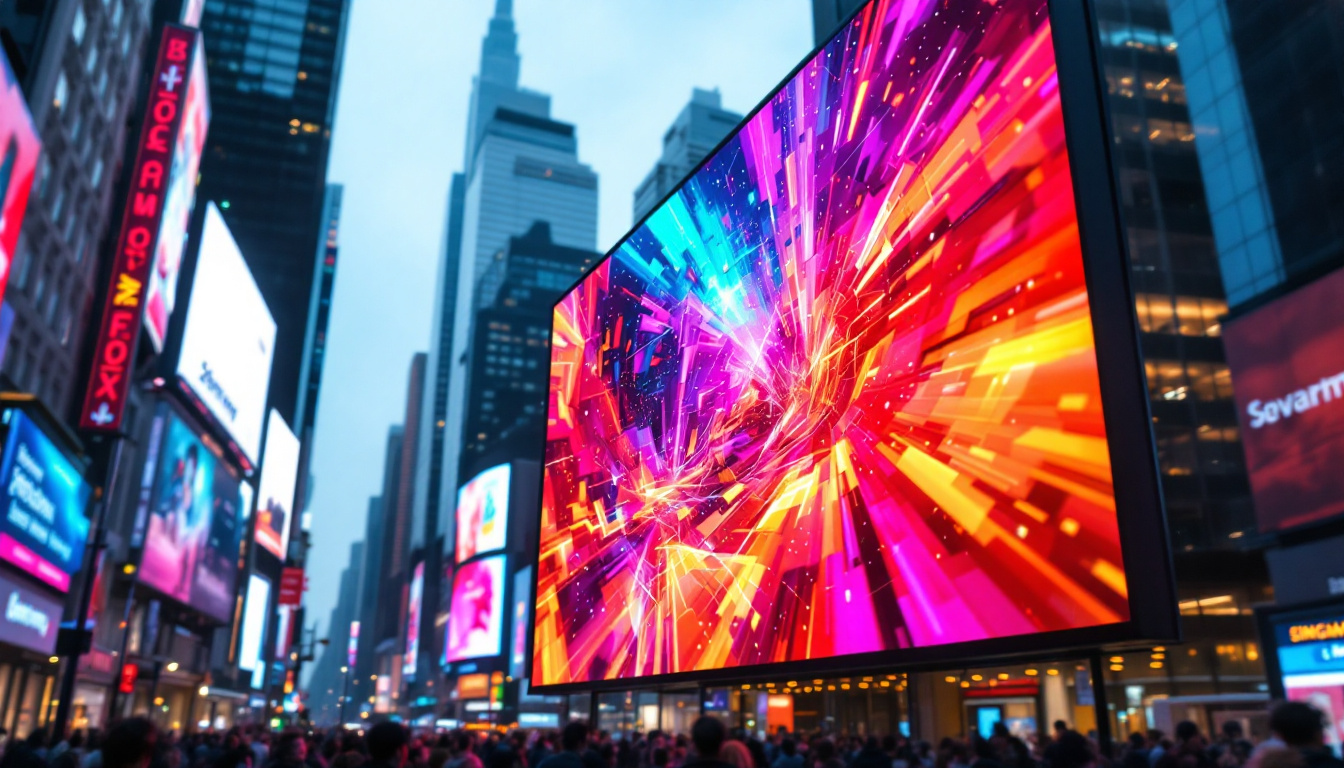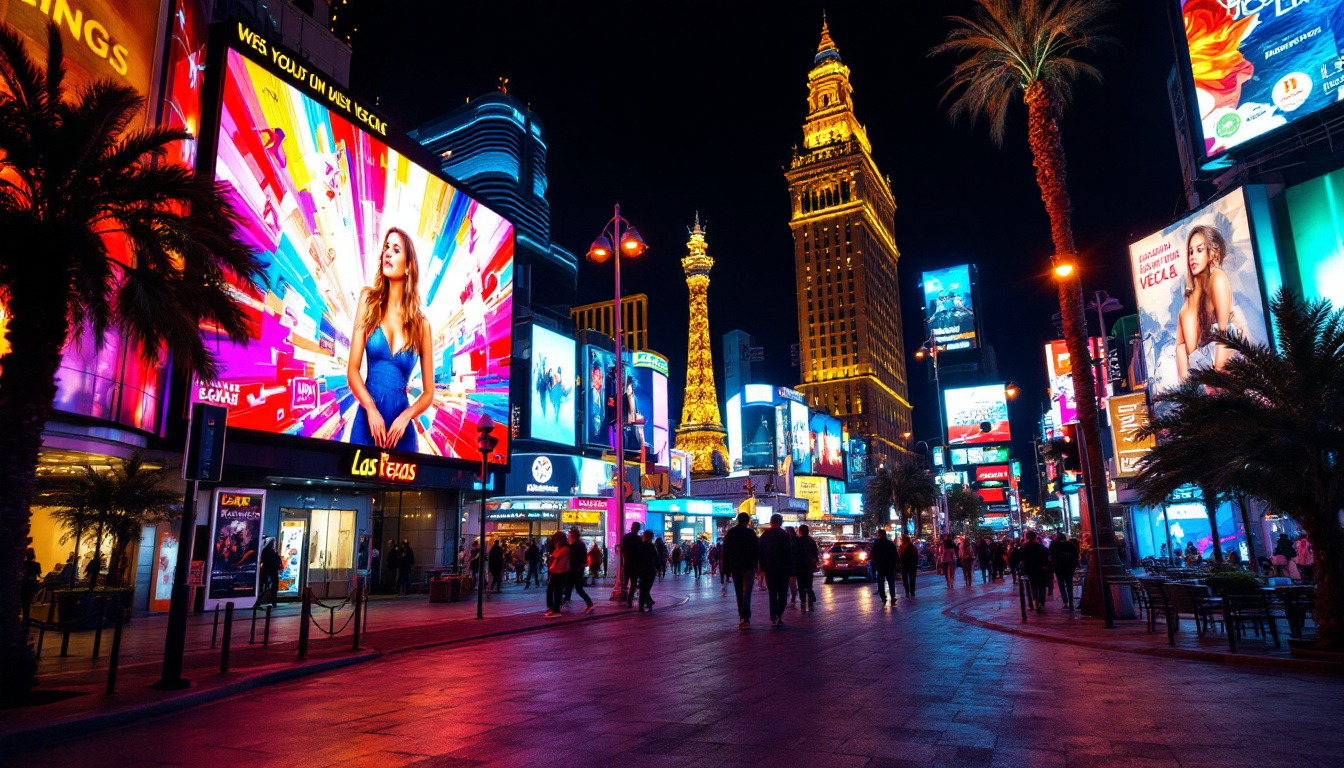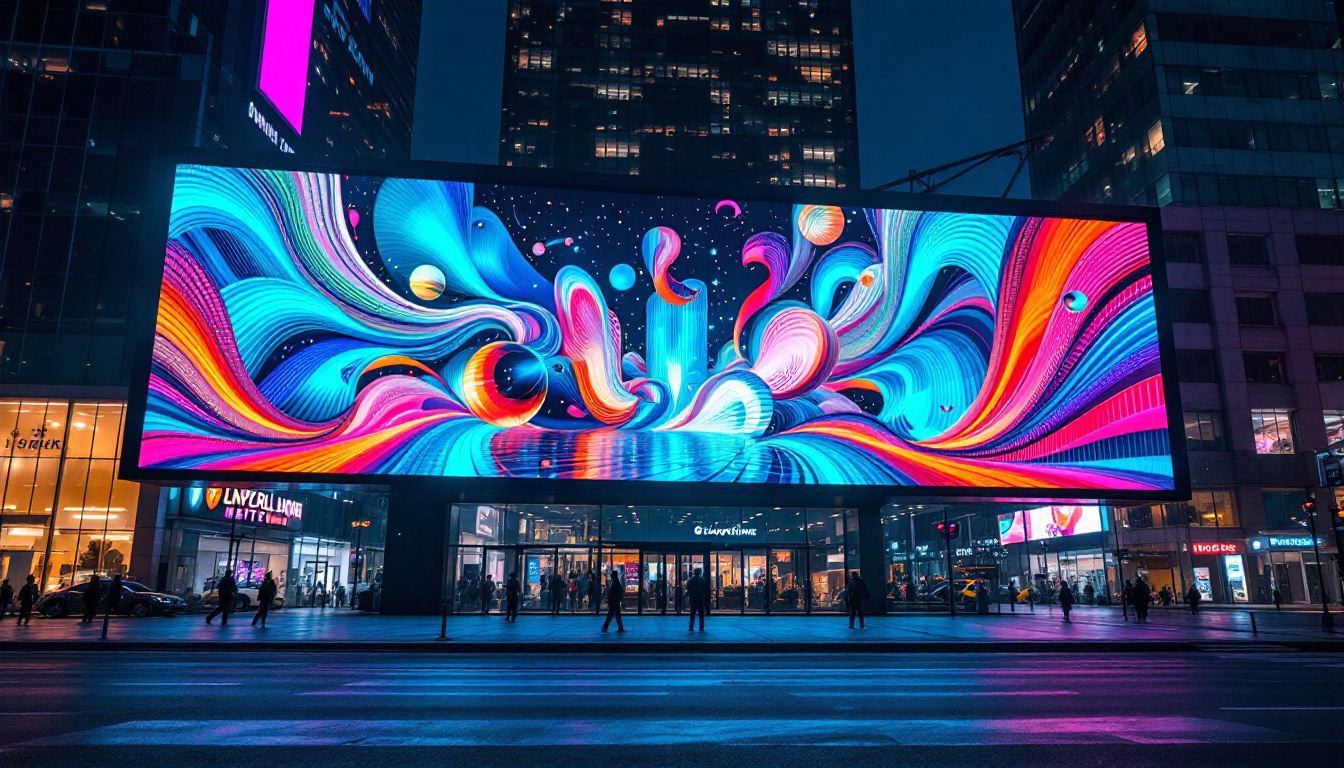
In an era where digital communication is paramount, LED displays have become a cornerstone of visual technology. From bustling city billboards to intimate retail signage, LED displays offer vibrant, dynamic, and energy-efficient solutions for a wide range of applications. This article delves into the intricacies of LED displays, exploring their technology, pricing factors, and practical considerations to help businesses and consumers make informed decisions.
Understanding LED Display Technology
Light Emitting Diode (LED) displays are composed of numerous tiny light sources that emit light when an electrical current passes through them. Unlike traditional display technologies such as LCD or plasma, LEDs generate their own light, enabling higher brightness, better contrast, and wider viewing angles. This self-illuminating property not only enhances the visual experience but also contributes to energy efficiency, making LED displays a popular choice for both commercial and residential applications.
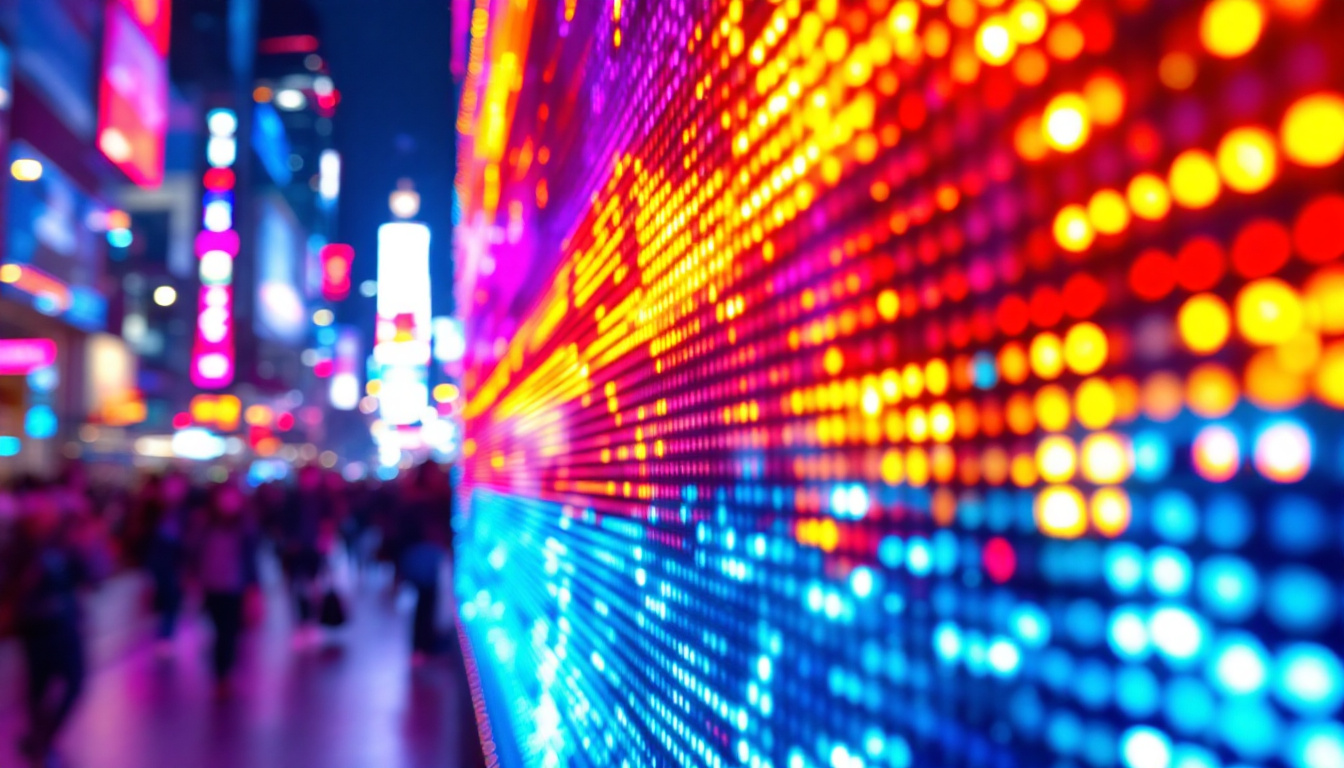
LED displays are typically made up of thousands to millions of individual LEDs arranged in a matrix. These can be configured as single-color, dual-color, or full-color displays, depending on the intended use. Full-color LED displays use red, green, and blue LEDs combined at varying intensities to create a broad spectrum of colors, enabling vibrant and eye-catching visuals. The advanced technology behind these displays also allows for dynamic content, such as video and animations, which can be easily updated to capture the audience’s attention and convey messages more effectively.
Types of LED Displays
There are several types of LED displays, each suited to different environments and purposes:
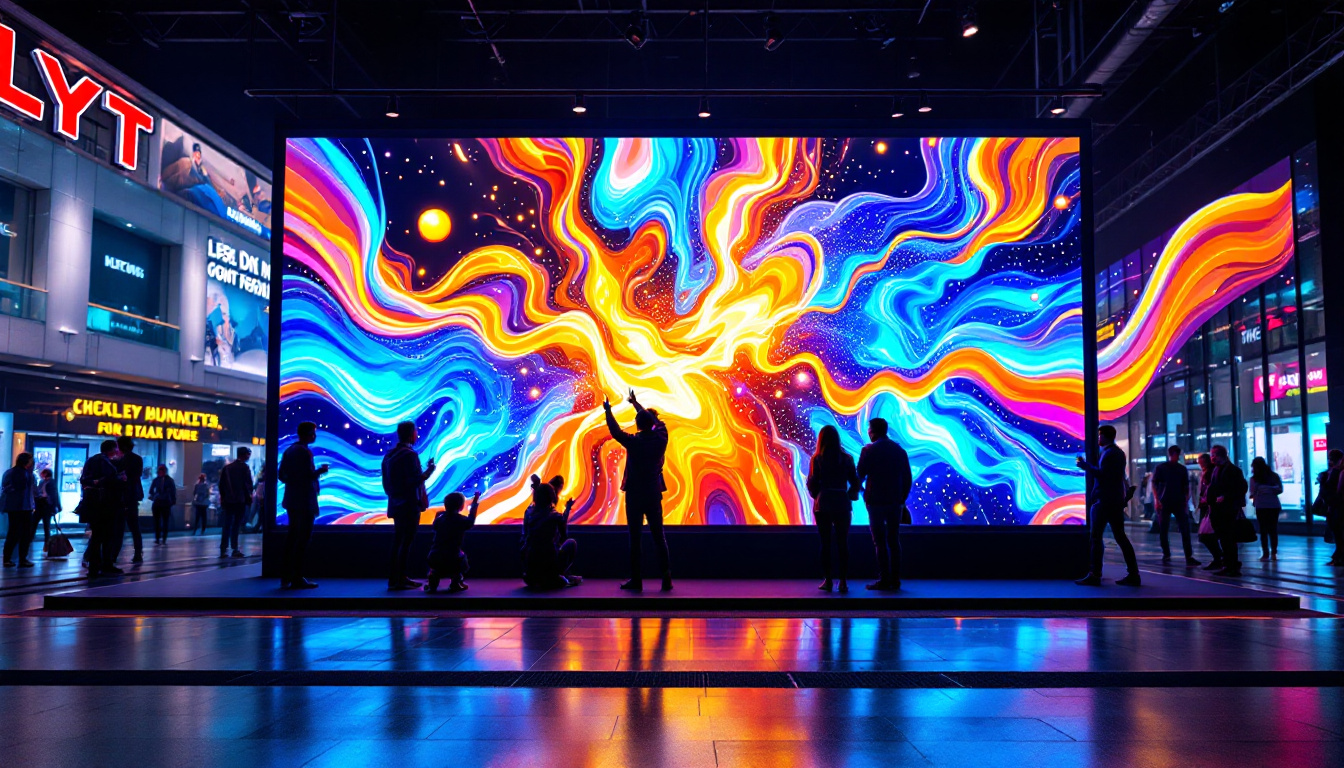
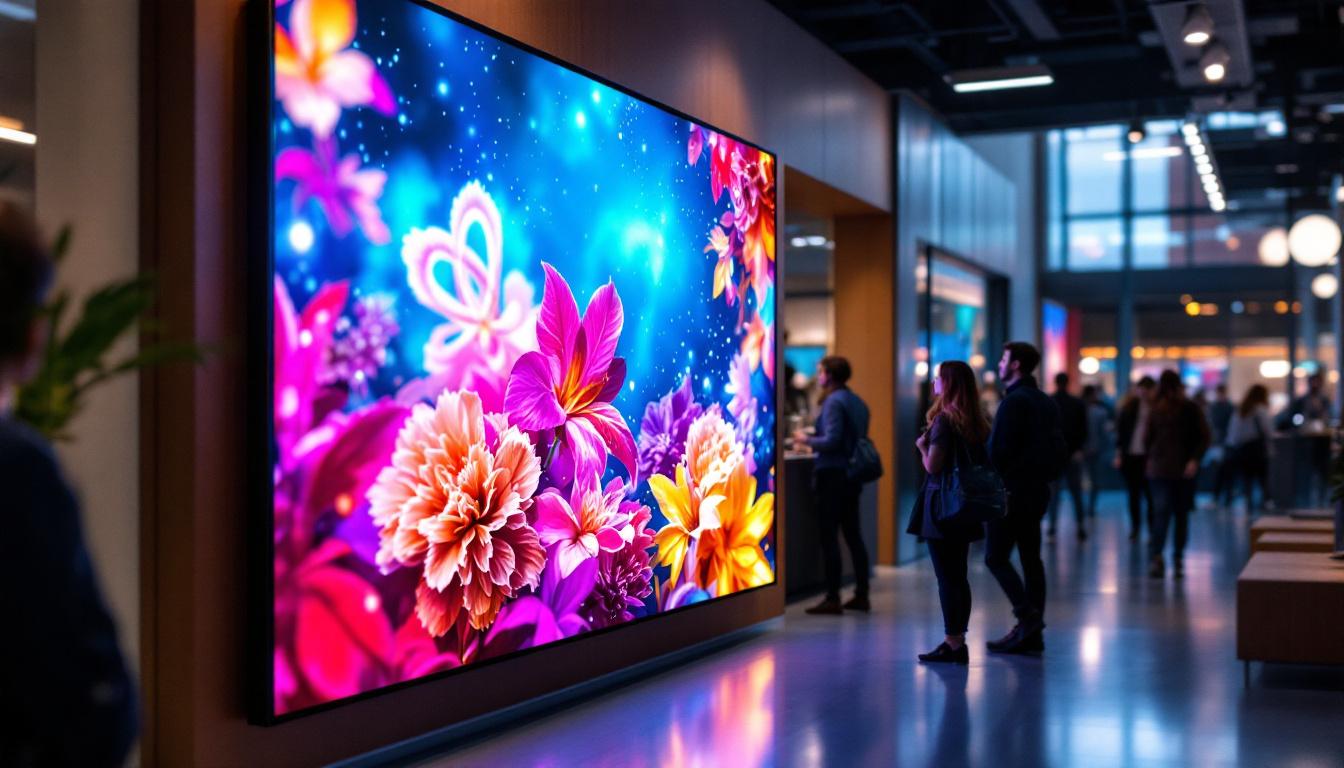
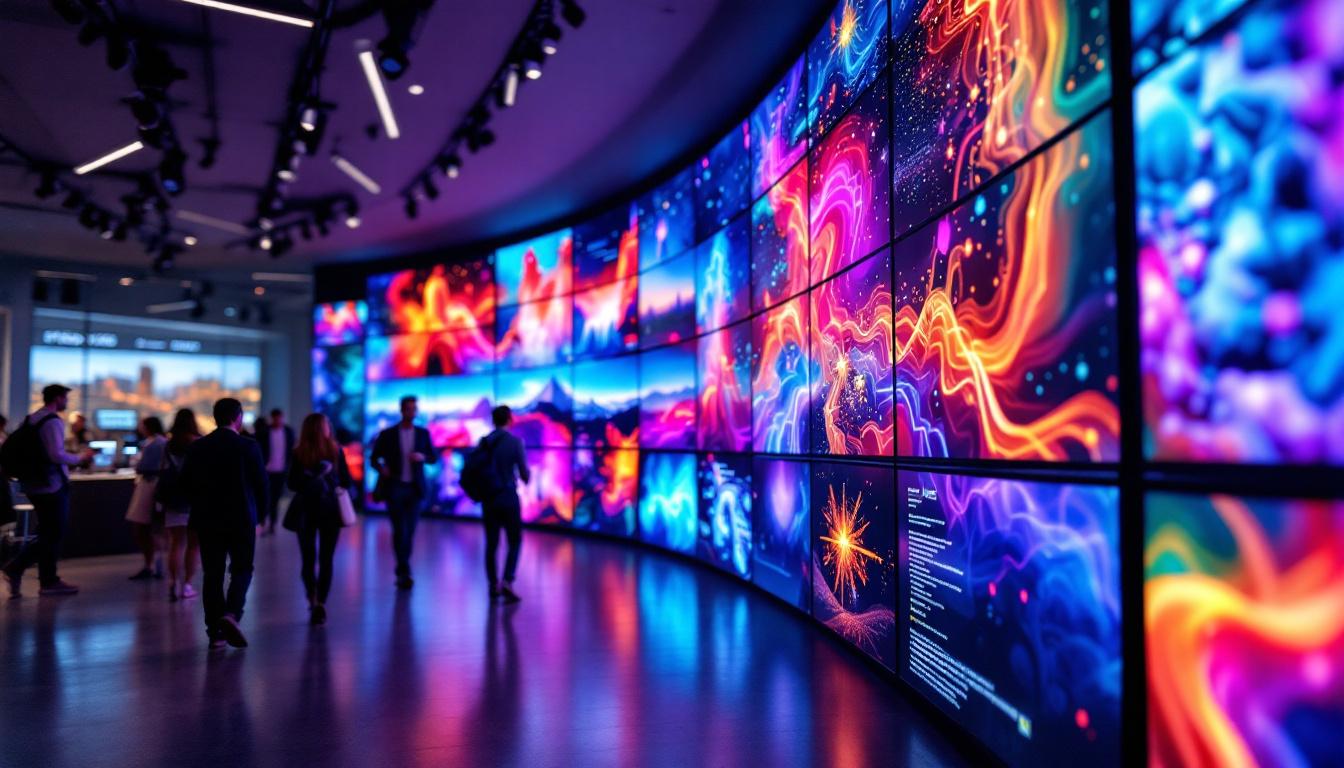
- Indoor LED Displays: Designed for close viewing distances, these displays have a high pixel density (often below 2mm pixel pitch) to deliver sharp images and text. They are commonly used in venues such as shopping malls, airports, and conference centers, where clarity and detail are paramount for effective communication.
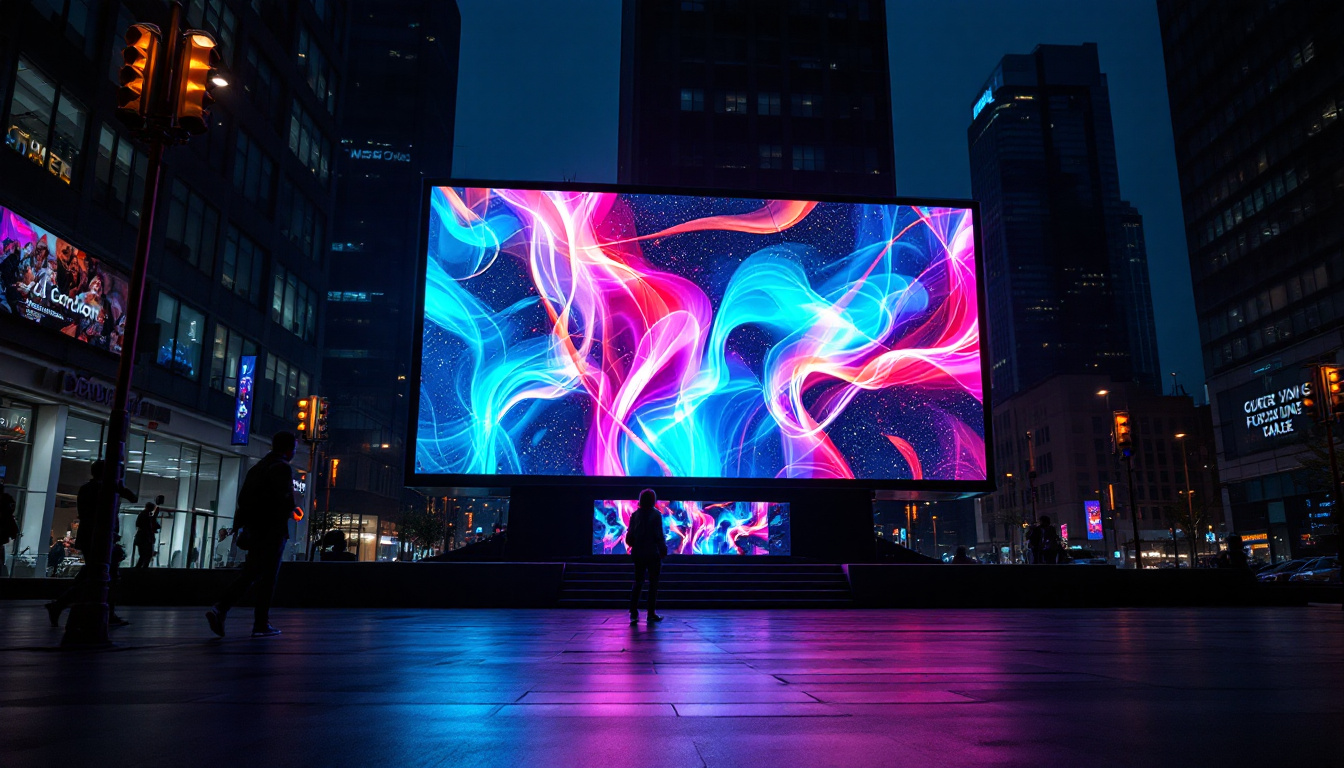
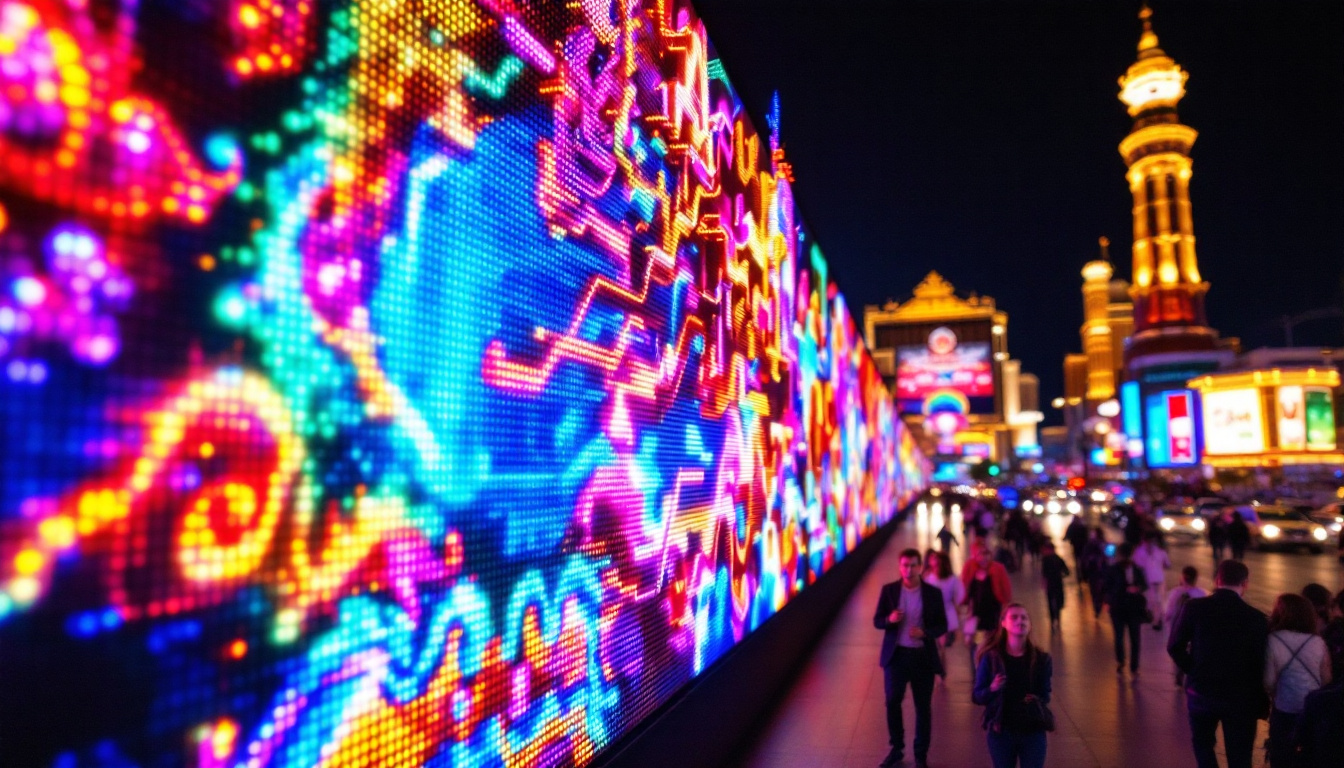
- Outdoor LED Displays: Built to withstand harsh weather conditions, these displays typically have larger pixel pitches (4mm and above) and higher brightness levels to remain visible in direct sunlight. Their robust construction ensures longevity, making them ideal for billboards, sports arenas, and public transport stations, where they can attract attention even from afar.
- Flexible and Transparent LED Displays: Emerging technologies allow LED displays to be curved, bent, or even transparent, opening new creative possibilities for advertising and architectural integration. These innovative displays can be seamlessly integrated into building facades or used in retail environments to create immersive experiences without obstructing views or natural light.
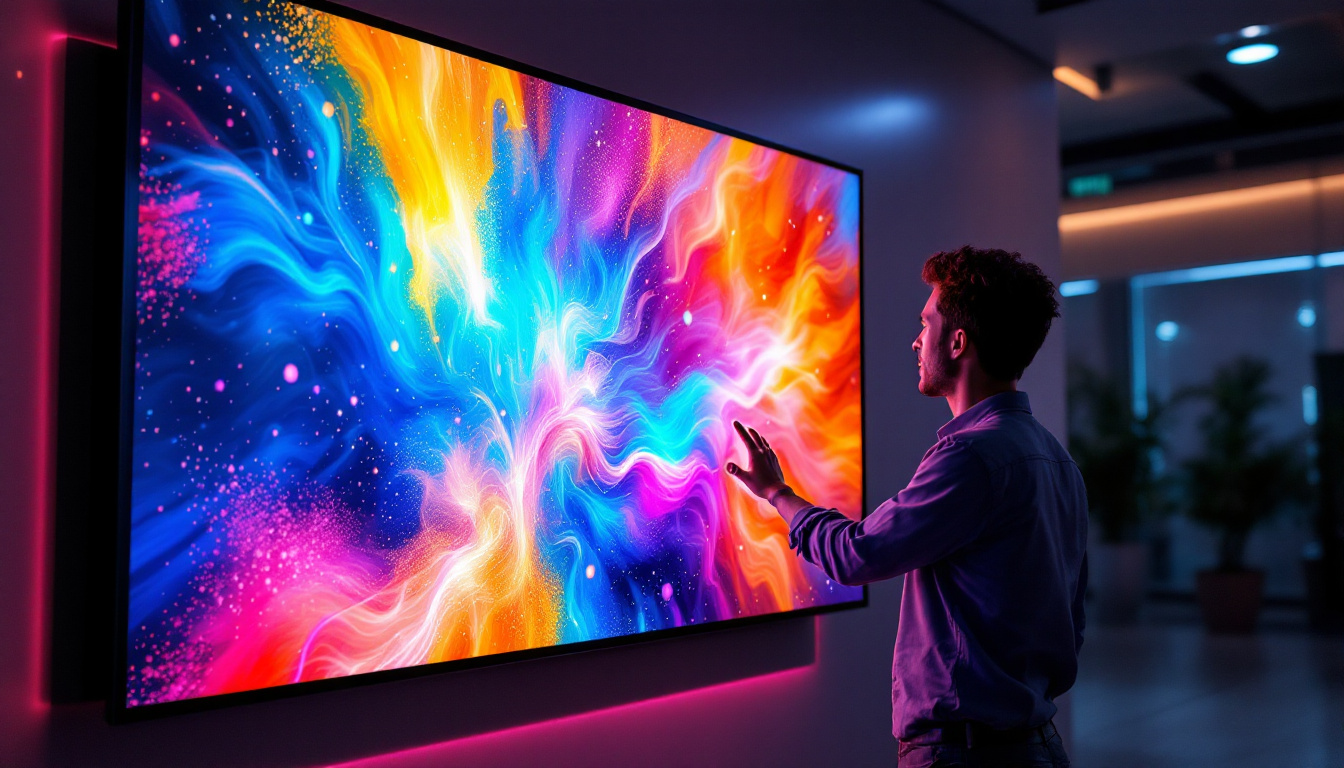
In addition to these types, LED technology has also evolved to include smart displays that incorporate sensors and connectivity features, allowing for interactive experiences. For instance, some LED displays can respond to viewer engagement, adjusting content based on audience demographics or preferences. This level of interactivity not only enhances user experience but also provides valuable data for businesses to tailor their marketing strategies effectively.
Moreover, the advancements in LED technology have led to improved sustainability practices. Many manufacturers are now focusing on creating energy-efficient displays that consume less power while maintaining high performance. This shift not only reduces operational costs for businesses but also minimizes the environmental impact, aligning with global efforts toward sustainability and eco-friendliness in technology. As LED display technology continues to advance, we can expect even more innovative applications that push the boundaries of visual communication.
Factors Influencing the Price of LED Displays
One of the most common questions when considering LED displays is: why do prices vary so widely? Understanding the factors that influence cost can help buyers select the right product for their needs without overspending.
Pixel Pitch and Resolution
Pixel pitch refers to the distance between the centers of two adjacent pixels, measured in millimeters. The smaller the pixel pitch, the higher the resolution and image clarity, especially at close viewing distances. For example, a 1.5mm pixel pitch display will deliver much sharper images than a 10mm pixel pitch display.
However, smaller pixel pitch displays require more LEDs per square meter, increasing manufacturing complexity and cost. This is why indoor LED displays with ultra-fine pixel pitches command higher prices compared to outdoor displays with larger pixel pitches.
Brightness and Viewing Environment
Brightness is measured in nits (candelas per square meter) and is a crucial factor for outdoor displays exposed to sunlight. Outdoor LED displays often have brightness levels exceeding 5,000 nits to ensure visibility even in direct sunlight, whereas indoor displays typically range between 800 to 1,500 nits.
Higher brightness levels require more powerful LEDs and advanced cooling systems, both of which add to the overall cost. Additionally, weatherproofing and protective enclosures for outdoor displays contribute to increased prices.
Size and Aspect Ratio
The physical size of the LED display directly impacts cost. Larger displays require more LED modules, power supplies, and structural supports. The aspect ratio also matters; custom or non-standard aspect ratios may require bespoke manufacturing, driving up prices.
Control Systems and Software
Modern LED displays come with sophisticated control systems that allow for remote content management, real-time updates, and integration with various media sources. The complexity and capabilities of these systems influence the price. For instance, displays with advanced scheduling, interactive touch capabilities, or AI-driven content optimization will generally be more expensive.
Installation and Maintenance
Installation costs can vary depending on the complexity of the site, mounting requirements, and local regulations. Additionally, maintenance contracts, including cleaning, repairs, and software updates, should be factored into the total cost of ownership.
Applications and Benefits of LED Displays
LED displays are versatile tools that serve numerous industries. Their ability to deliver dynamic content in vivid color makes them invaluable for communication, advertising, and entertainment.
Advertising and Marketing
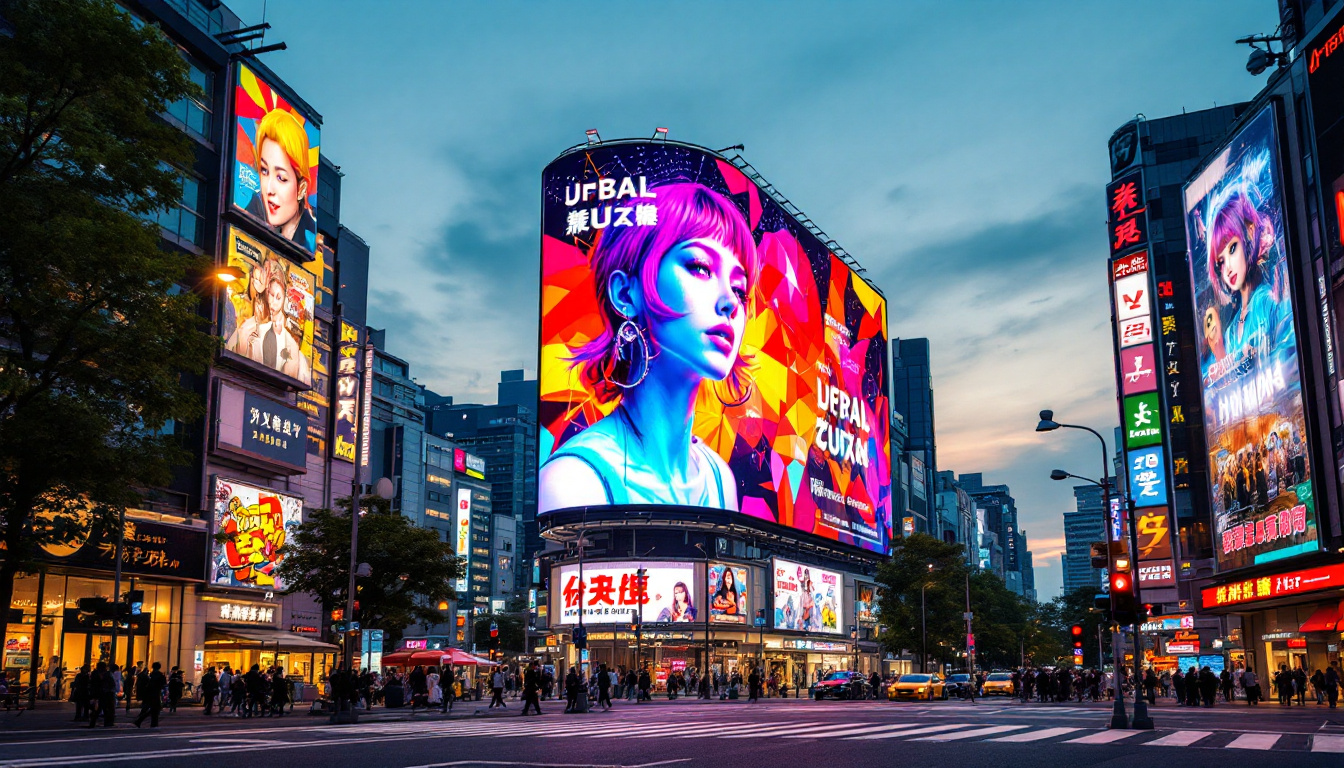
Digital billboards and signage have revolutionized outdoor advertising. According to recent market research, the global digital signage market is expected to grow at a compound annual growth rate (CAGR) of over 7% through 2028, driven largely by LED technology advancements.
LED displays enable advertisers to update content instantly, target specific audiences based on time or events, and create immersive brand experiences. This flexibility often results in higher engagement and return on investment compared to static signs.
Retail and Hospitality
In retail environments, LED displays enhance customer experience by showcasing promotions, product information, and interactive content. Restaurants and hotels use LED screens for menus, event announcements, and ambiance creation.
Studies have shown that digital signage can increase customer dwell time and sales by up to 30%, highlighting the importance of investing in quality LED displays for commercial spaces.
Sports and Entertainment
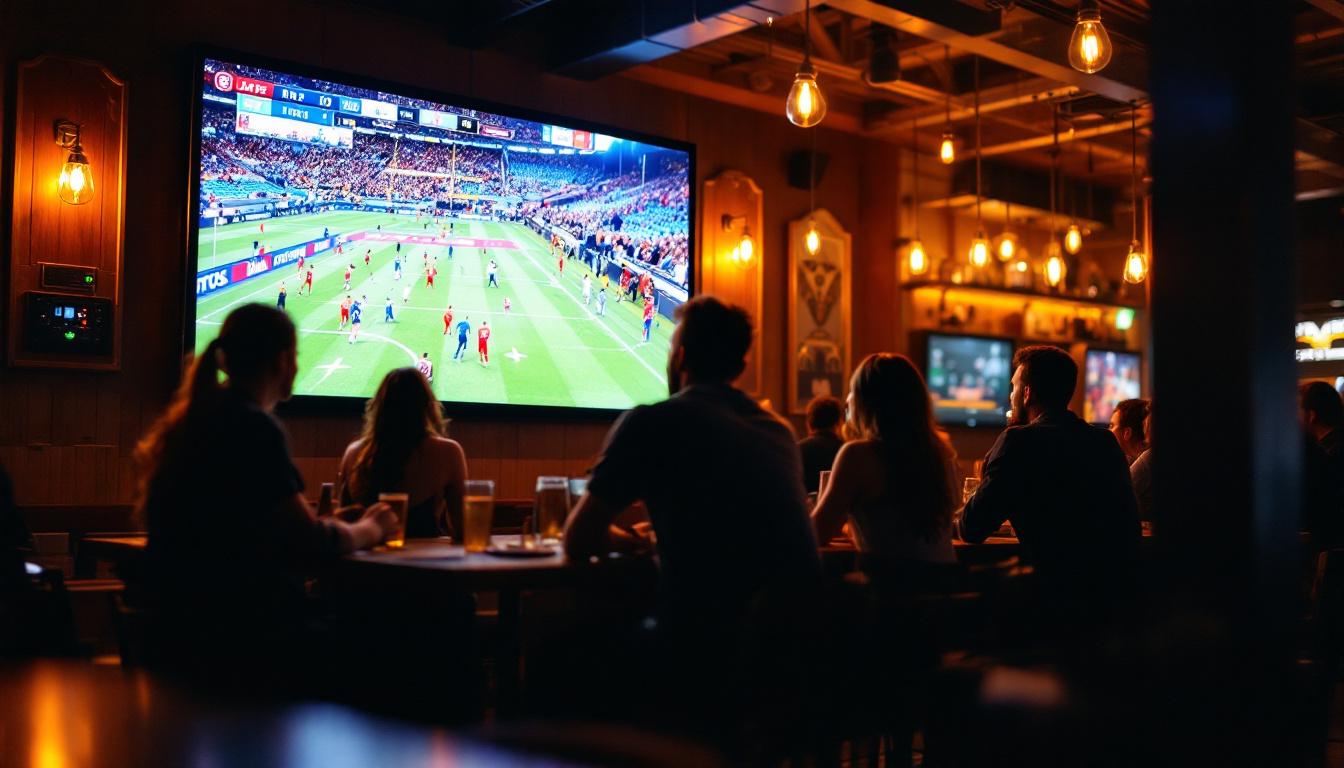
Stadiums and arenas use massive LED screens to provide live action replays, advertisements, and event information. The ability to deliver high-resolution content visible from great distances is critical in these settings.
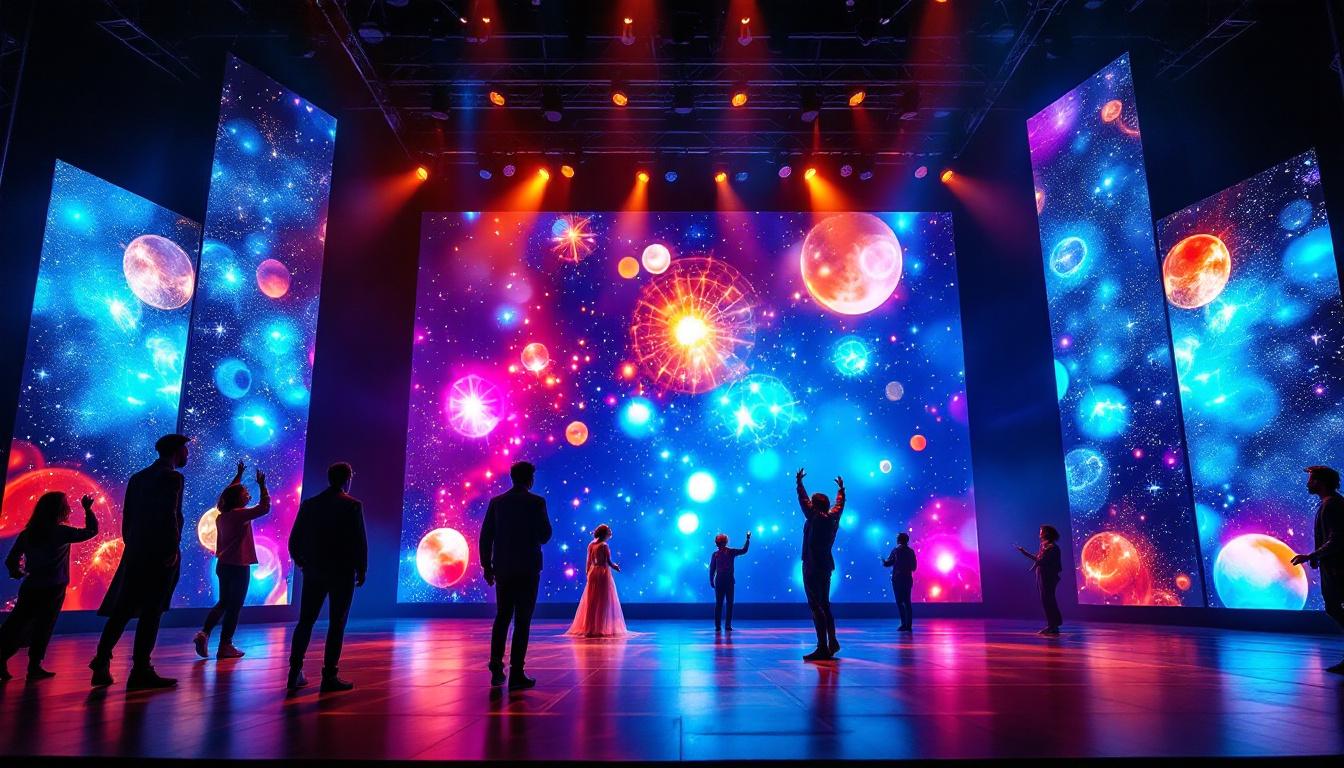
Furthermore, concert venues and theaters employ LED walls and backdrops to create stunning visual effects that enhance performances.
Choosing the Right LED Display: Key Considerations
With a multitude of options available, selecting the ideal LED display requires careful evaluation of specific needs and constraints.
Assess Viewing Distance and Environment
Determining the typical viewing distance is essential for selecting the appropriate pixel pitch. For example, a retail store with customers viewing signage from a few feet away will require a finer pixel pitch than a highway billboard viewed from hundreds of feet.
Additionally, environmental factors such as exposure to sunlight, temperature extremes, and humidity should guide the choice between indoor and outdoor-rated displays.
Budget and Total Cost of Ownership
While initial purchase price is important, it’s equally vital to consider ongoing costs such as electricity consumption, maintenance, and potential upgrades. LED displays are energy-efficient compared to older technologies, but larger or brighter units will still incur higher operating costs.
Content Management and Integration
Evaluate the ease of content updates and compatibility with existing systems. Some LED display providers offer cloud-based management platforms that simplify scheduling and remote control, which can be a significant advantage for multi-location businesses.
Vendor Reputation and Support
Choosing a reputable manufacturer or supplier ensures access to quality products, warranties, and technical support. Given the complexity of LED technology, reliable after-sales service can prevent costly downtime and extend the lifespan of the display.
Future Trends in LED Display Technology
The LED display industry continues to evolve rapidly, driven by innovations in materials, design, and software capabilities.
MicroLED and MiniLED Innovations
MicroLED and MiniLED technologies offer even higher resolution and brightness with improved energy efficiency. MicroLEDs, in particular, are poised to revolutionize displays by combining the best aspects of OLED and traditional LEDs, delivering superior color accuracy and durability.
Interactive and Smart Displays
Integration of touch sensors, cameras, and AI-powered analytics is transforming LED displays into interactive platforms. These smart displays can adapt content based on audience demographics, engagement levels, or environmental conditions, enhancing user experience and advertising effectiveness.
Sustainability and Energy Efficiency
As environmental concerns grow, manufacturers are focusing on reducing the carbon footprint of LED displays. Advances in LED chip design, power management, and recyclable materials are making LED displays more sustainable without compromising performance.
Conclusion
LED displays represent a dynamic intersection of technology, design, and communication. Understanding the factors that influence their price and performance is crucial for making informed purchasing decisions. Whether for advertising, retail, entertainment, or public information, LED displays offer unmatched versatility and impact.
By carefully considering pixel pitch, brightness, size, and control systems, and by staying abreast of emerging trends, businesses can leverage LED technology to captivate audiences and drive engagement in an increasingly digital world.
Discover LumenMatrix’s Advanced LED Display Solutions
Ready to elevate your visual communication strategy with the latest in LED display technology? Look no further than LumenMatrix, where innovation meets excellence. Our comprehensive range of LED display modules, from Indoor and Outdoor LED Walls to specialized solutions like Vehicle and Sports Displays, is designed to captivate your audience and amplify your message. Embrace the future of digital signage with our All-in-One and Custom LED Displays, and see the difference that clarity and engagement can make. Check out LumenMatrix LED Display Solutions today and transform your space into a dynamic visual experience.