In the rapidly evolving world of digital signage and display technology, LED screens have become a dominant choice for businesses, event organizers, and advertisers alike. Their vibrant colors, high brightness, and energy efficiency make them ideal for a wide range of applications, from outdoor billboards to indoor retail displays. However, understanding the price of LED screens can be complex due to the variety of factors that influence cost. This article aims to demystify LED display pricing by exploring the key components, types, and market trends that affect the overall investment.
Understanding LED Display Technology
What Is an LED Screen?
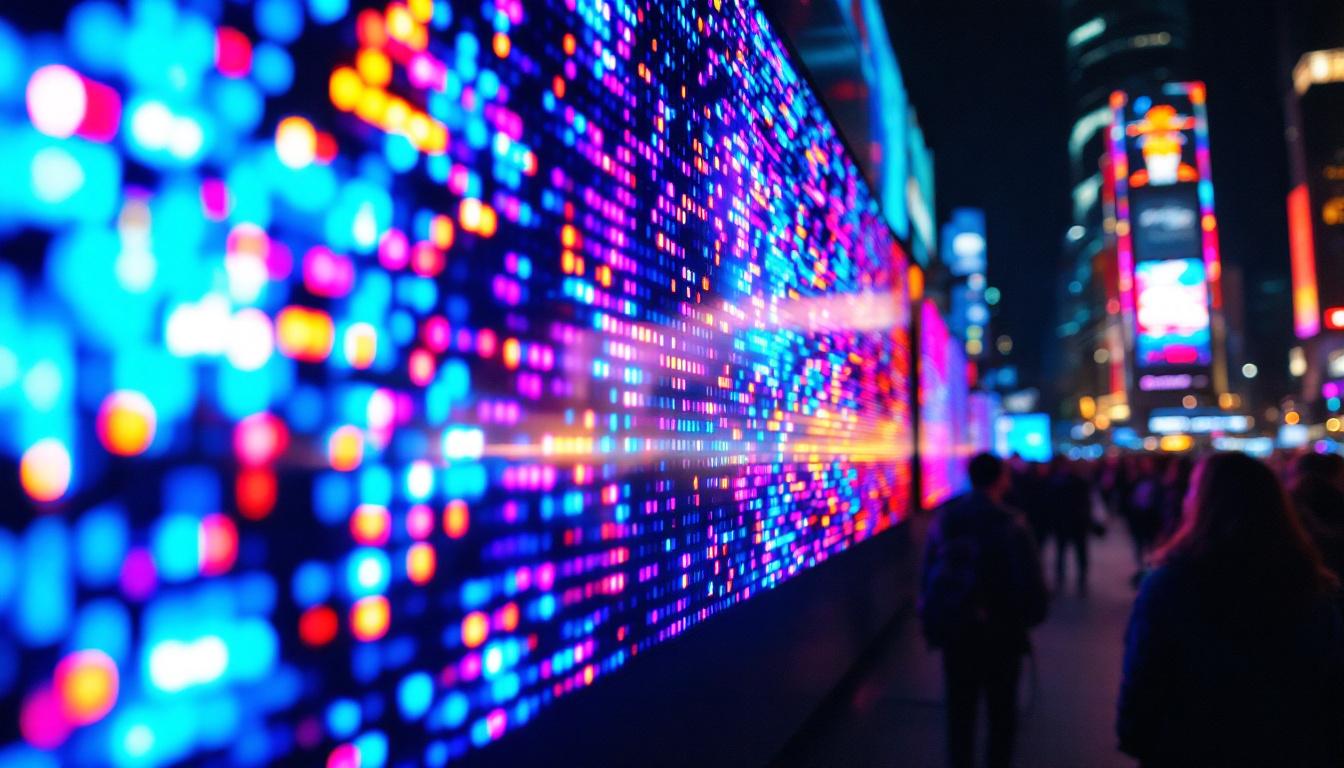
LED, or Light Emitting Diode, screens are composed of many tiny light sources that emit light when an electric current passes through them. These diodes are arranged in a matrix to form images and videos. Unlike traditional LCD or plasma displays, LED screens do not rely on backlighting, which allows for higher contrast ratios, better brightness, and improved energy efficiency. This fundamental difference in technology not only enhances the visual experience but also contributes to the longevity of the display, as LED screens typically have a longer lifespan than their predecessors.
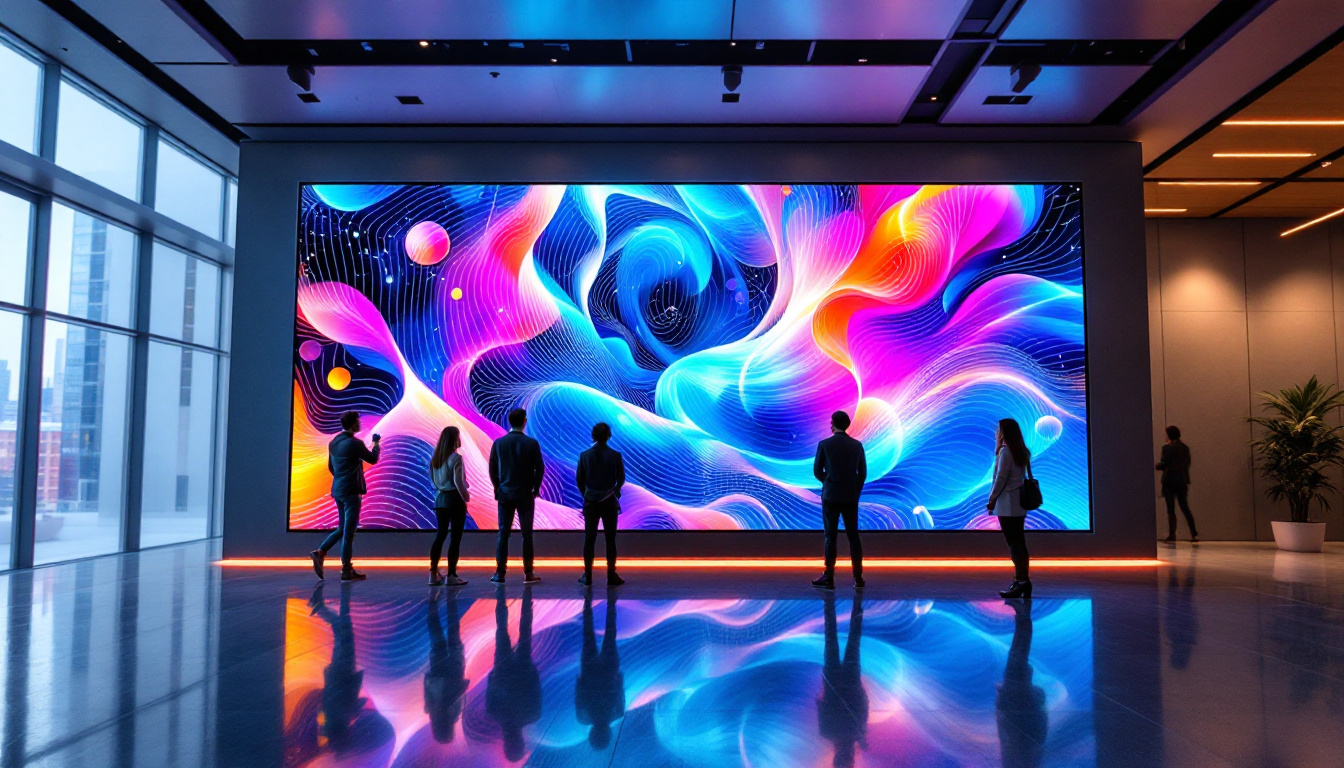
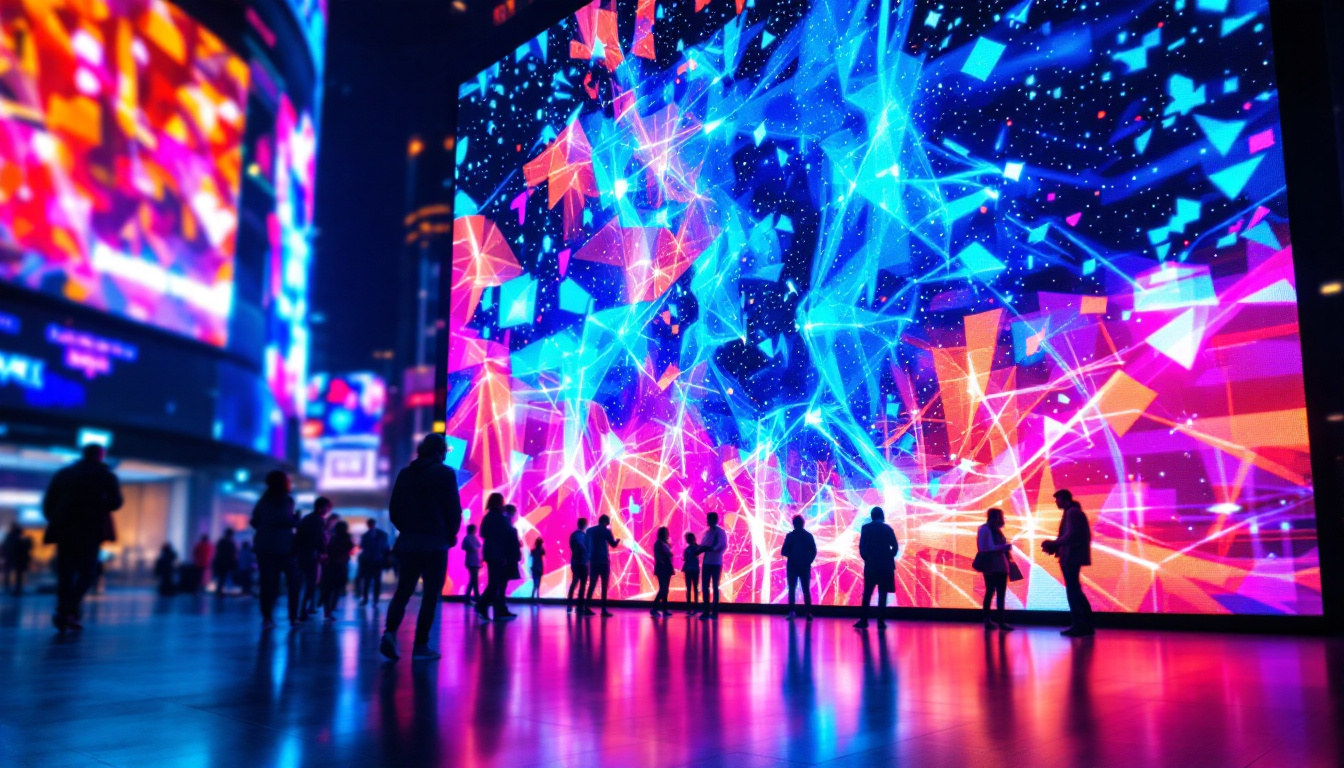
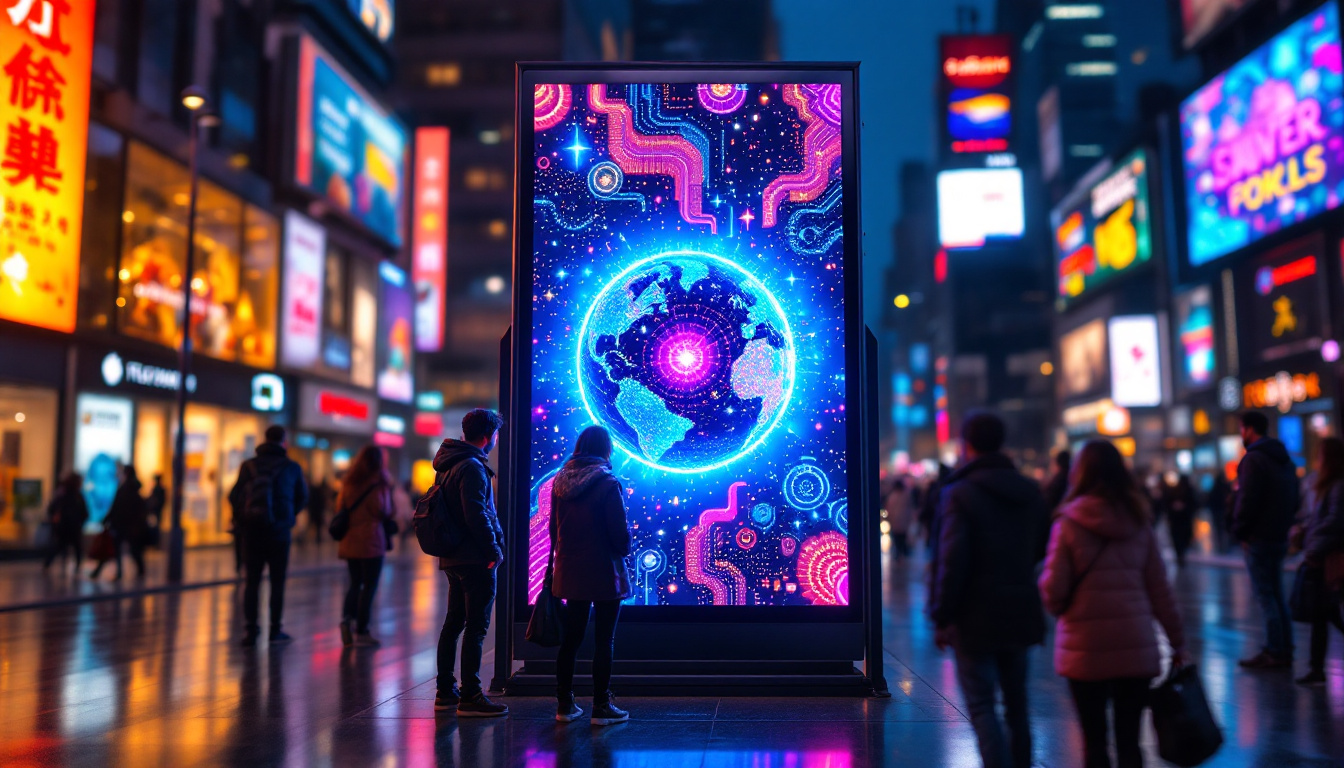
LED screens are used in various formats, including indoor and outdoor displays, flexible panels, and even transparent screens. This versatility contributes to their widespread adoption across industries. For instance, in retail environments, LED displays can be used for eye-catching advertisements that attract customers, while in corporate settings, they serve as dynamic presentation tools that can easily convey information in an engaging manner. Furthermore, the ability to customize content in real-time allows businesses to adapt their messaging based on audience engagement or current events, making LED technology a powerful tool for communication.
Types of LED Displays
LED displays can be broadly categorized based on pixel pitch, application, and form factor:
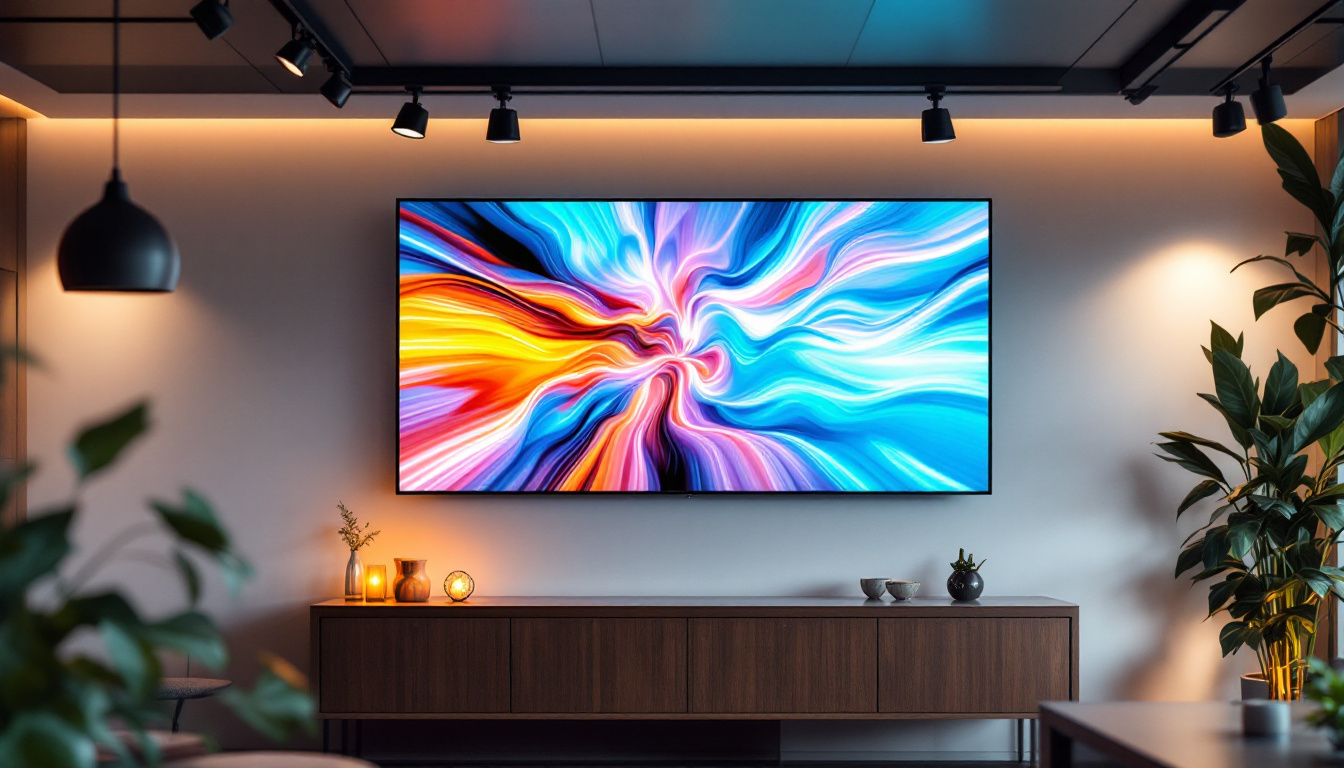
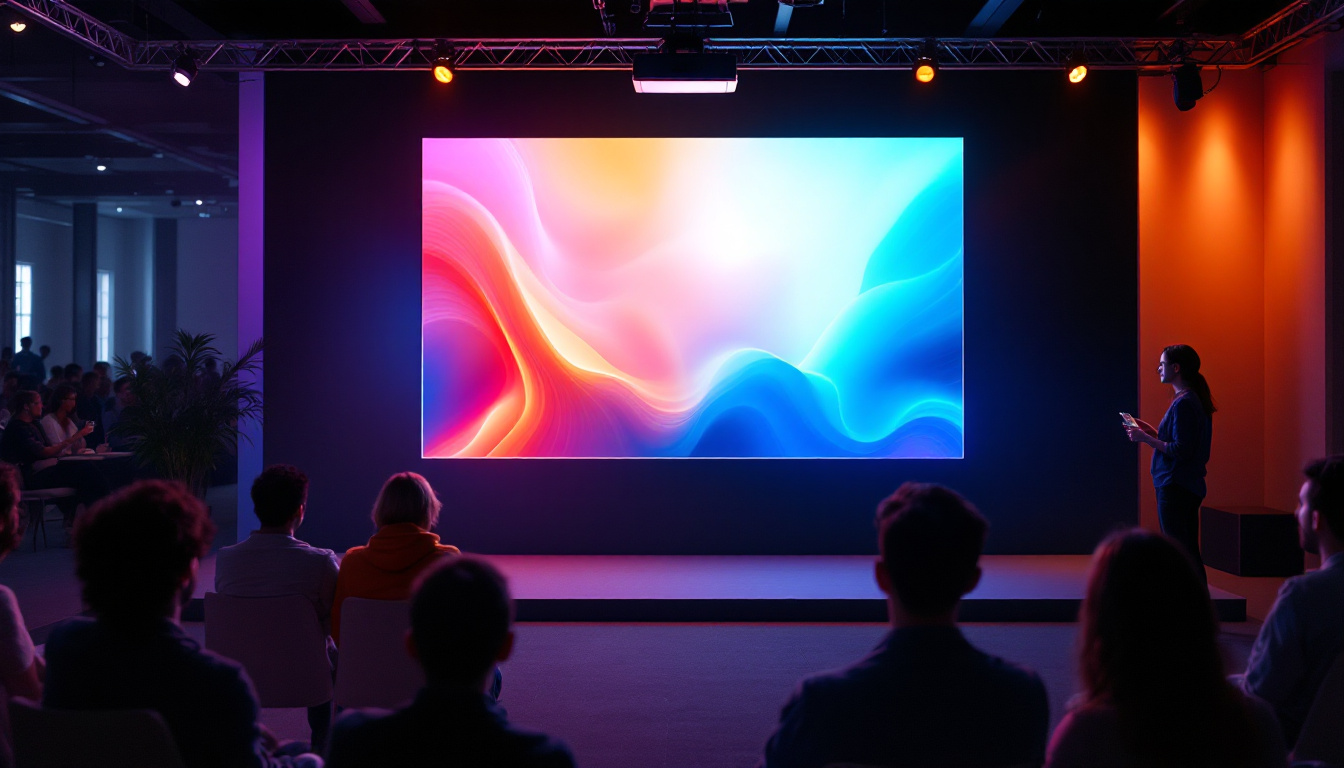
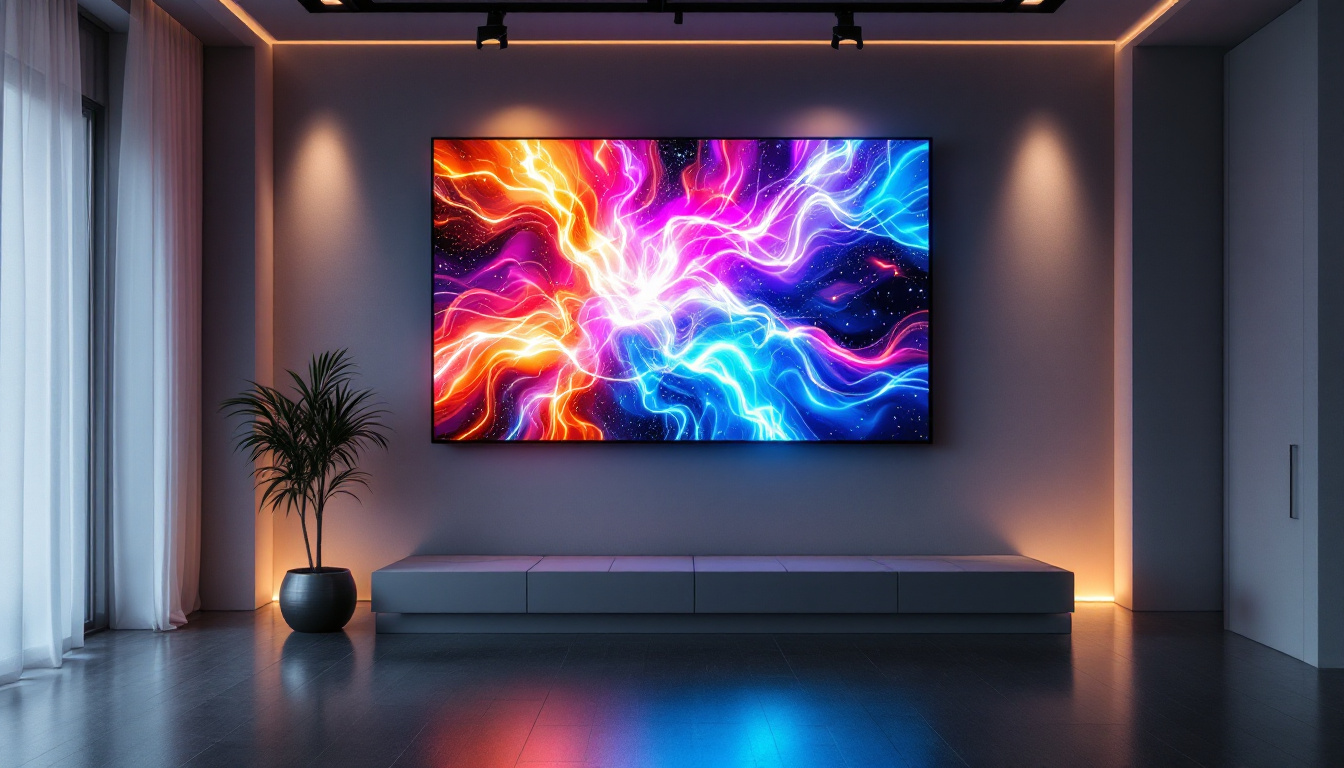
- Indoor LED Displays: Designed for close viewing distances, these screens have a smaller pixel pitch (typically 1.2mm to 4mm) to provide high resolution and clarity. They are often utilized in venues such as theaters, conference rooms, and retail spaces, where detailed visuals are crucial for audience engagement.
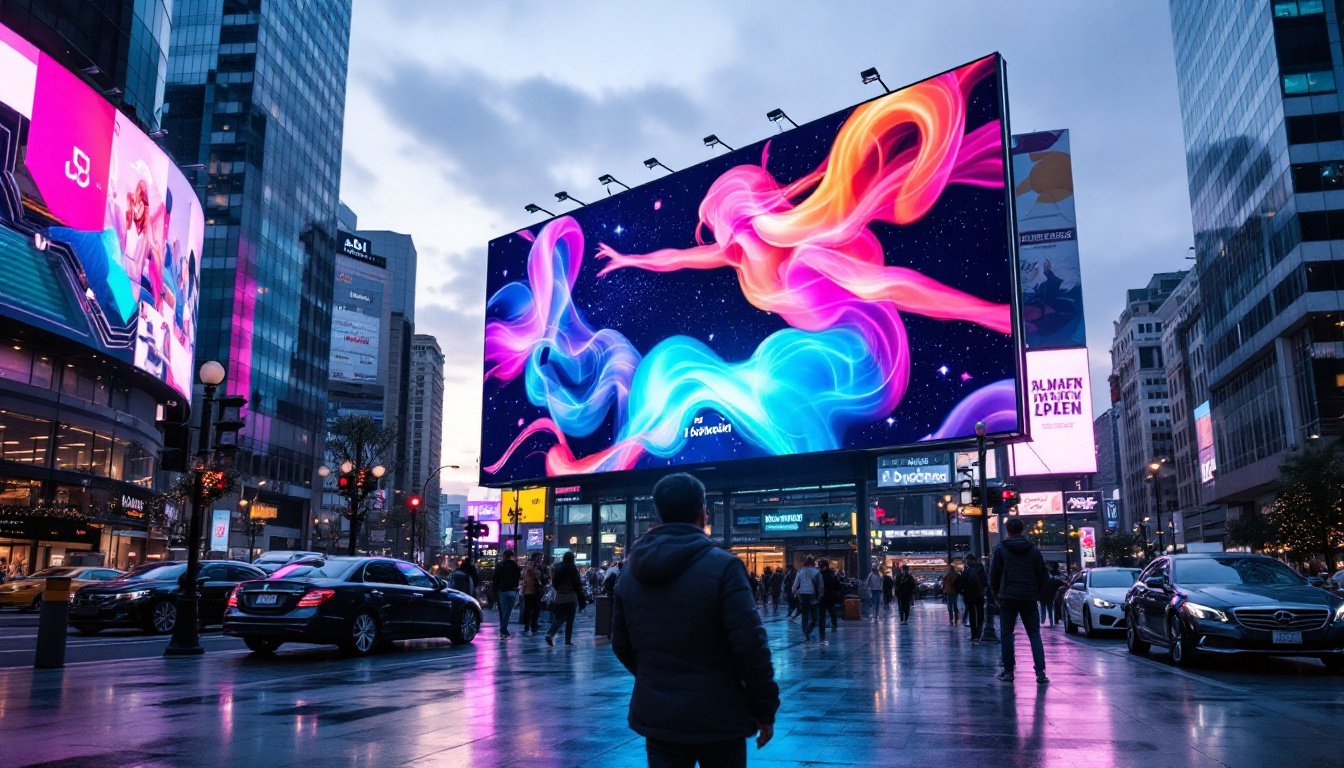
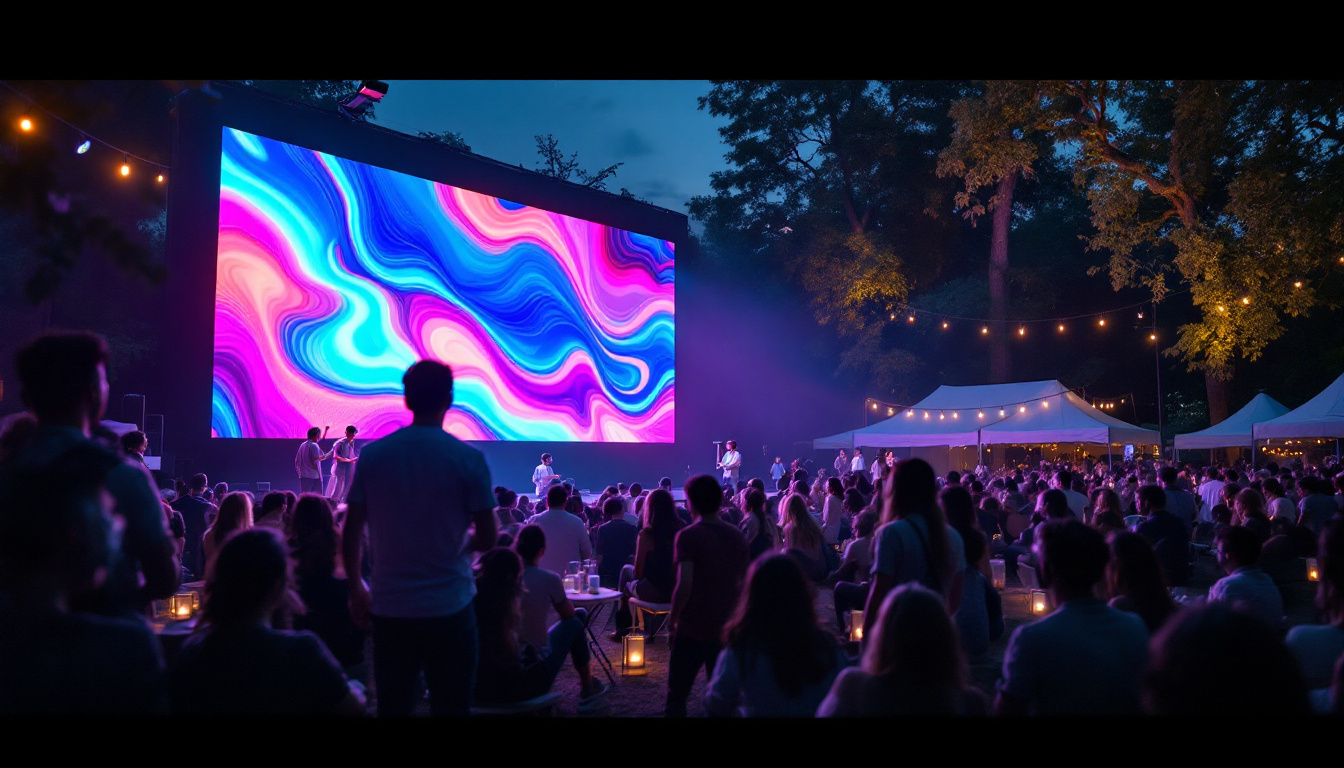
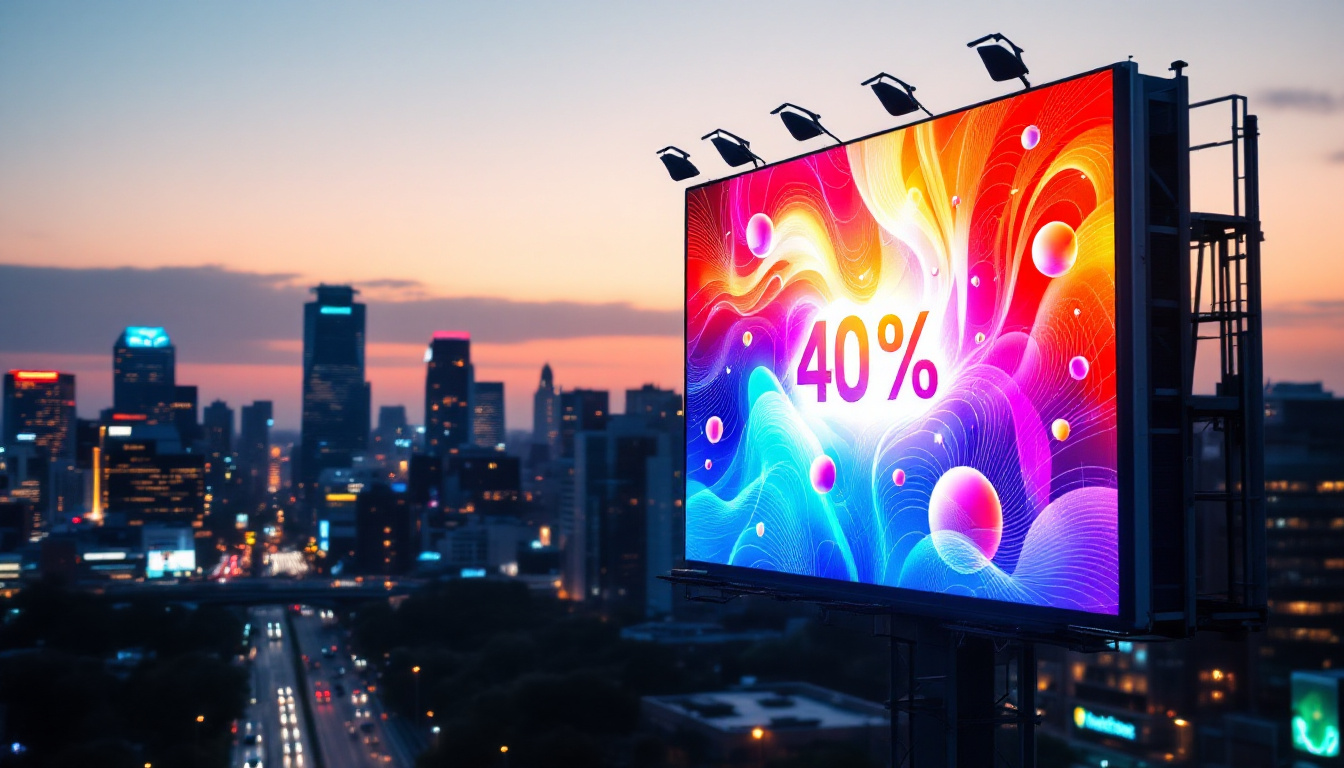
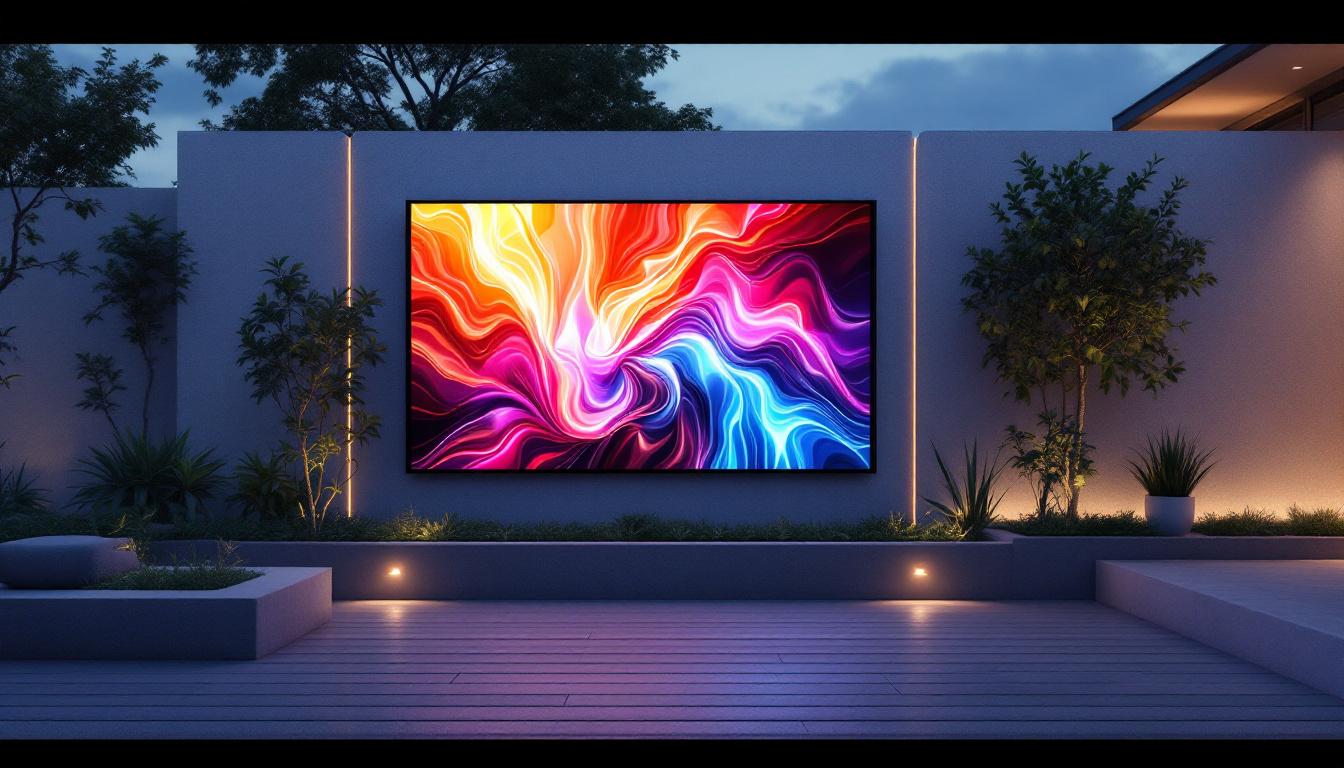
- Outdoor LED Displays: Built to withstand weather conditions, these have larger pixel pitches (4mm to 20mm) and higher brightness levels to remain visible in sunlight. Commonly found in billboards and sports arenas, outdoor displays are engineered to endure harsh environmental factors while delivering vibrant content that can be seen from great distances.
- Transparent LED Displays: Allow light to pass through, ideal for glass walls and windows without obstructing the view. This innovative technology is gaining traction in modern architecture, enabling businesses to showcase advertisements while maintaining an open and airy feel in their spaces.
- Flexible and Curved LED Screens: Offer creative installation options for unique architectural designs. These displays can be bent or shaped to fit unconventional spaces, making them perfect for immersive environments like museums or themed attractions, where the visual experience is enhanced by the display’s form.
Additionally, advancements in LED technology have led to the development of MicroLED and MiniLED displays, which promise even greater resolution and color accuracy. MicroLED technology utilizes microscopic LEDs to create individual pixels, resulting in stunning image quality and energy efficiency. Meanwhile, MiniLED displays use smaller LEDs for backlighting, improving contrast and brightness in LCD panels. These innovations are paving the way for the next generation of displays, pushing the boundaries of what is possible in visual technology.
Key Factors Influencing the Price of LED Screens
Pixel Pitch and Resolution
Pixel pitch is the distance between the centers of two adjacent pixels, measured in millimeters. It directly impacts the display’s resolution and viewing distance. Smaller pixel pitches mean more pixels per square meter, resulting in sharper images but higher costs.
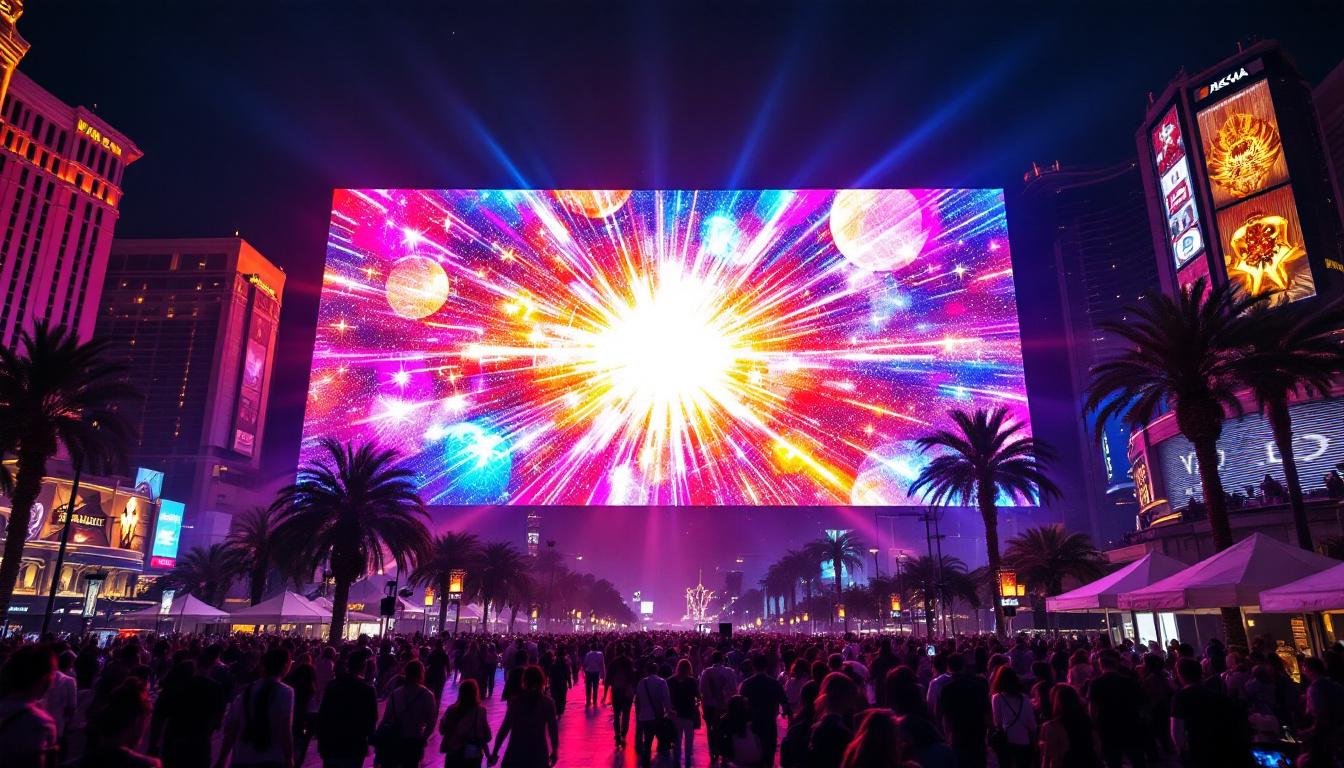
For example, an indoor LED screen with a 1.5mm pixel pitch will be significantly more expensive than an outdoor screen with a 10mm pixel pitch due to the complexity of manufacturing and the density of LEDs required. This difference in pixel pitch also affects the viewing experience; a smaller pixel pitch allows viewers to stand closer to the screen without noticing pixelation, making it ideal for environments such as trade shows or retail spaces where close-up viewing is common. Conversely, larger pixel pitches are suitable for distant viewing, such as stadiums or large public displays, where the audience is spread out over a wider area.
Screen Size and Configuration
The total size of the LED screen is a major cost driver. Larger displays require more LED modules, power supplies, and structural support. Additionally, custom configurations such as curved or irregular shapes can increase installation complexity and price.
Modular designs allow for scalable solutions, but each additional square meter adds to the overall investment. For instance, a 10-square-meter indoor LED wall might cost tens of thousands of dollars, while a 100-square-meter outdoor billboard could run into hundreds of thousands. Moreover, the configuration can also influence the type of content displayed; screens that can be arranged in unique shapes may allow for more creative advertising opportunities, enhancing engagement and potentially justifying the higher costs through increased viewer interaction.
Brightness and Weatherproofing
Outdoor LED screens need to be brighter to combat sunlight, often exceeding 5,000 nits, compared to indoor screens that typically range from 800 to 1,500 nits. Higher brightness levels require more powerful LEDs and robust power management, increasing costs.
Weatherproofing is essential for outdoor installations. IP ratings (Ingress Protection) indicate the level of protection against dust and water. An IP65 rating or higher is common for outdoor LED screens, which involves additional sealing and durable materials, adding to the price. Furthermore, the choice of materials used in weatherproofing can also affect longevity; screens designed to withstand extreme temperatures or corrosive environments may incur additional costs upfront but can save money in the long run by reducing the frequency of replacements or repairs.
Refresh Rate and Color Depth
The refresh rate, measured in Hertz (Hz), indicates how often the image updates per second. Higher refresh rates reduce flicker, which is critical for video playback and camera filming. Standard refresh rates range from 60Hz to 3840Hz or more in premium models.
Color depth, or bit depth, affects the number of colors the display can produce. Higher color depth results in smoother gradients and more vibrant images but requires advanced processing and LED technology, impacting cost. This is particularly important for applications that rely on accurate color representation, such as digital art displays or high-end advertising. The ability to display a wider range of colors can significantly enhance the viewer’s experience, making it a worthwhile investment for businesses looking to create a strong visual impact.
Installation and Maintenance Costs
Beyond the screen itself, installation expenses can be substantial. This includes mounting structures, electrical wiring, control systems, and labor. Complex installations, such as large outdoor billboards or curved screens, require specialized expertise.
Maintenance is another ongoing cost. LED screens require periodic cleaning, software updates, and potential repairs. High-quality screens with reliable components may have higher upfront costs but lower maintenance expenses over time. Additionally, some manufacturers offer service contracts that can help mitigate unexpected repair costs, providing peace of mind to businesses investing in LED technology. Regular maintenance not only prolongs the lifespan of the screens but also ensures that the display remains vibrant and effective at capturing audience attention, which is crucial for maximizing return on investment.
Price Ranges and Market Examples
Indoor LED Screens
Indoor LED displays are generally priced between $1,000 to $3,000 per square meter, depending on pixel pitch and features. For example, a 2mm pixel pitch LED wall measuring 5 square meters might cost around $10,000 to $15,000, including basic installation.
Retail stores, conference rooms, and control centers often invest in indoor LED screens for their sharp image quality and flexibility. The price reflects the need for high resolution and color accuracy.
Outdoor LED Screens
Outdoor LED screens typically cost between $1,500 and $4,000 per square meter. A 20-square-meter billboard with a 10mm pixel pitch might range from $30,000 to $80,000, depending on brightness and weatherproofing requirements.
These displays are common in advertising, sports arenas, and public information systems. The higher cost accounts for durability and visibility in various lighting conditions.
Specialty LED Displays
Transparent and flexible LED screens command premium prices due to their innovative technology and limited production. Prices can exceed $5,000 per square meter, influenced by the complexity of manufacturing and installation.
Architectural projects and luxury retail environments often use these displays to create unique visual experiences.
Emerging Trends Affecting LED Screen Prices
Advancements in Mini-LED and Micro-LED
Mini-LED and Micro-LED technologies offer higher brightness, better contrast, and longer lifespans than traditional LEDs. While still emerging, these technologies are gradually influencing market prices by introducing more options at different price points.
Micro-LED displays, in particular, promise ultra-high resolution and energy efficiency but currently come at a premium, often reserved for high-end applications.
Increased Demand for Digital Signage
The global digital signage market is projected to grow at a CAGR of over 8% through 2028, driven by retail, transportation, and entertainment sectors. This demand is encouraging manufacturers to innovate and scale production, which may lead to more competitive pricing over time.
However, customization and specialized features remain key factors that keep prices varied.
Sustainability and Energy Efficiency
Energy-efficient LED screens reduce operational costs and environmental impact. Buyers are increasingly prioritizing green technology, which can influence upfront costs but yield savings in the long term.
Manufacturers are responding with eco-friendly designs that balance performance and cost.
How to Choose the Right LED Screen Within Your Budget
Assess Your Application and Viewing Distance
Understanding the primary use case and typical viewing distance is crucial. For close-up indoor viewing, invest in a smaller pixel pitch for clarity. For large outdoor displays viewed from afar, a larger pixel pitch and higher brightness are more important.
Balance Quality and Cost
While it may be tempting to opt for the cheapest option, consider the total cost of ownership, including maintenance and lifespan. High-quality LED screens often provide better ROI through durability and superior performance.
Consult with Experienced Providers
Working with reputable LED screen manufacturers and installers can ensure you get a solution tailored to your needs and budget. They can provide detailed quotes, demonstrate product options, and advise on installation and after-sales support.
Conclusion
The price of an LED screen is influenced by multiple factors including pixel pitch, size, brightness, durability, and technological advancements. Understanding these elements helps buyers make informed decisions that align with their specific requirements and budget constraints.
As LED technology continues to advance and market demand grows, prices are expected to become more competitive, offering greater accessibility for a variety of applications. Whether for advertising, events, or architectural displays, investing in the right LED screen can significantly enhance visual communication and audience engagement.
Discover LumenMatrix’s Innovative LED Display Solutions
Ready to elevate your visual communication with cutting-edge LED technology? LumenMatrix offers a comprehensive range of LED display modules designed to bring your brand to life. From vibrant Indoor and Outdoor LED Wall Displays to dynamic Vehicle and Sports LED Displays, our solutions are crafted to captivate and engage your audience. Embrace the future of digital signage with our Custom, All-in-One, and Transparent LED Displays, each tailored to meet your unique needs. Experience the transformative power of LumenMatrix and check out LumenMatrix LED Display Solutions today to see how we can help you share your message with unparalleled impact and clarity.