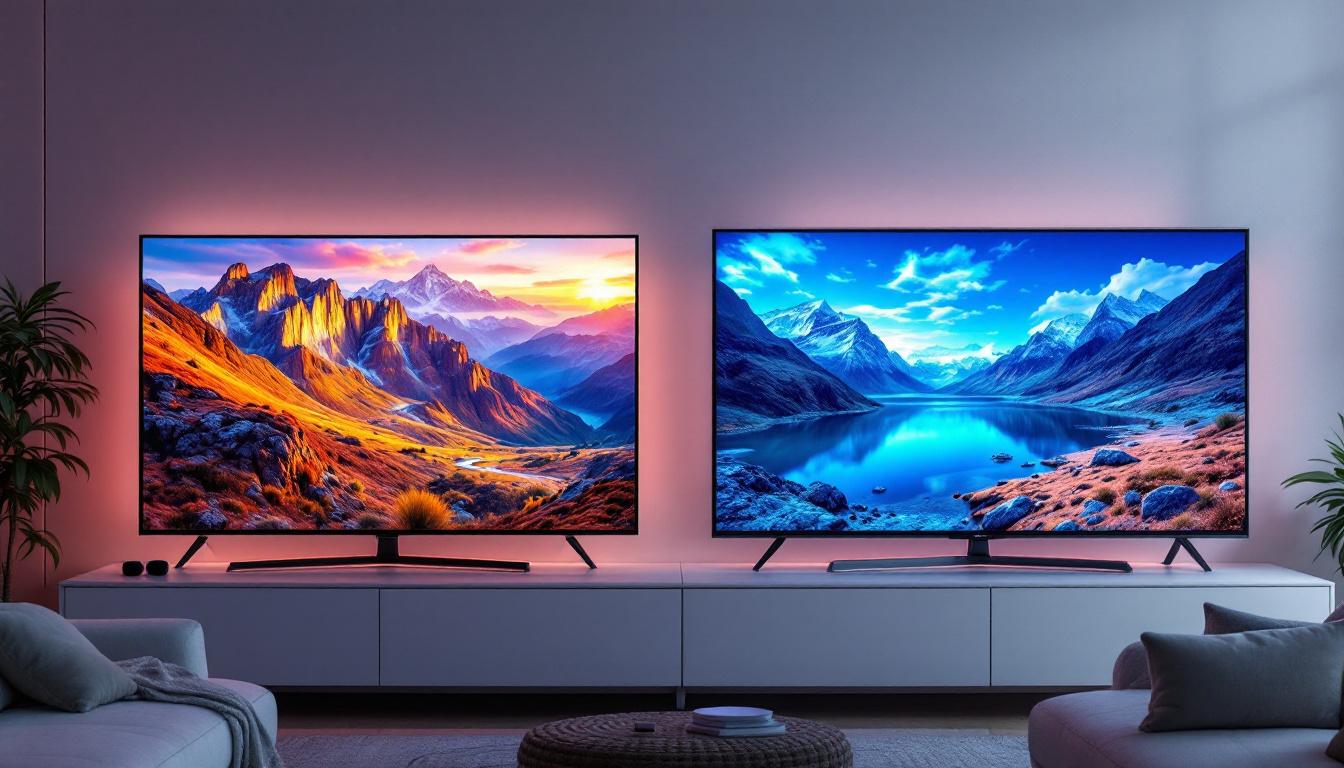
In today’s fast-paced retail and advertising environments, capturing consumer attention is more challenging than ever. One of the most effective tools businesses use to stand out is the LED display. From vibrant storefront signs to dynamic product showcases, LED displays have revolutionized how brands communicate visually. But what exactly are LED displays, how do they work, and why have they become so indispensable in product presentation? This article delves deep into the technology, applications, and benefits of LED displays, providing a comprehensive understanding for marketers, retailers, and tech enthusiasts alike.
Understanding LED Display Technology
What is an LED Display?
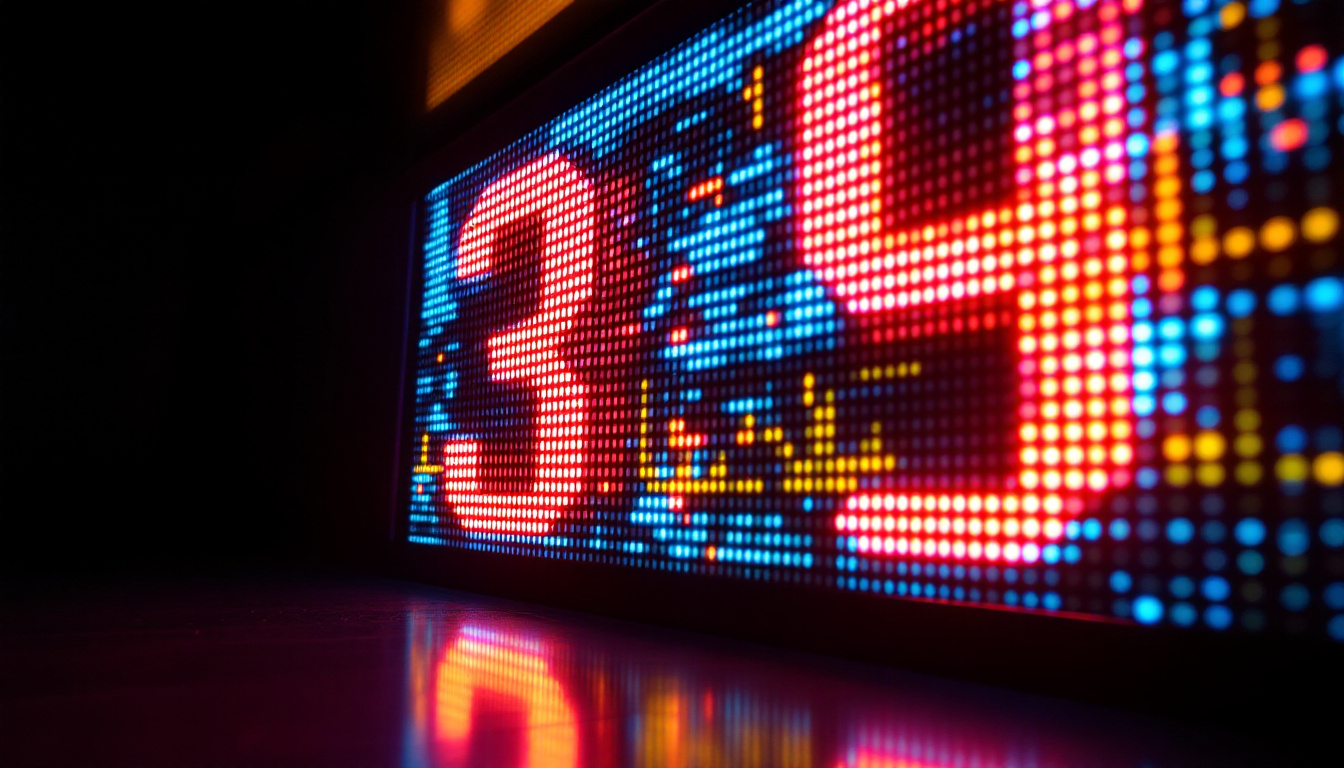
LED stands for Light Emitting Diode, a semiconductor device that emits light when an electric current passes through it. An LED display is a flat panel that uses an array of these tiny diodes to produce images, text, and video. Unlike traditional LCD or plasma screens, LED displays are self-illuminating, meaning each diode emits its own light, resulting in brighter and more vivid visuals. This self-illuminating feature not only enhances the clarity of the images but also contributes to a wider viewing angle, allowing audiences to enjoy the content from various positions without significant color distortion.
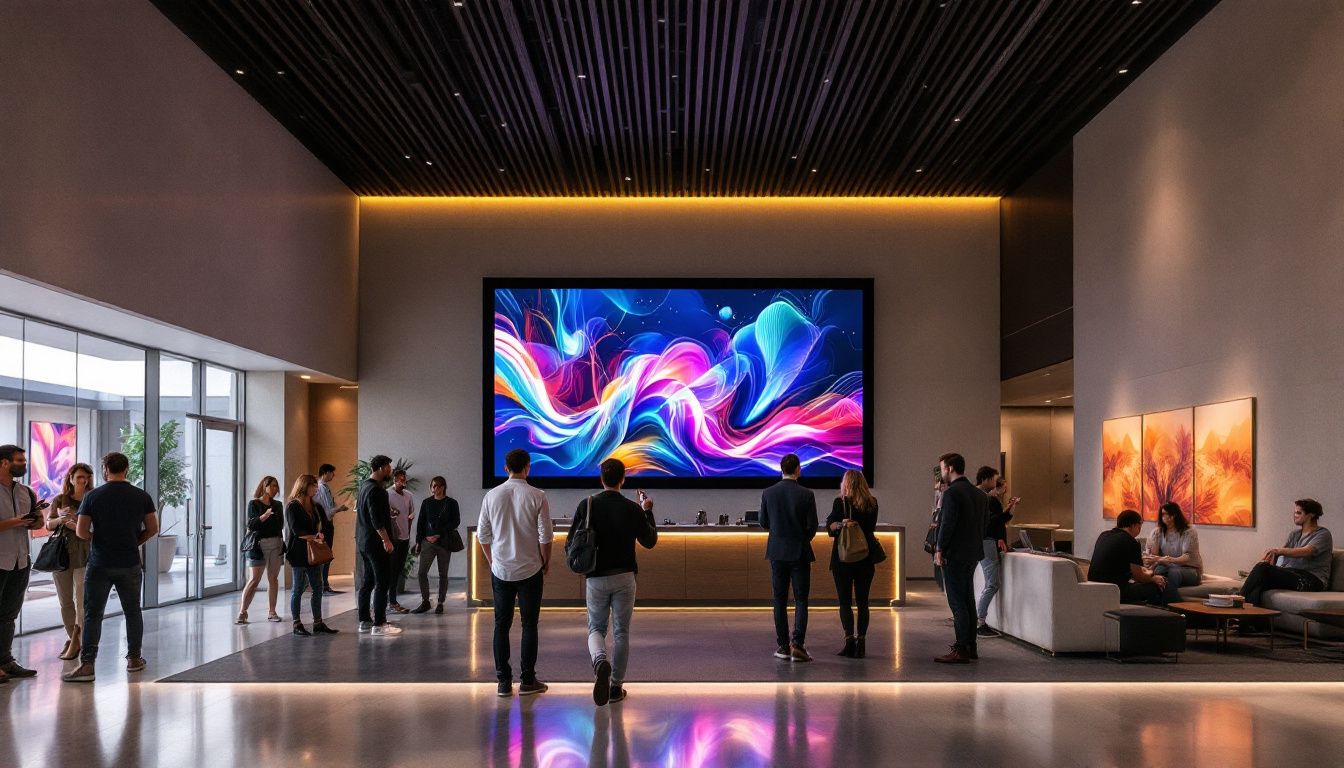
LED displays come in various forms, including indoor and outdoor panels, flexible screens, and transparent displays. Their modular design allows manufacturers to create screens of almost any size or shape, tailored to specific use cases such as billboards, retail signage, or product showcases. The versatility of LED technology means that it can be adapted for various environments, from large stadiums to intimate retail spaces, providing a dynamic solution for visual communication. Furthermore, the lightweight nature of these displays makes installation and maintenance considerably easier, reducing costs and downtime for businesses.
How Do LED Displays Work?
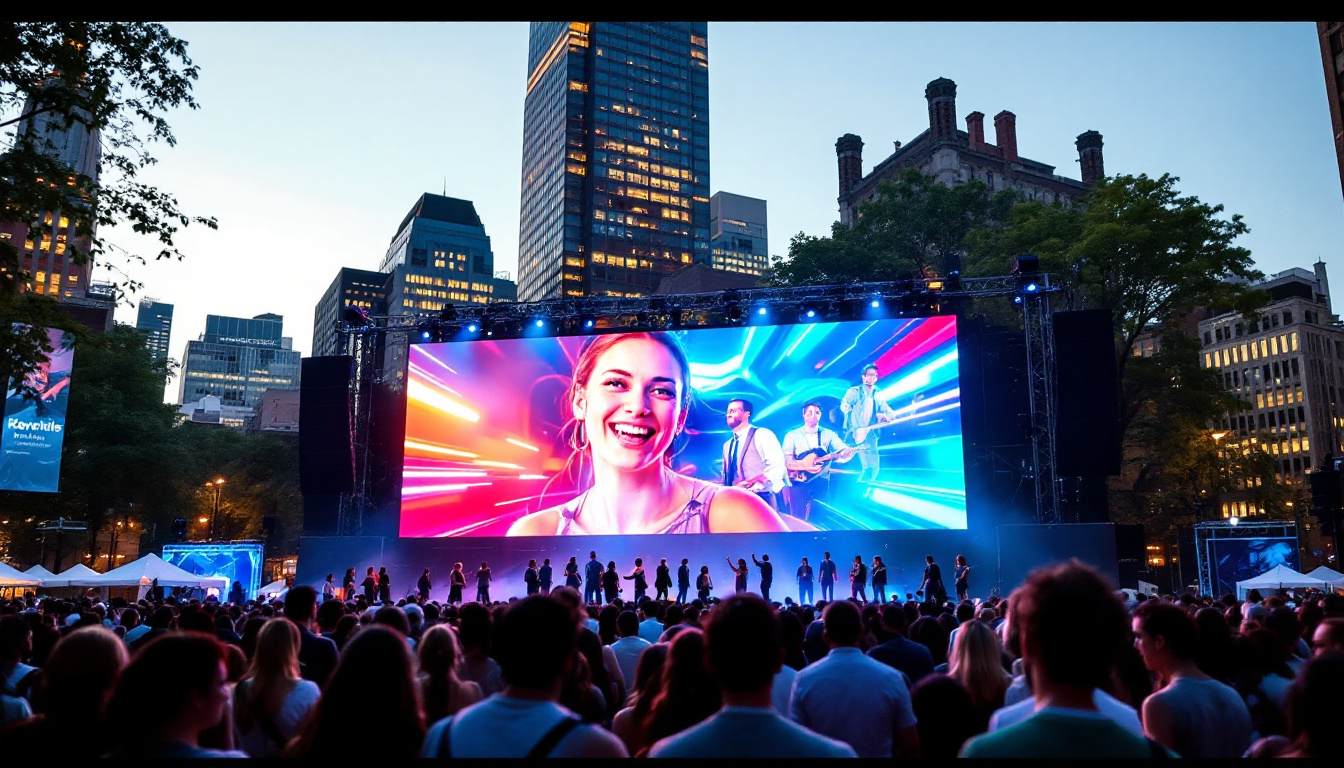
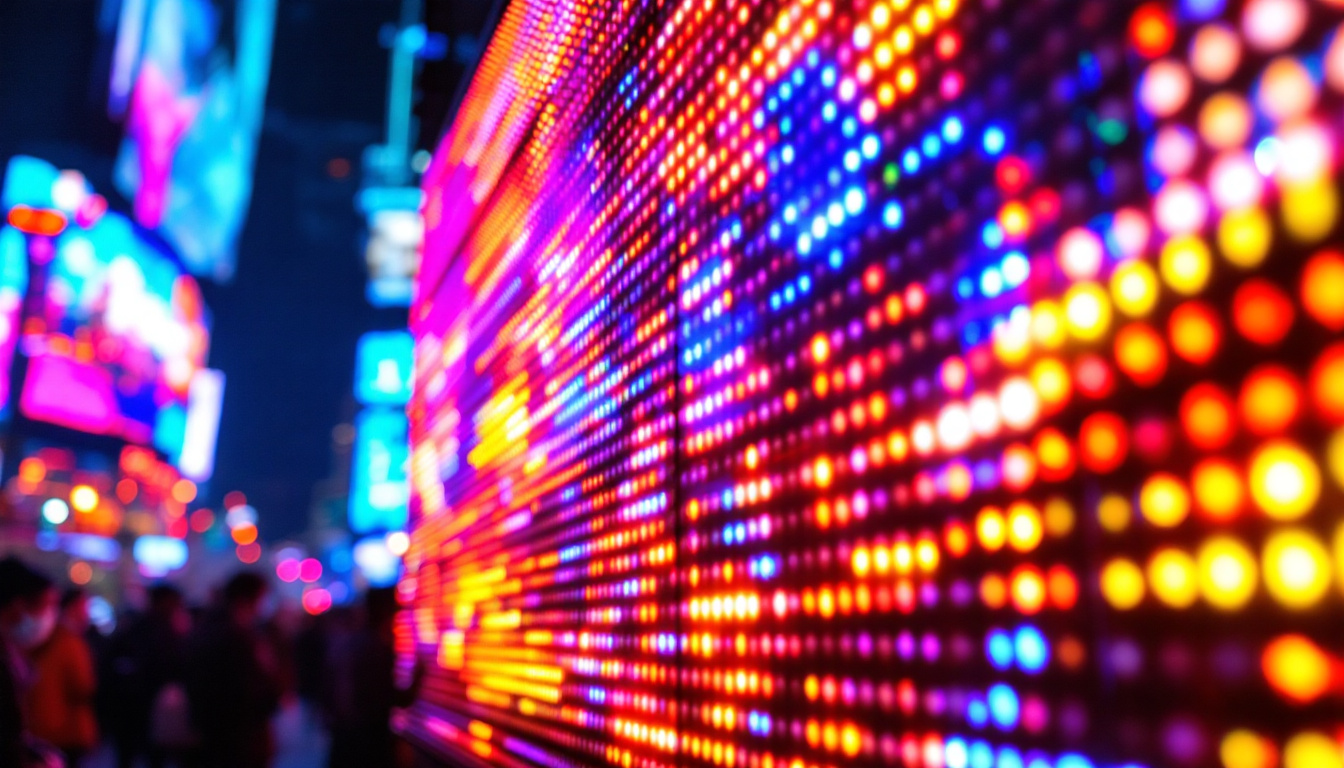
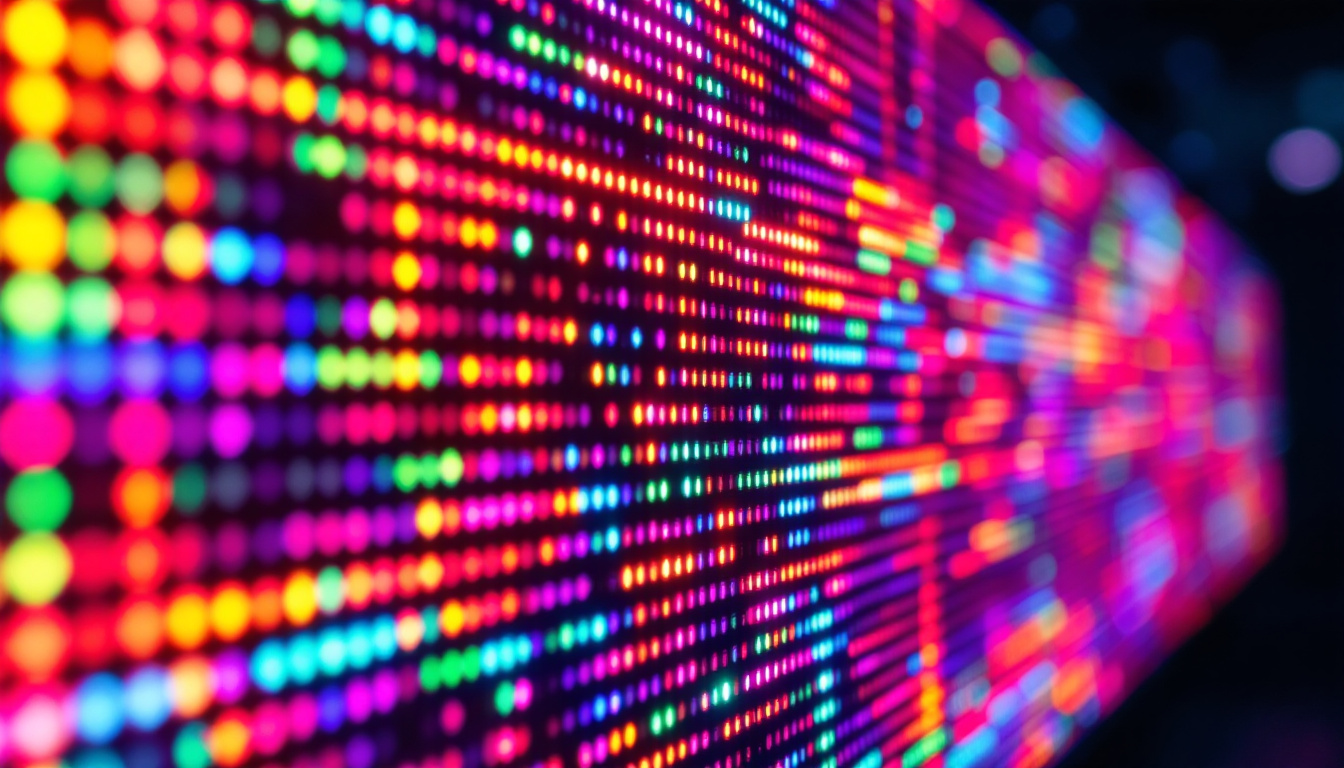
At the core of an LED display is a matrix of pixels, each composed of red, green, and blue (RGB) diodes. By adjusting the brightness of each diode, the display can produce a wide spectrum of colors through additive color mixing. This technology enables LED displays to render sharp, colorful images even under direct sunlight, which is a significant advantage over other display types. The ability to maintain high visibility in bright conditions makes LED displays particularly popular for outdoor advertising and public information systems, where clarity and impact are essential.
Modern LED displays use advanced control systems to manage color accuracy, brightness, and refresh rates. These control systems ensure smooth video playback and crisp static images, making them ideal for dynamic advertising content. Additionally, innovations like Mini-LED and Micro-LED have further enhanced display resolution and energy efficiency, pushing the boundaries of what LED technology can achieve. Mini-LED technology, for instance, utilizes smaller diodes to create more localized dimming zones, resulting in deeper blacks and improved contrast ratios. Meanwhile, Micro-LED technology takes this a step further by allowing for individual pixel control, paving the way for displays that are not only thinner and lighter but also capable of producing stunningly high resolutions that rival traditional display technologies. This evolution in LED technology continues to open new avenues for creative applications, from immersive art installations to high-end home theaters, showcasing the versatility and potential of LED displays in our increasingly visual world.
The Evolution and Advantages of LED Displays in Product Presentation
Historical Context and Market Growth
LED technology has evolved rapidly since the first visible-spectrum LEDs were developed in the 1960s. Initially used for simple indicator lights, LEDs have transformed into sophisticated display components. The global LED display market has witnessed exponential growth, valued at approximately $7.5 billion in 2023 and projected to exceed $15 billion by 2030, driven by demand in retail, sports arenas, transportation hubs, and entertainment sectors.
Retailers and advertisers have embraced LED displays for their ability to deliver eye-catching content that traditional static signage cannot match. The shift from printed posters to digital LED signage allows for real-time updates, targeted messaging, and interactive experiences, all of which enhance consumer engagement and drive sales.
Key Advantages of LED Displays for Product Showcases
One of the primary benefits of LED displays is their brightness and visibility. Unlike LCDs, LEDs maintain clarity and vibrancy even in brightly lit environments, making them perfect for storefront windows or outdoor product displays. This high visibility increases the likelihood of attracting passersby and converting interest into purchases.
Another advantage is flexibility. LED panels can be configured into various shapes and sizes, enabling creative product presentations that align with brand aesthetics. For example, curved or cylindrical LED displays can wrap around product stands, creating immersive visual experiences that traditional signage cannot replicate.
Energy efficiency is also a crucial factor. LED displays consume significantly less power than older display technologies, reducing operational costs and environmental impact. This efficiency, combined with a long lifespan—often exceeding 100,000 hours—makes LEDs a cost-effective investment for businesses.
Applications of LED Displays in Retail and Advertising
Dynamic Storefront Signage
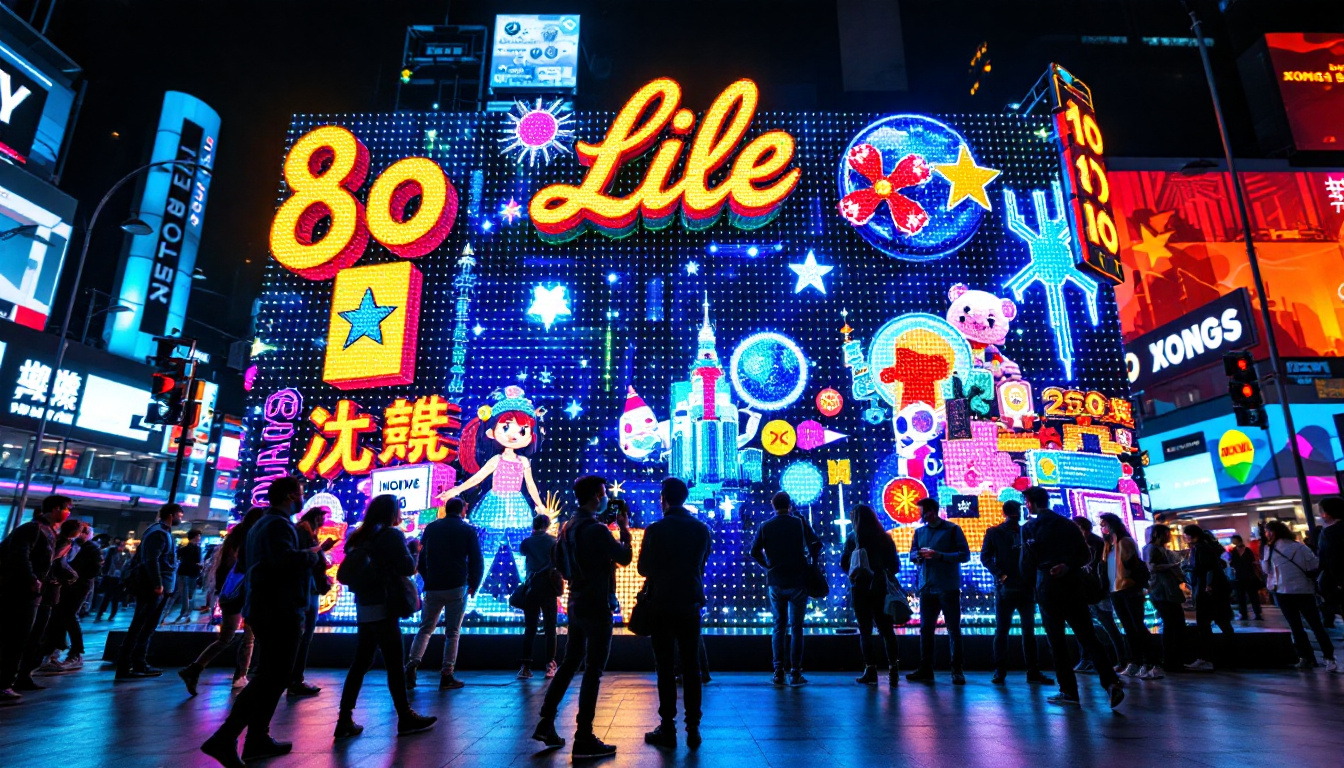
Storefronts are the first point of contact between a brand and potential customers. LED displays transform these spaces by offering dynamic, attention-grabbing visuals that can be changed instantly to reflect promotions, new arrivals, or seasonal campaigns. For instance, fashion retailers often use LED walls to showcase runway videos or highlight trending products, creating an engaging atmosphere that encourages foot traffic.
Moreover, LED signage can be programmed to adapt based on time of day or audience demographics, using sensors and AI-driven analytics. This capability allows retailers to deliver personalized messages, enhancing relevance and customer connection.
Interactive Product Displays
Beyond static advertising, LED technology enables interactive product displays that invite customer participation. Touch-sensitive LED screens can provide detailed product information, customization options, or virtual try-on experiences. For example, electronics stores use LED kiosks where customers can explore product features and compare models through intuitive interfaces.
Such interactivity not only educates consumers but also increases dwell time and purchase likelihood. By integrating LED displays with mobile apps or loyalty programs, retailers can further personalize the shopping journey and gather valuable consumer insights.
Event and Trade Show Exhibits
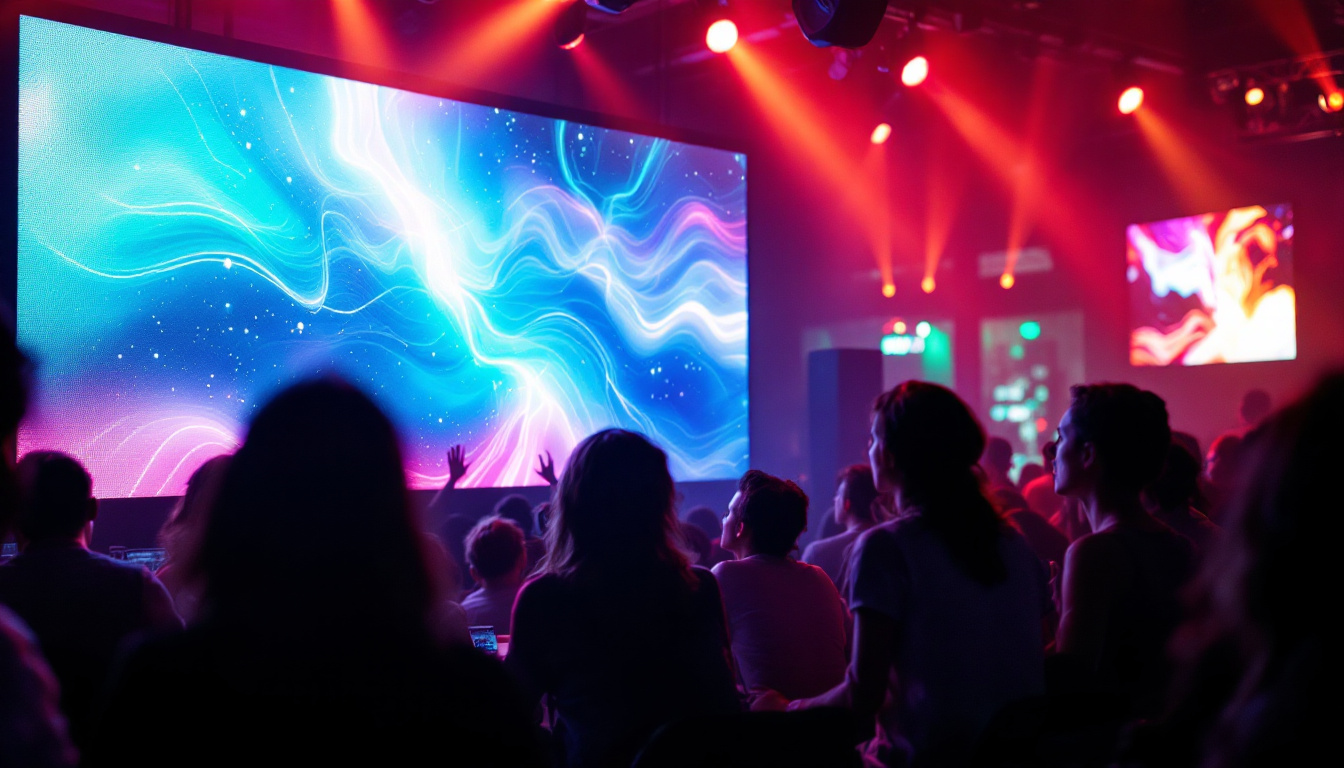
Trade shows and events demand impactful presentations to stand out among competitors. LED displays are a staple in these settings, offering large-scale visuals that attract crowds and communicate brand messages effectively. Modular LED walls can be assembled quickly and customized for different booth sizes, making them ideal for temporary installations.
Additionally, LED displays support high-definition video content, live streaming, and real-time social media feeds, enabling brands to create immersive and interactive experiences that resonate with attendees. This versatility enhances brand recall and fosters meaningful engagement.
Technical Considerations When Choosing an LED Display
Resolution and Pixel Pitch
Resolution is a critical factor in LED display quality, determined by the number of pixels per unit area. Pixel pitch, the distance between the centers of adjacent pixels, directly affects resolution and viewing distance. Smaller pixel pitches yield higher resolution and are suitable for close-up viewing, such as indoor product displays. Conversely, larger pixel pitches are acceptable for outdoor billboards viewed from afar.
Choosing the right resolution depends on the intended application and viewing environment. For retail displays, a pixel pitch between 1.5mm and 4mm typically balances clarity and cost effectively.
Brightness and Contrast Ratio
Brightness, measured in nits, defines how well the display performs under different lighting conditions. Outdoor LED displays often require brightness levels exceeding 5,000 nits to remain visible in direct sunlight, while indoor displays can operate effectively at 800 to 1,500 nits.
Contrast ratio, the difference between the darkest black and brightest white, influences image depth and realism. High contrast ratios enhance visual appeal, making product images more striking and lifelike.
Durability and Maintenance
LED displays, especially those used outdoors, must withstand environmental factors such as rain, dust, and temperature fluctuations. Look for displays with appropriate IP (Ingress Protection) ratings to ensure resistance to water and dust ingress. For example, an IP65 rating indicates the display is dust-tight and protected against water jets.
Maintenance considerations include ease of module replacement, availability of spare parts, and software support. Investing in reliable hardware and responsive technical support minimizes downtime and extends the display’s operational life.
Future Trends in LED Display Technology
Micro-LED and Mini-LED Innovations
Emerging technologies like Micro-LED and Mini-LED are pushing the boundaries of LED displays. Micro-LEDs, which are microscopic LEDs, offer superior brightness, contrast, and energy efficiency compared to traditional LEDs. They enable ultra-high-resolution displays with exceptional color accuracy, suitable for premium product showcases and luxury retail environments.
Mini-LED technology uses smaller LEDs as backlighting for LCD panels, improving contrast and brightness without the high cost of Micro-LEDs. Both technologies are expected to become more accessible in the coming years, broadening the possibilities for product display applications.
Integration with Augmented Reality and AI
LED displays are increasingly integrated with augmented reality (AR) and artificial intelligence (AI) to create personalized and interactive experiences. For instance, AR-enabled LED displays can overlay digital content onto physical products, allowing customers to visualize features or customization options in real time.
AI algorithms analyze consumer behavior and environmental data to optimize content delivery, ensuring that messages are relevant and engaging. This fusion of technologies promises to redefine how products are showcased and experienced in retail spaces.
Conclusion: Why LED Displays Are Essential for Modern Product Presentation
LED displays have become a cornerstone of effective product presentation due to their brightness, versatility, and technological sophistication. They enable brands to communicate dynamically, engage customers interactively, and adapt quickly to market trends. As LED technology continues to evolve, its role in retail and advertising will only grow more significant, offering innovative ways to captivate audiences and drive sales.
For businesses aiming to enhance their visual merchandising and advertising impact, investing in LED display technology is not just a trend but a strategic imperative. Understanding the technical nuances and application possibilities ensures that these investments deliver maximum value and a competitive edge in an increasingly visual marketplace.
Discover LumenMatrix’s Advanced LED Display Solutions
As you consider the transformative power of LED displays for your business, LumenMatrix stands at the forefront of this technological evolution. With a commitment to innovation and quality, LumenMatrix offers an extensive range of LED display solutions tailored to meet your specific needs. From Indoor and Outdoor LED Wall Displays to specialized options like Vehicle, Sports, and Floor LED Displays, our products are designed to maximize your brand’s visibility and audience engagement. Experience the future of visual communication with our Custom, All-in-One, and Transparent LED Displays. Check out LumenMatrix LED Display Solutions today and take the first step towards creating unforgettable visual experiences that resonate with your customers.