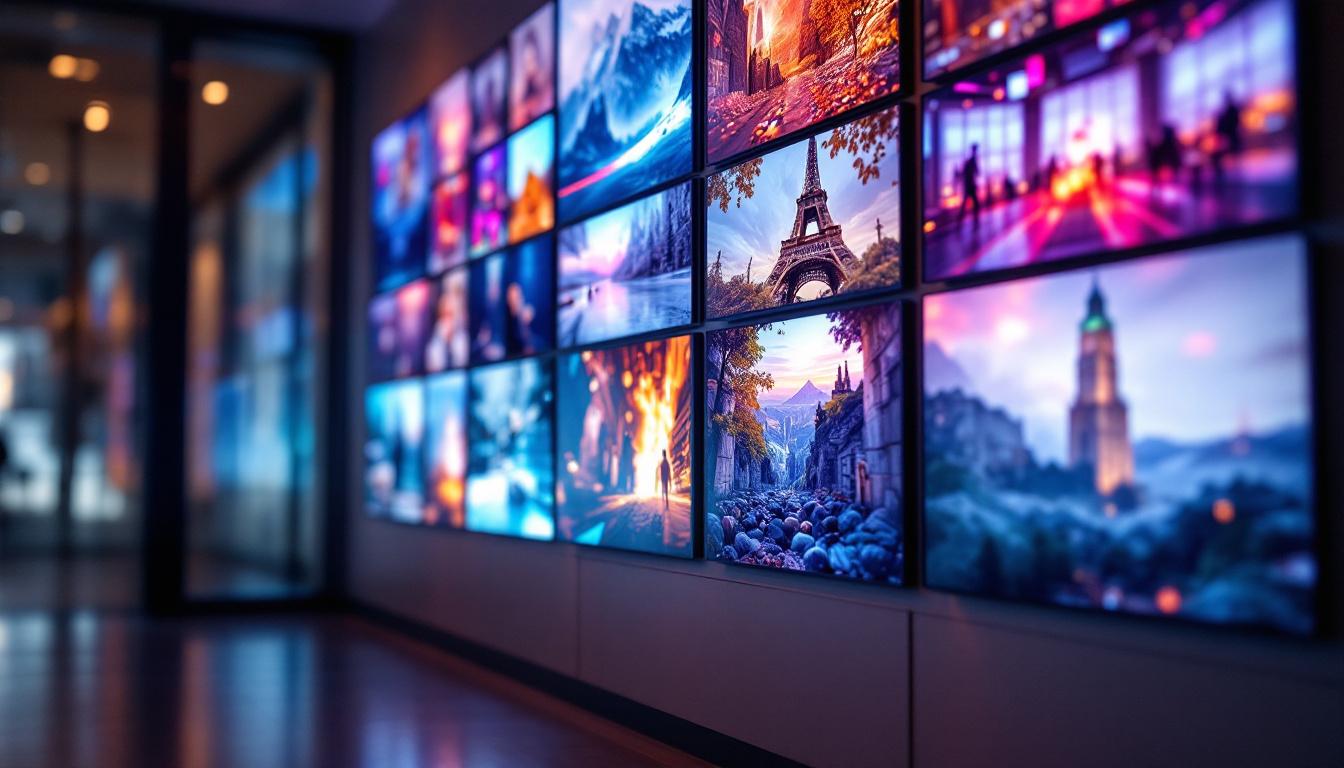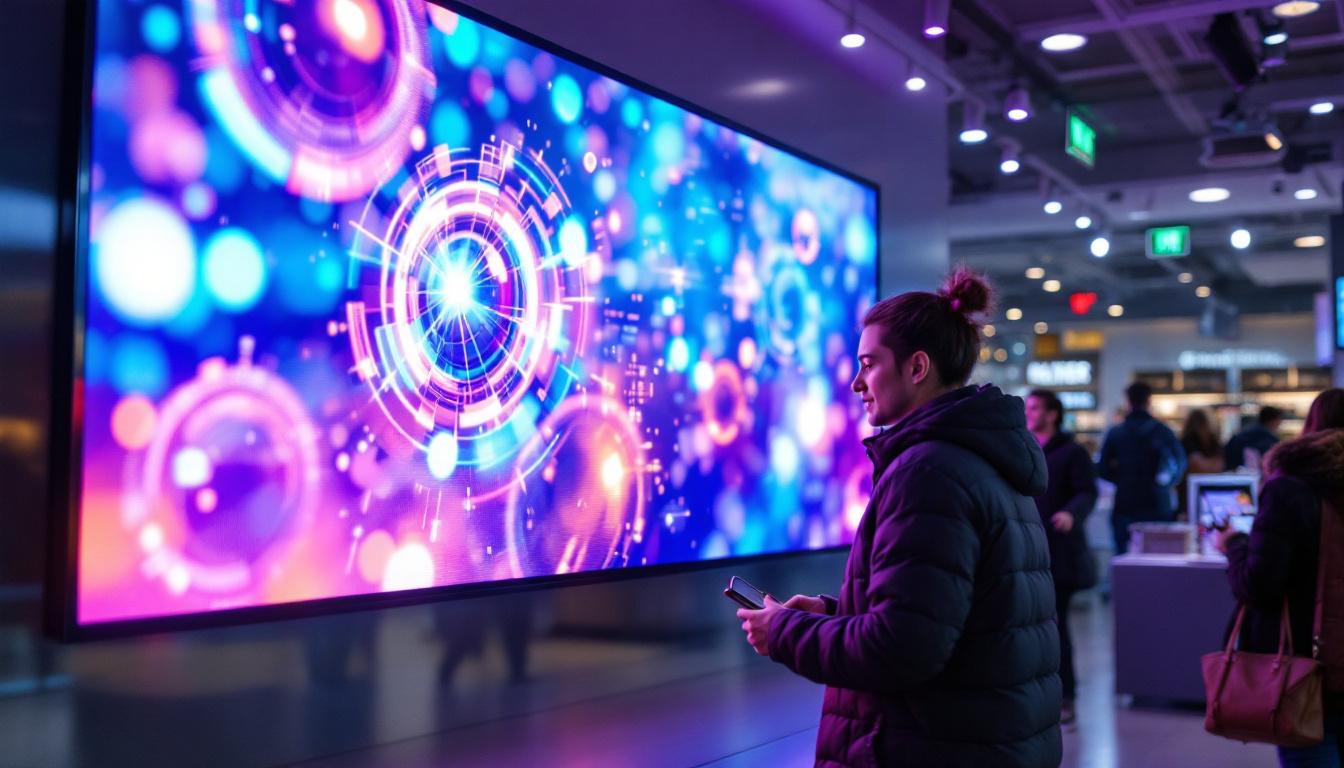
In today’s fast-paced retail and commercial environments, capturing customer attention quickly and effectively is more important than ever. Among various signage options, LED displays have emerged as a powerful tool for businesses aiming to enhance visibility, communicate dynamic content, and boost engagement. This article delves into the world of LED product signage, explaining what LED displays are, how they work, their benefits, and key considerations for selecting the right LED signage solution.
Understanding LED Displays: What They Are and How They Work
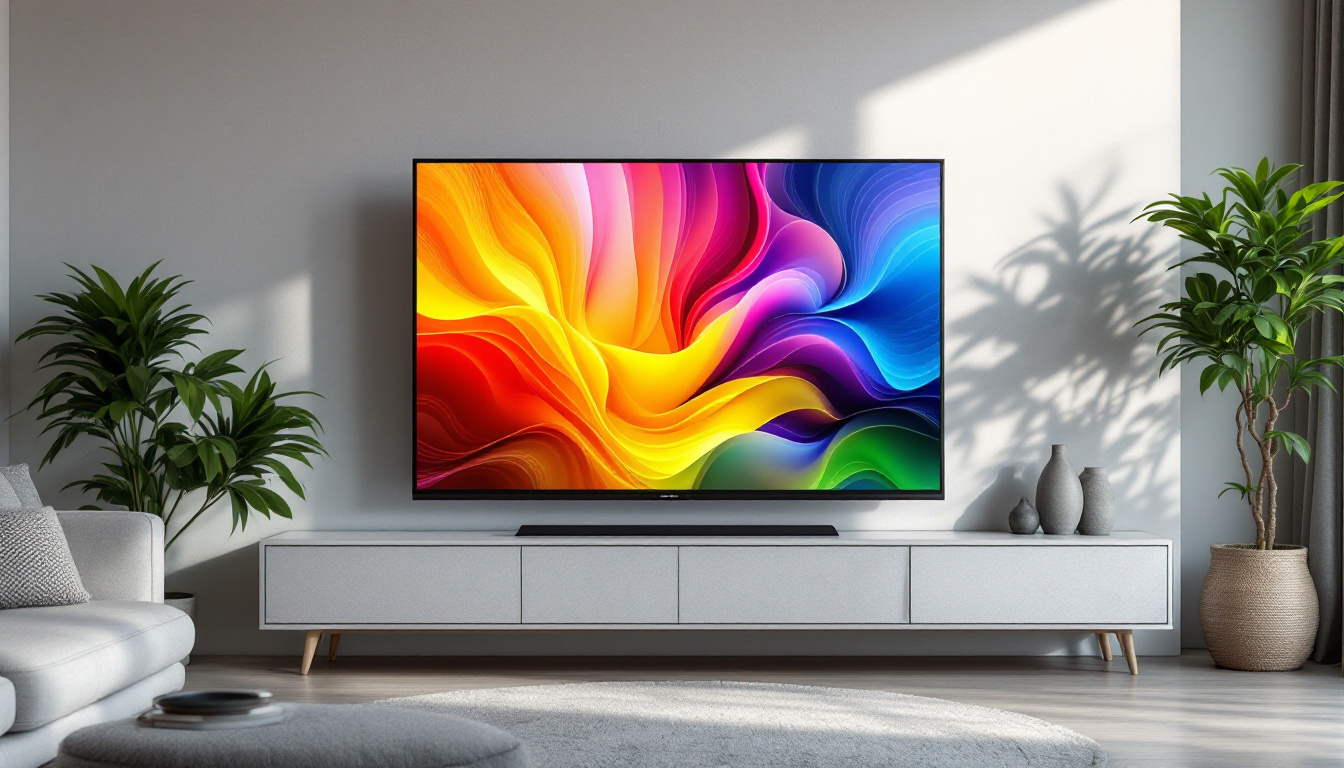
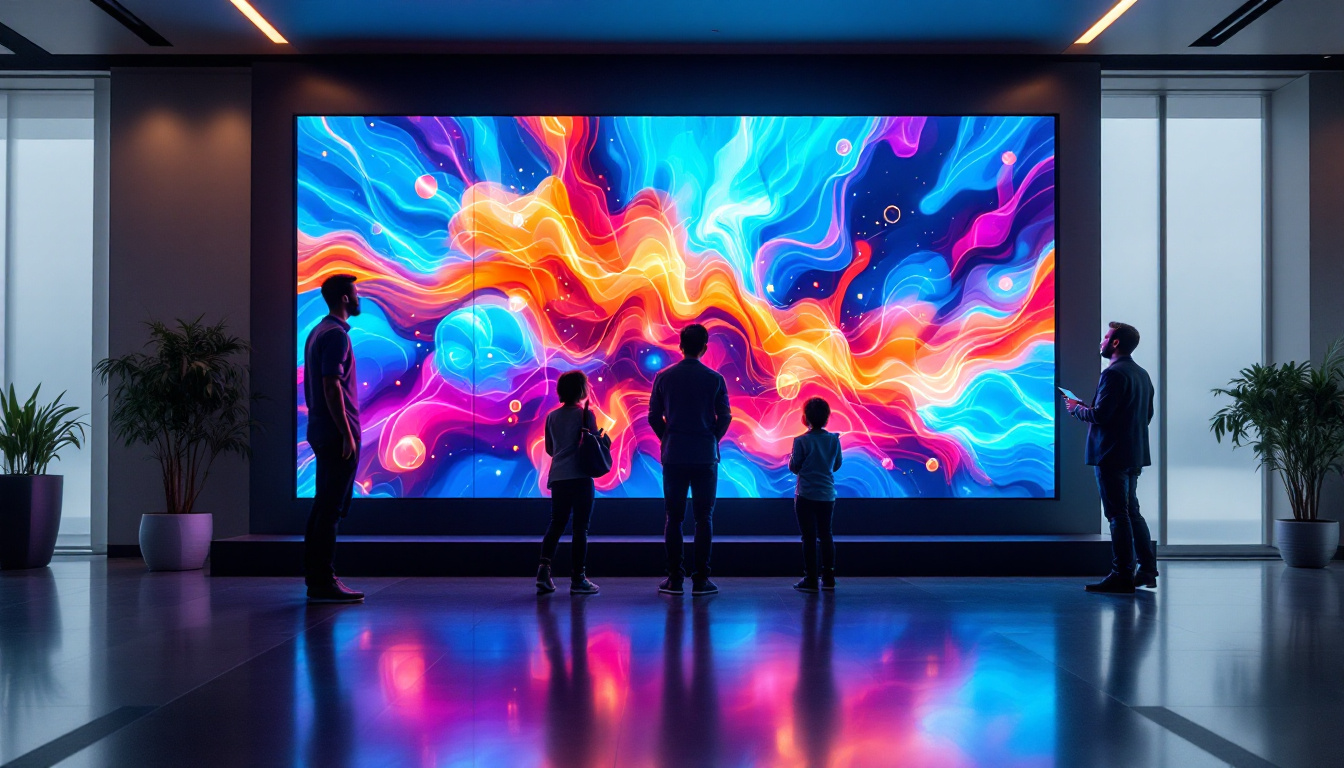
LED stands for Light Emitting Diode, a semiconductor device that emits light when an electric current passes through it. LED displays utilize thousands, sometimes millions, of these tiny diodes arranged in a grid to create images, text, and videos. Unlike traditional static signs, LED displays can show dynamic content, making them highly versatile for product signage.
Each LED pixel typically consists of red, green, and blue diodes. By varying the intensity of these diodes, the display can produce a wide spectrum of colors, allowing for vibrant and eye-catching visuals. The resolution and clarity of an LED display depend on the pixel pitch — the distance between the centers of two adjacent pixels. Smaller pixel pitch means higher resolution and sharper images, which is crucial for close-up viewing. This technology has revolutionized the way brands communicate with their audience, providing an engaging platform that captures attention and enhances the overall customer experience.
Types of LED Displays Used in Product Signage
LED displays come in various forms tailored to different applications. The two main types are:
- Indoor LED Displays: Designed for well-lit environments like retail stores, malls, and showrooms. They typically have higher resolution and brightness optimized for indoor lighting conditions.
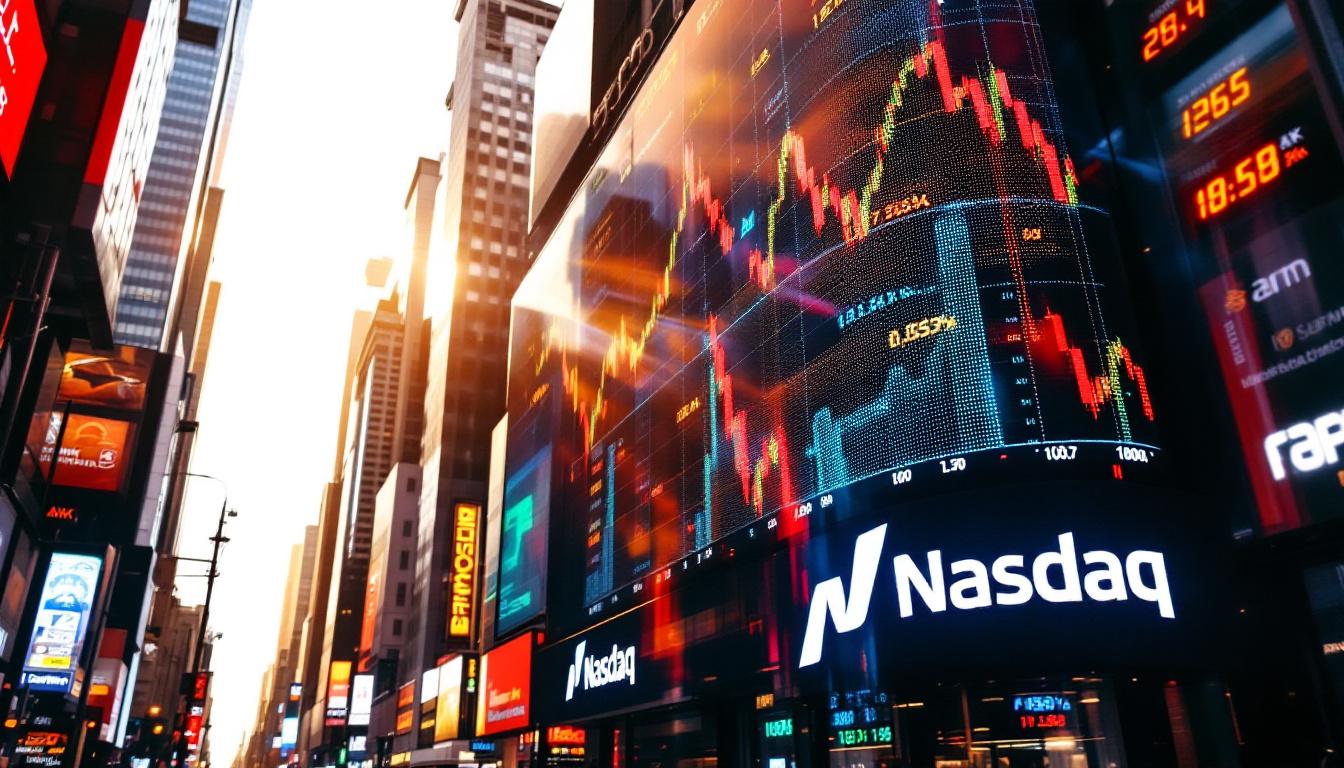
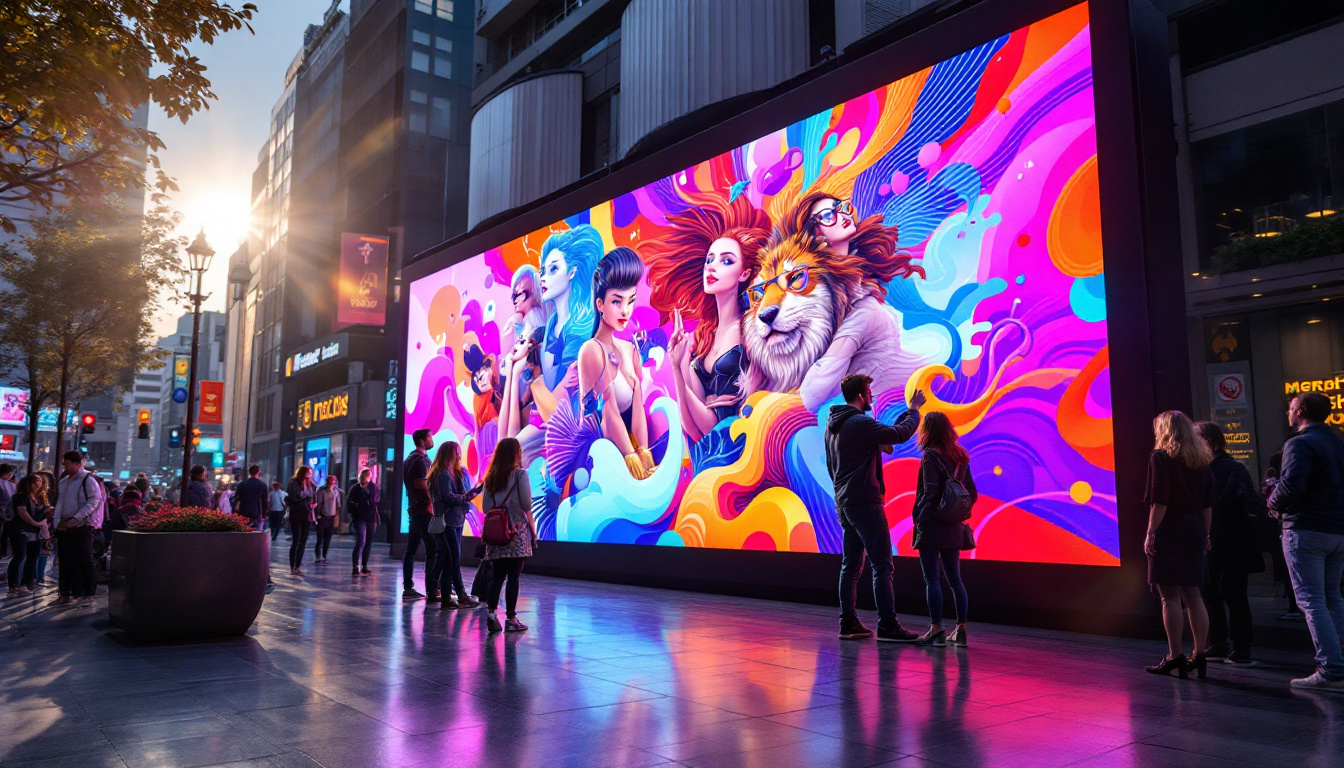
- Outdoor LED Displays: Built to withstand weather elements such as rain, wind, and sunlight. These displays have higher brightness levels (often exceeding 5,000 nits) to remain visible even under direct sunlight.
Additionally, LED displays may be fixed or modular, with modular systems allowing for flexible sizing and shapes to fit various signage needs. Fixed displays are often used for permanent installations, while modular displays can be reconfigured for different events or promotions, making them an excellent choice for businesses that frequently update their messaging. Furthermore, advancements in technology have led to the development of transparent LED displays, which offer a unique way to showcase products while maintaining visibility through the screen, enhancing the shopping experience without obstructing views.
Moreover, the integration of smart technology into LED displays has opened new avenues for advertising and customer engagement. Features such as motion sensors and interactive touch screens allow businesses to create personalized experiences for their customers. For instance, an LED display could change its content based on the time of day, the weather, or even the demographics of the audience in front of it. This level of customization not only attracts attention but also fosters a deeper connection between the brand and its consumers, ultimately driving sales and enhancing brand loyalty.
The Advantages of LED Displays for Product Signage
LED signage offers several compelling benefits that have driven its widespread adoption across industries. Understanding these advantages helps businesses make informed decisions when considering LED displays for their product signage.
Dynamic and Engaging Content
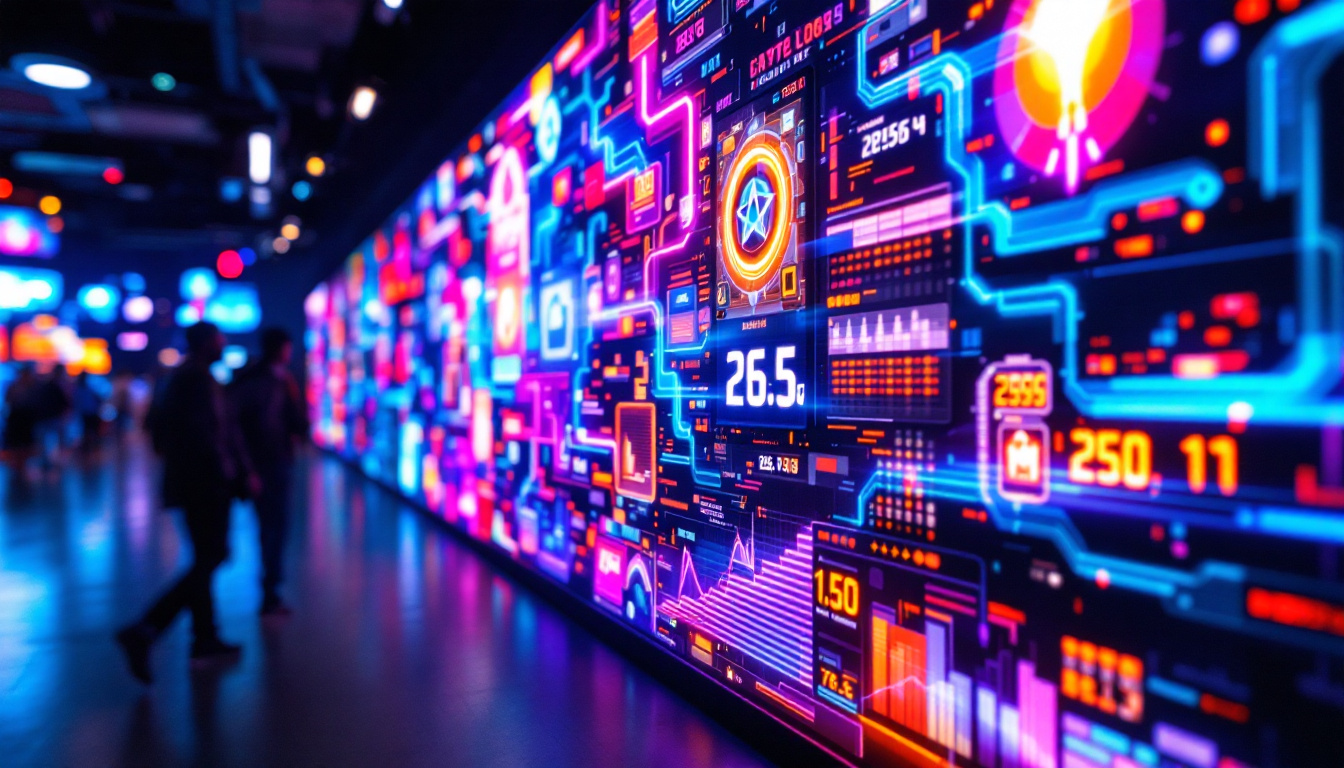
One of the most significant advantages of LED displays is their ability to showcase dynamic content. Unlike traditional printed signs, LED displays can cycle through multiple messages, videos, animations, and real-time updates. This flexibility allows businesses to tailor their messaging based on time of day, promotions, or customer demographics.
For example, a retail store can display morning promotions on coffee products and switch to afternoon deals on snacks, all without the need for physical sign replacements. This adaptability enhances customer engagement and can lead to increased sales. Additionally, the ability to incorporate social media feeds or user-generated content can create a sense of community around a brand, encouraging customers to interact with the signage and share their experiences online, further amplifying the brand’s reach.
High Visibility and Brightness
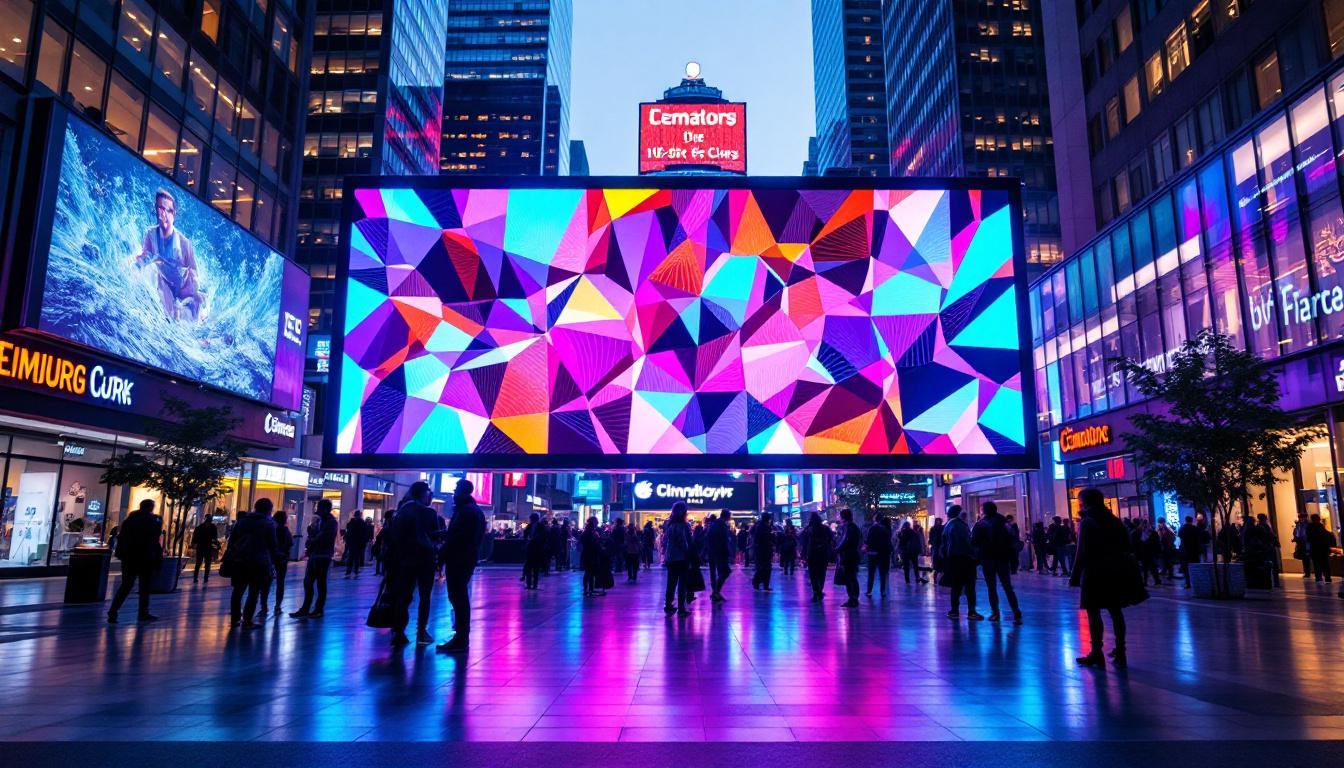
LED displays are known for their exceptional brightness and visibility. With brightness levels ranging from 800 nits indoors to over 10,000 nits outdoors, LED signs can be seen clearly from long distances and under various lighting conditions. This makes them ideal for storefronts, trade shows, and busy commercial areas where attracting attention is critical.
The vibrant colors and high contrast ratios also ensure that product images and branding elements stand out, reinforcing brand recognition and recall. Furthermore, the advanced technology behind LED displays allows for superior image quality, including sharp text and intricate graphics, which can be crucial for conveying important information quickly and effectively. This is particularly beneficial in environments where consumers are bombarded with visual stimuli, as a striking LED display can cut through the noise and capture attention.
Energy Efficiency and Longevity
Compared to other lighting technologies like neon or incandescent bulbs, LEDs consume significantly less energy. This energy efficiency translates into lower operating costs, an important consideration for businesses aiming to reduce their environmental footprint and overhead expenses.
Moreover, LED displays have a long lifespan, often rated between 50,000 to 100,000 hours of operation. This durability reduces maintenance frequency and replacement costs, making LED signage a cost-effective investment over time. In addition, many LED displays come equipped with smart technology that allows for automated brightness adjustments based on ambient light conditions, further optimizing energy use and ensuring that the display remains effective at all times.
Customization and Scalability
LED displays offer unparalleled customization options. Businesses can choose from various sizes, shapes, resolutions, and pixel pitches to create signage that fits their unique space and branding requirements. Modular LED panels can be combined to build large-scale displays or creatively shaped signs, enabling innovative product presentation.
This scalability is particularly advantageous for growing businesses or those with seasonal campaigns, as the signage can be adapted or expanded without complete replacement. Additionally, the integration of interactive features, such as touch screens or motion sensors, can elevate the customer experience by allowing for personalized interactions. This level of customization not only enhances the visual appeal but also aligns the signage with the overall marketing strategy, ensuring that it resonates with the target audience and drives engagement effectively.
Key Considerations When Choosing LED Product Signage
While LED displays provide numerous benefits, selecting the right product signage solution requires careful evaluation of several factors to ensure optimal performance and return on investment.
Viewing Distance and Pixel Pitch
The intended viewing distance plays a crucial role in determining the appropriate pixel pitch. For signage viewed up close, such as inside a retail store, a smaller pixel pitch (e.g., 1.5mm to 3mm) is necessary to maintain image clarity and sharpness. Conversely, for outdoor billboards or signs viewed from a distance, a larger pixel pitch (e.g., 10mm to 20mm) is sufficient and more cost-effective.
Brightness and Environmental Conditions
Consider the lighting environment where the LED display will be installed. Outdoor signage requires higher brightness levels to combat sunlight glare, whereas indoor displays can operate at lower brightness to avoid eye strain. Additionally, outdoor LED signs must have weatherproof enclosures with appropriate IP (Ingress Protection) ratings to ensure durability against dust and moisture.
Content Management and Software
Effective use of LED signage depends on reliable content management systems (CMS) that allow easy scheduling, updating, and customization of displayed content. Many modern LED displays come with cloud-based CMS platforms, enabling remote control and real-time content changes. Businesses should evaluate the user-friendliness, compatibility, and features of the software to match their operational needs.
Installation and Maintenance
Installation requirements vary based on the size and type of LED display. Some installations may require structural support, electrical upgrades, or permits, especially for outdoor signage. Additionally, consider the ease of maintenance; modular designs that allow quick access to individual panels or LEDs can minimize downtime and repair costs.
Real-World Applications and Success Stories
LED product signage has transformed marketing and communication strategies across various sectors. Here are some illustrative examples:
Retail Industry
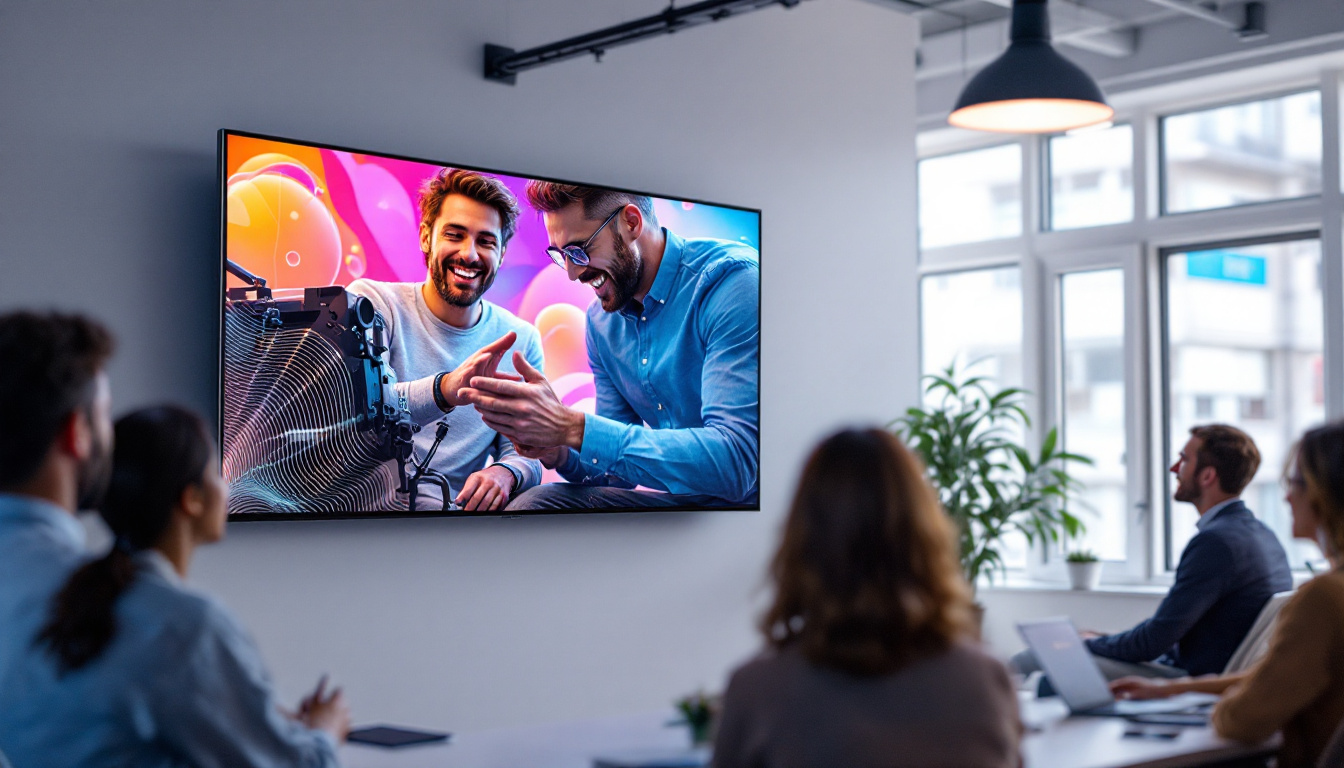
Major retail chains use LED displays to highlight new product launches, flash sales, and seasonal promotions. For instance, a global electronics retailer installed high-resolution indoor LED walls showcasing product demos and interactive content, resulting in a 20% increase in customer dwell time and a measurable boost in sales.
Food and Beverage
Quick-service restaurants leverage outdoor LED menu boards to display dynamic menus, nutritional information, and promotional offers. The ability to update menus instantly helps them respond to inventory changes and customer preferences efficiently.
Events and Exhibitions
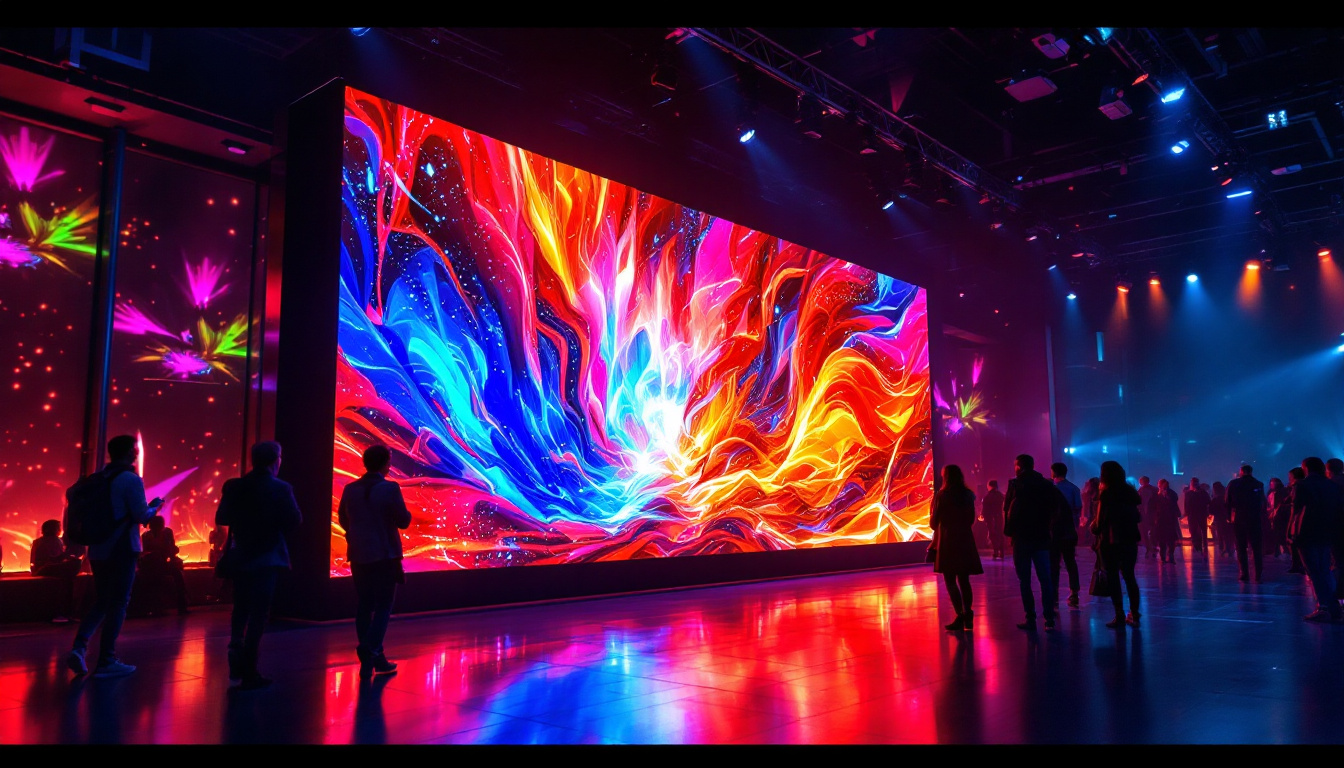
Trade shows and exhibitions utilize LED signage to attract visitors and enhance brand presence. Interactive LED walls and product showcases create immersive experiences, driving higher engagement and lead generation.
Future Trends in LED Product Signage
The LED signage industry continues to evolve with technological advancements and changing consumer expectations. Some emerging trends include:
Higher Resolution and Mini-LED Technology
Mini-LED and micro-LED technologies are pushing the boundaries of resolution and color accuracy, enabling ultra-fine pixel pitches and more vibrant displays. These advancements will make LED signage even more suitable for close-range viewing and detailed product presentations.
Integration with IoT and AI
Smart LED signage integrated with Internet of Things (IoT) sensors and artificial intelligence (AI) can deliver personalized content based on real-time data such as foot traffic, weather, or customer demographics. This level of customization enhances marketing effectiveness and customer experience.
Sustainability and Energy Innovations
As sustainability becomes a priority, LED manufacturers are developing more energy-efficient components and recyclable materials. Solar-powered LED signs and low-power consumption designs will further reduce environmental impact.
Conclusion
LED displays have revolutionized product signage by offering dynamic, bright, and customizable solutions that engage customers and drive sales. Their energy efficiency, longevity, and adaptability make them a smart investment for businesses across industries. By understanding the technical aspects, benefits, and key considerations outlined in this article, companies can select the right LED signage to enhance their brand presence and achieve marketing goals effectively.
As technology advances, LED product signage will continue to evolve, providing even more innovative ways to attract and connect with customers in an increasingly competitive marketplace.
Illuminate Your Brand with LumenMatrix
Ready to elevate your product signage and captivate your audience? Explore LumenMatrix’s innovative LED display solutions, from vibrant Indoor and Outdoor LED Wall Displays to versatile Vehicle and Sports LED Displays. Our cutting-edge technology, including LED Posters, Floor Displays, Custom Configurations, and Transparent LED options, is designed to revolutionize your visual communication. Embrace the future of dynamic, energy-efficient signage with LumenMatrix and create unforgettable visual experiences. Check out LumenMatrix LED Display Solutions today and transform how your business connects with customers.