In today’s fast-paced digital world, businesses and public spaces rely heavily on dynamic visual communication to capture attention and convey messages effectively. Projection signage and LED displays have emerged as two of the most popular technologies for this purpose, each offering unique advantages. Understanding how LED displays function within the realm of projection signage is essential for making informed decisions about advertising, information dissemination, and enhancing user experience.
This article delves into the fundamentals of projection signage, with a particular focus on LED display technology. It explores the technical aspects, practical applications, benefits, and future trends to provide a comprehensive understanding for marketers, business owners, and technology enthusiasts alike.
Understanding Projection Signage and LED Displays
What Is Projection Signage?
Projection signage refers to the use of projected light to display images, videos, or text onto various surfaces. This technology transforms ordinary walls, floors, or screens into dynamic advertising or informational displays. Unlike traditional static signage, projection signage offers flexibility in content changes and can create immersive visual experiences.
Projection signage can be implemented using different technologies, including digital projectors, holographic displays, and LED screens. Each method has its own set of advantages depending on the environment, audience, and intended message. For instance, digital projectors can create large-scale visuals that captivate audiences in public spaces, while holographic displays can add a three-dimensional effect that enhances viewer engagement. The adaptability of projection signage makes it an ideal choice for events, exhibitions, and retail environments where capturing attention is crucial.
Moreover, the use of projection mapping allows for creative storytelling by aligning visuals with the contours of the surfaces they are projected onto. This technique can turn a simple building facade into a canvas for artistic expression or a promotional campaign, creating a memorable experience for passersby. As technology evolves, the integration of augmented reality with projection signage is also on the rise, providing even more interactive experiences that blend the digital and physical worlds.
Defining LED Displays
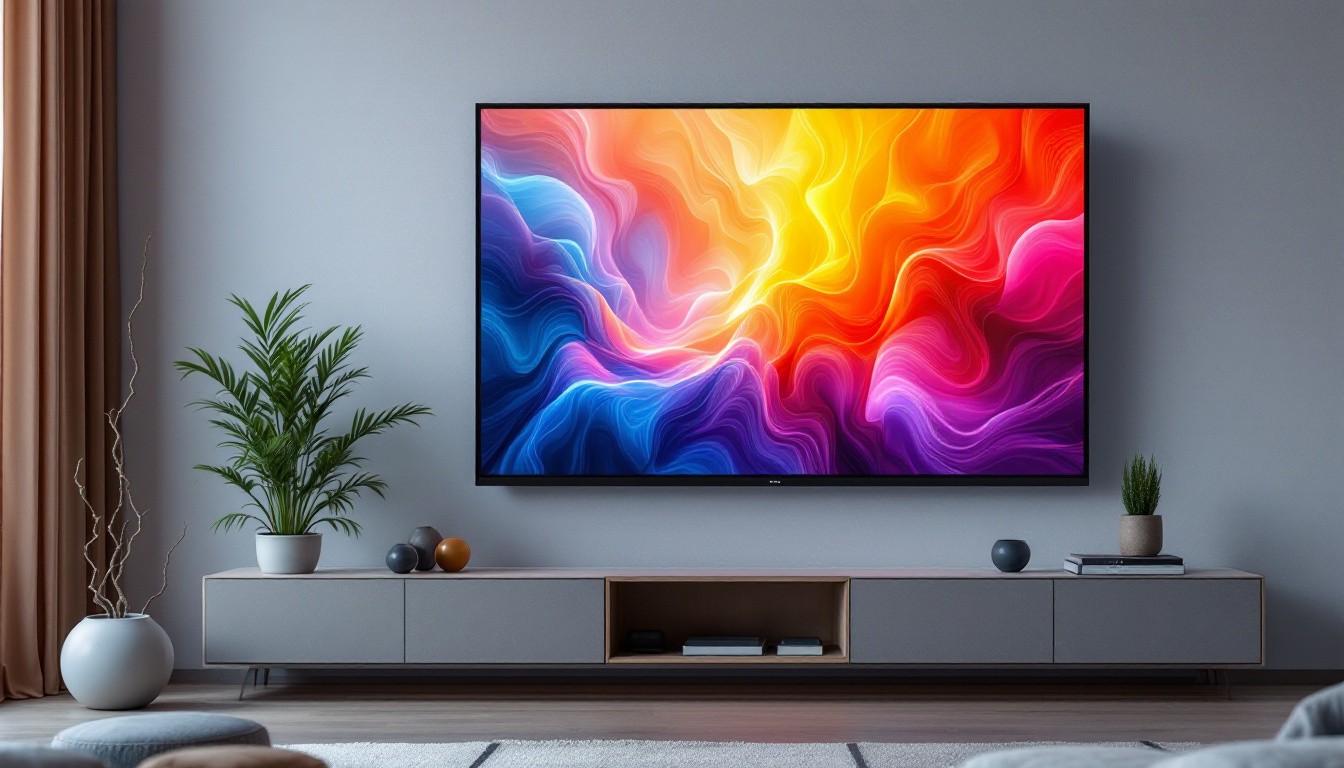
LED (Light Emitting Diode) displays are a type of electronic visual display that uses an array of light-emitting diodes to present images and videos. Unlike projection systems that cast images onto surfaces, LED displays are self-illuminating panels that produce bright, vivid images visible even in direct sunlight.
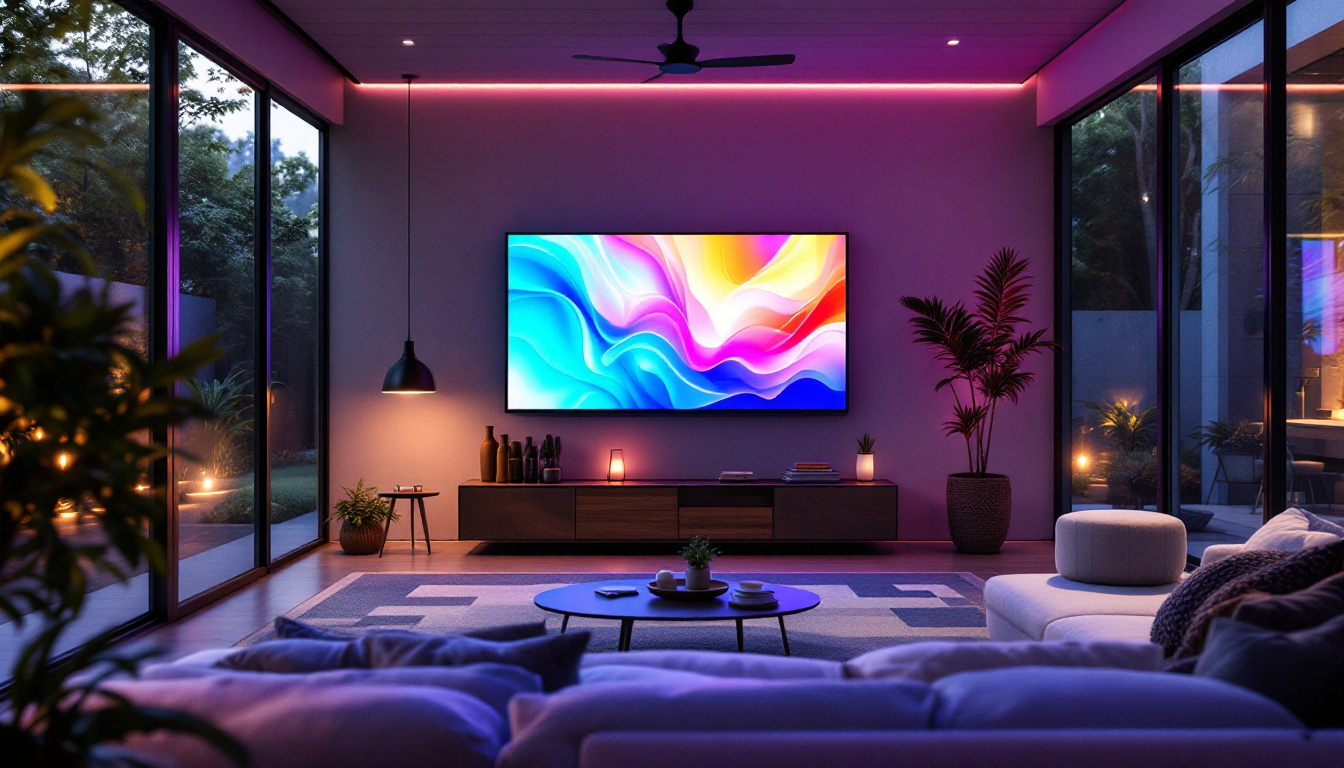
LED displays come in various forms, including indoor and outdoor screens, flexible panels, and transparent displays. Their modular design allows for customization in size and shape, making them highly versatile for different signage needs. For example, outdoor LED billboards are designed to withstand harsh weather conditions while delivering high-resolution content that attracts attention from afar. In contrast, indoor LED displays can be used for everything from digital menu boards in restaurants to large-scale video walls in corporate environments.
Additionally, LED technology has seen significant advancements, such as the development of microLED and miniLED displays, which offer even greater resolution and color accuracy. These innovations are paving the way for more sophisticated advertising solutions, allowing brands to deliver tailored messages that resonate with their target audiences. Furthermore, the energy efficiency of LED displays makes them an environmentally friendly choice, as they consume less power compared to traditional lighting methods, reducing operational costs for businesses while also contributing to sustainability efforts.
How LED Displays Work in Projection Signage
The Technology Behind LED Displays
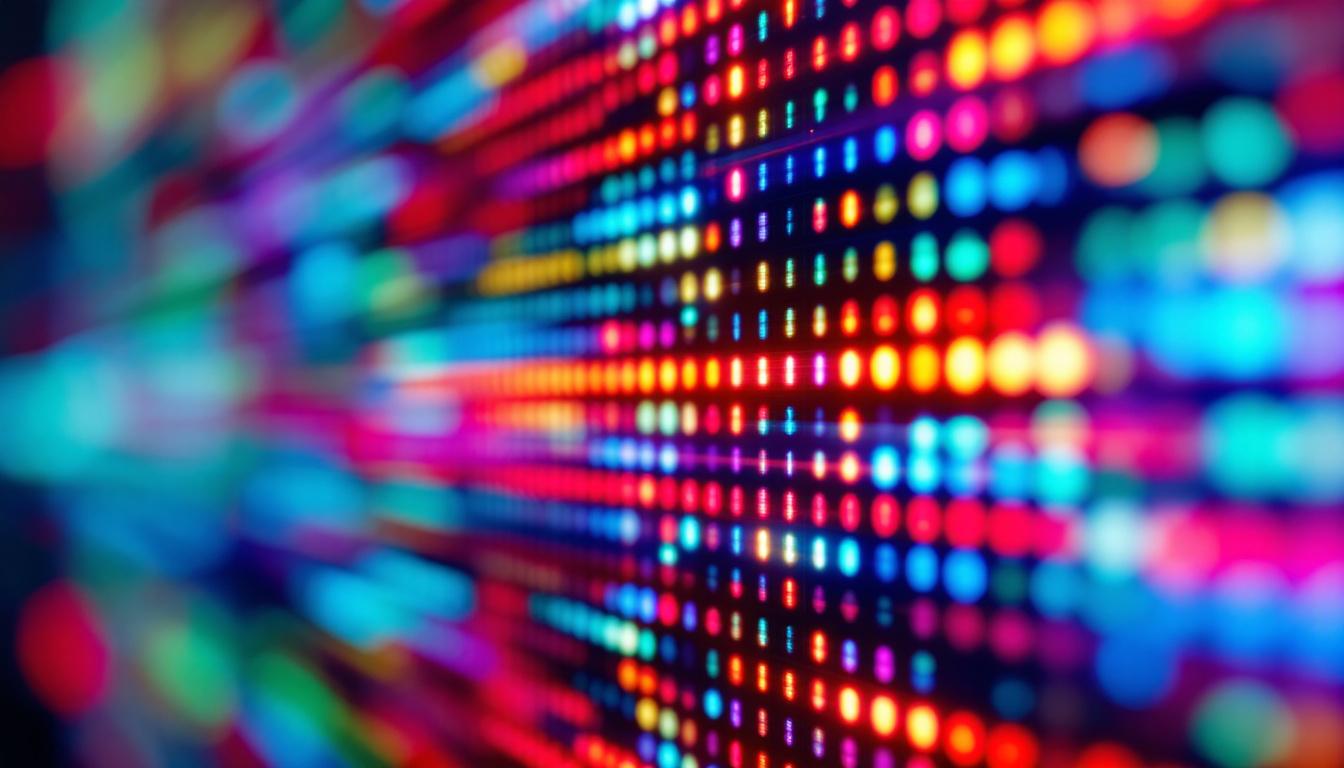
At the core of an LED display are thousands to millions of tiny LEDs arranged in a grid. Each LED acts as a pixel capable of emitting light in specific colors, typically red, green, and blue (RGB). By adjusting the intensity of these colors, the display can produce a full spectrum of colors and detailed images.
Modern LED displays use surface-mounted device (SMD) technology, where LEDs are mounted directly onto circuit boards. This approach enhances brightness, color accuracy, and energy efficiency. Additionally, advancements in pixel pitch—the distance between individual LEDs—allow for higher resolution displays suitable for close viewing distances.
Integration with Projection Signage Systems
While projection signage traditionally involves projecting images onto surfaces, LED displays can serve as the projection medium themselves. In some setups, LED panels are used as large-scale “projection” surfaces that deliver bright, high-contrast visuals without the need for external projectors.
Moreover, LED displays can complement projection systems by providing supplementary information or dynamic content in the same environment. For instance, a retail store might use a projector to create an immersive background scene while LED displays showcase product details and promotions.
Advantages of LED Displays in Projection Signage
Brightness and Visibility
One of the most significant benefits of LED displays is their superior brightness. LED panels can achieve brightness levels of up to 5,000 nits or more, making them clearly visible in daylight conditions where traditional projectors struggle. This makes LED displays ideal for outdoor advertising, transportation hubs, and other high-ambient-light environments.
Durability and Longevity
LED displays are built to withstand harsh environmental conditions, including rain, dust, and temperature fluctuations. Many outdoor LED signage solutions come with IP65 or higher ratings, ensuring protection against water and dust ingress. Additionally, LEDs have a long operational lifespan, often exceeding 100,000 hours, which reduces maintenance costs and downtime.
Flexibility and Customization
LED displays can be configured into various shapes and sizes, from small indoor panels to massive outdoor billboards. Flexible LED strips and transparent LED screens expand creative possibilities, allowing designers to integrate signage seamlessly into architectural elements or glass facades.
Energy Efficiency
Compared to traditional lighting and projection systems, LED technology is more energy-efficient. LEDs convert a higher percentage of electrical energy into visible light, reducing power consumption and operational costs over time. This efficiency aligns with growing sustainability goals across industries.
Applications of LED Projection Signage
Retail and Advertising
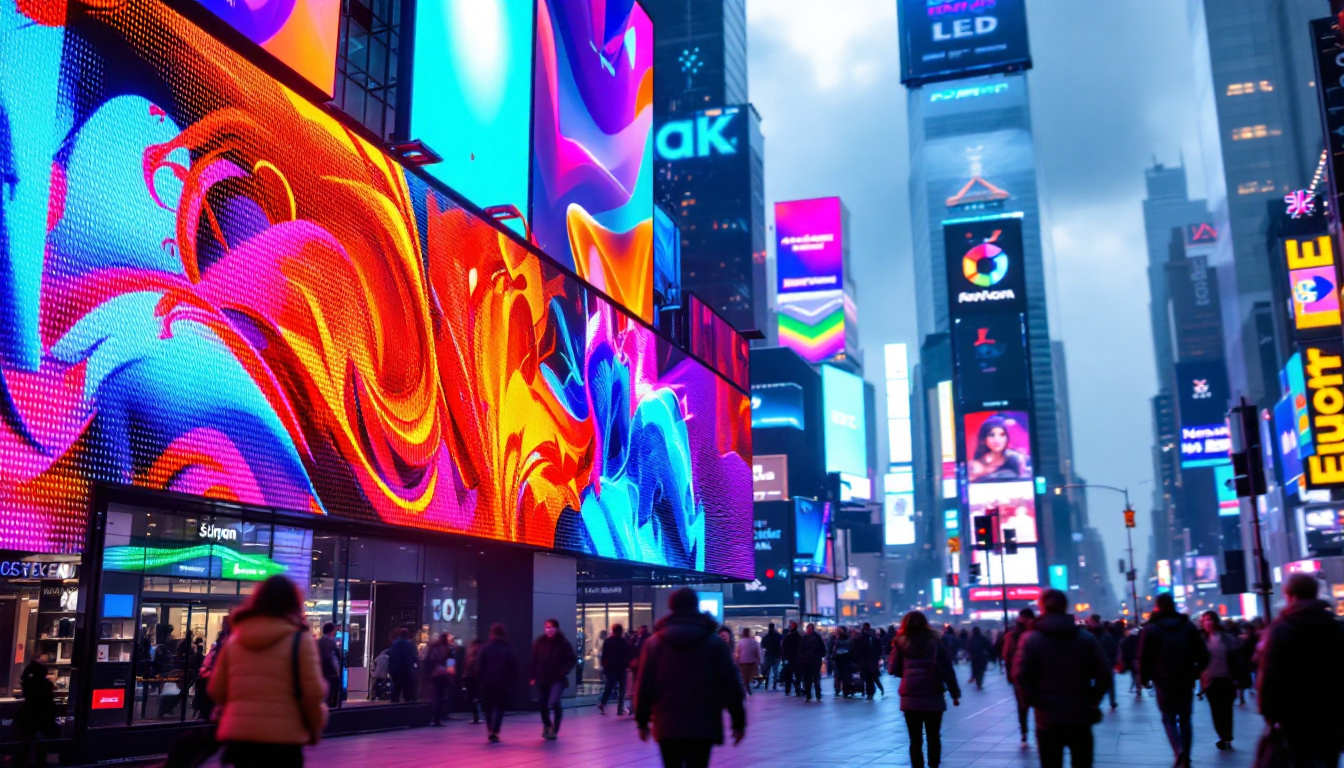
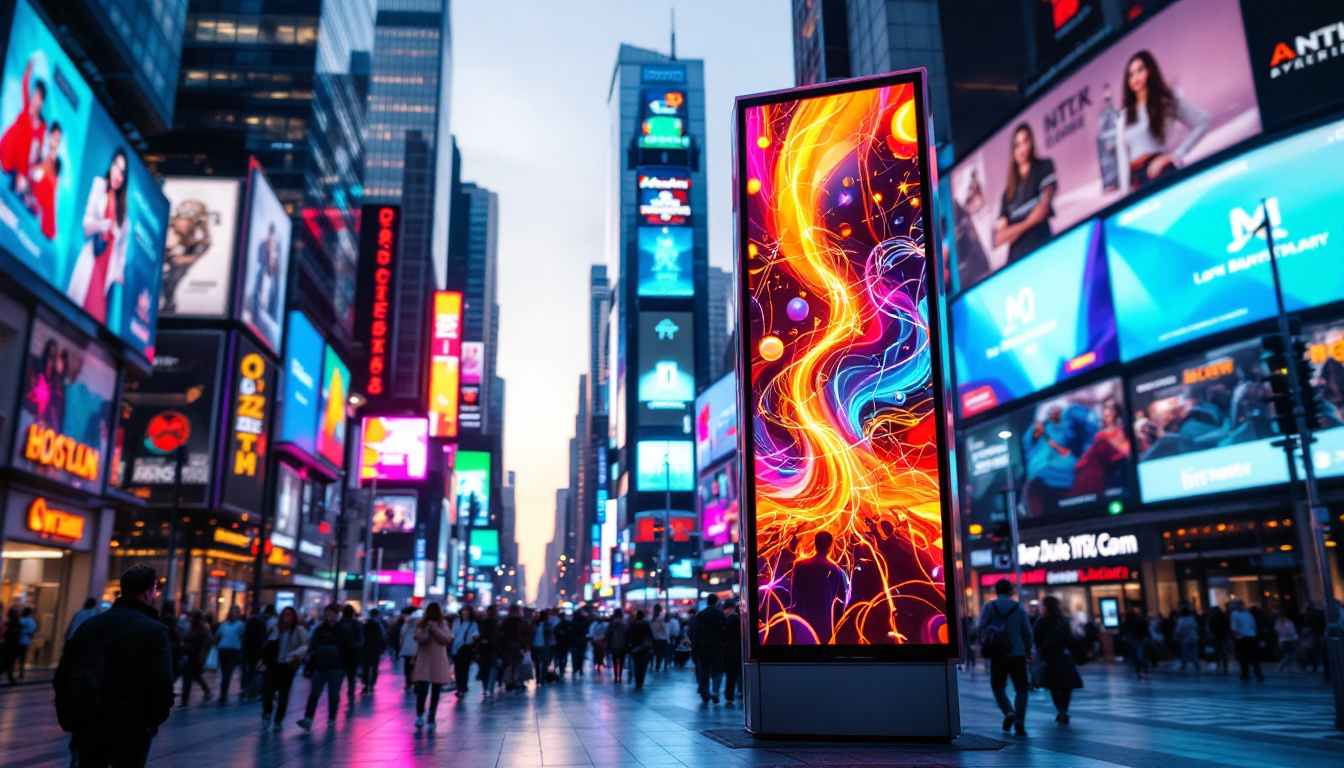
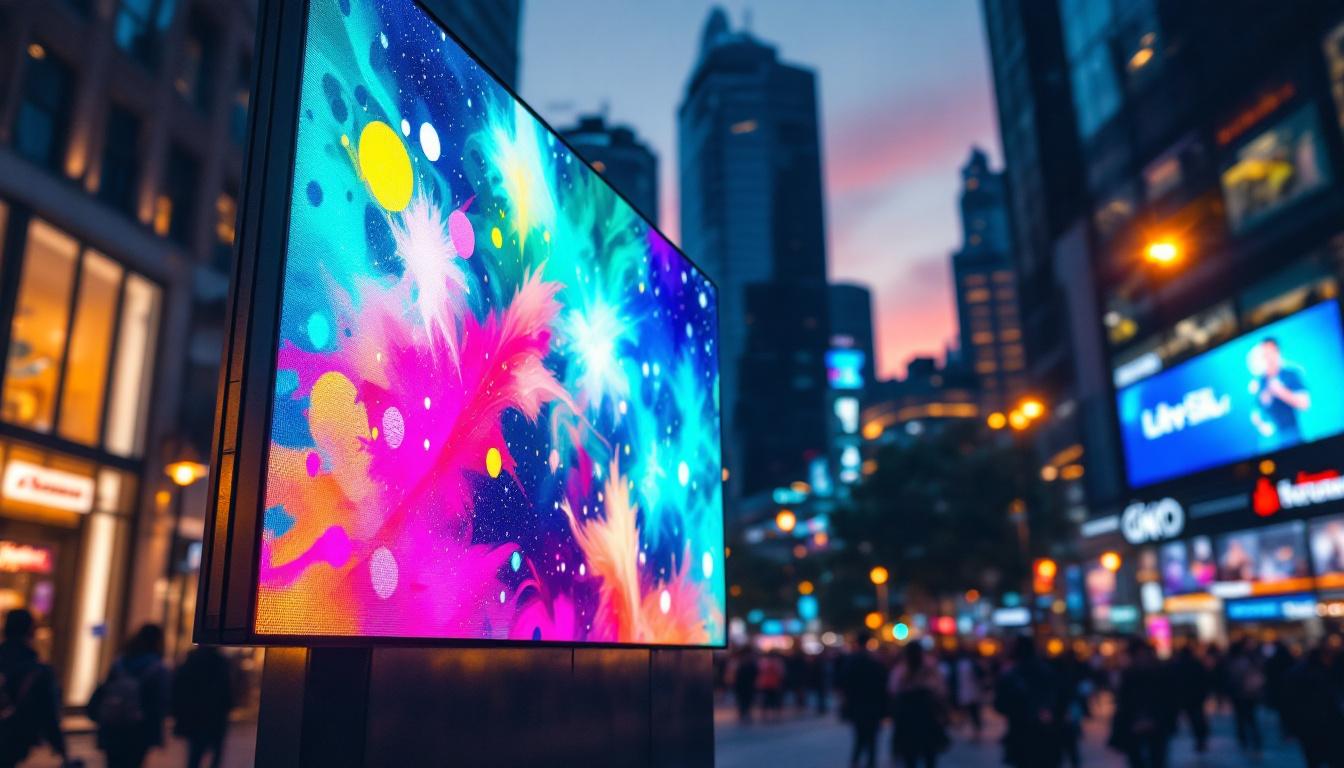
Retailers leverage LED displays to create eye-catching storefronts and in-store promotions. The ability to quickly update content enables timely advertising campaigns and personalized messaging. For example, fashion brands often use LED walls to showcase runway videos, seasonal collections, or interactive content that engages shoppers.
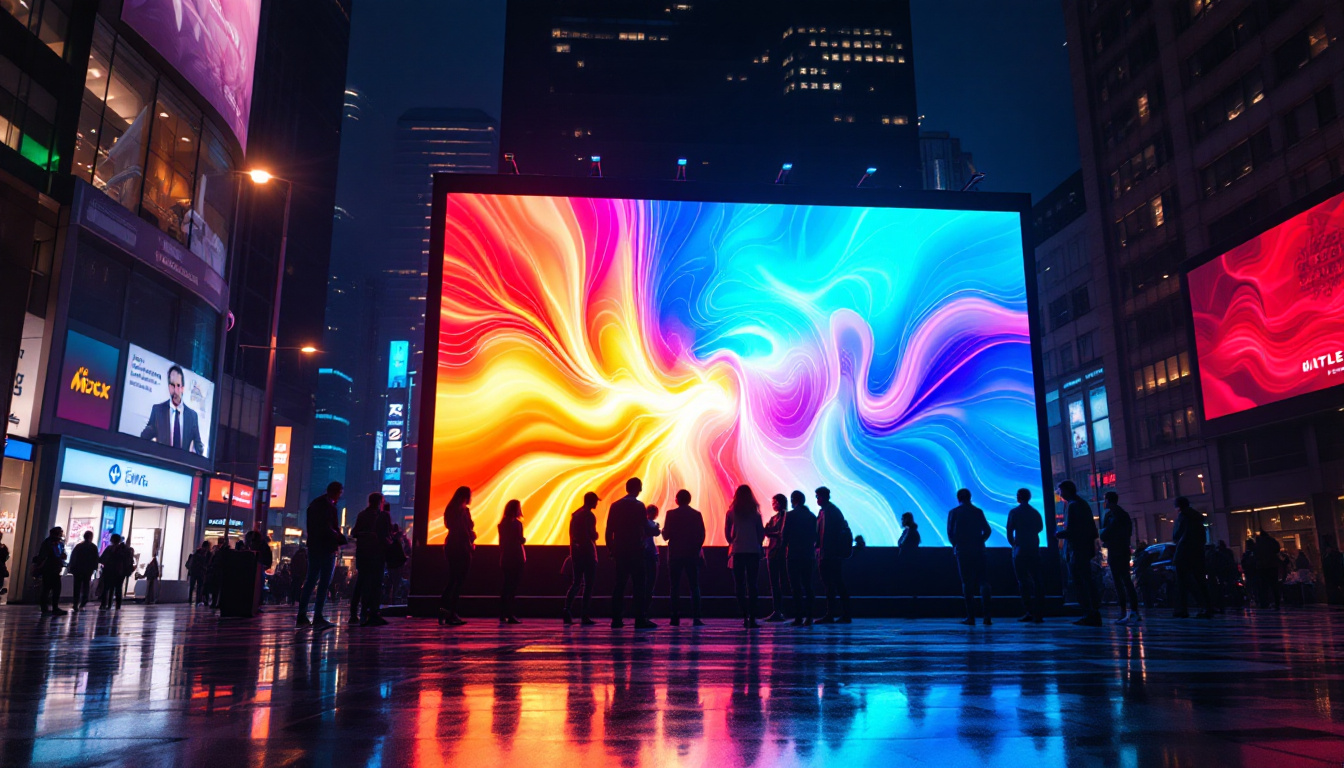
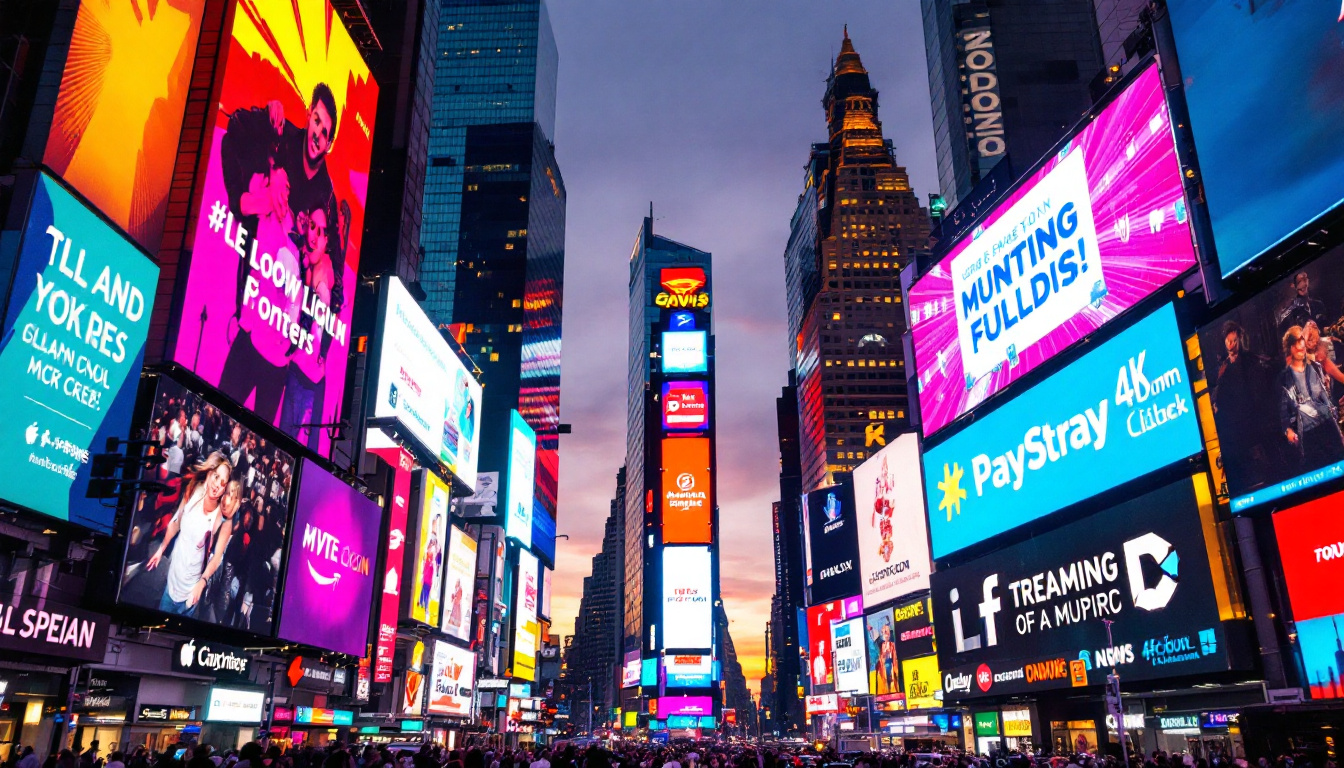
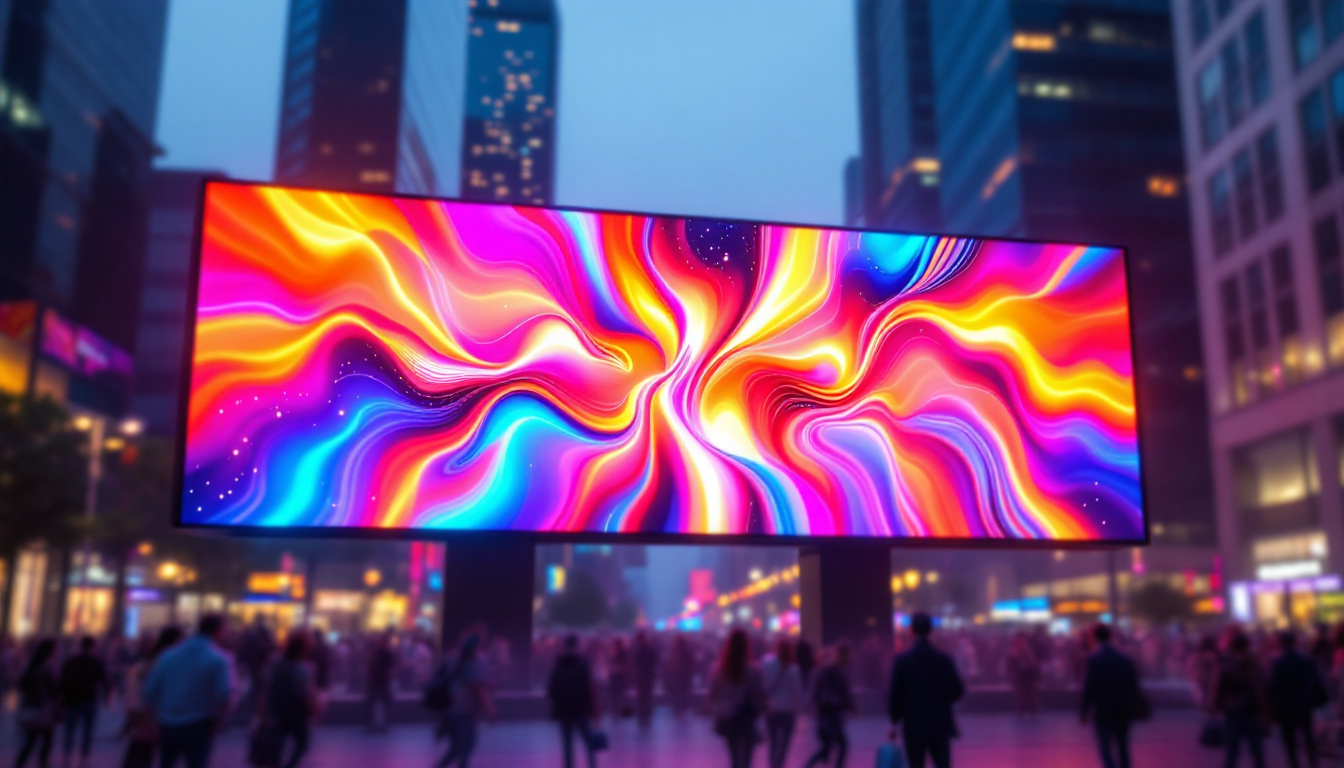
Outdoor LED billboards are also a staple in urban advertising, with major cities like New York and Tokyo featuring massive LED screens that captivate millions of viewers daily. According to a report by Grand View Research, the global digital signage market is projected to reach $32.84 billion by 2028, driven largely by LED technology adoption.
Transportation and Public Spaces
LED displays are widely used in airports, train stations, and bus terminals to provide real-time information such as schedules, alerts, and wayfinding assistance. Their high visibility ensures passengers receive critical updates promptly, enhancing safety and convenience.
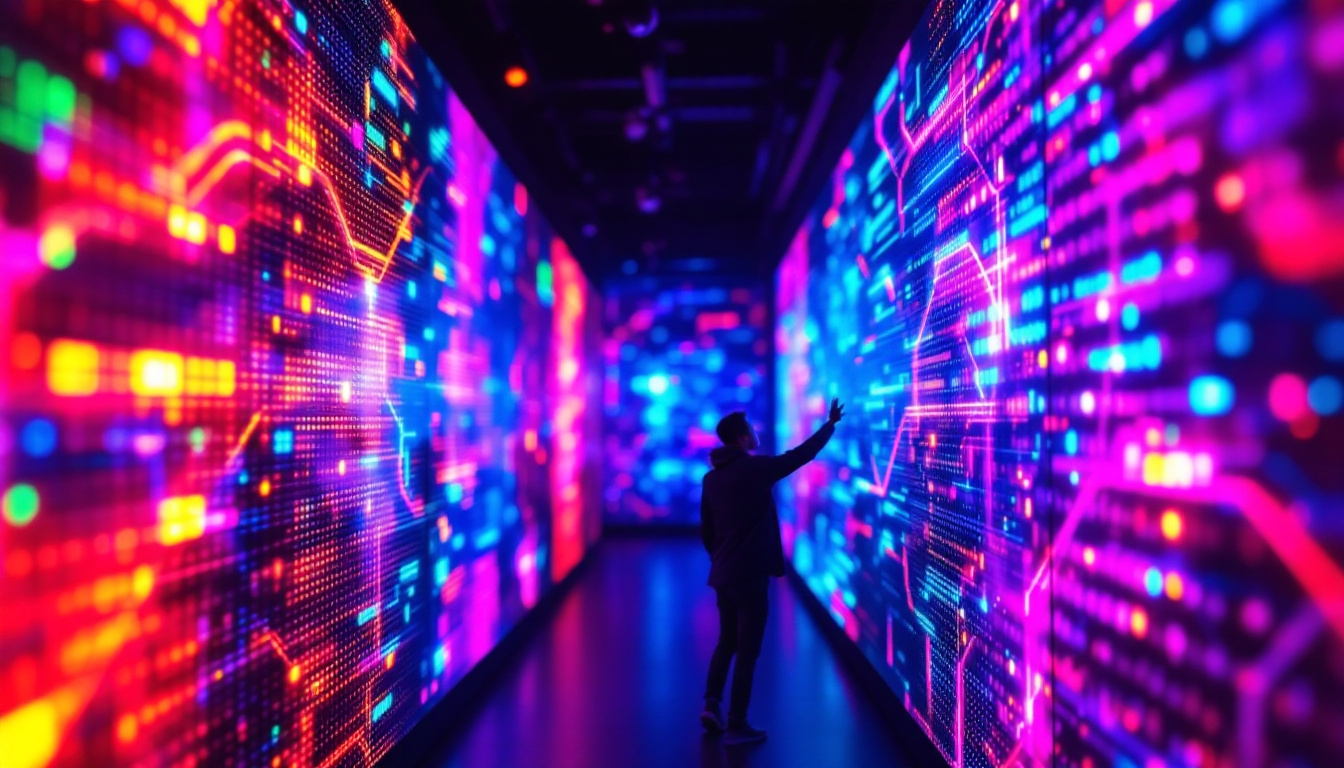
In public spaces, LED projection signage can also serve artistic and cultural purposes. Cities employ LED installations for light festivals, interactive exhibits, and public art displays, enriching community engagement.
Corporate and Event Environments
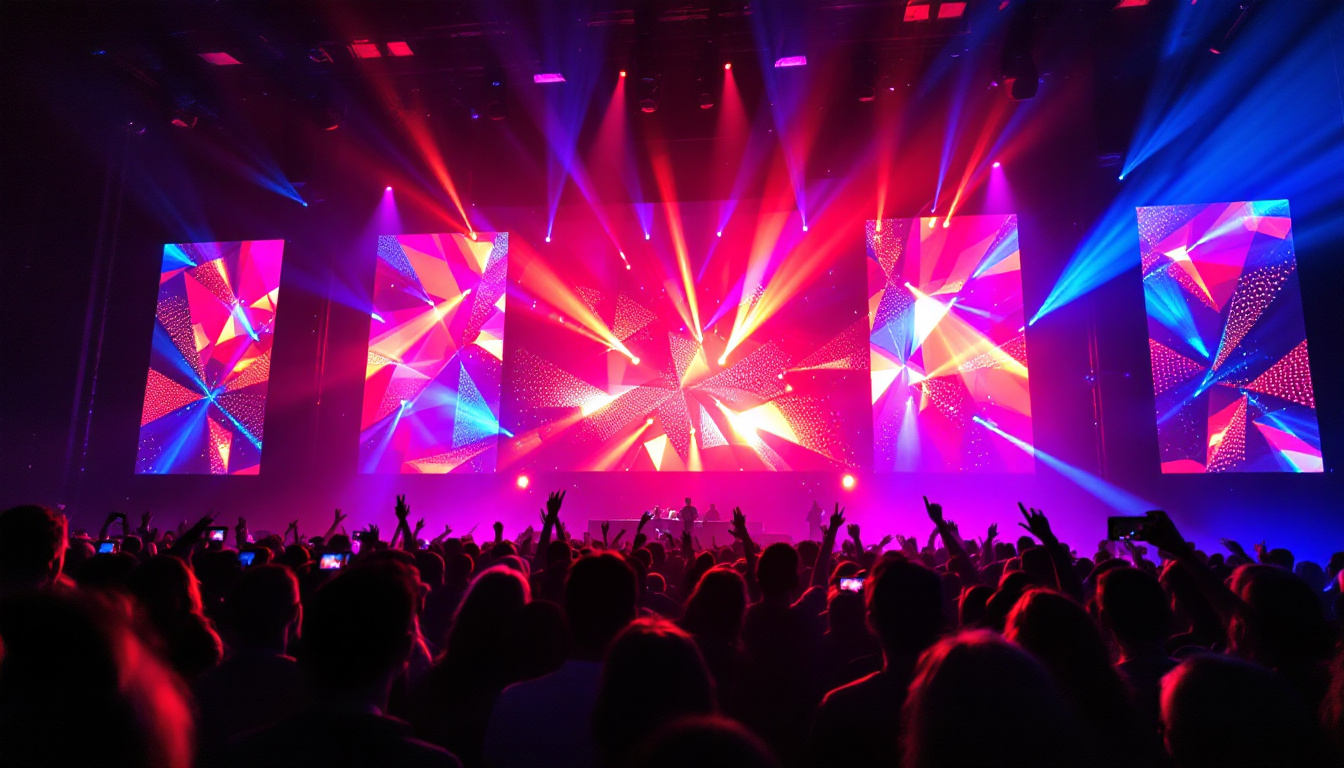
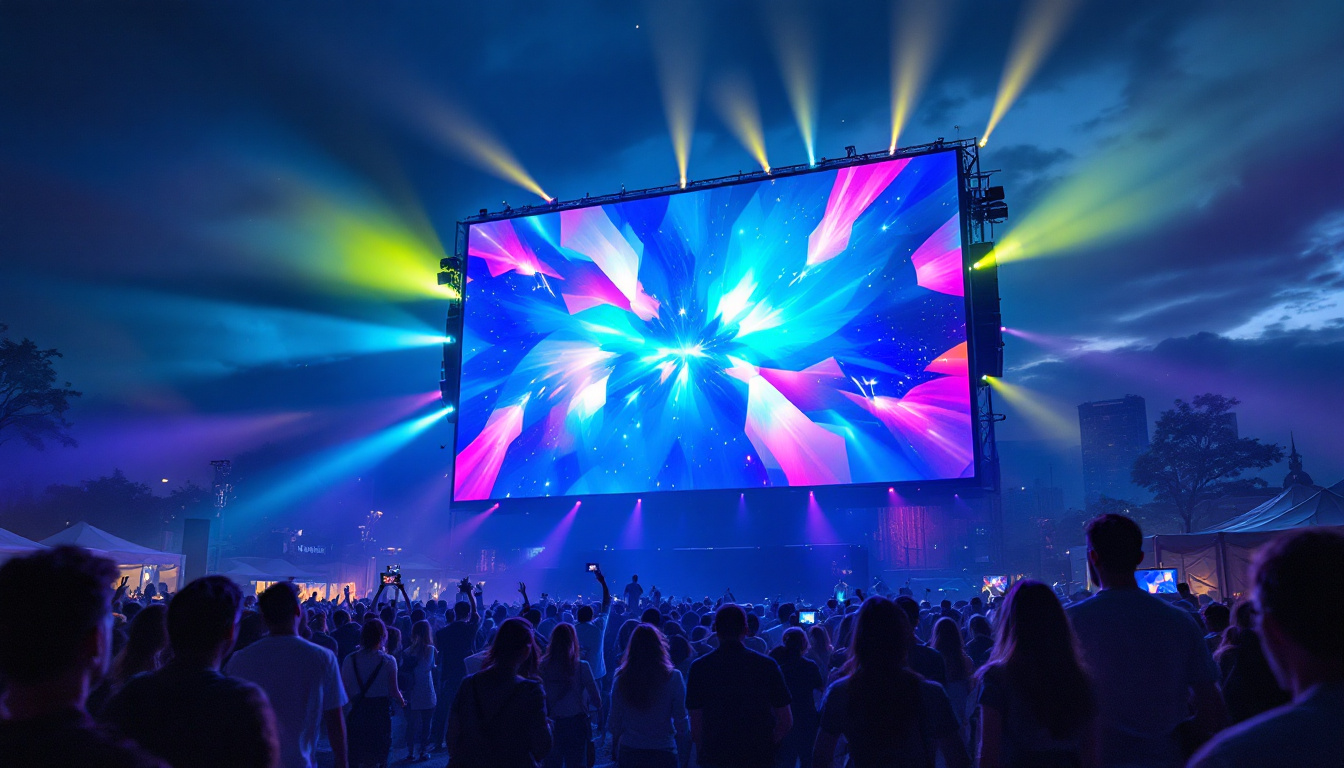
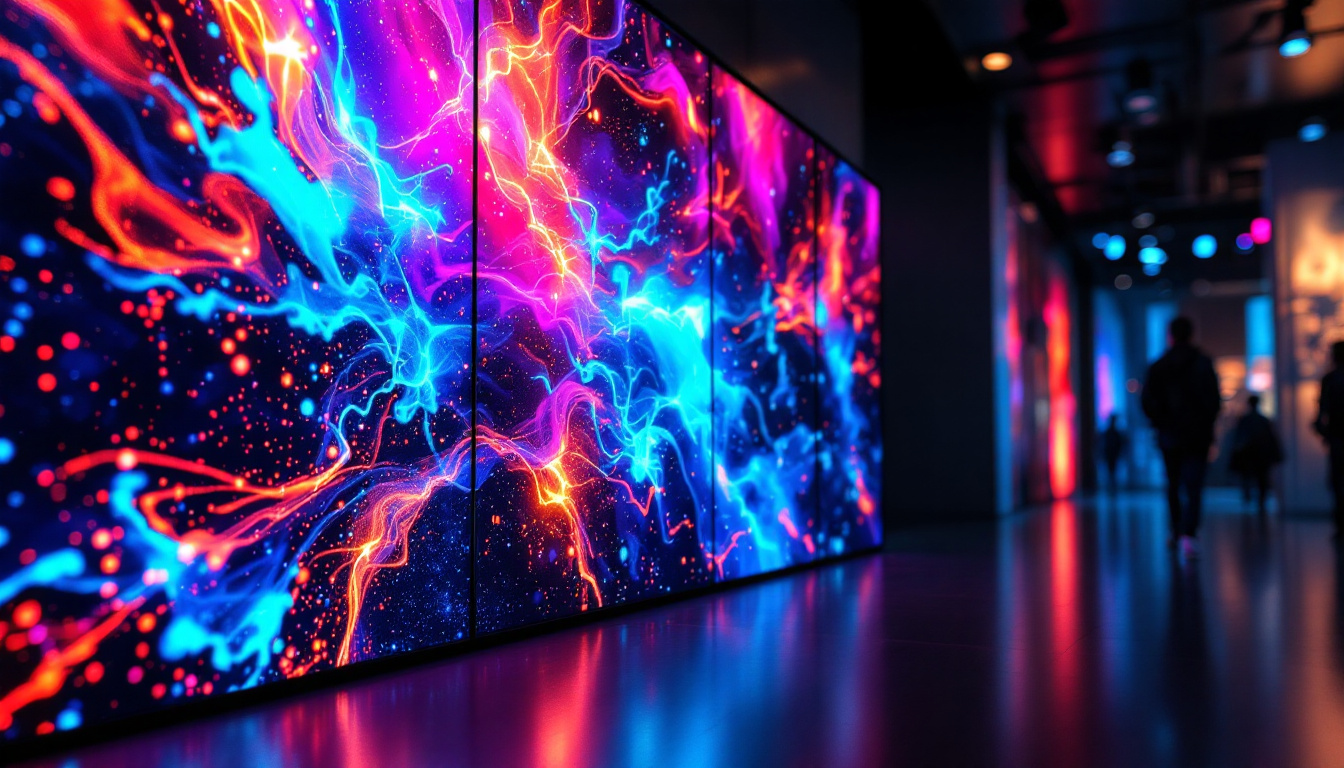
Businesses utilize LED displays for corporate communications, presentations, and trade shows. Large LED walls create immersive environments for product launches and conferences, offering high-resolution visuals that captivate audiences.
Events such as concerts and sports games benefit from LED screens to broadcast live footage, scores, and advertisements, ensuring spectators have an enhanced viewing experience regardless of their seating location.
Considerations When Choosing LED Displays for Projection Signage
Resolution and Pixel Pitch
Choosing the right resolution is critical for ensuring image clarity. Pixel pitch determines the viewing distance; smaller pixel pitches (e.g., 1.5mm to 2.5mm) are suitable for close-up viewing indoors, while larger pitches (e.g., 10mm or more) work well for distant outdoor viewing.
Installation Environment
Environmental factors such as ambient light, weather exposure, and mounting surfaces influence the choice of LED display. Outdoor installations require weatherproof enclosures and higher brightness, whereas indoor displays prioritize color accuracy and viewing angles.
Content Management Systems (CMS)
Effective content management software is essential for scheduling, updating, and monitoring LED signage. Many modern CMS platforms offer cloud-based solutions with remote access, enabling operators to manage multiple displays across locations efficiently.
Budget and Total Cost of Ownership
While LED displays may have a higher upfront cost compared to traditional signage or projection systems, their durability, energy efficiency, and low maintenance often result in lower total cost of ownership over time. It is important to consider installation, operational, and potential upgrade costs when budgeting.
Future Trends in LED Projection Signage
MicroLED and MiniLED Technologies
Emerging microLED and miniLED technologies promise even higher brightness, better color accuracy, and thinner form factors. These advancements will enable more seamless integration of LED displays into everyday objects, from retail shelves to vehicle windows.
Interactive and Smart Displays
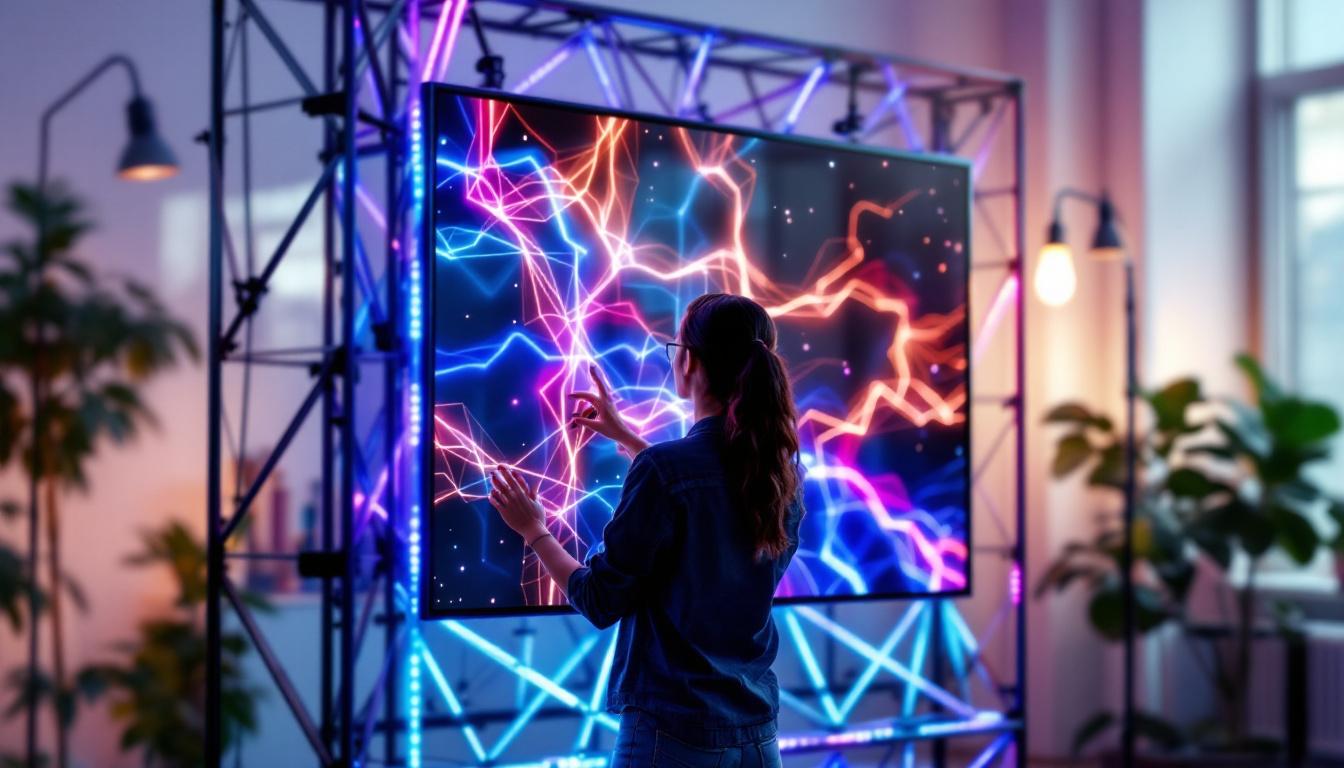
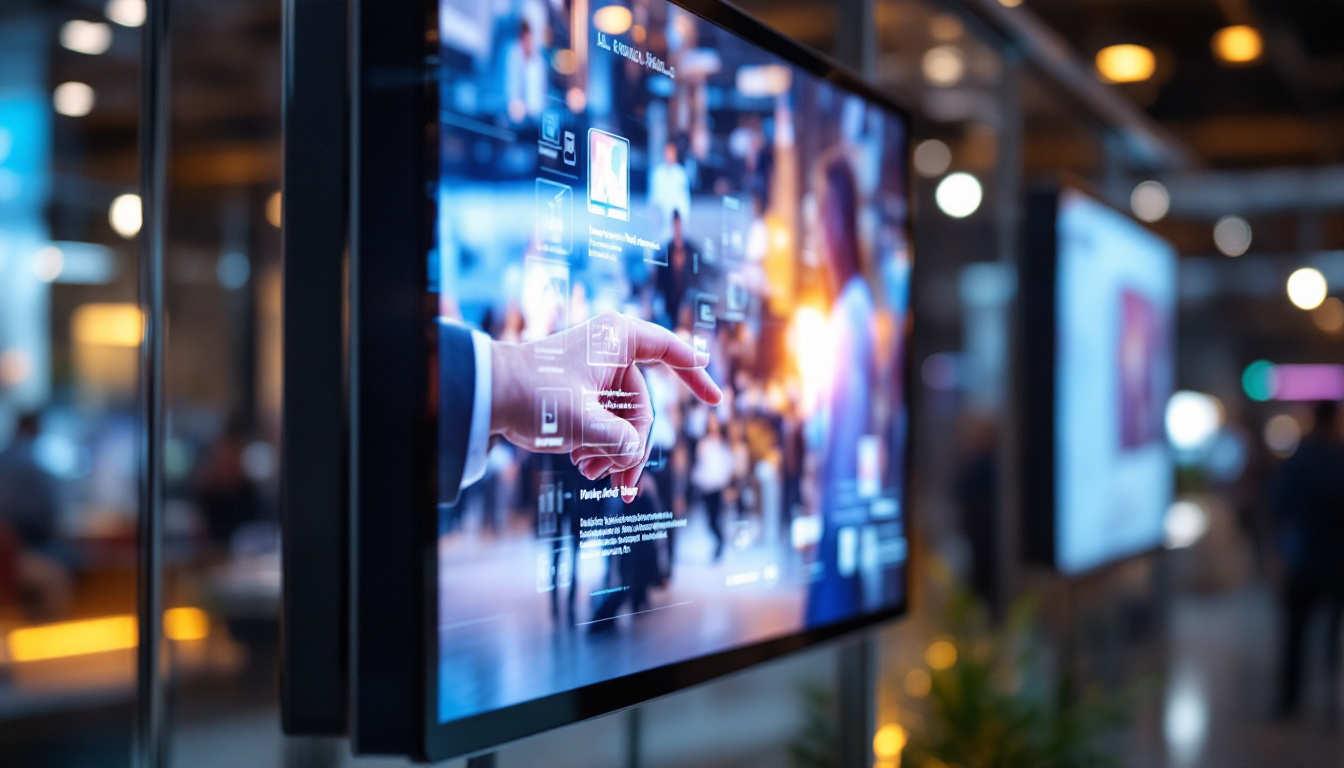
Integration of touch sensors, cameras, and AI-driven analytics is transforming LED signage into interactive platforms. Smart displays can adapt content based on audience demographics, behavior, and environmental conditions, enhancing engagement and effectiveness.
Energy Harvesting and Sustainability
Innovations in energy harvesting, such as solar-powered LED displays, are gaining traction to reduce environmental impact. Sustainable materials and recycling initiatives are also becoming priorities in the production and disposal of LED signage components.
Conclusion
Projection signage powered by LED display technology represents a powerful tool for modern visual communication. Its brightness, versatility, and durability make it suitable for a wide range of applications, from advertising and retail to public information and entertainment. As LED technology continues to evolve, businesses and organizations stand to benefit from increasingly sophisticated, engaging, and sustainable signage solutions.
Understanding the technical aspects and practical considerations of LED displays within projection signage is crucial for maximizing their impact and return on investment. By staying informed about current trends and innovations, stakeholders can harness the full potential of this dynamic technology to connect with audiences in meaningful ways.
Explore Cutting-Edge LED Display Solutions with LumenMatrix
Ready to elevate your visual communication strategy with the latest in LED display technology? LumenMatrix is at the forefront of innovation, offering a diverse range of LED display modules designed to capture your audience’s attention and create unforgettable visual experiences. From Indoor and Outdoor LED Wall Displays to specialized solutions like Vehicle, Sports, and Floor LED Displays, our mission is to enhance your brand’s visibility and engagement. Discover the transformative power of our Custom, All-in-One, and Transparent LED Displays. Check out LumenMatrix LED Display Solutions today and see how we can help you share your message with impact and clarity.