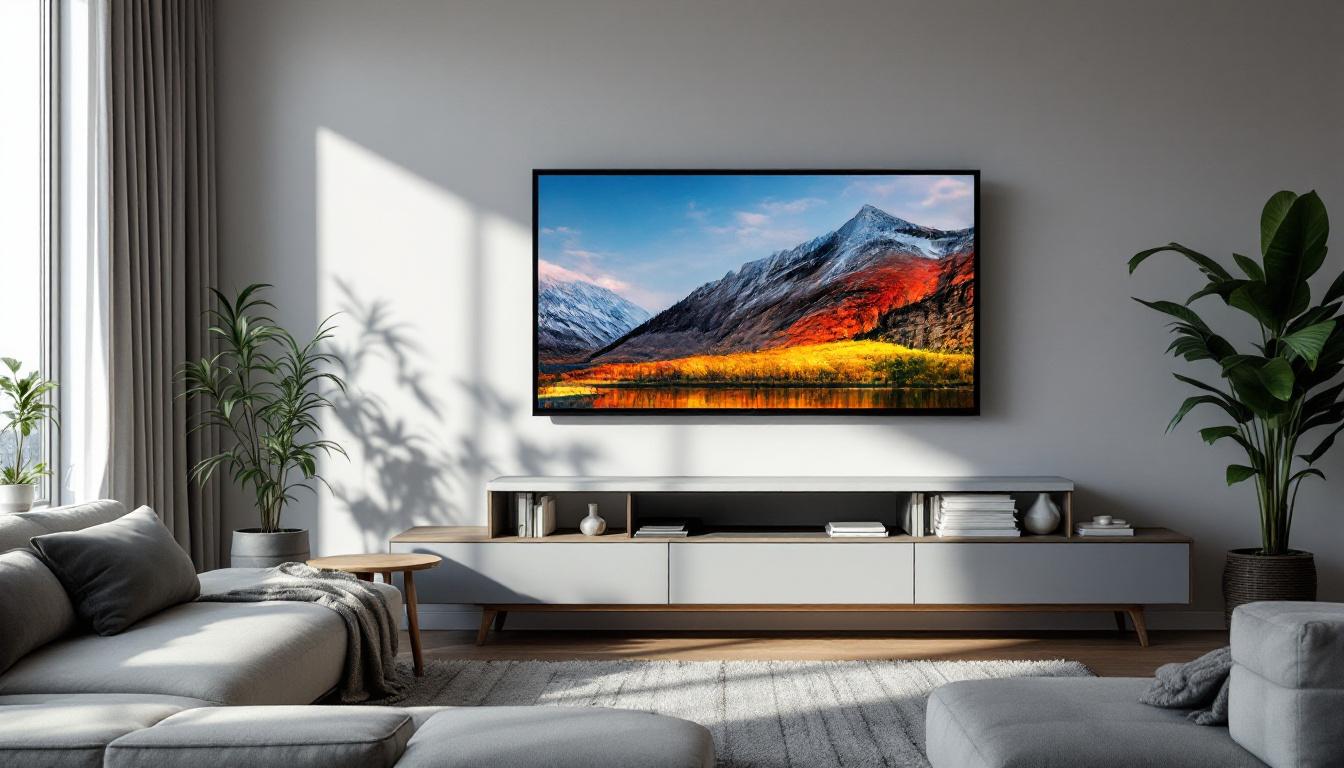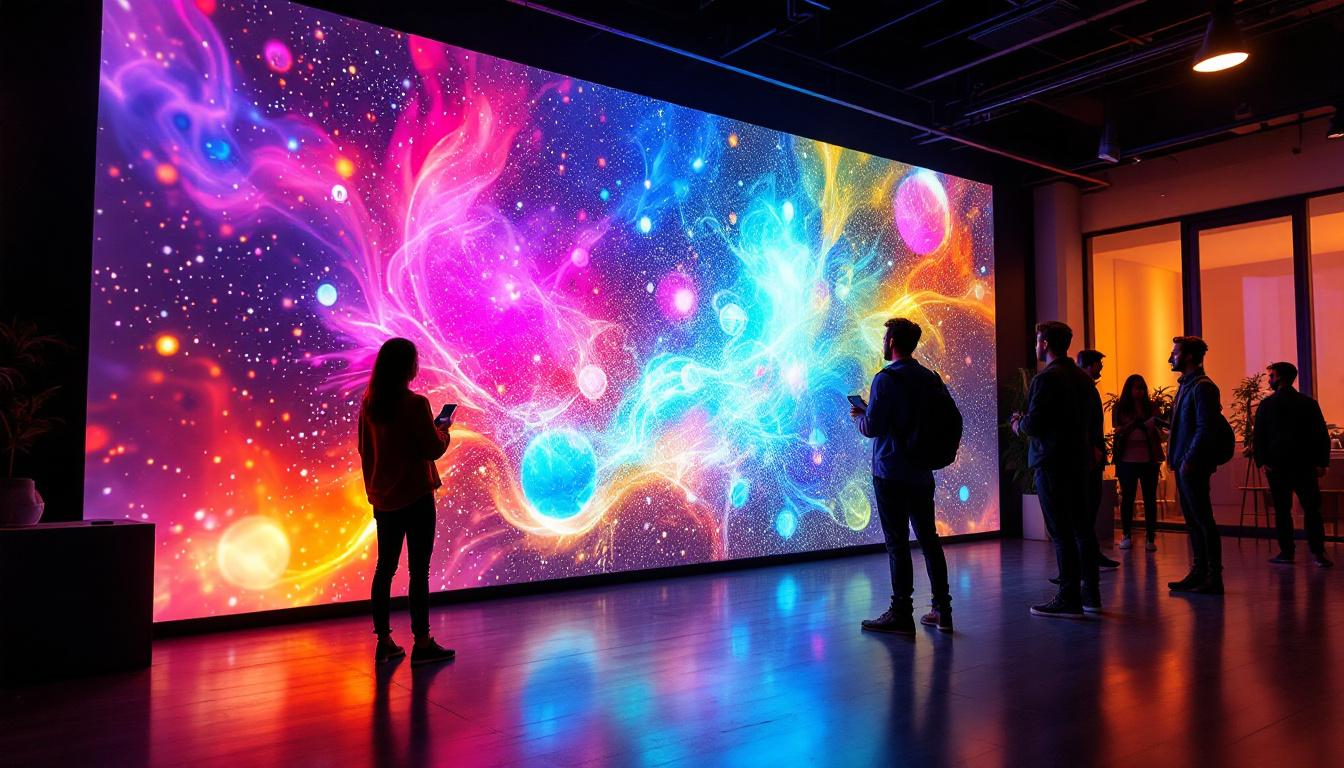
In the rapidly evolving world of visual display technology, LED projection walls have emerged as a dominant force, transforming how businesses, event organizers, and advertisers communicate visually. From massive outdoor billboards to immersive indoor installations, LED displays offer unparalleled brightness, clarity, and versatility. This article delves into the intricacies of projection walls using LED technology, explaining their components, advantages, applications, and future trends.
Understanding LED Projection Walls
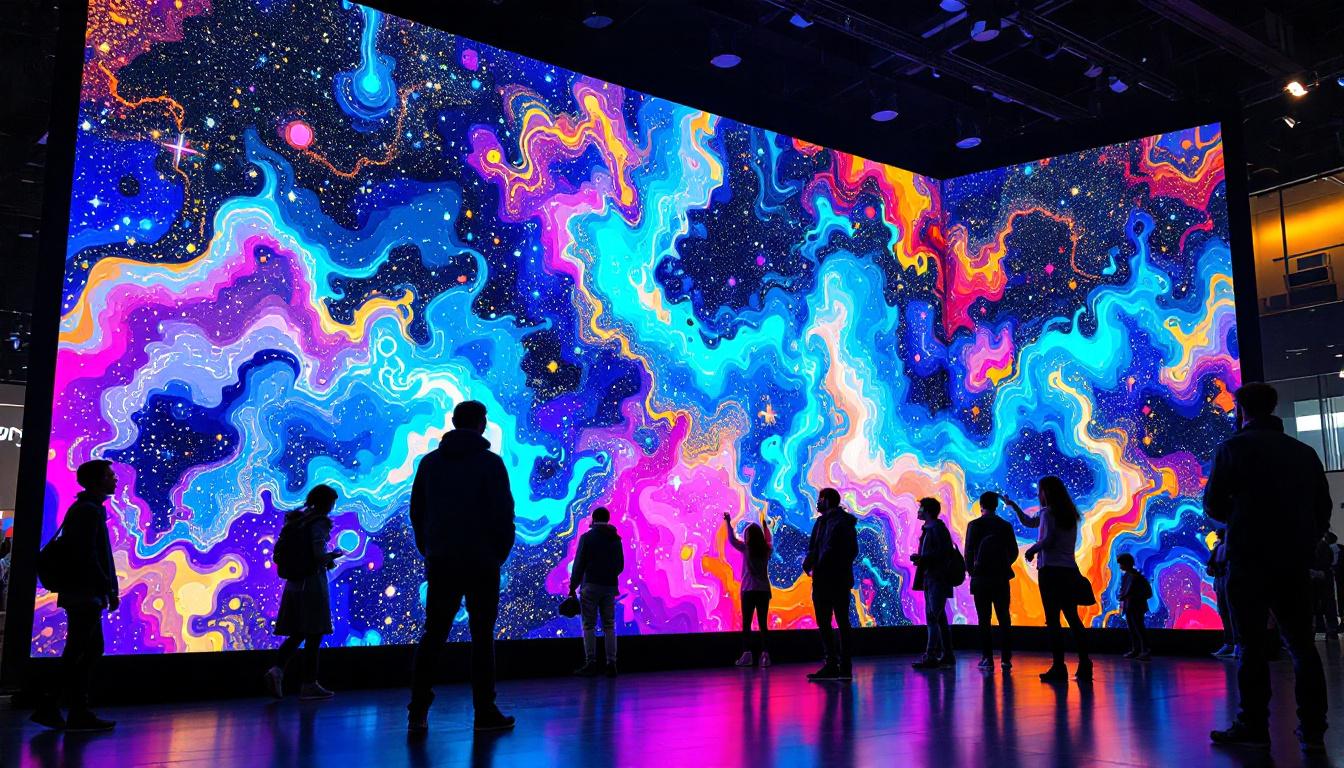
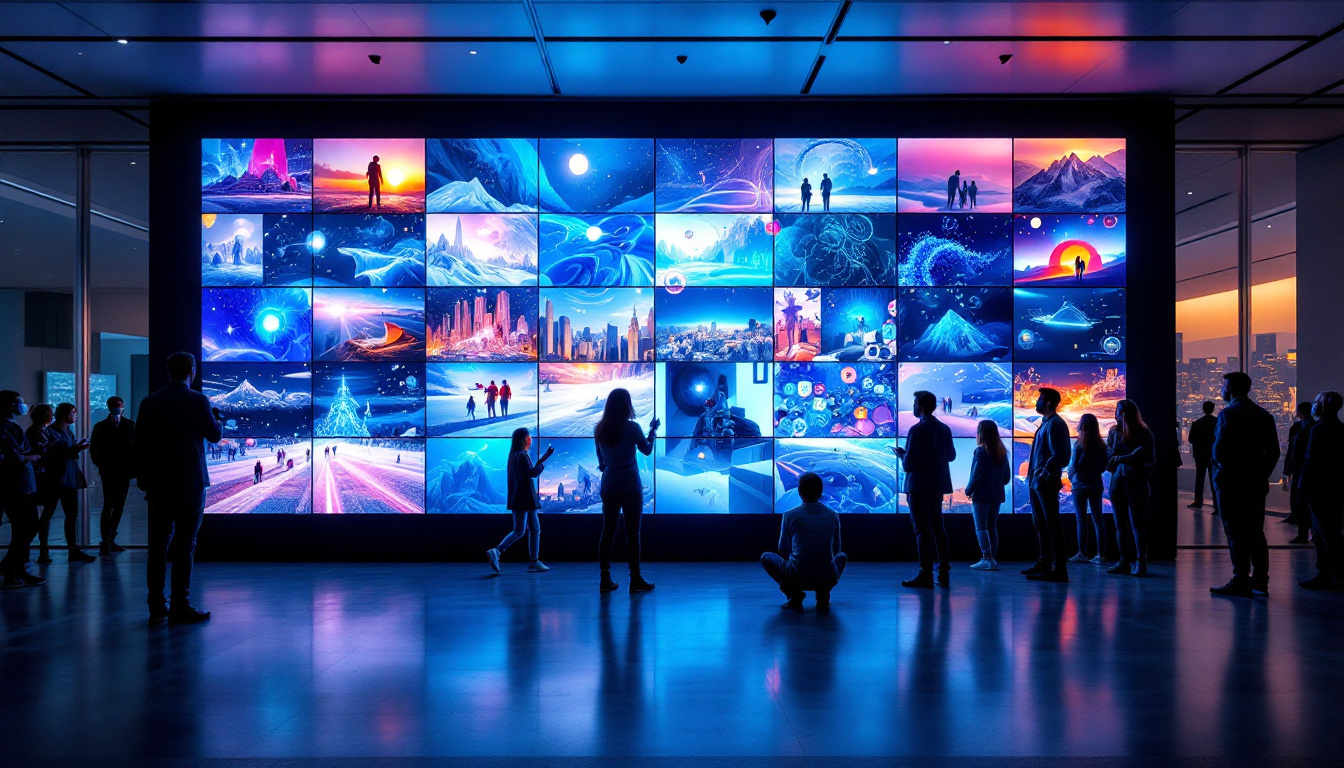
LED projection walls are large-scale video displays composed of numerous light-emitting diodes (LEDs) arranged in panels or modules. Unlike traditional projection systems that rely on projecting light onto a surface, LED walls emit light directly, creating vivid images with exceptional brightness and contrast.
These walls can range from a few square meters to several hundred square meters, making them suitable for diverse environments such as stadiums, concert venues, retail spaces, and corporate lobbies. The modular nature of LED panels allows for flexible configurations, enabling custom shapes and sizes tailored to specific needs. This adaptability not only enhances the aesthetic appeal of a space but also allows for dynamic content displays that can change according to the event or occasion, providing an engaging visual experience for audiences.
How LED Technology Works in Projection Walls
At the core of an LED projection wall are tiny diodes that emit light when an electric current passes through them. Each pixel on the display typically consists of three sub-pixels: red, green, and blue LEDs. By varying the intensity of these sub-pixels, the display can produce a full spectrum of colors, delivering rich and accurate images. This technology allows for impressive color depth and clarity, making LED walls particularly effective for high-definition video content, live broadcasts, and immersive experiences.
These LEDs are mounted on panels that are connected seamlessly to form a continuous display surface. Advanced control systems synchronize the input video signals with the LED panels, ensuring smooth and synchronized visual output. The direct emission of light from LEDs means that these walls maintain high visibility even in bright ambient conditions, unlike traditional projectors that struggle under strong lighting. Additionally, the low power consumption of LED technology contributes to its sustainability, making it an eco-friendly choice for large-scale displays.
Key Components of LED Projection Walls
Several critical components come together to create a functional LED projection wall:
- LED Modules: These are the building blocks of the wall, containing arrays of LEDs arranged in pixels. The pixel pitch, or distance between pixels, determines the resolution and viewing distance suitability. Smaller pixel pitches yield higher resolutions, making them ideal for close-up viewing, such as in retail environments or exhibitions.
- Control System: This hardware and software manage the input signals, color calibration, and synchronization of the display. Modern control systems often come equipped with advanced features like real-time content management, allowing operators to change visuals on-the-fly, which is particularly useful for live events.
- Power Supply: LED walls require stable and efficient power sources to maintain consistent brightness and performance. Innovations in power supply technology have led to more compact and energy-efficient solutions, enhancing the overall reliability of the display.
- Mounting Structure: A robust framework supports the LED panels, ensuring alignment and stability, especially for large-scale installations. This structure must be carefully engineered to accommodate the weight and dimensions of the panels, while also allowing for easy access for maintenance and upgrades.
Advantages of LED Projection Walls Over Traditional Displays
LED projection walls offer numerous benefits compared to conventional projection systems and LCD screens, making them the preferred choice for many applications.
Superior Brightness and Visibility
One of the most significant advantages of LED walls is their exceptional brightness. While traditional projectors typically output between 2,000 to 5,000 lumens, LED walls can achieve brightness levels exceeding 5,000 nits (a unit measuring luminance). This allows LED walls to remain clearly visible even in direct sunlight or brightly lit environments, a critical factor for outdoor advertising and large venues.
High Resolution and Image Quality
Modern LED walls boast pixel pitches as fine as 0.9mm, enabling ultra-high-definition displays suitable for close viewing distances. The direct emission of light from LEDs ensures vibrant colors and deep blacks, resulting in high contrast ratios that enhance image depth and realism.
Durability and Longevity
LED displays are designed for long-term use, with typical lifespans ranging from 50,000 to 100,000 hours. They are resistant to environmental factors such as moisture, dust, and temperature fluctuations, especially when housed in weatherproof enclosures. This durability reduces maintenance costs and downtime compared to traditional projection equipment.
Energy Efficiency
Despite their brightness, LED walls are relatively energy-efficient. Advances in LED technology have reduced power consumption significantly, making them more sustainable and cost-effective over time compared to high-lumen projectors that require powerful lamps and cooling systems.
Flexibility and Scalability
The modular design of LED walls allows for easy scalability and customization. Panels can be added or removed to adjust the size or shape of the display, accommodating various spatial constraints and creative designs. This flexibility is invaluable for event production companies and advertisers who require adaptable solutions.
Applications of LED Projection Walls
The versatility of LED projection walls has led to their widespread adoption across many industries and settings. Their ability to deliver captivating visuals makes them ideal for both functional and aesthetic purposes.
Outdoor Advertising and Digital Billboards
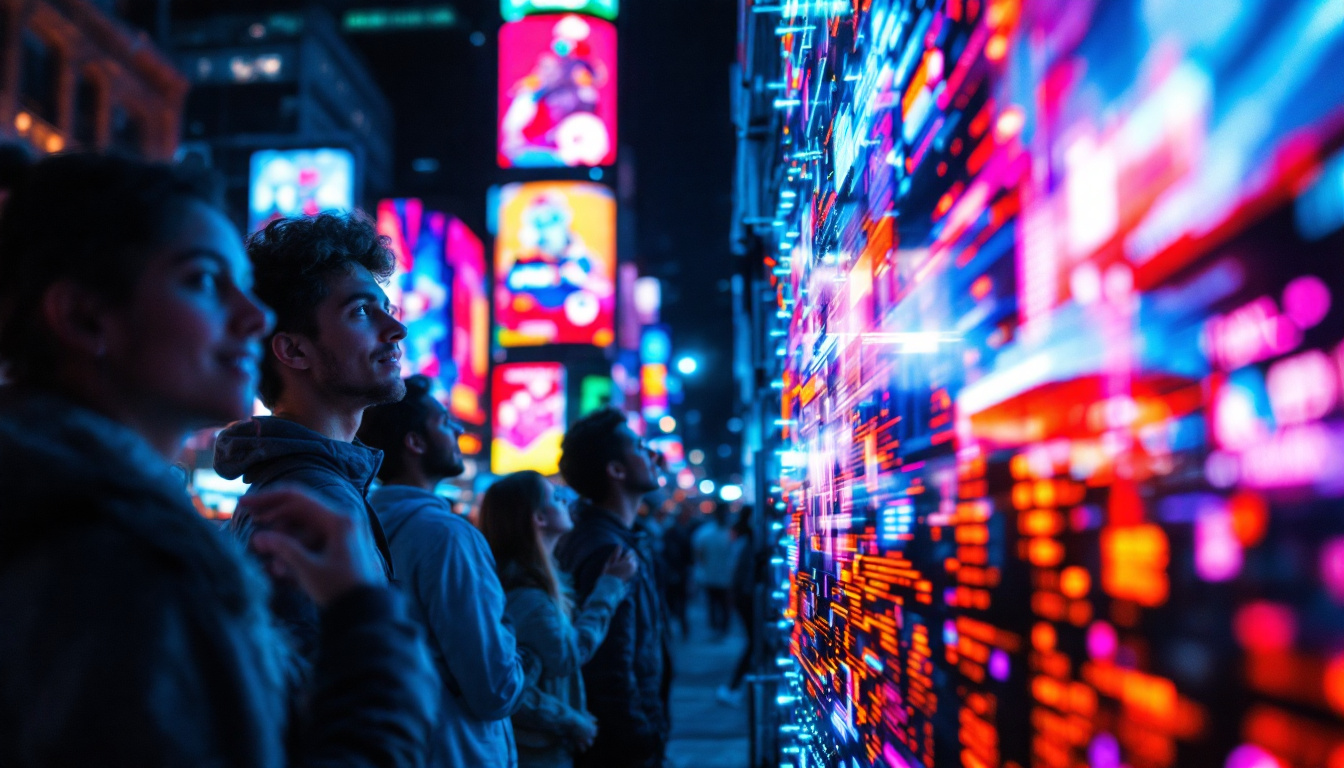
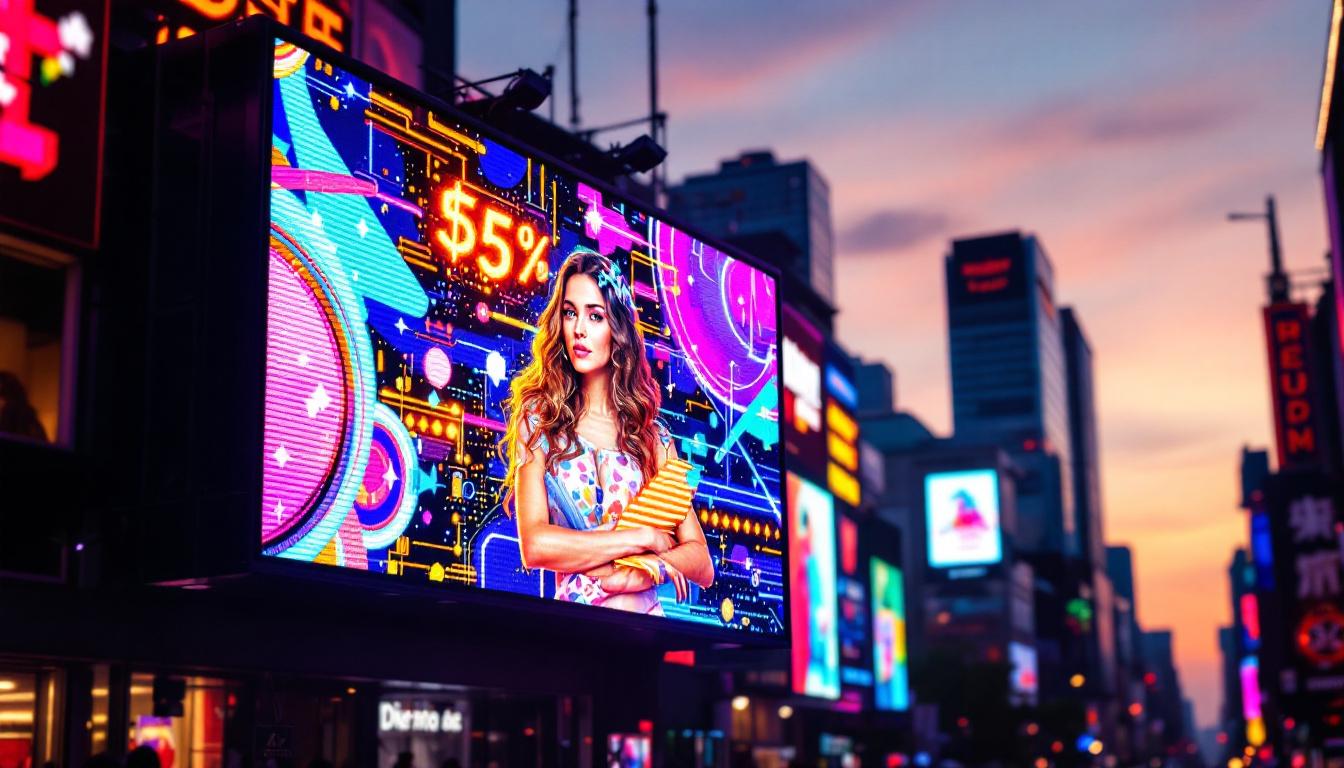
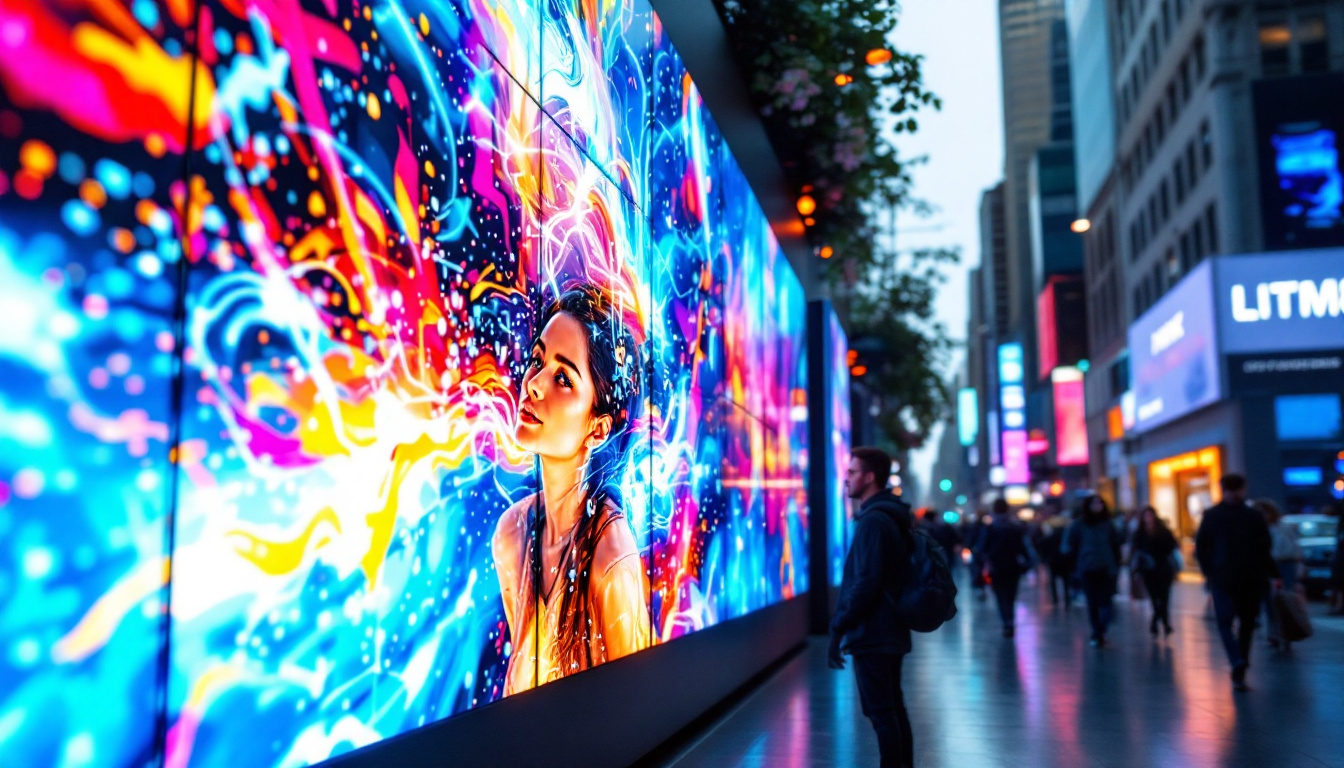
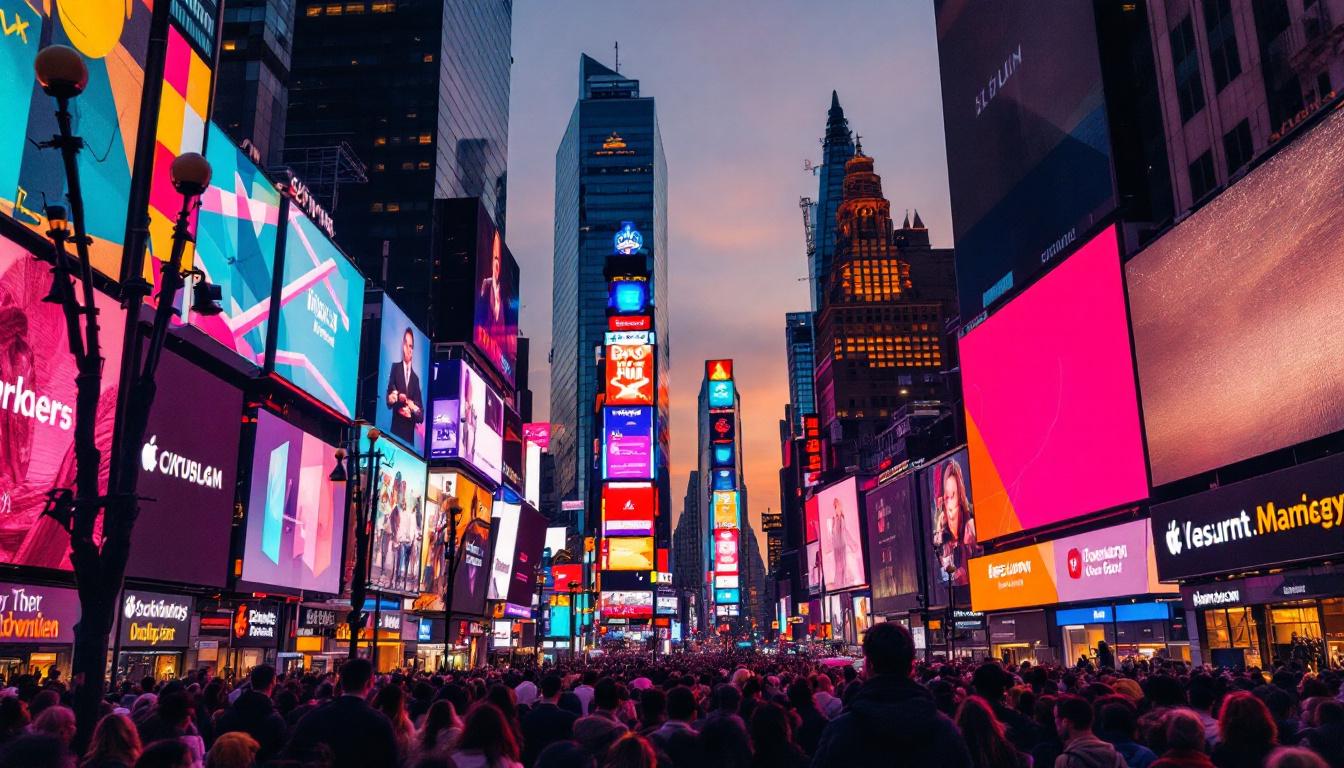
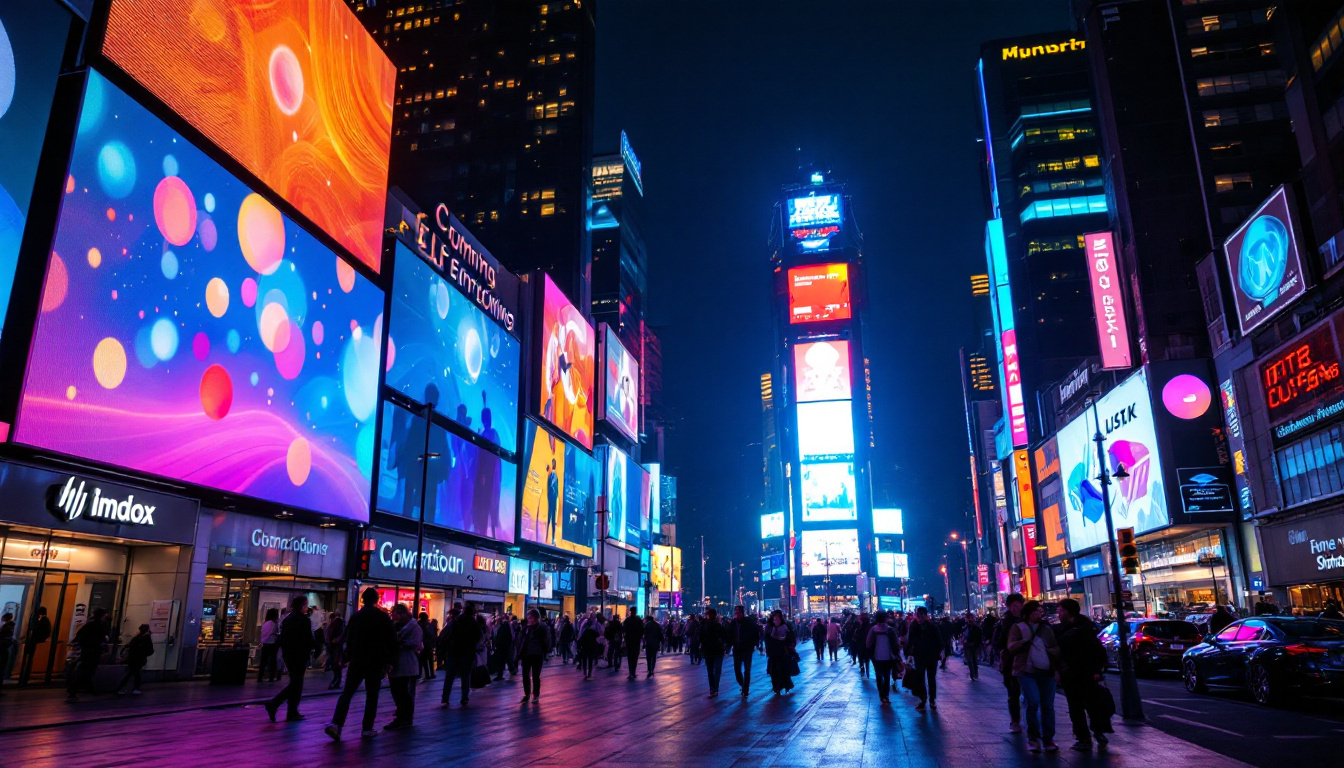
LED walls have revolutionized outdoor advertising by enabling dynamic, eye-catching digital billboards that can display videos, animations, and real-time content. Cities worldwide have embraced LED billboards for their ability to attract attention and deliver targeted marketing messages. For instance, Times Square in New York City features some of the largest and most advanced LED displays, captivating millions of visitors annually.
Live Events and Entertainment
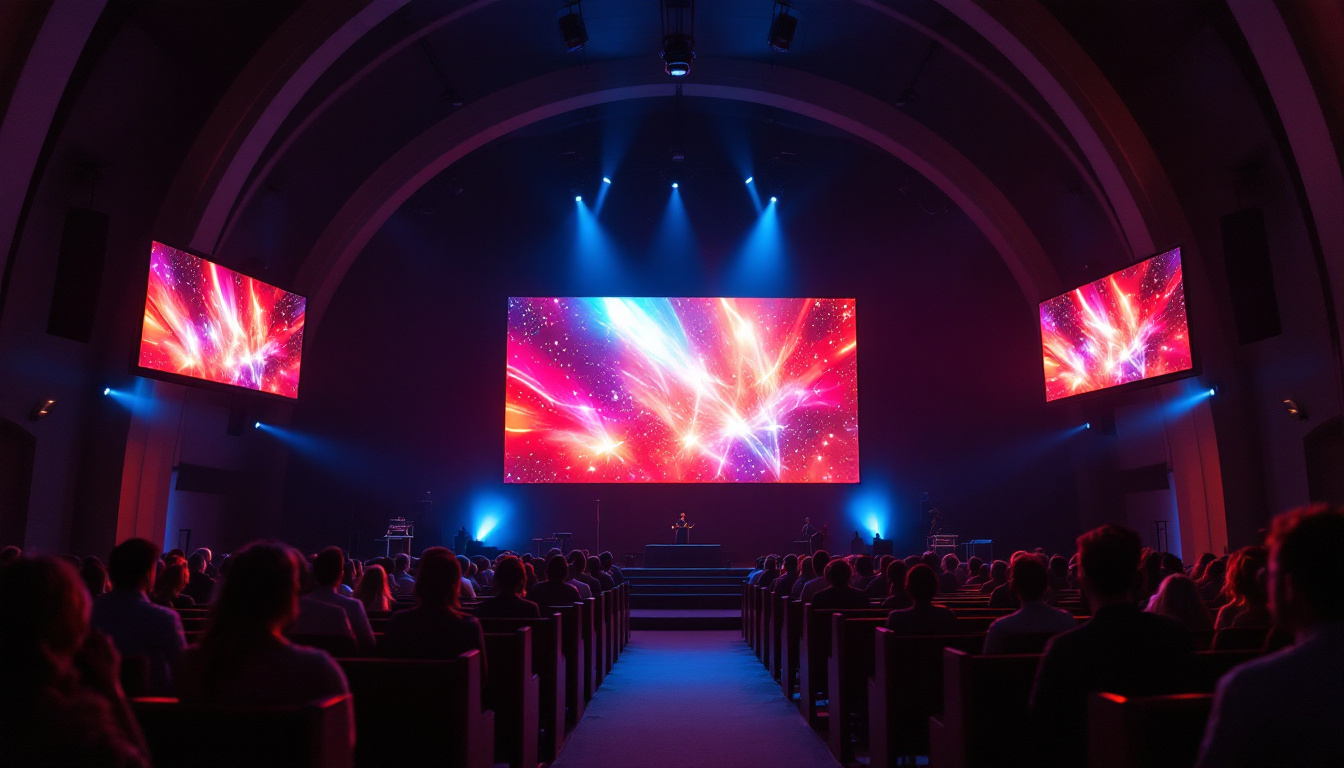
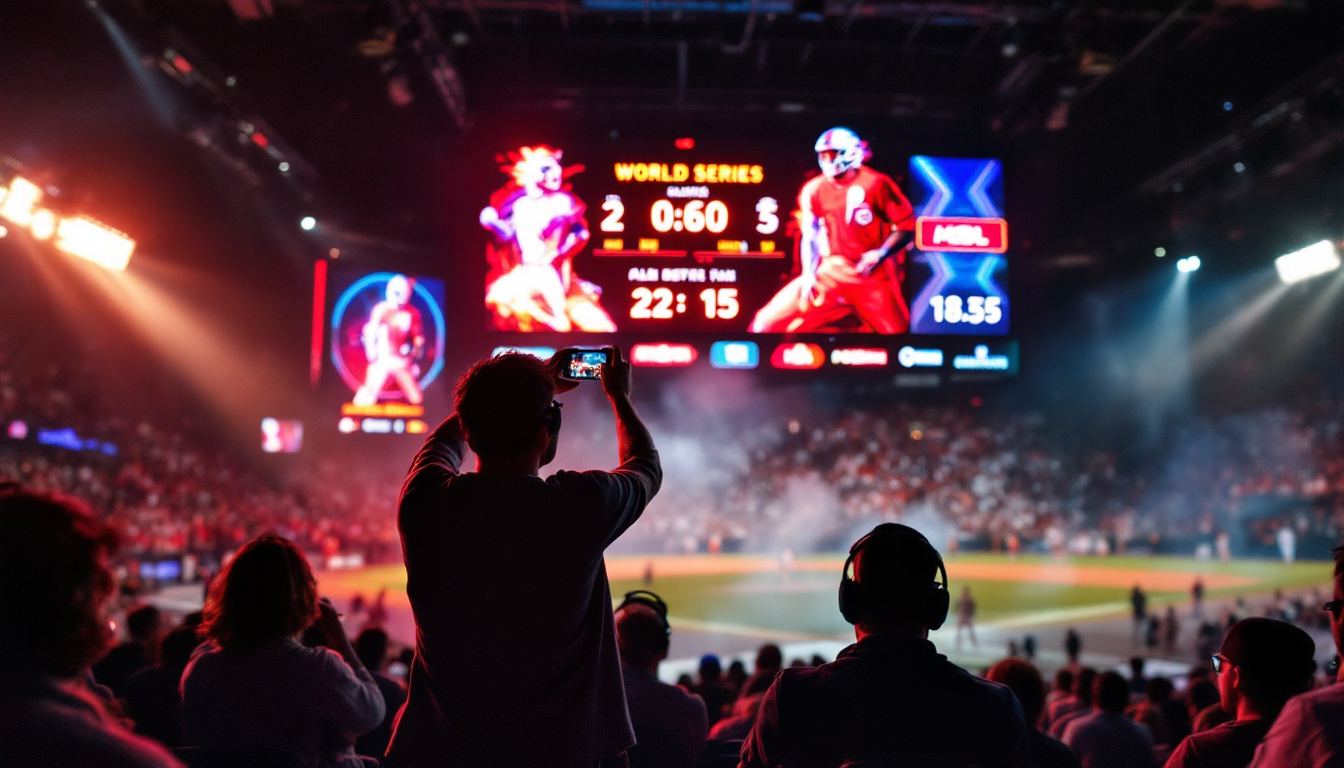
Concerts, festivals, sports arenas, and theatrical productions frequently use LED walls to enhance the audience experience. These walls serve as backdrops, scoreboards, or interactive elements, providing high-resolution visuals that complement live performances. The ability to create immersive environments with synchronized lighting and video content has become a staple in modern event production.
Corporate and Retail Environments
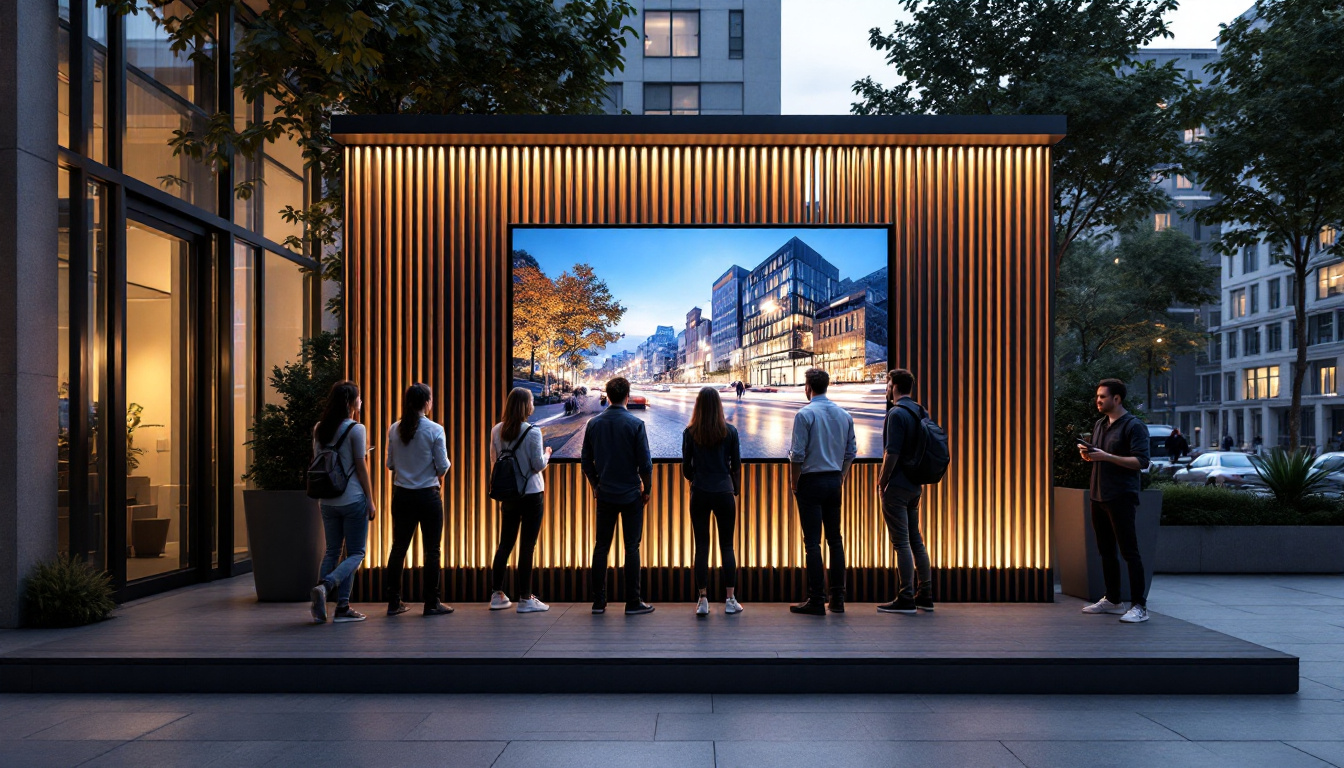
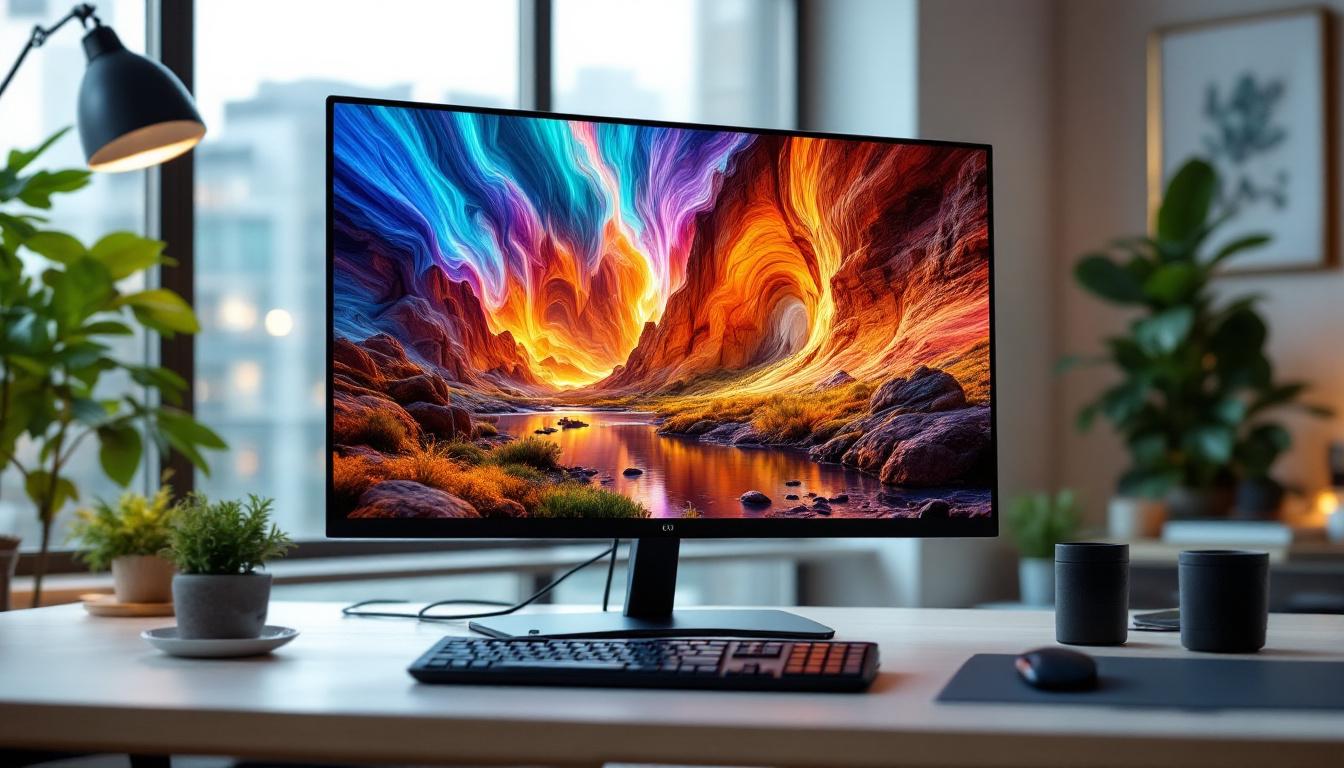
In corporate settings, LED walls are used for presentations, video conferencing, and branding displays. Retailers employ them to showcase products, promotions, and interactive content that engage customers. Large-format LED displays in shopping malls and showrooms help create memorable brand experiences that drive sales and customer loyalty.
Control Rooms and Public Information Displays
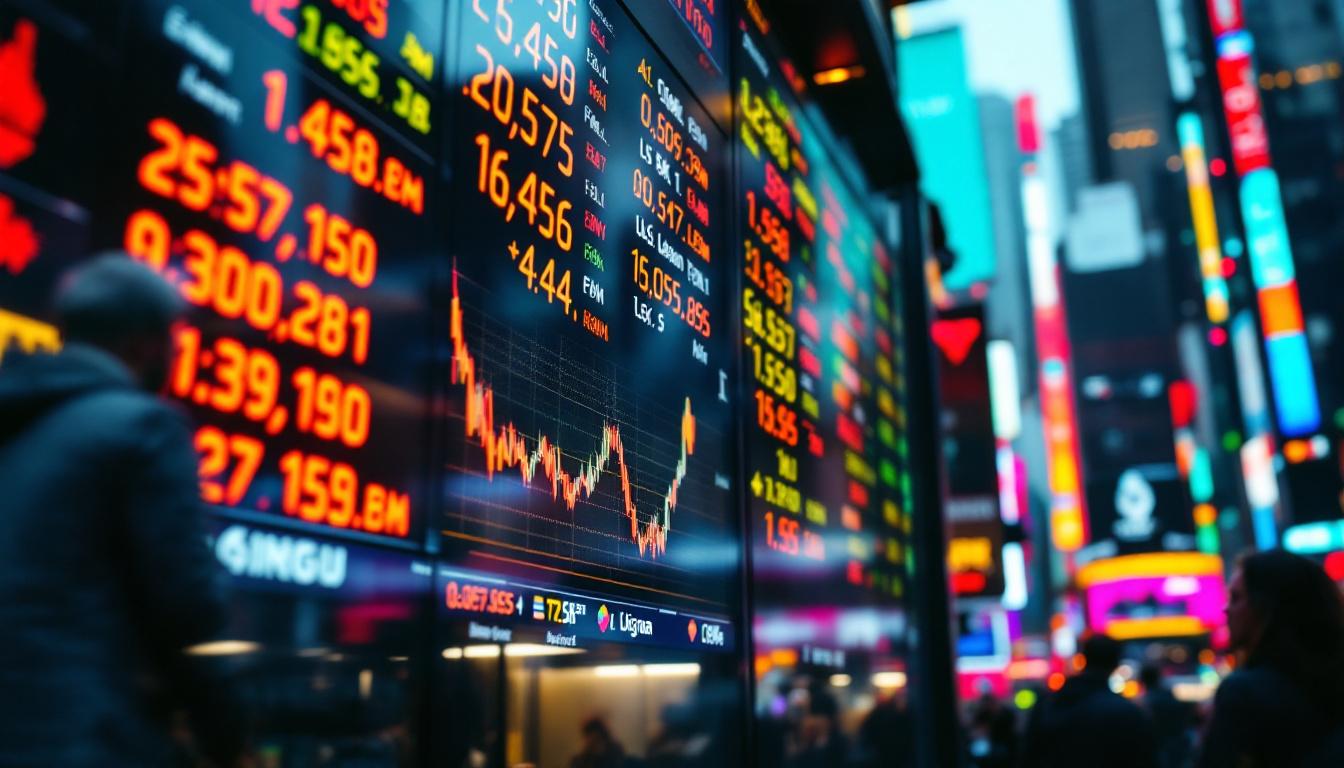
Control centers for transportation, utilities, and emergency services rely on LED walls for real-time monitoring and data visualization. Their clarity and reliability are essential for critical decision-making. Similarly, airports, train stations, and public spaces use LED walls to provide timely information and wayfinding assistance to travelers.
Choosing the Right LED Projection Wall
Selecting an LED projection wall requires careful consideration of several factors to ensure optimal performance and return on investment.
Pixel Pitch and Resolution
The pixel pitch determines the resolution and viewing distance of the display. Smaller pixel pitches (e.g., 0.9mm to 2.5mm) are suitable for indoor environments where viewers are close to the screen, providing crisp images and fine detail. Larger pixel pitches (e.g., 4mm to 10mm) are more appropriate for outdoor or large venues where viewers are farther away.
Brightness Requirements
Assessing ambient lighting conditions is crucial. Outdoor installations or brightly lit indoor spaces require higher brightness levels (5,000 nits or more), whereas controlled indoor environments can operate effectively at lower brightness, conserving energy.
Installation Environment and Weatherproofing
For outdoor applications, LED panels must have appropriate ingress protection (IP) ratings to withstand rain, dust, and temperature extremes. Indoor installations focus more on aesthetics, weight, and ease of maintenance.
Content Management and Control Systems
Advanced control software allows for seamless content scheduling, real-time updates, and integration with other media sources. Choosing a system that supports the desired content formats and network connectivity is essential for smooth operation.
Future Trends in LED Projection Walls
The LED display industry continues to innovate, driven by advances in materials science, electronics, and software. Several emerging trends promise to shape the future of projection walls.
MicroLED and MiniLED Technologies
MicroLED technology involves even smaller LEDs than currently used, enabling higher pixel densities and improved energy efficiency. This will push the boundaries of resolution and image quality, particularly for indoor and close-viewing applications. MiniLEDs, while larger, offer enhanced contrast and local dimming capabilities, improving dynamic range.
Flexible and Transparent LED Displays
Flexible LED panels allow for curved or irregularly shaped projection walls, opening new creative possibilities for architects and designers. Transparent LED displays enable screens to be embedded in glass surfaces, such as windows or storefronts, blending digital content with physical environments seamlessly.
Integration with Augmented Reality (AR) and Interactive Technologies
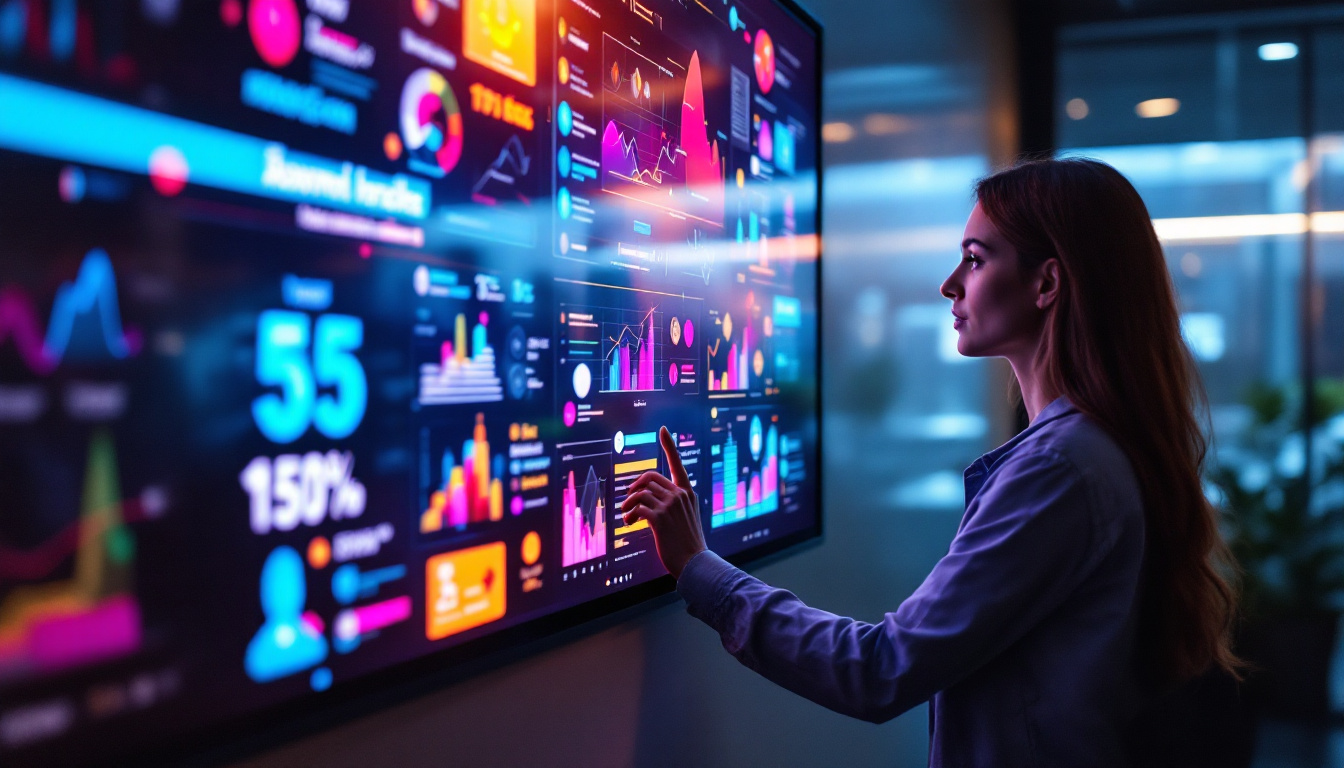
LED walls are increasingly being integrated with AR and sensor technologies to create interactive experiences. Gesture recognition, touch sensitivity, and real-time data overlays enhance user engagement in retail, education, and entertainment sectors.
Energy-Efficient and Sustainable Solutions
Manufacturers are focusing on reducing the environmental impact of LED displays by improving energy efficiency, using recyclable materials, and developing smarter power management systems. This aligns with growing corporate responsibility and regulatory pressures worldwide.
Conclusion
Projection walls utilizing LED technology represent a significant leap forward in visual display capabilities. Their superior brightness, durability, flexibility, and image quality make them indispensable tools across a wide range of industries. As technology advances, LED projection walls will continue to evolve, offering even more immersive and interactive experiences. For businesses and organizations looking to make a powerful visual impact, understanding the fundamentals and advantages of LED projection walls is essential for making informed decisions and staying ahead in a competitive landscape.
Discover the Future of Visual Impact with LumenMatrix
Ready to elevate your visual communication to new heights? LumenMatrix is at the forefront of LED display innovation, offering a comprehensive range of solutions tailored to your needs. Whether you’re seeking to dazzle with Indoor LED Wall Displays, make a statement with Outdoor LED Wall Displays, or captivate on the move with Vehicle LED Displays, we have you covered. Our mission is to transform your space into a dynamic visual experience that engages and inspires. Don’t miss the opportunity to bring your vision to life with our LED Sports Displays, Floor LED Displays, Custom LED Displays, All-in-One LED Displays, and LED Transparent Displays. Check out LumenMatrix LED Display Solutions today and join the revolution in visual storytelling.