Choosing the right projector involves understanding a variety of technical specifications, among which contrast ratio is one of the most critical. When it comes to LED projectors, the concept of contrast ratio can be somewhat confusing due to the unique way these devices produce images compared to traditional lamp-based projectors. This article delves into what projector contrast ratio means, why it matters, and how it specifically applies to LED displays, helping you make an informed decision whether you’re a home theater enthusiast, a business professional, or an educator.
Understanding Contrast Ratio: The Basics
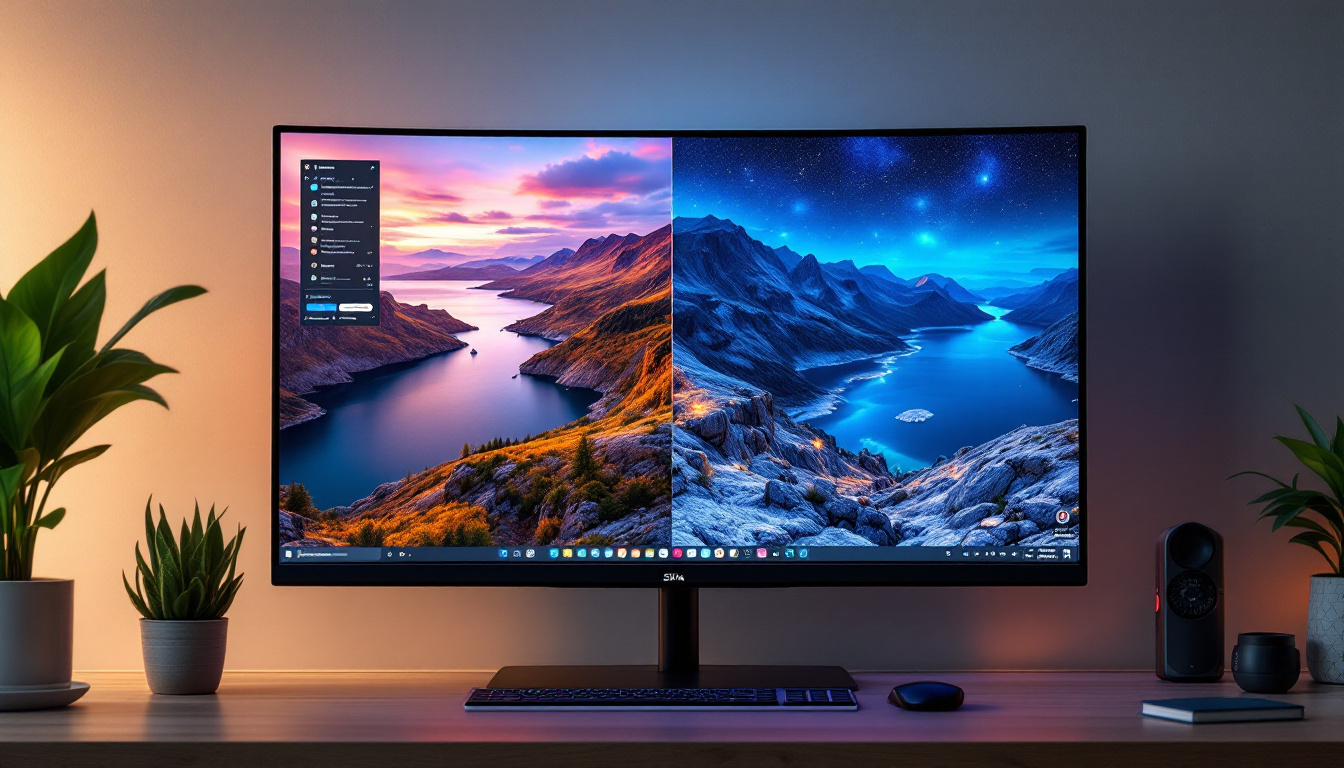
Contrast ratio is a measure of the difference between the darkest black and the brightest white a projector can display. In simple terms, it tells you how well a projector can reproduce details in shadows and highlights, which directly impacts image depth and realism.
For example, a contrast ratio of 1000:1 means the brightest white is 1000 times brighter than the darkest black the projector can produce. The higher the contrast ratio, the more vibrant and dynamic the image appears, especially in scenes with a wide range of light intensities. This capability is particularly crucial for genres such as horror or action films, where dark scenes can either enhance suspense or diminish the viewing experience if not rendered accurately.
Why Contrast Ratio Matters
Contrast ratio affects the perceived picture quality more than resolution or brightness in many cases. Even a projector with 4K resolution can look washed out if the contrast ratio is low. This is because details in dark scenes become muddled, and colors lose their richness. A projector with a high contrast ratio can bring out subtle textures in shadows, making the image feel more three-dimensional and lifelike.
In environments with controlled lighting, such as dedicated home theaters, a high contrast ratio is essential for an immersive viewing experience. Conversely, in brightly lit rooms, the impact of contrast ratio diminishes somewhat due to ambient light washing out the image. However, some advanced projectors come equipped with features like dynamic iris control or adaptive brightness settings, which can help mitigate the effects of ambient light and enhance contrast even in less-than-ideal conditions.
How Contrast Ratio is Measured
Manufacturers typically measure contrast ratio using either ANSI (American National Standards Institute) or full on/off methods. The full on/off method measures the brightness of a full white screen versus a full black screen, often resulting in higher contrast ratio numbers. ANSI contrast, which measures brightness in a checkerboard pattern of black and white squares, tends to be more realistic but yields lower ratios. This method provides a better representation of how the projector will perform in real-world viewing scenarios, where images are rarely just black or white.
It’s important to note that contrast ratio numbers can vary widely between manufacturers and measurement standards, so comparing projectors solely based on these figures can be misleading. Additionally, the technology behind the projector—such as whether it uses LCD, DLP, or LCoS—can also influence how effectively contrast is achieved. Each technology has its own strengths and weaknesses in rendering contrast, which can further complicate the selection process for consumers looking for the best viewing experience tailored to their needs. Understanding these nuances can help buyers make more informed decisions when investing in a projector that meets their specific requirements.
The Unique Nature of LED Projector Contrast Ratios
LED projectors differ fundamentally from traditional lamp-based projectors in how they generate light. Instead of a high-intensity lamp, LED projectors use light-emitting diodes as their light source. This difference has significant implications for contrast ratio and overall image quality.
Advantages of LED Light Sources
LEDs provide several benefits that influence contrast ratio positively. They can switch on and off almost instantaneously, allowing for better control over light output. This rapid response helps LED projectors achieve deeper blacks because the LEDs can be dimmed or turned off in specific image areas, reducing light bleed.
Additionally, LEDs maintain consistent brightness and color over time, unlike traditional lamps that degrade and lose intensity, which can negatively affect contrast ratio as the projector ages. This longevity is particularly advantageous for users who rely on projectors for long-term use, such as in home theaters or educational settings, where consistent performance is paramount. The stable color temperature of LEDs also ensures that the hues remain vibrant and true to life, enhancing the overall viewing experience.
Native Contrast vs. Dynamic Contrast in LED Projectors
When evaluating LED projectors, it’s crucial to distinguish between native contrast ratio and dynamic contrast ratio. Native contrast ratio refers to the inherent ability of the projector to display different brightness levels simultaneously, without any software or hardware tricks.
Dynamic contrast ratio, on the other hand, involves adjusting the brightness of the light source or image processing algorithms during playback to boost contrast. For example, the projector may dim the LEDs during dark scenes and brighten them during light scenes to create the impression of higher contrast. This technique can be particularly effective in cinematic presentations where dramatic shifts in lighting are common, allowing viewers to experience a more immersive narrative.
While dynamic contrast can enhance perceived image quality, it can also introduce artifacts or cause noticeable shifts in brightness, which some viewers find distracting. Moreover, the effectiveness of dynamic contrast can vary significantly between different models, making it essential for consumers to research specific projectors to understand how well they handle these adjustments. Some high-end LED projectors have advanced algorithms that minimize these issues, providing a smoother viewing experience, while others may struggle to maintain image integrity, especially during fast-paced action scenes.
Factors Influencing Contrast Ratio in LED Projectors
Several technical and environmental factors affect the contrast ratio you can expect from an LED projector.
Ambient Light Conditions
Ambient light is one of the biggest enemies of contrast. Even projectors with excellent contrast ratios struggle to display deep blacks in brightly lit rooms because stray light reflects off the screen and into the viewer’s eyes.
For LED projectors, which often have lower brightness levels compared to lamp-based models, controlling ambient light is even more critical. Using blackout curtains, dimming lights, or choosing a projector with higher brightness can help maintain contrast in less-than-ideal lighting conditions.
Screen Type and Gain
The projection surface also plays a significant role. Screens with high gain reflect more light back to the viewer, increasing brightness but potentially reducing contrast by reflecting ambient light as well. Matte or ambient light rejecting (ALR) screens can help preserve contrast by minimizing reflections.
Projector Optics and Processing
High-quality optics ensure that light is focused correctly, preventing light scatter that can wash out blacks. Additionally, advanced image processing technologies in LED projectors, such as local dimming and HDR (High Dynamic Range) support, can significantly enhance contrast performance.
Comparing LED Projectors to Other Technologies
Understanding how LED projectors stack up against other projection technologies helps clarify their strengths and limitations regarding contrast ratio.
LED vs. Lamp-Based Projectors
Lamp-based projectors typically achieve higher peak brightness than LED models, which can be advantageous in well-lit environments. However, their contrast ratios can degrade over time as the lamp ages and dims.
LED projectors generally offer better color stability and longer lifespans, with contrast ratios that remain consistent. While their native contrast ratios may sometimes be lower than the best lamp-based projectors, dynamic contrast techniques and improved optics help bridge the gap.
LED vs. Laser Projectors
Laser projectors are another emerging technology that offers high brightness and excellent contrast ratios. Like LEDs, lasers can be modulated quickly for better black levels and dynamic contrast.
Laser projectors tend to be more expensive but can outperform LED projectors in brightness and contrast, making them suitable for large venues and professional applications.
LED vs. OLED Displays
While OLED is not a projection technology, it’s worth mentioning due to its exceptional contrast ratios. OLED displays achieve perfect blacks because each pixel emits its own light and can turn off completely.
LED projectors cannot match OLED’s pixel-level light control but remain a compelling choice for large-screen projection where OLED is not feasible.
Practical Tips for Maximizing Contrast Ratio with LED Projectors
To get the best contrast ratio and overall image quality from an LED projector, consider the following practical advice.
Optimize Room Lighting
Minimize ambient light by using blackout curtains or shades and turning off unnecessary lights. Even subtle light sources like electronic displays or streetlights can reduce perceived contrast.
Choose the Right Screen
Select a screen designed for projector use, preferably one with ambient light rejection properties. Avoid glossy or reflective surfaces that can scatter light and reduce contrast.
Adjust Projector Settings
Many LED projectors include settings to enhance contrast, such as dynamic iris, gamma correction, or contrast enhancement modes. Experiment with these settings to find the best balance between brightness and black levels for your viewing environment.
Maintain Your Projector
Keep the projector clean and well-ventilated to prevent overheating, which can affect performance. Although LEDs have long lifespans, dust accumulation or internal component wear can degrade image quality over time.
Conclusion: The Role of Contrast Ratio in Choosing an LED Projector
Contrast ratio remains a cornerstone specification when evaluating projectors, particularly LED models. While LED projectors may not always boast the highest native contrast ratios compared to some lamp-based or laser projectors, their advantages in color stability, longevity, and dynamic contrast capabilities make them an excellent choice for many users.
Understanding the nuances of contrast ratio measurement and the factors that influence it empowers buyers to select a projector that delivers vibrant, immersive images tailored to their specific environment and use case. Whether for home cinema, business presentations, or educational purposes, paying attention to contrast ratio—and how it interacts with ambient light, screen choice, and projector technology—ensures a satisfying viewing experience.
Discover the Perfect LED Projector for Your Needs with LumenMatrix
Ready to experience the ultimate in contrast and color fidelity for your presentations, educational content, or home cinema? LumenMatrix, a pioneer in LED display technology, offers an extensive range of LED display solutions designed to bring your visual communications to life. From vibrant Indoor LED Walls to dynamic Outdoor LED Displays and beyond, our products are crafted to deliver unparalleled visual impact. Don’t settle for less—check out LumenMatrix LED Display Solutions today and see the difference cutting-edge technology can make.